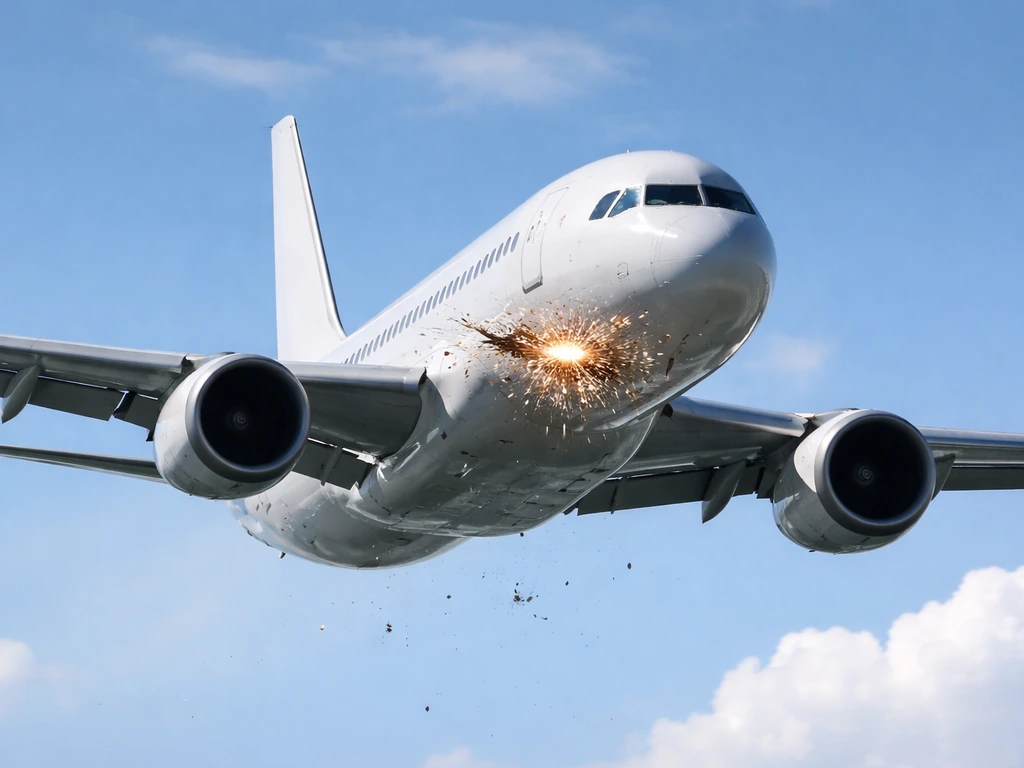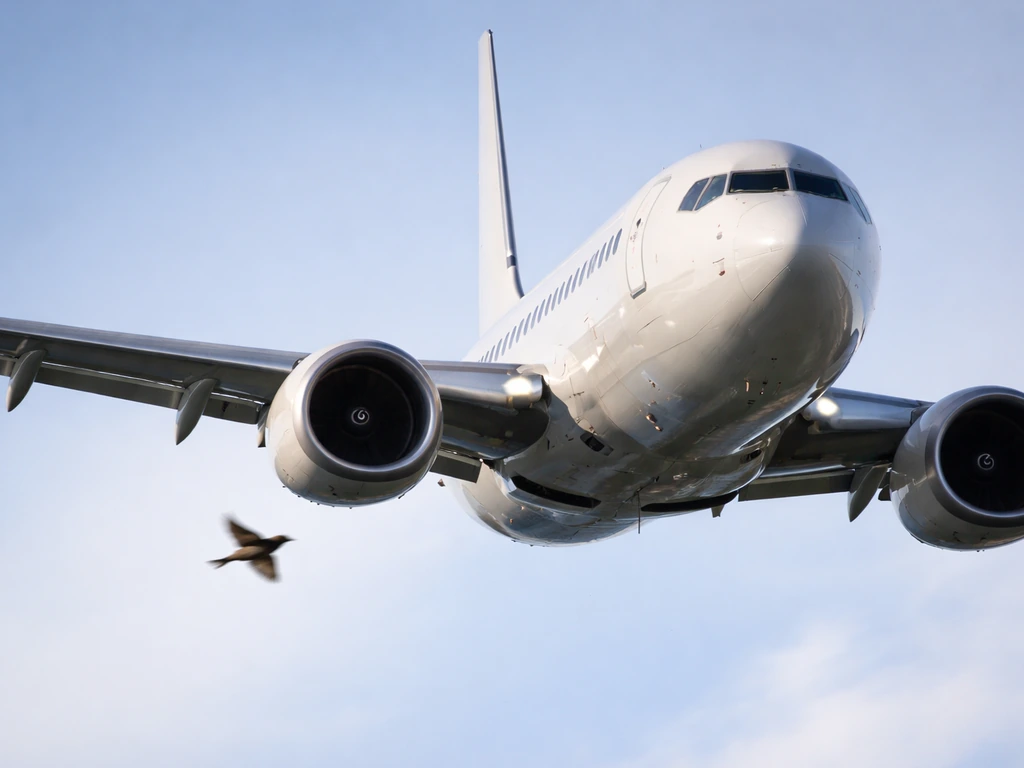
Brady Knoll never hit a bird in real life. Brady Knoll is a fictional character played by comedian Nate Bargatze in a Saturday Night Live sketch called 'Golf Tournament.' In the sketch, Knoll's golf swing kills a bird mid-air, maims a bald eagle's nest, and hits a snapping turtle. It's pure comedy, not a real event, and there is no credible news report, police record, or verified incident behind it.
Did Brady Knoll Hit a Bird? Facts, Verification, and What to Do
Maya Chen
29 Apr 2026
Who is Brady Knoll, and what does 'hit a bird' mean here?
Brady Knoll is a fictional golfer created for an SNL comedy sketch, not a real person, place, or news story. The sketch, which aired with Nate Bargatze hosting, parodies professional golf tournaments. The premise is that Knoll makes completely honest, well-intentioned swings that happen to cause increasingly absurd animal casualties, starting with a bird struck mid-flight by his tee shot. Recaps from outlets like Golf Digest, Sports Illustrated, and AOL all frame the sketch as satire, consistently noting that the 'Oakmont Classic' setting and every animal death in it are fictional.
If you landed here expecting a scandal or a real wildlife incident involving someone named Brady Knoll, there isn't one on record. The search interest almost certainly comes from people who saw the SNL clip or heard about it secondhand and wanted to confirm the details.
The evidence check: what sources actually say
Every mainstream recap of this story points to the same source: a single SNL sketch. Golf Digest described Knoll killing a bird with his swing, then continuing to harm other animals throughout the bit. Sports Illustrated called the sketch 'surprisingly funny' and noted the fictional golfer's 'honest attempts' that nonetheless maim a series of animals. AOL specifically described the first shot as one that 'immediately hits a bird mid-air, killing it instantly.' There are no court records, no wildlife agency reports, no news investigations, and no real-world dates or locations associated with a 'Brady Knoll bird incident' because none exist outside the sketch.
| Source | What It Reports | Real Incident? |
|---|---|---|
| Golf Digest | SNL sketch recap: fictional golfer kills bird and other animals | No |
| Sports Illustrated | SNL 'Golf Tournament' sketch with Nate Bargatze as Brady Knoll | No |
| AOL Entertainment | Knoll's first shot 'immediately hits a bird mid-air, killing it instantly' | No |
| Court / police records | None found | N/A |
| Wildlife agency reports | None found | N/A |
How to tell if a bird was actually struck (signs to look for)
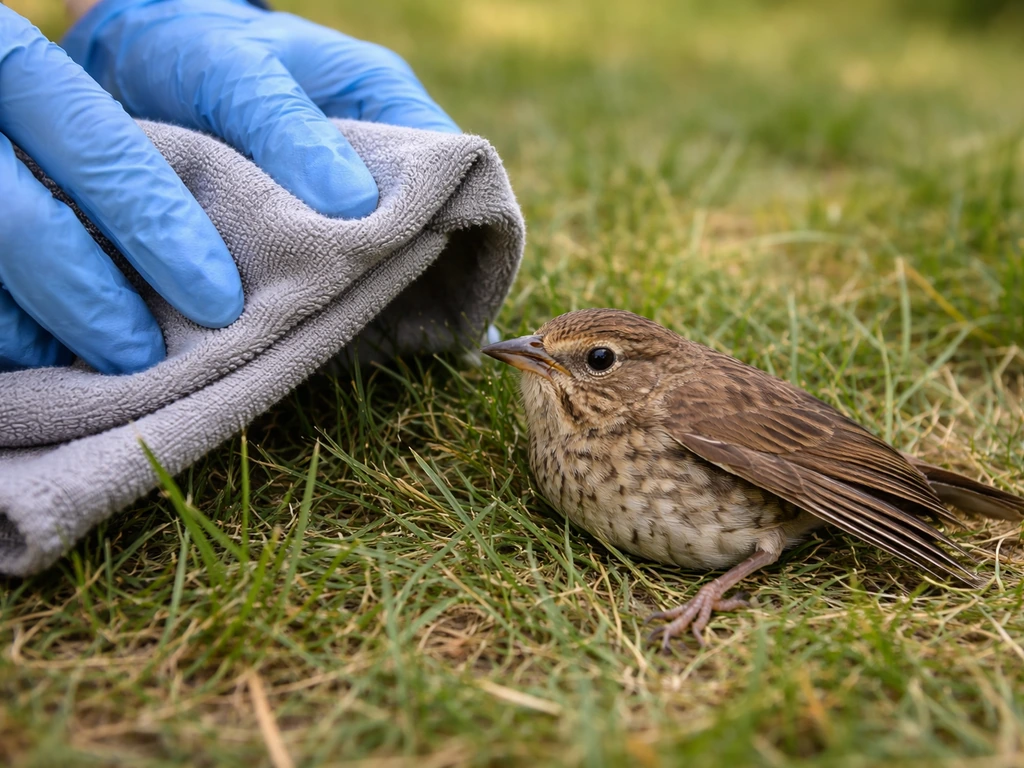
Even though this particular case is fictional, plenty of real birds do get struck by golf balls, vehicles, windows, and other projectiles. If you find a bird and suspect it was hit, there are specific physical signs that can help you assess what happened and how serious the injury is.
- Asymmetrical wing position: one wing drooping lower than the other often signals a fracture from impact
- Head tilt or circling behavior: consistent with concussion from a strike to the skull
- Blood around the beak or nostrils: can indicate internal injury from blunt trauma
- Feather displacement in a pattern radiating from one side: suggests the point of impact
- Stunned stillness on the ground: a bird that doesn't fly away when approached is almost certainly injured
- Broken or bent primary feathers on one wing only: typical of a one-sided collision
A bird that has been struck but is still alive will sometimes recover on its own if the injury is mild, particularly after a window collision. Give it 15 to 30 minutes in a quiet, dark, ventilated box before assuming it needs veterinary care. If it's unresponsive, bleeding, or unable to stand after that window, contact a licensed wildlife rehabilitator. Tufts Wildlife Clinic also advises keeping an injured songbird in a warm, dark, quiet place and finding a local wildlife rehabilitator rather than feeding it improper food or diets contact a licensed wildlife rehabilitator.
Common causes that look just like a 'hit'
The vast majority of birds found dead or stunned near human activity were not deliberately harmed. Several causes produce injuries that look exactly like blunt trauma from being struck.
Window collisions
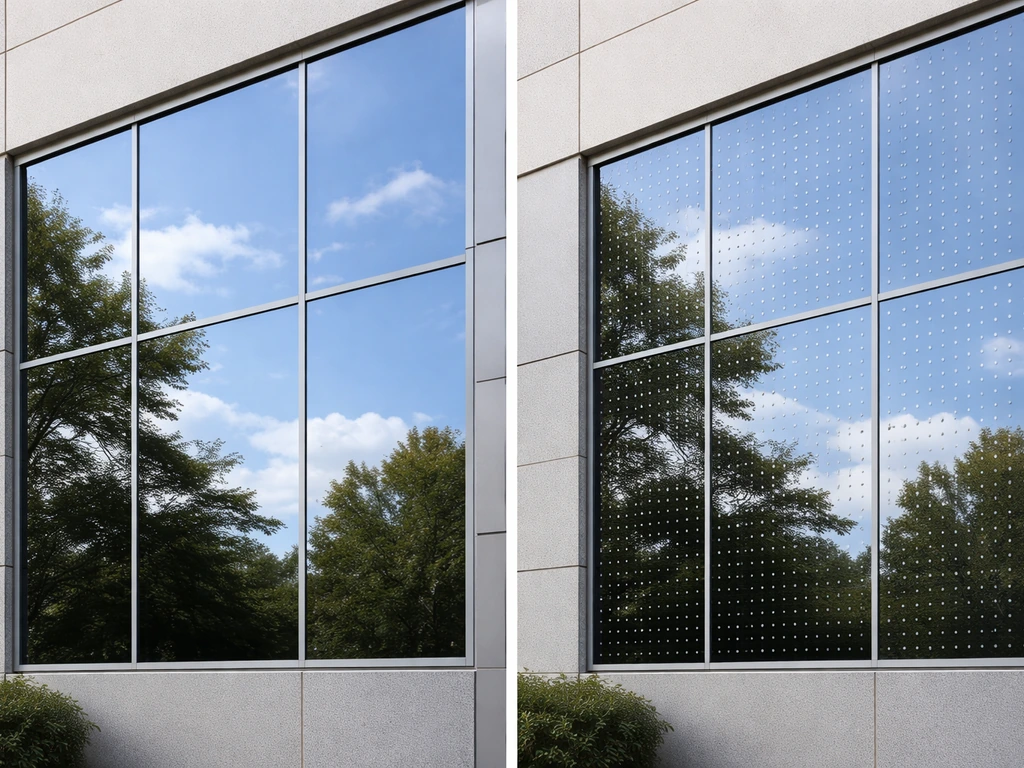
Window strikes kill an estimated 600 million birds in the U.S. every year. A bird that hits glass at speed can fracture its skull, break a wing, or suffer a concussion severe enough to look like it was swatted out of the air. You'll often find the bird directly below a window, sometimes with a faint feather imprint on the glass.
Cats and other predators
Domestic and feral cats kill an estimated 1.3 to 4 billion birds annually in the U.S. Predator attacks leave puncture wounds, missing feathers in clumps, and sometimes visible lacerations. A bird found in a yard with no obvious impact point nearby was more likely caught by a cat than struck by a person or vehicle.
Vehicle strikes
Birds foraging on or near roadways, especially raptors eating carrion, are frequently hit by cars. Road-killed birds show asymmetrical trauma, broken legs, or crushed bodies, and are almost always found on or within a few feet of the road surface.
Power line electrocution
Large birds like raptors and corvids are particularly vulnerable to electrocution when they bridge two energized conductors. An electrocuted bird typically shows scorched or missing feathers at the feet and wingtips and is found directly beneath a power pole or transformer.
Toxic exposures
Rodenticides (second-generation anticoagulants especially), pesticides, and lead from fishing weights or ammunition cause birds to appear disoriented, weak, or dead with no visible external injury. A bird found seemingly 'stunned' in an open area with no nearby windows, roads, or signs of predator activity may have ingested something toxic.
If you find an injured or dead bird right now
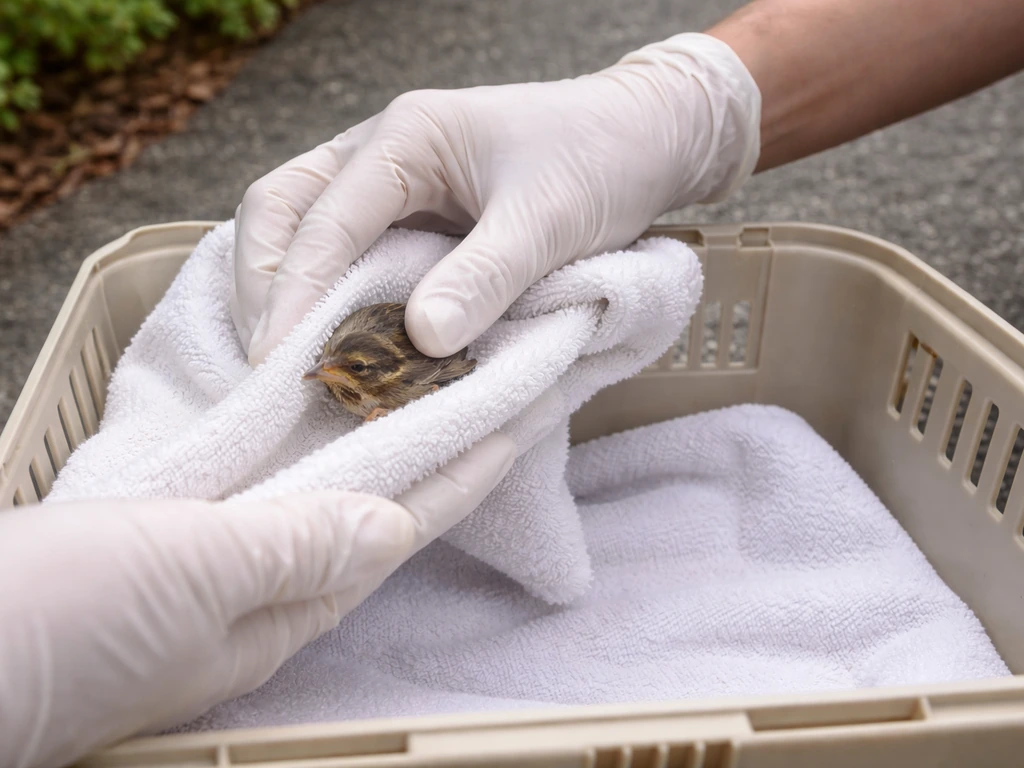
Whether the cause is a window, a vehicle, a predator, or something unknown, the steps for handling the situation are the same. Protect yourself first, then give the bird the best possible chance.
- Put on gloves or use a cloth barrier before touching the bird. Wild birds can carry salmonella, avian influenza, and external parasites.
- Place a living, injured bird gently in a cardboard box with air holes. Keep it dark, quiet, and away from pets and children.
- Do not offer water or food. Giving the wrong thing can make injuries worse or cause aspiration.
- Call a licensed wildlife rehabilitator. In the U.S., you can find one through the National Wildlife Rehabilitators Association or your state wildlife agency.
- If the bird is dead, do not handle it bare-handed. Double-bag it in plastic and dispose of it, or report it to your local animal control or state wildlife office if you suspect disease (e.g., multiple dead birds in the same area, which can signal avian flu).
- Wash your hands thoroughly with soap for at least 20 seconds after any contact, even if you wore gloves.
Reporting matters more than people realize. If the bird is a protected migratory species (which covers most songbirds, raptors, and waterfowl in the U.S. under the Migratory Bird Treaty Act), you can report an unusual mortality event to the U. BOEM summarizes the Migratory Bird Treaty Act as U.S. legislation implementing international treaties to protect migratory bird resources under the Migratory Bird Treaty Act. S. Fish and Wildlife Service. This data helps track disease outbreaks and environmental hazards.
How to reduce bird mortality risks around your property
Most bird deaths near homes are preventable. A few targeted changes make a real difference.
- Apply window collision tape, decals, or exterior screens spaced no more than 2 inches apart (horizontally) or 4 inches apart (vertically). These patterns break up the reflection birds mistake for open sky.
- Keep cats indoors, especially during spring and fall migration. Even well-fed cats hunt instinctively.
- Place bird feeders either within 3 feet of a window (so birds can't build enough speed to be injured if they flush) or more than 30 feet away.
- Avoid second-generation rodenticides like brodifacoum and bromadiolone. Use snap traps instead. Raptors and owls die regularly from eating poisoned rodents.
- Check for and report outages or damaged insulators on power lines near known raptor perches. Utility companies are often required to retrofit dangerous poles.
- Delay mowing fields and meadow areas until mid-July when ground-nesting bird families have typically fledged.
- Remove or relocate bird feeders and baths if you see signs of avian illness (fluffed, lethargic birds), and clean feeders with a 10% bleach solution at least once a month.
The Brady Knoll sketch is funny precisely because the scenario is so absurdly unlikely in real life. A golf ball striking a bird in flight is genuinely rare. In real life, though, golfers may still wonder about consequences if a bird gets too close during a shot and affects the ball's path what happens if a bird moves your golf ball. If you are trying to help a bird after an incident, look for signs of injury and contact a wildlife rehabilitator if it is bleeding or unresponsive A golf ball striking a bird in flight. But window collisions, cats, and rodenticide poisoning happen in backyards every single day. Those are the hazards actually worth watching for, and the ones where individual action makes a measurable difference.
FAQ
If I saw a “Brady Knoll bird” story online, how can I verify it isn’t real?
No. Brady Knoll is a fictional golfer from an SNL sketch, so there is no real-world incident to confirm, no verified location, and no wildlife report tied to that name. If you want to double-check something you saw online, look for the original sketch date and confirm the claim still traces back to that single parody rather than a news post.
What should I do if I believe I hit a bird accidentally?
In real life, you generally do not “call the police” for a bird injury unless there is an immediate danger to people or obvious criminal activity (for example, someone actively harming animals). For most cases, your best next step is contacting a licensed wildlife rehabilitator or local animal control, especially if the bird is bleeding, unresponsive, or cannot stand.
How do I know whether I should keep a stunned bird resting or get it help right away?
If the bird seems alive, you should minimize handling and stress. Place it in a small, dark, ventilated container, keep it warm but not overheated, and limit noise and light for about 15 to 30 minutes. If it is still unable to stand, is bleeding, or keeps flipping over after that rest period, switch to getting help from a wildlife rehabilitator.
What clues can tell me whether a bird was hit by glass, a car, or a predator?
Use a simple “pattern check” to guess what likely happened. Window strikes usually show the bird on or very near the building with possible faint glass contact marks. Cat predation often leaves puncture wounds and missing feather clumps. Vehicle strikes are usually near the roadway with asymmetrical damage, often including broken legs. If you cannot match any pattern, treat it as a medical case and contact a rehabilitator.
Can I feed or give water to a bird I found injured?
If the bird is visibly bleeding heavily, has a fractured wing, or is not able to stand or right itself, do not attempt at-home treatment beyond gentle containment. Avoid giving food or water because aspiration is a common cause of worsening outcomes. Instead, focus on safe transport to a wildlife rehabilitator.
What if the bird looks okay, but I’m not sure it survived the impact?
Yes, even if it does not look injured, a bird can be internally harmed after a high-speed impact (especially with glass). Watch for breathing issues, inability to perch, disorientation, or drooping posture. If it is still acting abnormally after the initial quiet period, contact a wildlife rehabilitator for guidance.
When should I report a bird mortality event instead of just helping one bird?
If you are in the U.S. and the bird is a protected species, reporting an unusual mortality event to the U.S. Fish and Wildlife Service can be appropriate, especially when multiple birds are involved or the cause seems environmental (such as a suspected toxic exposure or repeated window strikes). Have basic details ready, like approximate location, date, number of birds, and whether you observed a pattern.
How should I handle temperature stress when I find a bird after an impact?
If the bird is hot, shivering, or panting, stabilize its temperature before anything else by keeping it in a cool-to-temperate, shaded, ventilated container. Do not use a direct heat source like a heating pad under the bird, since localized overheating can occur. Temperature control and quiet typically improve outcomes while you arrange rehabilitation.
What safety steps should I take while helping an injured bird?
When you’re helping after any wildlife incident, prioritize your safety and disease control. Wash hands after handling, avoid direct contact with blood or bodily fluids, and use gloves or a barrier if available. Keep pets away from the bird to prevent additional harm.
What are the most effective ways to prevent birds from getting hurt around my home?
For prevention, the biggest “measurable impact” actions are often near homes, not on golf courses. Examples include using window collision prevention (films, decals, or blinds), keeping cats indoors or supervised, and cleaning up attractants that lead birds into unsafe areas. These reduce the most common real-world causes of bird harm.