
Goliath bird eater tarantulas are venomous but not genuinely dangerous to most healthy adults. Their bite is real and can hurt, but it is medically comparable to a bee sting in most cases, and no human death from tarantula venom toxicity has ever been recorded. That said, there are some real hazards worth knowing about, particularly their urticating hairs, which can cause skin and eye irritation that lingers for weeks. If you are worried about whether to handle one, be near one, or what to do after a bite, here is the honest breakdown.
Are Goliath Bird Eaters Dangerous to Humans?

Maya Chen
2 Apr 2026
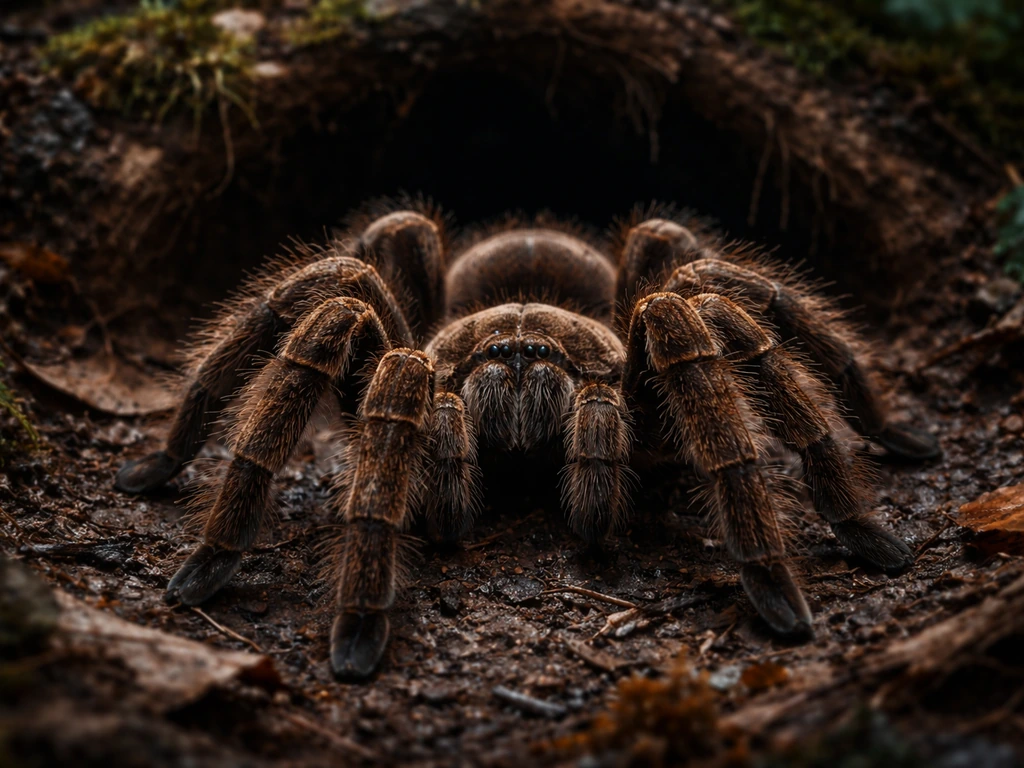
What a Goliath bird eater actually is (and the myths that follow the name)
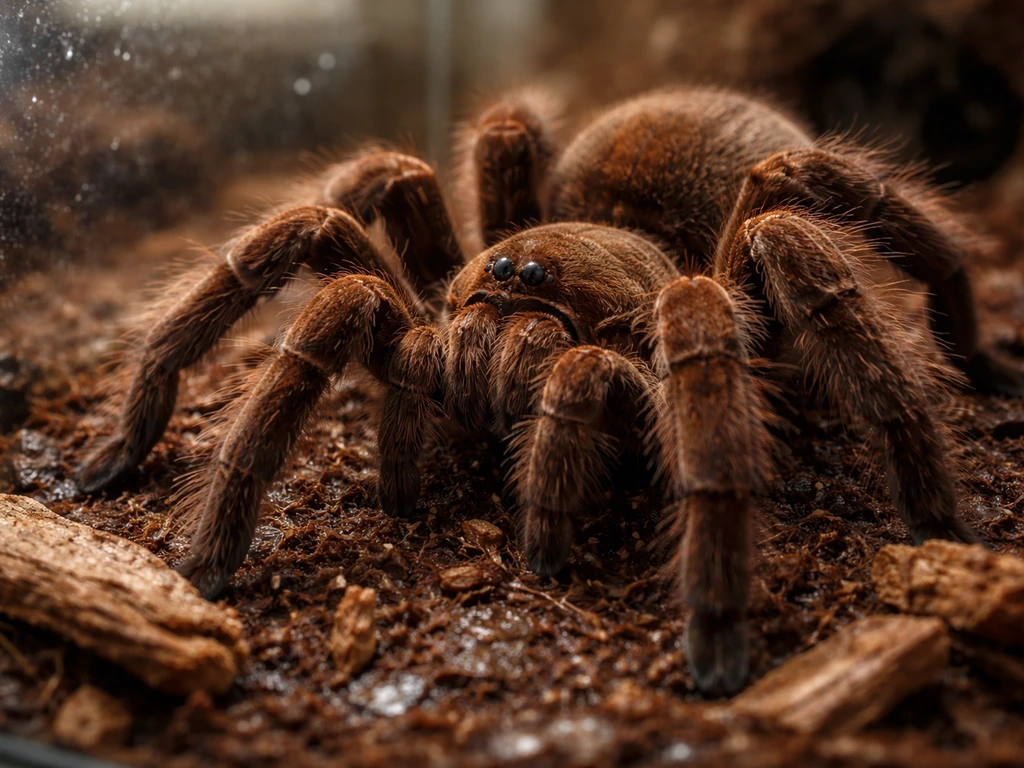
The Goliath birdeater is Theraphosa blondi, a massive South American theraphosid tarantula and the heaviest spider species in the world. If you have been shopping in the pet trade, you may also have come across Theraphosa stirmi, the burgundy Goliath birdeater, which is a closely related species often marketed under similar names. Both are sometimes lumped together in casual conversation, but T. blondi is the one most people mean when they say "Goliath birdeater."
Now, the name. Despite conjuring an image of a spider plucking birds from the sky, the Goliath birdeater rarely eats birds in the wild. The common name traces back to an old 18th-century engraving, not typical feeding behavior. In reality, these spiders hunt insects, frogs, small lizards, and the occasional small rodent. That distinction matters because the dramatic name drives a lot of fear that is not grounded in the animal's actual behavior.
The deadliest myth circulating online is that the Goliath birdeater is lethal to humans. It is not. The spider's size and menacing appearance have inflated its reputation well beyond what the science supports. If you want to dig further into whether this spider can actually threaten other animals, the question of whether a Goliath birdeater can kill a bird is explored in detail elsewhere on this site, but for humans, the answer is much simpler: serious harm is extremely unlikely.
Venomous or not: what the venom actually does to you
Yes, Goliath birdeaters are venomous. They have venom glands and use their venom to subdue prey. But venomous does not mean dangerous to humans in any clinically meaningful sense for the vast majority of people. Medical literature consistently describes tarantula envenomation in humans as causing mild stinging with minimal surrounding inflammation, and no serious systemic effects in typical cases. There is no dermonecrosis (tissue death) and no documented fatalities from tarantula venom toxicity.
The pain level most often compared to a bite is a bee or wasp sting. Some localized redness and swelling can appear around the bite site, and that can last a day or two. The conservative medical management recommended for a tarantula bite is wound cleaning, basic analgesics if needed, and tetanus prophylaxis if your vaccination is not current. There is no antivenom for tarantula bites because none is needed for typical exposures.
There is a broader category of bird eating spiders and their danger to humans that covers similar ground for related species, and the picture is consistent: the venom of large theraphosids is not medically significant in the way black widow or brown recluse venom is. Isolated case reports of more dramatic systemic reactions from New World tarantulas exist, but they are explicitly described as exceptional rather than typical.
Aggressive or docile: will one actually bite you?
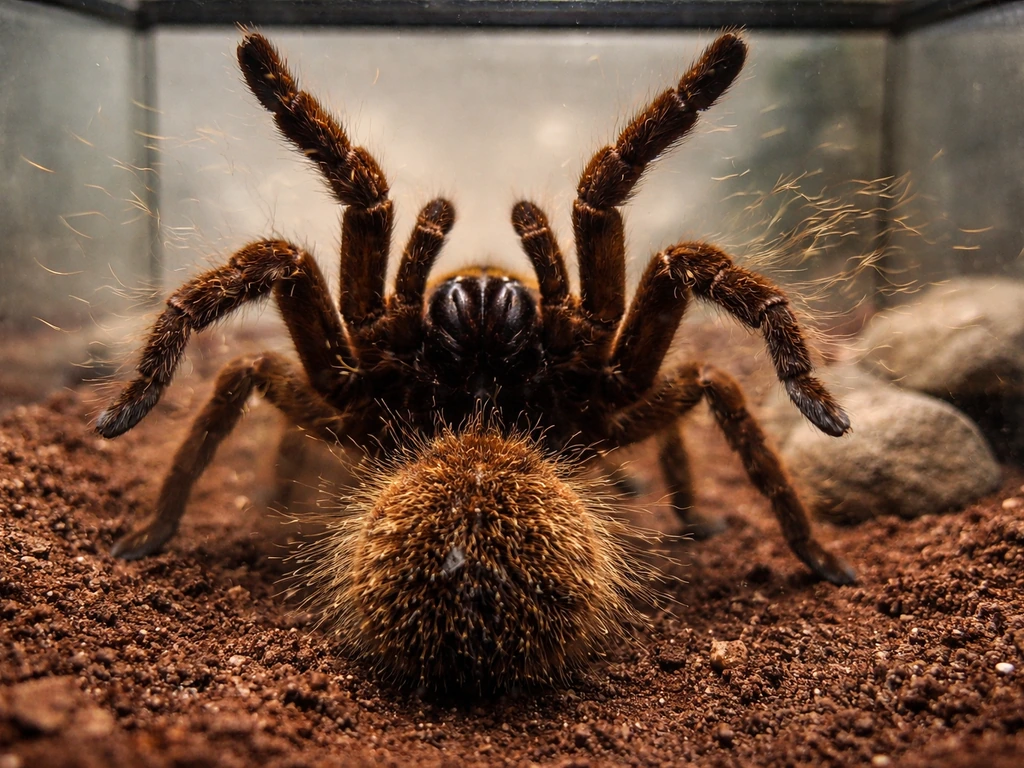
Goliath birdeaters are generally described as defensive rather than aggressive. That distinction matters. An aggressive animal seeks out confrontation. A defensive one reacts when it feels cornered or threatened. These spiders will not chase you down or strike without provocation. In fact, research on spider bite likelihood found that when spiders are merely disturbed rather than pinched or restrained, fewer than 1% of those interactions result in a bite. Biting is a last resort.
What they will do first, and often, is flick urticating hairs. T. blondi has Type III urticating hairs on its abdomen, which are among the most irritating types. When the spider feels threatened, it uses its hind legs to rub these microscopic barbed hairs into the air in your direction. This is the primary defense mechanism, and for many people it causes a more noticeable and longer-lasting reaction than the bite itself.
Common triggers for defensive behavior include sudden movements, grabbing or restraining the spider, handling a freshly molted specimen (which is temporarily more vulnerable and reactive), or disturbing the enclosure unexpectedly. Leave the spider alone and it will almost certainly leave you alone. That is not a guarantee, but it is the realistic picture.
Danger to humans: bite symptoms, urticating hairs, and who needs to be more careful
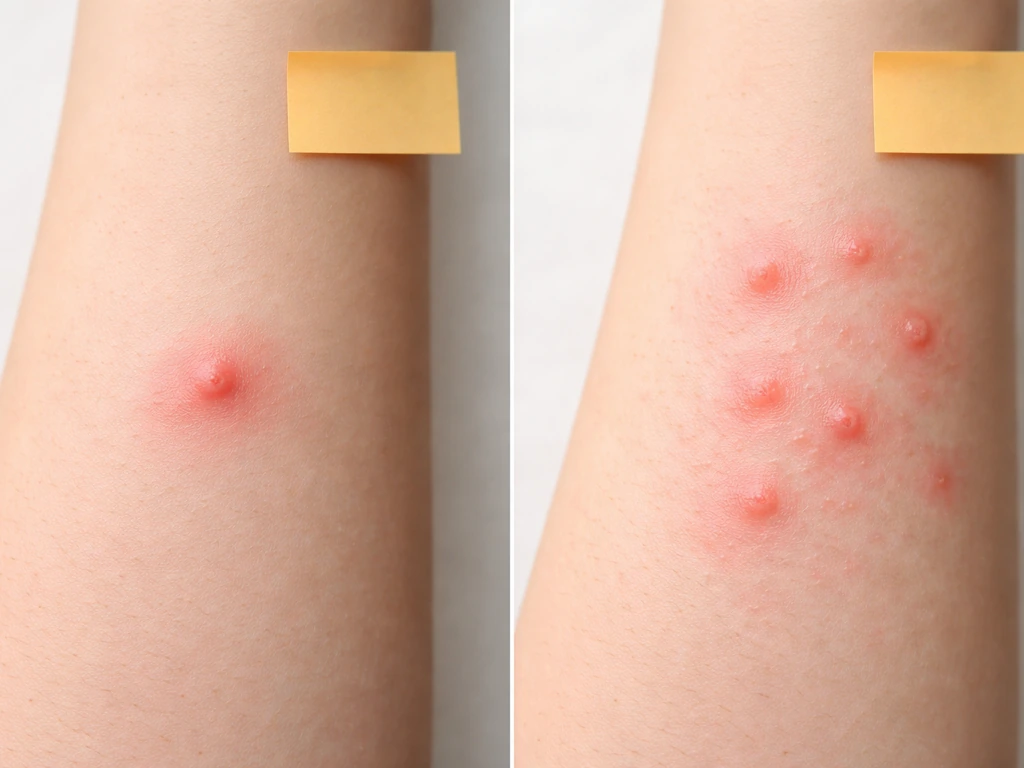
For most people, a Goliath birdeater bite produces localized pain, some redness, and possibly mild swelling at the site. These symptoms typically resolve within a day or two. There are no serious systemic effects in typical cases. The more persistent problem is often the urticating hairs, which can cause itching, rash, and skin irritation that lasts weeks in some individuals. If hairs contact the eyes, the irritation is significantly worse and can require medical attention including a slit-lamp exam.
The people who need to take this more seriously are those with a history of allergic reactions to insect bites or stings. Anaphylaxis from arthropod bites and stings occurs in roughly 1 to 3 percent of people who have prior hypersensitivity, and while the risk with tarantula venom specifically is low, it is not zero. If you know you react badly to bee or wasp stings, you should treat a tarantula encounter with more caution than an average person would. Respiratory distress, generalized hives, or swelling beyond the bite site after a bite are warning signs that need immediate medical attention.
Children and people with respiratory sensitivities are also worth mentioning specifically because airborne urticating hairs can trigger asthma-like symptoms or eye irritation even without direct contact with the spider. Being in the same room as a stressed Goliath birdeater flicking hairs is not a trivial situation for someone with asthma.
For a clear-eyed look at the broader question of whether a Goliath bird eating spider can kill a human, the short answer is no, but that article goes into more depth on the specific physiological reasons why.
Bite vs. hair exposure: a quick comparison
| Hazard | Typical Symptoms | Duration | Severity | When to Get Help |
|---|---|---|---|---|
| Venom bite | Local pain, redness, mild swelling | 1-2 days | Mild (bee-sting comparable) | Symptoms worsen, spread, or you have allergy history |
| Urticating hairs (skin) | Itching, rash, localized irritation | Days to weeks | Mild to moderate | Persistent rash, widespread reaction, difficulty breathing |
| Urticating hairs (eyes) | Intense irritation, inflammation, possible keratitis | Days to weeks | Moderate to serious | Immediately, via ophthalmologist or ER |
| Allergic/anaphylactic reaction | Hives, swelling, wheezing, drop in blood pressure | Rapid onset | Potentially serious | Call 911 or go to ER immediately |
What to do after a bite or hair exposure
If you are bitten, clean the wound thoroughly with soap and water right away. Apply ice wrapped in a cloth in 15-minute intervals to manage local pain and swelling. Over-the-counter analgesics like ibuprofen or acetaminophen can help with pain. Keep the bite site elevated if possible. Check when you last had a tetanus shot and follow up with a doctor if it has been more than five years.
If urticating hairs have contacted your skin, wash the area with soap and running water to remove as many hairs as possible. Avoid rubbing, which drives the barbed hairs deeper. An antihistamine can help manage itching. If hairs have gotten into your eyes, rinse immediately with clean running water and get to an eye doctor or emergency room. Eye exposure from urticating hairs is one situation where prompt medical evaluation genuinely matters.
For any bite or sting exposure where you are unsure how serious it is, calling Poison Control is a practical and underused option. They can walk you through your specific situation, including symptoms, time since exposure, and whether you need to go to the ER or can manage at home. That kind of individualized guidance is exactly what a poison center call is for.
Go to the emergency room if you develop: difficulty breathing, swelling in the throat or face, widespread hives, rapid heart rate, dizziness, or any sign of a systemic allergic reaction. These are not typical outcomes of a tarantula bite, but they can occur in people with allergies and warrant immediate care.
- Wash the bite or exposed skin with soap and running water immediately.
- Apply ice wrapped in cloth to reduce local pain and swelling.
- Take an OTC antihistamine for itching from urticating hairs.
- Take an OTC pain reliever (ibuprofen or acetaminophen) if needed.
- Verify your tetanus vaccination status and follow up with a doctor if overdue.
- If hairs entered your eyes, rinse with clean water and seek eye care promptly.
- Call Poison Control for personalized guidance if you are unsure about severity.
- Call 911 or go to the ER if any signs of anaphylaxis appear.
Staying safe: whether you are a keeper or just nearby
If you keep a Goliath birdeater as a pet, the practical safety rules are straightforward. Never put your face close to the enclosure. T. blondi is a heavy hair-flicker and the hairs can reach your eyes without the spider making any contact with you. Wear gloves and long sleeves when you need to handle the spider or do enclosure maintenance. Move slowly and deliberately so the spider does not feel threatened.
Avoid handling the spider at all right after a molt. Freshly molted tarantulas are softer, more vulnerable, and typically more defensive. Give the animal at least a week or two to harden up before any handling.
If you encounter one in the wild (they are native to the rainforests of South America, primarily Venezuela, Brazil, Guyana, and Suriname), the advice is simple: do not touch it, back away slowly, and give it space. Wild encounters are rare for most people, but the same logic applies: these spiders are not looking to bite you.
It is also worth thinking about pets and children in the home. Small animals and curious kids can accidentally provoke a defensive response, and a child rubbing their face after touching a tarantula's enclosure could end up with a nasty eye irritation. Keep enclosures secure and out of reach. This is especially worth considering if you have been researching the dynamics between large arthropods and animals, as topics like giant centipede versus bird interactions illustrate how size and venom potency do not always map neatly onto the danger an animal presents.
One last thing worth putting in perspective: the fear that the Goliath birdeater's name generates is largely a product of its dramatic appearance and common name, not its actual threat profile. For healthy adults without insect allergies, this is an animal that can cause pain and discomfort if mishandled, but not serious harm. Understanding that difference, and knowing what to watch for in the rare case something goes wrong, is all most people need to interact safely with or around one. The question of whether a bird can kill a giant gets at a similar theme of reassessing assumed danger, and the answer there, as here, is more nuanced than the headline suggests.
FAQ
How can I tell if a bite is “minor” versus something that needs urgent care?
Not usually. In most healthy adults, tarantula envenomation is limited to localized pain and mild swelling. The situation becomes more urgent if you develop breathing trouble, facial or throat swelling, widespread hives, or dizziness, or if you suspect urticating hairs got into your eyes.
Are goliath bird eaters dangerous for people with asthma or eye sensitivity?
The risk is mainly from hairs, not from venom. Airborne or flicked urticating hairs can trigger eye irritation and asthma-like symptoms, so if you have asthma or strong respiratory sensitivities, avoid being in the same room during enclosure maintenance or when the tarantula is stressed or disturbed.
If I have a history of allergic reactions to bee or wasp stings, should I handle a goliath bird eater?
It depends on your body’s history, not just the spider’s size. If you have a documented allergy to insect stings, treat the encounter as higher risk, and be ready to seek emergency care if symptoms go beyond the bite site (generalized hives, throat tightness, wheezing, rapid worsening).
Can I get symptoms from a goliath bird eater even if it doesn’t bite me?
Yes, the spider can irritate you without biting. Even if you never get punctured, hairs can reach your skin or eyes, causing lingering itching and rash, especially with Type III hairs. That is why “no bite” does not automatically mean “no problem.”
What should I do right after urticating hairs contact my skin or eyes?
If hair exposure likely occurred, you should not rub the area, because rubbing drives barbed hairs deeper. Use running water and soap to rinse or wash, then consider an oral antihistamine for itch if you normally tolerate them, and seek eye care urgently if there is eye pain, redness, or blurry vision.
When should I go to the ER versus call Poison Control after exposure?
If symptoms suggest an allergic reaction, do not wait for it to “pass.” For any difficulty breathing, throat or face swelling, widespread hives, or faintness, go to the emergency room immediately. For uncertain cases where symptoms are mild but concerning, calling Poison Control can help you decide on the level of evaluation needed.
Is it safe to handle a goliath bird eater right after it molts?
Handling too soon after molting is a common mistake. Freshly molted tarantulas are more vulnerable and more likely to act defensively, so many keepers wait at least 1 to 2 weeks (until the exoskeleton hardens) before regular handling.
What behavior actually increases the chance of a goliath bird eater biting?
Genetics and temperament can vary, but the big predictor of biting is provocation. Disturbing or pinching/pressuring a spider increases bite likelihood, while simply being near it or leaving it alone typically results in no bite because the tarantula uses defense hairs first.
How long should irritation last, and when is it not normal?
Urticating hairs can persist and keep irritating for days to weeks, especially if they stay embedded in skin. That means “it’s been a few days and still itches” can be normal after hair exposure, but worsening swelling, pus, fever, or eye symptoms are not, and should be checked.
What enclosure-handling changes make the biggest difference for safety?
Yes. To reduce the chance of hair exposure, keep your face away from the enclosure, secure the lid during maintenance, use long sleeves and gloves, and avoid creating drafts that can push hairs around. If you have to open the enclosure, do it slowly and minimize unnecessary shaking or disturbance.
What safety rules should families follow with kids and goliath bird eaters?
For children, the main concern is face and eye exposure, plus curiosity leading to rough handling. Keep the enclosure locked and out of reach, and teach that the tarantula should never be touched or brought close to the face, including after feeding or enclosure cleaning.