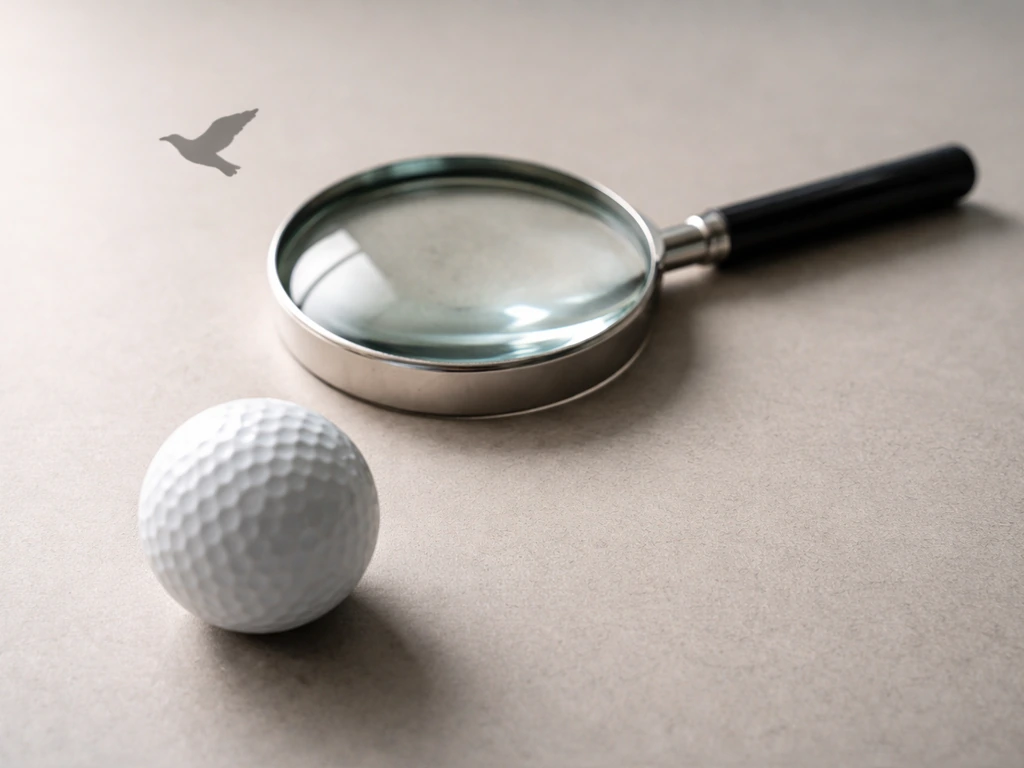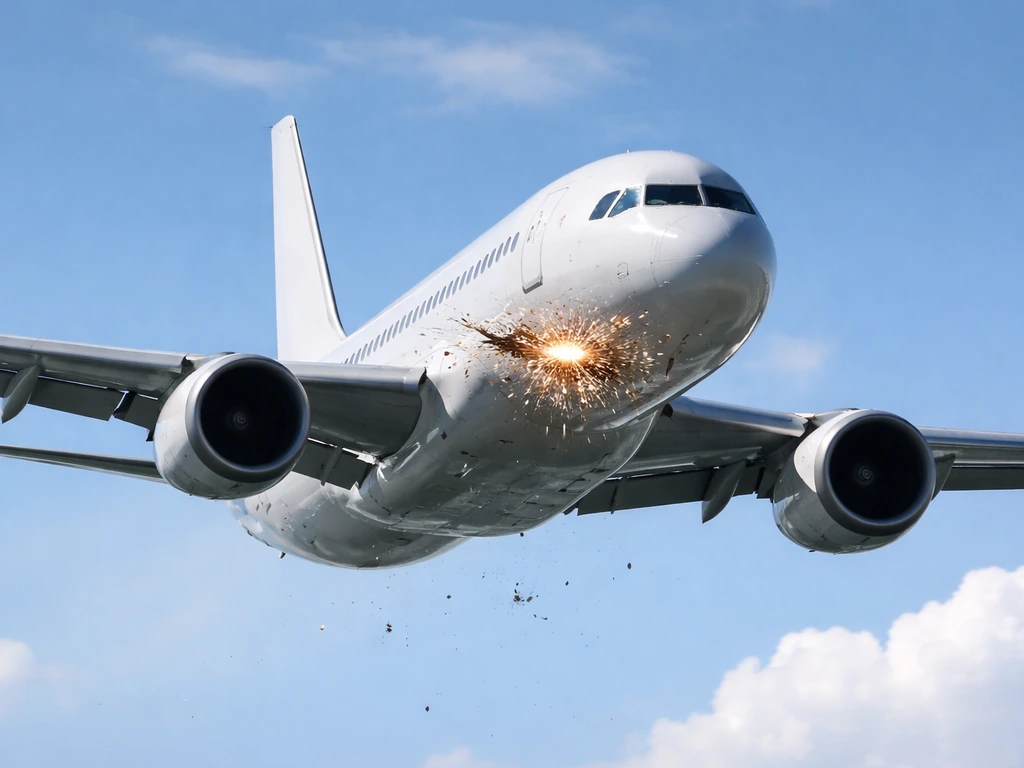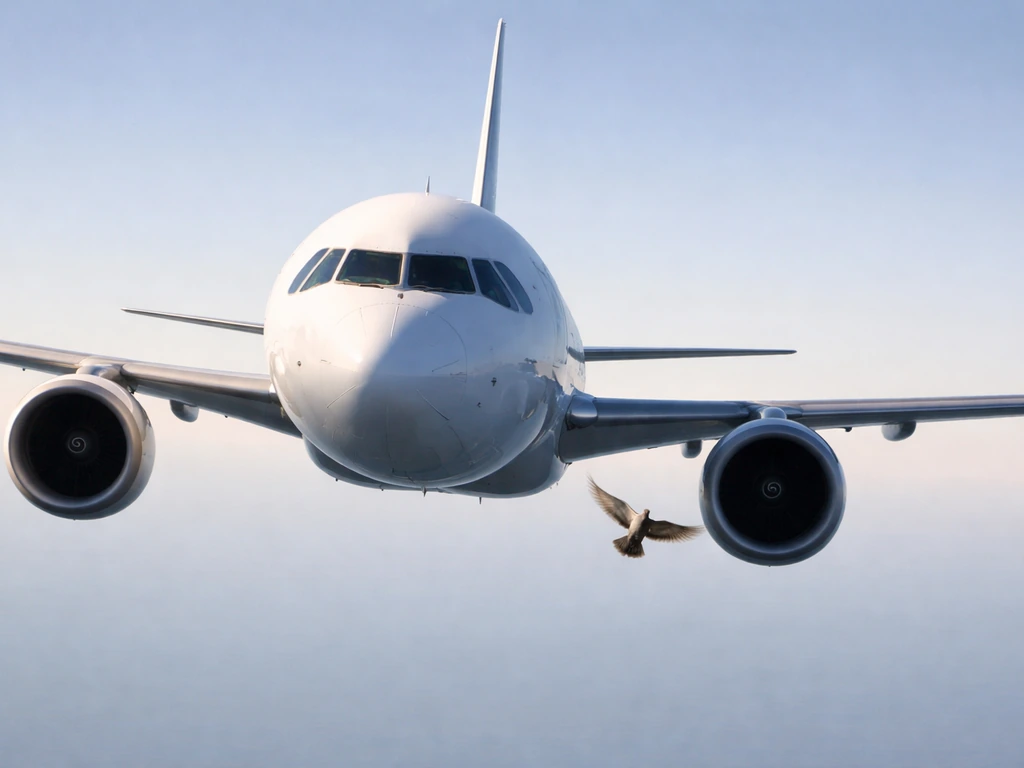
If a bird picks up your golf ball, you replace it on its original spot with no penalty. That's the rule under USGA/R&A Rule 9.6: any animal is an 'outside influence,' so the ball moving is not your fault and not your stroke. Mark the spot before anything else, then go retrieve your ball or declare it unrecoverable and place a substitute in the same location.
What Happens If a Bird Moves Your Golf Ball

Maya Chen
3 May 2026
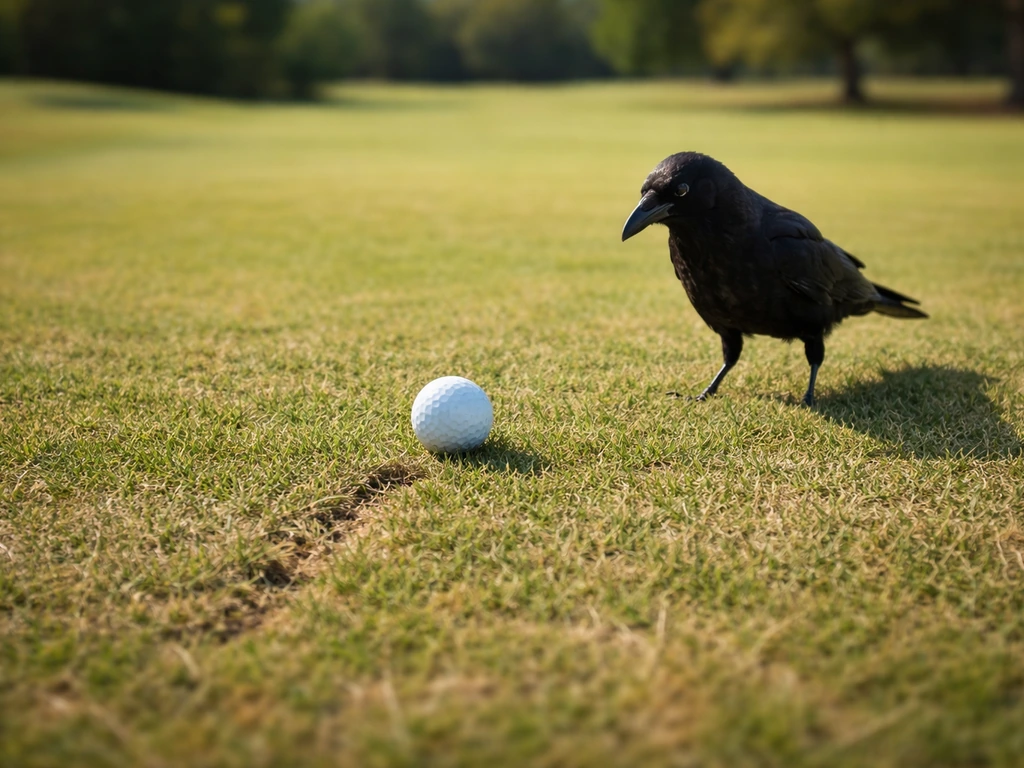
What happens the moment a bird grabs your ball
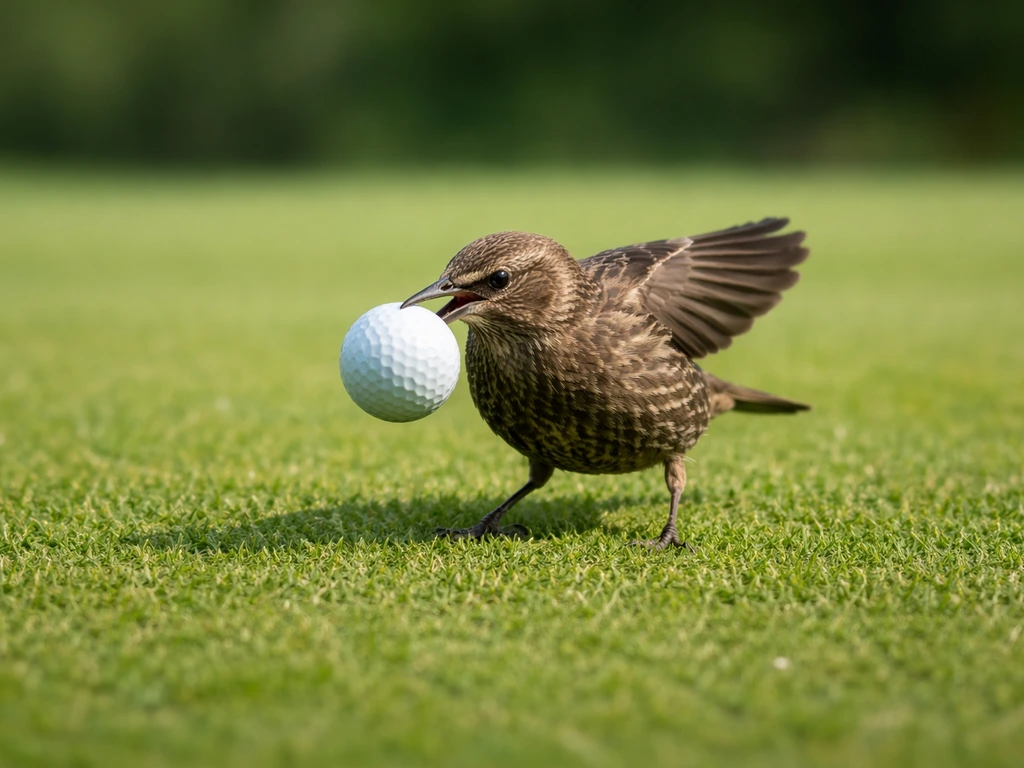
Most birds that snatch a golf ball drop it within seconds to a few meters. If you are wondering what to do in the moment a bird grabs your ball, the same quick steps apply regardless of the specific bird. The most common scenario, caught on video many times, is a crow or seagull grabbing the ball, hopping or flying a short distance, and dropping it on a path or in rough grass. A viral clip shows a large bird bouncing a golf ball on a nearby pathway like a basketball and then abandoning it. That kind of 'grab and fumble' is the typical outcome.
Larger corvids like crows and ravens are more likely to carry the ball further, sometimes 20 to 50 meters before they lose interest or feel unsafe. Seagulls tend to grab, peck, and drop quickly because the ball gives them nothing edible. Either way, the ball almost always stays on the course or just off it.
The key thing to do immediately is mark or remember the exact spot where the ball was sitting before the bird took it. If you can see where the bird went, follow at a safe distance. If you can't recover the ball at all, you're entitled to place a substitute on the original spot, still with no penalty.
What the bird is actually doing with your ball
Birds don't want to eat your golf ball. What's happening is one of a few well-documented behaviors. Crows and jays are strongly drawn to novel, shiny, or round objects. Cornell Lab's crow research notes that juveniles will pick up inedible objects, peck at them, and then cache (hide) them. So a crow that disappears with your ball has likely stashed it under leaf litter or in a tree crevice nearby.
A second explanation backed by wildlife experts is that crows and ravens sometimes mistake white golf balls for eggs. This is a genuine instinct: a round, white object on the ground reads as a potential food source, and they'll carry it back toward a stash or nest area. They figure out quickly that it's not an egg, and the ball gets dropped.
Seagulls are more opportunistic and impulsive. They see movement or a round object near people and food, grab it out of curiosity, and release it fast when it doesn't smell or taste like food. A Sports Illustrated report described a seagull attempting this exact move during the Women's British Open.
Actual swallowing of a golf ball by a wild bird is extremely rare and would require a very large bird trying to ingest a 42.67mm diameter object. It's not a realistic outcome for almost any bird species found on a golf course.
Real health and safety risks (for the bird and for you)
Risks to the bird
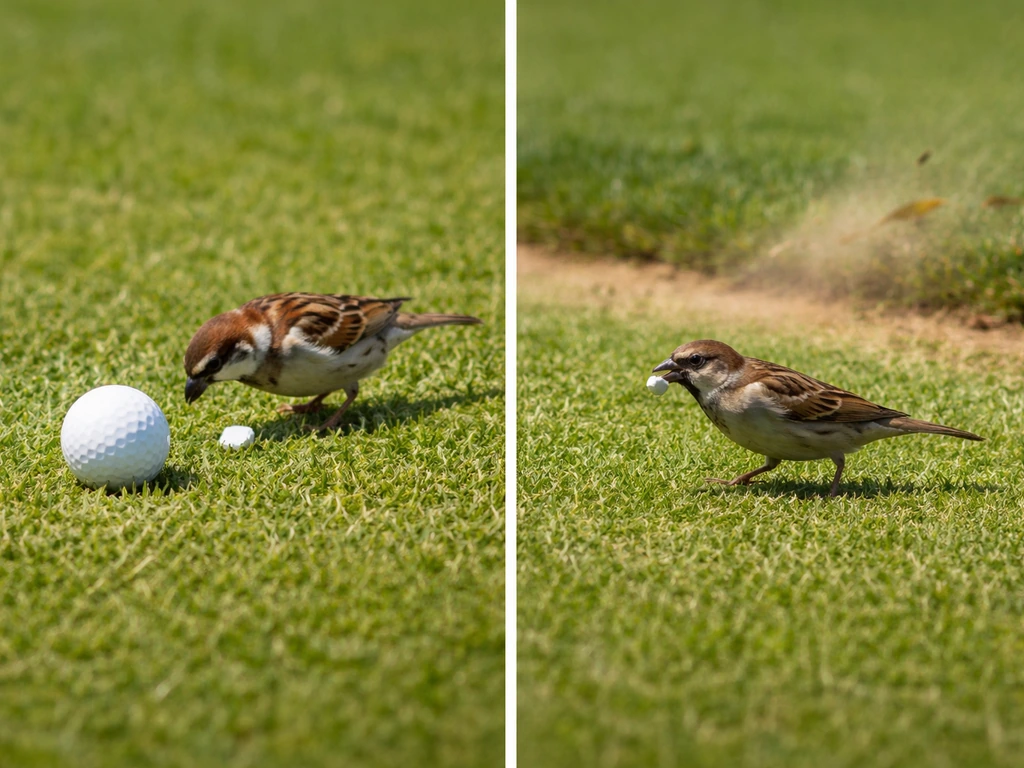
Pecking at a golf ball poses low risk because the bird quickly learns it's not food and moves on. The greater concern is if a bird somehow ingests ball fragments, paint chips, or markings. In veterinary medicine, hard foreign objects can cause crop or upper-GI obstruction that requires medical intervention. That said, there are no documented mass-casualty events involving birds and golf balls specifically. The main scenario to watch for is a bird that appears to be choking, unable to fly, or acting lethargic after an encounter with a ball.
Golf courses apply pesticides, fungicides, and herbicides to turf. A ball sitting on treated grass can pick up trace surface residues. If a bird mouths or pecks at that ball, it's getting low-level exposure to whatever is on the surface. This is a real pathway, but typical residue levels on a ball are low compared to direct pesticide ingestion. It's worth knowing, not panicking about.
Risks to you
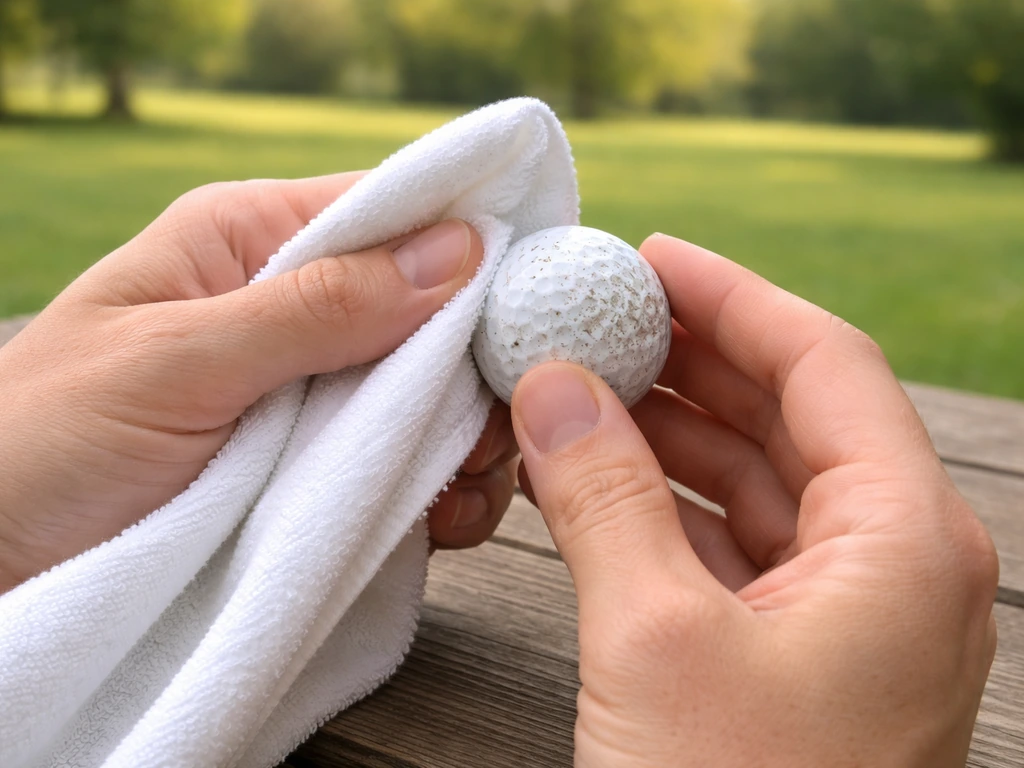
The main personal health concern is contact with bird saliva or droppings on the ball's surface. The CDC flags dried bird feces as a contamination source because infected birds can spread pathogens through saliva, mucous, and feces. If a bird drops your ball after handling it, the surface may have fresh saliva or fecal material on it.
The practical response is simple: don't put the ball in your pocket without wiping it down, don't lick your fingers after touching it, and wash your hands before eating. If you pick up a ball that's visibly covered in droppings, use a tee to handle it or use a towel as a barrier. The risk is not zero, but it's also not dramatic if you follow basic hygiene.
You should not try to grab the ball away from an agitated bird. Beaks and talons from larger birds like herons or hawks can cause real injury. If a bird is actively holding the ball and showing defensive behavior, step back and let it drop on its own.
What to do right now on the course
- Mark the original ball position immediately, either with a tee, coin, or a mental note of landmarks. This is your reference point under Rule 9.6.
- Follow the bird at a calm, non-threatening distance to see where it drops the ball. Most birds drop it within a short area.
- If you find the ball, pick it up using a towel or cloth if it's visibly soiled, then replace it on the original spot. No penalty.
- If you cannot recover the ball and cannot find it after a reasonable search, place a substitute ball on the original spot. Still no penalty under the outside influence rule.
- Do not chase, shout at, or attempt to physically intercept the bird. This stresses the animal and risks injury to you.
- Wipe the ball with a damp towel before continuing play if there's any chance of saliva or dropping contamination on the surface.
- Wash your hands before eating or touching your face. If you had direct contact with droppings, clean the area with soap and water as soon as possible.
- If the bird appears injured, distressed, or unable to fly after the incident, contact course staff or a local wildlife rehabilitator. Do not attempt to handle it yourself.
The golf rules side of this, clearly explained
| Situation | Rule that applies | Penalty? | What you do |
|---|---|---|---|
| Bird picks up and drops ball nearby | Rule 9.6 (outside influence) | No penalty | Replace ball on original spot |
| Bird carries ball; you can find it | Rule 9.6 | No penalty | Replace ball on original spot |
| Bird carries ball; you cannot find it | Rule 9.6 | No penalty | Place substitute on original spot |
| You accidentally lift the ball trying to stop the bird | Rule 9.6 + Rule 14 procedures | No penalty if accidental | Replace on original spot, follow marking procedure |
The core logic is consistent: a bird is an outside influence, outside your control, so you're not penalized for what it does. The USGA and R&A confirmed this in their rules modernization materials. Just make sure you know where the ball was sitting before anything moved.
How to reduce ball theft next time without harming the birds
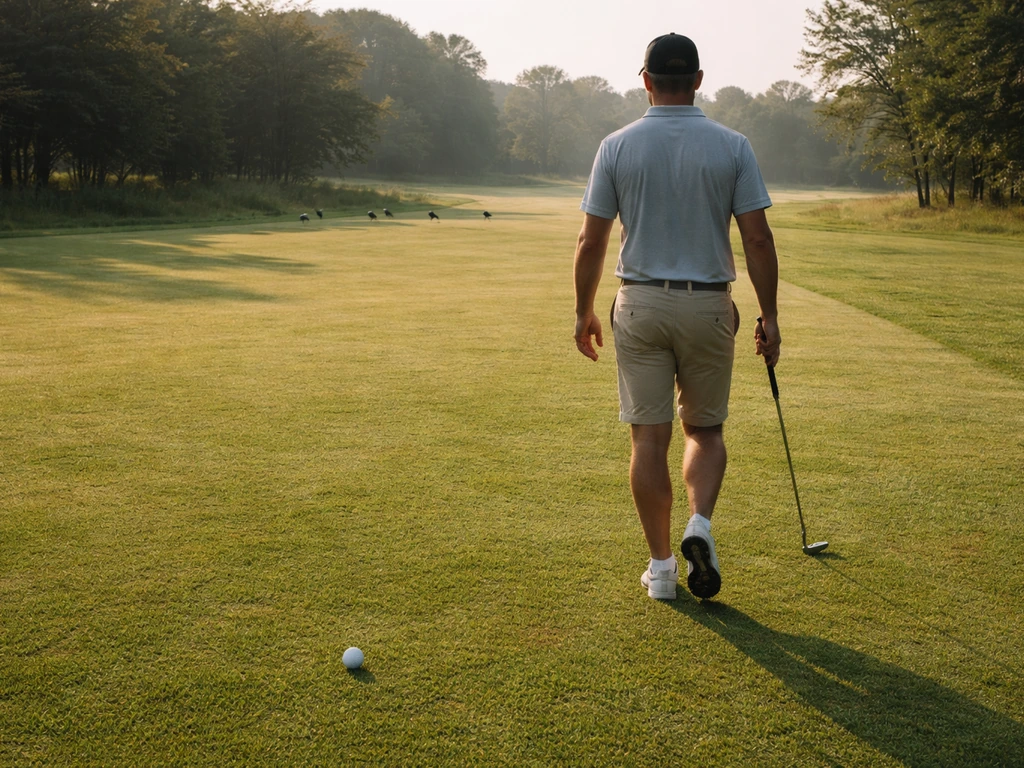
The most effective non-lethal deterrent is simply not leaving the ball unattended on the ground in bird-heavy areas. Crows and seagulls are bolder when humans aren't close. Walk up to your ball, don't wander off, and be ready to play.
Courses with repeat crow or corvid problems can work with wildlife managers on evidence-based, non-lethal dispersal. USDA APHIS Wildlife Services outlines bird dispersal techniques including habitat modification, visual deterrents, and exclusion methods. These approaches reduce bird presence near play areas without harming animals.
Feeding wildlife on or near the course makes the problem significantly worse. Audubon and USDA APHIS both document how food provisioning draws birds in and changes their behavior, making them bolder around humans and their belongings. No food scraps, no bread near the water hazard, no snacks left open in the cart.
- Stay near your ball after it lands in bird-heavy areas of the course.
- Don't leave brightly colored balls sitting in open fairways longer than needed: crows and seagulls target them.
- Ask course management about deterrent programs if bird interference is a recurring problem on specific holes.
- Avoid feeding or interacting with birds on the course, even casually. It conditions them to approach humans and their gear.
- Consider matte-finish or less visually prominent ball colors in areas with known corvid populations, though this is a minor factor.
Myths about birds and golf balls, checked against reality
The most persistent myth is that birds eat golf balls. They don't, not in any meaningful sense. There are no documented cases of birds intentionally consuming golf balls as food. The behavior that gets mistaken for 'eating' is pecking, which is investigation, not ingestion. A crow pecking at your ball is doing what crows do with any unfamiliar object: testing it.
Another myth is that a bird stealing your ball is a penalty situation or that you need to play from where the bird dropped it. If you are asking “did Brady Knoll hit a bird,” the key is understanding what to do after a bird grabs or drops a golf ball. Neither is true. The rules are clear and golfer-friendly here: replace the ball, no penalty, move on. USGA blank" rel="noopener noreferrer">Rule 14 details the proper procedures for marking the spot, lifting and cleaning the ball, and replacing it correctly so you play from the right place.
Some golfers assume any contact between a bird and their ball means the ball is too contaminated to use. That's also an overreaction. Wipe it down with a wet towel, the same thing you'd do after a ball lands in a water hazard with murky water, and continue play. The ball is not biohazardous from a brief encounter.
Finally, the idea that chasing or scaring the bird will reliably get your ball back is mostly wrong. A startled corvid caches the object more quickly, not less. The calmer you are, the more likely the bird drops the ball in a findable location. Walk slowly, watch where it goes, and wait.
When to actually worry
Most bird-meets-golf-ball situations resolve without any real harm to bird or player. The cases worth taking seriously are: a bird that appears injured after the encounter (contact your course's wildlife contact or a licensed rehabilitator), a player who had direct skin contact with a large amount of fresh droppings (wash thoroughly, monitor for symptoms, contact a doctor if you develop illness in the following days), or a course with repeat bird problems that's interfering with play systematically (get a wildlife management consultation, not a DIY solution).
If you're the kind of person who reads carefully about bird behavior and harm scenarios, you may have also come across questions about birds being harmed by other human activities or objects. If you are wondering why someone would kill a bird, that is a very different issue from what normally happens with golf balls, and it raises serious ethical and legal concerns bird behavior and harm scenarios. You might also be wondering what happens if you throw the snowball at the bird, and whether that kind of contact increases the risk for the animal. The principles here apply broadly: the real risks are usually more modest than the fear, basic hygiene handles most exposure concerns, and wildlife rehabilitators are the right call when an animal is visibly hurt.
FAQ
What if the bird drops my golf ball in a different spot than where it grabbed it, do I have to play it from there?
No. If you can identify the original spot where the ball was sitting before the bird moved it, you replace it on that spot without penalty. Only use the dropped location if you truly cannot determine the original location.
What if I cannot see where the bird went or where it dropped the ball?
Mark or remember the ball’s original position as best you can before anything moves, then treat it as unrecoverable. Take a substitute ball and place it back on that original spot, no penalty.
Do I have to notify someone or announce what happened to follow the rules?
You do not need a special announcement, but you should keep the situation in mind for later if someone asks. The practical requirement is to correctly identify the original spot and restore the lie by replacement, then proceed as normal.
If the bird took my ball while I was off to the side, can I still replace it from the original spot without penalty?
Yes, the key point is the ball was moved by an outside influence. As long as you can determine where it was sitting before the bird’s action, you replace it on that spot, regardless of your exact position at the moment.
What if I’m not sure whether the ball moved because of the bird or because of something else (wind, club contact, a golfer)?
Try to resolve it from what you observed. If you genuinely can’t tell, use conservative assumptions about what you know: keep your estimate of the original spot and replace there if you can reasonably support that it was the pre-bird position.
Is the ball considered unplayable if it has bird droppings on it?
Not automatically. If it has visible droppings, wipe it thoroughly with a wet towel (or use a tee or towel as a barrier when handling). After cleaning, it’s generally fine to play, unless you also have rule reasons to declare it unfit.
What’s the safest way to pick up the ball without spreading germs?
Avoid bare-hand contact with droppings, don’t put it directly in your pocket, and wash or sanitize your hands before eating. If the ball is dirty, handle it with a towel or similar barrier, then clean it before play.
Should I ever try to retrieve the ball while the bird is still holding it?
No, not if the bird is showing defensive or agitated behavior. Step back and let it drop, since larger birds can injure you with beaks or talons, and chasing can also cause the bird to cache the ball farther away.
If a bird appears injured or choking after interacting with my ball, what should I do?
Take it seriously. Stop play, keep people at a safe distance, and contact your course’s wildlife contact or a licensed wildlife rehabilitator. Do not attempt to handle the bird unless you are trained and authorized.
Will replacing the ball on the original spot affect my standing or scoring if the ball was moved multiple times?
Replace based on the original spot relative to the moment the ball was first sitting there before any bird movement. If multiple movements occur, track where it started and restore that initial position rather than each new dropped location.
How can I reduce the chance of birds stealing my ball in the first place?
The most reliable prevention is staying close to your ball and not leaving it unattended in bird-heavy areas. Also avoid giving birds incentives, for example no food scraps or open snacks near play areas, since that increases bold behavior.
Is it okay to keep playing immediately after cleaning the ball, or should I wait?
You can usually continue right away. Clean the ball, avoid contaminating your hands, and then resume play. The main caveat is personal hygiene, not waiting time.