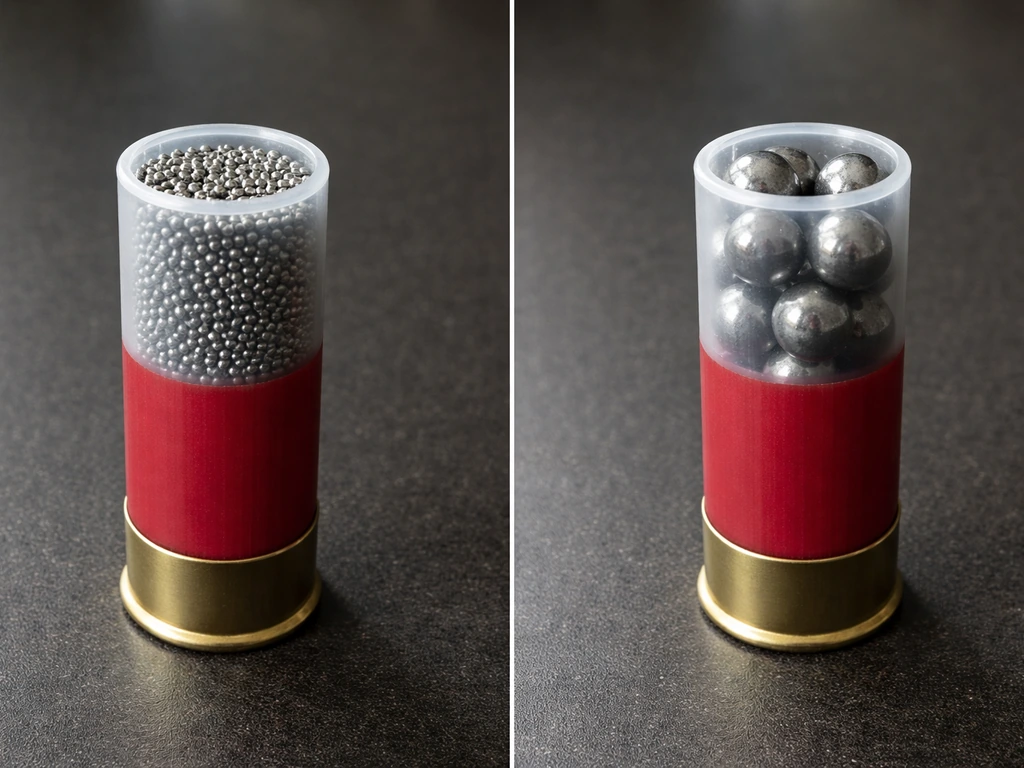
Yes, birdshot can be lethal to birds. Whether it actually kills depends on several factors: the distance from the muzzle, the pellet size, where the pellets hit, and how many connect. At close range, birdshot is absolutely capable of killing a bird outright. At longer distances, it more often wounds than kills, which can actually be the worse outcome for the bird.
Is Bird Shot Lethal? How Birdshot Can Kill Birds Safely

Maya Chen
21 Apr 2026
First, let's sort out what 'bird shot' actually means
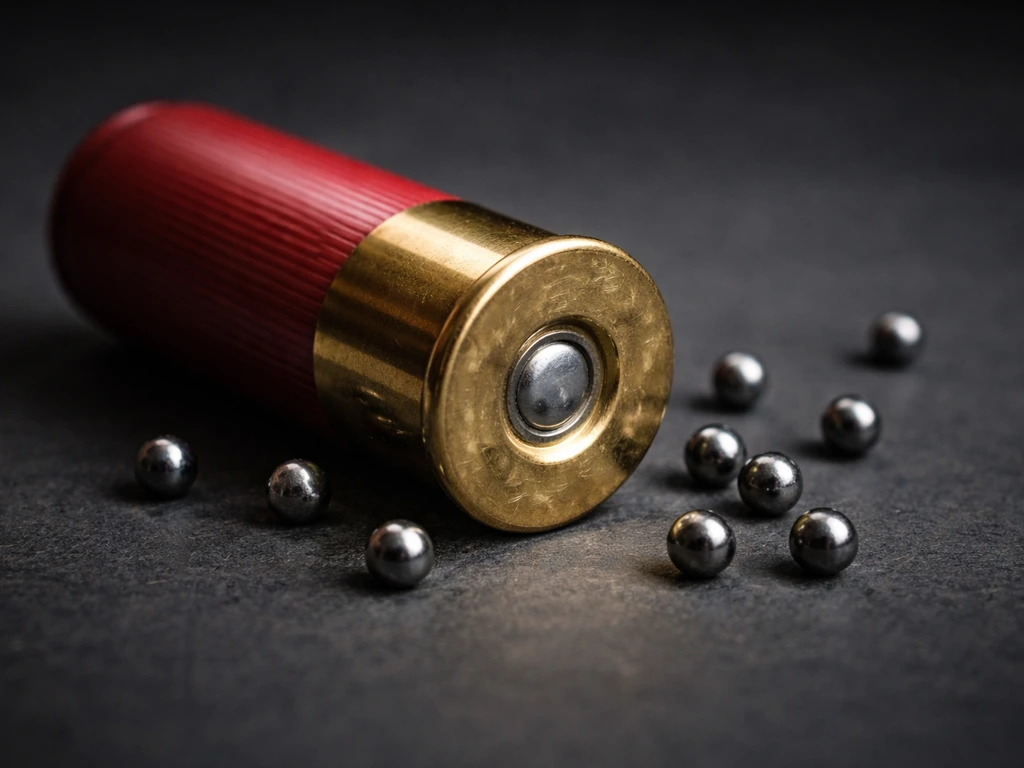
When people search 'is bird shot lethal,' they usually mean one of two things. The first and most common meaning is birdshot: the small-diameter pellets loaded into shotgun shells, used primarily for hunting birds and small game. Massachusetts regulations formally define birdshot as pellet sizes equal to or smaller than No. 4 shot, and this definition is pretty standard across North American hunting regulations. The second meaning is looser: some people hear 'bird shot' and assume it refers to some kind of product, chemical, or substance that could harm birds, like a pesticide or a repellent.
To be direct: there is no widely used product or substance commonly called 'bird shot' in a chemical or toxic sense. If you are worried about a bird being harmed by a product or poison, you are likely thinking of a different hazard entirely, such as lead poisoning from ingested pellets already on the ground, or a pesticide exposure. This article focuses primarily on shotgun birdshot pellets and what they actually do to birds, because that is almost certainly what you are asking about.
Can birdshot kill birds? What actually controls lethality
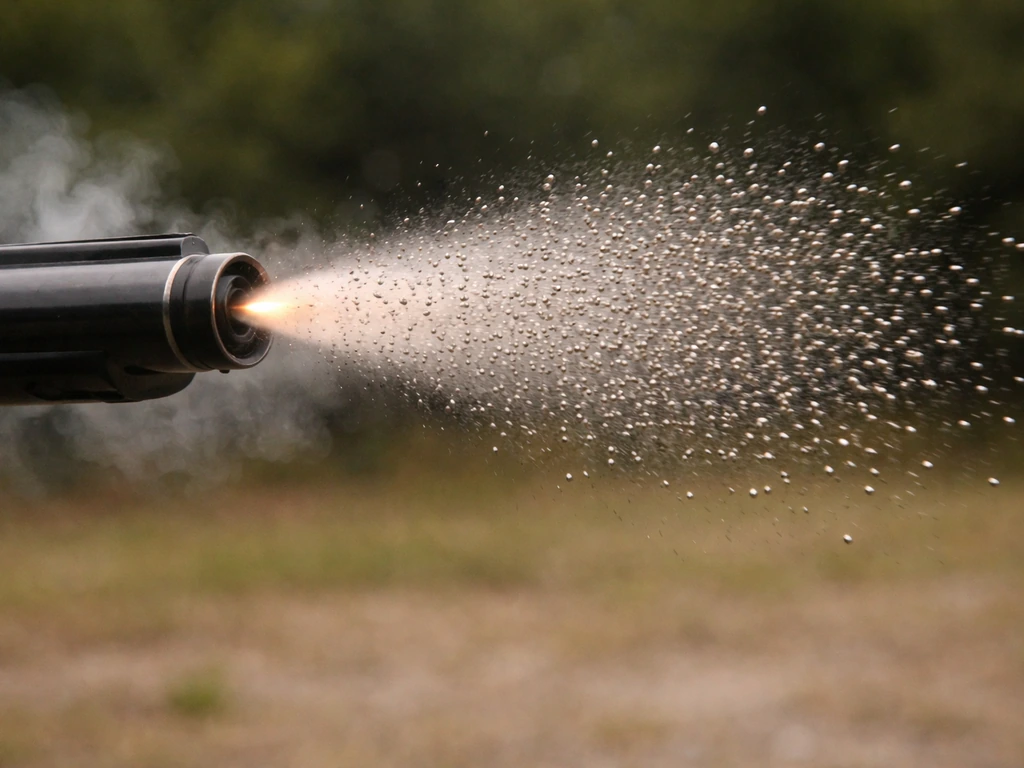
A shotgun shell loaded with birdshot fires a cloud of small pellets that spread out as they travel. At close range, that cloud is dense and fast, and the combined energy is enough to kill a bird immediately. At longer ranges, the pellets slow down and spread further apart, so the bird might absorb just one or two pellets at reduced velocity. That is when you get wounds rather than clean kills.
The Florida Department of Agriculture and Consumer Services training materials are clear on this: birdshot can still cause significant injury at close range, even if the intent was not lethal. The key factors controlling whether a bird lives or dies come down to a handful of variables.
| Factor | Effect on Lethality |
|---|---|
| Distance from muzzle | Shorter distance means higher velocity and denser pattern, far more likely to be lethal |
| Pellet size (shot number) | Larger pellets (lower number, e.g., No. 2) carry more energy and penetrate deeper than smaller ones (e.g., No. 8) |
| Number of pellets that connect | A dense hit pattern to vital areas is far more lethal than a single pellet to a wing |
| Shot placement | Hits to the head, spine, or chest cavity are typically lethal; wing hits often wound without killing |
| Bird size and species | A small songbird can be killed by a single No. 8 pellet; a large waterfowl may survive the same hit |
| Pellet material (lead vs. steel) | Lead deforms and transfers more energy; steel is harder and can pass through, though both are capable of killing |
One misconception worth clearing up: birdshot is not always lethal, and it is not always non-lethal. Because deer are larger animals than typical bird targets, people often ask whether birdshot can kill a deer. It sits in between, and that range is exactly why hunters are trained to know their effective range and to use the right load for the target species. Shooting a pheasant at 60 yards with No. 8 target loads often wounds the bird rather than killing it cleanly, and that matters a lot if you are thinking about bird welfare.
Lead shot also carries a secondary risk worth knowing: birds (especially waterfowl and raptors) can ingest spent lead pellets from the ground or from prey, leading to lead poisoning over time. Washington Department of Fish and Wildlife regulations specifically address non-toxic shot requirements for migratory waterfowl hunting partly for this reason. So birdshot lethality is not always instant or obvious.
How to tell if a bird has been injured vs. killed by a shot
If you find a bird and suspect it was shot, the first thing to do is observe from a short distance before you approach. A bird that is completely motionless and unresponsive to your presence near it is most likely dead or critically injured. A bird that is moving but cannot fly, holding a wing oddly, or dragging a leg is injured and still alive.
Here are the specific signs to look for when checking a bird for shot-related injury or death.
- Drooping or visibly broken wing: common with pellet hits to the wing bones
- Blood or wet matted feathers on the body, particularly on the breast, abdomen, or back
- Inability to stand or maintain balance: suggests spinal, leg, or neurological damage
- Open-mouth breathing or labored gasping: indicates internal chest injury
- Bright, alert eyes in an otherwise immobile bird: the bird is alive and likely in shock
- Dull or glazed eyes, no response to movement near the head: the bird is likely dead or close to it
- Small entry wounds partially hidden by feathers: pellet holes are small and easy to miss without handling the bird
Shock is a major factor with shot birds. A bird may appear dead simply because it is in acute shock, especially right after injury. Do not assume a motionless bird is dead without checking for breathing (chest movement) and eye response.
What to do right now if you find a bird that may have been shot
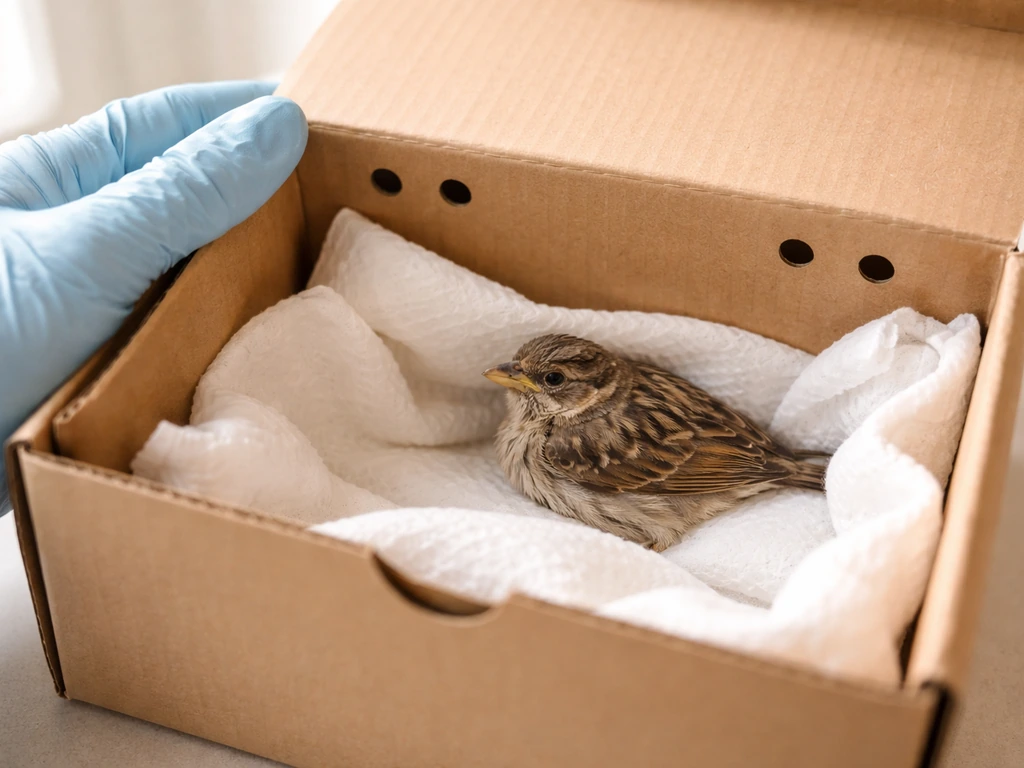
If you find a bird you believe has been shot, act quickly but calmly. Birds in shock can deteriorate fast, and the wrong handling can make things worse. Follow these steps in order.
- Contain the bird gently: Use a box or paper bag lined with a cloth or paper towel. Do not use a plastic bag. Place the bird inside and close the lid loosely to allow airflow.
- Keep it warm and dark: Darkness reduces stress significantly. A quiet, dark container keeps the bird calmer and slows shock progression.
- Do not give food or water: An injured bird cannot safely swallow, and force-feeding or offering water can cause aspiration, which kills quickly.
- Do not handle more than necessary: Every touch stresses the bird. Once it is contained and secure, leave it alone.
- Note where and when you found it: The location, time, and any observations about how the bird was behaving will help the vet or rehabilitator assess the case.
- Contact a licensed wildlife rehabilitator or avian vet immediately: Do this while the bird is being contained. Time matters with internal injuries.
One thing not to do: do not attempt to remove a pellet yourself or probe a wound. Pellets embedded in tissue are often surrounded by swelling and can be near blood vessels. This is a job for a vet with imaging equipment, not a field extraction with tweezers.
Preventing birdshot harm to non-target birds
Most non-target bird injuries from birdshot happen when pellets travel beyond the intended target or when a shot goes wide. For home defense, you should consider whether using birdshot could still overpenetrate or injure people, pets, or neighbors beyond the intended target. A few practical habits reduce this significantly.
- Know your effective range before shooting: birdshot loses lethal energy fast, but it can still wound at distances well beyond where you would expect
- Use the appropriate shot size for the target species: oversized loads for small birds increase the risk of pass-through wounding rather than clean kills
- Switch to non-toxic shot (steel, bismuth, or tungsten-based) especially near wetlands or areas where ground-feeding birds and raptors are present, since ingested lead pellets cause secondary poisoning deaths
- Be certain of what is in your field of fire before shooting: flushing a target bird near a group of non-target birds increases the risk of multi-bird impacts
- Follow state and federal non-toxic shot requirements, which exist specifically to protect non-target wildlife species from secondary lead exposure
It is also worth noting that birdshot effectiveness changes meaningfully with choke selection and load. Tighter chokes keep the pattern denser at longer range, which matters both for clean kills on target birds and for understanding how far lethal pellet density actually extends. Hunters who understand this tend to take cleaner shots and cause fewer crippling wounds.
Related questions people often research alongside this one include whether birdshot can kill larger birds like turkeys or deer, and how far birdshot actually travels before losing energy. Related questions people often research alongside this one include whether birdshot can kill larger birds like turkeys or deer, and will bird shot kill a turkey depending on range and pellet placement before losing energy. Deer are much larger than typical bird game, so whether will bird shot kill a deer depends heavily on range, pellet placement, and shot density. Those are worth reading separately if you are trying to understand shot performance across different contexts.
When to call a wildlife expert, and how to handle the situation responsibly
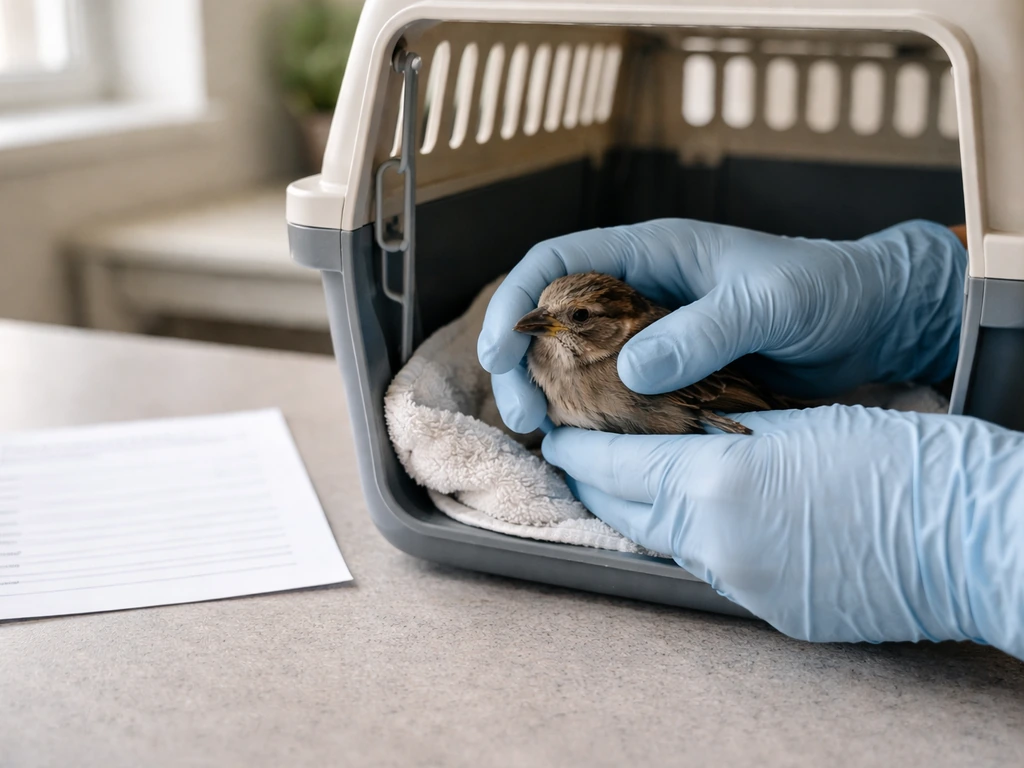
Call a licensed wildlife rehabilitator or avian vet immediately if the bird is alive. Do not wait to see if the bird 'gets better on its own.' Shot wounds that are not immediately fatal almost always involve internal bleeding, infection risk from the wound track, or lead toxicity if pellets remain in the tissue. These conditions deteriorate without treatment.
To find a rehabilitator near you, contact your state or provincial wildlife agency, or search the National Wildlife Rehabilitators Association database. In the US, possessing a migratory bird without a permit is federally regulated, so the fastest and safest thing is to get the bird transferred to a licensed facility as quickly as possible. You are generally protected from liability when acting in good faith to get an injured wild bird to a rehabilitator.
If the bird is dead, do not dispose of it casually if you suspect an illegal shooting occurred. Raptors, songbirds, and most native wild birds are federally protected under the Migratory Bird Treaty Act, and shooting them unlawfully is a federal offense. The U. S.
Department of Justice’s Environmental Crimes Section explains that enforcement involves the Fish and Wildlife Service regarding violations of statutes including the Migratory Bird Treaty Act. In that case, contact your state wildlife agency or US Fish and Wildlife Service.
You can use the U. S. Fish and Wildlife Service Office of Law Enforcement contact page to reach the agency about wildlife enforcement issues [contact your state wildlife agency or US Fish and Wildlife Service](https://www. fws.
gov/program/office-of-law-enforcement/contact-us). They can investigate, and the carcass may be evidence.
For pet birds or domestic poultry that have been shot, an avian vet is the right call, not a wildlife rehabilitator. Avian vets can perform radiographs to locate pellets, provide pain management, and handle surgical removal when needed. The sooner you get there, the better the odds.
FAQ
If the bird flies away after being hit, does that mean the birdshot was not lethal or was it not a serious injury?
Not necessarily. A bird can fly a short distance after a partial pellet hit, then deteriorate later due to internal bleeding, shock, or infection along the wound track. If you observe abnormal behavior afterward, or the bird cannot perch normally, it should be treated as injured and reported to a wildlife rehabilitator or checked by a vet.
How can I tell the difference between a bird that is stunned from shot and one that is simply sick or intoxicated?
Shot injury often shows external trauma patterns like blood, punctures, uneven posture, wing droop, or an inability to fly straight. However, illness and poisoning can look similar, so the safest approach is to call a wildlife rehabilitator if the bird is grounded, uncoordinated, or acting abnormally for more than a short period.
Is birdshot always immediately fatal at close range, or can it still wound without killing right away?
Even at close range, it can wound instead of killing instantly, especially if only one or a few pellets strike non-critical areas. That is why a motionless bird still needs a breathing and eye response check, and why “it seems fine” is not a reliable sign after a suspected hit.
What should I do if I find a bird and I am worried the pellets could still be inside, but I cannot reach a vet quickly?
Keep the bird in a quiet, dark, ventilated container to reduce stress (do not give food or water). Keep handling to a minimum, and contact a licensed wildlife rehabilitator or avian vet as soon as possible. Avoid probing or removing anything yourself, because embedded pellets and swelling can be medically risky.
Can birdshot pellets cause harm to humans or pets if they are still in the area after a hunt?
Yes. Spent pellets can remain on the ground and under brush, posing a puncture risk to barefoot people and pets, and lead exposure risk if pellets are ingested. If you are in an area with suspected recent shooting, wear shoes and use gloves when cleaning up, and keep pets away from pellet-rich zones.
Does choke and pellet size change whether birdshot is lethal, or is distance the main factor?
Choke and pellet size matter because they influence pellet density at the target. Tighter patterns can increase the number of pellets striking within a vital area, making kills more likely at a given distance. Conversely, small pellets and wider patterns at longer ranges increase the chance of crippling, non-instant injuries.
If a bird is alive but looks “okay,” should I still contact a rehabilitator?
If the bird has any sign of injury such as labored movement, a wing held differently, a limp, trouble flying, or unusual disorientation, contact a rehabilitator. Many shot-related problems progress after the initial shock period, so delaying can reduce the chance of a successful recovery.
Is it legal to handle an injured wild bird, especially if I suspect it was shot?
In many places, you can take reasonable, good faith steps to move an injured bird to a licensed rehabilitator. If illegal shooting is suspected, avoid touching evidence more than necessary, and contact your state or provincial wildlife agency for guidance on next steps and reporting.
What should I do if the bird is dead and I suspect it was shot illegally?
Do not wash, cut up, or move the carcass unnecessarily. Photograph the scene if it is safe to do so, and contact the appropriate wildlife authority (state wildlife agency or federal wildlife service, depending on your jurisdiction). Carcasses can be evidence in enforcement cases.
For pet birds or poultry, when should I treat suspected birdshot exposure as an emergency?
Treat it as urgent if there is visible bleeding, breathing difficulty, weakness, inability to perch or walk, or any wound near the chest or abdomen. An avian vet can use imaging to locate pellets and decide whether removal is needed, and timely pain control and treatment can be critical.
Next Article
Is Bird Shot Good for Home Defense? Safety, Power, Laws
Evaluates if birdshot works for home defense, covering safety, wall penetration, legal issues, and better shotgun altern