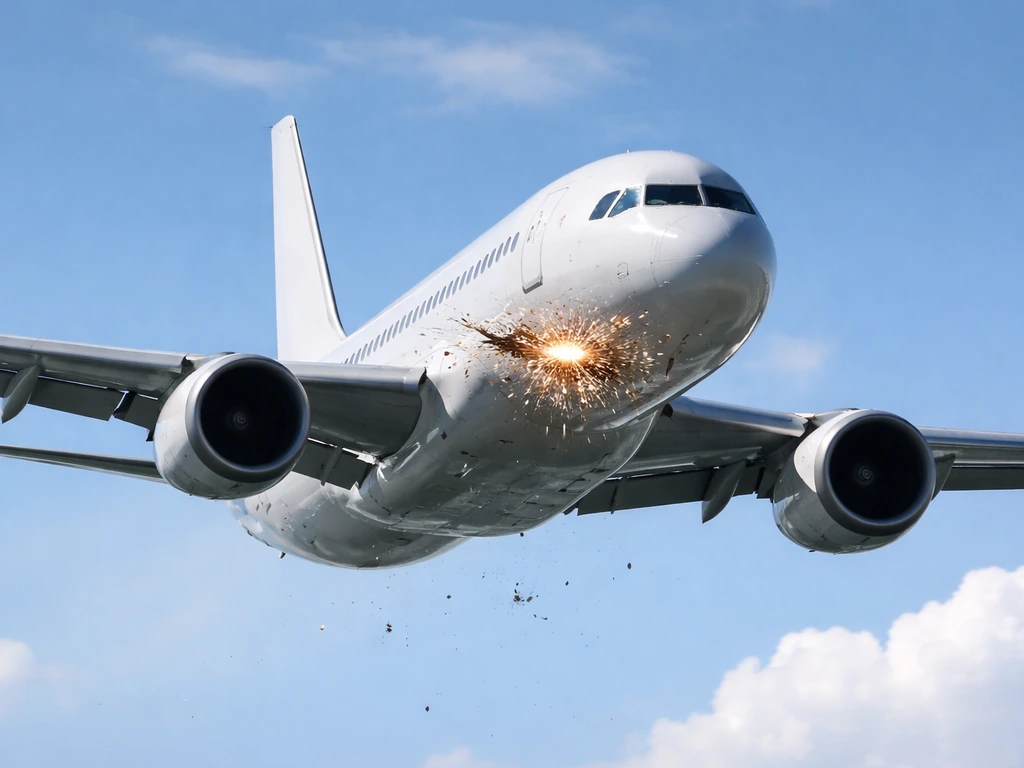
The short answer is no, birdshot is not a good choice for home defense. It is better than nothing at contact range, but at any realistic indoor distance it lacks the consistent penetration and stopping power you need. If you are loading a shotgun for home defense today, there are much better options available, and this article will walk you through exactly why, what to use instead, and what to watch out for along the way.
Is Bird Shot Good for Home Defense? Safety, Power, Laws

Maya Chen
12 Apr 2026
What birdshot actually is (and how it compares to buckshot)
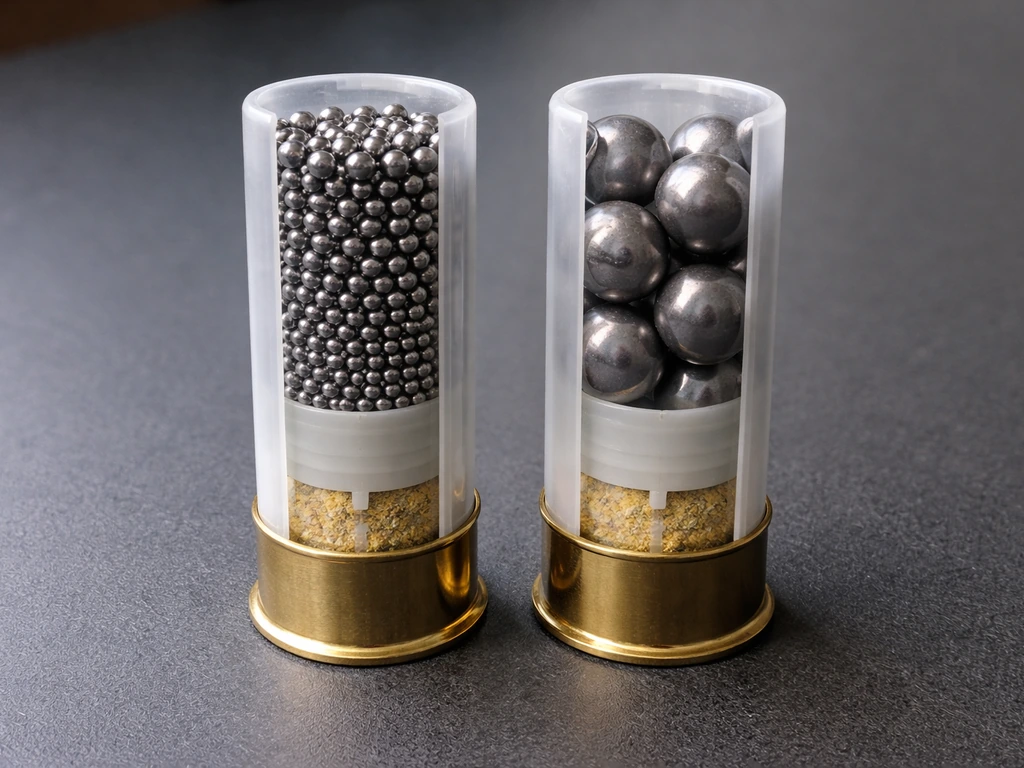
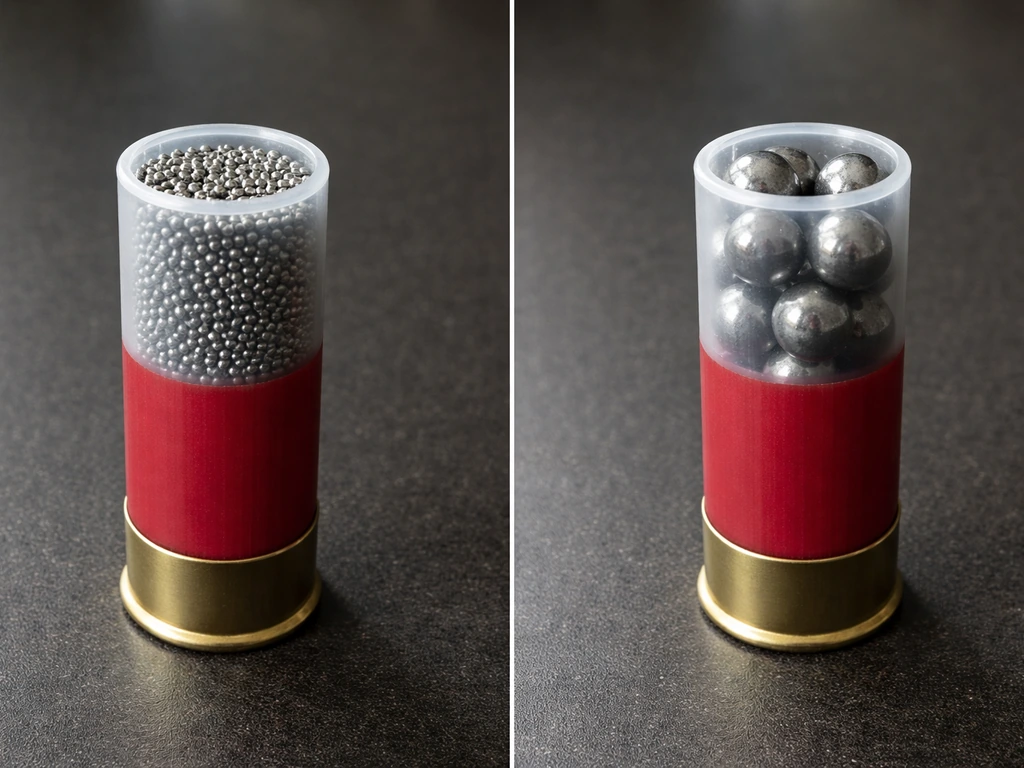
Birdshot is a shotgun shell loaded with a large number of small lead (or steel) pellets designed for hunting birds or for clay target practice. The pellets are identified by a number designation, and the system works inversely: a smaller number means a larger pellet. SAAMI defines the average pellet diameter using the formula (17 minus the number designation) divided by 100. So No. 6 shot gives you a pellet diameter of about 0.11 inches, and No. 2 shot steps up to about 0.15 inches. These are small. Even the largest common birdshot loads are nowhere near what you get with a defensive buckshot load.
Buckshot is a different animal entirely. A standard 2¾-inch 12 gauge 00 buck shell contains nine pellets, each roughly 0.33 inches in diameter. A 3-inch magnum 00 buck shell bumps that to twelve pellets at about 0.32 inches each. Compare that to a No. 6 birdshot pellet at 0.11 inches and you start to see the gap. Each individual buckshot pellet carries roughly the same energy as a handgun bullet. Each birdshot pellet carries a tiny fraction of that.
The pattern spread is also very different at indoor ranges. Inside a home, most shots happen within 10 to 15 feet. At that distance, a birdshot charge has barely had time to open up at all. The pattern may be only a few inches wide, which means you are not getting the wide spread many people imagine when they picture a shotgun blast. The pellets are still bunched together like a single slug at that range, but without anywhere near the mass or penetration of a slug or a buckshot load.
Does birdshot actually stop a threat at home-defense distances?
This is the core question, and the honest answer is: unreliably. At very close range, say under 5 feet, a birdshot load hits hard because the pellets are still packed tightly together and deliver a concentrated surface wound. It will cause serious injury. But as distance increases, even to 10 or 15 feet, the pellets begin to spread and each individual pellet is carrying less energy. Penetration drops off quickly, and you need consistent penetration into soft tissue to reliably stop a threat.
The FBI's testing standard for defensive ammunition calls for a minimum of 12 inches of penetration into ballistic gelatin. Birdshot typically fails that standard at any distance greater than a few feet. That matters because stopping a threat requires reaching vital structures. A surface wound from scattered small pellets is painful and can be serious, but it does not reliably incapacitate someone quickly enough to protect you. That is the fundamental problem with relying on birdshot for defense.
People sometimes wonder about this question in other contexts too. The same physics that make birdshot unreliable for defense also explain why folks debate whether birdshot can effectively take a turkey, a bird that is far smaller and less robust than a human attacker. The answer there is also range-dependent and conditional, which should tell you something about birdshot's general stopping limitations.
Safety risks in and around your home
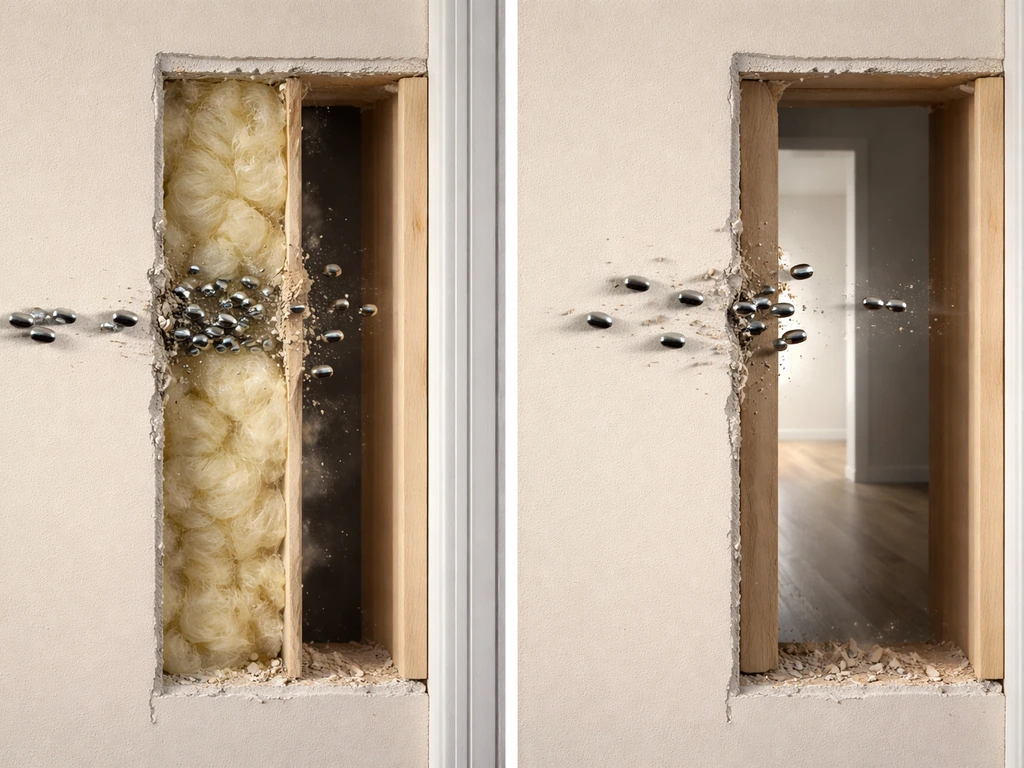
One of the most common reasons people choose birdshot for home defense is the belief that it will not penetrate walls and harm a family member in the next room or a neighbor next door. This belief is partially true but dangerously oversimplified.
At very close range, a concentrated birdshot charge can and does penetrate standard interior drywall. Multiple layers of drywall will eventually stop the pellets, but a single interior wall may not. At longer distances, as the shot spreads, individual pellets lose energy faster and are less likely to punch through building materials, but you now have the other problem: they are also less likely to stop an attacker. You cannot have it both ways. The load that stops a determined person also carries real penetration risk through walls.
There is also the outdoor risk to think about. If a shot is fired through a window, birdshot pellets will travel a meaningful distance outside. How far a .22 birdshot load can travel is a useful illustration of this: even small pellets carry enough energy to injure a person, pet, or bird at surprising distances. In a suburban or urban environment, stray pellets reaching neighboring yards or properties is a real concern and a real liability.
Pets and backyard wildlife are also at risk. Birdshot was literally designed to bring down birds in flight. If pellets exit your home, they are traveling at velocities more than adequate to kill or seriously injure small animals, including songbirds and other backyard wildlife that your neighbors may care about quite a bit.
Legal considerations you should know about
Ammunition choice is not just a practical question, it can have legal consequences. In most U.S. jurisdictions, you are generally allowed to use any legal firearm and ammunition for lawful self-defense in your home, and birdshot is not prohibited. However, legal jeopardy in a self-defense shooting often extends beyond whether the act was justified. Ammunition choice can come up in a civil case or criminal prosecution if a prosecutor wants to argue about your intent or preparedness.
More practically, if birdshot fails to stop a threat and you or someone else is injured as a result, choosing an underpowered load is not a legal defense for you. Courts and juries are generally most sympathetic to people who used appropriate, commonly recommended defensive tools. Using a load that firearms trainers and law enforcement explicitly describe as a hunting and practice round rather than a defensive one could work against you in that context.
Some jurisdictions also have specific rules about discharge of firearms in residential areas, which could affect how stray pellets are treated legally if they leave your property. Check your local laws. This is especially relevant in dense urban areas where the risk to adjacent properties is higher.
Better options for home defense
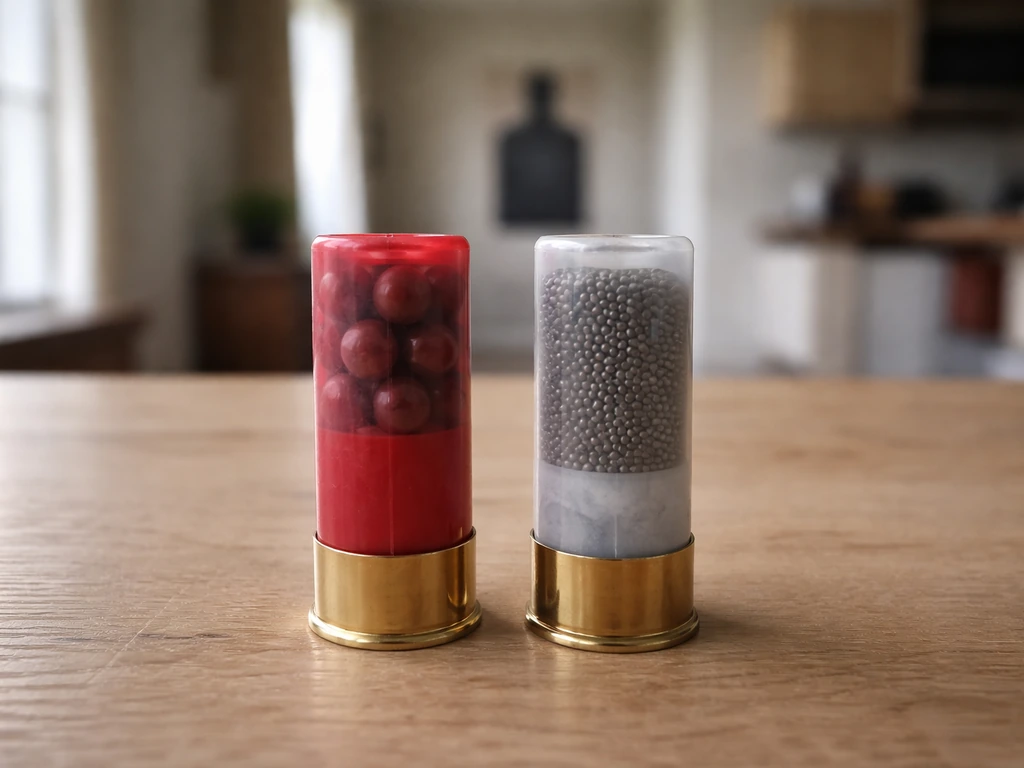
If you want to use a shotgun for home defense, the load most commonly recommended by law enforcement trainers and defensive shooting instructors is 00 buckshot. A standard 2¾-inch 12 gauge 00 buck shell delivers nine .33-caliber pellets with enough individual energy to penetrate to the depth needed to stop a threat. It is the load a Florida Dept. of Agriculture and Consumer Services firearms training manual explicitly points to when distinguishing defensive shotgun ammo from hunting rounds like birdshot.
If your concern is over-penetration in a home with thin walls or family members in adjacent rooms, reduced-recoil 00 buck loads are widely available and offer a meaningful reduction in recoil and somewhat reduced penetration while still meeting defensive performance standards better than any birdshot load. Some people also consider No. 4 buckshot (not No. 4 birdshot, which is a different thing), which uses smaller but still substantial pellets and patterns more densely at indoor ranges.
For those who are concerned about shotgun recoil altogether or who have a smaller home where a long gun is awkward to maneuver, a modern handgun loaded with quality hollow-point ammunition is a legitimate alternative worth considering. The key principles are the same: use a load designed for defensive use, understand its performance characteristics at the distances you might actually shoot, and train with it.
Whatever you choose, safe storage is non-negotiable. A defensive firearm needs to be accessible to you but not to children or unauthorized users. A quick-access safe or a well-placed trigger lock system addresses both concerns. Choosing the right load is only one part of being responsibly prepared.
Myths vs. facts about birdshot for self-defense
A lot of birdshot-for-defense thinking comes from myths that sound reasonable but fall apart under scrutiny. Here are the most common ones.
| The Myth | The Fact |
|---|---|
| Birdshot won't penetrate walls, so it's safer indoors. | At close range, a concentrated birdshot charge can penetrate a single layer of drywall. At longer distances it spreads and loses energy, but then it also fails to stop a threat reliably. |
| The spread pattern makes it easier to hit a target in the dark. | At indoor ranges of 10 to 15 feet, birdshot has barely opened up. The spread is only a few inches wide, so it does not provide a meaningfully wider hit zone than buckshot. |
| Any shotgun shell will stop a threat at close range. | Stopping power depends on penetration into vital structures. Birdshot often fails to penetrate deeply enough at anything beyond contact range to reliably incapacitate. |
| Birdshot is lethal, so it must be effective for defense. | Lethality and reliable stopping power are not the same thing. As explored in detail when examining whether birdshot is truly lethal, context and range change everything. A wound can be fatal and still not stop an immediate threat quickly enough. |
| Birdshot can't seriously hurt anything large. | It absolutely can. The same physics that raise questions about whether birdshot can kill a deer confirm that these pellets carry real energy at close range and can cause serious wounds in large animals, including humans. |
The practical bottom line
Birdshot is optimized for birds and clay targets. It is not optimized for stopping a determined human attacker at the distances typical in a home. The penetration is inconsistent, the stopping power is unreliable past a few feet, and the wall-penetration safety advantage people cite is overstated at the ranges where birdshot actually does damage. Meanwhile, 00 buckshot is specifically designed for the kind of consistent, deep penetration that defensive situations require, and reduced-recoil versions address a lot of the over-penetration concerns without sacrificing effectiveness.
Load a defensive shotgun with a purpose-built defensive load. Learn its performance at the distances inside your actual home. Store it securely. And if you have real concerns about wall penetration or layout, talk to a qualified firearms instructor who can look at your specific situation. That is better advice than any general article, including this one, can give you.
FAQ
If I’m only worried about shots at 5 feet or less, is birdshot good enough for home defense?
Not reliably. Birdshot’s pellet spread and energy loss mean it may not reach vital structures beyond very close range, so you should treat it as a “maybe at arm’s length” option, not a dependable stopping choice.
Does birdshot really pose less risk to people in the next room than buckshot?
Birdshot can still penetrate interior walls, especially at close distances and with single-layer drywall. The “safe around family” benefit is not guaranteed, and you can end up with pellets going into adjacent rooms or stopping later than you expect.
Could choosing birdshot instead of a defensive load hurt me in a legal case?
If a birdshot load fails to stop a threat and an injury results, using a known hunting or practice-style load can be harder to justify. In many places the justification focuses on the reasonableness of your choices, and ammunition selection may be scrutinized.
How does close-range performance translate if my actual distance is uncertain during a home defense encounter?
In most real indoor scenarios, you should assume your target distance and angles will vary under stress. That makes birdshot’s range-dependent performance a problem, since it is most effective only when the pellets remain densely packed.
What’s the risk to neighbors if birdshot is fired indoors and pellets escape outside?
Often, yes. Many birdshot pellets that miss or exit the home can still travel with enough energy to injure people, pets, or wildlife outdoors. This matters most if shots go through windows, exterior doors, or open areas.
If birdshot patterns tightly at indoor distances, why does it still underperform for stopping?
Pattern density is part of the issue. At typical indoor distances, birdshot may not open into the broad “shotgun cloud” people expect, which can leave you with a smaller-than-imagined effective area while still lacking the needed penetration.
What are better alternatives if I want to keep a shotgun but reduce recoil and wall-penetration worries?
Consider reduced-recoil defensive buckshot or purpose-built defensive handgun hollow points instead. Reduced-recoil buckshot keeps the defensive concept of deep penetration while addressing recoil, and handgun defensive ammo can be easier to handle in tight spaces.
Is No. 4 buckshot the same as No. 4 birdshot, and is it good for home defense?
No, because No. 4 buckshot and No. 4 birdshot are different. Buckshot uses larger pellets intended for defensive performance, while birdshot is a hunting pattern designed around different pellet size and density.
Can I ‘make up’ for birdshot’s limitations by choosing a different shot number or shell length?
Maybe, but you still need performance assurance at your likely distances. If you do use a shotgun for defense, test your chosen defensive load’s patterning and reliability in safe, permitted conditions and follow manufacturer and instructor guidance.
What’s the safest way to store a home-defense shotgun loaded with defensive ammo?
Safe storage is key because the wrong person getting access is a far bigger threat to your household than over-penetration. A quick-access safe or appropriate lock helps balance speed of access with preventing unauthorized use by children or others.