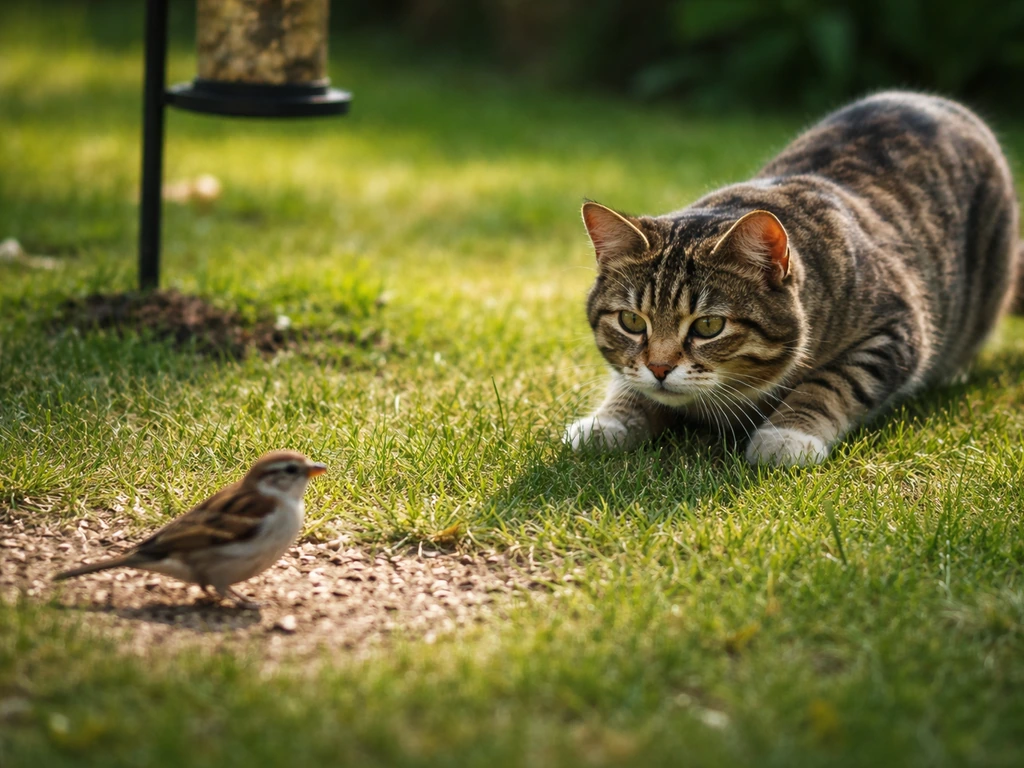
Your cat killed a bird because it's following a hardwired predatory instinct that has nothing to do with hunger, personality, or how well you've raised it. Even well-fed, affectionate indoor cats will hunt and kill birds when given the chance. It's not malice, boredom alone, or a sign something is wrong with your cat. It's just what cats do.
Why Did My Cat Kill a Bird? Causes and What to Do Now

Maya Chen
5 May 2026
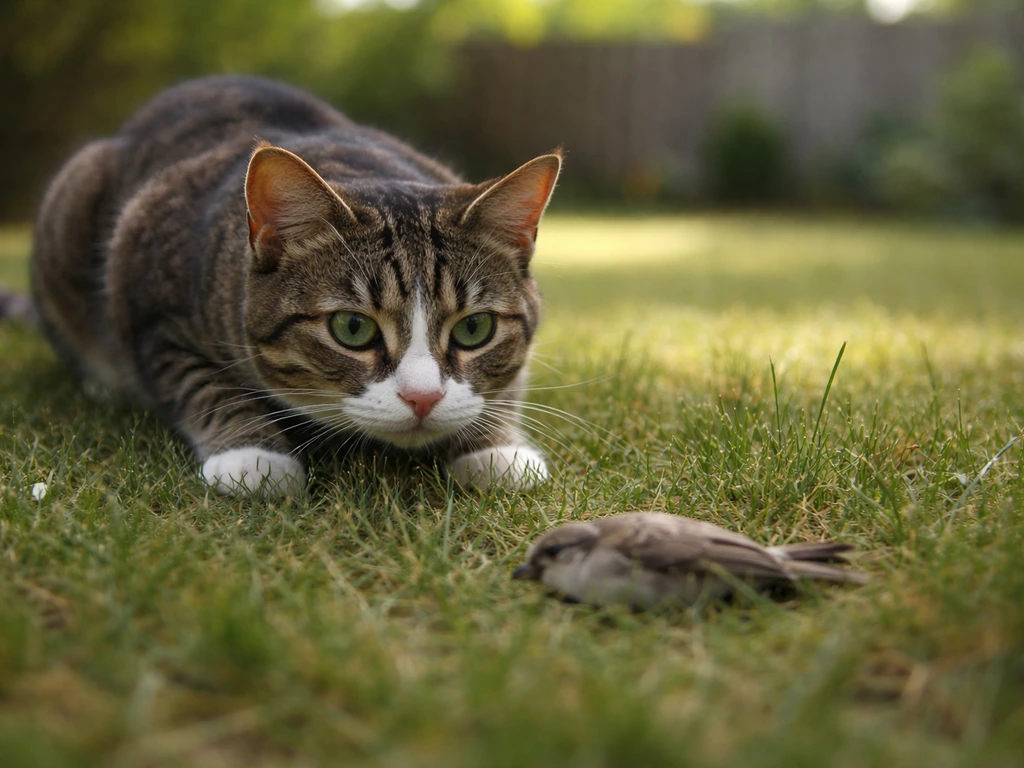
Why cats kill birds in the first place
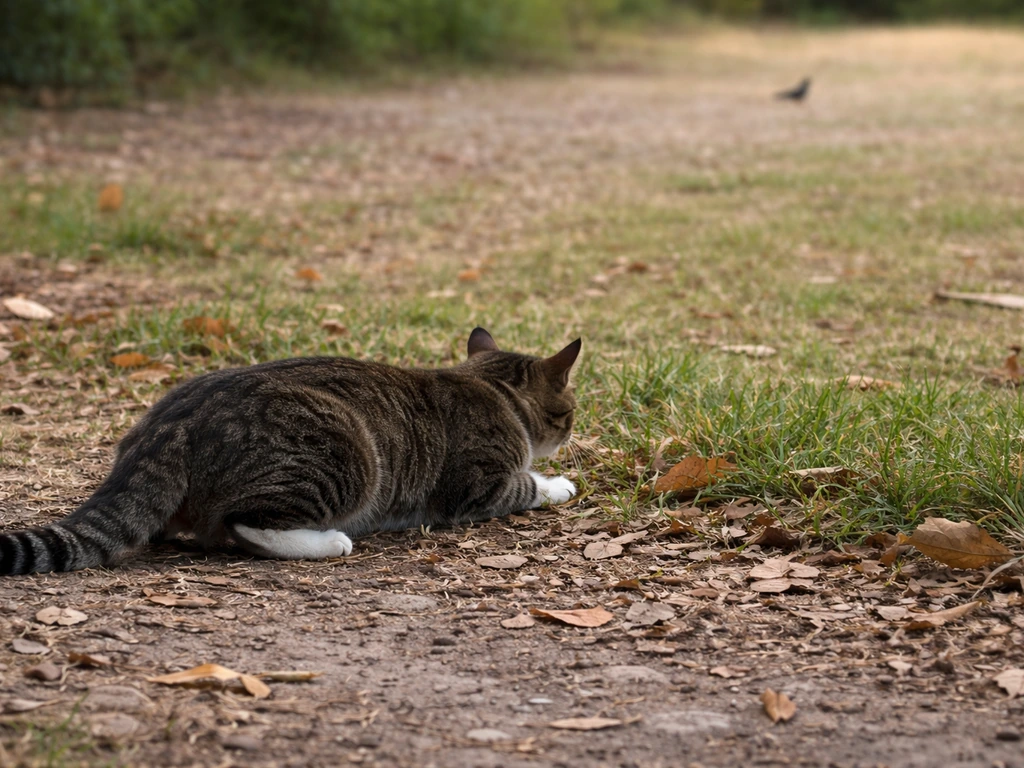
The hunting sequence in cats (stalk, pounce, catch, kill) is driven by instinct, not appetite. Research confirms that food provision does not eliminate predatory behavior in domestic cats. A full stomach literally doesn't switch off the drive to hunt. Cats hunt because the stimulus is there, not because they need a meal.
Outdoor access is the single biggest risk factor. A cat that spends even a few hours outside each day has repeated opportunities to encounter birds at ground level, especially near feeders, hedges, or low shrubs where birds forage or nest.
Timing also matters a lot. Spring and early summer are peak danger periods because fledglings are on the ground, moving slowly, and are almost impossible for a cat to resist. Juveniles that haven't fully mastered flight are easy targets. Dawn and dusk are the most active hunting windows because that's when birds are most active and light levels give cats a visual edge.
Play-hunt escalation is another common pathway, especially in younger cats. What starts as batting at a moving bird can tip into a killing bite fast, driven by the same motor sequence that ends a hunt in the wild. The cat isn't escalating out of aggression; the sequence just runs to completion.
Some cats bring live or dead birds indoors as a kind of 'gift.' This is normal maternal or social behavior. It doesn't mean your cat is more dangerous than others; it just means the opportunity presented itself. Learned behavior also plays a role: cats that observed their mother hunt, or that have successfully caught birds before, tend to be more persistent hunters.
What to do right now: first aid for the bird
If the bird is still alive, your first priority is to minimize handling and stress. After you stabilize the bird, the next step is figuring out what to do about your bird killing cat so it doesn't happen again. A bird can die from shock even when its physical injuries seem minor, so keep things calm and quiet. Don't try to give it water or food.
- Put on gloves if you have them, or use a cloth or paper towel to pick the bird up gently.
- Place it in a small cardboard box lined with a paper towel. Punch a few air holes in the lid.
- Keep the box somewhere warm, dark, and quiet, away from pets and noise. A dark environment reduces stress significantly.
- Do not place it in direct sunlight or near a heat source.
- Contact a licensed wildlife rehabilitator as quickly as possible. Search your national or local wildlife rehab directory or call a local vet who can refer you. Even birds that look fine can have internal injuries or bacterial infections from a cat bite that will kill them within 24 to 48 hours without antibiotic treatment.
- If the bird is dead, double-bag it in plastic and put it in your household bin. Wash your hands thoroughly with soap and water afterward.
The 24 to 48 hour window is real and important. Cat saliva contains Pasteurella multocida and other bacteria that are highly toxic to birds. A bird that walked away from the attack looking stunned but intact can still die from septicemia if it doesn't receive antibiotics quickly. Getting it to a wildlife rehab center is the single most useful thing you can do.
Check your cat too
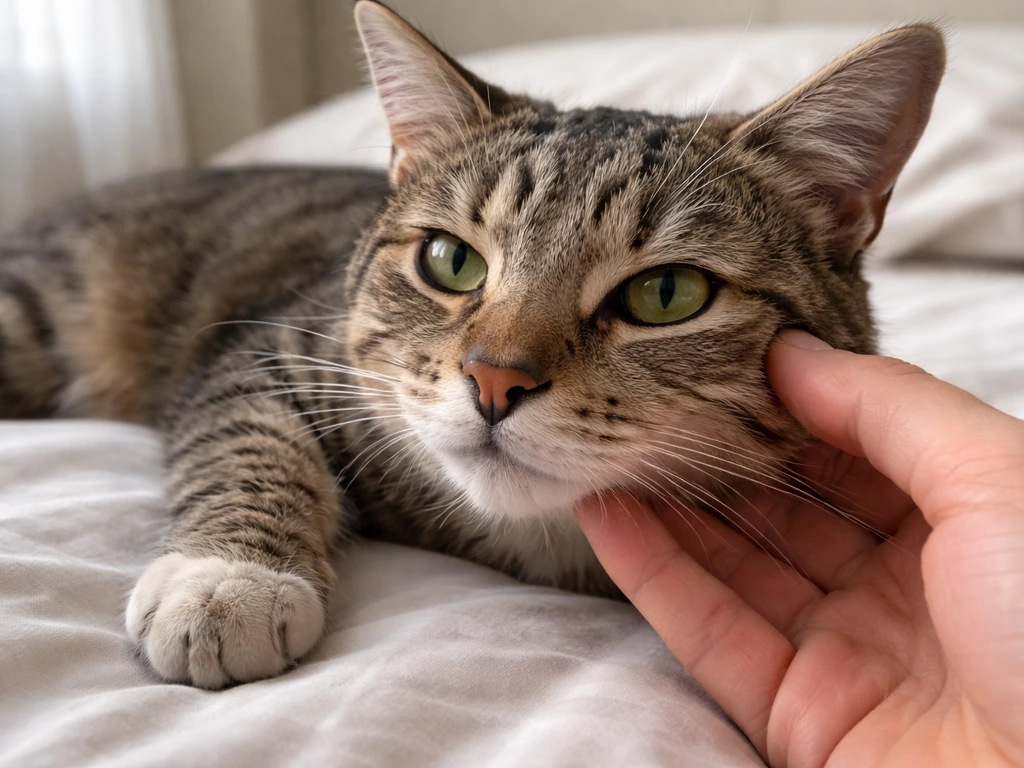
Birds can fight back hard, especially larger species. Check your cat for puncture wounds, scratches around the face and paws, and eye injuries. Bird beaks can cause deep punctures that close over quickly and are easy to miss. If you find any wounds, call your vet. Cat skin heals fast and can trap bacteria, so even small punctures deserve attention.
Health risks after a cat-bird encounter
For you and any other people in the household, the main risks come from handling the bird or being scratched or bitten by your cat afterward. Cat scratch disease, caused by Bartonella henselae, is the most commonly cited concern. About 40% of cats carry this bacterium at some point in their lives, most without any symptoms at all. You get it from a cat scratch or bite, not from the bird itself.
Wash any scratch or bite site immediately with soap and water for at least 20 seconds. Most healthy adults who contract cat scratch disease experience mild, self-limiting symptoms including swollen lymph nodes and mild fever. It's worth knowing about, but it's not a reason to panic. People who are immunocompromised should talk to their doctor after any cat bite or scratch.
Wild birds can carry Salmonella and Campylobacter, particularly birds that visit feeders. Wash your hands after handling a dead or injured bird, clean any surfaces the bird contacted, and keep your cat away from the area until it's cleaned. The overall risk to healthy adults is low with basic hygiene, but it's not zero.
Your cat can also pick up external parasites like fleas, ticks, and mites from wild birds. Check your cat's coat after any outdoor hunting episode and make sure your flea and tick prevention is up to date.
Assessing your cat's hunting risk
Not every cat is an equal threat to birds. Understanding your specific cat's risk level helps you decide how much management you actually need.
| Risk Factor | Lower Risk | Higher Risk |
|---|---|---|
| Outdoor access | Strictly indoor | Free-roaming outdoors daily |
| Hunting history | No prior kills | Repeated hunter |
| Age | Senior cat | Young adult (1-5 years) |
| Time of day | Kept in at dawn/dusk | Out at dawn, dusk, or overnight |
| Season | Winter | Spring/early summer (fledgling season) |
| Yard environment | No feeders or bird cover | Feeders, dense shrubs, ground nesting nearby |
If your cat is strictly indoors and brought in a bird, the focus is on sealing entry points and screening doors. If your cat is an outdoor hunter with a track record, you need a more active management plan.
How to stop future bird deaths
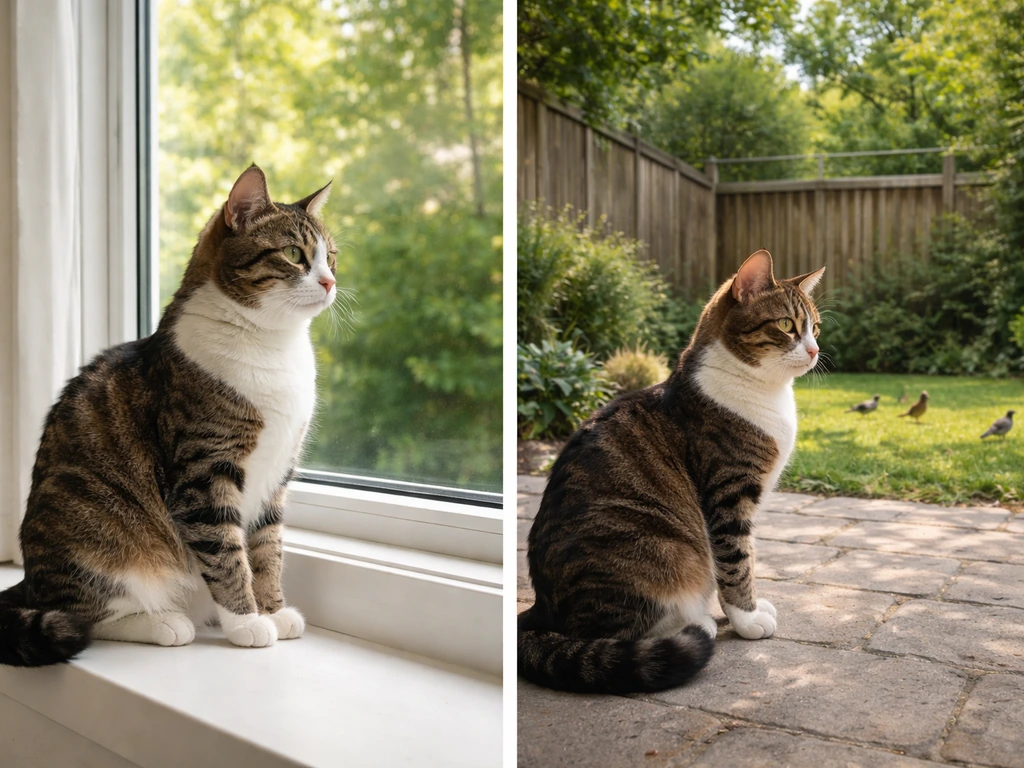
The most effective step: keep your cat indoors or in a contained outdoor space
Keeping cats indoors is the most reliable way to stop bird predation. If that's not practical for your situation, a 'catio' (a secured outdoor enclosure) gives your cat fresh air and stimulation without free access to wildlife. Supervised outdoor time on a harness and leash is another solid option that many cats adapt to surprisingly well, especially when started young.
Deterrent collars: what works and what doesn't
Brightly colored collar covers (sometimes called 'BirdsBeSafe' collars) have shown real effectiveness in studies, particularly for bird predation. They work by making the cat more visible to birds, which have excellent color vision. Standard bell collars help but are less reliable because cats learn to move without ringing them. Neither option is a substitute for containment, but collar covers are worth adding if your cat does go outside.
Enrichment to reduce hunting drive
Hunting drive can't be eliminated, but it can be redirected. Regular play sessions with wand toys that mimic prey movement (feather wands, small plush mice) give your cat an outlet for the stalk-pounce-kill sequence indoors. Puzzle feeders that require your cat to work for food also engage the predatory brain in a safe way. These won't make a born hunter stop wanting to hunt, but they reduce the intensity of the drive and the urgency your cat feels when it encounters a bird outside.
Timing-based management
If your cat goes outside, keeping it indoors during peak bird vulnerability times makes a real dent in predation. That means keeping cats in from dusk through mid-morning during spring and early summer, when fledglings are on the ground and hunting pressure is highest. This one step alone can significantly reduce the number of birds killed.
Making your yard and windows safer for birds
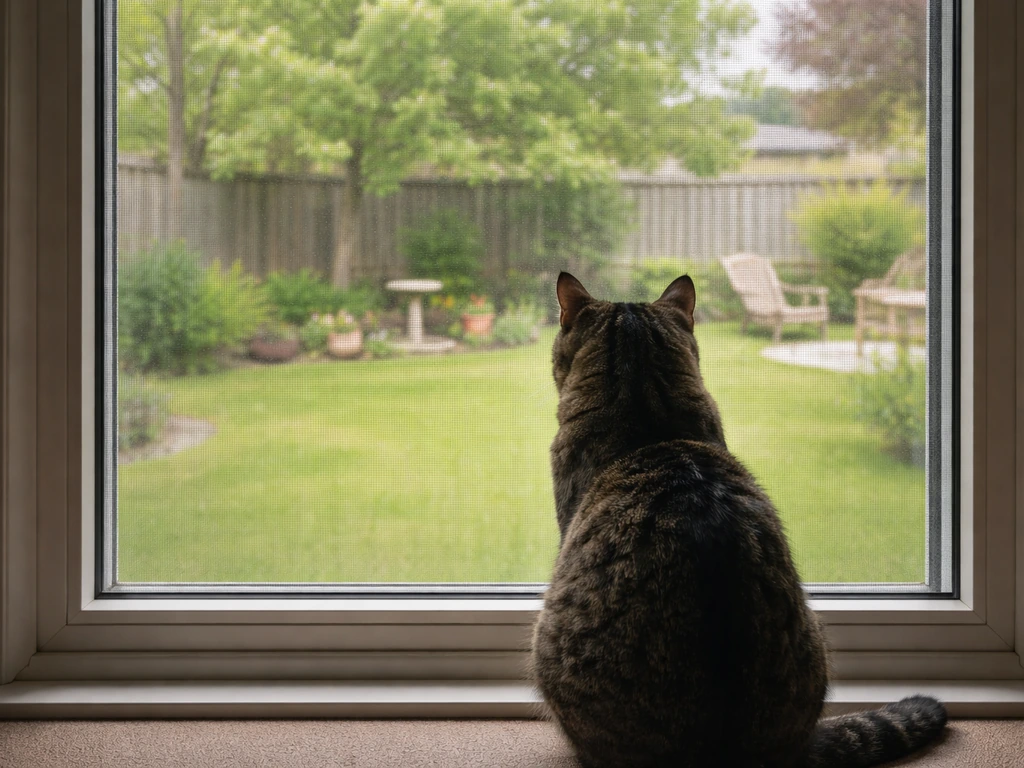
Even if your cat is perfectly managed, birds face other hazards in your yard. Windows are one of the leading causes of bird death, as birds don't perceive glass as a barrier. Placing feeders either within about 1 meter (3 feet) of a window so birds can't build up fatal speed, or further than 10 meters (30 feet) away where they have time to course-correct, reduces collision deaths significantly.
Window films, decals, and external screens that break up the reflection also help. The pattern needs to cover the whole pane, not just a corner sticker. Closely spaced vertical or horizontal stripes (no more than 5 to 10 cm apart) are more effective than single large images.
Feeder placement matters for cat safety too. North Carolina Wildlife Resources Commission advises bird-feeding practices to reduce wildlife harm, including keeping cats indoors around feeding areas Feeder placement matters for cat safety too.. Mount feeders on poles with baffles rather than placing food on or near the ground, and position them away from low shrubs and cover where a cat can crouch undetected. Birds need clear sightlines to land and take off safely.
Dense low plantings right under a feeder are basically a hunting blind for cats. Clearing a two-meter buffer of open ground around feeders gives birds enough time to spot and escape an approaching cat. Native plantings that attract birds to higher branches, rather than ground level, also shift activity out of a cat's easy strike zone.
Your action plan for today
- Handle the bird safely (gloves, box, dark and quiet) and contact a wildlife rehabilitator immediately if it's alive.
- Wash your hands thoroughly and clean any surfaces the bird or your cat contacted.
- Check your cat for wounds and call your vet if you find any.
- If your cat goes outdoors freely, start keeping it in from dusk through mid-morning while fledgling season is active.
- Order or pick up a brightly colored collar cover if your cat will continue having outdoor access.
- Set up at least one daily play session with a wand or prey-type toy to redirect hunting drive.
- Review your feeder placement and clear ground cover within two meters of the feeder.
- Look into a catio or harness training if you want a longer-term outdoor compromise.
The instinct that drove your cat to kill that bird isn't going away, and it doesn't make your cat bad or broken. If you’re wondering whether you should punish your dog for killing a bird, the same principle applies: focus on prevention rather than blame should i punish my dog for killing a bird. But a few practical changes to how and when your cat accesses the outdoors, combined with smarter feeder and yard setup, will protect a lot more birds going forward. The situation is genuinely manageable once you know what's driving it.
FAQ
Does it mean my cat is aggressive if it killed a bird?
Usually no. Bird kills commonly happen because the predatory sequence runs from sight and movement to pounce and bite, not because the cat feels hostility toward birds or people. The key clue is whether your cat shows normal social behavior after, rather than escalating attacks on people.
Should I punish or scold my cat after a bird-killing incident?
Generally, no. Punishment can increase stress and make it harder to manage the situation safely (for example, the cat may run and you may handle the bird more urgently). Instead, prevent the next opportunity by changing outdoor access, feeder placement, and timing, and keep your response calm.
What should I do if I find the bird still alive on the ground?
Keep it calm and minimize handling, move it only enough to prevent further predation, and then contact a wildlife rehabilitator. Do not offer food or water, and avoid prolonged holding because shock and stress can worsen outcomes.
Can a bird that seems fine after being attacked still die later?
Yes. Some birds look stunned but survive the initial encounter, then deteriorate within a day or two due to infection and shock. This is why contacting a rehab center quickly is important even when injuries appear minor.
How do I check my cat for injuries after it fights with birds?
Look for puncture wounds and scratches around the face, eyelids, and paws, and check the mouth and under the chin for small openings. Cat bites can hide deep punctures that look small on the outside, so if you see any wound, call your vet even if your cat seems normal.
Is the disease risk from the bird, or from my cat?
Mostly from your cat. Cat scratch disease is caused by bacteria carried by cats, not by the bird itself. Still, wash your hands thoroughly after handling any bird, and disinfect surfaces the bird contacted.
What should immunocompromised people do after a cat bite or scratch?
Treat it more urgently. Wash immediately with soap and water for at least 20 seconds, then contact a healthcare provider about whether you need evaluation and possible antibiotics, especially after a bite or if symptoms appear.
If my cat doesn’t go outside, how could it still kill a bird?
Common routes include doors left ajar, a screened window with gaps, a catapult into a garage where a bird got in, or an open patio/balcony moment. Do a quick entry-point audit, check for torn screens, and secure any pet doors or drainage grates.
Do collars or bells fully prevent bird kills?
They reduce risk but usually do not eliminate it. Cats can learn to move without ringing bells, and some hunting still happens after a cat spots a bird. Collar covers can be more effective, but containment and reducing outdoor hunting time still matter most.
Will more playtime or puzzle feeders completely stop my cat from hunting birds outside?
No, it won’t eliminate predation drive, but it can lower intensity and urgency by giving the cat an outlet for the same motor sequence. If your cat still goes outside, pair enrichment with key timing changes (especially dawn and dusk, and spring and early summer).
When should I keep my cat inside specifically?
During spring and early summer, keep it in from dusk through mid-morning when fledglings are most vulnerable and bird activity peaks around dawn and dusk. Even for occasional outdoor time, this window is where the biggest reduction typically comes from.
How can I reduce bird collisions with windows in a way that also helps my cat?
Use window strategies that cover the whole pane, not just a corner decal, such as films or external screens that break up reflections. Also keep feeders placed correctly, because positioning birds near ground level can make hunting easier for a cat.
What feeder setup helps both birds and my cat?
Use poles with baffles to prevent the cat from crouching near the feeding area, and avoid placing feeders close to low shrubs, hedges, or any cover where a cat can ambush. Also consider moving feeders to reduce easy strike zones while maintaining safe landing and takeoff sightlines for birds.
If my cat already has a “bird-catching” habit, can I retrain it?
You can’t fully retrain away instinct, but you can manage opportunities and reduce successful outcomes. Focus on containment or catio use, strict timing during peak vulnerability, and enrichment that satisfies predatory behavior indoors.
Next Article
Can a Cat Scare a Bird to Death? Facts, Risks, and What to Do
Find out if cat panic can kill birds, what injuries or stress really do, and what to do right now to help.