There is no reliable FPS number that will consistently kill a bird, and you should not go looking for one. If you are trying to judge a specific weapon, the same multi-factor reasoning applies as in can a paintball gun kill a bird, where velocity alone cannot guarantee the outcome. Lethality from a projectile depends on far more than velocity alone: the bird's size and species, where the shot lands, the distance it travels, the angle of impact, and whether it hits a vital organ or just clips a feather. Wildlife agencies, ballistics researchers, and veterinarians all confirm the same thing: no single speed threshold guarantees a kill, and no single speed guarantees safety either. If your concern is preventing harm to birds, or knowing what to do when one is already injured, that is exactly what this guide covers.
What FPS Can Kill a Bird: Why No Magic Number Exists

Why people search this, and why it's a problem
This question comes up for a few different reasons. Someone discovers an injured bird and wonders whether a stray pellet or BB could have done it. A backyard shooter is curious whether their air gun poses a real risk to neighborhood birds. Or, frankly, someone is looking for a threshold to use intentionally. Whatever the reason, chasing a "minimum lethal FPS" number leads nowhere useful, and in some cases it leads directly into legal trouble. This is why you should not try to reason from a similar question like can a slingshot kill a bird to find a safe minimum FPS threshold minimum lethal FPS.
Under the Migratory Bird Treaty Act (MBTA), the legal definition of "take" includes pursuing, hunting, shooting, wounding, or killing a migratory bird without authorization. That covers the vast majority of wild bird species in the U.S., including common backyard birds. It does not matter what tool was used or what speed the projectile traveled. Shooting at birds, or injuring them with a projectile, can trigger federal and state-level consequences regardless of whether the bird actually dies. Some states, like Massachusetts, go further and explicitly prohibit air guns and pellet guns for taking certain bird species.
FPS alone cannot predict whether a bird dies
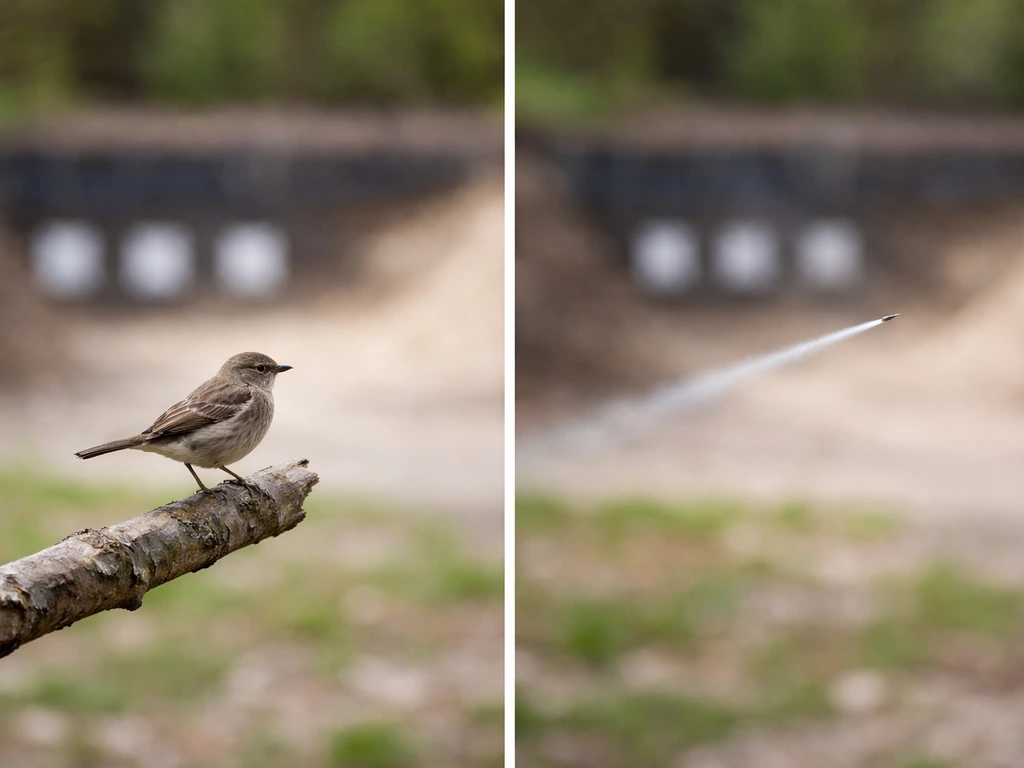
Here is the core reality: velocity is just one variable in a complicated equation. Ballistics researchers distinguish between low-velocity penetrating injuries, high-velocity penetrating injuries, and blunt impact trauma, and each one produces a different wound profile even at similar speeds. At higher velocities, temporary cavitation (the pressure wave that radiates through tissue) can cause damage far beyond the direct path of a projectile. A review of terminal ballistics mechanisms in living tissue explains that blank" rel="noopener noreferrer">temporary cavitation can radiate through tissue and cause damage beyond the projectile’s direct path. At lower velocities, a small, dense projectile may still penetrate deeply enough to hit a vital organ, while a larger, lighter one at the same speed bounces off. The tissue effect, not the speed alone, determines outcome. For example, even non-traditional blasters like a Nerf gun still raise the same multi-factor questions about whether a projectile could injure or kill a bird can a nerf gun kill a bird.
Peer-reviewed wildlife research backs this up. Studies examining animal welfare outcomes in shooting and darting scenarios consistently show that incapacitation and death depend on body mass, the specific organ or structure that is struck, and the terminal behavior of the projectile in tissue. A small songbird and a large waterfowl respond very differently to the same projectile at the same speed. Wildlife agency lethality guidance for hunters, including tables published by Montana Fish, Wildlife and Parks and referenced by Wisconsin DNR, frames clean kills as a multi-factor problem: shot placement in the front half of the body matters more than the speed at which the shot arrives.
The takeaway is not that high FPS is harmless. It is that there is no magic number in either direction. A projectile traveling at a speed that feels "low" can still kill a small bird if it hits the right spot, and a faster one can miss vitals entirely and cause a slow, painful injury instead of a quick death. Anyone treating FPS as a reliable threshold is working from a fundamentally flawed model.
The factors that actually change outcomes
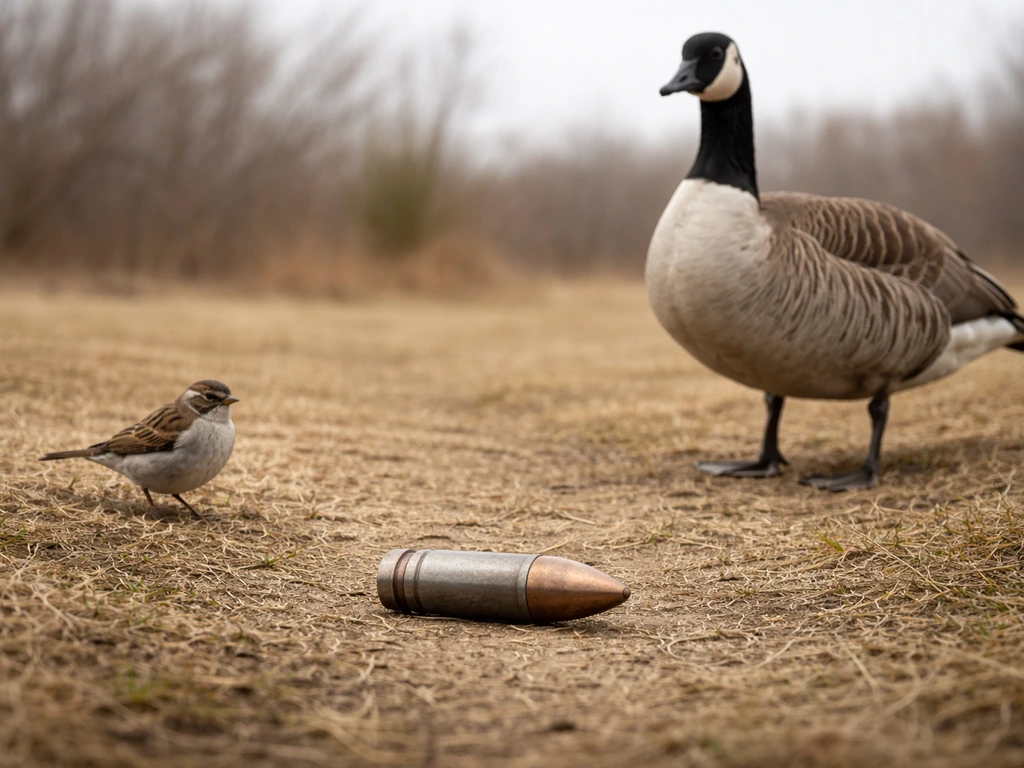
If you want to understand why one impact kills and another does not, these are the variables that actually matter:
- Bird size and species: A house sparrow weighs around 25 grams. A Canada goose can exceed 6 kilograms. The same projectile at the same speed behaves very differently across that size range. Smaller birds have less mass to absorb energy and more fragile skeletal structures, making them more vulnerable to blunt impact even without penetration.
- Impact location: Hitting feathers and fat versus hitting the spine, skull, or a major organ are completely different scenarios. Hunters' lethality guides emphasize shot placement above all other factors for exactly this reason.
- Distance: Projectiles lose velocity over distance. What a BB gun delivers at 5 feet is meaningfully different from what it delivers at 50 feet, even though the muzzle FPS is the same.
- Angle of impact: A glancing blow distributes force differently than a direct perpendicular strike. Angle affects both penetration depth and cavitation effects.
- Projectile type and mass: A heavy, dense pellet carries more kinetic energy than a light plastic BB at the same FPS. Kinetic energy scales with mass as well as velocity (KE = ½mv²), so a heavier projectile at lower speed can carry more energy than a lighter one moving faster.
- Whether the bird is already stressed or compromised: A bird that is sick, underweight, or already injured is more vulnerable to any additional trauma, including impact forces that a healthy bird might survive.
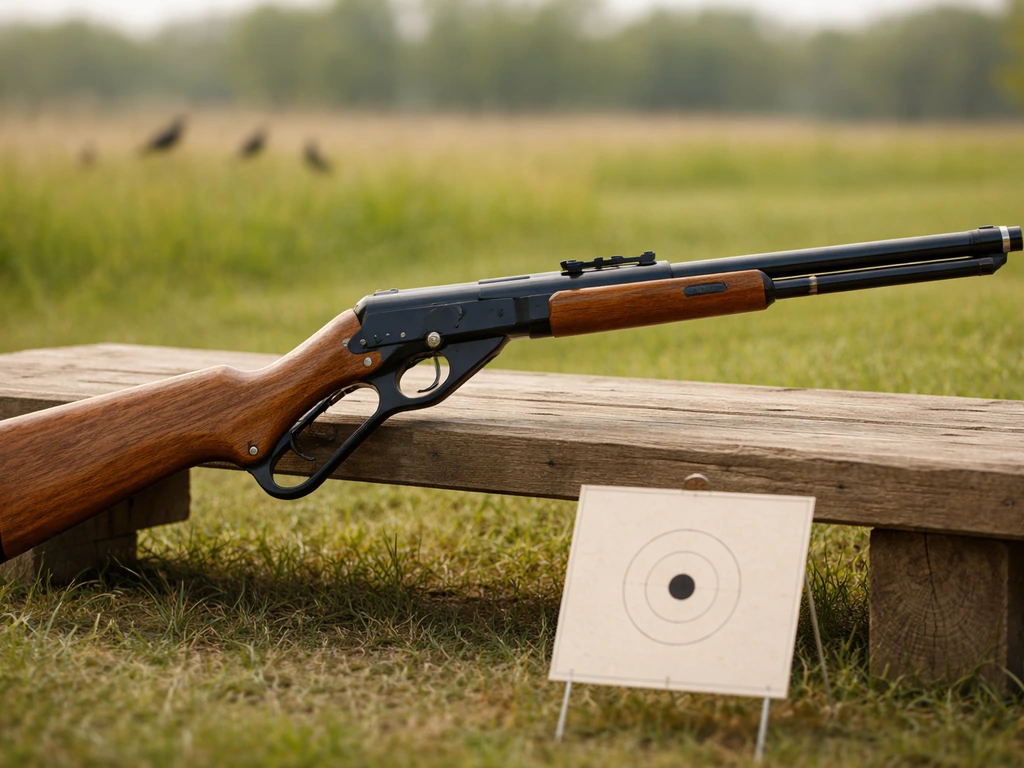
This is why questions like "can a Red Ryder kill a bird" or "can 200 FPS kill a bird" do not have clean yes-or-no answers. It is important to understand that shooting at birds, or injuring them, can trigger legal and safety risks even when you are trying to use a specific bird or scenario as a reference can you shoot skye's bird. If you are looking for a specific number like 200 FPS, this guide explains why there is no guaranteed lethal threshold for birds can 200 fps kill a bird. It follows the same multi-factor risks as any other high-velocity or low-velocity scenario can a Red Ryder kill a bird. The context surrounding the projectile matters as much as the projectile itself. Similarly, non-projectile impacts, like a bird hitting a window at high speed, follow the same multi-factor logic: the angle, the bird's size, and whether it hit the glass head-on all determine whether it survives.
Practical alternatives and how to prevent bird harm
If you are a backyard shooter and you are worried about birds in your range area, the practical answer is straightforward: establish a safe backstop, confirm your target area is clear before shooting, and keep sessions to times when bird activity is low. Most accidental bird strikes from air guns happen when the shooter was not aware a bird had landed in the target zone. Awareness and a solid backstop solve most of the risk.
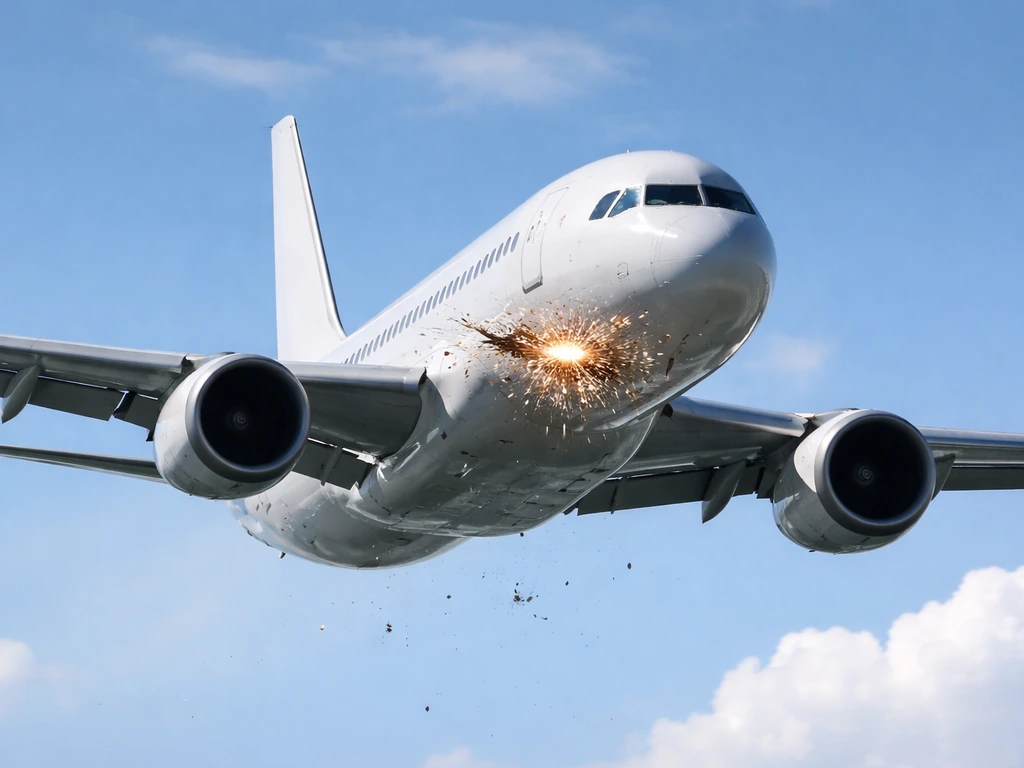
If your concern is birds being harmed around your property more broadly, high-speed window collisions are actually a far larger and more consistent threat than projectiles. An estimated hundreds of millions of birds die annually in the U.S. from window strikes. The good news is there are proven, affordable fixes. UV-reflective deterrent patterns and bird-safe glass (which has a visual texture visible to birds but not to humans) have been shown to reduce strikes substantially. The Iowa DNR recommends bird-safe glass as a primary prevention strategy. The American Bird Conservancy has tested specific visual deterrent patterns that break up the reflective surface birds mistake for open sky. External screens and window films work on the same principle.
Turning off unnecessary lights at night during migration periods also reduces a major source of bird mortality. Audubon's guidance specifically mentions light management as part of a comprehensive bird-safe building approach. These are not exotic interventions: covering or treating a window costs less than most bird feeders.
If a bird is already injured: what to do right now
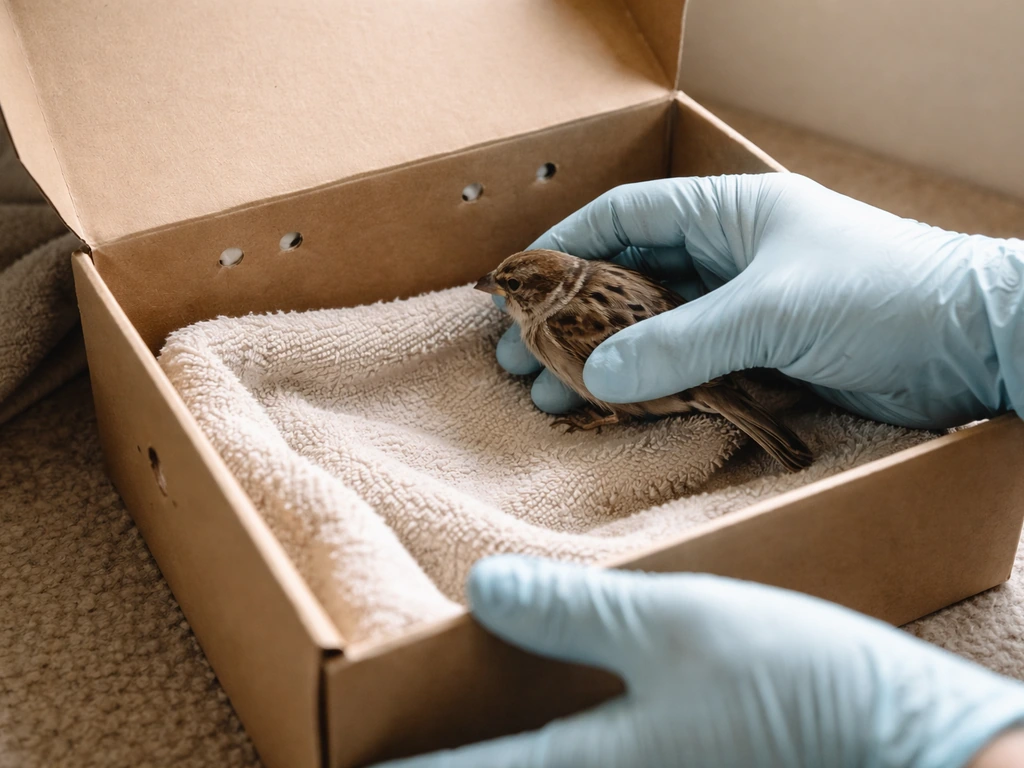
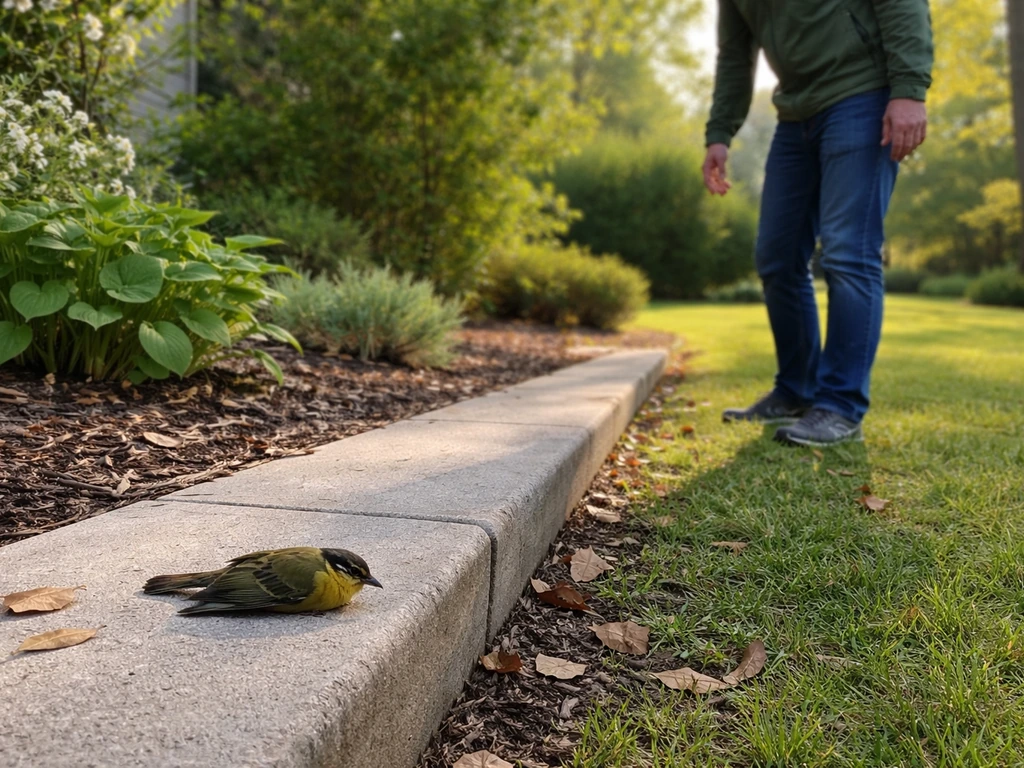
If you find an injured bird, the first priority is containing it safely without causing more stress or injury. Here is the correct sequence:
- Gently place the bird in a shoebox or unwaxed paper bag with a few small air holes. Do not use a wire cage or anything with gaps the bird can get a wing or foot caught in.
- Put the container in a warm, dark, quiet place away from pets, children, and noise. Darkness reduces stress and prevents the bird from thrashing and injuring itself further.
- Do not offer food, water, or any medication. This is consistent guidance from the Virginia DWR, Wisconsin Humane Society, and IWRC. Well-intentioned feeding can cause aspiration or worsen injuries in a bird that cannot swallow normally.
- Contact a licensed wildlife rehabilitator as soon as possible. Your state's wildlife agency (such as the Iowa DNR wildlife rehabilitation program) can connect you with a local rehabber. The IWRC also maintains emergency rehabilitation resources for North America.
- Do not attempt to treat the bird yourself or keep it beyond the time needed for transport. Under the MBTA, possession of most migratory birds without a federal permit is illegal, even if your intention is to help. A brief transport window exists to get the bird to a licensed facility, but longer-term holding requires permits.
If the bird is alert and upright but clearly stunned (common after a window strike), it may recover on its own in 15 to 30 minutes. Keep it contained in the dark and quiet during that window. Wisconsin Humane Society advises keeping an injured bird in a dark, quiet, warm place and contacting a local wildlife rehabilitator. If it has not recovered and cannot fly after 30 to 60 minutes, call a rehabilitator. Do not release a bird that cannot fly or that has visible wounds.
Prevention checklist: reducing bird harm from impacts
Whether the source is a projectile, a window, or another high-speed impact, most bird injuries are preventable. Work through this list to cover the main risks:
- Apply bird-safe window film, UV deterrent patterns, or external screens to large glass surfaces, especially those that reflect sky or vegetation.
- Use commercial bird-strike deterrent products tested by organizations like the American Bird Conservancy, not just generic decals (single hawk silhouettes have very limited effectiveness).
- Turn off interior lights visible from outside during spring and fall migration periods, particularly overnight.
- If you use an air gun or pellet gun recreationally, always check your target area for birds before shooting and use a solid backstop that contains projectiles.
- Keep cats indoors or supervised outdoors. Free-roaming cats are among the leading causes of bird mortality in North America.
- Store pesticides, rodenticides, and toxic substances away from areas birds frequent. Secondary poisoning from rodenticides is a documented cause of raptor deaths.
- Place bird feeders either within 3 feet of a window (too close for a bird to build dangerous speed) or more than 30 feet away (far enough that the window is not in the direct flight path).
- Save your local wildlife rehabilitator's number in your phone now, before you need it. The Iowa DNR and your state's equivalent can help you find one.
The bottom line
No FPS number reliably kills a bird, and no FPS number reliably guarantees safety. If you are wondering whether 200 fps can kill a bird, the answer is that there is no reliable FPS number that guarantees lethality can 200 fps kill bird. If you are wondering can a red ryder kill a bird, the safest answer is that air rifles can injure or kill depending on the shot and the bird. Lethality is a product of species, size, impact location, distance, projectile type, and angle all working together. Looking for a threshold to stay "just below" is not a useful or safe approach, and deliberately harming migratory birds carries real federal legal consequences under the MBTA. What actually moves the needle is removing hazards: treating windows, managing lights, knowing the first-aid steps for a stunned or injured bird, and keeping the number of a local wildlife rehabilitator handy. That is what the evidence actually supports.
FAQ
What should I check instead of FPS to judge bird risk from an air gun?
If you already bought an air gun or pellet/BB device, the more relevant check is whether it can reach beyond your backstop and whether it can reliably hit what you aim at. For bird risk, examine shot trajectory, possible ricochet, and penetration through common “target” materials, then only shoot where stray rounds cannot exit the target zone.
If I miss the bird or only wound it, can I still be in legal trouble?
“Can it kill” is not the same as “is it illegal.” Under the Migratory Bird Treaty Act, shooting, wounding, or killing migratory birds is covered even if you cannot prove the bird died, and state rules can add more restrictions for specific species. The safe decision is to avoid aiming at birds or areas where birds may enter the line of fire.
How can I tell when it is too risky to shoot near birds, without guessing about lethality?
Use the smallest, safest “yes or no” indicator you can, which is whether a bird is present in the path of fire. A reliable practice is to stop shooting if birds are in the yard, if your backstop cannot fully contain pellets or BBs, or if you cannot positively identify what is beyond the target (including low branches and ground cover).
If my main worry is birds around my house, are there better interventions than worrying about projectile speed?
If you are trying to prevent harm, prioritize mitigation steps that reduce exposure. Window strikes are often more consistent than projectiles, so window fixes (bird-safe glass or UV reflective patterns, plus covers or screens) and light management during migration generally do more to reduce overall bird injuries around homes.
What is the right immediate response if I find a bird injured, but I cannot tell what caused it?
If an injured bird is alert but not normal (for example, drooped posture, disorientation, or labored breathing), keep it dark, quiet, and contained, and avoid food and water. If it does not improve enough to fly normally within about 30 to 60 minutes (or shows bleeding, broken wings, or repeated collapse), contact a wildlife rehabilitator instead of trying to keep “treating” it at home.
Can a bird seem okay after a window strike but still be seriously injured?
Do not assume that “it got up and looked okay” means it is fine. Birds can have delayed impairment after blunt trauma or internal injury, especially after window strikes. If it cannot fly normally within the recommended short recovery window, or it has visible wounds, seek a rehabilitator.
How do distance and angle in real shooting conditions affect bird safety compared with indoor or test settings?
For birds, altitude and distance change the impact energy and also change where you might accidentally hit (for example, ricochet pathways). If you ever shoot, treat “bird present at the edge of the range” as a hard stop, because you cannot guarantee distance, angle, and impact location across real outdoor conditions.
Can foam or “toy” projectiles still hurt or kill birds?
Yes, but it is not straightforward. Many plastic foam projectiles or toys can still cause injury depending on size, impact point, and whether the bird is small and vulnerable at the moment of impact. If your concern is bird safety, any projectile capable of contacting a bird should be treated as a potential hazard regardless of its “non-lethal” reputation.
What are the most common mistakes people make when they try to use FPS to guide safe shooting behavior?
A major mistake is “chasing a number” (like a minimum FPS) to justify shooting. Another is assuming that because you are aiming “low power,” you have eliminated lethality. Instead, set up a fully bird-safe shooting setup (clear backstop, no birds in the zone, and no uncertainty about where rounds go), and prefer hazard removal such as window treatments and light management.
What practical next steps should I take to prevent future bird injuries after an incident?
If you want to take action without relying on speed thresholds, keep a rehabilitator contact ready and document the incident only if it is safe (time, location, what you observed like window collision or birds behaving oddly). For prevention, focus on eliminating repeat hazards: treat windows, manage nighttime lights, and adjust yard features that attract birds into danger zones.