Yes, a Red Ryder can kill a bird. It won't do it reliably at long range, and it won't drop a large bird like a goose the way a shotgun would, but under the right (or wrong) conditions, a Red Ryder is absolutely capable of injuring or killing small to medium birds. The honest answer is somewhere between "it's just a toy" and "it's definitely lethal", and knowing exactly where it falls matters if you care about bird safety.
Can a Red Ryder Kill a Bird? Risk, Range, and Safety Tips

Maya Chen
7 Apr 2026
What the Red Ryder actually is
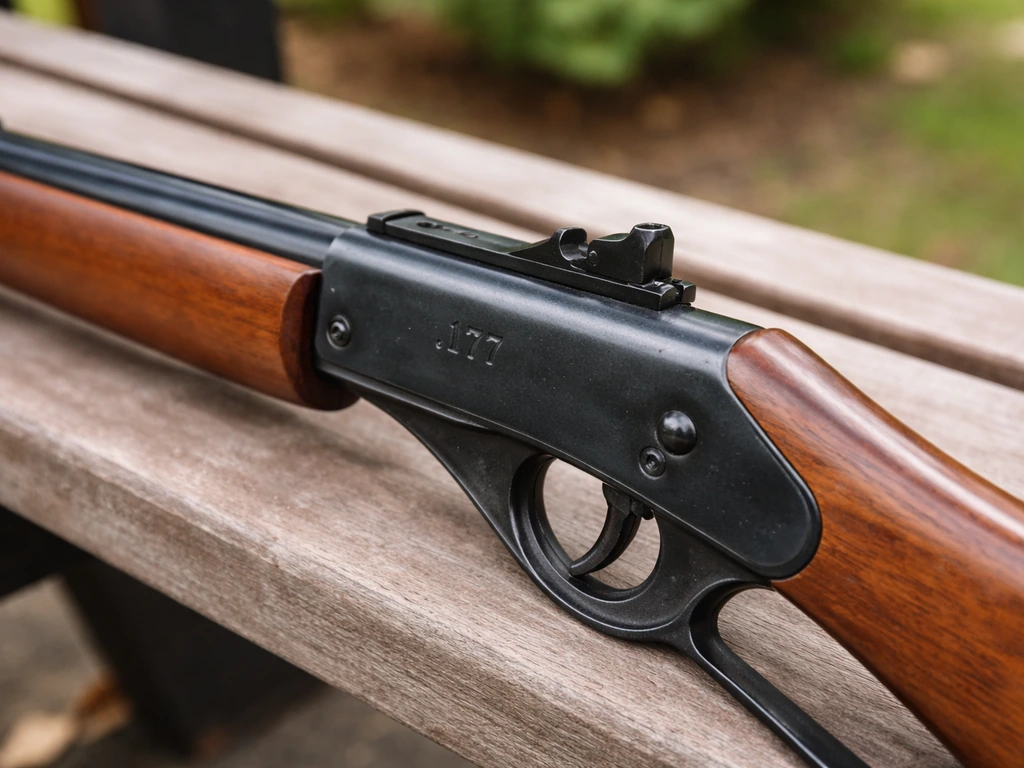
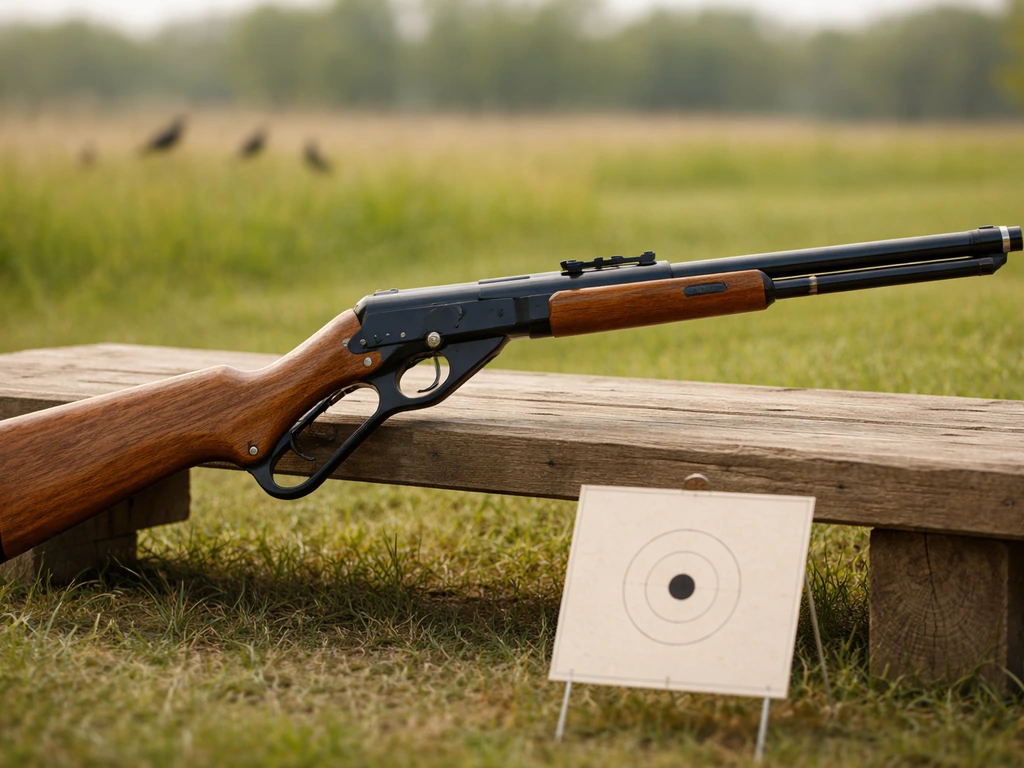
The Daisy Red Ryder Model 1938B is a lever-action BB gun chambered in .177 caliber. According to Daisy's own specs, it shoots at a maximum muzzle velocity of 350 feet per second (about 107 m/s) and holds up to 650 BBs. Daisy's manual lists its maximum shooting distance as 195 yards. It's marketed as a youth air rifle and is one of the most iconic airguns in American history, the one from "A Christmas Story."
That 350 fps figure is important context. Daisy's youth BB gun lineup sits in the 275–350 fps range, and the Red Ryder is at the top of that band. At 350 fps, a .177 steel BB has a kinetic energy of roughly 1.3 to 1.5 foot-pounds at the muzzle. That's modest compared to a pellet rifle or a firearm, but it's not nothing. Kinetic energy follows E = ½mv², meaning energy drops with velocity, and velocity drops fast over distance. By the time that BB has traveled 50 yards, it has lost significant speed and energy. But close up, say, within 10 to 20 feet, it carries enough force to cause real trauma to small animals.
People sometimes assume that because it's a "BB gun" and sold for kids, it can't cause serious harm. That's the core misconception this article is here to correct. If you're wondering what fps can kill a bird, the Red Ryder sits right at the edge of that threshold, low enough that it won't always be lethal, high enough that it sometimes is.
Can it kill a bird: the realistic range of outcomes
There are four realistic outcomes when a Red Ryder BB hits or misses a bird: a clean miss, a glancing hit with no lasting injury, a non-lethal wound that still causes suffering or long-term impairment, and a direct hit that kills. Which of those happens depends heavily on distance, bird size, and where the BB lands.
Wildlife rehab cases document the lethal end clearly. International Bird Rescue treated a bird that had a BB pellet lodged dangerously close to the heart. A red-tailed hawk came into a rehab center in Connecticut with a BB near its brain, clinicians couldn't safely remove it, leaving the bird's return-to-wild prognosis uncertain. A western gull in San Diego required surgery to remove a pellet before it could be rehabilitated and released. These aren't hypotheticals; they're documented cases from real rehab facilities.
The Birds of Prey Foundation in Colorado went so far as to change their intake protocol to X-ray every injured bird admitted, because pellet-gun injuries were showing up so frequently. Their leadership has said directly: pellets cause significant trauma for birds of prey and may even result in death. That statement applies to airguns operating in the same velocity range as the Red Ryder.
For a point of comparison, 200 fps is generally not enough to kill most birds, which frames the Red Ryder's 350 fps as meaningfully above the borderline. It's not a guaranteed killer, but it's past the "probably harmless" threshold.
Bird size, distance, and where the BB hits
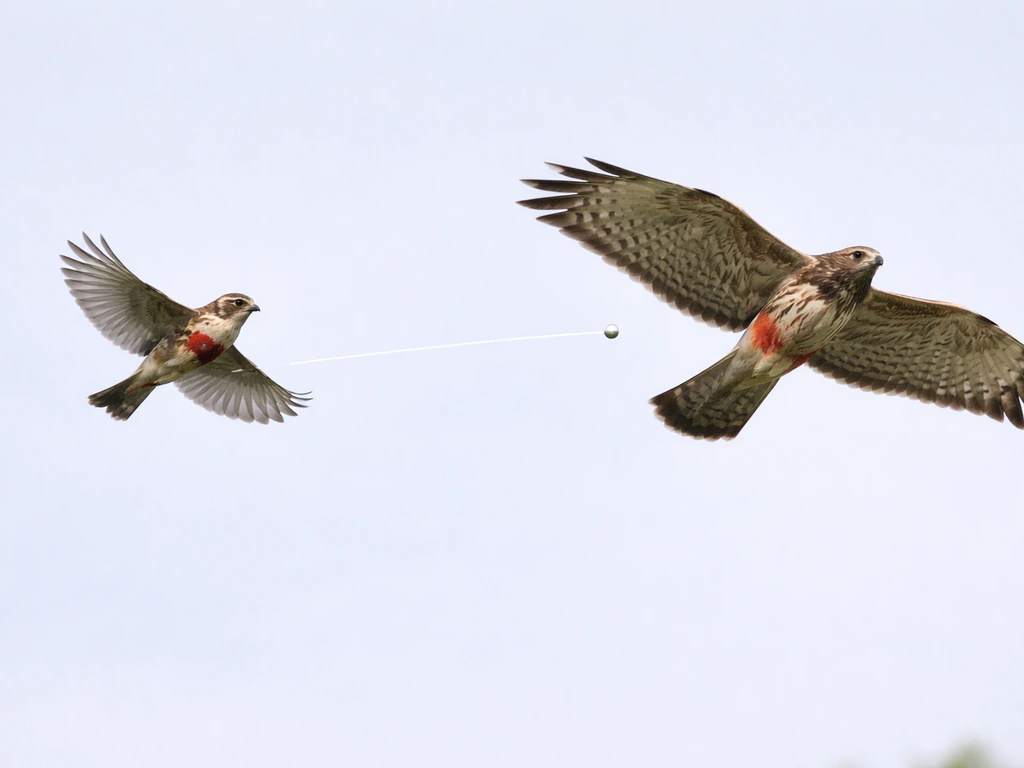
These three factors control almost everything about how bad an outcome is.
Bird size and species
A sparrow or finch has almost no margin for error. A BB that strikes the body of a small songbird at close range is very likely to be fatal, there's simply not enough mass to absorb the impact without hitting something vital. A larger bird like a crow, pigeon, or duck has more tissue to absorb the hit, but it's still at serious risk of penetrating injury, internal bleeding, or broken bones. Even big raptors like red-tailed hawks have been severely injured by BB guns, as the New Hampshire case above shows.
Distance
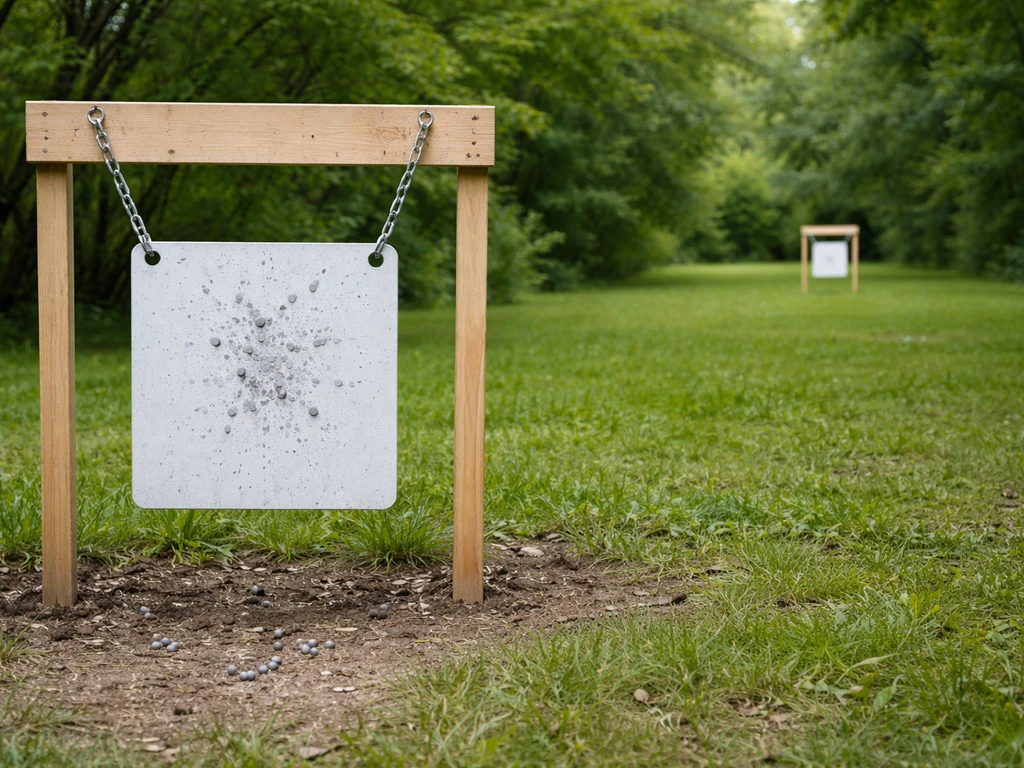
At close range (under 20 feet), a Red Ryder BB carries enough energy to penetrate feathers and skin and lodge in tissue near vital organs. At 50 yards or more, the BB has lost substantial velocity and is more likely to cause a painful surface wound or bruising than a kill shot. At 100+ yards, consistent accuracy with a Red Ryder is minimal, and the energy delivered would be very low. The 195-yard maximum distance listed by Daisy is a ballistic spec, not a "this is still dangerous at 195 yards" claim, at that range the BB is barely moving. Close range is where the real risk lives.
Shot placement
A hit to the head or neck on any bird is far more likely to be fatal than a body hit. The skull is thin, the brain is small, and the neck houses the trachea and major blood vessels. A body hit can miss vital organs entirely and cause a wound the bird might survive, though often with permanent injury. Head and neck hits, even from a low-energy BB, carry a high risk of death. This is part of why the CDC's documentation of BB and pellet gun injuries highlights head/neck/eye regions as the most serious zones for trauma, that principle applies to birds as much as people.
| Factor | Lower Risk | Higher Risk |
|---|---|---|
| Bird size | Large bird (duck, raptor) | Small bird (sparrow, finch) |
| Distance | 50+ yards | Under 20 feet |
| Shot placement | Wing or body (glancing) | Head, neck, or chest |
| BB velocity | At range (reduced speed) | Muzzle (full 350 fps) |
The legal picture you need to know
Shooting birds with a BB gun isn't just an ethical question, it's often a federal crime. The Migratory Bird Treaty Act (MBTA) prohibits the killing, capturing, or harming of hundreds of protected migratory bird species without a federal permit. The U.S. Fish and Wildlife Service enforces this, and "I didn't know" is not a defense. That covers most songbirds, raptors, shorebirds, and waterfowl. Pigeons and European starlings are common exceptions, but they're the minority.
On top of federal law, state regulations add another layer. Colorado Parks and Wildlife has publicly reminded residents that targeting raptors with pellet guns is illegal and that violators face prosecution. Massachusetts has specific hunting prohibitions that address airgun use in ways that go beyond what many people expect. Your local rules may be stricter than federal minimums, and it's worth checking before assuming anything is permitted.
Even where local law allows some airgun use on pest birds, discharging a BB gun in a residential area, near neighbors, or in a way that could strike a protected species creates real liability. If you're wondering about something like whether a paintball gun can kill a bird, the legal exposure is similar, intent and outcome both matter to enforcement.
Humane ways to deal with problem birds instead
If the reason you're asking this question is that you have birds causing damage or nuisance, there are effective non-lethal options that don't put you on the wrong side of wildlife law.
USDA APHIS Wildlife Services recommends exclusion as a first-line approach: installing physical barriers like netting or screens to prevent birds from accessing specific areas. Bird spikes on ledges and repellent gels on roosting surfaces are also recommended for preventing birds from landing in high-use spots. These methods work without harming the birds or creating legal exposure for you.
The Houston Humane Society specifically discourages injuring wildlife as a deterrent and recommends methods that only make animals scared or uncomfortable. That means things like reflective tape, predator decoys, motion-activated sprinklers, and noise deterrents. These tools often work well for backyard bird problems without any of the risks.
One thing to avoid: blank" rel="noopener noreferrer">glue traps. The Wildlife Center of Virginia has documented cases where glue traps caused severe feather, wing, and leg injuries to birds, even without obvious skeletal damage. They recommend against them entirely. A slingshot poses similar risks to a BB gun in terms of injury severity and legal exposure, so that's not a useful substitute either.
- Install bird netting or wire mesh to block access to specific areas (install carefully — poorly maintained netting can trap birds)
- Use bird spikes on ledges, sills, and rooflines to discourage roosting
- Apply repellent gels to surfaces where birds land repeatedly
- Set up motion-activated sprinklers or sound deterrents
- Use visual deterrents like reflective tape or predator decoys
- Remove food sources (uncovered trash, spilled birdseed, open compost) that attract problem birds
If you're dealing with a more complex situation, like birds inside a structure, contact a licensed wildlife removal professional. They can assess the situation and advise on legal options specific to your region and the species involved.
What to do if you find an injured or dead bird
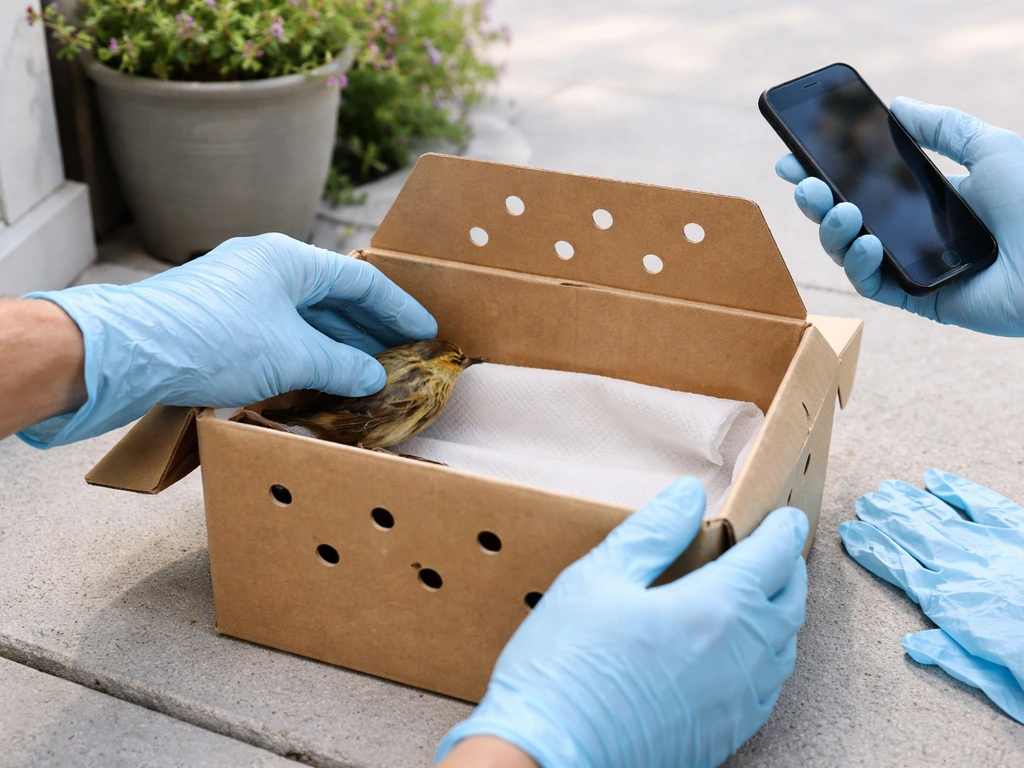
If you find a bird that appears to have been hit by a BB or is injured for any reason, the most important step is to contact a licensed wildlife rehabilitator before doing anything else. The Minnesota DNR instructs people to always contact a local rehab center before moving a wild animal. The U.S. Fish and Wildlife Service also advises against attempting to trap or handle injured birds before getting professional guidance.
While you're waiting for guidance or arranging transport, follow this protocol: place the bird in a small cardboard box with ventilation holes, lined with a soft cloth or paper towels. Keep it in a warm, dark, quiet place away from pets and people.
The Wildlife Center of Virginia also advises that if you use a cardboard box for temporary housing, the animal should be kept warm, dark, and quiet, and you should not feed or give water unless a permitted rehabilitator or veterinarian instructs you warm, dark, quiet place. Do not give the bird food or water unless a rehabilitator specifically tells you to.
AWARE Wildlife Center, Wings of the Dawn Wildlife Rescue, and the HSVMA's wildlife care guidelines all give the same core advice: warmth, darkness, quiet, and no food or water until a professional weighs in.
Handling birds of prey in particular carries real physical risk. Wildlife Illinois notes that raptors can cause serious injury if handled improperly, talons and beaks are not minor hazards. Use thick gloves if you must handle one, and keep your face away from the bird.
Do not attempt to keep a wild bird at home, even temporarily without intending to. The U.S. Fish and Wildlife Service is clear that it is illegal to take a wild animal home to care for it or keep it as a pet without proper permits. Rehab centers exist precisely because injured birds need specialized care, a BB wound near vital organs, like the cases documented above, requires X-rays and often surgery. Home care isn't equipped for that.
To find a licensed rehabilitator near you, search the National Wildlife Rehabilitators Association directory or call your state wildlife agency. Most areas have at least one center within reasonable driving distance.
The bottom line on Red Ryders and birds
A Red Ryder is not a toy in any meaningful sense when it comes to wildlife. At 350 fps, a .177 steel BB fired at close range can and does kill birds, particularly small ones, and particularly with head or neck hits. The documented cases from rehab centers make that clear. It won't kill reliably at long range, and larger birds have a better chance of surviving a body hit, but "won't always kill" is a very different thing from "safe around birds."
If your concern is protecting backyard birds from accidental harm, keep the Red Ryder away from areas where birds congregate. If your concern is dealing with problem birds, use one of the non-lethal deterrent methods above. And if you've found an injured bird, get it to a rehabilitator as fast as you can, those close-to-heart and near-the-brain cases show that survival is possible, but only with proper veterinary care.
It's also worth knowing that this question comes up in different forms. People ask about whether a Nerf gun can kill a bird (no, under normal circumstances), and the contrast is instructive: foam darts at low velocity are genuinely in a different category than steel BBs at 350 fps. The Red Ryder sits in genuinely risky territory, and it deserves to be treated that way.
One final note for anyone reading this from a gaming or pop-culture angle: questions occasionally circulate about fictional scenarios like how to kill the Old Bird in Lethal Company or whether you can shoot Skye's bird in Valorant. Those are game mechanics, not real-world ballistics. This article is about the real thing, and the real answer is that a Red Ryder carries enough risk to birds that it should be handled with care, used responsibly, and never pointed at wildlife.
FAQ
If the Red Ryder is firing at 350 fps, is the risk the same for all BB types and targets?
No. Steel vs. alloy BBs, added weight, and how cleanly the BB flies (wind, muzzle condition, barrel fouling) can change impact speed and penetration. The article’s risk discussion assumes a typical .177 steel BB and real-world variability, so you should treat any BB fired at close range as capable of serious injury.
Does “missing” a bird mean it is harmless?
Not necessarily. Near misses can still cause injury if the BB strikes feathers, hits an exposed eye area, or the bird is knocked off a perch and injures itself. Also, a miss can lead the bird to flee into traffic or collide with windows, so the safety risk is not limited to direct hits.
Is it safer to shoot at the ground near birds instead of aiming at them?
It can still be dangerous and legally risky. A ricochet off hard surfaces or a BB striking a different target than intended can injure wildlife, people, or pets. If you want bird deterrence, the non-lethal barrier and repellant approaches are safer alternatives than any shooting near living areas.
How close is “close range” for real-world risk with a Red Ryder?
The main risk zone described is within about 10 to 20 feet for meaningful penetration, and it gets worse the closer you are. Beyond roughly 50 yards, energy delivery drops enough that kills become less consistent, but accidental injury can still happen. Practically, assume any shot in the vicinity of birds is unsafe, regardless of your intended range.
Would a bird hit through feathers be less likely to die than a hit to bare skin?
Often, yes for superficial impacts, but feathers do not guarantee survivability. A BB can still penetrate through feathering, especially around thin areas like the head, neck, and eyes, and it can lodge in tissue. The article’s “head or neck” point is a strong indicator that feather protection is unreliable where anatomy is thin.
What should I do if I think a BB hit a bird but I cannot find any visible wound?
Still treat it as an emergency. Birds can suffer internal injury without obvious external bleeding. The safe step is to contact a licensed wildlife rehabilitator, and keep the bird in warm, dark, quiet conditions only long enough to arrange transport, without feeding or giving water unless advised.
Can I keep an injured bird in a box and wait a day to bring it to rehab?
It is better not to delay. Many BB injuries involve internal trauma or embedded projectiles, and time can affect prognosis. If you cannot get help immediately, contact the nearest rehabilitator or state wildlife agency as soon as possible so they can tell you what to do for the gap time.
If the bird is a “pest” species like starlings or pigeons, is it okay to shoot them to reduce nuisance?
Federal protections can still apply broadly, but there are common exceptions for pigeons and European starlings. Even if a species is not protected, shooting creates injury risk to other birds and people, and state or local rules may still restrict airgun use. Check local regulations before taking any action.
Is there a legal difference between “harming” wildlife and “just trying to scare them”?
Yes, but enforcement often depends on what you actually do. “Scare only” approaches typically mean no discharge, no projectiles, and no trapping that causes injury. Once you fire a BB gun, you are effectively participating in an act that can cause harm, and that increases both legal exposure and moral responsibility.
What non-lethal deterrents work best if birds roost on a specific ledge or window area?
Exclusion usually performs best, then deterrents that make landing uncomfortable. The article mentions netting or screens, spikes, and repellent gels for roosting surfaces, plus motion-activated sprinklers and reflective tape. If birds keep returning, focus on blocking access or landing zones rather than relying on intermittent noise alone.
Can I use a Red Ryder to protect crops or property in open fields?
Even in rural settings, shooting is not a good bird-safety strategy. Birds can still be injured or killed, and you may violate migratory bird rules or state restrictions depending on the species present. If wildlife damage is recurring, consult a licensed wildlife professional or use an exclusion-first plan.
Are gloves and distance enough if I need to move a raptor that might be injured?
No, proper handling is still high risk. Raptors can injure through talons and beaks, and even calm-looking birds may react unpredictably. The article suggests thick gloves and keeping your face away, but the best move is usually to let trained staff or a rehabilitator handle it.
Next Article
Bird Causes Plane Crash? Risk, Mechanisms, Myths, Prevention
Whether bird strikes can cause plane crashes, how they happen, real risk data, debunked myths, and prevention steps