
Birds almost always attack humans for one reason: they think you are a threat to something they care about, usually a nest, eggs, or chicks. It is not personal, it is not random, and the bird does not "hate" you. Understanding what triggered the behavior is the fastest way to stop it from happening again. If you are trying to understand why bird attack human in the first place, start by considering whether the bird believes you are threatening a nest or its territory.
Why Would a Bird Attack a Human? Causes and Safety Steps

Maya Chen
6 May 2026
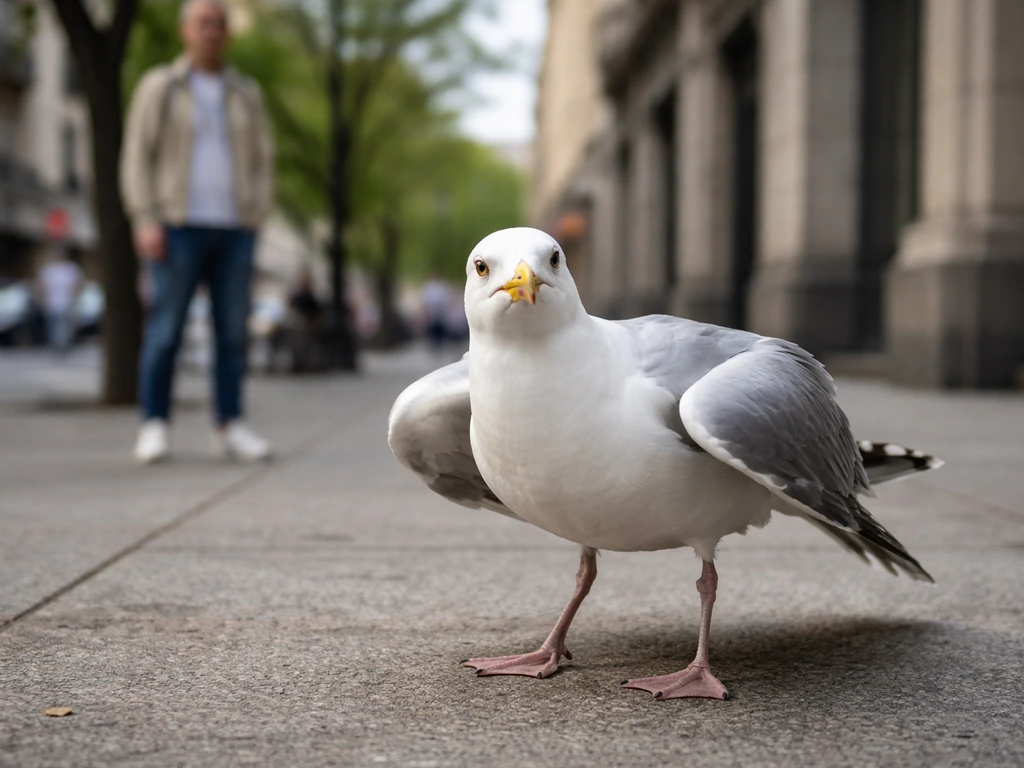
The main reason birds attack: protecting a nest
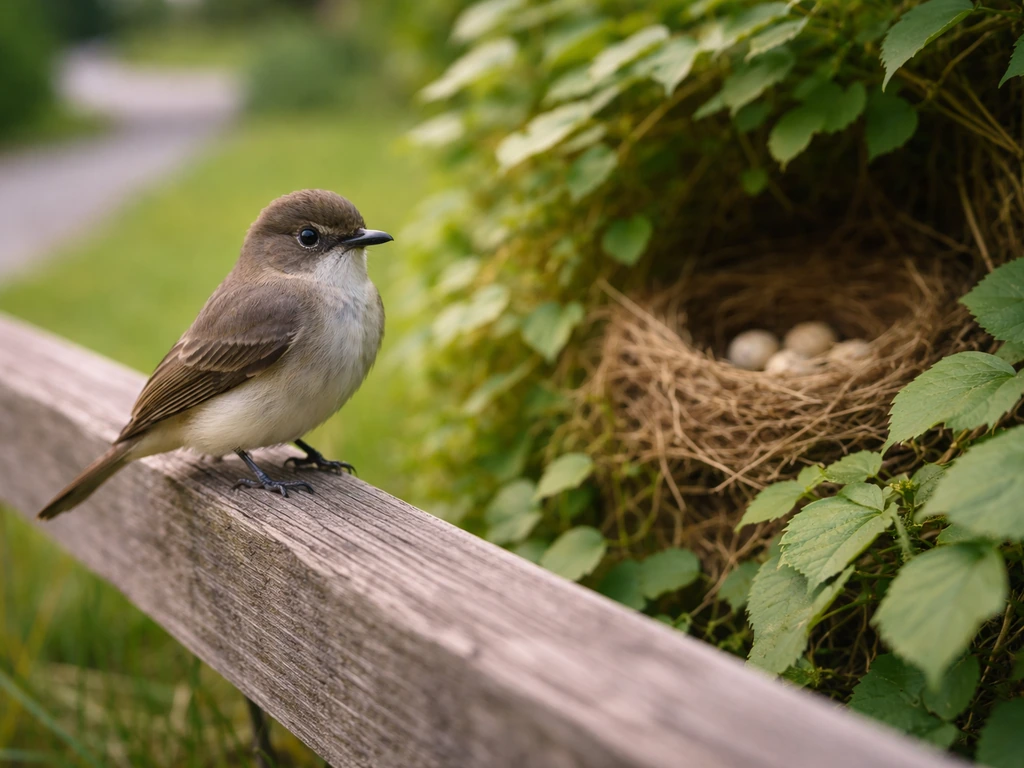
Nesting and territorial defense is behind the vast majority of bird attacks on humans. During breeding season, which runs roughly from early spring through midsummer for most North American species, adult birds are wired to protect eggs and chicks from anything that comes too close. The U.S. Fish and Wildlife Service notes that birds often show warning signs before escalating to a full dive-bomb: they become visibly agitated, vocalize loudly, and may perch nearby watching you intensely. If you miss those cues and keep approaching, the bird moves into active defense mode.
The escalation usually follows a predictable sequence. First comes threat posturing: loud calls, wing spreading, or a low hovering flight nearby. If that doesn't deter you, the bird lunges or swoops, using wings, bill, and sometimes talons. Research on urban mockingbirds found that birds not only remembered specific humans who had approached their nests on previous days, but ramped up their defense response on each repeat visit, including more alarm calls and more attack flights. In other words, if you keep walking the same path past an active nest, the bird learns your face and gets more aggressive over time, not less.
The nest does not have to be obvious for this to happen. A ground-nesting killdeer, a mockingbird nesting in a low shrub beside a parking lot, or a red-winged blackbird in a roadside marsh can all be invisible until you are already too close. If a bird suddenly starts divebombing you on a route you walk regularly, assume there is a nest nearby and adjust your path.
Other things that can trigger an attack
Perceived threats and sudden movements
Outside of nesting, birds can react defensively to anything that reads as predator behavior. Crouching down, making direct eye contact, moving quickly toward the bird, or reaching toward a perched bird can all trigger a lunge even when there is no nest involved. Wearing bright colors, shiny accessories, or a hat with reflective surfaces can also catch a bird's attention in ways that provoke a response, particularly in territorial species.
Food, roosts, and learned aggression
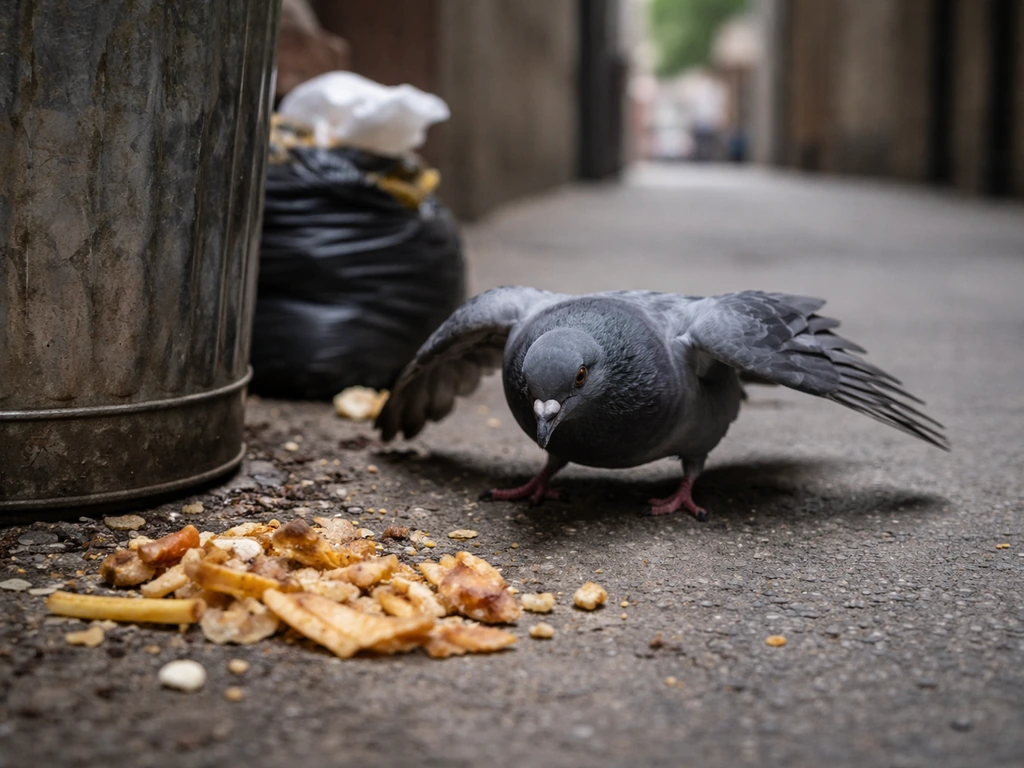
Some birds, especially gulls, corvids (crows and jays), and pigeons in urban areas, develop what is called habituation. They figure out that humans are a reliable food source and stop being afraid of us. When food is involved and competition is high, habituated birds will sometimes snatch food directly from hands or swoop aggressively at people who are eating outdoors. Irregular or crowd-drawing feeding practices in parks and parking lots tend to amplify this. The birds are not being vicious; they have just learned that boldness pays off.
Illness, injury, and unusual behavior
A bird that is sick, injured, or disoriented may behave in ways that seem aggressive but are actually distress responses. A bird that approaches humans very closely without provocation, seems unable to fly properly, or attacks without any apparent territorial trigger could be unwell. This matters for the health risk section below, because a sick bird that makes contact carries a higher concern for disease transmission than a healthy one defending a nest.
Handling birds incorrectly
For bird owners, attacks often come from mishandling. Approaching a bird too quickly, handling it when it is tired, hormonal, or startled, or picking it up in a way that makes it feel trapped are all common triggers. Parrots in particular can bite hard enough to break skin when they feel cornered or overstimulated. Reading the bird's body language before reaching in is not optional; it is the difference between a calm interaction and a bite.
Which birds are most likely to attack, and how they differ
Not all birds defend themselves the same way, and the species involved tells you a lot about how much danger you are actually in.
| Bird | Common trigger | Typical behavior | Injury potential |
|---|---|---|---|
| Red-winged blackbird | Nest proximity (especially for males) | Dive-bombs head and shoulders, may peck | Low: minor scratches, startling |
| Northern mockingbird | Nest territory, any perceived intruder | Repeated swoops, alarm calls, can target same person across days | Low to moderate: sharp beak contact |
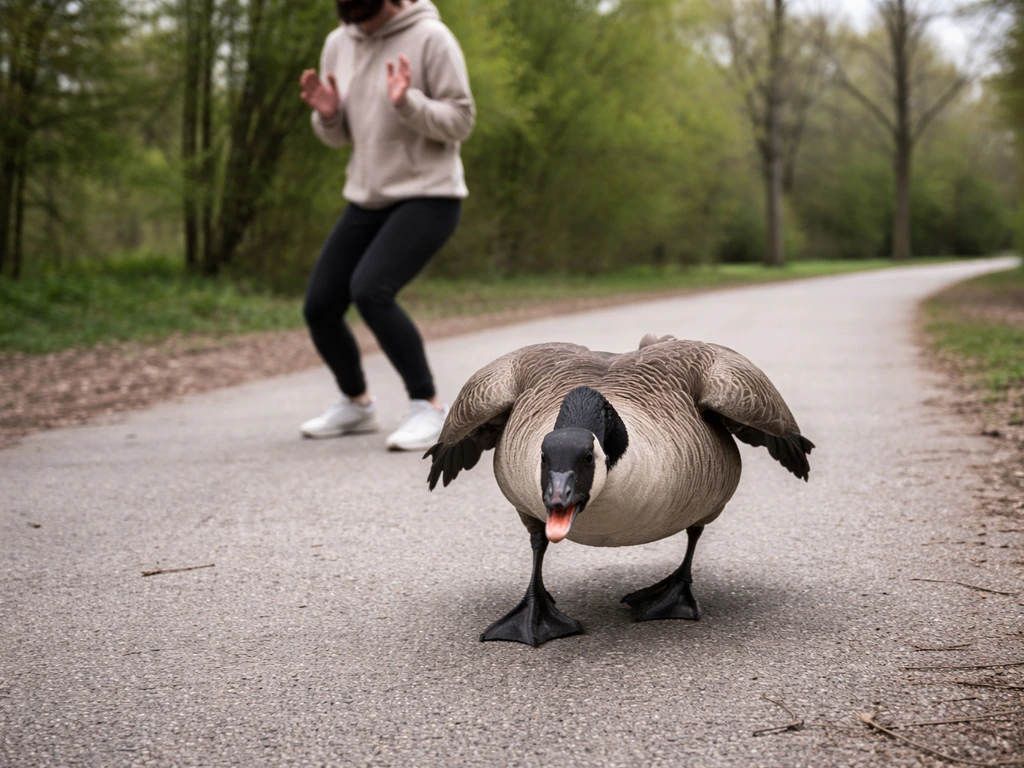
| Canada goose | Nest or goslings nearby | Hissing, wing-beating, chasing, biting | Moderate: bites and wing strikes can bruise |
| Osprey / Red-tailed hawk | Nest intrusion | Talon strikes from above | Moderate to high: talons can puncture skin |
| Great horned owl | Nest defense, especially at dusk/dawn | Silent talon strike from behind | High: powerful grip, deep lacerations possible |
| Corvids (crows, ravens) | Nest defense, learned aggression toward specific individuals | Dive-bombing, pecking at head | Low to moderate |
| Seagulls | Food competition, nesting on rooftops | Swooping, snatching, pecking | Low: more startling than dangerous |
| Parrots (pet birds) | Fear, overstimulation, hormonal state | Biting, lunging | Moderate: strong beaks, can break skin easily |
Owls deserve a special mention because their attacks often come without warning and from behind, usually at night or dawn. Some of the birds most known for attacking people include territorial species like certain gulls, mockingbirds, and raptors Owls deserve a special mention. Great horned owls defending nests have injured joggers and hikers seriously enough to require stitches.
For example, some owls and other birds are more likely to target eyes during an attack, so it helps to know which species are most likely to do that which bird attack human eye. Raptors in general have a higher injury potential than songbirds, simply because of their size, speed, and the nature of their feet. If you are in an area with nesting raptors, treat the risk more seriously than you would a mockingbird encounter.
What to do right now if a bird is attacking you
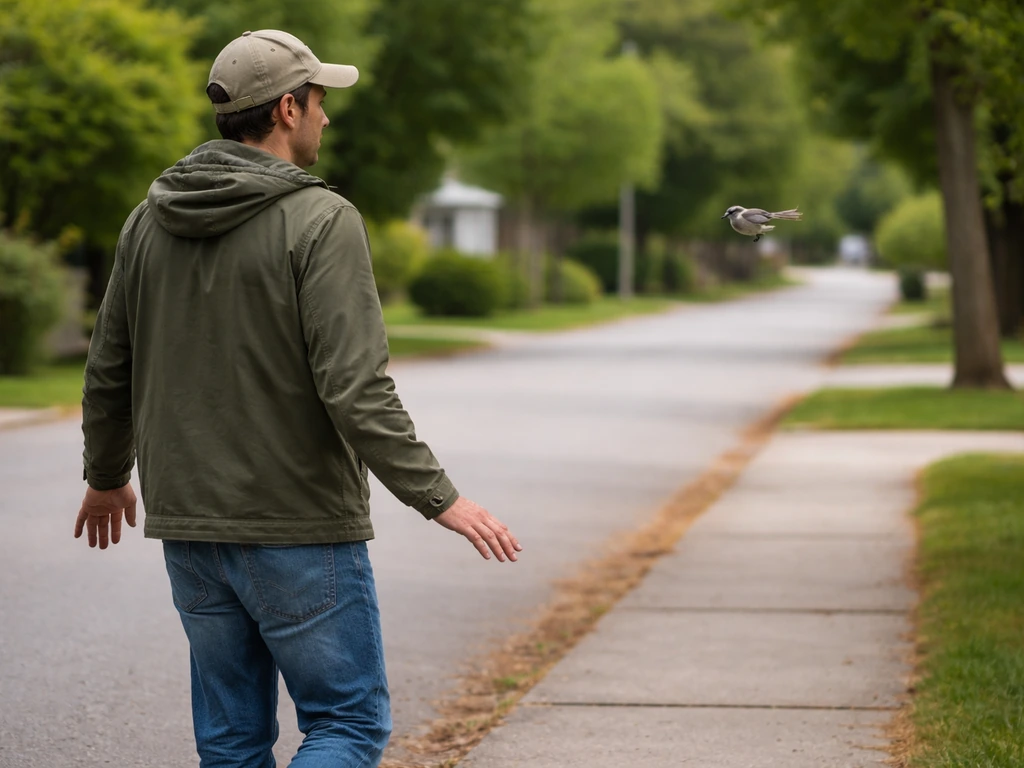
The goal in the moment is to remove yourself from the bird's perceived threat zone without provoking a harder strike. Here is what actually works:
- Do not run or flail. Fast, erratic movement reads as prey behavior or continued aggression to the bird. Walk quickly and calmly away in the direction you came from.
- Protect your head. Use whatever you have: a bag, a jacket, your arms raised over your head. Most birds aim for the highest point. Wearing a hat helps significantly.
- Do not swat at the bird. Swatting escalates the encounter. The bird interprets it as a counterattack and may hit harder.
- Maintain eye contact if possible. Research on mockingbirds suggests birds are less likely to press an attack when watched directly. Face the bird as you move away rather than turning your back.
- Leave the area. Once you are 30 to 50 feet away from the nest zone, most birds will break off the attack immediately. The behavior is territorial, not pursuit-oriented in most species.
- Warn others. If you know where the nest is, let people around you know so they can detour around it.
For the next several days (or weeks, until the chicks fledge), simply reroute around the area. Nesting seasons are temporary. A mockingbird nest is active for about two to three weeks after hatching before the young leave. Waiting it out is often the easiest and most effective solution.
Bites, scratches, and what to do after contact
Most bird encounters, especially with small songbirds, result in nothing more than a fright and maybe a minor scratch. But if a bird does make contact with skin, it is worth taking seriously even if the wound looks minor.
Immediate wound care
- Wash any bite or scratch thoroughly with soap and water for at least five minutes.
- Apply an antiseptic like iodine solution or chlorhexidine if available.
- Cover the wound with a clean bandage.
- Monitor for signs of infection over the next 24 to 48 hours: increasing redness, swelling, warmth, pus, or red streaking away from the wound.
Disease transmission: what is realistic
The risk of contracting a serious disease from a healthy bird's bite or scratch is low but not zero. The main concerns are bacterial infections from the wound itself (birds carry bacteria in their mouths and on their feet, including Pasteurella and Salmonella species) and, in rarer cases, exposure to zoonotic diseases. [Psittacosis (caused by Chlamydia psittaci)](https://www. cdc.
gov/psittacosis/about/index. html) is a real concern with parrots and some other species; it can cause respiratory illness in humans and warrants a doctor visit if you develop fever, cough, or muscle aches within one to two weeks of contact. Avian influenza is a concern in wild bird contexts but transmission from a casual encounter or scratch from a wild bird is considered very low risk for most people.
If the bird that struck you appeared sick, disoriented, or was behaving abnormally, the bar for contacting a healthcare provider should be lower. CDC also advises immediate washing of any bites or scratches with soap and water, followed by rabies post-exposure prophylaxis that includes wound care plus immune globulin and a vaccine series About Rabies. Same applies if you are immunocompromised, if the wound is deep, or if you have not had a tetanus booster in the last five years.
When to bring in experts and how to prevent it long-term
Situations that warrant contacting wildlife authorities
Most bird attacks are a seasonal annoyance that resolves on its own. But some situations do call for professional involvement:
- A bird is nesting in a high-traffic area (building entrance, playground, busy trail) and is injuring or frightening multiple people regularly.
- The bird appears sick, injured, or is behaving erratically in ways that go beyond normal nest defense.
- A raptor (hawk, owl, or eagle) is nesting in a location that makes repeated close-contact unavoidable.
- You are in a workplace setting (delivery routes, outdoor labor, school grounds) and need a formal risk assessment or deterrent plan.
- You believe the bird may be a protected species and want to know your legal options for discouraging nesting in a specific location.
Contact your local wildlife agency, state fish and wildlife department, or the U.S. Fish and Wildlife Service for guidance. In the U.S., most wild birds are protected under the Migratory Bird Treaty Act, which means you cannot legally harm, relocate, or destroy active nests or eggs without a permit, regardless of how inconvenient the location is. The agency can often advise on legal deterrents or coordinate a response for truly dangerous situations.
Long-term prevention strategies
If you manage a property or just want to reduce the odds of repeat encounters, there are practical things you can do before nesting season starts (late winter to early spring is the right time to act):
- Remove or modify nesting sites in problem areas before birds establish nests there. Once eggs are present, the nest is legally and practically off-limits until the season ends.
- Use physical deterrents on ledges and structures: bird spikes, netting, or sloped surfaces prevent nesting on buildings without harming birds.
- Reduce food attractants. Secure trash, stop informal bird feeding in areas with high foot traffic, and clean up food waste promptly.
- Post temporary warning signs near known nest locations during active seasons so pedestrians know to give the area a wide berth.
- For pet birds: learn body language cues. Pinned eyes, puffed feathers, raised head feathers, and a lowered head are pre-bite signals. Respect them and give the bird space before trying to handle it.
- Avoid making eye contact or moving directly toward any bird that is already showing agitation, regardless of species.
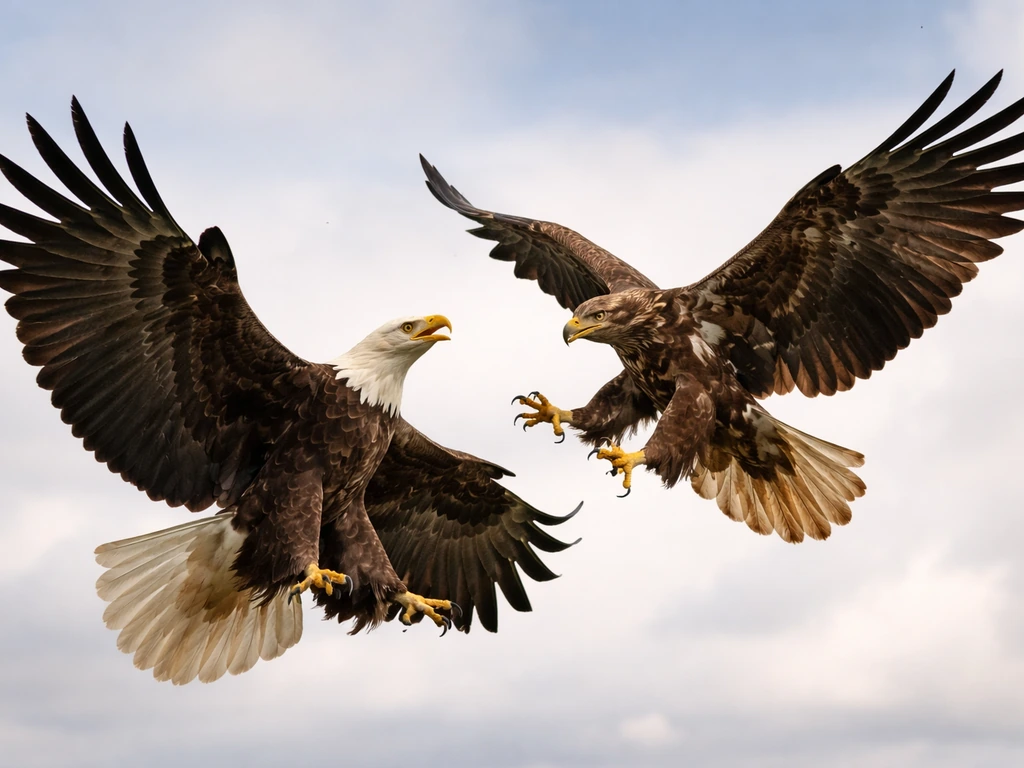
If you are curious about which specific species are most likely to come after humans, or what birds target other animals like eagles or pigeons, those behavioral patterns follow similar territorial logic but vary quite a bit by species, something worth looking into if you are dealing with a specific bird in a specific situation. Some birds also attack other birds as a way to defend territory or nesting areas. Some raptors will aggressively defend their space near eagles or their nests, which is why people search for what bird attacks eagles.
FAQ
If a bird attacks more than once, does that mean it will always keep coming back to me?
Not necessarily, but repeat routes matter. Birds that defend the same nest area can learn consistent human behavior and escalate over successive days. If you change your path for a week or two, avoid lingering in the same spot, and do not approach the bird to “test” it, you usually reduce repeat attacks. If the behavior continues at the same time daily, assume the nest is still active nearby and reroute until fledging.
What should I do if I have a dog or child with me when a bird starts dive-bombing?
Move everyone together away from the perceived threat zone. Keep your dog leashed and closer to your body, do not let it run toward the bird, and avoid pulling the leash suddenly toward the nest area (that can mimic predator lunges). If a child is the one being targeted, guide them to stop, stand still briefly, and back away slowly rather than running toward the bird.
Is running away always better, or can it make the attack worse?
Running can sometimes trigger a chase or predator-like response, especially with raptors and corvids. The safest general approach is to stop, look away momentarily if possible, then step back and reroute smoothly without sudden movements. The goal is to increase distance while staying calm and predictable.
How can I tell the difference between a bird that is defending a nest and one that is actually sick or injured?
Nest defense usually comes with warning signals like agitation, loud vocalizing, repeated low passes, and attacks aimed at keeping you away from a specific area. A potentially sick bird may behave abnormally for its species, approach unusually closely without an apparent defended zone, have trouble flying, or act lethargic. If the bird is grounded or cannot fly normally, keep your distance and contact wildlife officials rather than trying to move it yourself.
What if the bird is targeting my head or eyes, should I cover my face?
Do not try to swat or grab at the bird. If attacks are aimed upward, using a hat or hood as a physical barrier can help, and turning your body sideways so you are not presenting your face directly to the bird can reduce risk. The main action is still to move away from the nest or territory line, then reroute.
Should I try to scare the bird off with noise, or will that make it worse?
In many cases, extra noise or gestures increases arousal and can prolong the attack sequence. Instead, use quiet, deliberate movement: stop approaching, back up or reroute, and reduce time in the area. If the bird is consistently dangerous, choose a non-harm deterrent method recommended by your local wildlife agency rather than escalating interactions.
What’s the safest way to protect myself if I must walk past the same spot every day?
Plan a consistent alternate route during the breeding window, and keep the timing unpredictable when possible (for example, do not always pass at the same exact minute). If you can’t change the route, create more distance early, walk with a barrier like an umbrella pointed downward rather than at the bird, and avoid lingering near shrubs, gutters, ledges, or low ground cover where nests can be hidden.
If I get scratched or bitten, when should I seek medical care?
Seek care promptly if the wound is deep, on the hand or near joints, shows spreading redness, swelling, pus, fever, or increasing pain. Also get evaluated sooner if you are immunocompromised, missed tetanus vaccination, or the bird looked sick or disoriented. Even if it seems minor, bird-related wounds can become infected, so don’t wait several days if symptoms worsen.
Is tetanus the only vaccination I should think about after a bird contact?
Tetanus status matters, but you should also consider whether your healthcare provider recommends antibiotics or additional evaluation based on wound severity and location. If you have not had a booster within the last five years, a clinician may advise a tetanus shot. For bird bites, particularly from parrots or deep punctures, prompt assessment is more important than guessing based on how small the puncture looks.
What should I do immediately after a bite or scratch to reduce infection risk?
Rinse the wound thoroughly with clean running water as soon as possible, then wash gently with soap. Apply an appropriate antiseptic and cover with a clean dressing. Avoid tightly sealing a contaminated puncture, and monitor for infection over the next 24 to 72 hours. If the wound is from a larger bird or involves punctures to the hand, same-day medical evaluation is often the safest choice.
Can feeding birds increase the chance of attacks in outdoor areas?
Yes. Regular or crowd-drawing feeding can increase boldness and reduce fear, leading to snatching food or aggressive swoops at people who are eating. If you manage a park, patio, or property, discourage hand-feeding, secure trash, and remove food sources during peak breeding and high-competition periods to lower the odds of conflict.
Is it ever legal to relocate an aggressive nesting bird or destroy a nest?
Usually not without permits in places like the U.S. where many wild birds are protected. Instead, request guidance from your local wildlife agency about legal deterrents or removal only when authorized. If the bird is on your property and the risk is real, using approved exclusion methods or temporary rerouting is typically the compliant first step.
Next Articles
What Bird Attacks Humans: Risks, Triggers, and First Aid
Learn which birds may attack, why it happens, how to respond safely, and first aid steps after bites or scratches.
What Bird Attacks Eagles? Real Culprits and When It Happens
Find the real bird attackers of eagles, when attacks happen, and how to spot culprits versus scavengers safely.

Bird Causes Plane Crash? Risk, Mechanisms, Myths, Prevention
Whether bird strikes can cause plane crashes, how they happen, real risk data, debunked myths, and prevention steps