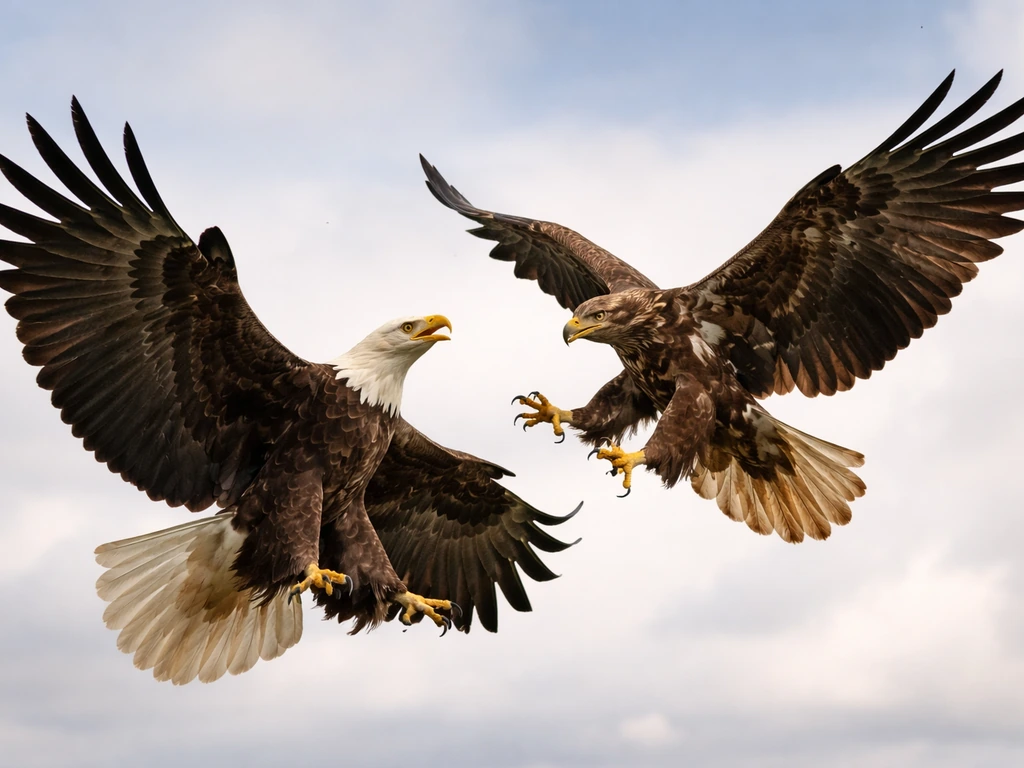
Most birds that "attack" humans are defending something: a nest, a chick on the ground, or a food source they've learned to guard. True unprovoked attacks are rare. The species most likely to come at you are Canada geese, red-winged blackbirds, mockingbirds, gulls, crows, and the occasional great horned owl or red-tailed hawk. If you are trying to avoid trouble with pigeons specifically, the same nest-defense and territorial rules explain what bird attacks pigeons and how to steer clear. Understanding why they do it makes it much easier to avoid getting hit, and to handle it calmly when you do.
What Bird Attacks Humans: Risks, Triggers, and First Aid

Maya Chen
18 Apr 2026
Which birds actually attack humans (and which don't)
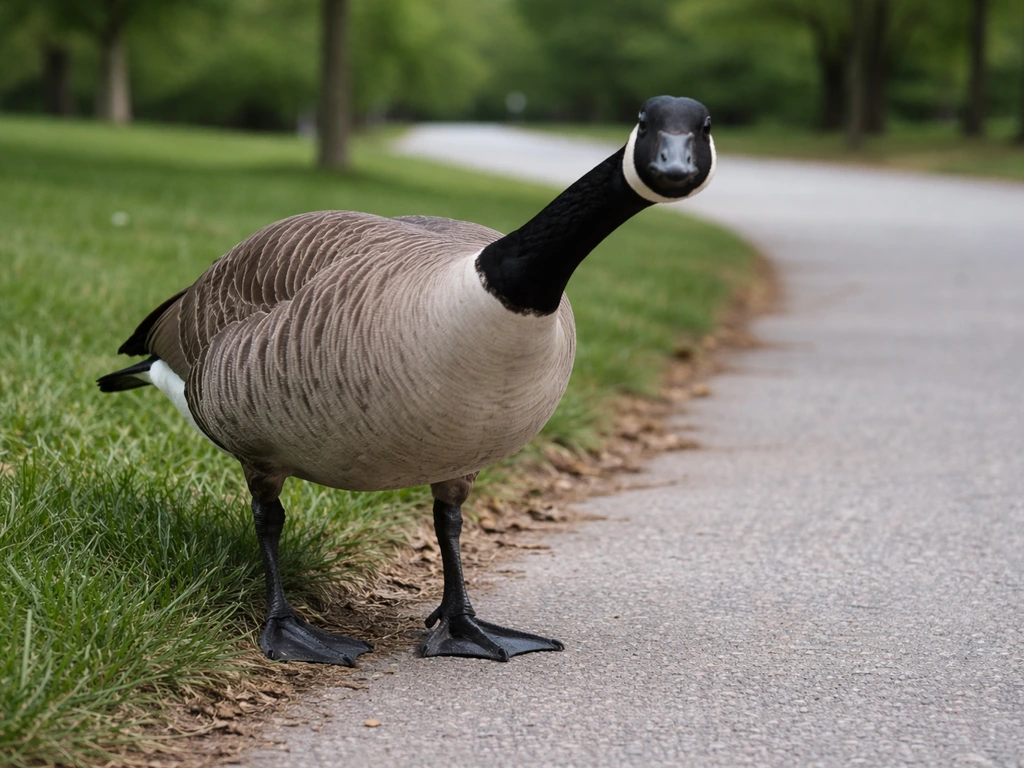
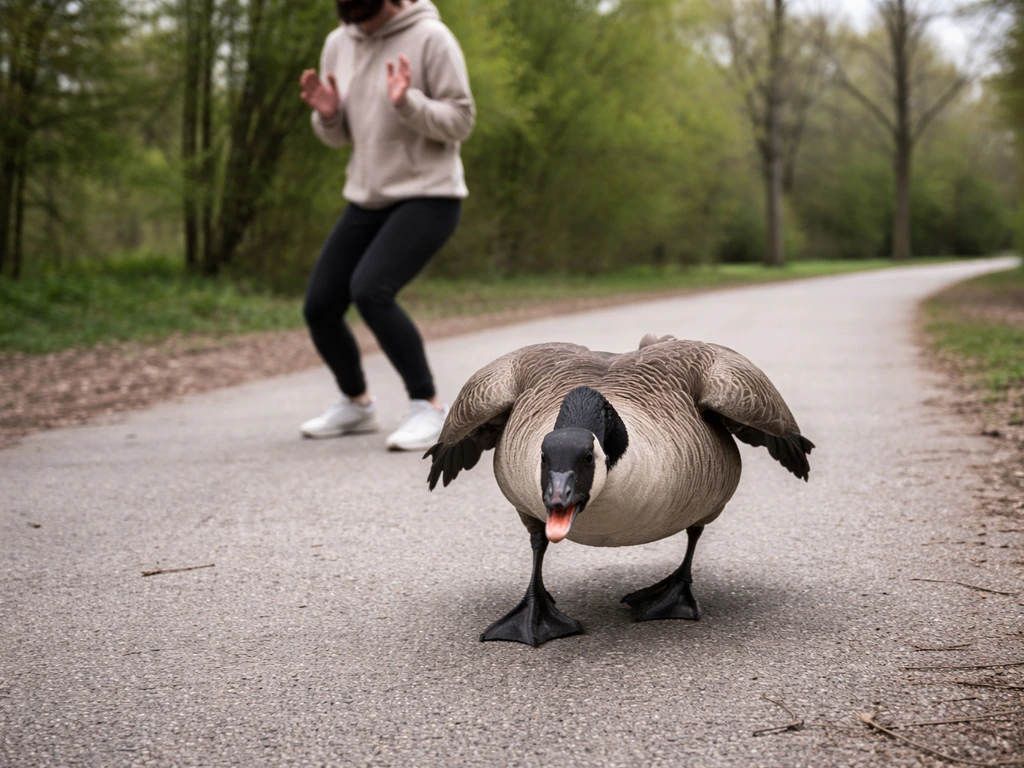
A handful of species account for the vast majority of human encounters. Canada geese are probably the most reported urban aggressor. When a goose charges at you, a nest is almost always nearby. Toronto Wildlife Centre notes that attacking Canada geese are a sure sign a nest is nearby and recommends putting up a visual barrier between the nest and the walkway blank" rel="noopener noreferrer">a nest is almost always nearby. Geese that have grown used to people near parks and parking lots have little fear, which is exactly when the US Fish and Wildlife Service notes attacks can turn genuinely vicious. Red-winged blackbirds dive-bomb joggers and cyclists during nesting season, targeting the back of the head with surprising accuracy. Northern mockingbirds will chase off anything, including people, that gets too close to a nest. Gulls, especially herring and laughing gulls in coastal areas, swoop at people when chicks are on the ground nearby. If you are wondering whether any species will single out eagles, the same nest and territorial-defense principles explain what bird attacks eagles.
Crows and ravens are highly intelligent and will remember individual human faces. If you've disturbed a crow's nest before, it may single you out weeks later. Great horned owls and red-tailed hawks occasionally strike people who walk too close to an active nest tree, usually silently from behind. Owls in particular can cause real scalp lacerations because of their talons.
The vast majority of bird species, including songbirds at feeders, waterfowl that aren't nesting, and birds of prey in open habitat, simply avoid humans and pose no threat. If a bird is acting aggressively toward you, assume there is something nearby it is protecting before assuming the bird is sick or dangerous.
Common triggers for bird aggression
Nest defense is the single biggest driver of bird aggression toward humans. This is most intense during incubation and the period when chicks are young and flightless. A gull that seems to be swooping randomly is almost always protecting a chick that has left the nest and landed at ground level nearby. Geese become especially protective once eggs are laid, and simply walking the same path you always use can suddenly feel like a threat to a nesting pair.
Food competition is the second major trigger. Gulls near outdoor dining areas, geese habituated to park handouts, and corvids near garbage or compost bins will push back against perceived food rivals. The more a bird has been fed by humans, the bolder and more aggressive it tends to become around people.
Territory and mate guarding overlap with nest defense but can extend further from the actual nest site. Mockingbirds and red-winged blackbirds are classic examples: the male patrols a wide perimeter and will strike any intruder, including people on bikes or walking dogs, that enters it.
Injured or cornered birds are a separate category. A bird that can't fly and feels trapped will bite and scratch hard. This is most relevant if you're trying to help a bird, catch a pet that escaped, or if a bird has flown into your home. The instinct to corner or grab the animal makes the situation worse.
Reading the threat level before you act
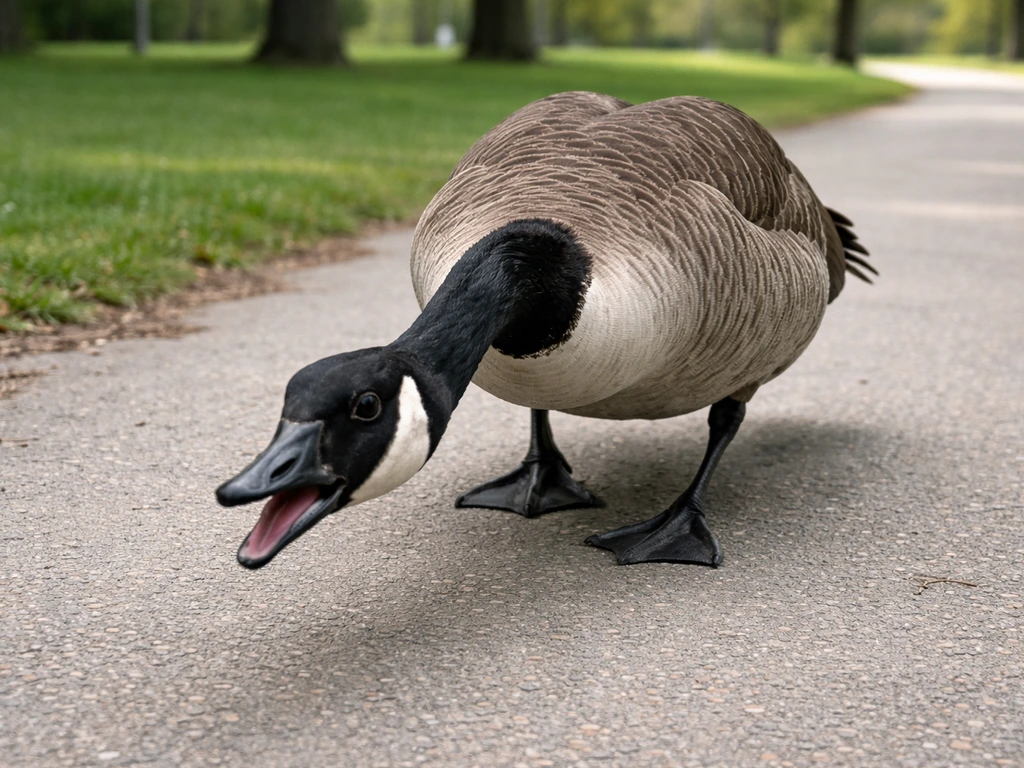
Most aggressive bird displays are warning behavior, not a committed strike. A goose stretching its neck low, hissing, and walking toward you is giving you time to leave. A mockingbird flying close passes and calling loudly is doing the same. The bird is asking you to go, not trying to injure you.
The threat becomes more serious when a bird makes contact or keeps coming after you've moved several feet away. Owls and hawks striking from behind without any prior warning are the most genuinely startling encounters because you often don't see them coming. In urban areas, geese that have been around people for years and have lost their natural fear are more likely to follow through on a charge.
The main physical risks are lacerations from talons (raptors and owls), a hard bite or wing strike from geese, and minor scratches from smaller birds. The CDC notes that a bird's beak can cause serious injuries, so treating even a small puncture carefully is worth doing.
What to do when a bird comes at you
The most important thing is to stay calm and move away without running. Running triggers a chase response in many birds. Walk steadily away from the area, ideally without making direct eye contact with the bird, which some species interpret as a challenge.
- Cover your head and eyes immediately. Use whatever you have: a bag, a hat, your arm raised with the palm out. Eyes are a specific target for some birds, and protecting them is the priority.
- Move away steadily and without sudden movements. Do not run, wave your arms wildly, or shout at the bird.
- Don't corner or approach the bird. If it's a grounded gull chick or a goose blocking a path, give the situation wide clearance and take a different route.
- Create a visual barrier if you can't leave the area. Toronto Wildlife Centre recommends using something like a visual screen between you and the bird so the goose or gull can no longer see you as an immediate threat. An open umbrella, a raised jacket, or even a clipboard works.
- If a goose is blocking access to an area you need to clear, slow steady pressure using a long object like a broom handle can encourage it to back away, but never chase or strike the bird.
- Once you're out of the bird's perceived territory (usually 30 to 50 feet for most species), the aggression will stop on its own.
If you're in an area with known nesting raptors or owls, wearing a wide-brimmed hat or carrying an open umbrella during the nesting season (roughly February through July in most of North America) is a practical low-effort solution.
After an incident: wound care and when to get medical help
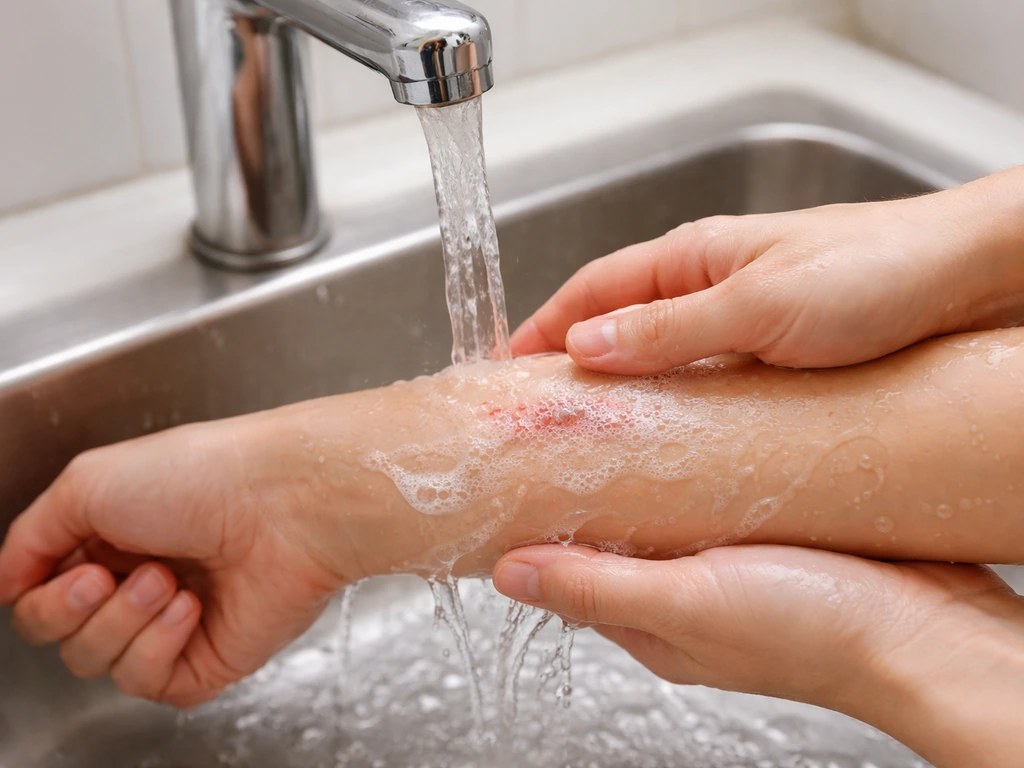
Even a minor bite or scratch from a bird should be cleaned immediately. Wash the wound with soap and running water for at least 20 minutes. Wash and flush bite wounds and scratches immediately for about 15 minutes with soap or detergent and plenty of water, according to WHO guidance. This is the same approach the CDC recommends for any suspected zoonotic exposure, and it genuinely reduces infection risk. After washing, cover the wound with a clean bandage.
Seek medical care if the wound is deep, if it won't stop bleeding after 10 to 15 minutes of direct pressure, or if the bird was a wild raptor with sharp talons that caused a puncture wound. Tell the clinician exactly what happened: the species if you know it, where the encounter took place, and whether the bird seemed sick or behaved unusually.
Tetanus is worth checking. The CDC distinguishes between clean minor wounds (low risk, standard 10-year booster schedule applies) and dirty or major wounds (a booster is recommended if more than 5 years have passed since your last one). A deep talon puncture would fall into the dirty wound category. If you're not sure when your last tetanus shot was, a clinic visit to verify is a reasonable step.
Infection is the most realistic medical concern after a bird bite. Bird beaks harbor bacteria, and puncture wounds especially can trap bacteria deep in tissue. Watch the wound over the next 24 to 48 hours for increasing redness, swelling, warmth, or discharge. If any of those appear, see a clinician. Pet birds can carry germs that cause illness in people, and wild birds are no different.
Prevention: reducing encounters at home and outdoors
The most reliable prevention tactic is removing the trigger. If Canada geese are nesting on your property and you want to discourage them, the time to act is before eggs are laid. Once eggs are present, moving or disturbing the nest without a federal permit is illegal in the US and Canada. Contact your local wildlife authority early in the season if you anticipate a conflict.
For gulls nesting on rooftops or near entrances, the Wisconsin Humane Society recommends weather-resistant netting to block access to preferred nesting spots, and deterrents like Mylar reflective tape to make areas less attractive. Harassment or egg removal during nesting season is also illegal without permits, so non-lethal deterrents installed before nesting begins are the practical option.
- Don't feed waterfowl or gulls. Hand-feeding creates habituation and significantly increases the likelihood of aggressive encounters. Habituated birds lose their fear of people entirely.
- Secure trash and compost bins with tight lids. Open food waste is a major draw for corvids and gulls.
- Adjust feeder placement. Feeders very close to walkways or doors can create territorial behavior around the food source, especially with mockingbirds and territorial sparrows.
- Use alternate routes during nesting season. If you know a red-winged blackbird or hawk nests along your usual jogging route from April through July, change your path for those weeks.
- Post informal warning signs near known nesting areas on trails or in parks. This is especially useful for shared paths near goose nesting zones.
- If a raptor repeatedly strikes at people near a nesting tree, contact your state or provincial wildlife agency. They can assess whether the situation warrants action and what permits may apply.
Myths, facts, and the rabies question
The most common myth is that birds attack randomly or out of nowhere. In nearly every case, there is a clear reason: a nest is close, a chick is on the ground, or the bird has been conditioned to associate people with food. Understanding that is genuinely reassuring because it means you can usually identify and avoid the trigger.
A question that comes up regularly is whether birds can transmit rabies. The short answer is no. Rabies is a mammalian disease, and birds cannot contract or transmit it. You do not need to worry about rabies from a bird bite or scratch. The CDC is clear that rabies spreads primarily through bites or scratches from infected mammals, and that bats are the leading source of human rabies deaths in the United States. Birds are not a factor in rabies transmission.
Another common misconception is that aggressive birds are sick. Healthy birds defending nests are supposed to be aggressive. A bird acting erratically, unable to fly, or approaching you without any apparent territorial reason is more worth reporting to a wildlife authority, but diving at your head during nesting season is completely normal behavior.
Avian influenza sometimes comes up in conversations about bird contact. For the general public who have a brief incidental encounter with a wild bird, the risk is extremely low. The risk is more relevant for people with prolonged close contact with infected poultry. Standard hygiene applies: wash your hands after any contact with wild birds or their droppings, and avoid touching your eyes, nose, or mouth before washing, which is good practice regardless of the species involved.
| Myth | Reality |
|---|---|
| Birds attack humans randomly and without cause | Aggression almost always has a specific trigger: nest defense, food, territory, or feeling cornered |
| An aggressive bird must be sick or rabid | Healthy birds defending nests are expected to be aggressive; it's normal seasonal behavior |
| Birds can transmit rabies | Birds cannot carry or transmit rabies; it is a mammalian disease only |
| You can scare off a nesting bird by removing eggs or the nest | This is illegal without a federal permit in the US and Canada, and it won't work during active nesting |
| Running away ends the encounter faster | Running triggers pursuit; walking steadily away is more effective |
| Only large birds pose injury risk | Small birds like mockingbirds and red-winged blackbirds can scratch and startle effectively; taloned raptors pose the highest lacerations risk |
If you want to go deeper on specific scenarios, there are related questions worth looking at: why a bird chooses to attack a human specifically (the behavioral reasons behind it), which birds target other birds as prey or in territorial disputes, and the more specific concern about whether birds target the eyes during an attack. If you’re specifically wondering which bird attack human eye, it usually comes down to nest defense and targeting a perceived vulnerable spot near your head. If you are curious about similar aggression within the bird world, this guide on what bird attacks other birds is a helpful next stop. If you are trying to figure out what to do in the moment, start with the common triggers that make a bird see you as a threat why would a bird attack a human. Each of those branches off into different territory that affects how you prepare and respond. If you want a quick refresher on why this happens in the first place, see why would a bird attack a human as a related overview.
FAQ
How can I tell if a bird is doing a warning display versus preparing to strike again?
Watch the bird’s body sequence. Warning behavior usually includes low-neck posturing, loud calling, repeated passes, or walking toward you while keeping some distance. The shift toward a strike is when it makes contact, continues to pursue after you’ve increased your distance by several feet, or repeatedly targets the same body area without any pause to reassess.
What should I do if a bird keeps circling me but I cannot leave the area immediately?
Stay still or move slowly in a single direction, do not run, and reduce “challenge” cues like direct eye contact and flailing. Back away gradually if possible, and shield your head and eyes with a hat or umbrella. If you are with kids or pets, increase distance from the bird and keep everyone together to avoid drawing multiple separate attention points.
Do pigeons count among the birds most likely to attack humans?
Pigeons can be aggressive when they are nesting or guarding a perch with eggs or chicks, but they are not typically among the most reported “human attack” species in cities compared with geese and certain territorial birds. If pigeons are attacking, the pattern is usually localized to a specific ledge or entrance area, and you can address it with access control and nesting prevention rather than trying to scare the entire neighborhood.
If a bird hits me on the head, should I treat it differently from a bite or scratch?
Yes. A strike to the head can cause hidden injury even if the bird only made brief contact. Clean any skin breaks, but also seek prompt medical evaluation if you have significant pain, dizziness, nausea, vision changes, or heavy bleeding. Raptors and larger birds can inflict forceful trauma, not just minor surface marks.
What if I get bird droppings in my eyes or on broken skin?
Rinse eyes with clean running water or sterile eyewash for several minutes and remove contact lenses right away. For skin, wash with soap and water thoroughly. This is mainly a hygiene and irritation concern rather than a “bird rabies” risk, but getting contaminants into eyes, nose, or mouth is where you want to be most careful.
I found an injured bird. Is it safe to handle it to help it escape or reunite it with its nest?
Handle only if you must and use protection. Injured or cornered birds often bite and scratch hard, and they may be in a “trapped” state where your attempt to help triggers further injury. If it is a wild bird, contact a wildlife rehabilitator, keep pets away, and use gloves and a barrier (like a towel and box) rather than bare-hand grabbing.
Can birds attack through sunglasses, hats, or clothing?
They can. Hats and umbrellas mainly reduce vulnerability for head-aiming birds, but talons and beaks can still reach uncovered gaps like the sides of the face, hands, neck, and ears. If you are in a high-risk nesting area, keep your head covered and move your arms close to your body to protect wrists and hands.
How long should I watch for infection after a bird bite or scratch?
Monitor for 24 to 48 hours, with heightened attention in the first day. Look for expanding redness, warmth, swelling, increasing pain, red streaks, or discharge. If any of those develop, or if you have a puncture wound, it is safer to get evaluated quickly rather than waiting longer.
When is tetanus risk higher after a bird injury?
Tetanus risk is higher for dirty or deep wounds, especially punctures from sharp talons or any break in skin that is more than a superficial scrape. If you are unsure when you last had a booster, calling a clinic to confirm your status is reasonable, particularly if more than a few years have passed.
Should I report aggressive birds to wildlife authorities, and what details matter?
Yes, especially if the bird seems unable to fly, approaches people without any nesting or food context, or keeps targeting the same person or route. Provide the species (if known), exact location, dates and times, and what behavior you observed (for example, stalking, repeat contact, or inability to lift off). This helps them distinguish normal nest defense from a problem bird.
What is the best prevention if Canada geese or gulls are nesting near a walkway or building entrance?
Prevent access and remove incentives before nesting begins. For geese, discourage nesting early in the season by contacting local wildlife authorities before eggs are present, and manage attractants like handouts and unsecured food. For gulls, block preferred nesting ledges with physical barriers such as weather-resistant netting and add deterrents that change the site appeal before chicks hatch, since harassment or nest interference during nesting season often requires permits.
Next Article
What Bird Attacks Eagles? Real Culprits and When It Happens
Find the real bird attackers of eagles, when attacks happen, and how to spot culprits versus scavengers safely.