
Yes, a mother bird can and will attack you if she feels her nest or chicks are threatened. It's not random and it's not personal. It's pure instinct, and for certain species like red-winged blackbirds, mockingbirds, and Canada geese, that instinct is strong enough to result in physical contact. Most of the time you'll get warning behaviors first: alarm calls, swooping passes that stop short, or aggressive posturing. But if you ignore those and stay too close to the nest, the bird may escalate to contact strikes. The good news is that understanding what triggers the behavior and following a few simple rules will get you through nesting season without incident.
Will a Mother Bird Attack You? What to Do Safely

Maya Chen
4 May 2026
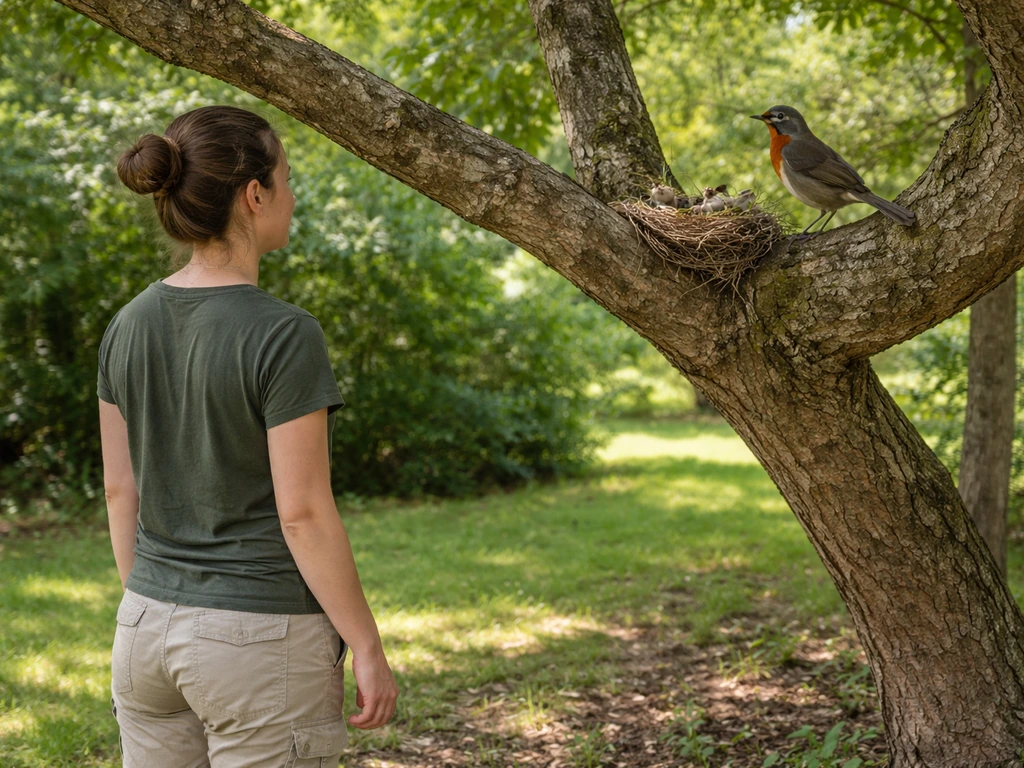
What triggers a mother bird to go on the defensive
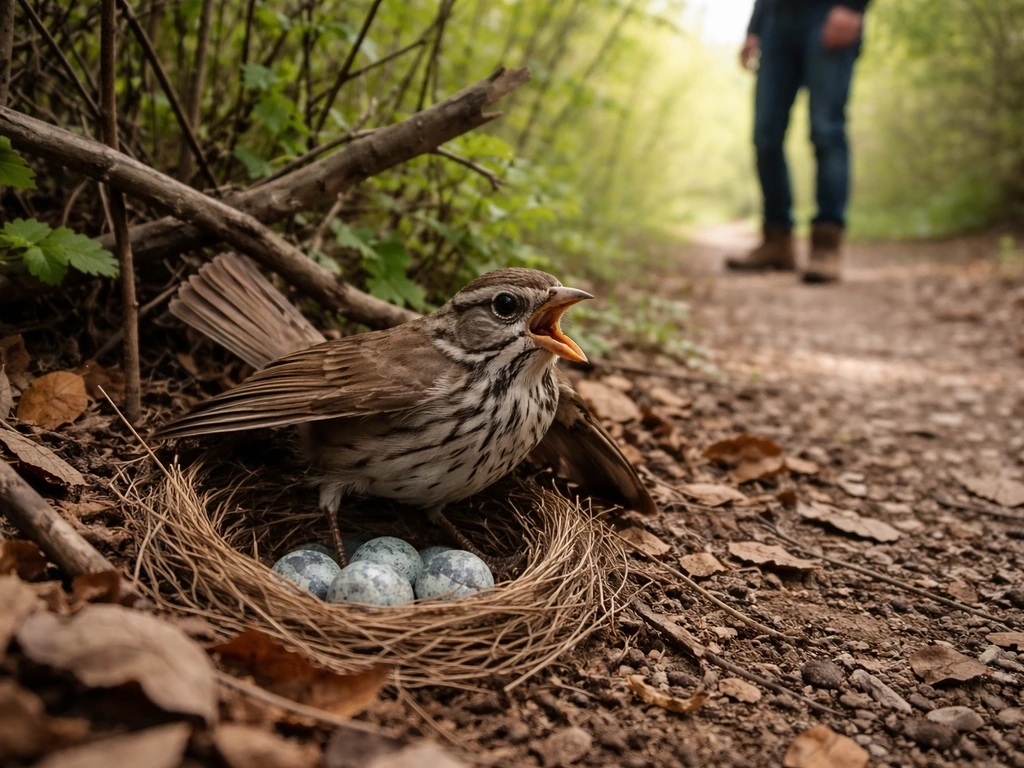
The trigger is almost always proximity to a nest or chicks. Birds don't attack strangers for fun. What's happening is that the parent bird has a threat threshold: when you cross into a zone it considers dangerous to the nest, it switches from watchful to defensive. According to the U.S. Fish and Wildlife Service, there are usually warning signs before a bird reaches full defense mode, and those signs scale up the closer you get.
The warnings include alarm calls (loud, repetitive vocalizations), agitated hopping or flying between perches near you, and threat posturing. Posturing means the bird puffs its feathers out to look larger, spreads its wings, and in the case of Canada geese, lowers its head toward you and hisses loudly while standing erect. These are all signals that say: you are too close, please leave. If you're wondering how to tell if a bird hates you, the key clue is whether its behavior escalates specifically when you're near a nest or chicks.
What makes this confusing for people is that the nest isn't always visible. Canada geese are a good example of this. The Toronto Wildlife Centre points out that a goose charging at people or even cars is a reliable sign that a nest is nearby, even if you can't see it. So if a bird seems to be targeting you out of nowhere, there is almost certainly a nest in that area you haven't spotted yet.
Certain species are known repeat offenders during nesting season: red-winged blackbirds, mockingbirds, blue jays, barn swallows, killdeer, Cooper's hawks, and Canada geese top the list. With geese specifically, the U.S. Fish and Wildlife Service notes it's usually the male that stands guard near the nest and is the one most likely to charge.
Will the bird actually make contact, or is it mostly bluffing
Most defensive behaviors are warning passes rather than real attacks. A bird swooping close to your head and veering off at the last second is a threat display, not a failed tackle. For many species, this is as far as it goes if you move away quickly. The escalation to actual physical contact (using wings, bill, or talons) happens when someone stays in the danger zone, moves toward the nest, or makes sudden aggressive movements.
That said, physical contact is absolutely possible. The U.S. Fish and Wildlife Service explicitly states that if threat postures don't deter an intruder, a bird may lunge or dive-bomb using wings, talons, and bill. Canada geese can bruise you with their beaks and the powerful flapping of their wings. Smaller birds like mockingbirds can rake the back of your head. The injury risk is generally low, but eye injuries from fast swooping birds are a real concern and the one scenario worth taking seriously.
What to do right now if a bird is swooping at you
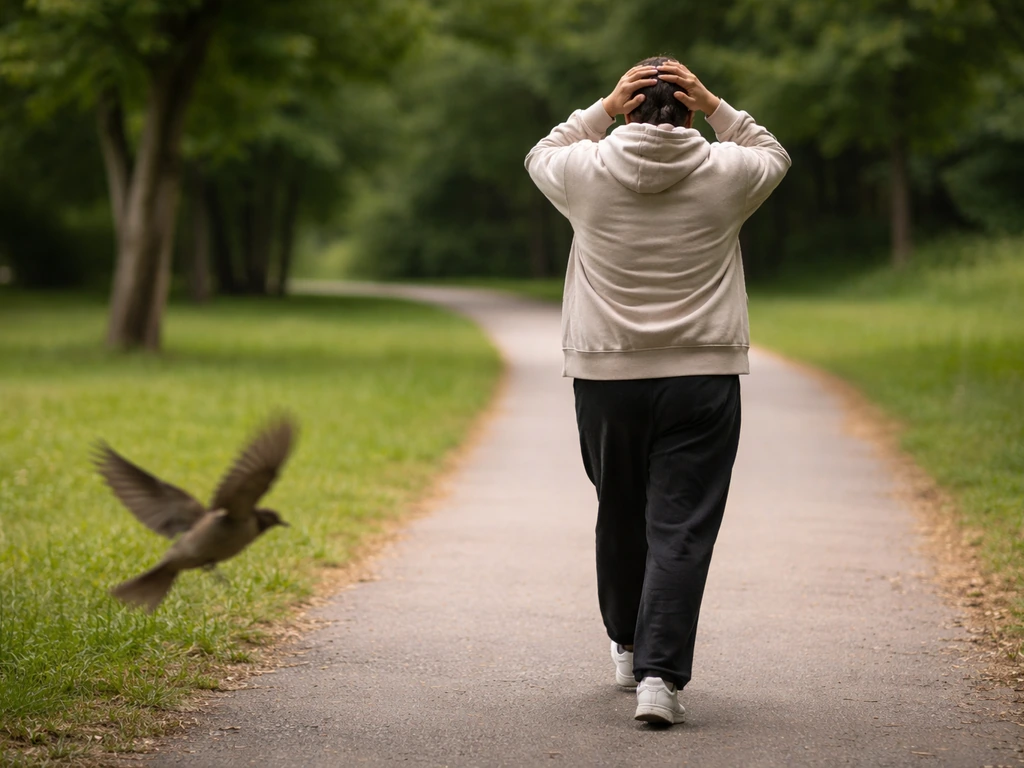
If you're being dive-bombed or charged right now, your goal is simple: leave the area calmly and quickly. If a bird swoops you, don’t freeze or run toward it; leave calmly and give yourself space right away what to do when a bird swoops you. Here's how to do it without making things worse.
- Walk away quickly but don't run. Running triggers a prey response and can intensify the bird's pursuit. The ACT Government (Australia), which deals extensively with swooping birds, specifically advises walking away briskly without running because birds respond to your movement style.
- Don't face the bird or swat at it. Swatting looks threatening and escalates the confrontation. Keep moving and face away from the nest.
- Cover your head. A hat, an open umbrella, or even raising a bag above your head protects against physical contact and often deters dive-bombing because the bird can't easily target your scalp.
- Protect your eyes first. Sunglasses or any eye protection reduces the most serious risk. If you have nothing, shield your eyes with your hand as you exit.
- Move in the direction away from where the bird came from. That's generally away from the nest.
- Once clear of the area, stop and assess. If you weren't hit or scratched, you're fine. If you were, see the health section below.
How to prevent this from happening again
The most effective thing you can do is simply avoid the nest area until the young have fledged. The U.S. Fish and Wildlife Service is direct about this: stay out of the immediate area if possible until the young have fledged, because the parents will feel less threatened once the chicks are gone. Nesting seasons for most problem species run from roughly March through July, though this varies by species and region.
If you walk a route that passes a known nest, change your path during nesting season. Even crossing to the other side of the street can put you outside the bird's threat zone. Most birds have a defined defense radius, and a small detour is often enough.
- Mark the nest location mentally or on a map so you remember to avoid it on future walks.
- Travel in groups when you have to pass the area. Some species are less aggressive toward multiple people moving together.
- Time your movements away from peak activity: dawn and dusk are when many birds are most alert and defensive.
- Don't approach or investigate a nest out of curiosity. Even well-meaning nest-checking can trigger sustained defensive behavior for days.
- Remove or secure food sources and trash that attract territorial species like crows and geese to your property.
Protecting pets, kids, and your property
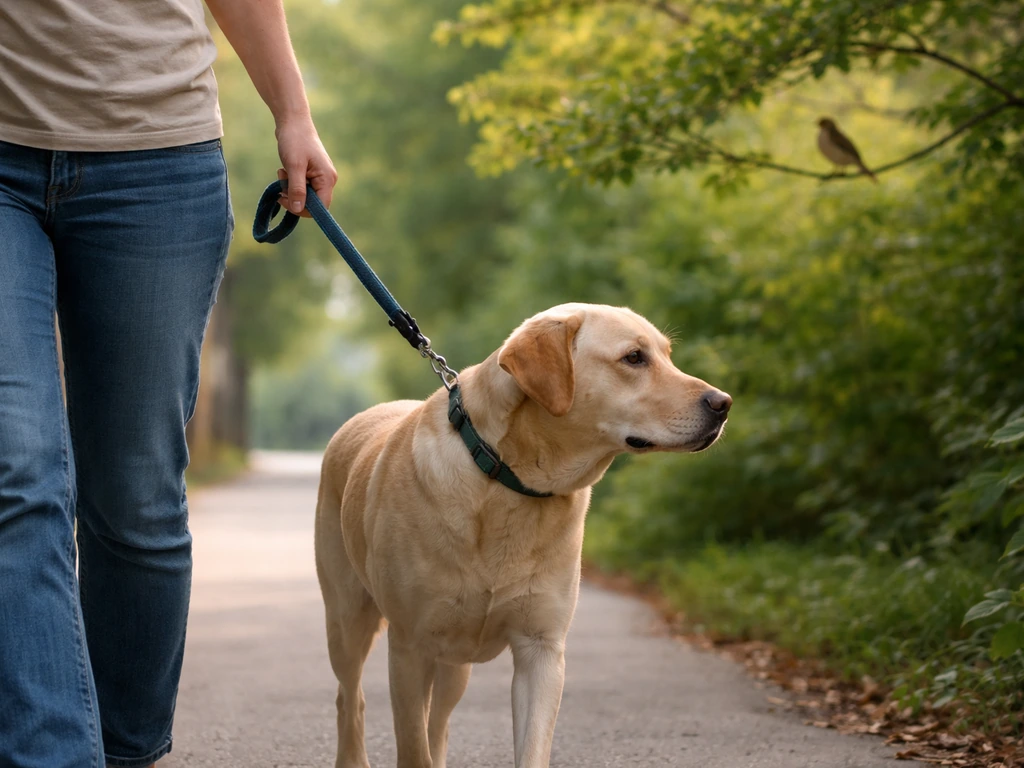
Kids and small pets are at slightly more risk than adults during nesting season, mostly because their height puts them closer to the flight paths of defensive birds, and they're less likely to react calmly. Small dogs and cats can also be perceived as predators by nesting birds and may trigger more intense responses.
- Keep dogs on a leash and close to you near known nest areas. A leashed dog gives you control to move away quickly.
- Keep cats indoors during peak nesting season. This also protects nesting birds from your cat, who is a real predator to ground-nesting species.
- Walk with children on your body-side away from a known nest. Position yourself between the bird and the child.
- If a bird nests near your front door or regular entry point, consider temporarily using an alternate entrance until the chicks fledge.
- Avoid installing bird feeders right next to high-traffic areas of your yard during nesting season, as food sources can concentrate territorial behavior where you don't want it.
If a bird nests in a spot that makes access to your own property genuinely dangerous (like directly over a doorway that can't be avoided), that's a situation where professional advice is appropriate. More on that below.
Does a bird attack mean you've been exposed to disease
This is one of the most common sources of anxiety after a bird encounter, and in most cases the fear is disproportionate to the actual risk. A swooping bird that clips your head or even scratches you does not automatically mean you've been exposed to a serious disease. Bird-to-human disease transmission is relatively rare and typically requires direct, sustained contact with droppings, contaminated surfaces, or infected respiratory secretions, not a defensive strike during a nest encounter.
That said, basic hygiene after any contact is sensible. If a bird scratched or pecked your skin, wash the area thoroughly with soap and water. If you got droppings on your skin or in your eyes during the encounter, wash with clean water immediately. There's no need to panic, but there's also no reason to skip the wash. CDC advises washing your hands after touching birds, their droppings, or items in bird cages.
One specific scenario worth noting: if you were scratched by a bird and the wound breaks the skin, keep an eye on it for signs of infection over the following days (redness spreading from the wound, warmth, swelling, or fever). This isn't unique to birds, it's standard wound care. If a wound looks infected, see a doctor.
You don't need a rabies shot after a bird encounter. Birds don't carry or transmit rabies. That concern simply doesn't apply here.
When the situation actually calls for outside help
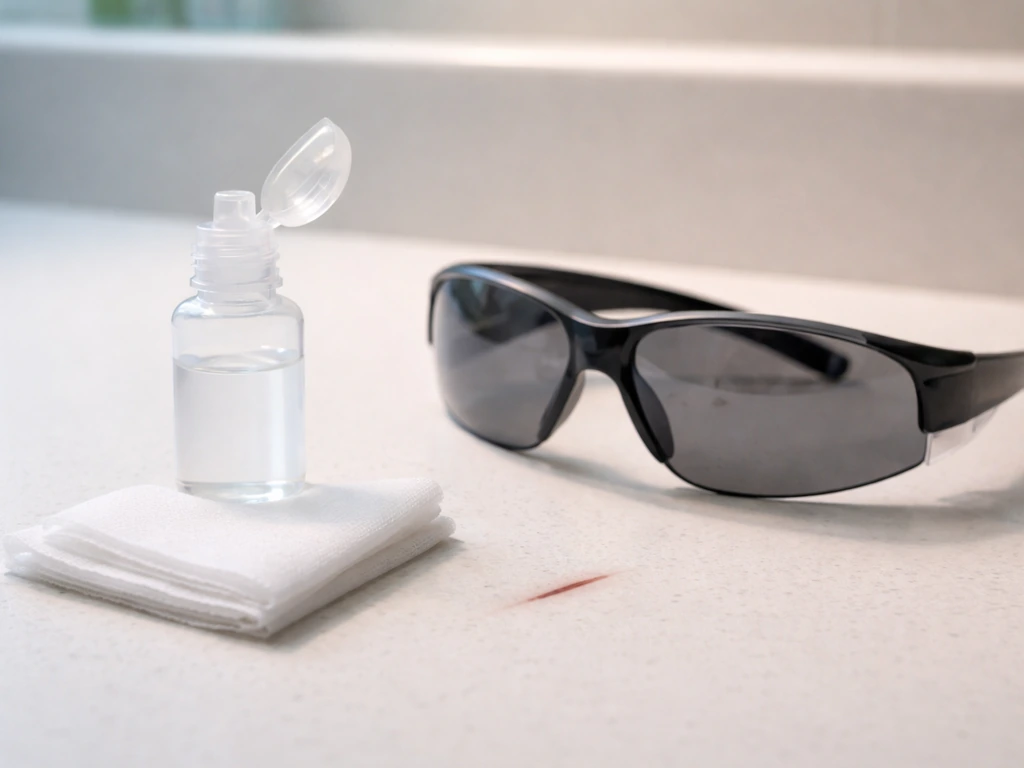
Most bird-swooping situations resolve themselves once nesting season ends, and the advice above handles the vast majority of cases. But there are times when you should reach out for professional guidance.
- Eye injury from a bird strike: Any impact or scratch near the eye from a fast-moving bird warrants same-day evaluation by a doctor, even if it seems minor. Eyes are not worth waiting on.
- A nest is located directly at an unavoidable entry point to your home or workplace: A wildlife control professional or your local animal control agency can advise on humane, legal options. Many nesting birds in North America are protected by federal law (the Migratory Bird Treaty Act), so self-removal of active nests is often illegal. Get proper advice before doing anything.
- Severe repeated attacks causing injury or preventing normal use of your property: Document the incidents and contact your local wildlife agency. They can assess whether intervention is appropriate.
- A bird inside your home is being defensive or nesting: This is a different problem with its own solutions, but the same principle applies. If you can't safely manage it yourself, call a wildlife rehabilitator or pest control professional with wildlife experience.
- If you're a bird owner and your pet bird has become suddenly defensive or territorial: This is often hormonally driven nesting behavior. A vet with avian experience can help you manage it safely without reinforcing the aggression.
If you're looking for what to do in the moment of an attack, or how to read the warning signs before a bird escalates, those specifics are covered in the related guides on what to do if a bird attacks you and what to do when a bird swoops you. The core takeaway here is the same: stay calm, move away, protect your eyes, and give the nest a wide berth for the rest of the season.
FAQ
If I see a bird swoop me once, should I assume it will attack again later?
Not necessarily. Many birds only escalate when you keep entering the nest threat zone. If you leave the area quickly and change your route, repeat attacks on subsequent walks are usually less likely, but you should still give the spot a wide berth for the rest of nesting season.
What should I do with a camera, umbrella, or stroller if a mother bird starts warning me?
The key is still creating distance without sudden, aggressive motion. Hold your position long enough to notice the warning signs, then move away calmly and steer around the area. Avoid swinging an umbrella up toward the bird’s flight path, and keep the stroller close to your body while backing away.
Is it safer to run, or should I walk away slowly if a bird dive-bombs?
Walk away calmly and quickly, not in a panic and not toward the bird. Sudden running toward the bird or flailing can look like a new threat and can trigger another pass. Aim for steady movement directly away and out of the danger zone.
How can I protect my eyes during a swoop without making the bird more aggressive?
Keep your face turned slightly away and use your hands or a hat to shield your eyes if the bird comes close to eye level. Glasses are helpful, but a loose cap is often better than waving your arms. If the bird is striking near your head, focus on backing away while shielding, then remove yourself from the area.
If the bird hits my pet, what should I do right away?
Bring your pet indoors or away from the area immediately, then inspect for visible scratches, bleeding, or eye irritation. Rinse any fresh wound with clean water, and seek veterinary advice if there is eye involvement, puncture wounds, heavy bleeding, or signs of infection.
Can a nest be present even if there are no visible chicks or eggs?
Yes. Some nests are hidden in shrubs, under eaves, or behind structures. In particular, Canada geese may guard areas where you cannot see nests, so consistent charging or repeated warning behavior near a specific spot should be treated as a sign that a nest is nearby.
What counts as “close enough” to trigger a defense response?
It varies by species and by how protective the parents feel that day, but the practical rule is distance plus behavior. If you are repeatedly getting alarm calls, agitated hopping, threat posturing, or repeated swoops that occur as you approach a specific spot, you are inside the defense radius. Stop approaching and increase the gap.
Are certain people more likely to be targeted, even if they did nothing wrong?
Yes. Children and small pets are often targeted more intensely because their height places them closer to typical bird flight paths and they may react unpredictably. Also, some birds respond more to sudden movements, flapping, or running near the nest area.
Does bird nesting behavior always mean the bird is sick or dangerous beyond the nest?
No. Defensive nesting behavior is usually normal instinct tied to proximity to chicks, not a sign of illness. The risk is mainly to eyes and head during the nesting period, not a general threat once you leave the area.
If I’m scratched or pecked, do I need medical treatment beyond washing?
Wash right away, but watch for infection if the skin was broken. Get medical care urgently if the wound is deep, continues bleeding, involves the eye, or if you notice spreading redness, increasing warmth or swelling, pus, or fever over the next days.
Is rabies a concern after a bird peck or scratch?
For typical bird pecking and defensive strikes, rabies vaccination is not usually indicated because the rabies concern does not apply to birds in the way it does for mammals. Still, if you develop an infection from a wound, that is a different issue that should be assessed.
What if the nest is directly over a doorway, and I cannot avoid walking underneath it?
If avoiding the area is genuinely impossible, professional guidance is appropriate. A local wildlife control service or relevant wildlife agency can advise on safe deterrence or timing so you do not repeatedly enter the threat zone during the most sensitive part of nesting.
When should I stop worrying about the bird even if nesting season seems long?
Once young birds have fledged, parents generally feel less threatened and defense intensity drops. If you keep seeing aggressive charging or swoops days after you believe fledging occurred, treat it as ongoing nesting activity and continue using a detour until the behavior clearly stops.
Next Articles
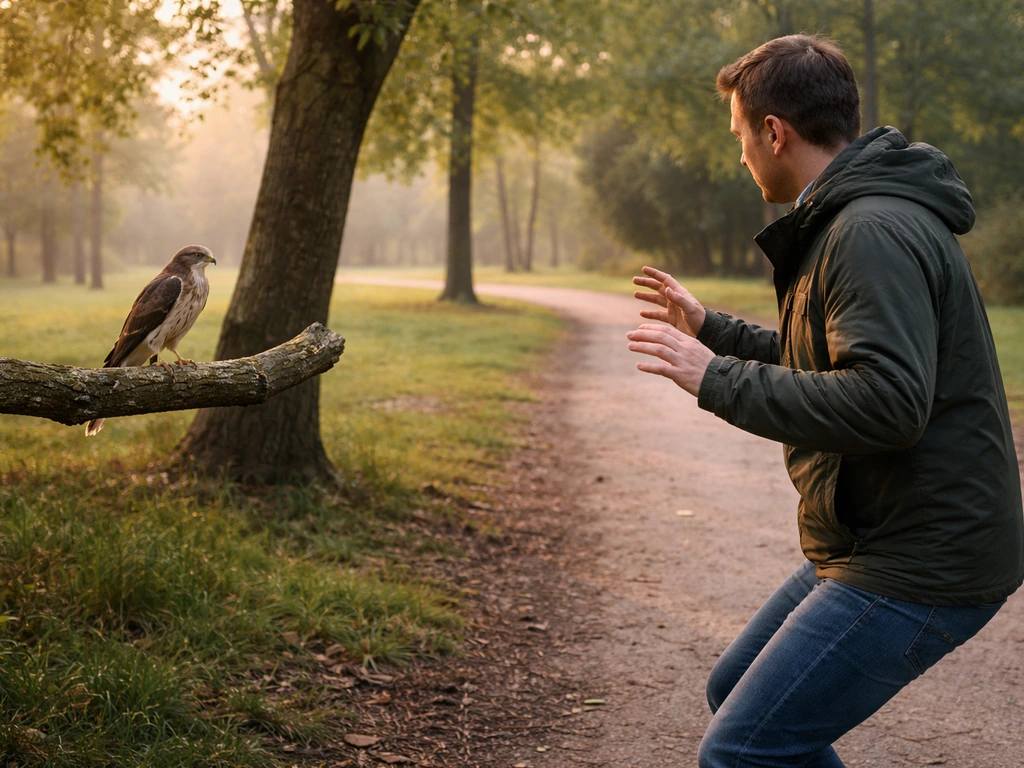
What to Do If a Bird Attacks You: First Aid and Next Steps
First aid steps after a bird attack, when to get urgent care, and how to prevent another attack.
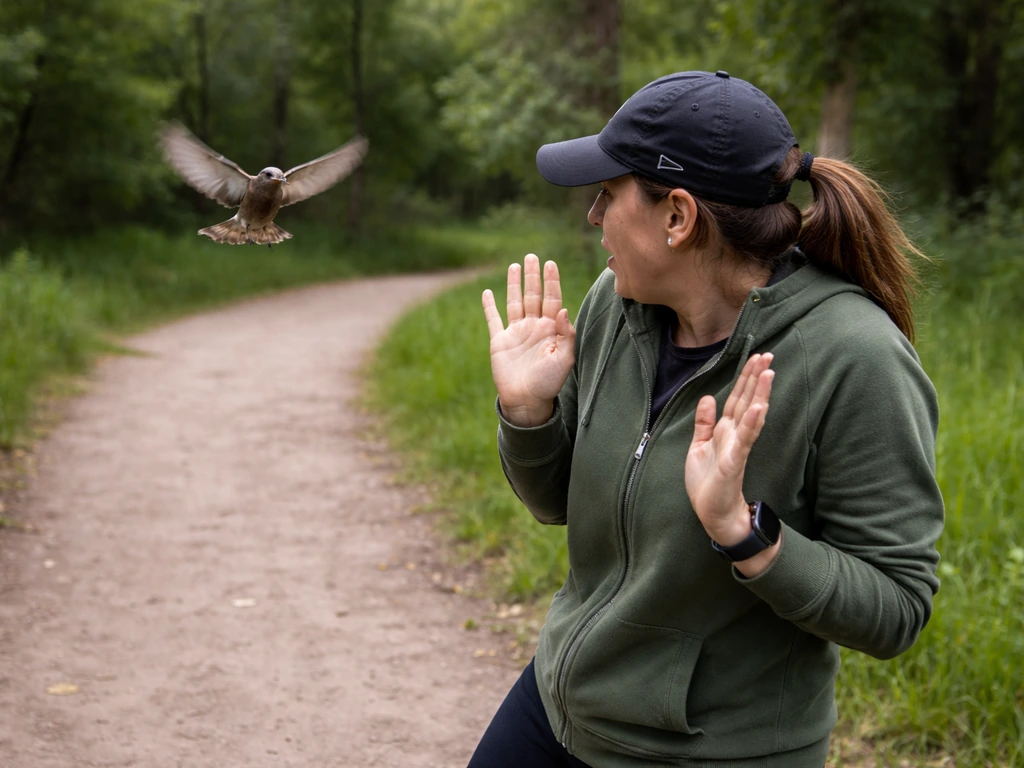
Will a Bird Attack You? Signs, Risks, and What to Do
Learn when birds truly attack, warning signs, what to do to stay safe, and how to handle bites or scratches.

Bird Causes Plane Crash? Risk, Mechanisms, Myths, Prevention
Whether bird strikes can cause plane crashes, how they happen, real risk data, debunked myths, and prevention steps