
Yes, some birds will absolutely attack you, but most won't. The key is knowing which species are actually likely to do it, what situations set them off, and what to do in the moment so you don't make things worse. The short version: birds that are nesting or guarding young are the most dangerous, and your distance from that nest is the single biggest factor in whether you become a target.
Will a Bird Attack You? Signs, Risks, and What to Do

Maya Chen
15 Apr 2026
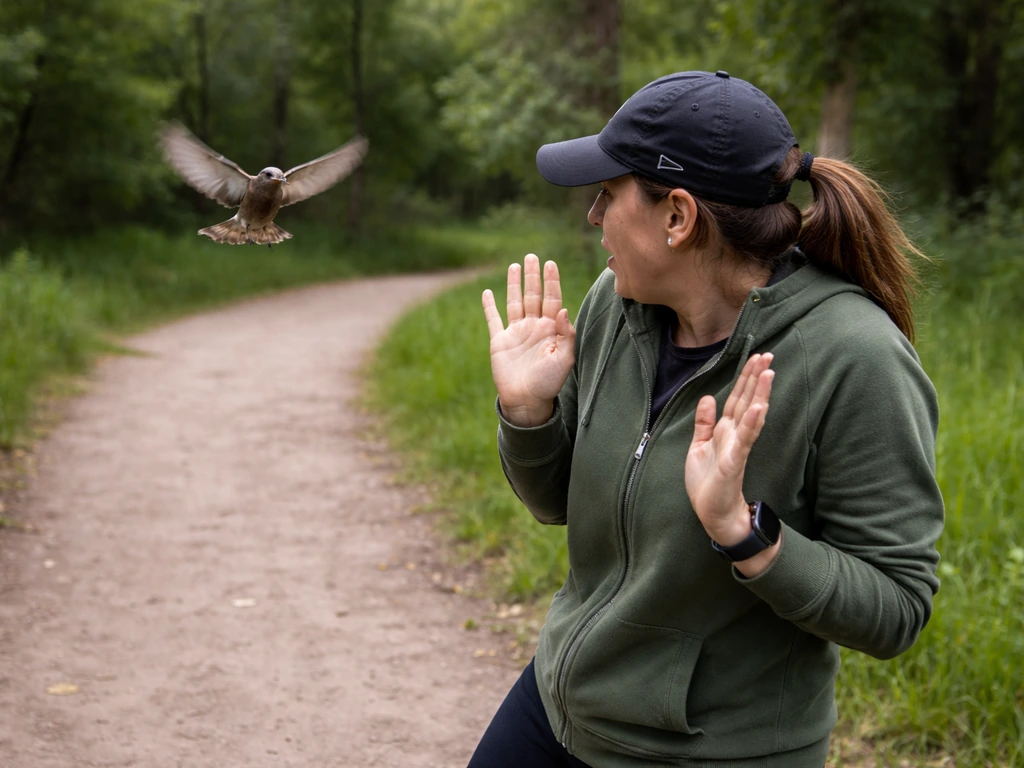
Which birds are most likely to get defensive
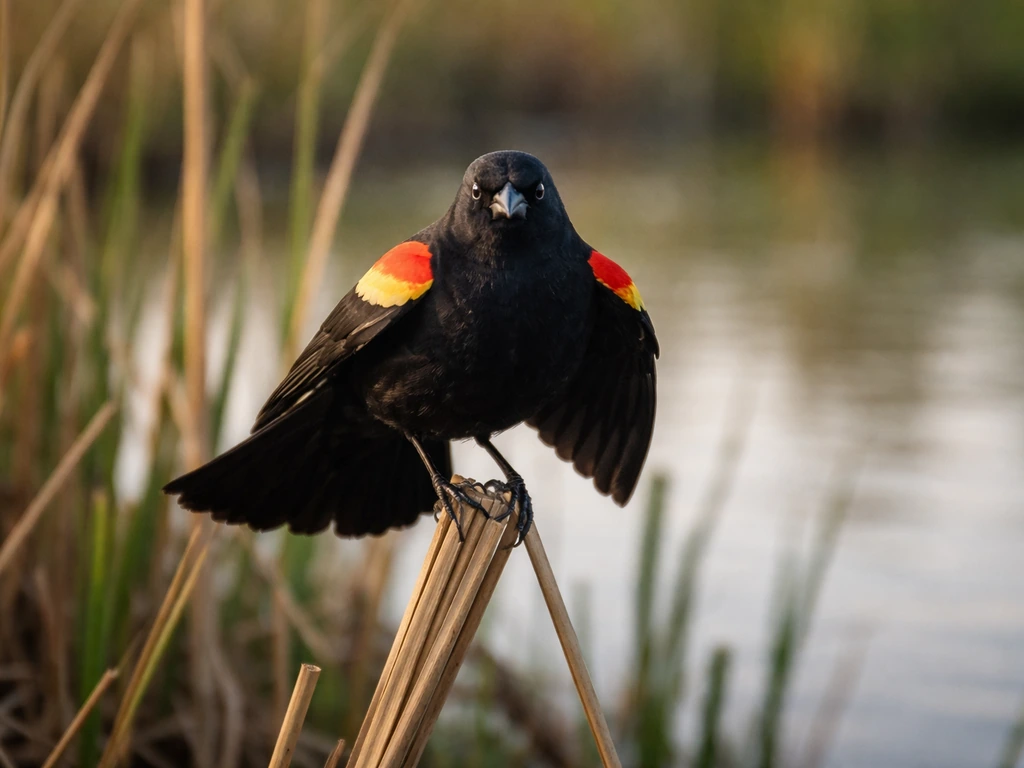
Most birds will flee from a person before they ever consider attacking. But a handful of species are genuinely wired to defend their territory or young aggressively, and they'll come straight at you.
Red-winged blackbirds are one of the most commonly reported attackers in North America. Both males and females defend nests actively during breeding season, and they'll dive-bomb from behind without warning. Their peak aggression runs roughly late May through early July. Northern mockingbirds are another species known for boldly attacking anyone who walks near a nest, whether that's on a park shrub or a building ledge. Canada geese, especially mothers with goslings or a bird on a nest, will hiss, charge, and flail their wings hard enough to knock a person off balance. Tern colonies respond with coordinated dive-bombing when people walk through nesting areas. Birds of prey like red-tailed hawks and great horned owls will occasionally strike intruders near nest sites. Even smaller birds like robins and blue jays can become surprisingly aggressive during the nestling period.
Birds that almost always flee rather than fight include sparrows, finches, warblers, most doves, and migratory species just passing through. If a bird isn't defending a nest or a food source, it's almost certainly going to fly away before it gets within striking distance of you.
What actually triggers a bird to attack
Nesting season is the single biggest driver of bird aggression toward people. Birds are most aggressive during the nestling period, which is roughly the two weeks between hatching and when the young leave the nest. During this window, parent birds are at their highest alert and will treat almost any nearby movement as a threat.
Getting too close to a nest is the most reliable way to trigger an attack. The exact "safe" distance varies by species, but if a bird is staring at you, vocalizing, or shifting its body toward you, you've already entered the danger zone. Hovering or lingering nearby makes things worse because the bird can't distinguish between a curious person and a predator.
Territory and food also play roles. Canada geese, for example, can become increasingly stressed and aggressive as they protect both nests and goslings in public parks where people feed them regularly. Feeding waterfowl habituates them to close human contact and removes the natural distance that keeps encounters calm. A mother bird attacking you is almost always a territorial response driven by proximity to young, not random aggression.
Pets and children trigger attacks more often than adults do, partly because of their size and partly because of their movements. A dog sniffing around a ground-level nest or a child running near a goose with goslings reads as a direct threat to a nesting bird. Cornering a bird, either literally or by blocking its escape route, is another reliable trigger even outside nesting season.
Warning signs to watch for before it escalates
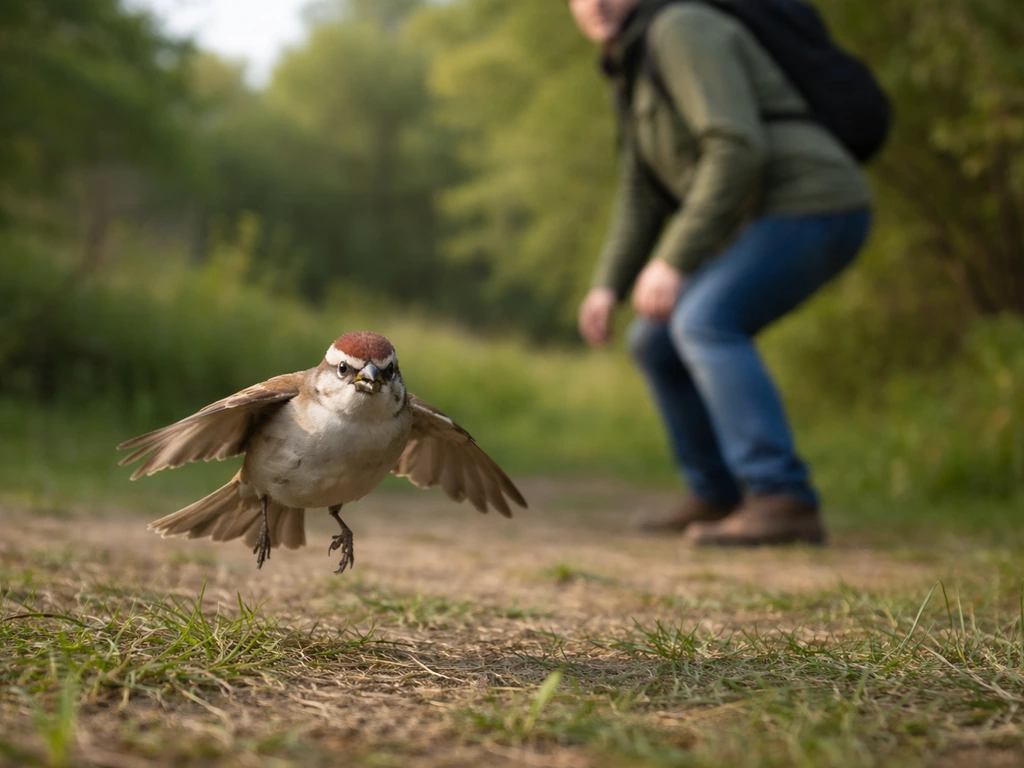
Birds rarely attack without giving signals first. The problem is that most people don't recognize those signals until they're already in the middle of a dive. Learning to read them gives you time to back off before anything happens.
- Alarm calls or loud, repetitive vocalizations directed at you specifically
- The bird making itself look larger: bill raised, head extended, wings raised or spread, tail fanned, feathers puffed out
- A crouching posture combined with fanned wings or tail, which signals an impending charge
- Head-bobbing or neck-extending toward you, which is a direct threat display
- Repeated low passes overhead without landing, known as a "buzz" pattern
- Hissing in geese or other large waterfowl, often paired with a lowered head and spread wings
- The bird following your movements with its body even when you're still
If you see any of these, don't wait to see what comes next. Back away slowly and calmly. The bird is giving you a chance to leave. Take it. If you're curious about whether a bird is reacting to you specifically versus just being territorial with other birds nearby, check out the signals covered in this guide on how to tell if a bird hates you, which breaks down those behavioral cues in more detail.
What to do during an encounter: step by step
The goal during any bird encounter is to reduce the perceived threat as quickly as possible without doing anything that escalates it further. Here's how to handle it depending on who's involved.
For adults

- Stop moving suddenly. Freeze for a moment so the bird can register that you're not lunging at it.
- Face the bird so it can see your eyes. Don't turn your back, which is exactly when birds like red-winged blackbirds will strike.
- Back away slowly in the direction you came from. Don't run.
- Avoid waving your arms or making sudden gestures. Keep your movements calm and predictable.
- If the bird is actively diving at your head, raise one arm or hold something (a bag, jacket, umbrella) above your head as a barrier while you back away.
- Once you're clear of the area, keep going. Don't return to watch or photograph the nest from the same spot.
For children
Kids tend to panic and run, which triggers birds to pursue. If you're with a child during an encounter, calmly pick them up or move them behind you. Speak to them in a low, steady voice to keep them from bolting. Don't yell, which can startle both the child and the bird further. Walk away together at a normal pace.
For pets
Keep dogs on a short leash when walking near known nesting areas in spring and early summer. If a goose or other bird is charging your dog, shorten the leash, move between the bird and the dog, and walk away firmly but without running. Don't let your dog investigate a nest even if it seems harmless. For small dogs or cats, pick them up if a bird is actively diving. Raptors, particularly in open areas, can view small pets as prey rather than a territorial threat, which is a different dynamic entirely.
Common real-world scenarios and how to handle each
A bird dive-bombing you on a trail or path
This is almost always a red-winged blackbird or mockingbird protecting a nearby nest. Don't swat at the bird. Hold something above your head, face the direction of the attack so it can see you, and walk out of the area without running. Once you're 20 to 30 feet away, the bird will usually stop. If this is a route you use regularly, find an alternate path for the next few weeks. If a bird swoops you repeatedly, the guide on what to do when a bird swoops you walks through exactly this scenario with additional tips.
Aggressive geese at a park
Never feed the geese, which removes their natural wariness and makes future encounters more dangerous. Canada geese signal stress through honking, lowering their heads, and spreading their wings into an aggressive posture. If you see those signs, don't make eye contact in a staring contest, don't turn and run, and don't corner the bird. Walk away calmly at an angle. If you're in an area where geese are regularly aggressive, contact your local wildlife management agency. Discouraging geese from an area requires a tailored approach based on the season and site, which is something your local DNR biologist can advise on.
A bird attacking your window repeatedly
This is usually a territorial male seeing his own reflection and treating it as a rival. It's not aggression toward you. You can reduce or stop it by breaking up the reflection on the outside of the glass with film, tape strips, or hanging objects. The behavior typically peaks during breeding season and then subsides.
Raptors over a yard or open area
A hawk or owl circling low and vocalizing near your yard is likely nesting close by. Keep small pets inside or supervised during daylight hours in early spring and summer. Don't approach a nest site. If you see a raptor staring at you or beginning a low approach, back away slowly and give it as much distance as possible.
Starlings or blackbirds near a roost
Large roosts of starlings or blackbirds in trees near homes or public spaces can create stress on both sides. These birds generally won't physically attack people, but they will create significant noise, mess, and nuisance. The problem with roosts is usually managed at the property or landscape level rather than during a single encounter. That's covered more in the prevention section below.
The real injury risk: bites, scratches, and infection

Most bird encounters that turn physical result in minor scratches or a hard peck rather than a serious bite. That said, the injury risk is real enough to take seriously, especially with larger birds like geese, swans, or raptors, which have enough force to break skin or leave bruises.
If a bird scratches or bites you and breaks the skin, wash the wound immediately with soap and water. Multiple health sources recommend doing this thoroughly and promptly before applying any bandage. If bleeding doesn't stop with direct pressure, seek medical care. For deeper wounds, wounds on the face, hands, fingers, head, or feet, or any wound that looks infected (redness spreading, warmth, pus), contact a healthcare provider promptly. These locations carry higher infection risk and may need professional evaluation.
Tetanus is worth thinking about. Wounds that contain dirt, feces, or saliva, which bird bites and scratches often do, require a tetanus-risk assessment. If you're not up to date on your tetanus vaccination and a bird has broken your skin, that's a reason to check in with a healthcare provider. Antibiotics are not automatically needed for every bird bite, but a doctor or nurse practitioner can advise based on the specific wound. CDC provides clinical guidance for wound management to prevent tetanus, including prompt observation and treatment of infected wounds and following immunization recommendations.
In general, the risk of serious illness from a bird attack is low for healthy adults. The more realistic concern is a wound getting infected from bacteria on the bird's beak, talons, or feathers, which is why cleaning the wound right away matters more than anything else.
For a more detailed walkthrough of what to do immediately after a physical encounter, including steps for calming down the situation and checking for injuries, see this guide on what to do if a bird attacks you.
Preventing repeat problems
If you've had one aggressive encounter with a bird in a specific location, there's a good chance you'll have another unless something changes. The good news is that most of these situations are seasonal, and you have real options.
Give it time and distance
For most nesting situations, the aggression window is short. Experts suggest avoiding the specific area of a bird of prey or seabird threat for at least six weeks, which roughly covers the period from active nest defense through fledging. For smaller backyard nesters, the nestling period is often closer to two weeks. After the young leave the nest, the behavior almost always stops on its own.
Adjust feeders and food sources
Feeders placed too close to shrubs or dense plantings give nesting birds easy cover and put you in their territory every time you refill them. Moving feeders farther from likely nest sites, or temporarily taking them down during peak nesting season, reduces the conflict. For geese specifically, stop feeding them entirely. It's genuinely not a good idea to feed geese in public spaces: it habituates them to people, keeps them in areas where conflict is more likely, and increases the population over time.
Use visual deterrents, not harmful ones
For geese and other birds that are making a property unusable, visual deterrents can help. Examples include scarecrow-style decoys, mylar balloons on poles, and other objects that move or reflect light. These work best when rotated regularly so birds don't habituate to them. Physical barriers like fencing along water edges can also deter geese from establishing a nesting area in the first place. None of these options harm the birds.
Know the law before you do anything else
Under the Migratory Bird Treaty Act, it is generally unlawful to disturb, relocate, or destroy the nests or eggs of migratory birds without a federal permit. This covers the vast majority of songbirds, raptors, shorebirds, and waterfowl in the U.S. That means moving a nest, destroying eggs, or otherwise interfering with an active nesting site is off the table in most situations, regardless of how inconvenient the location is. If a nesting situation is genuinely dangerous, the right move is to contact your state's wildlife agency or a licensed wildlife control professional who can advise on what is and isn't permitted in your specific case.
When to report
If a bird has physically attacked someone, especially a child, or if aggressive behavior is happening repeatedly in a public area, report it to your local park authority, wildlife agency, or animal control. In cases of an actual attack or a near-attack in a public space, calling 911 is appropriate. Wildlife managers can assess whether any intervention is warranted and handle it in a legal and humane way. Don't try to resolve it yourself by harassing or relocating the bird.
| Species | Attack style | Peak season | Main trigger | Best response |
|---|---|---|---|---|
| Red-winged blackbird | Dive-bomb from behind | Late May to early July | Nest proximity | Face the bird, cover your head, back away |
| Canada goose | Hissing, charging, wing strikes | March to June (nesting) | Nest/gosling defense | Back away calmly, don't run or feed |
| Northern mockingbird | Repeated dive-bombing | Spring and summer | Nest proximity | Hold something above your head, leave the area |
| Red-tailed hawk / owls | Talon strike from above | Spring nesting | Nest territory | Move away, keep pets inside |
| Tern colonies | Coordinated dive-bombing | Nesting season | Walking through colony | Leave immediately, don't linger |
| Swans | Wing strikes, biting | Year-round, worst in spring | Nest/cygnet defense | Back away, don't approach from water side |
FAQ
Can I move a nest or scare the bird away permanently if it keeps attacking?
In the US, the Migratory Bird Treaty Act generally makes it illegal to move, destroy, or relocate an active migratory bird nest or eggs without a federal permit. Even if the nest is causing trouble, the safer next step is contacting your state wildlife agency or a licensed wildlife professional to confirm what you can do at that exact site and time of year.
What should I avoid doing when a bird is attacking, so it does not get worse?
You should not try to “teach it a lesson.” Swatting, throwing objects, or chasing a bird usually increases defensive behavior and can escalate from a dive or peck to a more forceful strike. The practical approach is to back away slowly, give the bird space, and remove the trigger (for example, keep pets away or change your walking route).
If a bird attacked me once at a specific location, will it keep happening?
A single aggressive bird in a specific spot often returns in the same season, but it may also be tied to a nest you cannot see. The best prevention is to change routes temporarily, keep people and pets at a distance, and avoid lingering in the area until the nestling period is over (often about two weeks for smaller birds, longer for some species).
How do I handle it if a bird keeps swooping repeatedly and I cannot tell how close “too close” is?
If a bird makes repeated low passes, the “distance rule” matters more than eye contact. Do not stand your ground or try to watch it from close range. Back away calmly at an angle and increase distance until the bird stops engaging, then leave the area and keep children and pets behind you.
Is it only geese that become more aggressive if people feed them?
Feeding can increase conflicts not only with geese, but also with other species that start associating people with food or approach opportunities. If you notice birds acting unusually calm around people near feeders, move feeders away from dense shrubs and consider pausing feeding during peak nesting weeks.
Can a bird attack me outside nesting season, and how can I tell why it is acting aggressive?
Yes. Even outside nesting season, a bird can be defensive if it is guarding a resource, such as a specific food patch, a roost site, or a visible juvenile nearby. Look for context cues like staring, vocalizing, and body shifts toward you, then treat it as a territorial response and back off.
What signs mean I should seek medical care after a bird scratch or peck?
If blood is present or the skin is broken, clean promptly with soap and water, apply pressure if needed, and watch for infection. Extra caution is warranted for wounds on the hands, face, fingers, head, or feet, or if you suspect dirt or feces contamination, because these often need faster medical evaluation.
Do I need to worry about tetanus after a bird attack?
Tetanus is worth checking when a bird bite or scratch breaks skin, especially if the wound is contaminated with bird matter. If your tetanus shots are not up to date, prompt medical advice can determine whether a booster or additional prevention is needed.
How can I tell whether my problem bird is protecting a nest versus attacking its reflection?
If the bird is attacking because of nesting, reflection aggression can look similar at windows, but the typical fix differs. For reflections, break up the mirror-like view on the glass using film, tape strips, or hanging objects. If you are seeing dives that intensify near a specific spot outside, assume nesting defense and increase distance instead of focusing on the window.
What if I am not getting attacked one-on-one, but there are big roosts near my home that make everything stressful?
For roost areas, the goal is nuisance reduction rather than one-time encounter management. If large groups near your home are creating ongoing noise or mess, use property-level strategies such as habitat modification (for example, removing favored perching spots) rather than confronting the birds individually during each day’s buildup.
What is the best way to pass through a known dive-bombing area without triggering an attack?
If you are forced to pass through an area where dive-bombing happens, treat it like a temporary hazard zone. Choose an alternate route if possible, move through the area quickly without running, and keep distance from any shrubs or ledges where nests are likely.
Who should I report repeated bird aggression to, and should I handle it myself?
If you encounter aggression that is repeated in a public area, especially involving an actual attack or a child, reporting helps wildlife managers assess risk and timing. Contact park staff, local animal control, or your wildlife agency, and avoid harassment or relocation attempts yourself.
Next Article
Bird Causes Plane Crash? Risk, Mechanisms, Myths, Prevention
Whether bird strikes can cause plane crashes, how they happen, real risk data, debunked myths, and prevention steps