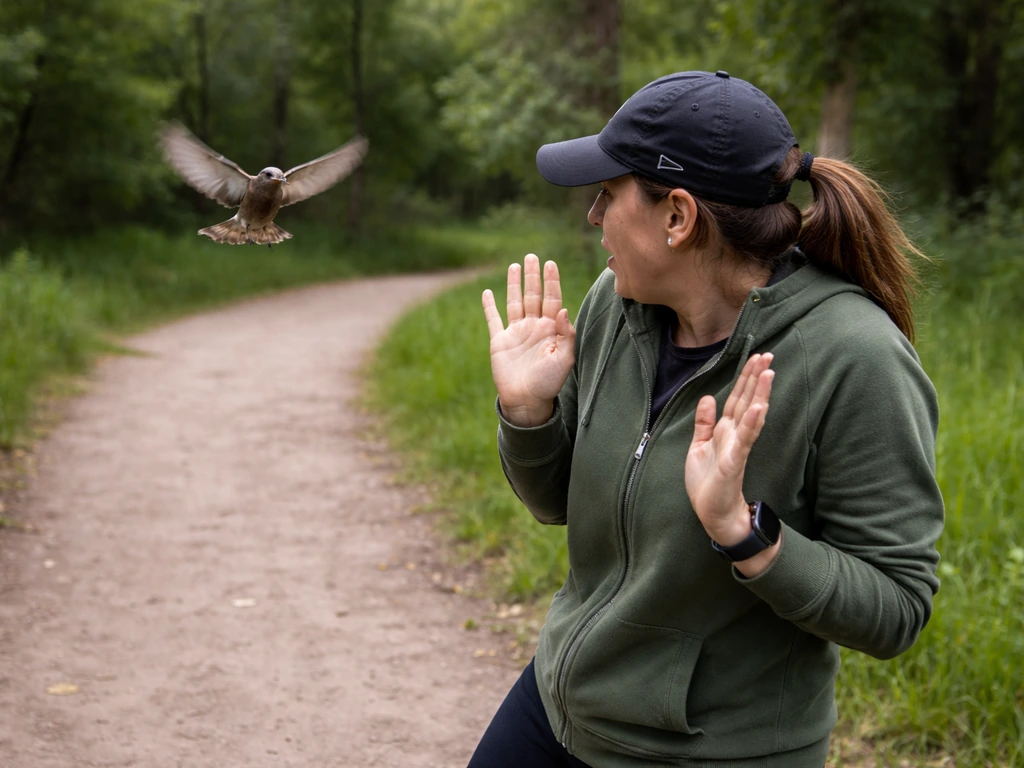
If a bird just attacked you, the first thing to do is get yourself out of the situation without making it worse. If you’re wondering will a bird attack you, the key is to recognize common triggers like nesting season and avoid getting too close a bird attacked you.
What to Do If a Bird Attacks You: First Aid and Next Steps
Maya Chen
18 Apr 2026

After you do that, you can follow a step-by-step plan for what to do when a bird swoops you so you stay safe and focused on next actions get yourself out of the situation. Back away calmly and put some distance between you and the bird. Running or swatting at it can escalate the attack, and most birds will stop pursuing once you've moved far enough from whatever they were defending.
Once you're clear, the next priority is your wounds, even if they look minor.
What to do in the first few minutes
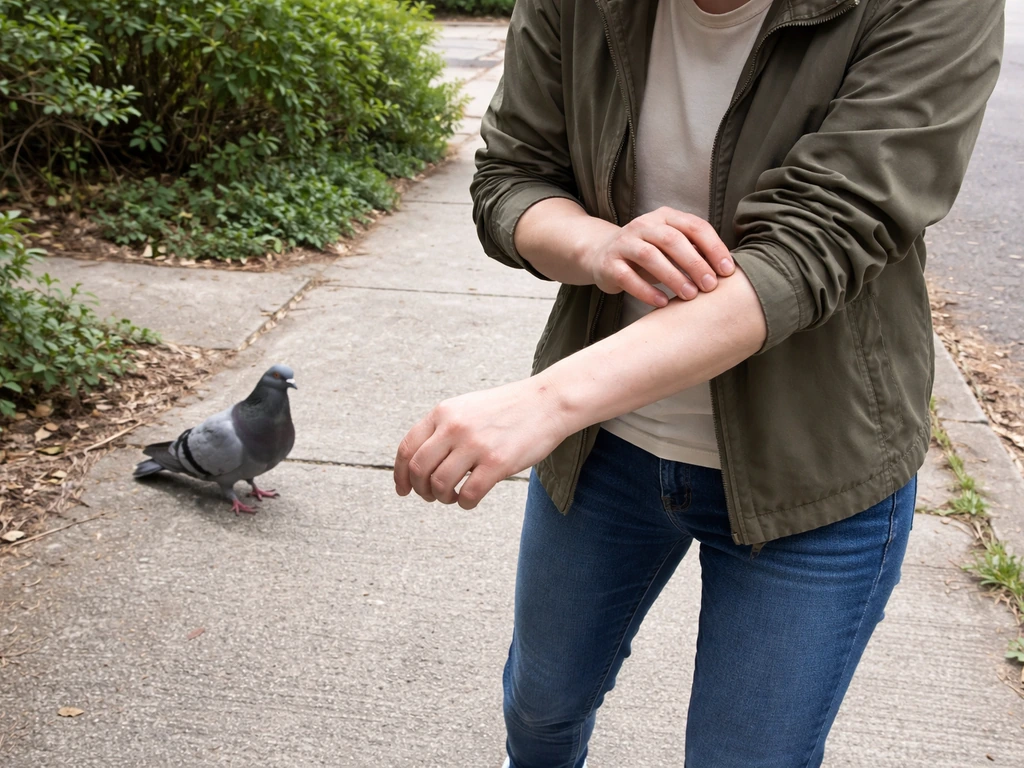
As soon as you're safe and away from the bird, take stock of your injuries. Even small pecks and claw scratches can break the skin, and that's enough to warrant real first aid. Here's the immediate sequence:
- Move away from the bird slowly and deliberately. Don't flail your arms or try to grab it.
- If you're bleeding, apply firm pressure with a clean cloth or bandage and hold it there until the bleeding slows or stops.
- Once bleeding is under control, get to a sink and wash the wound thoroughly with soap and running water for at least 5 to 20 minutes. This is the single most important step you can take right now.
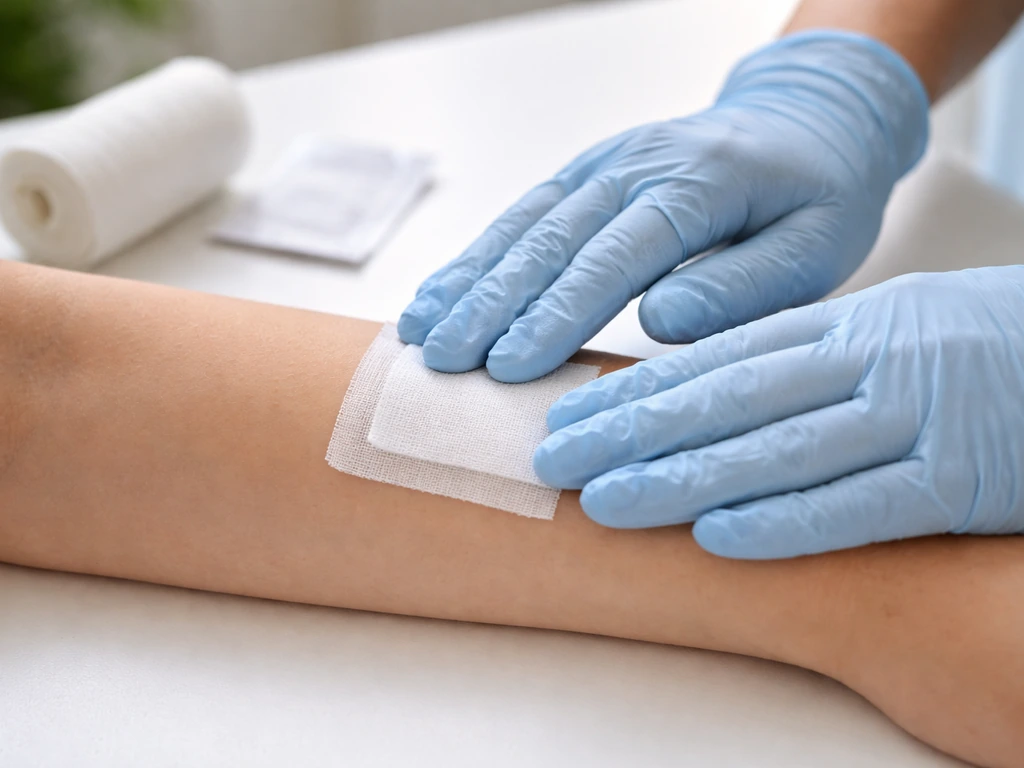
- Cover the cleaned wound loosely with a fresh bandage.
- Write down what happened: the type of bird if you know it, where the attack occurred, and the time. This will matter if you need medical care later.
The washing step really does matter that much. Running water under faucet pressure for at least 5 minutes (and ideally closer to 20 minutes for puncture wounds or deeper scratches) is the most effective immediate defense against infection. The CDC Yellow Book advises cleaning bite and scratch wounds as soon as possible by washing with soap and running water for at least 20 minutes to help reduce infection risk wash the bite or scratch wound with soap and running water for at least 20 minutes. Don't shortchange it just because the injury looks small.
How to clean the wound at home
Wash the wound with plain soap and clean running water. That's it. Don't scrub hard, which can damage tissue and actually slow healing. Just let the water flow over the wound while working mild soap gently around the area.
One important thing to skip: hydrogen peroxide and rubbing alcohol. A Reddit Explain Like I’m Five thread also discusses why hydrogen peroxide is not recommended for routine wound care and notes the common belief that it helps. They feel like they're doing something, but both can damage the tissue cells you need for healing and aren't more effective than soap and water for preventing infection. Kaiser Permanente and the American Red Cross both flag this as a common mistake. Soap and water is the right call.
After cleaning, pat the area dry gently and apply a fresh bandage. If you have antibiotic ointment, a thin layer is fine before covering. Then monitor the wound daily. Signs of infection to watch for include increasing redness spreading from the wound, swelling that's getting worse rather than better, warmth around the site, pus or unusual drainage, and fever. If any of those show up, don't wait, contact a healthcare provider.
When you need to see a doctor
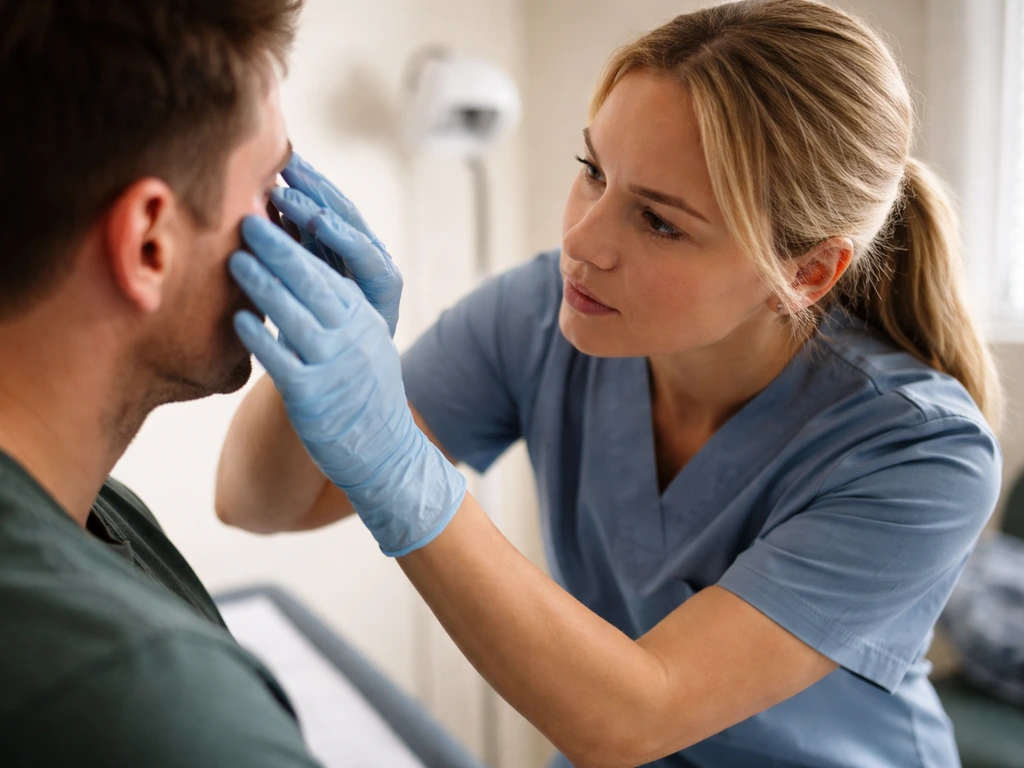
A lot of bird scratches and minor pecks can be managed at home if they're truly superficial. But there are clear situations where you should get medical attention, some of them urgently.
Go to an emergency room or urgent care right away if:
- The wound is on your face, near your eyes, or on your eyelids. Eye injuries from bird talons or beaks can be serious quickly.
- You can't get the bleeding to stop with direct pressure after 10 to 15 minutes.
- The wound is a deep puncture. Puncture wounds are deceptive because they don't always bleed much, but they're at higher risk for infection and need proper evaluation.
- You're not sure how serious the injury is. If you're questioning it, that's enough reason to get checked.
- The wound is large or gaping and may need stitches.
- You haven't had a tetanus shot in the past five years, especially if the wound is deep or dirty. A booster may be recommended.
MedlinePlus guidance suggests getting medical attention within 24 hours for any animal bite that breaks the skin, even if it seems minor. That's a reasonable rule of thumb to follow. If you had any skin-breaking contact with a wild bird, a call to a nurse line or a quick urgent care visit is a sensible move, not an overreaction.
Also watch yourself in the days following the attack. If you develop fever, chills, red streaks spreading from the wound, or increased pain and swelling after the first day or two, those are infection warning signs and you should contact a provider promptly.
What about disease risks: rabies, psittacosis, and other concerns
This is an area where a lot of people either overreact or underreact, so let's be specific about what's realistic.
Rabies from birds
Birds do not carry or transmit rabies. This is confirmed by public health authorities including DC Health, the CDC, and the WHO. Rabies is a mammal disease. If a wild bird scratched or bit you, rabies is not a concern and you don't need to pursue post-exposure prophylaxis (PEP) for it. That said, if the attack somehow involved a bat at any point, the calculus changes completely and you should contact your health department immediately.
Psittacosis
Psittacosis is a bacterial infection caused by Chlamydia psittaci, and it's a real bird-to-human zoonotic risk, though not from a scratch or peck the way most people imagine. It spreads primarily through inhaling dried bird droppings or respiratory secretions, not through bite wounds. It's associated with pet birds and poultry and presents with symptoms similar to pneumonia, usually appearing 5 to 14 days after exposure. If you handle birds regularly or had significant contact with bird droppings and develop a respiratory illness in the following two weeks, mention it to your doctor. For a one-time outdoor encounter with a wild bird, the risk is very low.
Histoplasmosis
Histoplasmosis is a fungal lung infection linked to disturbing soil or organic matter containing bird or bat droppings, not from a bird attack itself. If the attack happened in an area heavily contaminated with bird droppings and you stirred up a lot of dust, it's worth being aware of. Symptoms usually develop within 3 to 17 days and include fever, cough, and fatigue. Mention the exposure to a doctor if symptoms develop.
Bacterial infection from the wound itself
This is actually the most realistic concern after a bird attack. Bird beaks and talons carry bacteria, and any wound that breaks the skin is a potential entry point. This is why thorough washing and monitoring for infection signs matters so much. Tetanus is also worth considering: if your last tetanus booster was more than five years ago and you have a deep or dirty wound, a booster is typically recommended. Talk to a healthcare provider about your vaccination history.
What to do about the bird
In most cases, the right move with the bird is to leave it alone. If it attacked you, it almost certainly had a reason: protecting a nest, defending territory, or feeling cornered. That behavior makes it unpredictable and potentially dangerous to approach again.
Don't try to catch, handle, or restrain the bird yourself. Even injured birds can scratch and bite hard, and handling a wild bird without proper equipment and training puts both you and the animal at risk. If the bird appears to be injured and you feel it needs help, contact your local wildlife rehabilitator or animal control agency. In situations involving a bird that's acting dangerously aggressive (beyond typical territorial behavior) or appears neurologically compromised, you can contact your state's wildlife enforcement office or call 911 if there's an immediate public safety concern.
If you're not sure whether the attack was territorial or something else, that's worth thinking through. Birds that attack repeatedly, in an unusual way, or that seem disoriented are more concerning than a nesting bird doing exactly what nesting birds do. A wildlife official can help you assess the situation from a safe distance.
How to avoid another attack in the same area
Once you've dealt with the immediate situation, it's worth figuring out why the attack happened so you can avoid a repeat. Most bird attacks follow predictable patterns.
Identify what triggered it
The most common reason birds attack people is nesting season. Many species, including mockingbirds, red-winged blackbirds, and geese, become highly defensive when they have a nest nearby. If the attack happened in spring or early summer near a shrub, tree, or ground area, there's almost certainly a nest you didn't see. Other triggers include getting too close to a feeding area, cornering a bird that can't escape, or surprising a bird at close range.
Change how you move through that space
If you need to pass through the area again, here are practical adjustments that actually help:
- Give the area a wider berth. If birds are acting agitated when you approach, you're too close. Back away slowly.
- Wear a hat. Many swooping birds target the top of the head, and a hat provides real protection.
- Don't make eye contact with the bird or face it directly. Moving through without engaging tends to reduce escalation.
- Avoid the area during peak nesting activity if at all possible. Most territorial behavior is temporary and tied to specific nesting cycles.
- Keep dogs on a leash and away from areas where birds are resting or nesting.
- Don't feed wild birds in the area. Feeding concentrates birds and increases the chance of conflict, especially with species like geese or gulls that quickly lose their wariness of people.
- If you're consistently passing through the same spot and the bird keeps targeting you, try varying your route until nesting season ends.
The bird's behavior is also worth paying attention to as a signal. If you want to understand what the bird's behavior is really saying, this guide on how to tell if a bird hates you can help you read the signs early. If it's perched nearby and calling loudly, that's a warning. If it dives or swoops, that's escalation.
Reading those earlier cues gives you time to change course before contact happens. Understanding why birds attack in the first place is genuinely useful here, and knowing that a mother bird defending a nest is doing exactly what it's supposed to do can help you respond more calmly and effectively instead of reacting in a way that makes things worse.
If you are wondering will a mother bird attack you, it often comes down to how close you get during nesting season and whether the bird feels cornered a mother bird defending a nest.
The short version: your action checklist
If you want a quick reference to come back to, here's the sequence in plain terms: If you're wondering will a bird attack you again, the biggest triggers are nesting season, getting too close, and moving through its territory too fast.
- Back away calmly from the bird to stop the attack.
- Apply pressure to any bleeding wound with a clean cloth.
- Wash the wound with soap and running water for at least 5 to 20 minutes. No hydrogen peroxide or alcohol.
- Cover with a clean bandage.
- Decide whether you need medical care: deep puncture, face or eye injury, uncontrolled bleeding, uncertain severity, or outdated tetanus vaccination all mean yes.
- Monitor for infection signs over the next few days: spreading redness, swelling, drainage, fever.
- Leave the bird alone. Contact wildlife authorities if it's injured or a repeated public safety concern.
- Identify the trigger and adjust your behavior in the area to avoid a repeat encounter.
FAQ
What if the bird attack caused bleeding, should I still wash the wound immediately?
If blood is present, stop the bleeding first with steady pressure using clean gauze or a clean cloth, keep the pressure on for several minutes, then wash the wound as soon as you can. Seek care urgently if bleeding will not stop after about 10 to 15 minutes of firm pressure, or if the wound is deep, gaping, or on the face, hand, genitals, or over a joint.
How do I tell if a small peck or scratch might still be serious?
If the puncture is small but you feel increased pain, numbness/tingling, reduced movement, or you see a significant bruise around the site, get medical evaluation. Hand and finger injuries are especially important to assess because bites and claw wounds there can involve deeper structures even when the skin opening looks minor.
Should I remove jewelry or soak the wound after a bird scratch?
Remove rings, watches, or tight items right away before swelling starts, especially if the injury is on a finger or wrist. Keep the area elevated when possible, and avoid soaking the wound (no baths or swimming) until it is fully healed.
If tetanus might be needed, how do I know whether I should go get a booster?
Yes, some people need tetanus protection based on the wound and their last booster. If you cannot remember when your last tetanus shot was, or it was more than 5 years ago for a deep or dirty wound, contact urgent care or a clinician for guidance on a booster.
How should I dress and change the wound over the next few days?
Apply a thin layer of antibiotic ointment only if you have it and the skin is clean, then cover with a fresh sterile bandage. Change the bandage daily or any time it gets wet or dirty, and do not keep reapplying ointment repeatedly without re-cleansing.
When should I stop monitoring at home and get medical help?
If you develop new fever, worsening redness that spreads, pus or foul drainage, increasing swelling after the first day, red streaking up the limb, or severe pain that is not easing, contact urgent care promptly. For rapidly spreading symptoms, significant swelling in a hand/face, or trouble moving the injured area, go the same day.
Does a bird attack ever mean I need rabies shots?
If you were scratched or pecked by a wild bird, rabies is not the concern you would have with bats or mammals. However, if a bat was involved at any point (even briefly), or you suspect contact with a bat, contact your local health department immediately for the correct next steps.
Does it matter whether the bird was wild or a pet for what I should do next?
If the bird was a pet (owned or handled), contact the owner or facility and ask about the bird’s health and veterinarian status, then still follow the wound-care and infection-monitoring steps. If the bird was wild, do not try to trap or examine it, and rely on medical evaluation based on the wound and your symptoms rather than the bird’s appearance.
What if bird droppings got into the wound or I inhaled them near the attack?
If you accidentally got bird droppings or dust into an open wound, wash the wound thoroughly with running water and mild soap, then consider calling a clinician for advice, especially if you have significant contamination or respiratory symptoms later. For breathing symptoms like cough or fever developing 5 to 14 days after heavy droppings exposure, tell your doctor about the exposure.
If the bird seems injured or won’t leave, what should I do safely?
Do not chase the bird, throw objects, or attempt to capture it, even if it looks injured. From a safe distance, back away and keep others away, then call local wildlife rehabilitators or animal control if the bird cannot fly, appears unable to coordinate, or poses an immediate risk to people.
If it might happen again, what practical changes reduce the risk?
If the attack happened near your home repeatedly, especially during nesting season, treat it like a territorial defense and adjust your route. Change direction early, give the area a wide berth, and avoid stopping under the nest or beside dense shrubs where birds feel trapped.
What details should I record after a bird attack in case I need care later?
After you are clear of the bird, take photos of the wound if it is safe and before bandaging, note the time of injury, and write down your last tetanus shot date. This helps clinicians decide on treatment and compare how the wound changes over the following days.