
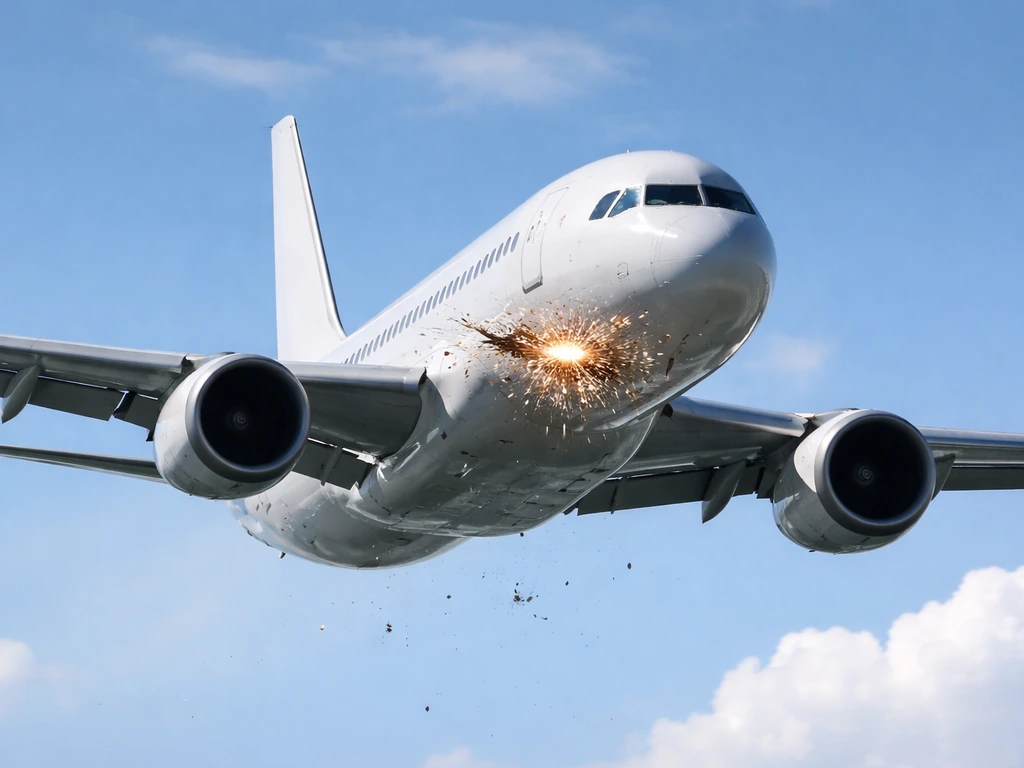
Yes, birds can cause plane crashes, but it's rare and the circumstances matter a lot. A single small bird rarely brings down an aircraft on its own. What actually causes accidents is a combination of factors: the size and number of birds, which part of the aircraft they hit, the phase of flight, and how the crew responds. The most dangerous scenario is multiple large birds ingested into one or both engines during takeoff or climbout, when the plane is slow, low, and has no margin for error.
Bird Causes Plane Crash? Risk, Mechanisms, Myths, Prevention

Maya Chen
28 May 2026
Can birds really crash a plane?
Bird strikes happen far more often than most passengers realize. The FAA's Wildlife Strike Database has logged hundreds of thousands of reported strikes since tracking began in 1990, and that almost certainly undercounts reality since many minor strikes go unreported. In the FAA Wildlife Strike Database analyses, outcomes are characterized using factors like whether damage occurred and the reported blank" rel="noopener noreferrer">phase of flight. But a strike and a crash are very different things. The overwhelming majority of bird strikes cause no damage at all, a cracked windshield, a dent in the nose cone, or feathers on the landing gear. Actual accidents where a bird strike is the primary cause represent a small fraction of all aviation incidents.
That said, the risk is not zero and it's not theoretical. The 2009 US Airways Flight 1549 ditching in the Hudson River is the most famous example: a flock of Canada geese was ingested into both engines on climbout from LaGuardia, causing total thrust loss. The crew executed a textbook emergency landing on the river and everyone survived, but it was unambiguously a bird-caused accident. So the honest answer is: birds can and do cause crashes or forced landings, but modern aircraft design, crew training, and airport wildlife management keep the odds very low.
How bird strikes escalate into accidents
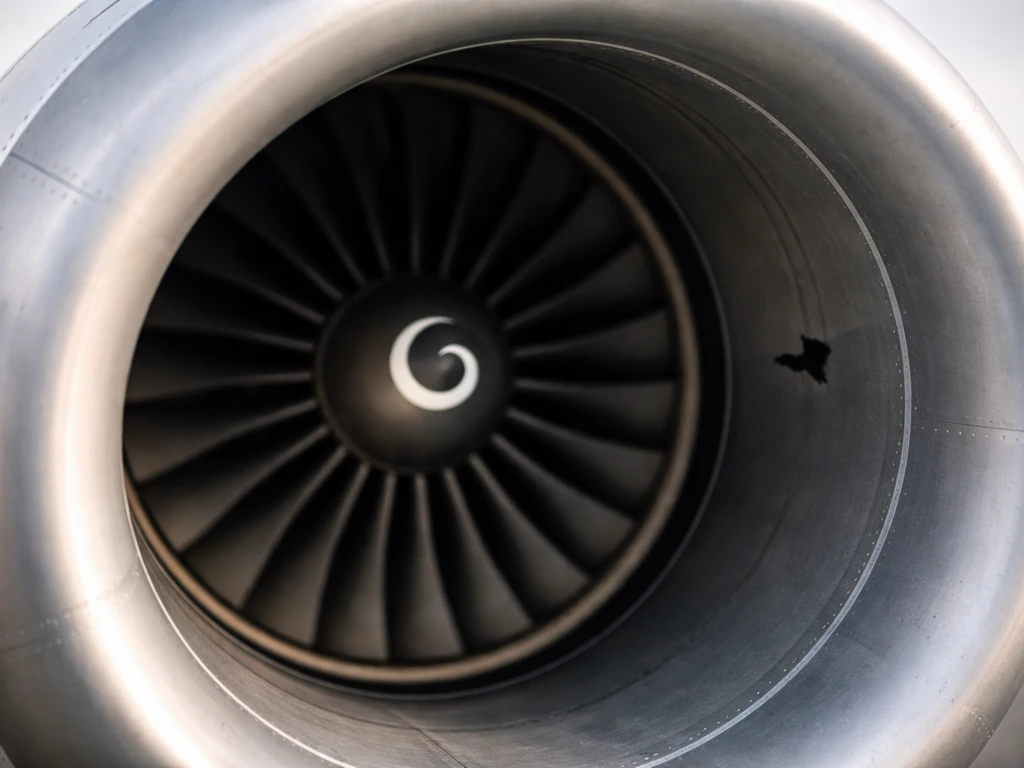
The mechanism matters. A bird hitting the fuselage or tail is usually cosmetic. A bird going through a jet engine is a different problem entirely.
Engine ingestion
Jet engines are certified to handle bird ingestion up to specific sizes and quantities, but those limits can be exceeded. When a large bird or a flock enters an engine, the fan blades can fragment, compressor stages can stall, and the engine can flame out or catch fire. A single-engine loss on a multi-engine jet is survivable and crews train for it constantly. Dual-engine loss, which is what happened on Flight 1549, is the nightmare scenario and extremely rare even among all bird strike events.
Windshield and airframe strikes
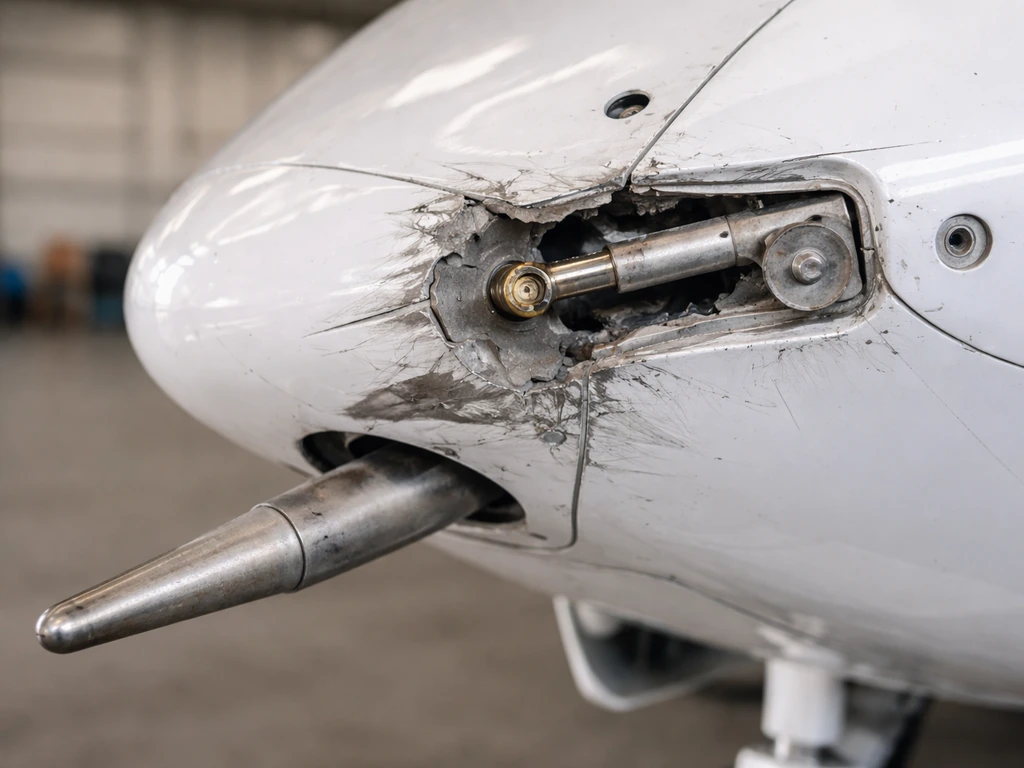
A large bird hitting a cockpit windshield at cruise speed can shatter it, injure or incapacitate a pilot, and cause rapid decompression at altitude. This has caused fatal accidents, including the 1962 crash of a turbojet trainer and several regional aviation incidents. Windshields on modern airliners are rated for bird impact, but the physics of a 10-pound goose at 250 knots is substantial.
Loss of control and cascading damage
Strikes can also damage flight control surfaces, pitot tubes (which measure airspeed), or fuel systems. Any one of these, combined with a crew distracted by an engine event, can escalate into an accident through cascading failures rather than a single catastrophic hit. This is why aviation investigators look at the full sequence of events, not just the initial strike.
Phase of flight makes a huge difference
FAA wildlife strike data consistently shows that most damaging strikes occur during approach, landing roll, and especially takeoff and initial climb. At those phases the aircraft is flying slowly (less aerodynamic margin), close to the ground (no altitude to recover), and the engines are at high power (more vulnerable to ingestion). A strike at cruise altitude is usually less dangerous simply because the crew has time and altitude to deal with it.
Which birds and which situations are actually dangerous
Not all birds pose equal risk. The key variables are mass, flocking behavior, and where the birds are relative to the airport.
| Bird Type | Typical Weight | Risk Level | Why |
|---|---|---|---|
| Canada Goose | 8-14 lbs | High | Large, flocks, common near airports and water |
| White Pelican | 10-17 lbs | High | Very large, migratory flocks at altitude |
| Turkey Vulture | 4-5 lbs | Moderate-High | Large, soars at altitude, often solitary |
| European Starling | 2-3 oz | Moderate (in flocks) | Small individually but flocks of thousands can overwhelm engines |
| House Sparrow | 1 oz | Low | Small, rarely causes structural damage |
| Barn Swallow | 0.7 oz | Low | Very small, fast, typically avoid aircraft |
Migratory seasons (spring and fall) raise the baseline risk because bird activity at all altitudes increases significantly. Dawn and dusk are peak activity periods. Airports near wetlands, open fields, landfills, or bird roosting areas face higher baseline strike rates than those in urban cores or arid environments.
Myths about bird crashes worth correcting
There's a lot of folklore around this topic, some of it making people more scared than they should be, some making them less careful than they should be. Here are the ones that come up most often.
- Myth: One bird will crash a plane. Reality: A single small bird almost never causes a crash. The dangerous scenarios involve large birds, flocks, or critical hits to engines or windshields during vulnerable phases of flight.
- Myth: Bird strikes are rare. Reality: Reported strikes in the US alone run into the tens of thousands per year. Damaging strikes are less common, and crashes are rarer still, but strikes themselves happen constantly.
- Myth: Any large bird is guaranteed to be catastrophic. Reality: Engineered bird ingestion tests and real-world data show modern turbofan engines handle many large bird strikes without losing function. Certification standards require engines to survive certain ingestion scenarios.
- Myth: Pilots can always avoid birds by seeing them in time. Reality: Birds don't always show on radar, especially in clear weather. At typical approach speeds, a flock ahead gives the crew only fractions of a second to react.
- Myth: Bird crashes only happen to small planes. Reality: Flight 1549 involved an Airbus A320 carrying 155 people. Large commercial jets are not immune, though they are more structurally robust than light aircraft.
- Myth: Bird deterrents at airports are mostly for show. Reality: Active wildlife hazard management programs have measurably reduced strike rates at airports that implement them rigorously.
How aviation defends against bird strikes
Aviation has multiple overlapping layers of protection, none of them perfect on their own but effective together.
Aircraft design standards
FAA and EASA regulations require aircraft engines to be certified for bird ingestion. Turbofan engines must demonstrate they can ingest a 4-pound bird (medium-large) without catching fire or losing the ability to shut down safely. Windshields are tested for bird impact resistance. These standards have gotten stricter over time as real-world strike data has informed the rulemaking.
Pilot training and procedures
Crews train for engine failures on takeoff and for managing partial or total thrust loss. The Flight 1549 outcome was good partly because both pilots had extensive experience and followed their training under extreme pressure. Airlines also brief crews on seasonal bird activity at high-risk airports and adjust procedures accordingly.
Reporting systems
The FAA's Wildlife Strike Database collects voluntary reports from pilots, airlines, and airports. ICAO runs a parallel global system called the Bird Strike Information System (IBIS) that ties wildlife strike reporting into international aviation occurrence taxonomies. These databases are genuinely useful: they identify high-risk airports, species, and conditions so resources can be targeted. Underreporting is a known limitation, which is why both systems actively encourage submission even for minor incidents.
What airports and local communities can do
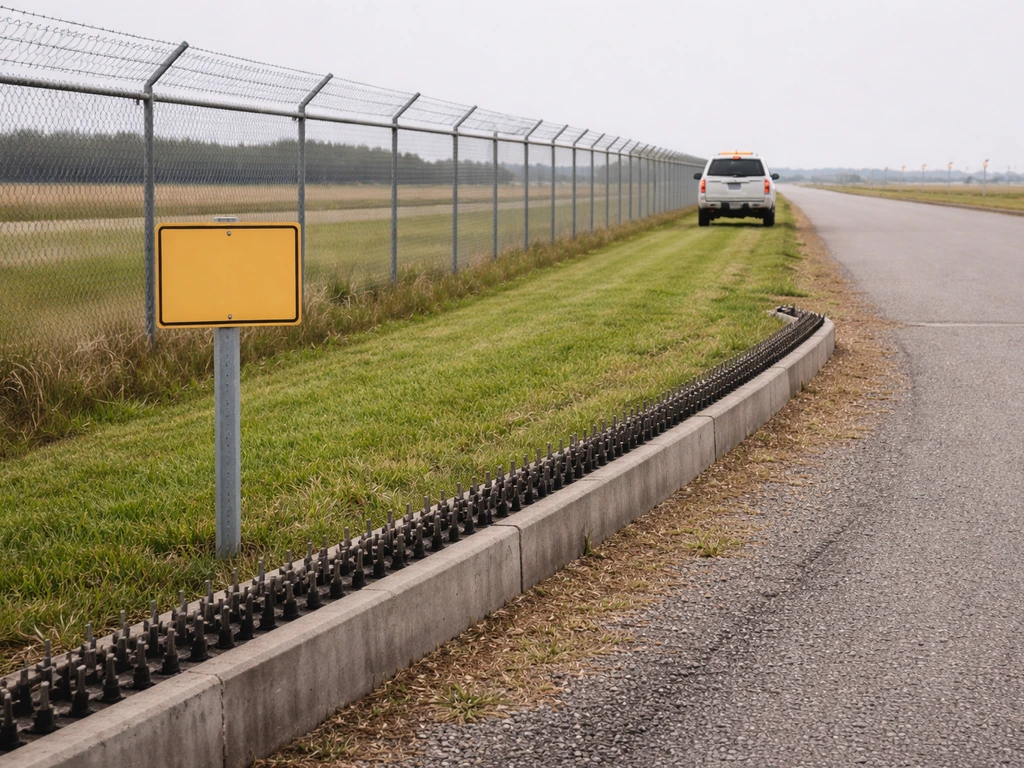
Airport wildlife hazard management is a formal discipline with its own FAA advisory circulars (AC 150/5200-36 covers wildlife hazard management plans). Large commercial airports in the US are required to have these plans if they have had a strike that caused an engine ingestion, multiple bird strike incidents, or damage to the aircraft. Here's what effective programs actually do.
- Habitat modification: Mowing grass to heights that reduce rodent and insect populations (which attract raptors), filling in standing water, and removing berry-producing shrubs from the airfield perimeter.
- Active dispersal: Trained wildlife staff using pyrotechnics (bird bangers and screamers), propane cannons, laser devices, and trained falconry birds to move wildlife off the airfield.
- Lethal control when necessary: When non-lethal methods fail to reduce strike risk, federally permitted wildlife professionals can lethally remove problem species. Canada goose culling programs near major airports are a real example.
- Radar monitoring: Some airports use specialized avian radar (like the Accipiter system) to detect and track bird flocks near runways in real time and alert air traffic control.
- Coordination with air traffic control: ATC can issue bird activity advisories (PIREPs) to incoming and departing aircraft based on observed bird concentrations.
- Community outreach: Working with landowners and municipalities near the airport perimeter to reduce bird-attracting features like open landfills, fish processing facilities, and ornamental fruit trees.
Local communities play a real role here. A landfill, a large pond, or a dense roosting tree line within a few miles of a runway can funnel birds onto approach and departure paths. Zoning decisions and land management near airports have measurable effects on wildlife strike rates.
What you can do if you're a bird owner or live near an airport
If you keep birds or just live near an active airport, there are concrete things you can do that actually help reduce strike risk. This isn't about blaming bird owners; it's about small changes that add up.
If you feed or keep birds near an airport
- Avoid feeding large flocking species like Canada geese, ducks, or pigeons near airport perimeters. Supplemental feeding concentrates birds in predictable locations, which is exactly the problem.
- If you keep pigeons or raptors (falconry birds), check whether your property falls within an airport's wildlife hazard management zone and follow any local guidance or regulations about flight operations.
- Keep bird feeding stations away from open ground that birds could use as a staging area before moving toward the airport.
- Remove standing water sources like ornamental ponds or bird baths if you're within a few miles of a runway. Even small water sources attract large numbers of birds during migration.
If you observe a hazardous concentration of birds near an airport
- Contact the airport's operations office directly. Every commercial airport has a 24-hour operations desk and they want this information.
- You can also report to the FAA via their Wildlife Strike Reporting form, available on the FAA website. Civilian reports are accepted and logged.
- If you see a large roost (thousands of birds) near final approach paths or departure corridors, that is exactly the kind of information airport wildlife managers act on.
- Do not attempt to disperse large bird concentrations yourself near an active airfield. Leave that to trained wildlife staff with proper permits.
As a passenger
There's genuinely not much a passenger needs to do differently because of bird strike risk. The aviation system manages it. If you're curious about risk at a specific airport, the FAA Wildlife Strike Database is publicly searchable and shows historical strike data by airport. What you'll find for most major airports is a modest number of reported strikes per year, very few causing damage, and crashes attributable to bird strikes being extremely rare over decades of data. Concern is understandable but large-scale worry is not proportionate to the actual risk.
The bottom line on birds and plane crashes
Birds can cause plane crashes. It has happened, it is documented, and the risk is taken seriously by everyone in aviation. But it's also a managed risk with multiple layers of mitigation, and the combination of aircraft certification standards, crew training, airport wildlife management, and reporting systems keeps the actual crash rate from bird strikes extremely low relative to how often strikes occur. The question of whether a bird can take down a plane is really a question of which bird, which aircraft, which phase of flight, and what the crew does next. On all those variables, the odds favor the aircraft and the crew.
FAQ
Can a single bird strike really bring down a plane, or is it only possible with flocks and engines?
It can happen with a single bird, but it is uncommon. A lone large bird impacting a cockpit windshield or a control surface at the wrong time can create a serious emergency, but most crashes linked to bird strikes involve multiple birds and specific conditions like takeoff, climb, and engine ingestion.
Why are takeoff and landing phases mentioned so often, what changes compared with cruise?
During takeoff and initial climb, the aircraft is low and slow with limited time to recover, and engines are at high power, increasing the chance of ingestion. During landing roll, speed is lower but the aircraft is still near the ground, so there is little altitude margin if thrust is affected or handling is degraded.
If bird strikes are reported often, why do crashes remain so rare?
Many strikes are minor, either impacting non-critical areas or being absorbed without significant damage. Crash-level events require a convergence of factors, such as major engine damage or incapacitation plus inadequate or delayed recovery, which is why the number of reported strikes does not translate into a similar number of accidents.
What’s the difference between a bird strike and “bird-caused crash” in investigations?
Investigators distinguish between an event where damage occurred and an event where the bird strike is identified as the primary causal factor in the accident sequence. A strike might be present in the data while another mechanical or procedural issue drives the outcome, so “reported strike” and “bird as primary cause” are not the same category.
Are smaller aircraft or regional jets more vulnerable than large airliners?
Risk can be higher in some cases because some smaller aircraft have different engine layouts, performance margins, and training focus depending on operator and route structure. However, large aircraft have certified bird ingestion standards too, and both aircraft and crew procedures are designed around bird hazard expectations.
Do modern aircraft really have stronger bird protection, or is it mainly training?
Both matter. Engine certification includes specific ingestion tests, and windshields and other forward structures are tested for bird impact resistance. Training helps the crew handle thrust loss or other abnormal indications quickly, but certification reduces the frequency of catastrophic outcomes from a strike.
If one engine is lost during takeoff, is it automatically a “no margin” situation?
Not automatically, but it is an emergency with tight constraints. Aircraft performance depends on weight, runway length, altitude, and temperature, and procedures require specific thrust and climb capabilities. That is why dual-engine ingestion is treated as the worst-case scenario in many safety discussions.
Can a bird strike affect instruments like the airspeed system or fuel flow?
Yes. Impacts can damage pitot tubes, affect sensors, or create contamination and disturbances that lead to incorrect readings or altered engine behavior. Investigators look for cascading effects, such as a bird event plus a misleading indication plus a delayed or incorrect response.
Do passengers need to do anything practical if they’re worried about bird strikes?
In most cases, no special actions are needed beyond normal safety behavior. A useful practical step is knowing that airlines often adjust operational or briefing emphasis during peak bird seasons at known hazard airports, but for passengers this does not require intervention.
Where can I check bird-strike risk for a specific airport, and what should I look for?
The FAA Wildlife Strike Database can be searched by airport, which helps you see patterns over time rather than one-off headlines. Focus on the distribution across months and phases if available, and remember that underreporting means the totals are likely low estimates.
When should concerns be highest, for example which months or times of day?
Migratory seasons, especially spring and fall, typically increase baseline activity because birds move through and at multiple altitudes. Dawn and dusk are often peak activity windows, so flights during those periods into wetlands, fields, or landfill areas may be more likely to experience strikes.
If I live near an airport or keep birds, what actions make the biggest difference?
The most effective actions are those that reduce attractants near runways, such as managing landscaping that encourages roosting, avoiding water features that attract large numbers of birds, and coordinating with airport wildlife management if you have a nuisance-bird issue. The goal is to reduce local bird density during approach and departure corridors.