
Yes, planes can and do survive bird strikes regularly. In fact, the vast majority of bird strikes cause little or no damage, and the aircraft continues flying without any change to the flight plan. That said, the answer isn't a flat 'always fine' either. Outcomes range from a dent on the nose cone to, in rare cases, serious engine damage or an emergency landing. What actually happens depends on the bird's size, where it hits, how fast the aircraft is moving, and what phase of flight you're in. Here's what the evidence actually shows.
Can a Plane Survive a Bird Strike? What to Expect

Maya Chen
22 Apr 2026
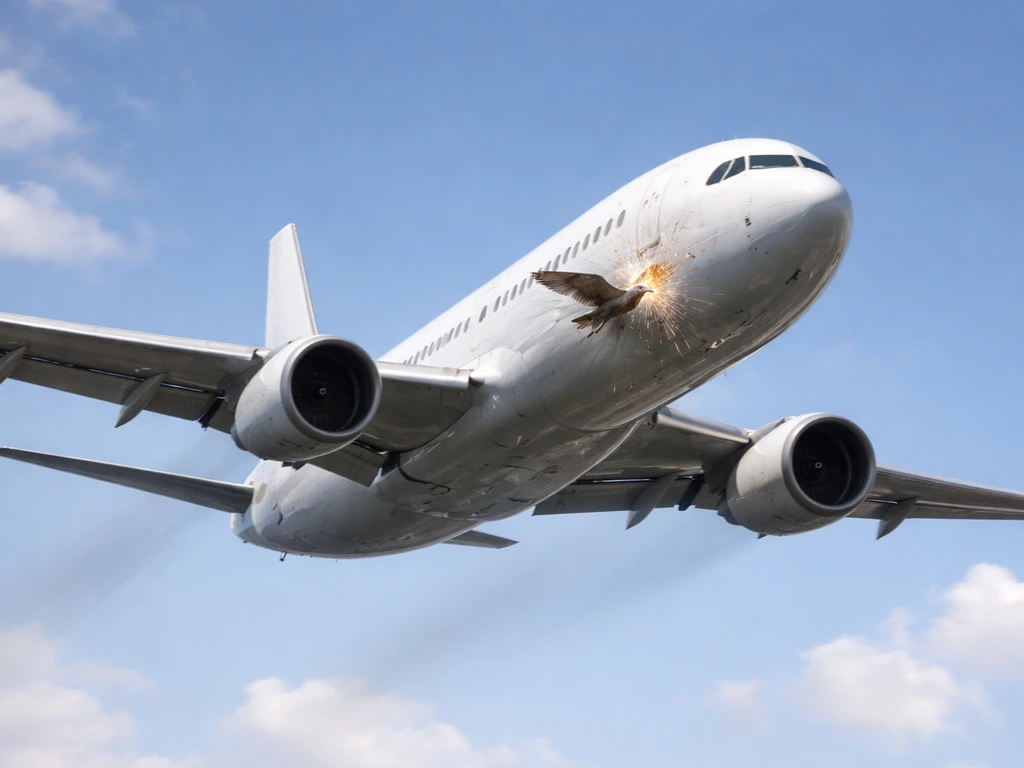
What actually happens during a bird strike
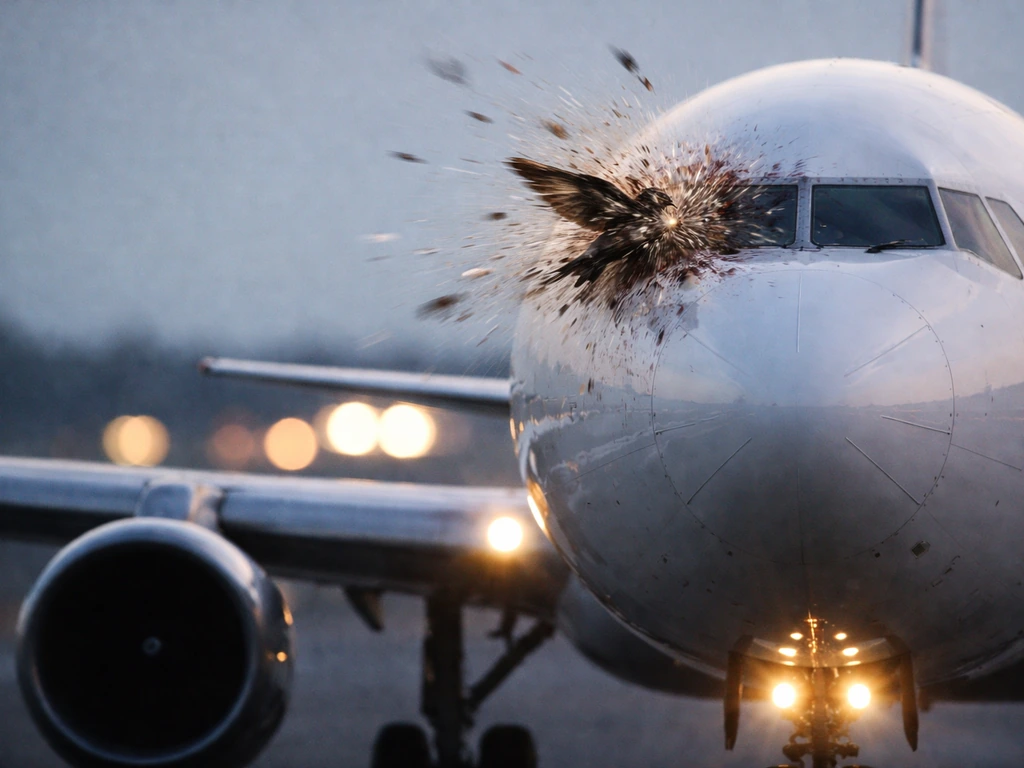
When a bird and an aircraft meet, the physics are brutal and fast. A 4-pound bird striking an aircraft traveling at typical approach speeds delivers energy comparable to a cannonball. The bird doesn't puncture the plane like a bullet would; instead, the impact is more like a sudden, concentrated pressure wave. Soft tissue essentially liquefies on impact and the force transfers into whatever surface it hits, whether that's the windshield, the leading edge of a wing, the fuselage nose, or the front of an engine intake.
At cruise altitude and speed, the relative velocity between the bird and the plane is even higher, which multiplies the impact energy significantly. During takeoff and climbout, you're dealing with high thrust and speed in a congested airspace (altitude-wise) where birds are actually flying. That combination is why the takeoff and approach phases are when the overwhelming majority of bird strikes happen, rather than at cruise altitude where birds rarely travel.
The outcome of that energy transfer depends entirely on what part of the aircraft absorbs it. A strike on the radome (nose cone) typically dents or cracks the fiberglass cover but leaves the aircraft structurally sound. A strike on a windshield is more serious. A strike directly into a spinning engine intake is the scenario that gets the most attention, because it can damage or disable the engine.
Can planes survive: typical outcomes and how aircraft are designed for it
Commercial aircraft are certified specifically to handle bird strikes. This isn't a lucky coincidence, it's an engineering requirement baked into FAA certification standards (14 CFR Part 25). The certification concept is important to understand: 'survive' in aviation engineering doesn't mean 'no damage.' It means the aircraft can continue safe flight and make a normal landing after the strike occurs under the tested conditions.
Here's what Part 25 actually mandates for transport-category airplanes. The windshield panels directly in front of the pilots must withstand impact from a 4-pound bird at the aircraft's design cruise speed (Vc) at sea level without being penetrated. The empennage (tail structure) must allow continued safe flight and a subsequent normal landing after being struck by an approximately 8-pound bird at cruise speed at mean sea level. Structural damage tolerance evaluations also require the airframe to survive a 4-pound bird impact at Vc or 0.85 times Vc at 8,000 feet, whichever is more critical.
So the short answer is: yes, planes are built to survive these strikes. Not every conceivable strike, but the ones that certification standards define as realistic worst-case scenarios. The typical real-world outcome after a bird strike is continued flight with minor or no damage. An emergency landing or serious incident is the exception, not the rule.
Short-term risks to passengers and crew after a strike
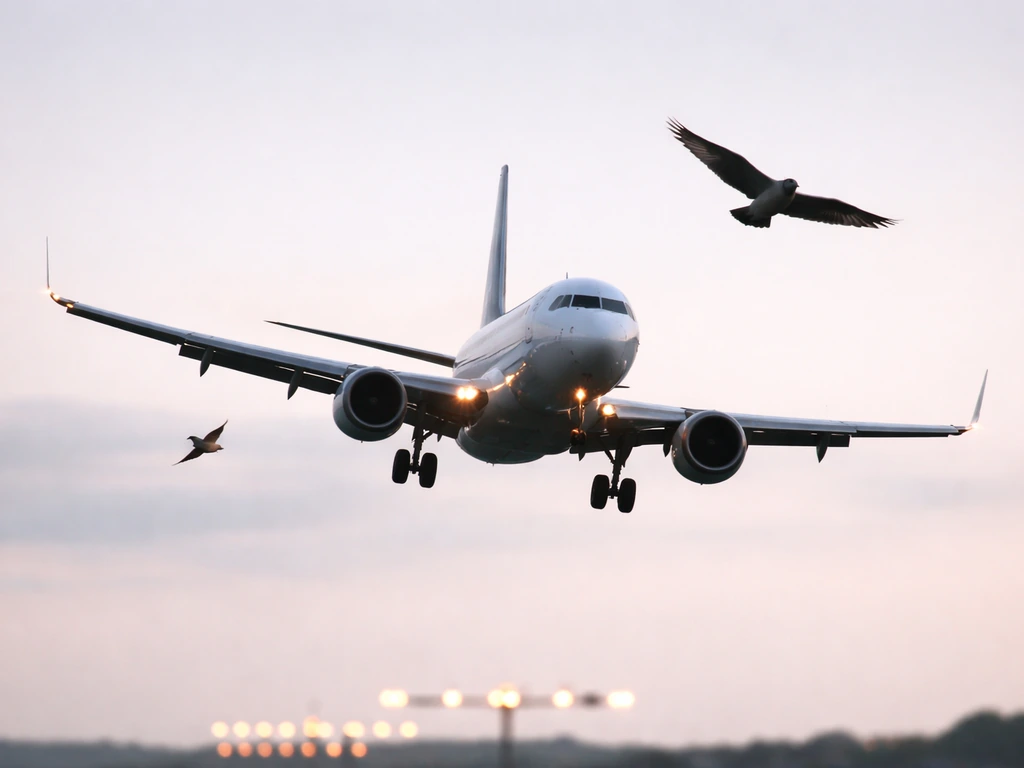
For passengers, the most common experience of a bird strike is hearing a loud thud or bang, sometimes followed by a brief vibration. If the strike hits an engine, you might hear a change in engine noise or see the crew become more active. Most of the time, nothing else happens and the flight continues.
The realistic short-term risks depend on the severity of the strike. In a minor strike with no structural damage, there's essentially no risk to passengers. In a more serious event, such as an engine ingestion that causes an engine to shut down or a windshield strike that cracks the glass, the crew will follow established procedures. Commercial aircraft are designed and certified to fly on a single engine, so losing one engine during a multi-engine flight is a manageable emergency, not a catastrophic one.
The crew is the main risk barrier here. Pilots are trained specifically for bird strike scenarios and run through checklists designed to assess damage, stabilize the aircraft, communicate with air traffic control, and decide whether to divert. Passengers are almost never in immediate danger from the strike itself. The risk, when it exists, is in a delayed or compounding situation, like a bird strike during a critical phase of flight on a single-engine aircraft, or a large flock ingested by both engines simultaneously. Those events are rare but are discussed in more detail below.
When a strike is most dangerous: size, speed, and where it hits
Not all bird strikes are created equal. Several factors determine how serious the outcome is likely to be.
| Factor | Lower Risk | Higher Risk |
|---|---|---|
| Bird size | Small birds under 1 lb (sparrows, starlings) | Large birds 4+ lbs (geese, vultures, pelicans) |
| Phase of flight | Cruise altitude (birds rarely present) | Takeoff, climb, approach (high speed, low altitude) |
| Strike location | Radome, fuselage skin, leading edge | Engine intake, windshield, control surfaces |
| Number of birds | Single bird | Large flock (multiple engine ingestion possible) |
| Engine count | Multi-engine aircraft | Single-engine aircraft |
Bird size matters enormously. A starling weighs roughly 2 to 3 ounces. A Canada goose can weigh 8 to 14 pounds. The kinetic energy difference between those two at the same speed is not subtle. Large birds like geese, vultures, and pelicans are responsible for the most serious incidents on record precisely because their mass amplifies impact energy to a level that can overwhelm engine components or windshield tolerance.
Speed matters too. Because kinetic energy scales with the square of velocity, an aircraft moving at 250 knots during approach delivers roughly four times the impact energy compared to the same aircraft at 125 knots. This is why takeoff and approach, when aircraft are moving fast and flying low where birds are active, carry the highest real-world risk.
Strike location is arguably the most decisive factor. A strike on the nose cone is cosmetic. A strike into the engine is where serious mechanical consequences can occur. A windshield hit that doesn't penetrate (as certification requires) is dramatic but leaves the aircraft flyable. A hit to a control surface like an aileron or elevator is potentially serious, though these events are rare.
Engine ingestion vs airframe damage: what matters and how crews respond
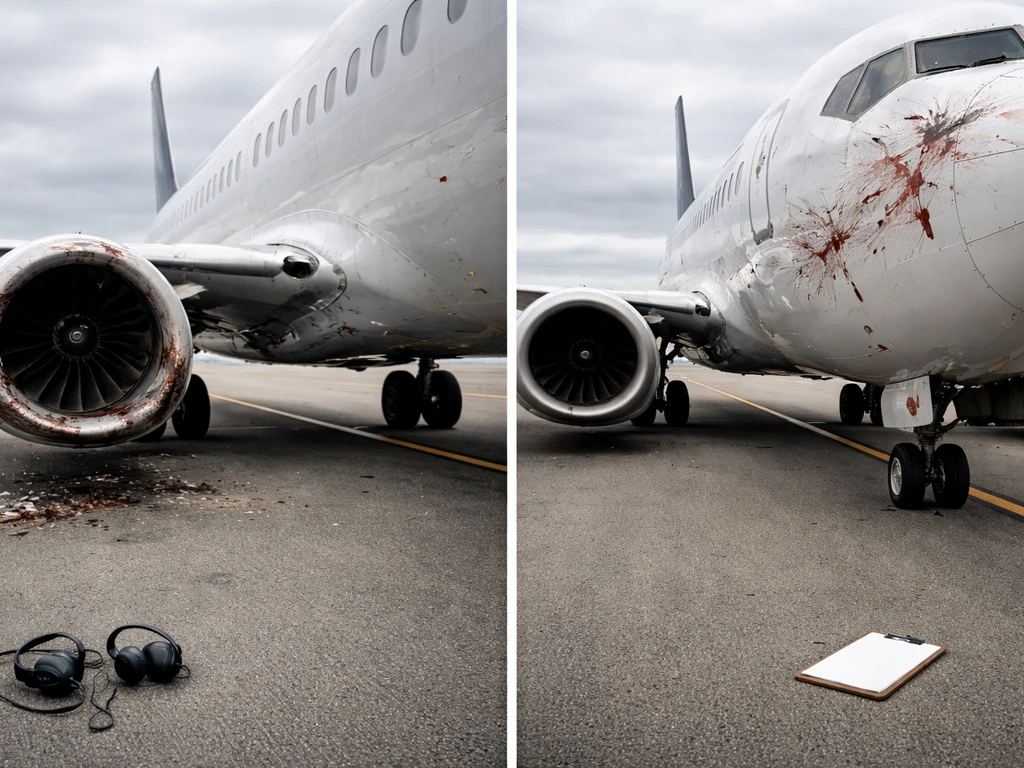
Engine ingestion is the scenario that gets the most attention, and that attention is partly warranted. After a bird strike, the worst cases can include serious engine damage, so the question can a bird destroy a jet engine is worth understanding. When a bird enters a spinning jet engine, the fan blades can be damaged or destroyed. Depending on the severity, the engine might surge (a loud bang with loss of thrust), run rough, catch fire, or need to be shut down. On a twin-engine airliner, one engine shutdown is a certified and trained-for scenario. Pilots practice single-engine operations regularly, and the aircraft is designed to handle it.
The more serious scenario is dual engine ingestion, where a large flock is encountered and both engines ingest birds simultaneously. This is exactly what happened during US Airways Flight 1549 in January 2009, when a flight departing LaGuardia struck a flock of Canada geese and lost thrust in both engines. The crew successfully glided the aircraft to a water landing on the Hudson River with no fatalities. That event, while exceptional, demonstrated both the risk of large-flock encounters and the effectiveness of crew training and aircraft glide characteristics.
Airframe strikes, meaning hits to the fuselage, wings, radome, or tail, are less likely to produce an immediate emergency but still require assessment. After any significant strike, crews will typically run through their bird strike checklist, which includes checking engine instruments for abnormal readings, inspecting (where possible) for visible damage, and consulting with air traffic control and their airline's operations center. If there's any uncertainty about aircraft condition, diverting to the nearest suitable airport is standard practice.
The response to an engine ingestion event specifically tends to follow a clear sequence: identify which engine is affected, execute the appropriate engine failure or fire checklist, declare an emergency with ATC if warranted, and plan for an immediate or precautionary landing. That process is drilled repeatedly in simulator training and is not improvised.
How common are bird strikes, and how often do they go badly
Bird strikes are far more common than most passengers realize. The blank" rel="noopener noreferrer">FAA Wildlife Strike Database records tens of thousands of wildlife strikes per year in the United States alone, with birds making up the overwhelming majority of those reports. The FAA Wildlife Strike Database and reporting resources help track and analyze wildlife hazard mitigation and strikes FAA Wildlife Strike Database records tens of thousands of wildlife strikes per year. Most go unreported entirely because they cause no damage and are noticed only on post-flight inspection, meaning the actual numbers are higher than what's recorded.
Despite that frequency, serious outcomes are rare. The percentage of strikes that cause any structural damage is a small fraction of total events, and the percentage that cause major damage or threaten safety is smaller still. Fatal accidents directly caused by bird strikes are exceptionally uncommon in commercial aviation when looked at across the full body of flight operations.
That said, the risk is not zero, and context matters. Military jets, small general aviation aircraft, and helicopters face different risk profiles than large commercial airliners. The engineering standards described above apply specifically to transport-category aircraft. A single-engine Cessna striking a large bird has far less redundancy to fall back on than a Boeing 737. The reassurance here is real but specific: for commercial air travel, bird strikes are a managed, well-understood hazard with a strong engineering and procedural safety net.
The US Airways 1549 event stands as the most widely known example where things went as badly as they plausibly could (dual engine failure at low altitude over a populated area) and still ended without a single fatality. It's a useful data point for calibrating what 'worst credible case' actually looks like in commercial aviation.
Related questions worth understanding include what happens specifically when a bird enters a jet engine and whether a jet engine can actually be destroyed by a single strike, as those details add useful depth to the overall picture. A bird entering a jet engine is rare, but the resulting damage can range from minor issues to an engine shutdown depending on impact severity when a bird enters a jet engine.
Related questions worth understanding include what happens specifically when a bird enters a jet engine and whether a jet engine can actually be destroyed by a single strike, as those details add useful depth to the overall picture can a jet engine survive a bird strike.
What to do if you're on a plane after a suspected bird strike

If you hear or feel something that might be a bird strike, the most useful thing you can do is stay calm and pay attention. Here's a practical sequence for what to do as a passenger.
- Notice what you experienced: a loud thud, a vibration, a change in engine sound, or a smell can all be relevant if the crew asks passengers for observations later.
- Listen for crew communication: flight attendants will receive instructions from the cockpit. If there's an issue requiring passenger action, they'll tell you quickly and clearly.
- Follow existing safety guidance: if the seatbelt sign is on, keep your belt fastened. If the crew instructs you to prepare for landing, follow their directions immediately and without hesitation.
- Do not panic or crowd the aisles: in a genuine emergency, calm seated passengers give the crew the ability to manage the situation. Moving around the cabin creates risk.
- Alert a flight attendant only if you observed something specific and potentially useful: for example, if you were seated over the wing and saw visible damage or fire, that's worth calmly reporting. Reporting 'I heard a bang' when the crew already knows is not necessary.
- After landing, if the airline requests passenger reports or incident interviews, cooperate: wildlife strike data collection genuinely helps safety research and airport wildlife management programs.
The bottom line for passengers is that your job in this scenario is to be a calm, seatbelt-wearing non-obstacle. The crew has trained for exactly this situation. The aircraft was certified to handle it. Your role is to follow instructions and trust the process, which, based on the actual safety record of commercial aviation, has earned that trust.
The honest bottom line
Can a plane survive a bird strike? Yes, and it does thousands of times per year with passengers who never even know it happened. The engineering standards for commercial aircraft are specifically designed around this hazard, requiring that planes remain controllable and landable after defined bird impacts. Because planes are designed and certified for these events, you might be wondering how they prevent bird strikes in the first place, which is the focus of common safety measures how do planes prevent bird strikes. The most common outcome is no meaningful damage. Serious damage is uncommon. Fatal outcomes in commercial aviation are rare enough to make news precisely because they deviate so sharply from the norm.
The real variables that shift risk are bird size, flight phase, and whether an engine is involved. Large birds during takeoff or approach, especially in flocks near jet engines, represent the highest-risk combination. But even in that scenario, the redundancy built into modern aircraft design and crew training gives a substantial safety margin. Understanding that distinction is more useful than either dismissing the risk entirely or treating every bird strike as a near-catastrophe.
FAQ
After a bird strike, will the crew always land immediately?
Usually, a bird strike does not trigger an immediate landing or evacuation. The crew checks for abnormal engine indications, confirms airframe controllability, and then either continues or diverts depending on what the aircraft shows (for example, a cracked windshield that is not penetrated versus indications of engine damage).
What happens if the bird strike affects an engine, even if the aircraft seems to be flying fine?
If it is suspected that an engine ingested birds, crews may reduce thrust, perform the relevant single-engine or engine abnormal procedures, and coordinate with ATC for priority routing. An engine can be shut down as a precaution even if it is not completely failed, because the aim is to prevent escalation like surging or fire risk.
Is “survive” in bird-strike safety the same as “no damage at all”?
For commercial aircraft, certification is based on defined bird weights, locations, and speeds, plus structural damage tolerance. That means the plane is “survivable” under those tested scenarios, but not guaranteed for every conceivable impact (for example, multiple simultaneous birds or unusual strike angles beyond the certification envelope).
If I do not feel anything unusual, can there still be bird-strike damage?
Passengers may notice changes like a loud bang, vibration, windshield crazing, or an audible change in engine sound. However, absence of noticeable symptoms does not mean there was no damage, since some strikes show up only on post-flight inspection.
How do pilots assess a bird strike to a wing or tail if they cannot see the impact clearly?
A strike on the wing or control surfaces can be harder to judge in-flight because there may be no immediate engine anomaly. Crews rely on controllability checks, instrument readings, and operational procedures, and they may divert if they cannot confidently rule out damage affecting control authority or flutter risk.
Is the risk profile different for single-engine planes versus large airliners?
In a single-engine aircraft, a serious ingestion event is more consequential because there is no certified second-engine backup to maintain thrust redundancy. Crews in general aviation still use checklists, but the margin for continued safe flight can be smaller than it is on multi-engine transport-category jets.
Can a cracked windshield still be considered acceptable after a bird strike?
Yes, a windshield may be visually “dramatic” (cracking, crazing, or a spiderweb pattern) without being penetrated. Cracks that are within allowable limits may still permit continued flight under procedures, but they typically require documentation and follow-on maintenance actions before the aircraft returns to service.
Why are flock strikes sometimes more dangerous than a single bird strike?
Multiple birds can matter more than one bird because the probability of impacting both engines or causing enough fan damage to degrade thrust increases. A single strike event that involves a dense flock can therefore be more serious even if each individual bird is not exceptionally large.
Does the phase of flight change what the crew can realistically do if something goes wrong?
If you are on an approach or climb, the aircraft is slower or faster depending on exact speed, but the operational context includes low altitude, less time, and higher bird activity near airports. In practice, crews still have trained procedures, but the consequences of losing thrust or control authority are more time-critical at low altitude.
If I suspect a bird strike as a passenger, what should I actually do in the moment?
If you think you heard or felt a strike, the safest action is to remain seated with your seatbelt fastened and follow crew instructions. You can mention it if there is time and the crew asks for passenger observations, but avoid calling out during critical crew workload or interfering with announcements.
Next Articles
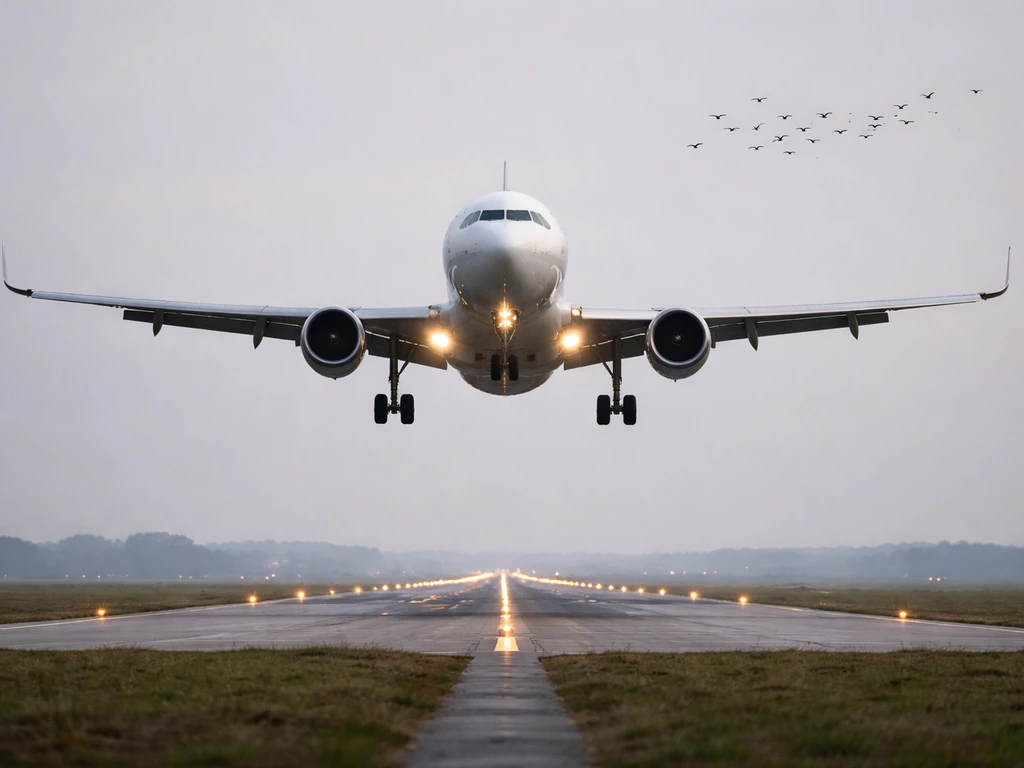
How Do Planes Prevent Bird Strikes A Practical Guide
How planes prevent bird strikes: detection, runway habitat control, flight procedures, engine defenses, and airport trac
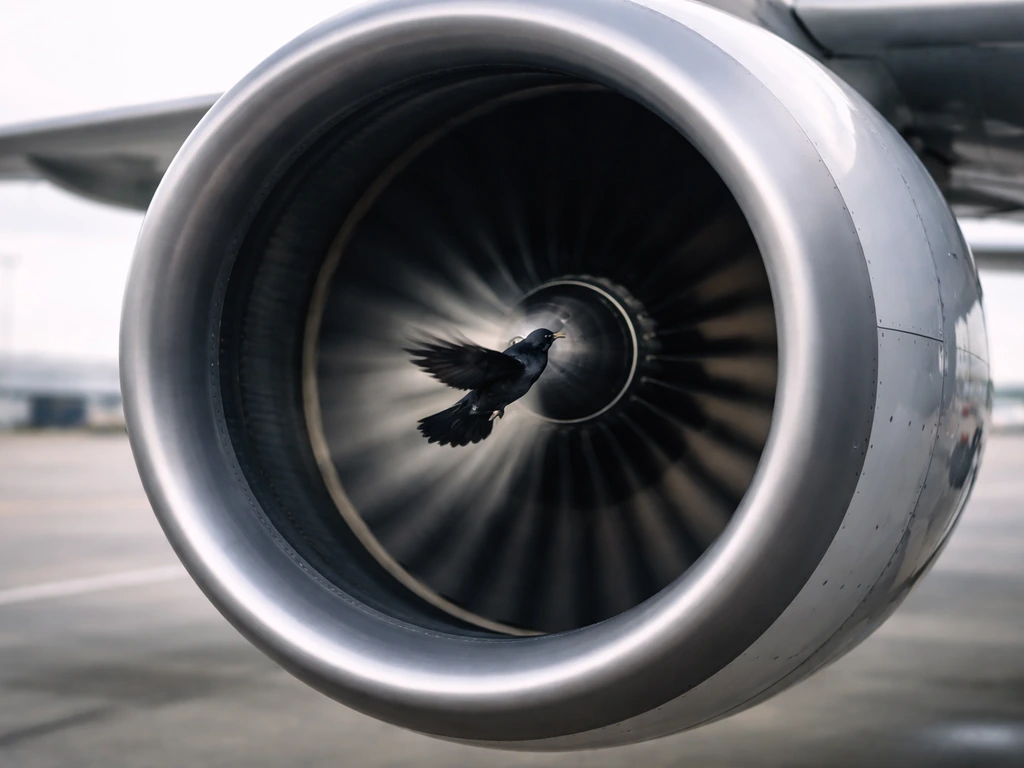
What Happens If a Bird Hits a Plane Engine
Explains what happens when a bird is ingested by a plane engine: likely effects, alarms, thrust changes, inspections, an
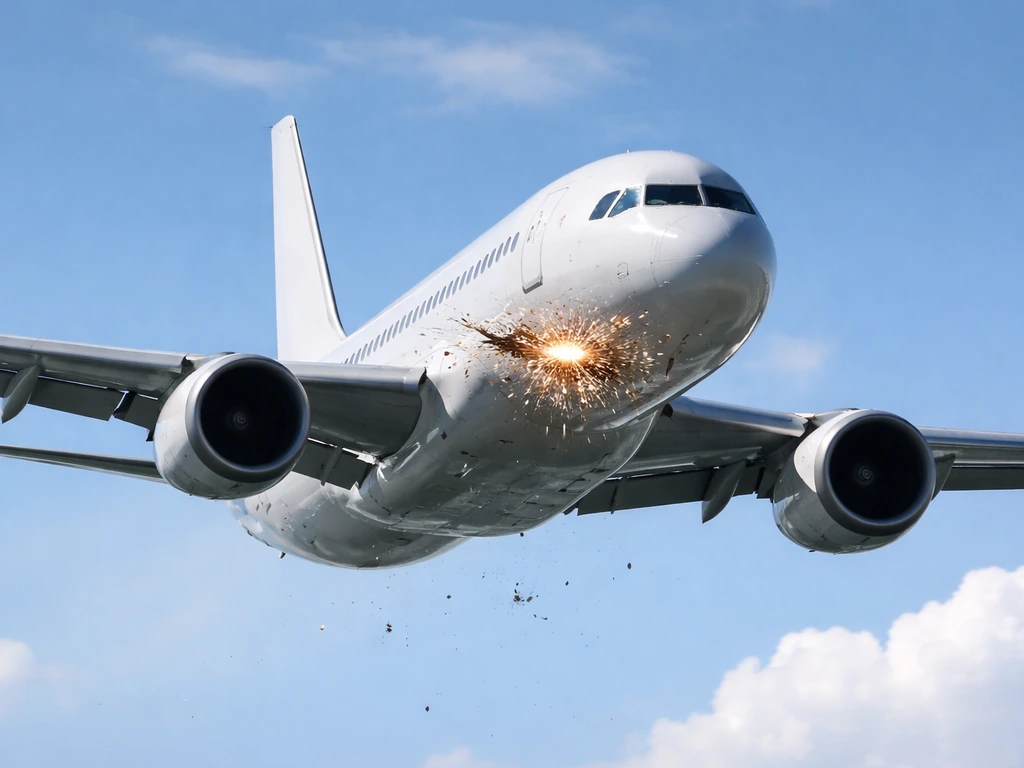
Bird Causes Plane Crash? Risk, Mechanisms, Myths, Prevention
Whether bird strikes can cause plane crashes, how they happen, real risk data, debunked myths, and prevention steps