Yes, car insurance typically does cover bird damage, but only if you have comprehensive coverage on your policy. Homeowners insurance may cover certain bird-related issues, but it depends on whether the damage is sudden and accidental and what perils your policy lists car insurance. Whether it's a cracked windshield from a bird strike, a dent from a large bird hitting your hood at speed, or paint damage caused by bird droppings, comprehensive is the coverage category that handles these kinds of non-collision, sudden events. If you only carry liability (or just liability and collision), bird damage generally won't be covered at all.
Does Car Insurance Cover Bird Damage? Coverage Guide

Maya Chen
20 May 2026
Does standard car insurance cover bird damage
The phrase "standard car insurance" means different things to different people, so let's be precise. A basic liability-only policy pays for damage you cause to other people and their property. It does nothing for damage to your own vehicle. Collision coverage pays when your car is damaged by hitting another vehicle or a stationary object. Neither of those helps with bird damage. Can hitting a bird damage your car? Yes, and it's usually treated as a comprehensive coverage claim when the damage comes from a sudden, accidental impact.
Comprehensive coverage is the one you want. Major insurers including GEICO, Progressive, Allstate, and State Farm all describe comprehensive as covering "animal damage" or "animal collisions" as events outside of your control that don't involve a crash with another vehicle. A bird flying into your windshield, a large bird denting your roof, or a bird's nest falling and scratching your paint all fit the profile of a sudden, accidental, non-collision event. That's the lane comprehensive is designed for.
One misconception worth clearing up: not everything bird-related is automatically covered. The damage has to meet your insurer's definition of a sudden, accidental loss. Gradual staining, rust caused by droppings sitting for months, or damage that develops over time may not qualify, even though birds caused it. More on that below.
Types of bird-related damage that may be covered
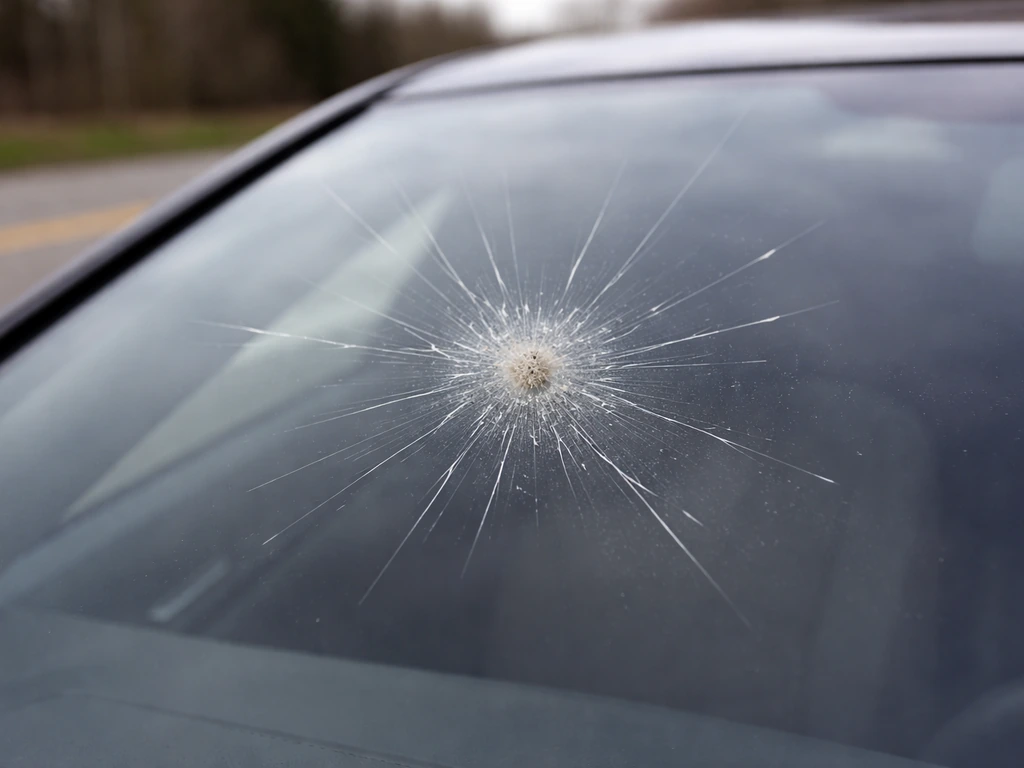
Windshield and glass damage from a bird strike
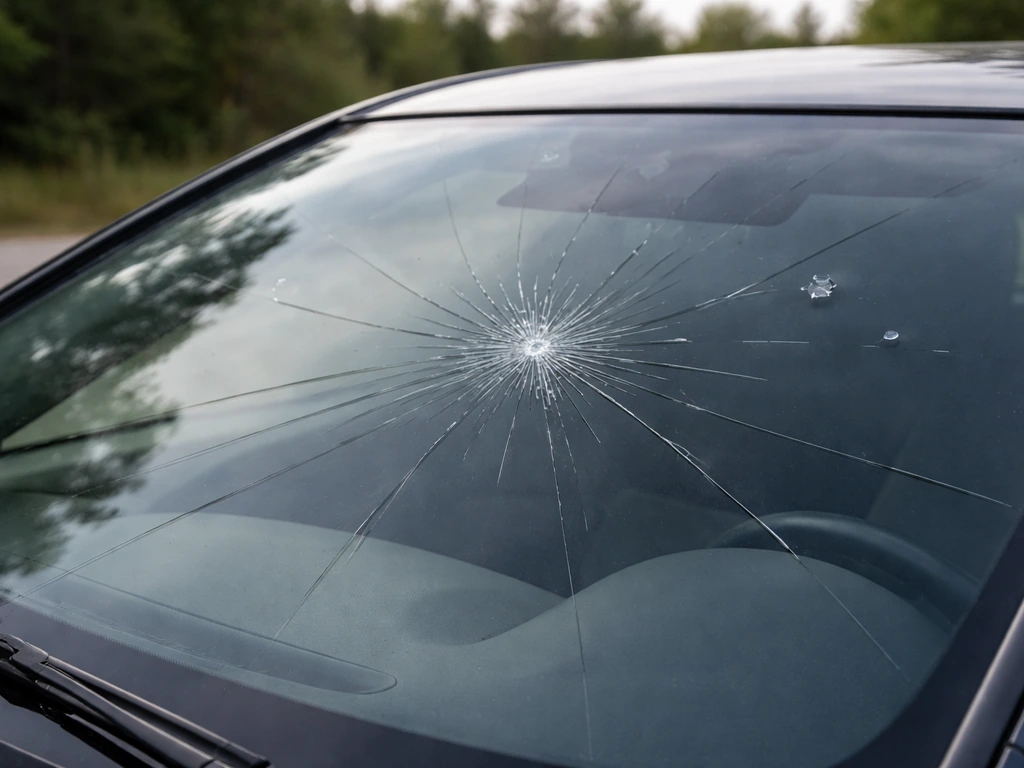
This is one of the most common scenarios. A bird hits your windshield while you're driving, or a bird drops from a tree and cracks the glass. Both GEICO and Progressive confirm that broken glass is generally handled under comprehensive coverage. GEICO's glass claims guidance specifically states it is "usually subject to a deductible," but also notes the deductible may be waived in some cases for windshield repair (not full replacement). Progressive similarly notes that if a crack is repairable and under a certain length, the deductible may not apply. Safelite, which administers glass programs for many insurers, states that some insurers cover windshield repair at 100% with no deductible depending on their glass program.
Dents and scratches from a bird strike
A large bird, like a Canada goose or a hawk, hitting your vehicle at highway speed can absolutely leave a dent. GEICO's guidance on scratches and dents confirms that comprehensive can cover these when caused by a qualifying event. The key phrase is "qualifying event": a sudden, documented impact, not gradual wear. If you can document the incident and the damage clearly matches a single impact event, you have a reasonable claim.
Damage from bird droppings
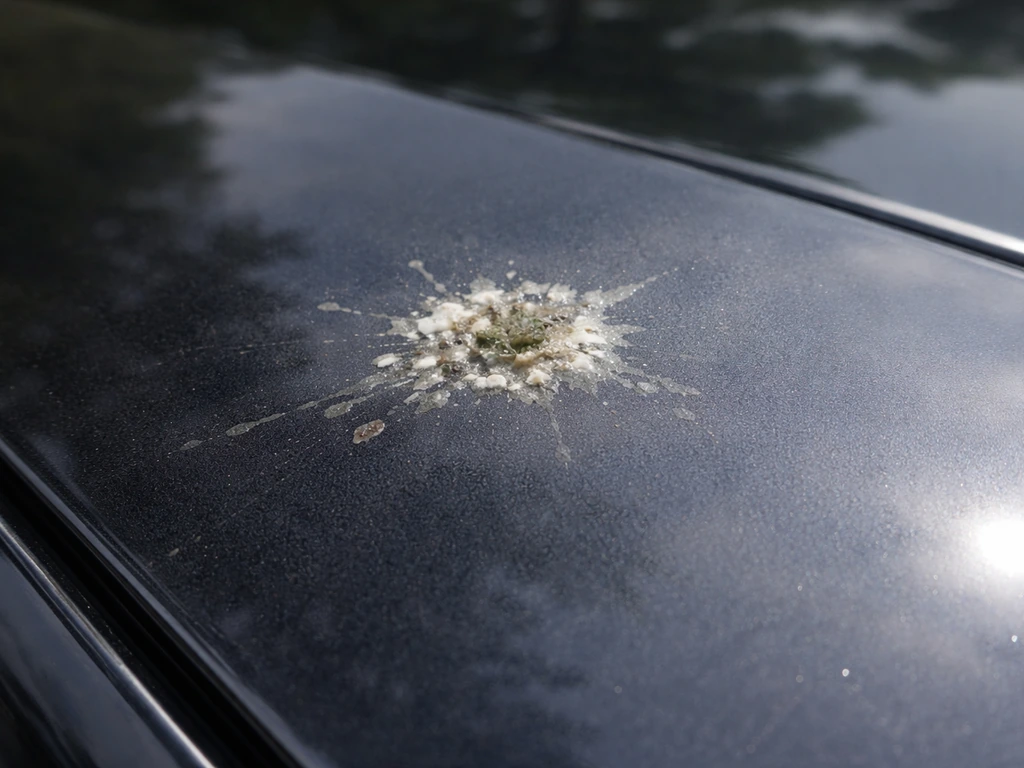
Bird droppings are acidic and can eat through clear coat and paint over time. Whether insurance covers droppings damage depends heavily on timing and the nature of the damage. If a large flock suddenly roosted on your car overnight and the concentrated droppings caused immediate, visible paint damage, that's closer to a sudden event and may be coverable under comprehensive. If it's the result of gradual buildup over weeks or months, insurers are very likely to classify it as wear and tear or maintenance neglect, which is excluded. The honest answer is that droppings damage sits in a gray zone, and insurers will scrutinize it carefully.
It's also worth noting that bird droppings can carry pathogens, a concern the CDC addresses for people who handle them directly. But from an insurance standpoint, contamination isn't a covered loss category. Your policy covers physical damage to the vehicle structure, not decontamination or cleaning costs.
How to check your policy and understand coverage categories
Pull up your declarations page, which is the summary page of your policy, usually one to two pages long. It lists every coverage type you're paying for and your deductible for each. Look for "Comprehensive" or "Other Than Collision" (they mean the same thing). If it's listed with a dollar amount next to it (your deductible), you have it. If it's not listed, you don't have it.
After confirming you have comprehensive, look at the full policy document (your insurer's app or online portal usually has it) for the section titled something like "Covered Losses" or "What We Cover." Search for language about animals, animal damage, or sudden and accidental losses. That language confirms bird damage should fall under the policy. Collision coverage, by contrast, will say something like "contact with another vehicle or object" and is almost never relevant to bird damage unless, say, you swerved to avoid a bird and hit a guardrail. In that case, collision would handle the guardrail damage.
| Coverage Type | Covers Bird Damage? | Typical Scenario |
|---|---|---|
| Liability only | No | Pays for damage you cause others, not your own car |
| Collision | Rarely | Only if you crashed into something while avoiding a bird |
| Comprehensive | Yes, for sudden/accidental losses | Bird strike, sudden droppings damage, glass break |
| Glass-only add-on | Yes, for glass | Some insurers offer separate glass coverage with no deductible |
Filing a claim: documentation, repair estimates, and timelines

The moment you notice the damage, start documenting. Your goal is to create a clear record that the damage was sudden and accidental, not gradual.
- Take clear photos immediately, including wide shots showing the whole vehicle and close-ups of the damage. GEICO's claims guidance specifically recommends photographs of the vehicle and all damage sustained.
- Note the date, time, and location where the incident happened or where you first noticed the damage.
- If there are witnesses (passengers, bystanders), get their contact info.
- Do not clean or repair the damage before reporting it to your insurer. Insurers need to see the original condition.
- Contact your insurer as soon as possible, either through their app, website, or claims phone line. Most allow you to start a claim online within minutes.
- Get a repair estimate. State Farm's photo estimate tool, for example, can produce an initial estimate and payout decision within 48 hours. Progressive often routes glass claims through Safelite or affiliated shops.
- If the repair shop finds additional damage related to the original claim, flag it immediately. Insurers like State Farm work with the repair shop to review and cover amounts beyond the initial estimate.
For glass claims specifically, the process is often faster and simpler than a full comprehensive claim. Many insurers have dedicated glass claim lines and can schedule a mobile repair within a day or two. Safelite describes this as a streamlined process that sometimes doesn't even require a formal claim record against your policy, depending on your insurer's glass program.
When it won't be covered
There are several situations where a bird-damage claim will get denied or disputed, and it's better to know them upfront than to be surprised after filing.
- You don't have comprehensive coverage: This is the most common reason. No comprehensive, no coverage for bird damage.
- The damage is classified as wear and tear: GEICO explicitly states that normal wear and tear is not covered under comprehensive. If droppings have been eating your paint for months, an adjuster may call that maintenance neglect rather than a sudden loss.
- Gradual damage: Insurers are trained to look for evidence of gradual versus sudden damage. Rust forming under droppings over a season, or paint fading from repeated acidic exposure, looks gradual and is likely to be excluded.
- No evidence of a sudden event: If you can't establish when or how the damage occurred, the insurer may question whether it qualifies as a covered loss at all.
- The cost is below your deductible: If your comprehensive deductible is $500 and the repair costs $300, filing doesn't make financial sense. You'd pay the full repair cost out of pocket anyway.
- Excluded causes in your specific policy: Some policies have exclusions that could catch unusual scenarios. Always check your policy's exclusions section.
A quick note on a common myth: people sometimes assume that because birds caused the damage, it must be covered. That's not how policies work. Coverage depends on the type of damage, how it occurred, and whether you have the right coverage category. "Bird-related" is not a magic phrase that unlocks a claim.
Cost and impact: deductibles, claim effects, and repair options
Before filing, run the math. Comprehensive deductibles are typically $100 to $1,000 depending on what you chose when you set up your policy. If a bird cracked your windshield and the replacement costs $400, but your deductible is $500, you're better off paying out of pocket and skipping the claim entirely.
GEICO's guidance on scratches and dents makes this point directly: it may make sense not to file for minor repairs if they cost less than your deductible. This matters not just for the immediate cost but for your claims history. Filing a comprehensive claim could affect your premium at renewal, though a single comprehensive claim typically has less impact than a collision or liability claim. Still, it's worth asking your insurer how a claim would affect your rate before you file.
For windshield damage specifically, the math sometimes favors filing. As noted above, some insurers waive the deductible for windshield repair (not replacement), and some glass programs handle the repair with no impact on your claims record at all. Call your insurer and ask directly before deciding.
If you decide not to file, get repair quotes from two or three shops. For paint damage from droppings, a detailer with paint correction experience is often the right call, and the cost can range from $150 for a small area to several hundred dollars for larger damage. For glass, independent auto glass shops can be significantly cheaper than dealer repairs.
Prevention tips to reduce future bird-related vehicle damage
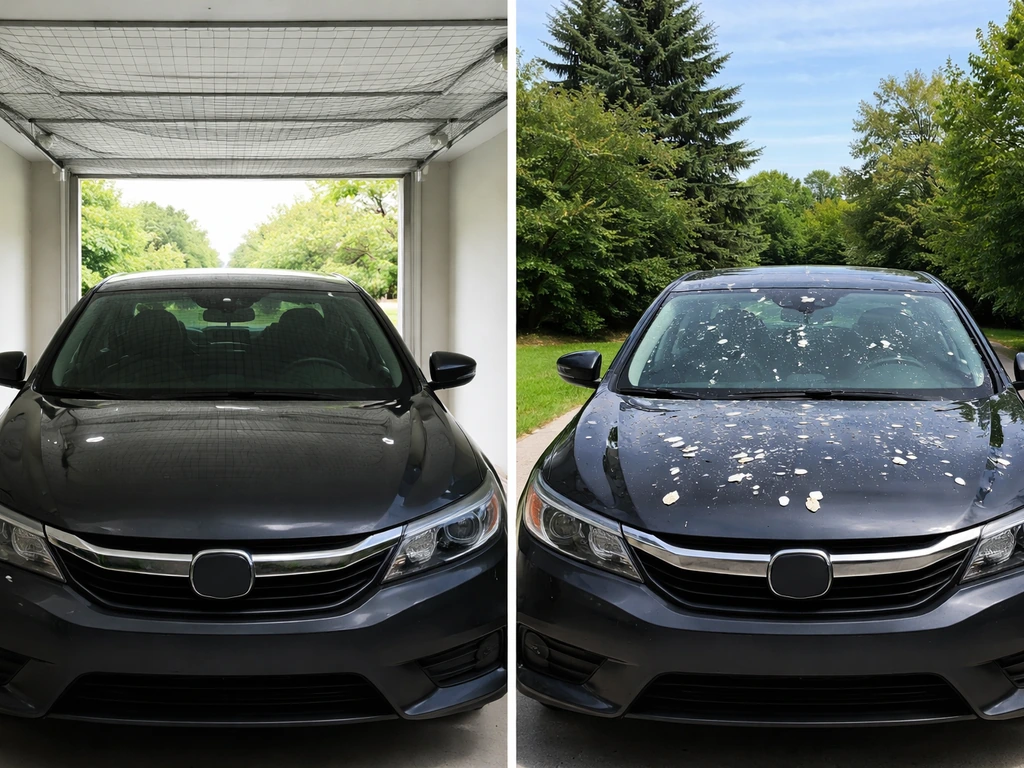
If you've dealt with this once, you probably don't want to deal with it again. A few practical steps can cut your exposure significantly.
- Park in a garage or covered structure whenever possible. This is the single most effective way to avoid both bird strikes and droppings damage.
- Avoid parking under trees where birds roost, especially at dawn and dusk when bird activity peaks.
- Use a car cover if you park outside regularly in a high-bird area. It won't stop a strike while driving, but it protects against droppings buildup.
- Rinse droppings off your paint as soon as possible. Letting them sit accelerates paint and clear coat damage, and you also want to be able to argue sudden damage (not long-term neglect) if you ever need to file a claim.
- Apply a quality paint sealant or ceramic coating. These don't make the car immune, but they create a barrier that slows the chemical damage from droppings and makes cleaning easier.
- For drivers who frequently travel routes where large bird-vehicle collisions are a risk (rural highways near wetlands, for example), make sure your comprehensive coverage is current and your deductible is set to a level you can actually afford to pay.
Bird strikes while driving are a separate concern from a wildlife and safety standpoint. Whether a bird can survive being hit by a car, and what you should do immediately after hitting one, are real questions that come up alongside the insurance question. The physical impact on both the bird and the vehicle depends on the species, size, and speed involved. The question of how well a bird survives a crash-like impact also depends on the bird species and the force of the hit bird survives being hit by a car. From an insurance perspective, any resulting vehicle damage would again fall under comprehensive if the coverage is in place.
The bottom line is straightforward: check your declarations page for comprehensive coverage, document any damage immediately with photos and details, and run the deductible math before you file. For windshield damage especially, call your insurer directly before paying out of pocket since many programs cover repairs at little or no cost to you.
FAQ
Does car insurance cover bird damage if I only have liability coverage and no comprehensive?
Usually no. Liability pays for damage you cause to other people, not repairs to your own car from non-collision events like birds. To cover bird strikes or nest/dropping damage to your vehicle, you generally need Comprehensive, also labeled “Other Than Collision” on some policies.
If a bird hits my car while it’s parked, is it still covered?
It can be, if the damage is caused by a sudden, accidental event and you have comprehensive. For example, a bird denting a hood while your car is parked, or a nest falling onto your paint, typically fits the “animal damage” concept. Keep photos and note the time you last saw the car undamaged to help show it was not gradual wear.
Is engine or mechanical damage from a bird covered, like a bird getting into the air intake?
Often not automatically. Many comprehensive “animal” situations focus on exterior impact or clear losses, like glass or dents. If a bird causes internal mechanical damage, coverage can depend on your policy language and whether the damage is treated as a sudden accidental loss versus maintenance or normal wear. Call your insurer with the exact failure and suspected cause.
Will bird droppings damage be denied if the paint has been stained for a while?
It’s more likely. Insurers commonly deny or limit claims they view as gradual deterioration or lack of maintenance. If you cannot show when the problem started, expect extra scrutiny. If you can document that the concentrated droppings appeared overnight or immediately after a specific event, your chances are better.
If my windshield crack is small, should I file a claim or pay out of pocket?
Check whether repair is deductible-free under your insurer’s glass program. Many policies apply deductibles to windshield replacement, but repairs may be covered at 100% or may waive the deductible if the crack is within a certain size and repair is done quickly. Ask specifically about “repair vs replacement,” and confirm whether it counts as a claim on your record.
Does filing a comprehensive claim for bird damage always raise my premium?
Not always, but it can. Premium impact varies by insurer, state, and your claim history. Before you file, ask whether the claim will be reported and how they calculate renewal pricing for comprehensive claims, and compare your expected premium change against the deductible and out-of-pocket costs.
If I get collision coverage but no comprehensive, is there any situation where bird damage could be handled under collision?
Possibly, but only when the damage results from a crash or contact with an object after a driving event. For example, if you swerve to avoid a bird and hit a guardrail, collision could apply to the guardrail damage. Bird impact damage itself while driving typically remains a comprehensive loss, not collision.
What documentation do I need to prove the bird damage was sudden?
Take clear photos from multiple angles and close-ups showing the damage and any surrounding context. Add a timeline, like the date and time you last inspected the car and when you noticed the damage. If you have it, keep a dashcam clip, a photo of the bird or nest, or a witness note. This helps distinguish a single impact from slow buildup or wear.
Are cleaning or decontamination costs for bird droppings covered?
Usually not as a separate benefit. Even if the physical paint damage is covered under comprehensive, contamination or decontamination is commonly treated as a non-covered expense because policies focus on physical damage to the vehicle from covered perils. Expect you may have to pay for cleaning or detailing unless the claim is strictly tied to covered property damage.
If my policy has a low comprehensive deductible, is it always worth filing for small bird-related damage?
Not automatically. Even with a low deductible, consider whether the cost difference justifies a claim, and whether repairs can be done without affecting your claims history. For minor chips, ask if windshield repair can be done quickly and with no deductible or no recordable claim, and get 2 to 3 estimates before filing.
Next Article
Is Bird Damage Covered by Homeowners Insurance? What to Do
Know when bird impacts or droppings damage may be covered, what often isn’t, and the step-by-step claim process.