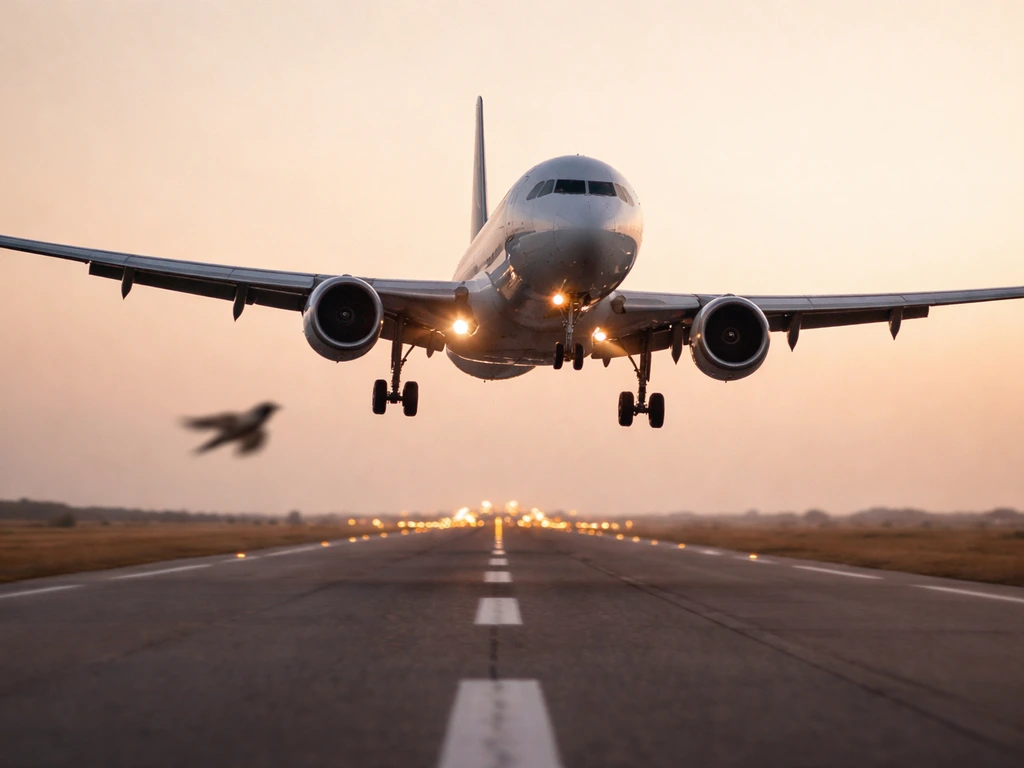
Yes, a bird strike is an incident, and in most formal safety and reporting frameworks it should be treated as one from the moment it happens. Whether a bird hit your car windshield, flew into a window at your home, brought down a power line, or collided with an aircraft, the word 'incident' fits because something unexpected happened that could involve injury, property damage, or an ongoing hazard. The question isn't really whether to call it an incident. It's whether you need to act on it right now, document it, and report it somewhere.
Is a Bird Strike an Incident? What to Do and When It Matters

Maya Chen
5 May 2026
What 'bird strike' actually means
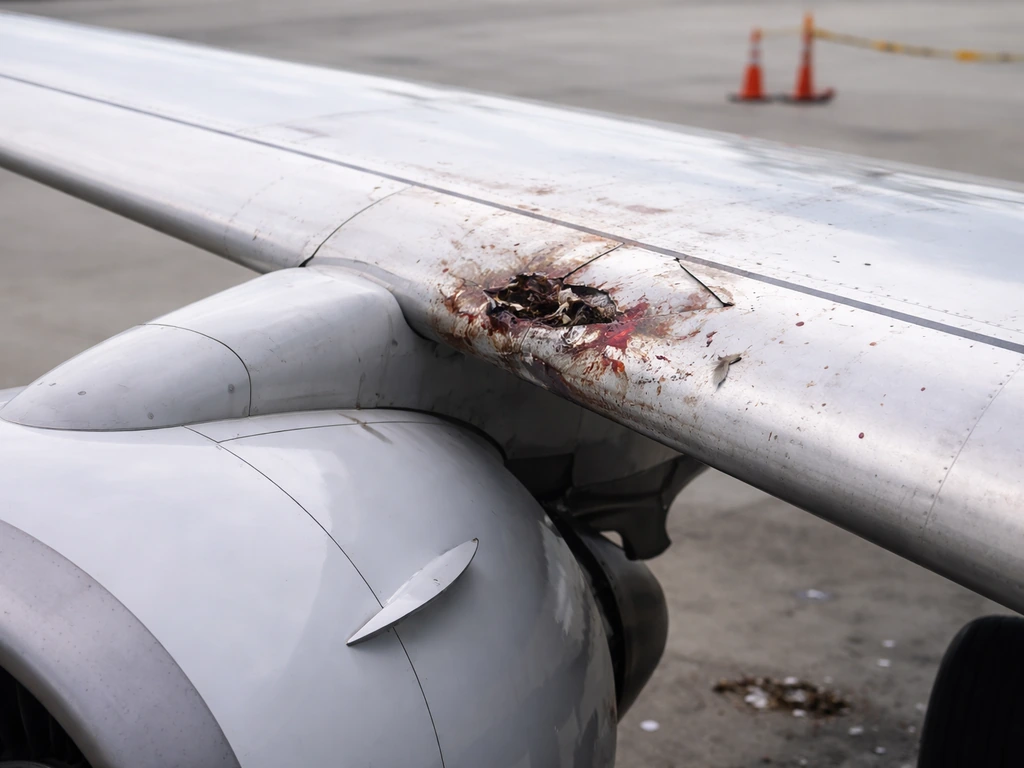
In aviation, a bird strike has a precise definition: a collision between a bird and an aircraft in flight, or during a takeoff or landing roll. That's the SKYbrary and FAA definition, and it's the context most people associate with the phrase. But in everyday use, 'bird strike' refers to any collision between a bird and something in motion or something stationary that a bird flies into at speed. That includes a bird hitting your windshield while you're driving, hitting a building window, flying into a glass facade, or colliding with power-line infrastructure.
All of those scenarios share the same core problem: a bird hit something hard enough that there's a real chance of injury to the bird, a person, property damage, or an active hazard left behind. That's why the 'incident' framing applies across all of them, not just aviation.
Is it officially an 'incident'? What safety and reporting systems say
In the NTSB's aviation framework, an 'incident' is specifically defined as an occurrence other than an accident that affects or could affect the safety of operations. An accident involves death, serious injury, or substantial aircraft damage. Most bird strikes fall into the incident category, not the accident category, but some (an engine ingestion that causes a forced landing, for example) can cross into accident territory. The key point is that safety impact, not just contact, determines the classification.
OSHA uses a similar severity-based logic for workplace reporting: you only have a formal recording obligation when something meets a threshold (fatality, hospitalization, amputation, loss of an eye). This means a bird strike that causes no injury and no safety hazard might not trigger a formal OSHA record, but a bird strike that injures a worker on a job site absolutely would.
For insurance and property management purposes, 'incident' is used more broadly. If a bird cracks your windshield, that's a reportable insurance incident. If a bird hits a commercial building window and the glass fails, that's a property incident. If a bird brings down a power line, that's an emergency-level incident requiring immediate action from multiple parties. The practical rule: if there's damage, injury, or an ongoing hazard, treat it as an incident and document it accordingly.
When to treat it as an emergency right now
Not every bird strike needs a 911 call. But some absolutely do. Here's how to make that call quickly.
- A power line is down or sparking after a bird or bird's nest caused contact: call 911 immediately, then your utility's emergency line. Do not approach the line.
- A person was injured, for example, a driver swerved and crashed after a bird hit the windshield, or a bird strike caused a fall or laceration.
- An aircraft experienced a confirmed bird strike with engine damage, abnormal sounds, smoke, or a loss of power during flight.
- A large bird (goose, hawk, owl) hit a vehicle at highway speed and the windshield is compromised: the car may not be safe to drive.
- The bird is injured and appears to have a broken wing or is unresponsive, meaning it could be in the road or a hazardous location where it creates a secondary risk.
If none of those conditions apply, you're not in emergency territory, but you should still move through the steps below before assuming everything is fine.
What to do immediately after a bird strike
Your first two minutes
- Stop and assess. Don't just drive on or walk away. Take 60 seconds to check whether anything is damaged, broken, or dangerous around you.
- Check for people first. If anyone was in a vehicle, building, or area where the strike occurred, confirm no one is hurt before looking at property.
- Look for the bird. It may be on the ground stunned, injured, or dead. Don't handle it yet.
- Identify active hazards. Is glass broken and falling? Is a power line involved? Is the vehicle unsafe to drive? Address these before anything else.
- Take photos immediately. Time-stamped photos of the impact site, damage, and any visible injuries are your documentation baseline.
Handling an injured bird safely
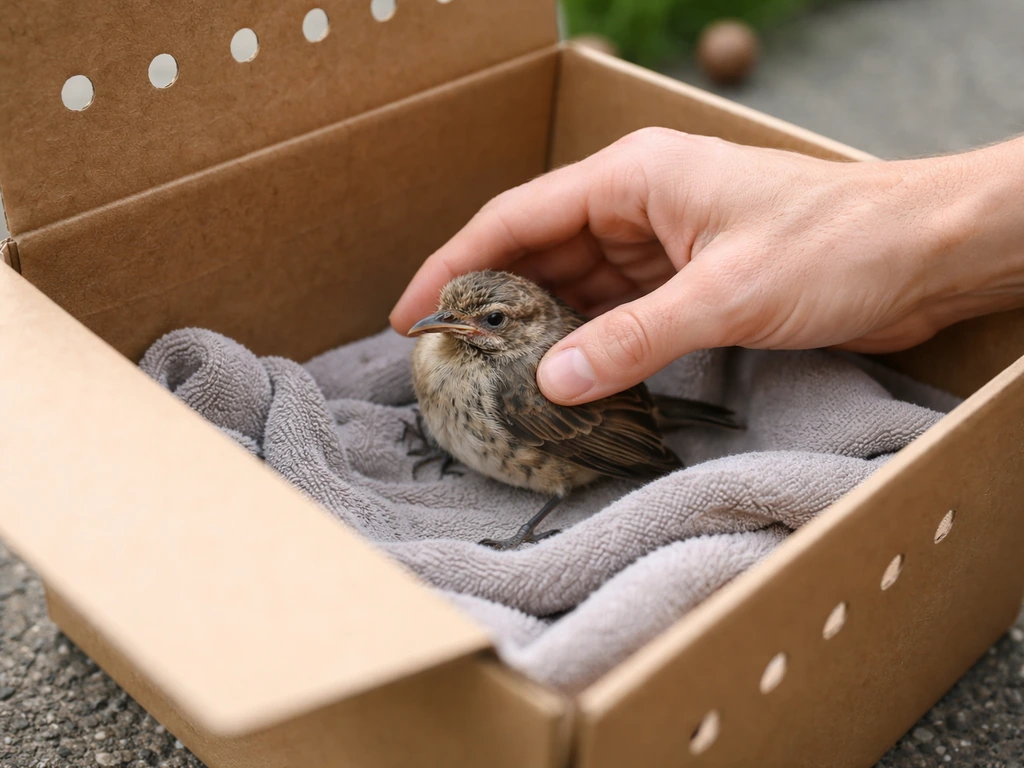
If the bird is stunned but breathing and upright, it may recover on its own. The U.S. Fish & Wildlife Service recommends placing a stunned bird in a small cardboard box with air holes, keeping it in a quiet, dark, warm spot, and checking every 15 minutes. Do not feed it, and do not keep it in a brightly lit or loud environment. If it's alert and mobile after a short rest, release it outside. If it's not improving, or has visible injuries like a broken wing or bleeding, contact a licensed wildlife rehabilitator in your area. Tufts Wildlife Clinic provides wildlife guidance resources that align with bird-window strike response, including containing the bird, keeping it quiet and warm, and contacting a wildlife rehabilitator when needed contact a licensed wildlife rehabilitator in your area..
One common mistake: people try to give water or food to a stunned bird. Don't. A stunned bird can aspirate water and make things worse. Keep it calm and contained until it recovers or a professional takes over.
Vehicle, building, and power-line specifics
Bird strike on a vehicle
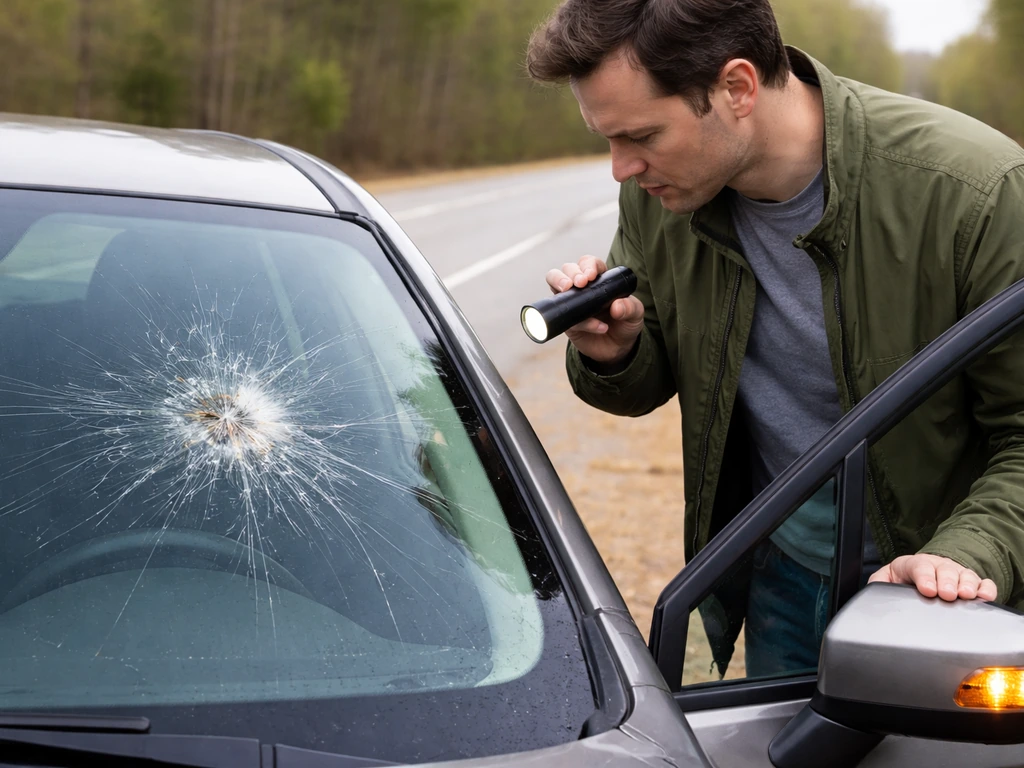
A bird hitting a windshield at highway speed can crack or shatter glass even on impact with a smaller bird. Pull over safely before inspecting damage. If the windshield is cracked in your field of vision, the car should not be driven until repaired. Document the damage with photos and report it to your auto insurer. Comprehensive coverage typically covers bird-strike windshield damage, but insurers differ, so check your policy. You don't call police for a minor windshield crack unless an accident resulted.
Bird strike on a window or building
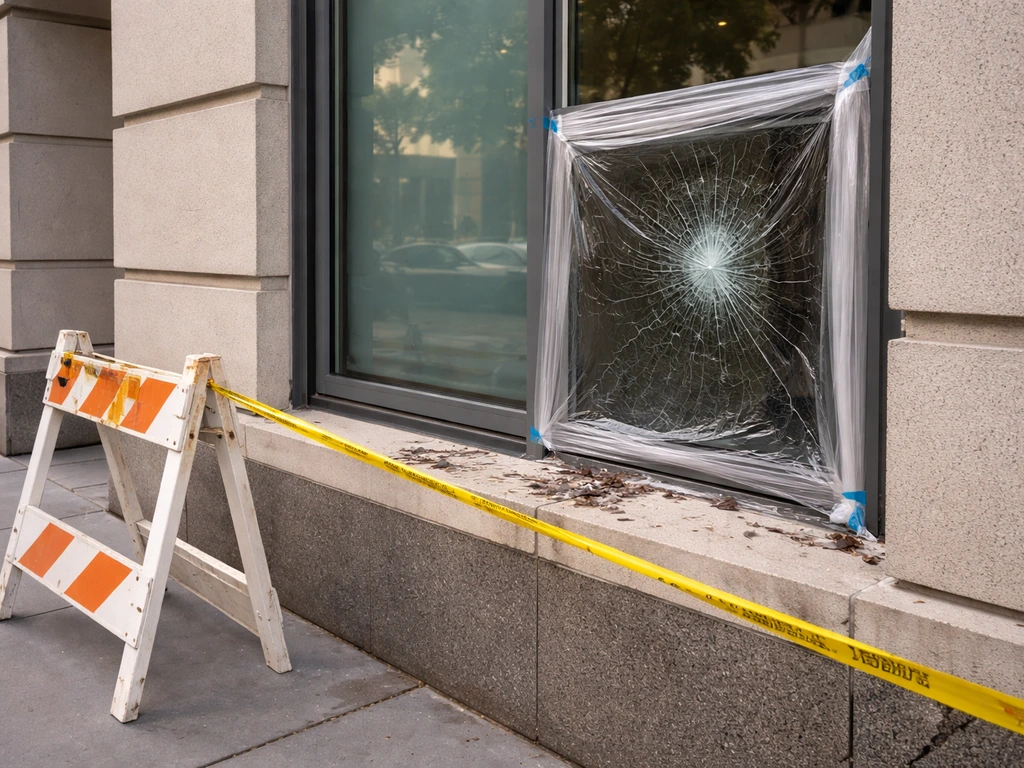
If it's a home window, check whether the glass is intact or cracked. A cracked pane can fail unexpectedly, so treat it as a hazard until it's repaired or boarded. If it's a commercial or apartment building, notify property management right away. Document the impact point (birds often leave a feather or dust imprint), take photos, and note the time. If you're a tenant, this counts as a property incident under most lease agreements and should go through your building's maintenance or management reporting channel.
Bird strike involving power lines
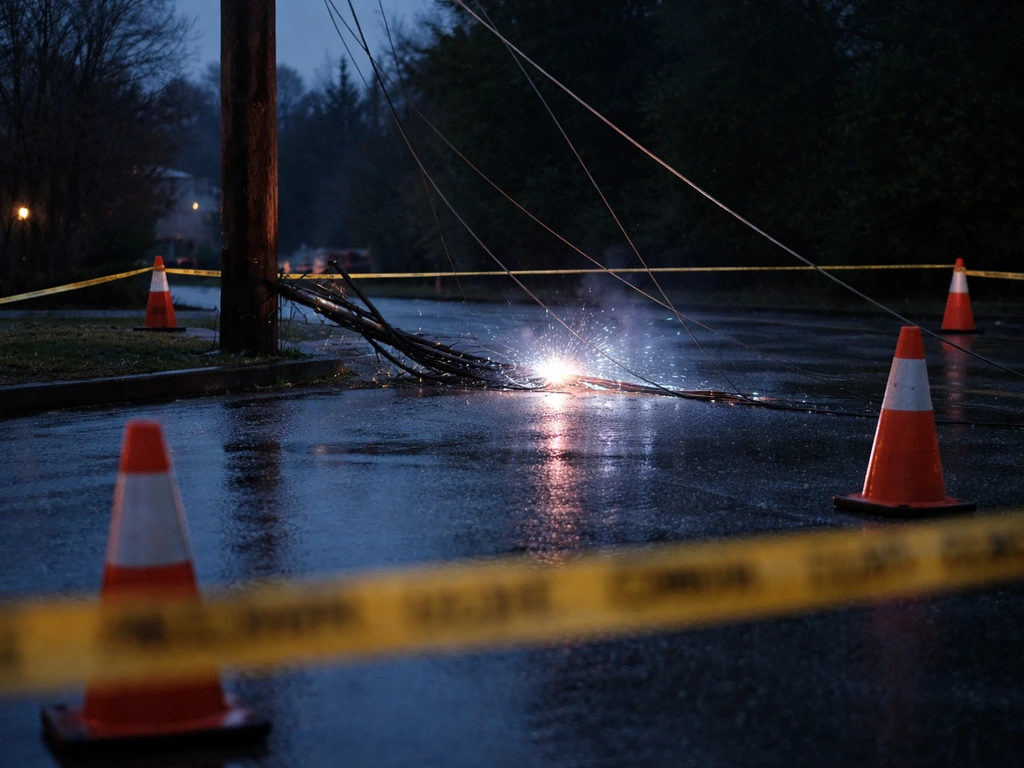
This is the highest-risk scenario outside of aviation. If a bird (or bird's nest) has caused a line to come down or arc, call 911 first, then call your utility's emergency number. Stay at least 30 feet away from a downed line. If a line falls on your car while you're driving, stay inside the vehicle unless there's fire or imminent danger. If you must exit, jump clear of the vehicle without touching both the car and the ground at the same time. Do not let anyone approach the car from outside. These aren't overcautions: contact with a downed power line is potentially fatal.
Bird strike involving an aircraft
If you're a pilot, air crew, or airport personnel, a bird strike during any phase of flight is reportable to the FAA using Form 5200-7, the Bird and Other Wildlife Strike Report. This applies even if there's no visible damage, because the FAA uses strike data to manage wildlife hazards at airports. For passengers, you don't file the FAA form yourself, but you can note the event and expect the flight crew or airline to handle formal reporting. Airports operating under 14 CFR Part 139 are required to take immediate action when a wildlife hazard is detected, including after an engine ingestion event.
How to document and report a bird strike
Good documentation does two things: it supports any insurance or liability claim you might need to make, and it contributes to data that helps prevent future strikes. Here's what to capture regardless of the scenario.
| What to document | Why it matters | Where to report it |
|---|---|---|
| Date, time, and exact location | Establishes the incident record for insurance or regulatory purposes | Your insurer, property manager, or FAA Form 5200-7 (aviation) |
| Photos of damage and impact site | Visual evidence for insurance claims and repairs | Attach to any claim or report filed |
| Bird species or description (if known) | Helps wildlife management and FAA hazard tracking | FAA Form 5200-7 includes species fields; mention to wildlife rehabilitator |
| Condition of the bird (dead, stunned, injured) | Determines whether wildlife response is needed | Local wildlife rehabilitator or animal control |
| Any injuries to people | Triggers OSHA or insurance reporting thresholds | Employer safety officer, insurer, or 911 if acute |
| Power infrastructure involvement | Requires immediate utility notification | 911 and utility emergency line |
For aviation contexts, FAA Form 5200-7 has structured fields for local time, location relative to the runway, damage description, injuries, and a remarks section for anything else relevant (including fuel jettisons if applicable). The FAA also accepts bird remains for species identification if you can safely collect them. That level of detail feeds directly into the National Wildlife Strike Database, which airports use to improve wildlife hazard management.
For window and building strikes at home, contact your local wildlife rehabilitator or use your state's wildlife agency portal. If you're on private property, licensed wildlife rehabbers can assist and many are reachable through FWS or state wildlife agency websites.
How to prevent it from happening again
Windows and glass facades

Birds can't perceive glass as a solid barrier, which is why window collisions are so common. The most effective fix is making the glass visible to birds from the outside. Options include exterior window screens, patterned fritting (small dots or lines applied to the glass surface), UV-reflective coatings that birds can see but humans largely can't, and commercial bird-safe glass that incorporates these patterns into the manufacture. The pattern needs to be on the exterior surface and spaced close enough (roughly every 2 inches) to signal a barrier. Stickers on the inside of the glass are much less effective. Minimizing interior lighting at night also reduces the draw for migrating birds.
Vehicles
Vehicle bird strikes are harder to prevent than building ones, since you can't treat a moving windshield the way you treat a stationary window. The best prevention is awareness: slow down when driving through areas with heavy bird activity (near water, agricultural fields, at dawn and dusk during migration seasons). If a large bird is in your path, brake steadily rather than swerving. Swerving to avoid a bird causes more accidents than the strike itself.
Power lines and infrastructure
Utilities with active avian protection programs (like those following SMUD's Avian Protection Plan model) address bird-infrastructure interaction through perch management, insulation on high-risk conductors, and habitat modification near substations. As a property owner near power infrastructure, you can report frequent bird activity near lines to your utility, especially if large raptors or colonial roosting birds are involved. Utilities generally want that information because wildlife-caused outages are a significant operational issue for them.
Aviation
Prevention at the airport level is a regulatory function under FAA wildlife hazard management programs. Pilots can reduce exposure by checking NOTAMs for wildlife advisories, avoiding low-altitude flight near water bodies and agricultural areas during dawn and dusk, and reporting every strike so the data improves hazard mapping. Each report filed on Form 5200-7 directly contributes to that database, which is why reporting even minor strikes matters more than most pilots realize. Those same trends and reporting data help explain why bird strikes don’t happen as often as you might expect, and why they vary by season and location why don’t bird strikes happen more often.
If you want to go deeper on related questions, the danger level and warning systems around bird strikes are worth understanding alongside what counts as an incident, since how dangerous a strike is often determines the reporting obligation in the first place. A bird strike warning system helps you understand when conditions suggest a higher risk and what to do if a strike occurs. If you are wondering how dangerous are bird strikes, the risk mainly depends on the setting, the species involved, and the resulting damage or injuries how dangerous a strike is.
FAQ
Is a bird strike only an “incident” if someone gets hurt or something breaks?
No. An incident label fits even when there is no visible injury, because the safety risk can include hidden damage (for example, hairline windshield cracks) or an ongoing hazard (a damaged power line, loose roofing glass, or a bird trapped near a roadway). If you suspect safety impact, document it and treat it as an incident even if you feel lucky it was “small.”
If the bird hit my car and flew away, what should I check before calling it minor?
Check for indirect damage: windshield spider cracks, chips inside the driver’s line of sight, reduced wiper function from impact debris, and any evidence of secondary damage like a dent or broken trim that could become a future hazard. If the crack is in your view area or appears to obstruct visibility, avoid driving until repaired, and take photos from outside and inside for the insurer.
Do I need to report a bird strike to the police for a home or vehicle event?
Usually not for a typical windshield crack or window impact. Police reports are generally reserved for incidents involving injury, suspected criminal activity, significant property damage, or when emergency response is needed for hazards. If you are making an insurance or property management claim, your photos, time, and location typically matter more than a police report for most cases.
What if a bird strike causes a vehicle to swerve but there is no collision damage to the car?
Treat it as an incident because the safety event involves loss of control. Document the circumstances (speed, road conditions, where the bird appeared, whether you braked or swerved) and note any near-miss with other traffic. If anyone was injured, even mildly (whiplash, concussion symptoms), seek medical care and include it in your documentation.
If a window is intact after a bird hit, is there still any reason to treat it as an incident?
Yes. Sometimes there is internal stress damage or nearly imperceptible cracking that can fail later, especially with tempered versus laminated glass. Look closely for fractures, bulging, or gaps at the frame, and if you notice any cracking, temporarily secure the area and notify the responsible party for repair.
What should I do if I find a dead bird under a window or on a road?
Treat it as evidence of where the hazard occurred. Photograph the location and the bird, then avoid handling unless you are trained and equipped, since birds can carry pathogens. If the strike is on/near a building façade or frequent, contact your local wildlife authority or building management with the details so they can assess the pattern and consider bird-safe glass solutions.
Does the FAA reporting form apply if the bird was on the ground during takeoff or taxi, not in the air?
The reporting obligation is tied to the strike occurring during aircraft operations, which includes takeoff and landing phases and can include ground-roll events. If your aircraft was moving (taxi, takeoff roll, landing roll) and there was a collision with wildlife, it generally falls into the FAA strike reporting scope, even if there is no visible damage.
What if there is no damage after an aircraft bird strike, should the crew still report it?
Yes. Lack of visible damage does not mean the risk is zero, and wildlife strike data is used to manage hazard levels at airports. If you are part of the flight crew or airport team, report it through the proper internal process so it is captured for FAA reporting where applicable.
How do I classify a bird strike at work for OSHA-style reporting if it involves a contractor or visitor?
The practical trigger is whether a person associated with the work is injured to a threshold (for example, hospitalization, amputation, loss of an eye). Contractors and visitors can be handled differently depending on employment status and the employer’s responsibilities, so check your company’s safety reporting policy and HR guidance, and don’t assume “bird-only” means “no reporting.”
What counts as an “emergency” for downed lines caused by birds?
Any sign of arcing, sparking, smoke, or a line on the ground or touching an object should be treated as emergency-level. Keep people away, call 911 first, then contact the utility emergency number, and do not attempt to move the vehicle or line. If you are inside a car, stay inside unless there is fire or imminent danger.
What is the best way to document a bird strike on a building or windshield for an insurance or liability claim?
Capture a simple evidence set: wide photo showing the full damage area and context, close-up showing the impact point (feather or dust imprint if present), and at least one photo of any cracks from multiple angles. Write down the exact time, date, and location, and note weather and lighting conditions, because those details often matter when assessing cause.
Next Article
How Dangerous Are Bird Strikes for People and Aircraft
Risk of bird strikes for people and aircraft, what drives severity, stats context, myths, and practical prevention steps