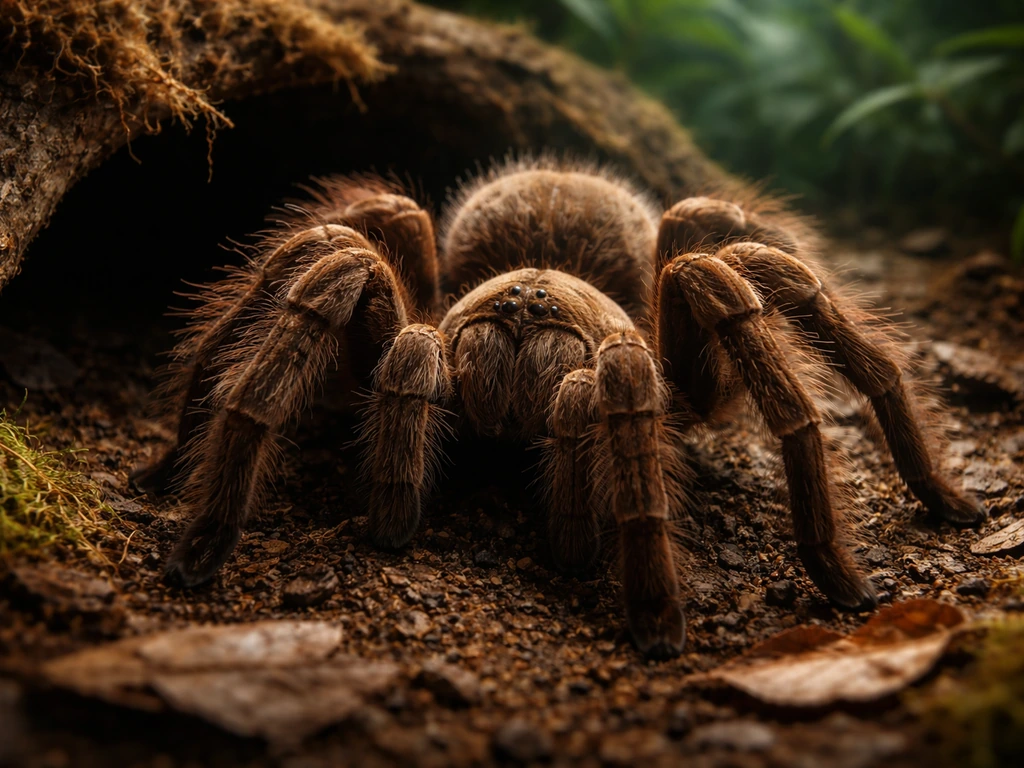
If you searched 'did bird kill Gant,' the answer depends entirely on what you mean by both words. Most likely, one of three things is going on: you're a fan of the TV show The Wire trying to settle a plot question, you stumbled on a legal document where 'Bird' and 'Gant' are both surnames, or you're dealing with a real-world situation where a bird incident may have harmed or killed a person, pet, or animal you care about. This guide focuses on that last scenario, because that's where practical help is actually needed.
Did a Bird Kill Gant? How to Identify Likely Causes

Maya Chen
21 Apr 2026
What 'Gant' and 'Kill' Actually Mean Here
The word 'Gant' doesn't have a universal meaning in bird safety contexts. It's a surname, and the phrase surfaces in pop culture (notably The Wire, where 'Bird' is a character and 'Gant' is a victim) and in legal documents where both names appear near each other. If you're asking about the show, Bird did kill Gant in the storyline. If you're here because something real happened, 'Gant' is probably the name of a person, a pet, or possibly a specific animal you're worried about.
The word 'kill' also needs unpacking. Direct, immediate death from a bird is rare in most everyday contexts. More often, when people suspect a bird 'killed' something, they mean: the animal was found dead near a bird, a pet got sick after contact with a bird, or they witnessed a collision or attack. Establishing causation, meaning confirming the bird was actually responsible, requires looking at the scene, the timeline, and the symptoms. That's what the rest of this guide walks you through. A common question is can a goliath birdeater kill a bird, and the answer depends on size, hunting behavior, and the specific encounter.
Common Scenarios and How to Tell Which One Fits
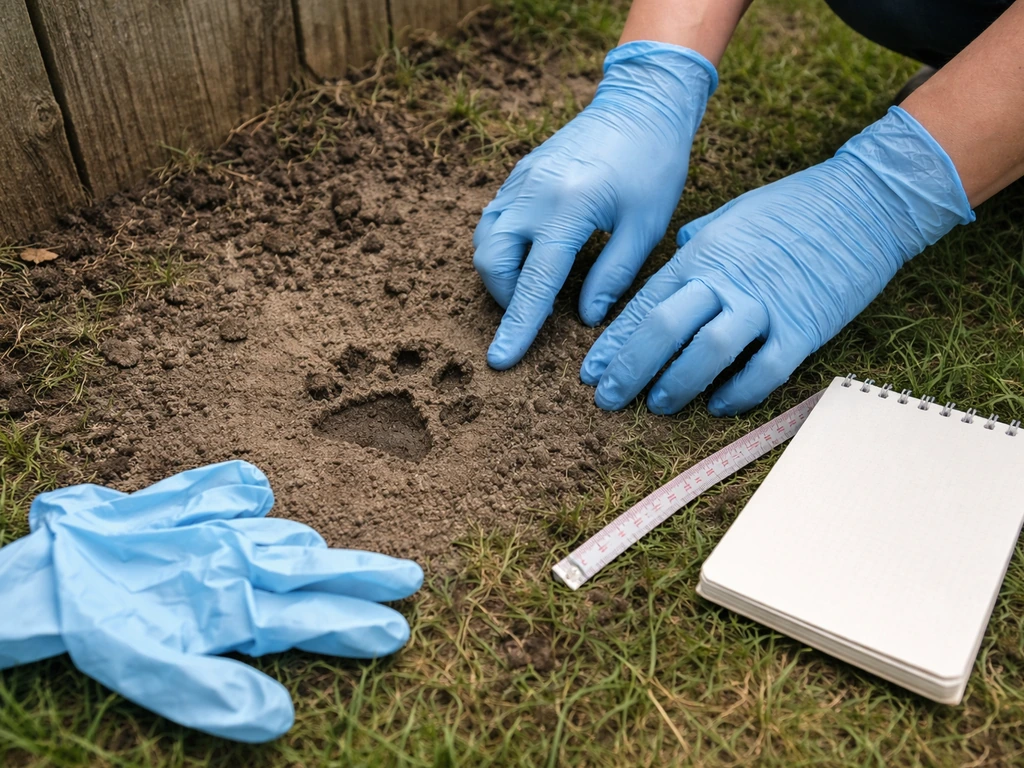
Before going down a long list of possibilities, narrow it down by asking: what actually happened, and what is the 'victim' (person, pet, or wild animal)? Here are the most realistic scenarios, in rough order of how often they come up.
- A pet (dog, cat, or small animal) was found dead or ill after being outside near birds or bird droppings. This is probably a toxicity or disease exposure issue.
- A person developed an illness (respiratory, gastrointestinal, or flu-like symptoms) after handling birds, cleaning a coop, or disturbing bird droppings. This points toward zoonotic disease.
- A bird struck a window, building, or power line and was found dead or injured. This is a physical injury scenario.
- Multiple birds were found dead in one area (a yard, a park, a street). This is what wildlife agencies call a 'bird kill event' and typically involves poisoning, disease, or environmental hazard.
- A small pet or wild animal was attacked by a larger bird (raptor, corvid). This is a predation scenario.
Once you've matched your situation to one of these, the sections below give you specific guidance. Most bird encounters, even involving dead or sick birds, do not result in serious harm to people or pets when handled correctly.
Toxic Suspects: The Most Likely Killers in Bird-Related Deaths
If a bird (or a pet that ate a bird) died unexpectedly with no obvious trauma, toxicity is one of the first things to rule out. Birds are particularly sensitive to many common chemicals, and some toxins can pass up the food chain.
Rodenticides and Pest Baits
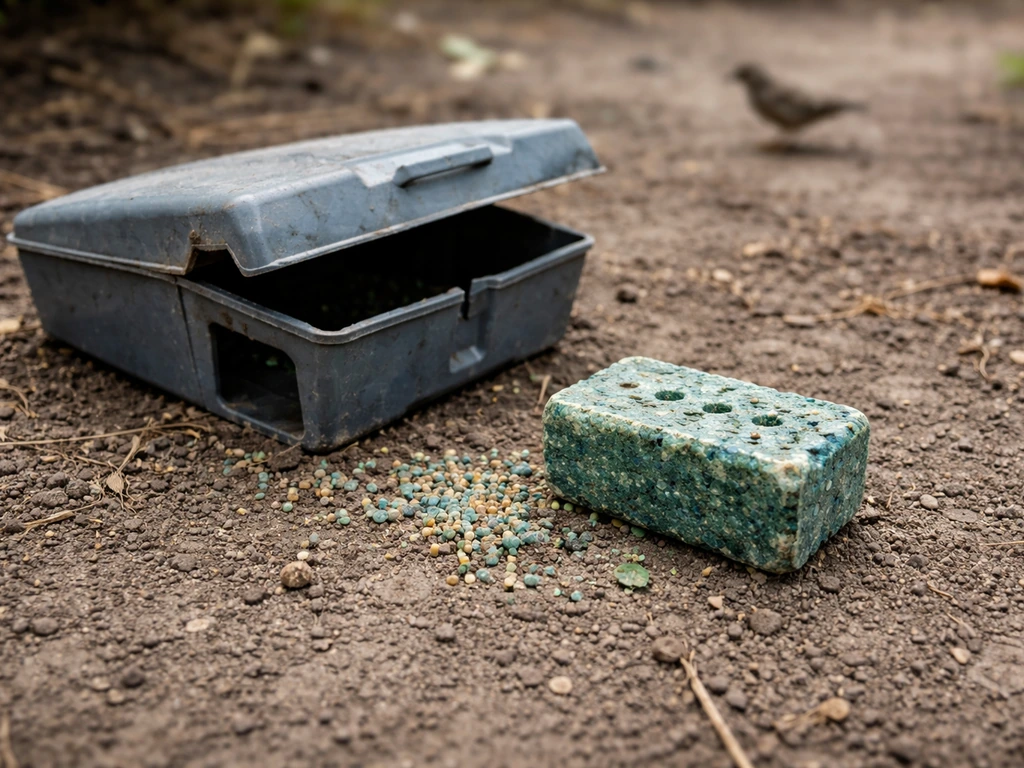
Rodent baits (rat and mouse poison) are a well-documented cause of secondary poisoning in birds of prey and scavenging birds. A hawk, owl, or crow that eats a poisoned rodent can ingest a lethal dose of anticoagulant rodenticide. If your pet dog or cat ate a poisoned bird, they could be at risk too. Signs include unusual bleeding, lethargy, or sudden collapse. If you find a dead bird of prey and you or a neighbor recently used rodent bait, that connection is worth flagging to your local wildlife agency.
Lead Exposure
Lead poisoning is a real and documented cause of wildlife mortality. Birds like eagles, condors, and waterfowl can ingest lead fragments from spent ammunition in gut piles or from lead fishing weights in water. The U.S. Geological Survey notes that lead used in ammunition and fishing tackle can leave lead remains in the environment, and wild birds can become poisoned when they ingest those lead fragments Lead fragments from spent ammunition in gut piles or from lead fishing weights in water. Lead toxicosis can cause sudden death, or it can suppress the immune system and make birds more vulnerable to infections. If a wild bird you found dead was a scavenger or a waterfowl, lead ingestion is a plausible cause. USGS and state wildlife agencies can assist with carcass testing if this is suspected.
Pesticides and Environmental Chemicals
Organophosphate and carbamate pesticides can cause mass bird deaths when applied in fields or suburban areas. If you found multiple dead birds in a localized area (a lawn, a park, near a recently treated field), pesticide exposure is high on the list. Symptoms in poisoned birds often include tremors, paralysis, or sudden death without obvious external injury.
Toxic Plants
Some plants are toxic to birds kept as pets. Avocado, for instance, contains persin, which is toxic to most bird species. If you have a pet bird that became suddenly ill and recently had access to new foods or plants, that's worth investigating with a vet immediately.
Disease Transmission: Can a Bird Make Someone Seriously Ill?
Birds can carry pathogens that affect humans and other animals, but the risk level varies a lot depending on the specific disease and the type of exposure. 'Kill' is a strong word here. Most bird-related illnesses in healthy people are manageable, but certain diseases can be severe in vulnerable individuals.
| Disease | Source | Incubation Period | Main Symptoms | Severity |
|---|---|---|---|---|
| Salmonella | Bird droppings, handling infected birds | 12–36 hours (up to 6 days) | Diarrhea, fever, stomach cramps | Usually mild; can be severe in immunocompromised |
| Histoplasmosis | Fungal spores in bird/bat droppings in soil | Days to weeks | Flu-like, respiratory symptoms | Mild to severe lung disease depending on exposure |
| Avian Influenza (Bird Flu) | Direct contact with infected birds or secretions | Typically 2–5 days | Eye redness, upper respiratory to pneumonia | Rare in humans; can be severe |
| West Nile Virus | Mosquito bite (not direct bird contact) | 2–14 days (usually 2–6 days) | Fever, headache; severe cases: neurological | Mild in most; severe in elderly/immunocompromised |
West Nile virus is worth flagging specifically because many people assume they can get it from touching a dead bird. In practice, CDC is clear that it spreads via mosquito bites, not through direct bird contact. The dead bird is a signal that the virus is circulating in your area, but touching it (with gloves) is not the same risk as a mosquito bite.
Histoplasmosis is often underestimated. It comes from a fungus that thrives in soil heavily contaminated with bird or bat droppings. Disturbing an old roost, cleaning a barn, or working under a bridge where pigeons congregate can expose you to spores. Symptoms typically start with flu-like respiratory illness, and most healthy people recover on their own, but it can become serious.
If you or someone else was exposed to birds and developed symptoms within the timeframes above, contact a healthcare provider and mention the bird exposure. CDC advises monitoring for illness for 10 days after the last known exposure to potentially infected birds or contaminated environments.
Physical Injury Pathways: When Birds Die From the Environment
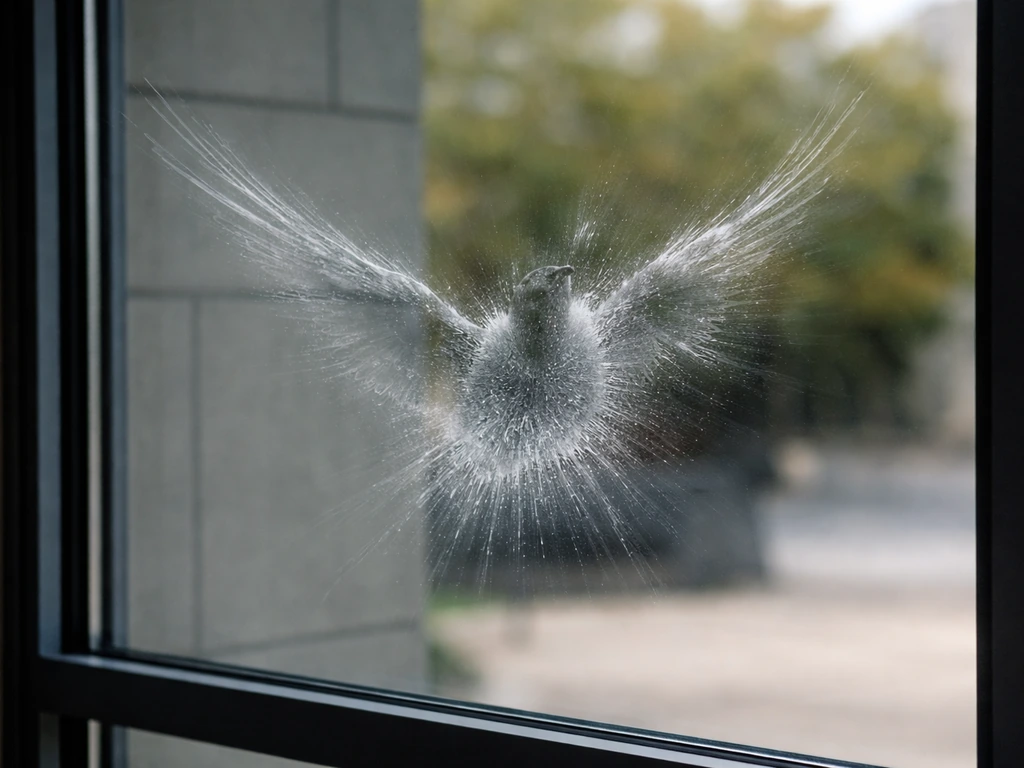
Not every dead bird is a mystery. A large proportion of bird deaths in human environments come from physical hazards, and identifying these is usually straightforward if you look at the scene.
Window Collisions
Window strikes are one of the most common causes of bird injury and death in suburban and urban settings. Birds can't distinguish transparent or reflective glass from open sky. A bird found directly below or near a large window, with no obvious wounds but possibly a broken neck or internal injuries, almost certainly hit the glass. Some birds are just stunned and will recover if left in a quiet, contained space for 30 to 60 minutes. Others die immediately from the impact.
Power Lines and Electrocution
Large birds, especially raptors and waterfowl, can be electrocuted when they bridge two conductors on a power pole. A bird found dead beneath a power pole with no other apparent cause is a candidate for electrocution. Utility companies take this seriously (it causes outages), and most have wildlife programs you can report to.
Vehicle Strikes
Birds struck by vehicles are commonly found on or near roads. The bird may have been feeding on roadkill and been hit by a passing car. External trauma, broken feathers, and the location near traffic are the main clues.
Predation and Yard Hazards
Cats are one of the leading causes of bird death in North America. If a bird was killed in your yard and you have outdoor cats, that's a realistic explanation. Birds can also be killed by larger raptors, and small pets left outdoors can occasionally be targeted by hawks or owls, though serious injury to cats or medium-sized dogs from raptors is uncommon. For a broader look at what large arthropods can do to birds, the goliath bird-eating spider and giant centipede are relevant examples in wildlife contexts, though they're irrelevant to most backyard scenarios. If your concern is whether are bird eating spiders dangerous to humans, it helps to separate typical backyard reality from rare, sensational species goliath bird-eating spider. If you want to go deeper into whether the goliath bird-eating spider could ever kill humans, see our dedicated guide on can a goliath bird eating spider kill humans. That said, the goliath bird-eating spider is still not a typical cause of bird death around people, so it is not usually considered dangerous to humans.
What to Do Right Now: Evidence, Cleanup, and Who to Call
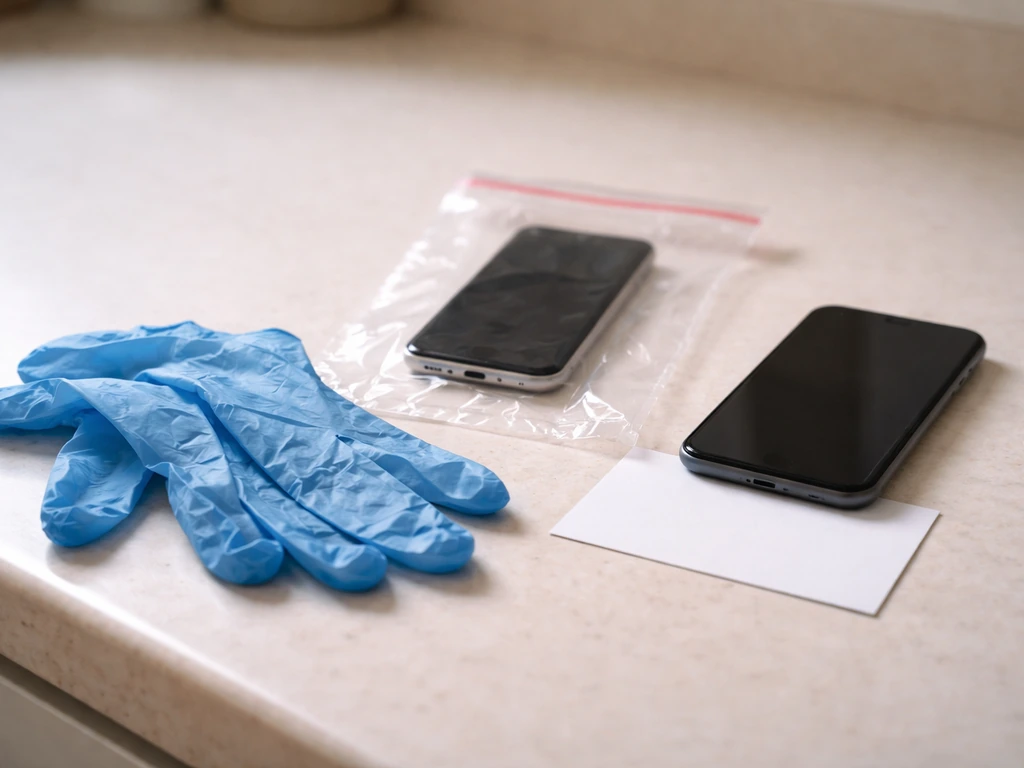
If you're dealing with a dead bird, a sick person or pet, or an unexplained death today, here's what to do in sequence.
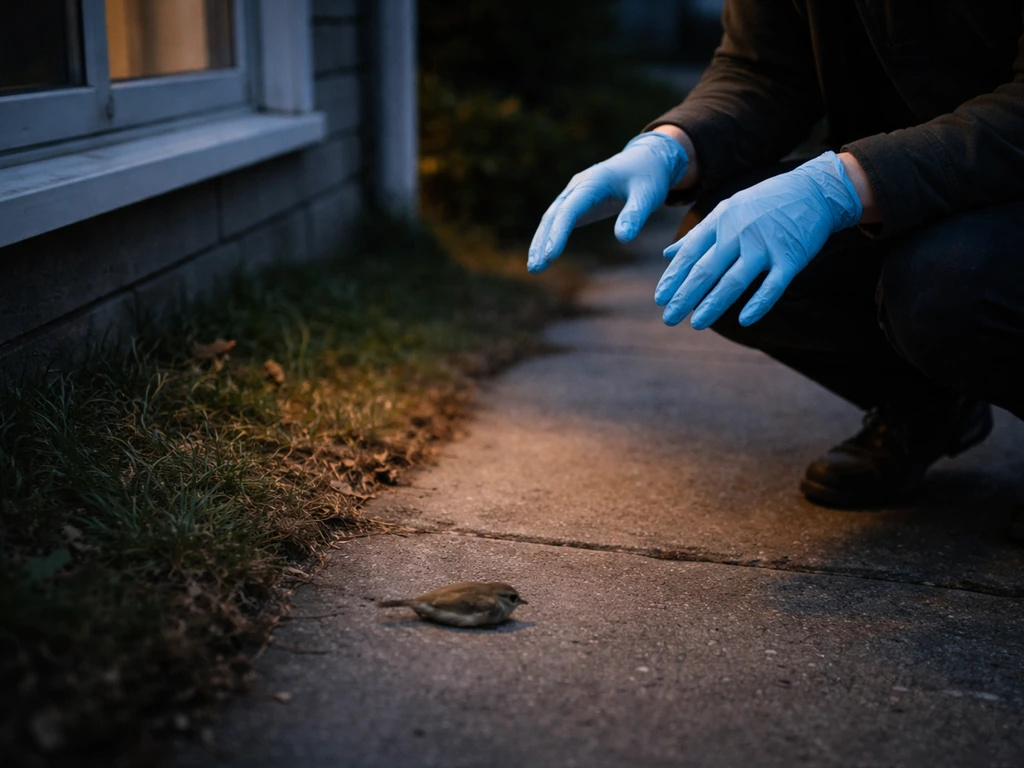
- Don't touch the bird with bare hands. Use disposable gloves. If the bird might be linked to avian influenza or another zoonotic disease, add an N95 mask and eye protection before approaching.
- Photograph the scene before moving anything. Take photos of the bird's position, any nearby hazards (windows, power lines, bait stations, dead rodents), and the surrounding area.
- Note the timeline. Write down when the bird was last seen alive, when it was found, and any recent changes in the area (new pesticide use, new plants, open containers of chemicals).
- If a pet or person is showing symptoms, contact a veterinarian or healthcare provider immediately and mention the bird exposure. Bring your timeline and photos.
- To collect the carcass safely, double-bag it in plastic bags and wash your hands thoroughly afterward. Don't dispose of a bird you think might be part of a larger disease or poisoning event without checking with your local health or wildlife agency first.
- Report unusual bird deaths (especially multiple birds in one area) to your state wildlife agency or USDA Wildlife Services. They can arrange testing if a disease outbreak or poisoning event is suspected.
- If you suspect a window strike and the bird is still alive but stunned, place it in a cardboard box with air holes, keep it in a quiet and dark space, and contact a licensed wildlife rehabilitator.
For cleanup of areas with bird droppings (especially old roosts), CDC recommends wetting the area with water and disinfectant before cleaning to reduce dust and airborne spore exposure. Wear gloves, an N95 mask, and eye protection. Don't sweep or blow dry droppings, as that aerosolizes particles.
Prevention: Stopping This From Happening Again
Once you've identified the likely cause, here's how to reduce the risk going forward, broken down by scenario.
If the Issue Was a Window Strike
Apply visual markers to your glass: window tape, decals, or external screens work well. The markers need to be spaced no more than 2 inches apart horizontally and 4 inches apart vertically to be effective. Bird-safe glass with internal UV-reflective patterns is also available for new construction or window replacements. Closing blinds or moving feeders so birds approach from a different angle can also reduce strikes.
If the Issue Was Toxicity
Switch from second-generation anticoagulant rodenticides (the most toxic to wildlife) to snap traps or first-generation baits in enclosed bait stations if you need to control rodents. Never use pesticides near bird feeders, water sources, or areas where pet birds or backyard poultry roam. Store all chemicals in locked, sealed containers. If you use ant bait or slug pellets in your yard, check the label for wildlife warnings.
If the Issue Was Disease
Wash hands every time after handling birds, cleaning coops, or working in areas with bird droppings. Keep backyard poultry areas clean and don't allow wild birds to share water or feed with your flock. Avoid disturbing old roost sites without protective gear. If you have immunocompromised people in your household, take extra care to minimize direct contact with wild birds and their droppings.
If the Issue Was Predation or Yard Hazards
Keep small pets supervised outdoors, particularly at dawn and dusk when raptors are most active. If cats in your yard are killing birds, supervised outdoor time or a 'catio' enclosure helps both the birds and the cats. Place feeders in open areas where approaching predators are visible to feeding birds, and keep the ground under feeders clean to avoid attracting rodents (which attract predatory birds and the toxin cycle that comes with rodent control).
FAQ
I found a bird dead, how can I tell whether it was caused by a bird-related incident versus something else like poison or trauma?
If you can, take photos of the scene (car location, window area, power pole base, nearby bait stations), then move to safe identification steps. Look for a pattern (single bird versus multiple), timing (recent pesticide or rodent bait use), and whether there is external trauma or only sudden illness. If the bird is a pet, prioritize symptoms and immediate veterinary care over cause guessing.
What should I do differently if the dead bird might be linked to rodent poison, especially if a dog or cat was nearby?
Yes. If you suspect anticoagulant rodenticide, preserve any evidence (empty bait boxes, chewed bait, the carcass if safe) and do not start cleanup until you have gloves and a mask. For pets, contact your vet right away, because some toxicosis cases improve significantly with prompt treatment. Don’t wait for bleeding to start if the timeline fits exposure.
How do I know whether a bird died from a window strike versus just being found there after something else happened?
For window strikes, check the immediate area for feather clusters or blood on the building side, and look for a second bird-hit possibility if you have multiple windows. A stunned bird is most often found near the base of the glass, and recovery is more likely if you keep it in a quiet, dark container with airflow for 30 to 60 minutes.
What are the safest steps if I suspect electrocution from a power pole?
If you find a bird dead under a power pole or near visible utility equipment, avoid touching it with bare hands. Even if you do not see burns, electrocution is plausible when the carcass is directly below conductors. Report it to the utility because they have protocols to make the area safe and can track wildlife-related incidents.
Can I assume that because a bird was present, it must have caused the illness or death?
No. If you only saw a bird nearby, that is not enough to conclude causation, especially for disease. For people, symptoms and exposure timing matter more. For birds, many poisonings and infections can mimic each other, so confirm with a timeline, scene clues, and, when needed, testing guidance from local wildlife or a veterinarian.
My pet bird got sick after eating or being around something new, how fast should I act?
If your pet bird became ill after a new food, plant, or treat, treat it as urgent. Remove any suspect items, clean food bowls with pet-safe methods, and call an avian veterinarian promptly. Do not try to “test” the plant again later, and don’t induce vomiting.
What’s the safest cleanup approach if there is a heavy buildup of droppings, like an old roost?
When cleaning droppings, avoid dry sweeping and avoid using high-pressure water that aerosolizes debris. If you need to enter an area with heavy contamination, increase protection (at least gloves, eye protection, and an N95) and wet the area first before handling material. If you are immunocompromised, consider having someone else handle cleanup or consult a clinician about precautions.
If my cat brought me a dead bird, should I worry about anything for my cat or myself besides the bird?
For cat-related cases, assume multiple contributing factors: hunting, injury severity, and time to discovery. If a cat brought in a bird, do not try to “care” for the bird if it is bleeding heavily or the cat has been around it. For your pet, monitor for bite scratches and contact your vet if there are wounds, because bacteria from bites can cause problems even when the bird incident seems minor.
What if the bird incident happened indoors, like near vents or inside a garage?
If the bird was found indoors or near vents, keep people and pets away from the area until you identify the cause. Distinguish between a physical hazard (window or building collision, exposed wiring) and health risks (droppings, feathers). If it is an indoor roosting situation, repeated cleanup frequency raises exposure risk, so plan protective cleaning and ventilation.
If someone touched or cleaned up after a bird, when should they seek medical advice and what should they say?
If symptoms start after bird exposure, the most practical decision aid is timing and risk level. Mention “bird droppings or dead birds in the environment” to a healthcare provider, note the first day you noticed symptoms, and track exposure duration. For droppings-heavy situations, reduce further contact and focus on ventilation and safe cleanup.
Next Article
Can a Goliath Birdeater Kill a Bird? Real Risks and Facts
Can a goliath birdeater kill or eat a bird? Realistic risks, prey limits, and bird-safe steps for homes and enclosures.