
Yes, a goliath birdeater can technically kill a bird, but it almost never does. Despite the dramatic name, documented cases of this tarantula actually hunting and killing a healthy wild bird are extremely rare. The name is mostly a marketing artifact, and the reality of how this spider feeds is far less cinematic than the name suggests. If you're worried about bird safety around one of these spiders, the short answer is: keep them separated, and you'll be fine.
Can a Goliath Birdeater Kill a Bird? Real Risks and Facts

Maya Chen
16 Apr 2026
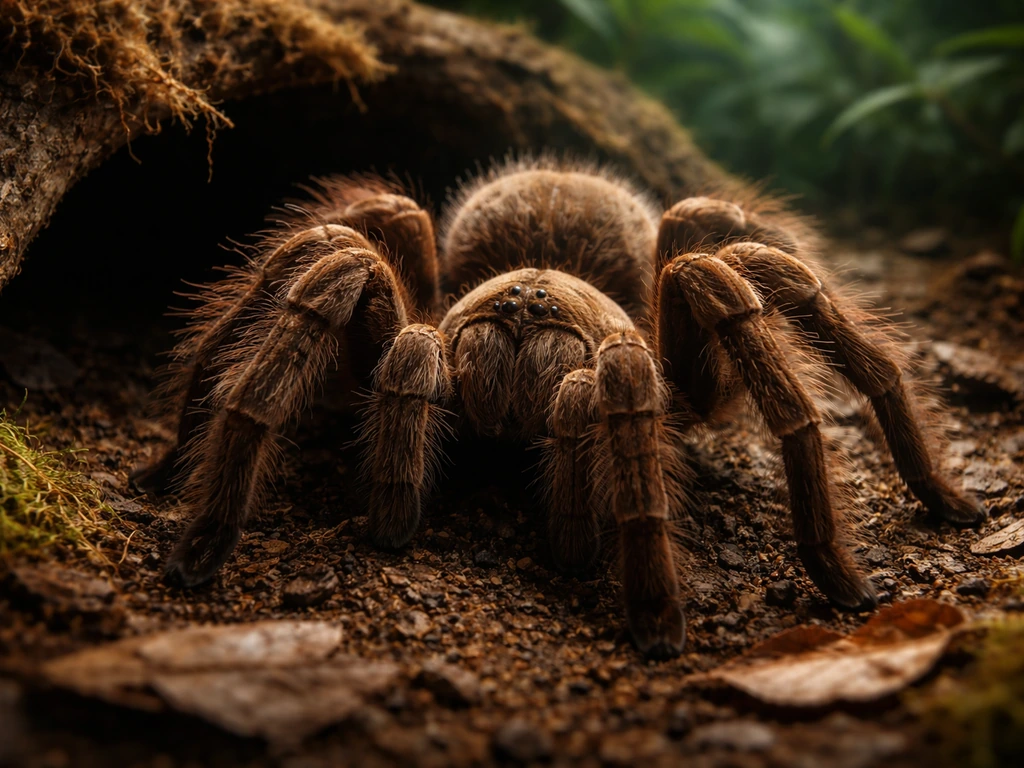
What a goliath birdeater actually is
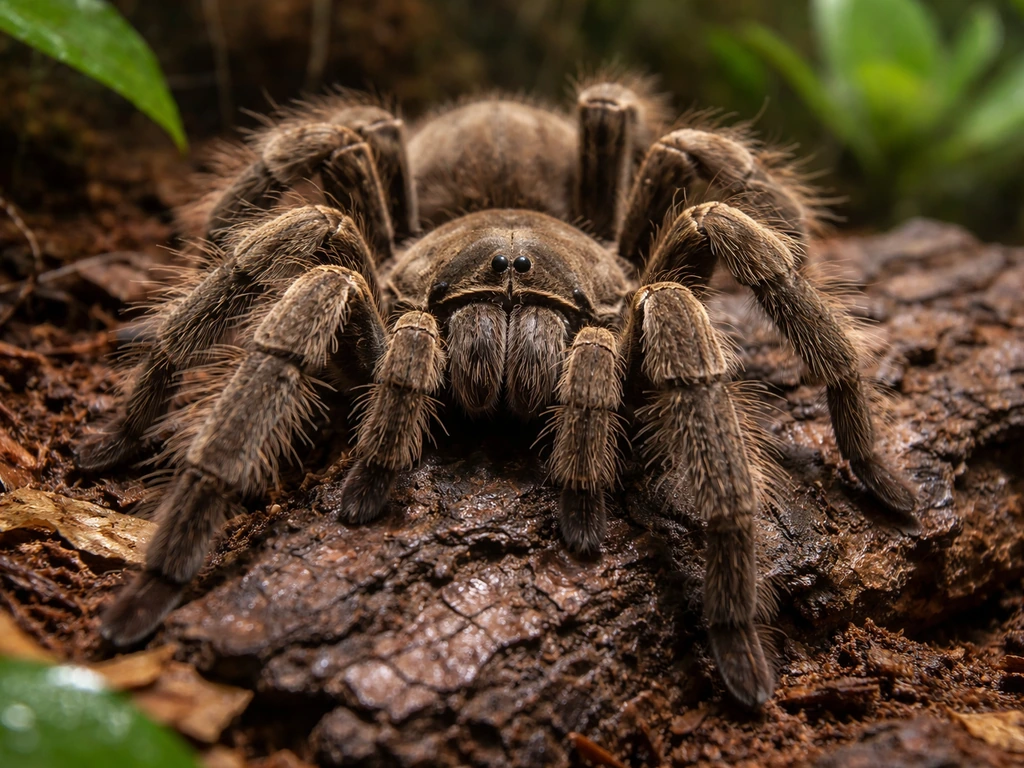
The goliath birdeater most people refer to is Theraphosa blondi, a tarantula native to the Amazon rainforest region of northern South America, ranging from Venezuela down through northern Brazil. It holds the Guinness World Record as the largest spider by mass, with a body length up to 4.75 inches (12 cm) and a leg span that can reach 11 inches (28 cm). That is genuinely large for a spider, large enough to cover a dinner plate.
Worth knowing if you're shopping in the pet trade: the name "goliath birdeater" gets applied loosely. Theraphosa stirmi, sometimes marketed as the "burgundy goliath bird eater," is a closely related species that gets sold under similar names. If you're trying to assess the risk of a specific animal, check the scientific name on your paperwork. The behavior and size of these Theraphosa species is broadly similar, so the practical guidance here applies to both.
In the wild, this spider lives in burrows in humid rainforest floor habitat. It is a sit-and-wait predator, not an active pursuit hunter. It feeds primarily on invertebrates like large insects, worms, and beetles, with occasional small vertebrates like frogs, lizards, and small rodents making up a smaller part of its diet.
Can it actually catch and kill a bird, or just eat one?
This is the real distinction worth making. There is a big difference between "capable of killing a bird" and "regularly does kill birds." The goliath birdeater got its name from an 18th-century engraving by naturalist Maria Sibylla Merian, which depicted one consuming a hummingbird. Utrecht University Special Collections notes the depiction tied to Merian’s early-1700s engraving series of “a spider eating a hummingbird” on the associated plate an 18th-century engraving by naturalist Maria Sibylla Merian, which depicted one consuming a hummingbird. That image went viral before the internet existed, and the name stuck. But field researchers who study these spiders in the Amazon report that bird predation is genuinely rare, opportunistic, and typically involves nestlings or fledglings, not healthy adult birds.
Tarantulas, including Theraphosa species, are ambush predators. They do not chase prey across distances. They rely on prey coming close enough to strike. An adult songbird that can fly is effectively off the menu. A nestling found on the ground, a fledgling that can't yet fly well, or a very small species in a confined space is a different story. So the honest answer is: yes, a goliath birdeater can kill a bird, but only under specific conditions that rarely occur in the wild and essentially never occur if you're keeping both species responsibly in captivity.
What conditions actually make predation possible
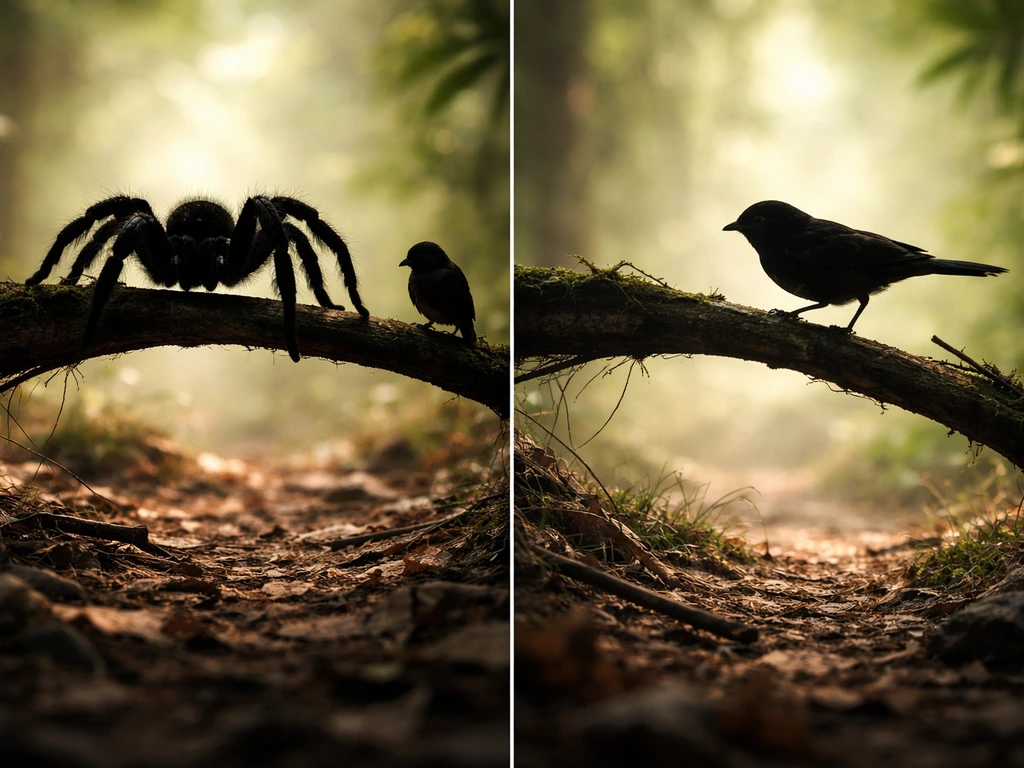
Three factors determine whether a goliath birdeater poses any realistic threat to a bird: the size of the spider relative to the prey, the mobility of the bird, and the environment they share.
- Size match: A fully grown goliath birdeater at 11 inches leg span could overpower a very small bird like a finch or a young nestling. It would have zero realistic chance against a chicken, a parrot, or any mid-sized bird.
- Bird mobility: A healthy bird that can fly or even run is too fast for a tarantula's ambush hunting style. Injured birds, grounded nestlings, or birds in confined enclosures are the only realistic targets.
- Environment: In open space or even a large aviary, a bird will naturally avoid and evade a spider on the ground. The danger increases sharply in a small, enclosed space where neither animal can avoid the other.
- Time of encounter: Goliath birdeaters are primarily nocturnal. A bird that roosts and can't see or react well at night is more vulnerable than one encountered during daylight.
If you're curious how goliath birdeaters compare to other large invertebrates that might pose a risk to birds, it's worth knowing that giant centipedes and birds actually represent a more documented predation relationship than tarantulas do. Giant centipedes (Scolopendra species) are active hunters with powerful venom and have well-documented records of killing adult birds. That's a genuinely different risk profile from a Theraphosa tarantula.
Keeping birds and goliath birdeaters in the same space
If you keep either species as pets, the simple rule is: never house them together. Full stop. This is not about the spider being an apex predator. It's about stress and accidental harm. Even if the tarantula never successfully kills the bird, the spider's urticating hairs (barbed bristles it flicks as a defense) can cause serious eye and respiratory irritation in both birds and humans. A bird pecking at a tarantula out of curiosity could injure itself or trigger a defensive bite from the spider.
If you're asking because someone told you a goliath birdeater loose in a room with a caged bird is dangerous, the answer is: it's a stressful and potentially harmful situation, but an immediate kill is unlikely unless the spider gets inside the bird's cage. Secure both animals separately and you've solved the problem.
For anyone who keeps large tarantulas and is also curious about general whether goliath bird eaters are dangerous as pets, the risk profile for humans and other household animals is something worth reading up on beyond just the bird angle.
Goliath birdeater vs. bird: a realistic comparison
| Scenario | Risk to Bird | Notes |
|---|---|---|
| Healthy adult songbird, open space | Very low | Bird can evade; spider is an ambush predator |
| Grounded nestling or fledgling near burrow | Moderate to high | Most realistic wild predation scenario |
| Small bird in same enclosure as spider | High | Confined space removes the bird's main advantage |
| Caged bird, spider loose in same room | Low to moderate | Risk exists only if spider enters the cage |
| Large parrot or chicken | Negligible | Bird is simply too large for the spider to subdue |
Myths about disease and venom: what's actually a risk to birds
People sometimes worry that a tarantula bite could transmit disease to a bird, or that the spider's venom poses a unique systemic threat. Here's what the evidence actually shows: tarantula venom is designed to immobilize small invertebrate prey, not to cause fatal systemic toxicity in vertebrates. A bite on a very small bird could cause localized tissue damage and distress, and in a tiny bird it could potentially be serious, but it's not a broad-spectrum toxin that would kill anything it touches.
Disease transmission from tarantula to bird is not a documented concern. Tarantulas do not carry known zoonotic pathogens that pose specific risks to birds. The real health risk from goliath birdeaters is the urticating hairs, which can cause irritation and inflammation in mucous membranes and eyes. For a bird in close proximity to a threatened tarantula, getting a face full of these hairs could cause conjunctivitis or respiratory distress, which is worth taking seriously even if it won't kill a healthy adult bird outright.
If you've encountered the broader question of whether bird-eating spiders are dangerous in general, the answer applies to birds and humans alike: the threat is real but highly situational, not the ambient danger the name implies.
On the question of whether a goliath bird-eating spider can kill a human, the short answer is no, and that same context helps frame the bird risk accurately: this is a spider that is genuinely large and capable, but it is not a predator that routinely takes down vertebrates of any significant size.
What to do right now if you're worried about bird safety
Here are the practical steps to take depending on your situation:
- Separate the animals immediately: If you keep both a tarantula and a pet bird, make sure the tarantula's enclosure is fully secured with no gaps the spider can escape through. A lid with a locking mechanism is not optional.
- Check for nestlings if you live in Amazon-adjacent habitat: If you're in South America and have ground-nesting birds on your property, the small chance of a goliath birdeater taking a nestling is worth knowing about. Raised nest boxes reduce exposure.
- Don't handle both animals in the same session: Urticating hairs on your hands or clothing can transfer to your bird during handling. Wash thoroughly between contact with your tarantula and your bird.
- If your bird was exposed to a tarantula: Look for eye irritation, excessive blinking, or labored breathing. These are signs of urticating hair exposure. Rinse the bird's face gently with clean water and contact an avian vet if symptoms persist.
- If you found a tarantula near a wild nest: Do not panic. Observe the situation. If the spider is actively at the nest, relocating it by scooping it gently into a container and moving it at least 50 meters away is a reasonable step.
The broader lesson here is to keep the risk proportional. Birds face many documented threats far more serious than tarantulas, including window collisions, cats, and airborne toxins. The goliath birdeater is a fascinating animal that deserves accurate representation, not exaggerated fear. If you've ever seen a dramatic claim about what these spiders routinely do to birds and wondered whether it was true, you're right to be skeptical. You can also look at some of the other bird mortality questions addressed on this site, such as whether birds can kill other large animals, to see how these comparisons tend to play out when the evidence is actually examined.
The bottom line: a goliath birdeater can kill a bird, but it's a narrow set of circumstances where that happens. Healthy, mobile birds are not in meaningful danger from these spiders in normal conditions. Keep enclosures secure, never house them together, take urticating hairs seriously, and you've done everything you need to do.
FAQ
What should I do if my tarantula and a pet bird are in the same room (but separated)?
If the spider never reaches the bird cage, the chance of an actual attack is extremely low. The main dangers in a shared space are agitation (bird panicking, knocking into the cage) and contact with urticating hairs if the tarantula feels threatened. To reduce risk, keep the bird in a fully latched enclosure and separate air flow so hairs cannot drift between rooms.
Could a goliath birdeater kill a nestling or wounded bird in the home?
Do not assume the spider will “choose insects.” In captivity, a bird introduced as prey stimulus, like a nestling or a bird that cannot fly well, can trigger fast opportunistic behavior. The safest approach is simple: separate species and never offer a bird as live prey or allow any loose interaction, even briefly.
How would I recognize if my bird was exposed to urticating hairs?
Yes, a bird can be hurt even without a kill. Urticating hairs can irritate eyes, make breathing difficult, and trigger stress. If you suspect exposure, rinse the bird’s eyes with sterile saline and contact an avian veterinarian promptly, especially if there is open-mouth breathing, tail-bobbing, or squinting.
Does a bird’s ability to fly make the risk completely negligible?
Bird safety depends more on proximity and access than on size alone. A goliath birdeater may be less likely to hunt an adult that can fly, but if a bird is grounded, trapped, or unable to escape to open air, the situation changes. Keep birds out of reach zones around the enclosure, including near terrarium lids, vents, and any gaps.
Is it ever safe to house a goliath birdeater and birds in the same enclosure for convenience?
Housing them together is not recommended even if your cage design seems secure, because small failures happen (misaligned latches, loose screen tops, and gaps during feeding). If you ever need to pass near the bird, do it on separate time schedules and keep your tarantula’s enclosure undisturbed until you have removed the bird from the area.
What should I do if a tarantula bites a bird?
A tarantula bite is unlikely to be fatal, but the bird can still suffer localized injury, shock, and follow-on complications. If a bite occurs, seek veterinary care, and monitor for swelling, lethargy, refusal to eat, or changes in breathing.
Do time of day or bird activity levels affect risk around tarantulas?
Yes, weather and lighting can indirectly matter by changing bird behavior. Birds may spend more time on floors or become more curious during active foraging periods, and that increases accidental contact risk. Match feeding and handling routines so the bird is confined while you do anything that could disturb the tarantula or move the cage.
What’s the most common misconception about these spiders and birds?
The biggest misunderstanding is the marketing claim versus actual outcomes. A healthy adult bird is typically not an effective target because it is mobile and can escape quickly, while tarantulas rely on close range rather than pursuit. The practical safety goal is preventing physical access and hair exposure, not trying to “predict hunts.”
Next Articles
Are Goliath Bird Eaters Dangerous to Humans?
Are goliath bird eaters dangerous? Risks to humans, venom severity, bite behavior, symptoms, and when to get medical hel

Bird Causes Plane Crash? Risk, Mechanisms, Myths, Prevention
Whether bird strikes can cause plane crashes, how they happen, real risk data, debunked myths, and prevention steps

Can a Plane Crash Because of a Bird? Facts and Safety
Understand if a bird strike can crash a plane, what it damages, how often it happens, and what airports do to prevent it