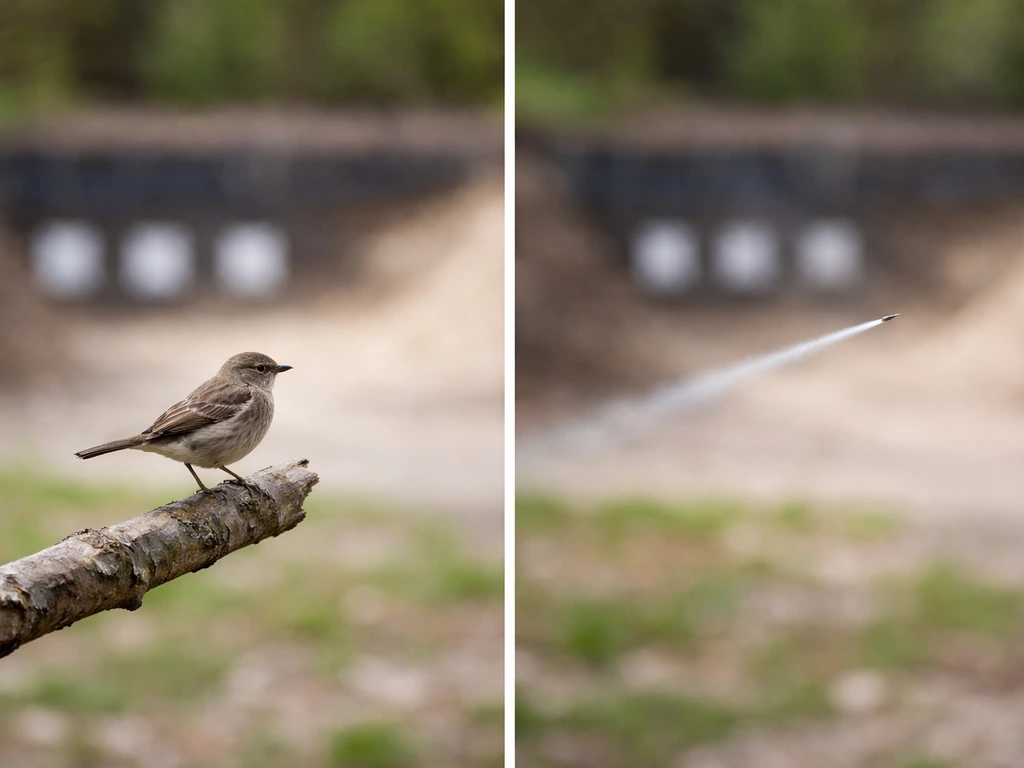
A standard Nerf gun is extremely unlikely to kill a bird outright, but that does not mean it is harmless. Nerf darts travel somewhere between 50 and 110 feet per second depending on the blaster model, which is far slower than an air rifle or even a Red Ryder BB gun. At that velocity, a dart probably cannot deliver enough kinetic energy to kill a robin or a sparrow in a single clean hit. A slingshot can also deliver painful, potentially fatal force to birds depending on the projectile and distance can a slingshot kill a bird.
Can a Nerf Gun Kill a Bird? Safety, Risk, and What to Do

Maya Chen
30 Apr 2026
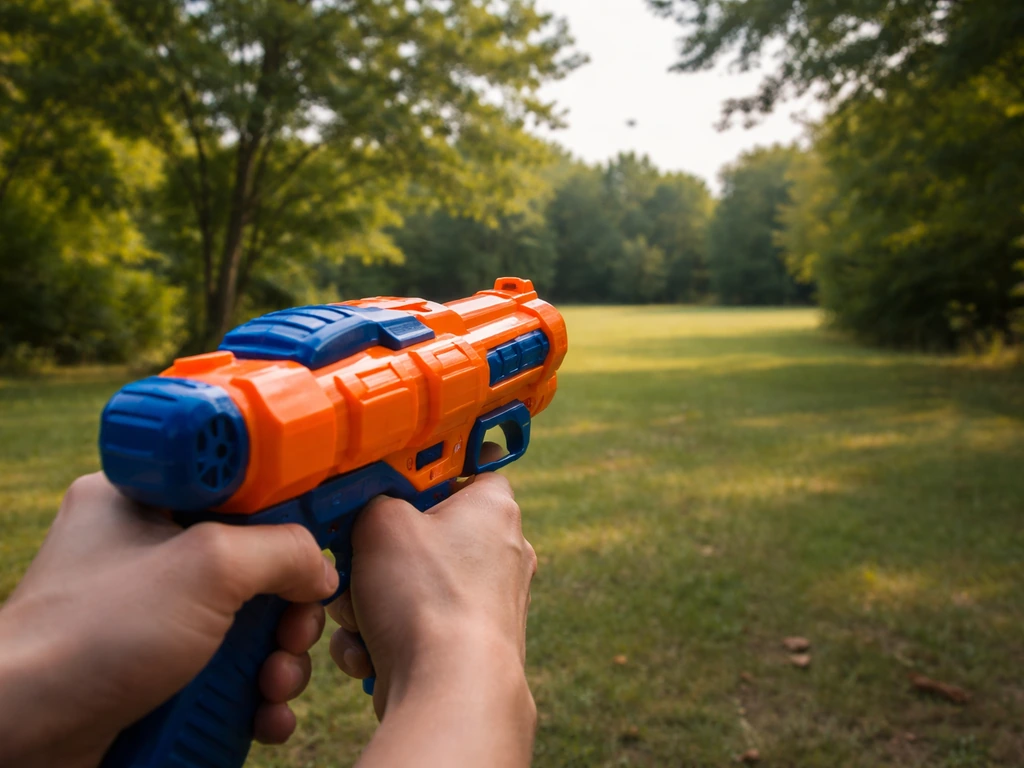
But "probably won't kill it" is not the same as "safe to shoot at. " A small bird hit at close range, especially in the eye, the head, or the side of the body, can end up with real injuries: bruising, internal bleeding, a fractured bone, or an eye injury that leads to slow death days later. So the honest answer is: unlikely to kill instantly, but capable of causing serious harm and a slow death.
What actually happens when a Nerf dart hits a bird
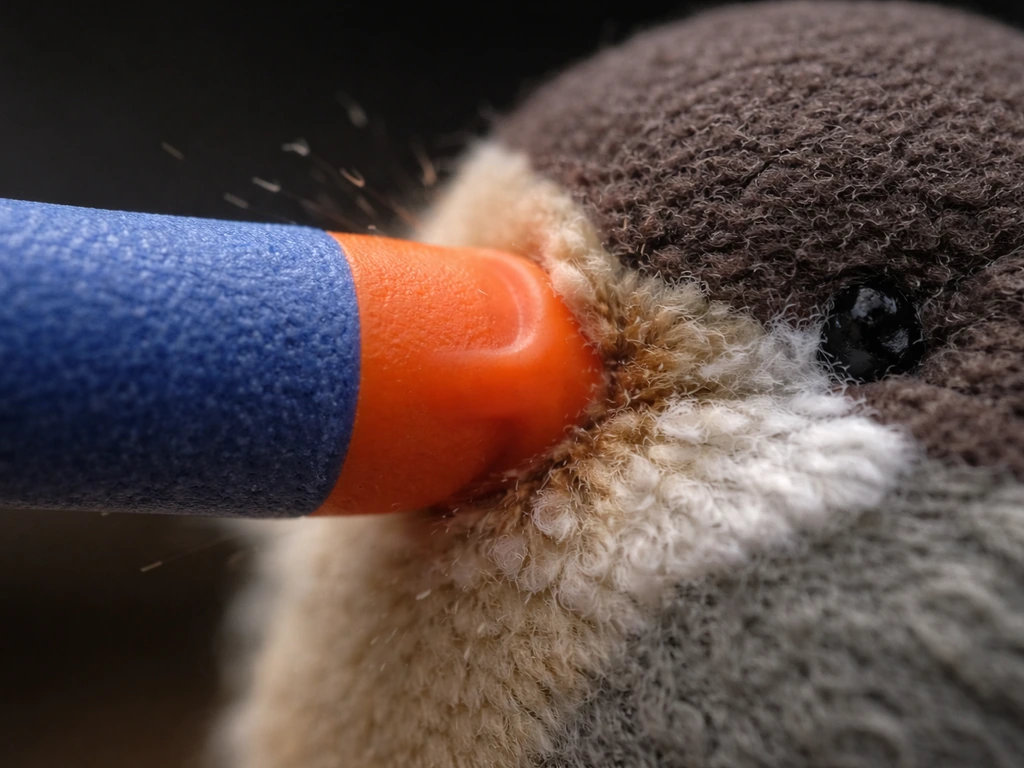
Nerf darts are soft foam with a rubber or plastic tip, and official Hasbro blasters cap out around 90 to 110 fps for their faster lines like the Hyper series. Off-brand foam dart blasters can push harder, and research from Virginia Tech found that off-brand darts are two to three times more likely to cause eye injuries than official Nerf darts, which tells you the foam-tip design is doing real protective work on the official versions. Even so, 90 fps is still a meaningful impact when a projectile meets something as fragile as a bird.
Bird bones are hollow and lightweight by design, which is great for flight but terrible for absorbing blunt impacts. A small songbird weighing 20 to 30 grams has almost no body mass to absorb that energy. A dart hitting a small bird is proportionally more like a dodgeball hitting a person in the face than a pillow toss. Larger birds, like pigeons or crows, have more mass and are harder to seriously injure, but they are still vulnerable to eye strikes and head trauma.
Distance matters a lot. At 30 or 40 feet, most of the dart's energy has dissipated and the impact is much lighter. At close range, say 5 to 10 feet, you are delivering the full muzzle energy to whatever body part the dart contacts. If you are trying to scare a bird off your porch at close range with a Nerf gun, you are in genuine injury territory. At can 200 fps kill bird speeds, the risk of serious injury rises, especially with close-range eye or head impacts.
Injuries that fall short of instant death but still matter
Eye injuries are the most serious risk. A JAMA Ophthalmology study tracked 304 emergency department patients with ocular trauma from foam darts and toy guns, with common outcomes including corneal injury and hyphema (bleeding inside the eye). Bird eyes are proportionally huge relative to their skull size, which makes them an easy target to hit by accident. A blunt projectile does not need to puncture the eyeball to cause serious internal damage. Research on ocular blunt trauma confirms that kinetic energy can transmit through the eye wall and injure internal structures without any visible wound.
Beyond eye trauma, a bird can suffer bruised or fractured ribs, internal bleeding, or a fractured wing bone from a body shot. These injuries may not be visible from the outside. A bird that flies away after being hit might look fine but could be bleeding internally or have a stress fracture that worsens over the next 24 hours. Pain and shock are also real: even a non-fatal impact causes a stress response in birds, and that physiological stress can itself be dangerous for small animals.
Then there is infection. Any break in the skin, even a small abrasion from the dart tip, introduces bacteria into the wound. Birds that survive an initial impact can die days later from wound infection or from complications of internal injuries that were never treated.
What to do immediately if a bird is struck
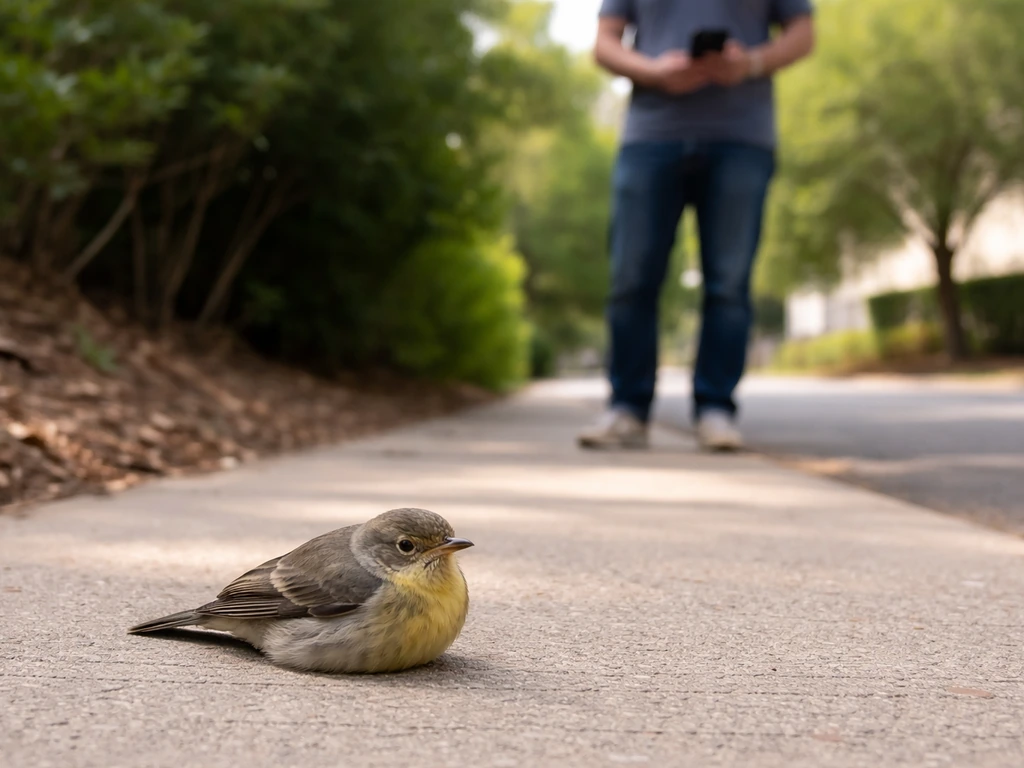
First, do not try to handle the bird more than absolutely necessary. Handling causes additional stress and can worsen shock. If the bird is lying on the ground and not flying away, here is what to do right now.
- Observe from a distance first. Watch for 5 to 10 minutes. A stunned bird may recover on its own if it has no obvious injuries.
- Look for clear signs of injury: visible bleeding, a drooping or dangling wing, the bird holding one leg up, open-mouth breathing or panting, or an inability to hold its head upright.
- If the bird cannot move away from you or shows any of those injury signs, gently place it in a cardboard box with small air holes. Line the box with a soft cloth or paper towels. Do not add food or water. Do not use a wire cage.
- Keep the box in a warm, dark, quiet place. Cover it with a towel to block light. Minimize noise and conversation around it, and keep pets and children away.
- Do not try to splint a wing, apply antiseptic, or give the bird any food or liquid. Well-meaning interventions by non-experts often cause more harm than good.
- Contact a licensed wildlife rehabilitator as soon as possible. In the U.S., the USFWS has a rehabilitator-finder resource, and organizations like Audubon and Best Friends Animal Society maintain regional lists. Your state wildlife agency can also refer you to permitted facilities.
The threshold for calling a rehabilitator is lower than most people think. Purdue Extension advises calling if the bird is bleeding, cannot move away effectively, or shows visible injury. The RSPCA points out that birds sometimes need treatment even when wounds are not obvious, especially if breathing is labored or the bird is panting. When in doubt, make the call. Most rehabilitators would rather get a call that turns out to be unnecessary than have a bird die because someone waited too long.
One important legal note here: the U.S. Fish and Wildlife Service explicitly states it is illegal to take a wild bird home to care for it or keep it as a pet. You can provide a temporary safe space while you arrange transport, but rehabilitation must be handed off to a licensed professional. The U.S. Fish and Wildlife Service also describes a “Good Samaritan” provision that allows holding a found sick, injured, or orphaned migratory bird long enough to immediately transport it to a permitted rehabilitator.
The legal and ethical reality of shooting at birds
In the United States, most wild birds are protected under the Migratory Bird Treaty Act (MBTA), which covers hundreds of species including common birds like robins, sparrows, and swallows. Intentionally injuring or killing a protected migratory bird is a federal offense, regardless of the tool used. If you're wondering about whether you can kill an old bird with a toy like a Nerf blaster or any similar setup, the legal and safety risks still apply. "I was using a toy" is not a legal defense if you deliberately aimed at a bird and it was injured.
State laws add another layer. Many states have their own non-game and wildlife protection statutes that cover species the MBTA does not, and some carry civil penalties in addition to criminal ones. If a neighbor witnesses the event or you are on shared property, you could also face personal liability for property damage if the bird belonged to someone (think backyard chickens or a neighbor's pet bird).
Even setting legality aside, there is a straightforward ethical dimension. Shooting at a wild bird with any projectile, including a foam dart, causes pain and fear. If the goal is to keep birds away from a space, there are far more effective approaches that do not require injuring an animal. If you are asking, "can you shoot skye's bird," the safest answer is no, because even foam darts can cause serious eye and internal injuries. Which brings us to those alternatives.
Safer ways to keep birds away (that actually work)
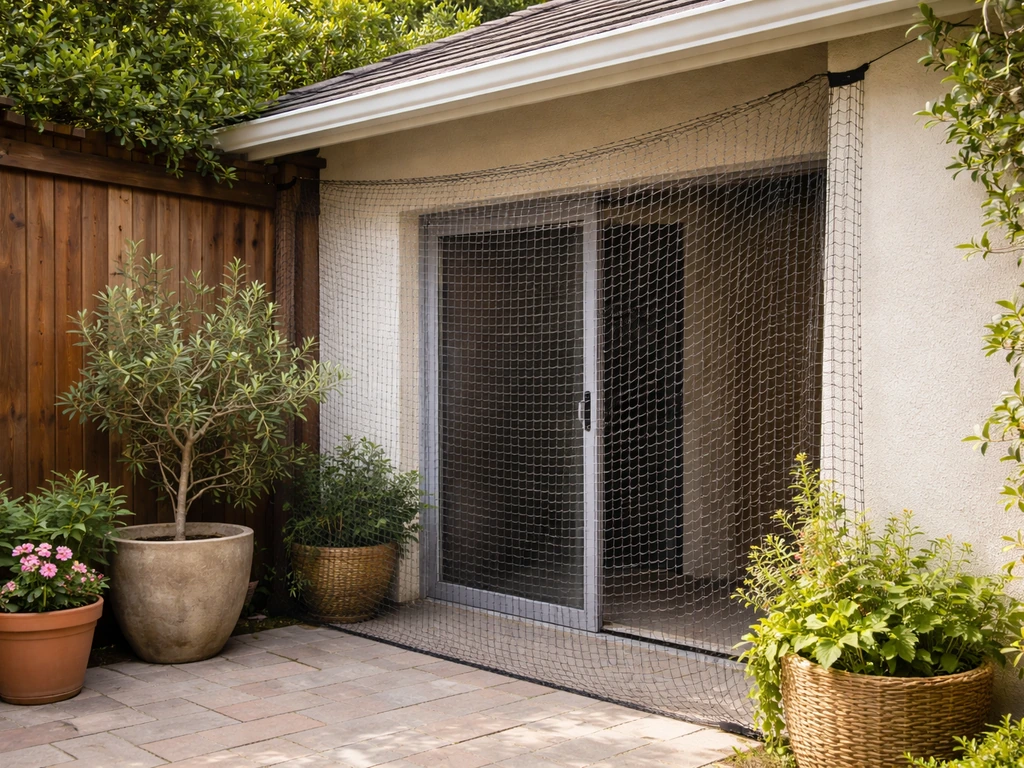
If the reason someone is reaching for a Nerf gun is to scare birds off a patio, garden, or roof, there are proven deterrent methods that are both legal and more effective in the long run. Shooting individual birds does not solve the underlying reason they are gathering there, and new birds will replace them.
| Deterrent Method | How It Works | Effectiveness Notes |
|---|---|---|
| Physical exclusion (netting, spikes) | Blocks birds from landing or roosting on targeted surfaces | Most reliable long-term solution for specific areas like ledges, gardens, or vents |
| Visual deterrents (reflective tape, predator decoys) | Startles or mimics threat to discourage landing | Works short-term; birds habituate over days to weeks, so rotate placement regularly |
| Laser deterrents | Moving light beam triggers evasive response | USDA APHIS notes habituation to lasers has not been observed in field conditions, making this more durable than static visual options |
| Habitat and food source removal | Eliminates the reason birds are gathering (open trash, bird feeders, standing water) | Most effective root-cause solution; works long-term without ongoing effort |
| Audio deterrents (distress calls, predator sounds) | Triggers alarm response in target species | Effective short-term; birds learn to ignore repetitive sounds, so variation is key |
| Repellent gels or taste aversives | Makes surfaces or food sources unpleasant to land on or eat | USDA APHIS NWRC evaluates these scientifically; effectiveness varies by species and application |
The most durable solutions almost always combine physical exclusion with habitat management. If birds are on your balcony because you leave food out, no visual deterrent is going to beat a free meal. Remove the attraction first, then use exclusion or deterrents to reinforce the message. For serious or persistent problems, a wildlife control professional can assess the specific situation and recommend a targeted strategy.
How this compares to other projectile questions
Nerf guns sit at the low end of the projectile-harm spectrum. Questions about whether a Red Ryder BB gun or a higher-fps air gun can kill a bird involve significantly more kinetic energy, and the risk calculus shifts considerably. Even paintball guns, which fire heavier projectiles at much higher velocities, occupy a different risk category than foam darts.
You may also be wondering, can a paintball gun kill a bird, and the risk can be higher than with foam darts Even paintball guns. That context is useful because it reinforces the core point: a Nerf gun is unlikely to kill a bird outright, but "unlikely to kill outright" still leaves a real window for injury, pain, and suffering. A slingshot can still injure birds badly, and the legal and ethical risks are similar to other projectiles.
Treating any projectile aimed at a bird as potentially harmful is the right mental model. If you are trying to answer the broader question of what FPS can kill a bird, velocity alone is not the whole story.
FAQ
What should I do if I think my Nerf dart hit a bird but it flew away?
If a bird is hit but still flies off, you cannot assume it will recover. Watch from a distance for 24 to 48 hours for signs like drooping, staying on the ground, limping, breathing with effort, or changes in balance, then contact a wildlife rehabilitator if any appear. Internal injuries and eye trauma may worsen later even when the bird initially seems fine.
I found a bird after it got hit, can I inspect it closely or hold it to move it?
Do not try to “check the damage” by grabbing the bird, shining bright lights into the eyes, or trying to force it to stand. Instead, keep people and pets away, provide a quiet, dark, ventilated place to rest, and call a wildlife rehabilitator if there are visible injuries or if it cannot move away normally. Handling stress can worsen shock.
How can I tell if the injury is serious when there is no obvious wound?
It is not reliable to judge severity by whether there is bleeding or a visible hole. Foam impacts can cause internal bleeding, eye injuries like corneal damage or hyphema, bruised or fractured bones, and stress fractures without obvious external wounds. If the bird seems dazed, keeps one eye closed, is panting or breathing hard, or won’t use an injured wing, treat it as urgent and call for help.
Does using a foam dart instead of a hard projectile make injuries unlikely enough to ignore?
Yes, you still should treat it as potentially harmful if the dart is “soft” and leaves only a light mark. Even a small abrasion can introduce bacteria, and the most serious risk is blunt trauma to fragile areas like the eye or head. The safe response is to stop shooting and arrange professional guidance.
Does distance fully solve the risk, or is close-range still dangerous?
At very close range the full impact energy is delivered to the first body part the dart contacts, which is why eye and head injuries are the most concerning. If you are within just a few steps of a bird, the risk is meaningfully higher than at longer distances even with official blasters. Best practice is simple, do not shoot at birds at all.
If the bird is grounded, what is the safest way to keep it from running into danger?
If you must capture the situation for safety reasons, do it by securing the area, not by chasing the bird. If the bird is active and flying normally, you can keep a respectful distance and monitor. If it is grounded, use a container as a barrier only to prevent it entering hazards, then contact a rehabilitator for next steps.
Should I feed or give water to a bird that might have been injured by a foam dart?
Use whatever guidance the rehabilitator provides, but generally do not give food or water. Many birds with head or eye injuries cannot swallow normally, and forcing fluids can cause aspiration. Focus on warmth and quiet, and transport only if instructed or until help arrives.
What first aid is appropriate for a bird that’s bleeding after an impact?
If there is bleeding, you can apply gentle pressure with clean gauze to the bleeding area only, then stop and wait for the rehabilitator. Do not use ointments or make splints unless a professional directs you, and avoid irrigating wounds unless instructed, because improper handling can worsen tissue damage or contamination.
When is it an emergency versus something that can wait a few hours?
If the bird is not moving, making gasping sounds, or has severe apparent injury, call for urgent help immediately. Do not delay while trying to “see if it gets better,” because internal bleeding, shock, and eye trauma can progress. A quick call can determine whether transport or immediate measures are needed.
Does the advice change if the bird is a pet or an owned captive bird?
If the bird belongs to you or a family member’s permitted captive bird, contact an avian veterinarian or emergency vet for trauma guidance. For wild birds, you should contact a wildlife rehabilitator instead, because home care and keeping wild birds as pets is restricted. The key difference is legal authority and appropriate medical protocols.
What legal risk do I take if I shoot at a wild bird with a Nerf gun?
The specific law depends on the location, but in the U.S. wild migratory birds are generally protected under federal law, and intentionally injuring them can create serious consequences regardless of the tool. Also, some state and local rules cover additional birds, and civil liability can arise if a neighbor’s property is affected. If there is any uncertainty, stop and seek local guidance rather than assuming “toy” equals legal.
What non-harmful deterrents work best if birds keep returning to my porch or yard?
For deterring birds, physical exclusion usually beats repeated harassment, like removing attractants (food sources), blocking entry points (netting, screens), and using properly placed deterrents that do not injure animals. Wildlife control professionals can tailor solutions to the species and the exact access points, which reduces recurring visits.
Next Article
What FPS Can Kill a Bird: Why No Magic Number Exists
No magic FPS number: why impacts vary by species and shot, plus safe steps to prevent bird injury or get help.