
Birds don't literally explode, but what people find at the scene can look shocking enough to raise that question. So while it is frightening to imagine a bird “bursting,” the reality is that the cause is usually decomposition, trauma, or toxic exposure rather than something like a fart can a fart kill a bird. What you're most likely dealing with is one of three things: a bird that died from toxic exposure and has swollen, distorted remains; a bird that suffered fatal trauma from a window strike, vehicle, or predator and left scattered feathers and tissue; or a bird that died and decomposed to the point where internal gases caused the carcass to rupture. None of these are supernatural, and all of them have practical explanations and clear next steps.
What Makes a Bird Explode and What to Do Safely


What people usually mean by a bird 'exploding'
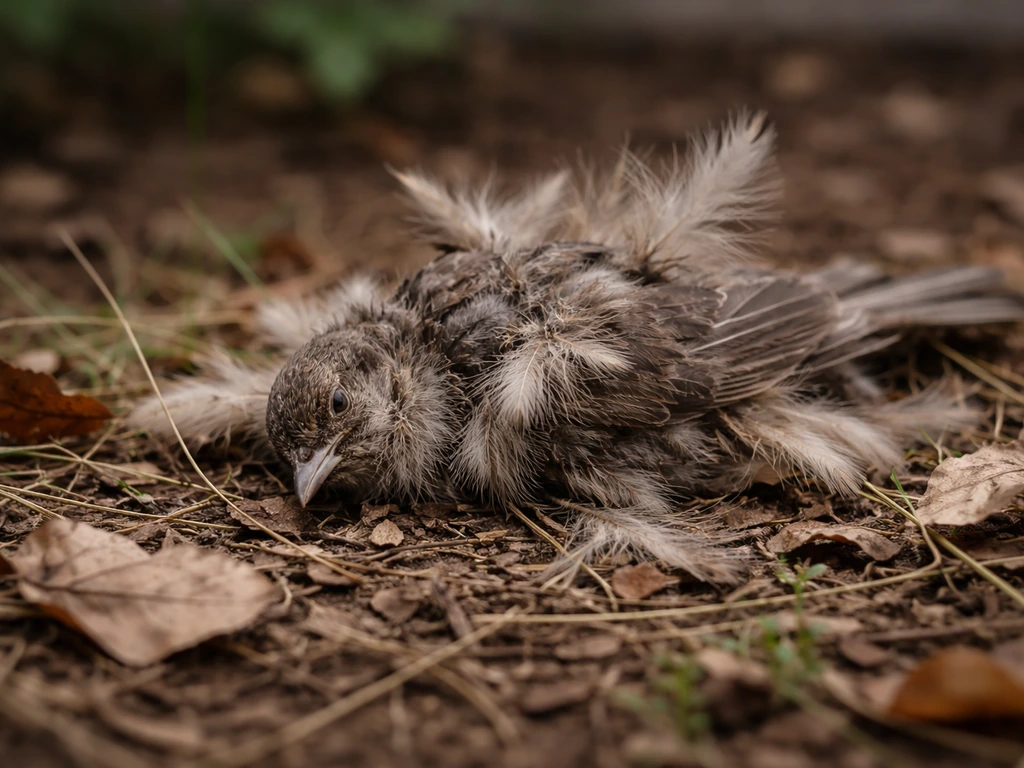
The phrase shows up in searches for a few different reasons. Sometimes someone finds a bird carcass that has bloated and burst open, which is normal decomposition. Sometimes they find a scattering of feathers and bloody remains with no intact body, usually from a predator attack or a high-speed collision. And occasionally someone witnesses a bird die suddenly and dramatically, especially after contact with a toxic substance, and the rapid, violent death looks inexplicable.
There's also a piece of persistent folklore that birds will explode if they eat things like uncooked rice or baking soda. That myth is false. Birds have muscular gizzards built to process hard, dense material. Rice, cooked or uncooked, is not dangerous to birds. Baking soda in normal food quantities won't cause a bird to combust. The 'exploding bird' myth circulates mostly as a scare story, not a documented phenomenon.
So when you're looking at a scene and asking this question, the useful approach is to rule in or out the three real categories: decomposition, trauma, and toxin or disease exposure. What you see and where you find it will point you in the right direction.
Toxins, chemicals, and poisoning: the most overlooked cause
Toxic exposure is one of the most common causes of sudden, unexplained bird death, and it can produce dramatic physical signs, including convulsions, internal hemorrhage, and a carcass that looks distinctly wrong. Even though toxins are a common reason birds die suddenly, stress is another adjacent factor people wonder about, and can stress kill a bird depending on conditions. The range of substances that can kill birds quickly is wide. A bee sting is typically fatal to small animals in rare cases, but a bird's death is far more often caused by toxins, trauma, or disease rather than a sting alone can a bee sting kill a bird.
Pesticides and rodenticides
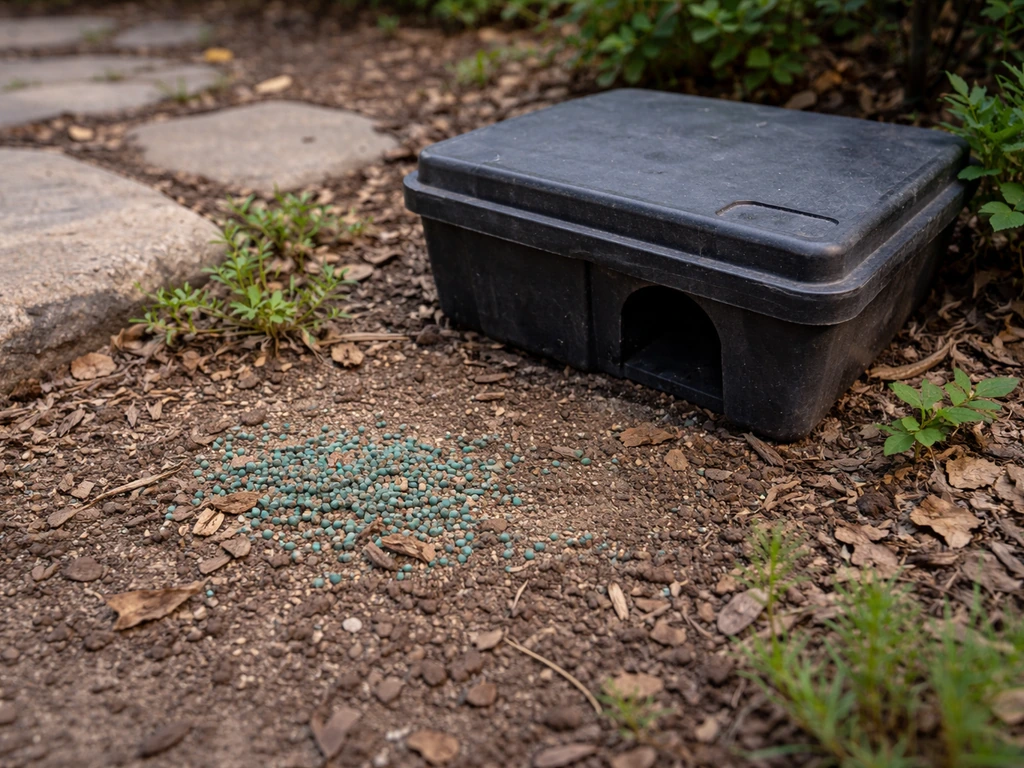
Anticoagulant rodenticides (rat and mouse poisons) are a major culprit for wild bird deaths. This matters because a rat that’s been poisoned can still be a risk to birds that eat it rat and mouse poisons. Birds of prey, corvids, and scavengers eat poisoned rodents and accumulate a lethal dose through secondary poisoning. The result is often internal bleeding severe enough to cause hemorrhage throughout body cavities. A bird found dead near an area with known rodenticide use, with blood visible from the mouth or vent, is a strong signal of this pathway. Organophosphate and carbamate pesticides kill birds even faster, causing seizures and respiratory failure within minutes of exposure.
Household chemicals and fumes
For pet bird owners, the household environment is full of hidden hazards. Non-stick cookware coatings (PTFE/polytetrafluoroethylene, sold under brand names like Teflon) release fumes when overheated that are acutely fatal to birds. A pet bird in a kitchen can die within minutes of a pan being left on a hot burner. Aerosol sprays, cleaning products, scented candles, air fresheners, and even self-cleaning oven cycles have all been documented as causes of sudden bird death. The bird may die so fast it appears to simply drop.
Toxic plants and baits
Outdoors, birds can ingest treated seeds, poisoned bait stations intended for other animals, or plants toxic to birds. If you’re wondering whether will a bird nest kill a plant, the answer depends on what’s in or near the nest, because droppings and nesting materials can affect nearby vegetation. If you find a dead bird near a garden that was recently treated with pesticides or near bait stations, that's a meaningful clue. Contaminated water sources, including puddles with runoff from treated lawns, are also a documented exposure route.
A key scene-reading clue for toxin exposure: multiple dead birds in the same area over a short time window, or a single bird found near an obvious chemical source with no sign of impact or injury. The carcass may appear intact but bloated, discolored, or with hemorrhagic discharge.
Trauma: collisions, falls, and predator damage
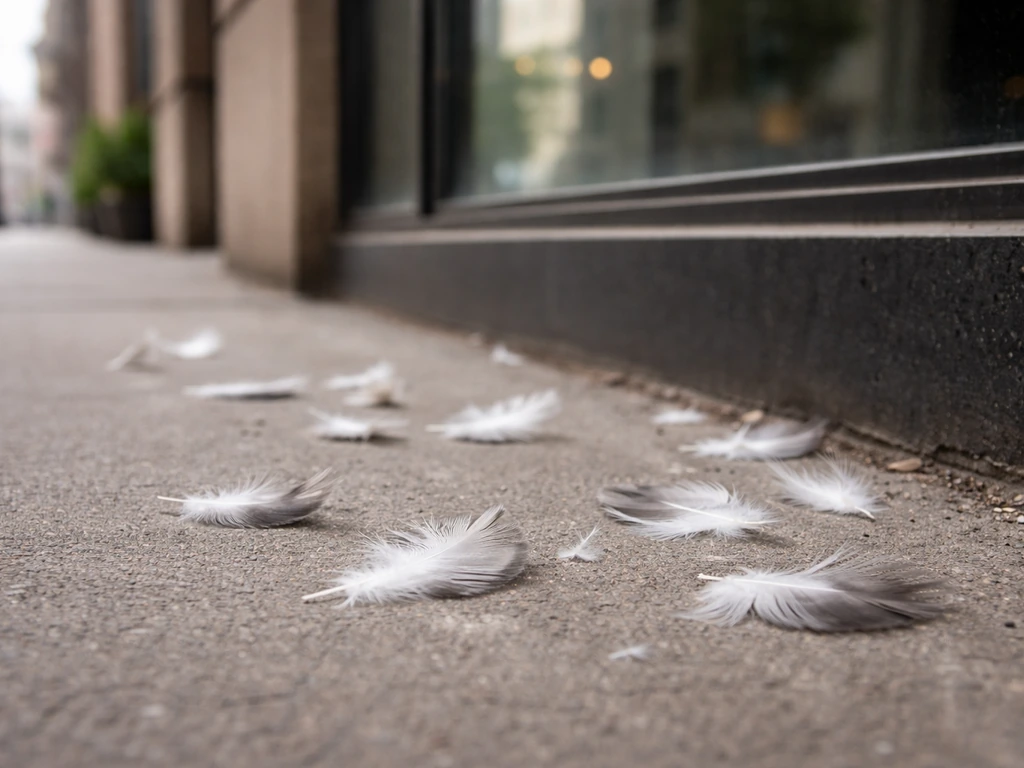
Physical trauma is the most visually dramatic cause and the one most likely to produce the 'explosion' appearance of scattered remains. High-speed impacts transfer enormous force to a small body.
Window strikes
Window collisions kill an estimated hundreds of millions of birds per year in North America alone. USGS reports that, in the United States, up to about two billion birds are killed each year due to collisions with glass. A bird hitting a large glass pane at speed can die instantly from traumatic brain injury and internal hemorrhage. What you find is typically a bird below a window, sometimes with blood on the glass above. The body is usually intact but may have obvious injuries to the head or chest. Occasionally the impact is violent enough to cause significant external injury that looks far worse than a simple fall.
Vehicle and utility-line strikes
Birds struck by moving vehicles rarely leave intact carcasses near roads. The combination of vehicle speed and impact often scatters remains widely, which can look like an 'explosion' on the pavement. Similarly, birds electrocuted on utility lines can fall with severe burn injuries and external tissue damage. If you find a bird under or near a power line with scorched feathers or extreme burns, electrocution is the likely cause.
Predator attacks
A predator kill, especially by a cat, hawk, or owl, leaves a distinctive scene: a loose pile or trail of feathers, often with no full carcass present because the predator carried off the body. What looks like an 'exploded bird' is often just the aftermath of a successful hunt. Cats in particular tend to pluck feathers extensively. If you see a ring of feathers with no body and no blood, predator activity is by far the most likely explanation.
Disease and internal causes: rare but real
Sudden death from disease or internal organ failure doesn't produce the dramatic visible rupture people imagine, but it can produce an abrupt death with a carcass that degrades quickly and can look alarming. Some diseases worth knowing about include the following.
- West Nile Virus: affects corvids and raptors most severely; birds that show signs typically die within 24 to 48 hours. You may find a dead crow or raptor with no obvious external injury.
- Avian influenza: high-pathogenicity strains can kill birds extremely rapidly, sometimes before obvious symptoms appear. Multiple dead birds of the same or related species in a short period is a red flag.
- Aspergillosis and bacterial septicemia: internal infections can cause rapid death in pet birds, sometimes with few external signs until necropsy.
- Air sac or organ rupture: traumatic or pressure-related internal rupture (sometimes connected to air sac issues) can cause sudden death and may produce unusual distension of the body.
For disease-related deaths, the key scene clue is the pattern: multiple birds dying in the same area over a short window, or a single bird with no sign of trauma or obvious chemical hazard nearby. Birds that were visibly ill (lethargy, loss of balance, discharge) before dying point more toward disease than toxin or trauma.
Decomposition can also create what looks like a rupture after the fact. As a carcass breaks down, gases including methane, hydrogen sulfide, and ammonia build up inside body cavities. If the carcass is sealed or in a warm environment, that pressure can cause the skin to split open. This is entirely normal biology, not a sign of something dangerous or unusual. The EPA's carcass management guidance specifically calls out these gases as a routine part of decomposition. A bird fart tornado is usually just a dramatic way of describing the same carcass rupture and gas release that can happen during decomposition after death.
Reading the scene: which cause is most likely
| What you observe | Most likely cause | Key action |
|---|---|---|
| Feathers scattered, no carcass, no blood | Predator attack (cat, hawk, owl) | No immediate hazard; monitor the area |
| Bird under or near a window, blood on glass | Window strike | Mark the window to prevent future strikes |
| Multiple dead birds in one area, short time window | Disease (WNV, avian flu) or pesticide/toxin | Do not handle; contact local wildlife authority |
| Bird near power lines with burn marks | Electrocution | Report to utility company |
| Bloated, split carcass with strong odor | Decomposition/gas buildup | Safe disposal; no public health emergency |
| Dead bird near bait stations, treated lawn, or chemical source | Pesticide or rodenticide poisoning | Report to local wildlife agency; secure the area |
| Pet bird sudden death in kitchen or after aerosol use | Household chemical/fume exposure | Ventilate immediately; check for source |
What to do right now if you find a dead bird
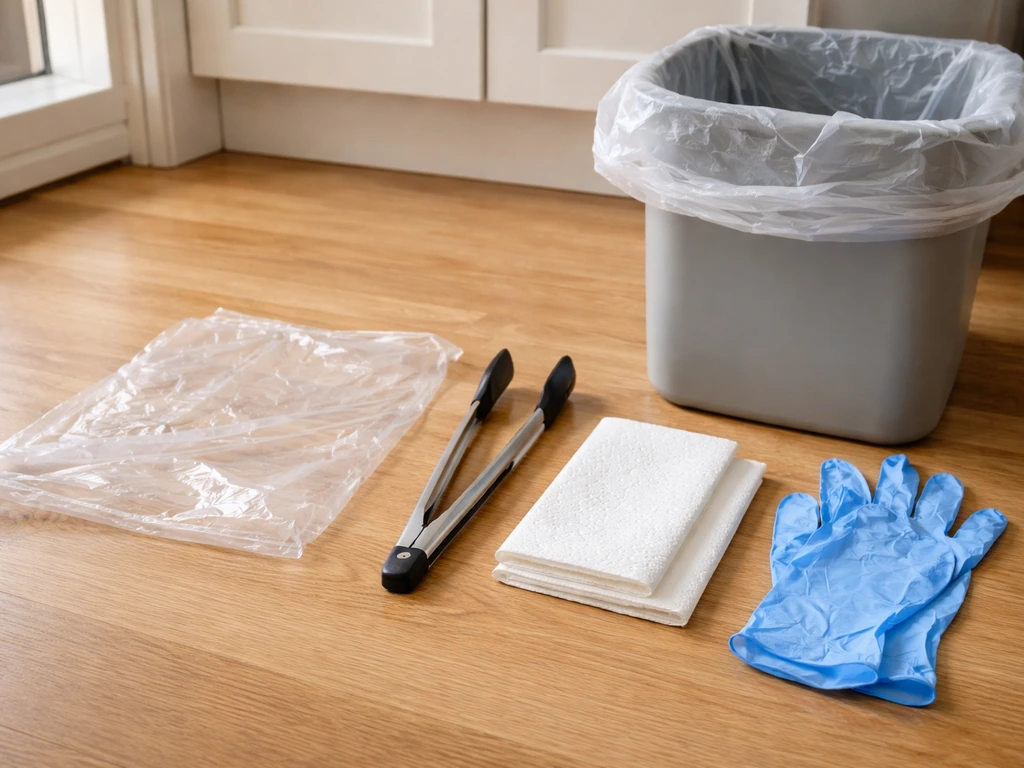
The CDC is direct on this: do not touch a dead wild bird with your bare hands. That applies whether the cause is unknown, suspected disease, or suspected poisoning. Here's the practical sequence to follow.
- Don't touch it bare-handed. Put on disposable impermeable gloves before you do anything else. If you don't have gloves, use an inverted plastic bag over your hand.
- Keep your face away from the carcass. Avoid disturbing it in a way that could aerosolize feathers, dust, or fluids near your face.
- If the cause is unknown or disease is possible, place the bird directly into a sealed plastic bag without touching it. Double-bag it.
- Wash your hands thoroughly with soap and water after handling, even with gloves.
- If you see multiple dead birds in the same area, do not collect them yourself. Contact your local wildlife agency, animal control office, or a licensed wildlife rehabilitator. In the U.S., the USDA Wildlife Services hotline and state wildlife agencies handle reports of unusual bird die-offs.
- If a pet bird died suddenly and you suspect household chemical exposure (especially fumes from cookware or aerosols), ventilate the space immediately and remove any other birds or pets. Contact an avian vet.
- If you suspect pesticide or rodenticide involvement, note the location and any chemicals visible nearby. Report it to your state's wildlife agency or the National Pesticide Information Center.
For routine single-bird disposal (a bird that hit your window, for example, with no disease concern), bagging and placing in your regular trash is acceptable in most jurisdictions. Check local rules if you're unsure. The main goal is to prevent other animals from scavenging the carcass and to avoid direct contact with body fluids.
Prevention: what you can actually do to reduce the risk
For wild birds around your property
- Apply window collision deterrents: UV-reflective decals, exterior screens, or tape strips spaced no more than 2 inches apart vertically and 4 inches apart horizontally break up the reflection that birds mistake for open sky.
- Stop using second-generation anticoagulant rodenticides outdoors. Alternatives like snap traps don't create secondary poisoning risk for birds of prey and scavengers.
- If you treat your lawn or garden with pesticides, keep bird baths and feeders away from treated areas and do not apply pesticides near bird nesting zones.
- Clean bird feeders and baths at least every one to two weeks to prevent mold and bacterial growth that can sicken birds.
- Keep outdoor cats indoors or in enclosed catios. Domestic cats are the largest human-related source of bird mortality in North America.
For pet bird owners
- Never use non-stick (PTFE-coated) cookware in a kitchen where birds have access to the air. This is a hard rule, not a precaution.
- Avoid aerosol sprays, scented candles, air fresheners, and strong cleaning products in rooms where birds live. Even brief exposure can be fatal.
- Ensure the space your bird lives in is well-ventilated but free from drafts and fumes.
- Know your nearest avian vet before you need one. Sudden illness in a bird can progress to death within hours, so having the contact ready matters.
- Be aware that stress can itself be a contributing factor in sudden bird death, particularly in species like doves and some finches. Reducing abrupt environmental changes, loud noises, and predator sightings near the cage matters for pet bird health.
Public health considerations
Most dead birds do not pose a meaningful public health risk to healthy adults who follow basic hygiene. The main exceptions are during active disease surveillance periods (such as avian influenza outbreaks), when handling should be avoided entirely and reports made to local authorities. If you have concerns about a potential disease outbreak in your area, your county or state health department is the right contact. For standard dead-bird encounters, gloves, a bag, and hand-washing cover the practical risk.
The bottom line: a bird that appears to have 'exploded' is almost always the result of decomposition gas buildup, physical trauma, or toxic exposure. Each of these has a recognizable scene pattern, a practical response, and concrete preventive steps. The dramatic appearance is usually worse than the actual hazard, and knowing what you're dealing with makes it much easier to respond safely and prevent it from happening again.
FAQ
What should I do if I find an “exploded” bird but I need to move it for safety reasons (kids, pets, traffic)?
If you must move it, use disposable gloves (or a thick barrier like double nitrile), place the bird in a sealed bag or container, and avoid squeezing the carcass. Do not hose it down, since splashing can spread fluids and contaminated material. If it is a clustered multiple-bird find, treat it as a higher concern case and contact local animal or public health guidance before collecting anything.
How can I tell whether a ruptured carcass is from poisoning or disease versus just decomposition later on?
Yes. Birds can die from poisoning or disease without leaving visible trauma, and decomposing carcasses can later appear ruptured. Scene clues that favor toxin or disease include multiple dead birds in the same area over a short time, no clear window or predator signs, and proximity to chemical sources like treated lawns, bait stations, or discarded pesticides.
What are the most common misconceptions people have about “exploding birds” and the cause?
Common mistake: assuming the cause is rice, baking soda, or other kitchen foods. Another common error is trying to identify the exact toxin by smell or appearance, which is unreliable and can increase exposure. The safer approach is to focus on the practical category (decomposition, trauma, toxin/disease) based on scene pattern, then contact local authorities if there are multiple deaths or suspected poisoning.
If my cat or dog touches an “exploded” bird, what are the safest next steps?
For pets, the immediate risk is ingestion or contact with contaminated fluids, not the bird “exploding.” Keep pets away, pick up any feathers or remains so your pet cannot mouth them, and prevent licking of areas where the bird was. If your pet has contact or appears ill (vomiting, drooling, weakness, tremors), call your veterinarian or an animal poison hotline promptly and mention possible rodenticide or pesticide exposure.
Does a window-strike “exploded” bird mean I should treat it differently from other dead-bird situations?
If the bird hit your window, the cause is usually trauma, but you still should avoid bare-handed handling. If there are only one or two incidents and no signs of chemical exposure, routine disposal is typically appropriate. If you find a sudden series of deaths indoors or in the same spot, or you suspect toxins (treated seeds, sprays, bait), pause disposal and check local guidance because that pattern raises concern beyond trauma.
What preventive steps help most for pet birds to avoid sudden death from the hidden hazards mentioned in the article?
To reduce repeat “sudden death” incidents around your home, manage indoor air exposure: never run nonstick cookware at extreme heat, keep the bird out of the kitchen during cooking and any self-cleaning oven cycle, and store aerosols, cleaners, and fragrances away from the bird’s room. Also check for accessible bait stations, treated plants, and runoff from treated lawns into water bowls or outdoor areas.
When should I report dead birds to authorities instead of handling disposal myself?
Call local animal control, a wildlife agency, or your county or state health department when you suspect poisoning (near bait stations, pesticide use, treated seeds) or during a wildlife disease surveillance period. Also report if there are multiple dead birds in the same area over a short time, or if you see neurologic signs before death. For a single isolated carcass with no obvious hazard, routine disposal with hygiene precautions is usually sufficient.
Why does bloating and rupture not necessarily mean the bird died suddenly or “mysteriously”?
Bloating and rupture can happen during decomposition, especially in warm conditions or when a carcass is sealed or trapped. That does not automatically mean the death was violent or from a harmful substance. If the scene includes clear trauma markers (blood on glass, scattered feathers from a kill, or power line burns), that is more informative than the final bloated appearance.
What should I avoid doing if I discover several dead birds in one area at the same time?
If you find multiple dead birds, avoid putting them all in one open container, avoid sweeping that creates dust, and do not bleach or disinfect the area aggressively without guidance. First isolate pets and people away from the site, then use gloves and bagging to contain any remains. If toxin or disease is suspected, local authorities may advise on collection and turnaround for testing.
What’s the safest way to respond if a bird appears to have died from an electrical line?
If you suspect electrocution, look for scorched feathers, burn marks, and evidence the bird fell from a nearby line. Avoid approaching damaged infrastructure. Contact the utility company or local non-emergency line for downed or sparking lines. Handling the bird remains should still be with gloves and contained bagging, but do not try to “repair” or touch the line itself.