Yes, an air sac rupture can kill a bird, and it can happen faster than most people expect. That said, not every rupture is immediately fatal, and quick action on your part can make a genuine difference in whether the bird survives. If you are reading this because a bird in your care is acting strange after a fall, collision, or rough handling, keep reading. This guide walks you through what is happening inside the bird, what to watch for, and exactly what to do next.
Can an Air Sac Rupture Kill a Bird? Urgent Signs and Care

Maya Chen
14 Apr 2026
What an air sac rupture is and how it happens
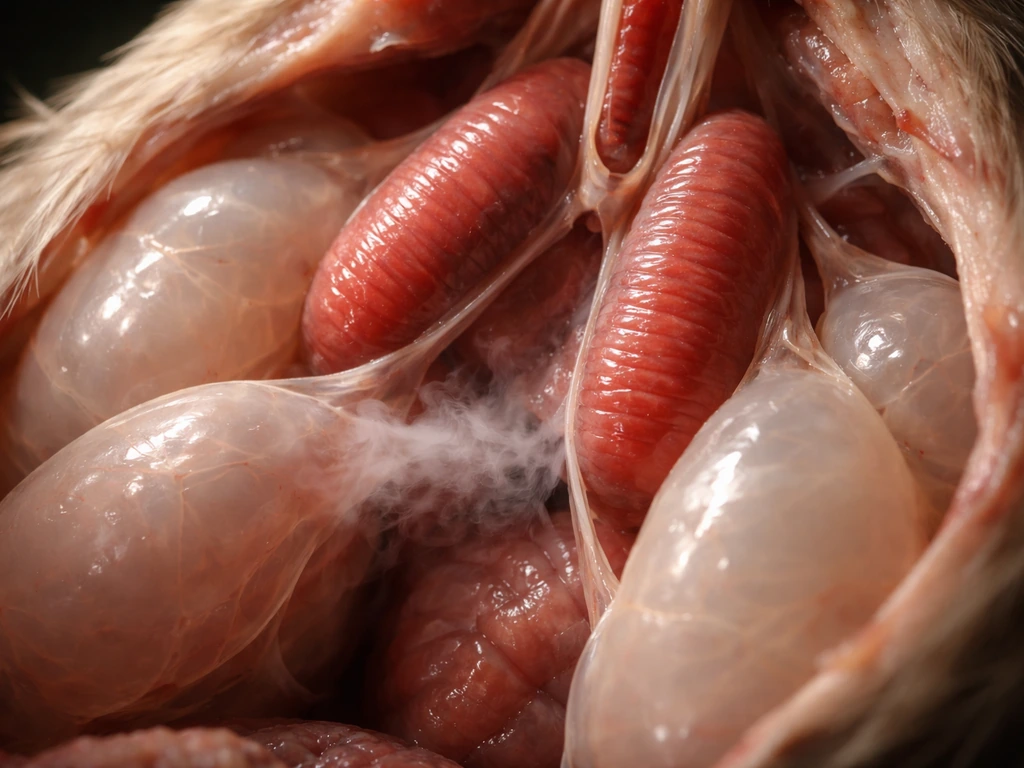
Birds breathe very differently from mammals. Instead of lungs that inflate and deflate like balloons, birds have rigid lungs connected to a network of thin-walled air sacs spread throughout the body cavity, including regions near the neck, chest, and abdomen. These sacs do not do gas exchange themselves. Their job is to move air through the lungs in one continuous, unidirectional flow across the respiratory surfaces rather than the simple in-and-out tidal system that mammals use. It is an extraordinarily efficient design, but it comes with a vulnerability: those thin-walled sacs can tear.
A rupture happens when the wall of one or more air sacs breaks. Air then leaks into body spaces where it should not be. If the leak reaches the thoracic or pleural space, the condition becomes what veterinarians call a pneumothorax, meaning free air accumulating in the space around the lungs. When that happens, the lungs cannot expand properly even though the bird is trying to breathe. It is a mechanical problem layered on top of whatever injury caused the rupture in the first place.
The most common causes of air sac rupture are blunt trauma events: a bird flying into a window, a cat or dog bite or attack, a fall from height, rough or accidental squeezing during handling, and collisions with vehicles or structures. Bite wounds are particularly dangerous because even small punctures from a predator can drive bacteria deep into the air sac network. Internal causes like severe respiratory infections or tumors pressing on sac walls are less common but do occur, especially in older or immunocompromised birds.
Can it kill a bird? The honest answer
Yes, it can, and it can do so in more than one way. Here is when rupture becomes genuinely life-threatening:
- Pneumothorax: Air trapped in the pleural space compresses the lungs and prevents normal breathing. If enough air accumulates, the bird suffocates.
- Hemorrhage: Trauma severe enough to tear an air sac often damages nearby blood vessels. Internal bleeding can cause shock and death independent of the breathing problem.
- Shock: The combination of oxygen deprivation, pain, and blood loss can push a bird into physiological shock very quickly. Birds are small and their reserves are limited.
- Infection: Air sacs are connected directly to the respiratory tract. A tear exposes tissues to bacteria, and birds are highly susceptible to septicemia once infection takes hold.
- Subcutaneous emphysema: Air can also leak under the skin, forming obvious swelling or crepitus. This is less immediately life-threatening than pneumothorax but signals serious underlying damage.
A small, contained tear that seals quickly may not be fatal at all, and some birds recover without ever receiving a diagnosis. But there is no reliable way to assess the severity of a rupture at home, which is why any bird showing breathing difficulty after trauma needs to be treated as an emergency. The size of the original injury does not predict the severity of internal damage. A bird that looks "mostly okay" after a window strike can crash within hours if a slow pneumothorax develops. Stress alone can kill a bird, and combining stress with a physical injury compounds the risk substantially.
Symptoms and warning signs to watch for right now
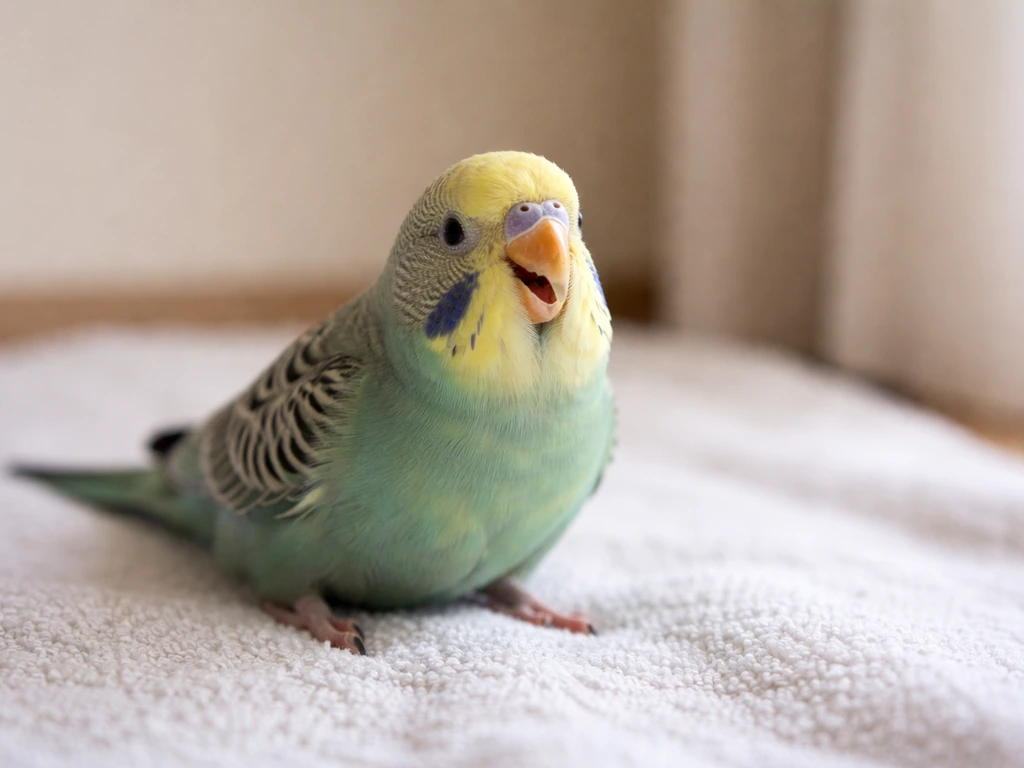
After any significant trauma, watch the bird closely for at least 24 to 48 hours. The following symptoms are red flags that something is seriously wrong:
- Labored or rapid breathing, visibly heaving sides
- Open-mouth breathing (in most birds this is an emergency sign by itself)
- Tail bobbing with each breath, which signals the bird is working hard to move air
- Abnormal posture: hunched up, wings slightly drooped, reluctance to perch
- Lethargy or unresponsiveness, not reacting to nearby movement
- Pale, blue-tinged, or grayish tissues around the mouth, nares, or feet (cyanosis)
- Visible swelling under the skin that feels spongy or crinkly when gently touched (subcutaneous emphysema)
- Sudden rapid deterioration after initially seeming okay
- Loss of balance, falling off perch, or inability to stand
One thing worth knowing: birds hide illness instinctively because showing weakness in the wild is fatal. By the time a bird is openly showing distress, it has usually been struggling for a while. Do not wait to see if symptoms worsen. If you see any of the above, the clock is already running.
Immediate first aid and what to do (and not do) at home
There is no home treatment for an air sac rupture. You cannot patch it, massage it, or fix it with anything in a typical medicine cabinet. What you can do at home is give the bird the best possible chance of surviving long enough to reach a vet.
- Minimize handling. Every time you pick up or restrain the bird, you add stress and oxygen demand. Handle only when necessary, and keep it brief.
- Place the bird in a quiet, warm, dark container. A cardboard box with air holes works well. Warmth (around 85 to 90°F for small birds) reduces the metabolic cost of stress.
- Keep the environment calm. No loud noises, no other pets nearby, no children crowding around.
- Do not offer food or water immediately. A bird in respiratory distress can aspirate. Wait until a vet clears it.
- Do not try to remove any visible foreign object from a wound. You can cause more bleeding.
- Do not apply pressure to the chest or abdomen. If you are dealing with a pneumothorax, external pressure makes things worse.
- Do not give any medications, including human pain relievers. Many common drugs like ibuprofen and acetaminophen are toxic to birds.
If the bird was attacked by a cat or dog, treat it as an emergency even if there are no visible wounds. Animal bites drive bacteria deep through feathers and skin, and the risk of infection from a bite is severe. Just as a bee sting can kill a bird through anaphylactic shock and venom toxicity, a bite wound that looks minor on the outside can become fatal within 24 to 48 hours without antibiotic treatment.
When to treat it as an emergency and how to transport safely
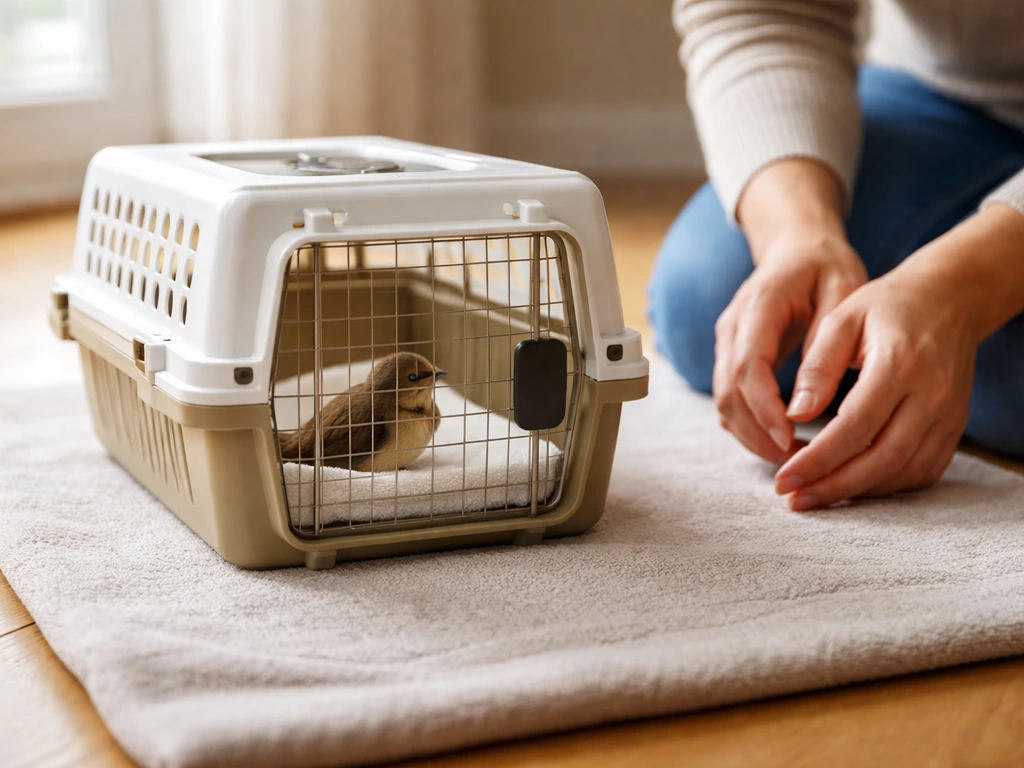
Treat the situation as a same-day emergency if the bird shows any breathing difficulty, open-mouth breathing, cyanosis, visible swelling under the skin, or unresponsiveness. These are not "wait and see" symptoms. Call an avian vet or wildlife rehabilitator immediately. If you cannot reach an avian specialist, an emergency small-animal vet is better than no vet.
For transport, use a small, ventilated box rather than a cage. Cages allow the bird to thrash and injure itself further. Line the bottom with a soft cloth or paper towels and keep the container as still as possible during travel. If the weather is cold, place a covered heat pad or a warm water bottle wrapped in a towel under half of the box floor so the bird can move away from heat if it gets too warm. Drive carefully, avoid sudden stops, and keep the car warm.
Call ahead to the clinic so they are prepared when you arrive. Tell them it is a suspected air sac rupture or trauma with breathing difficulty. That single piece of information helps the vet team prioritize and have oxygen ready at intake.
What happens at the vet: diagnosis, treatment, and prognosis
How a vet diagnoses a rupture
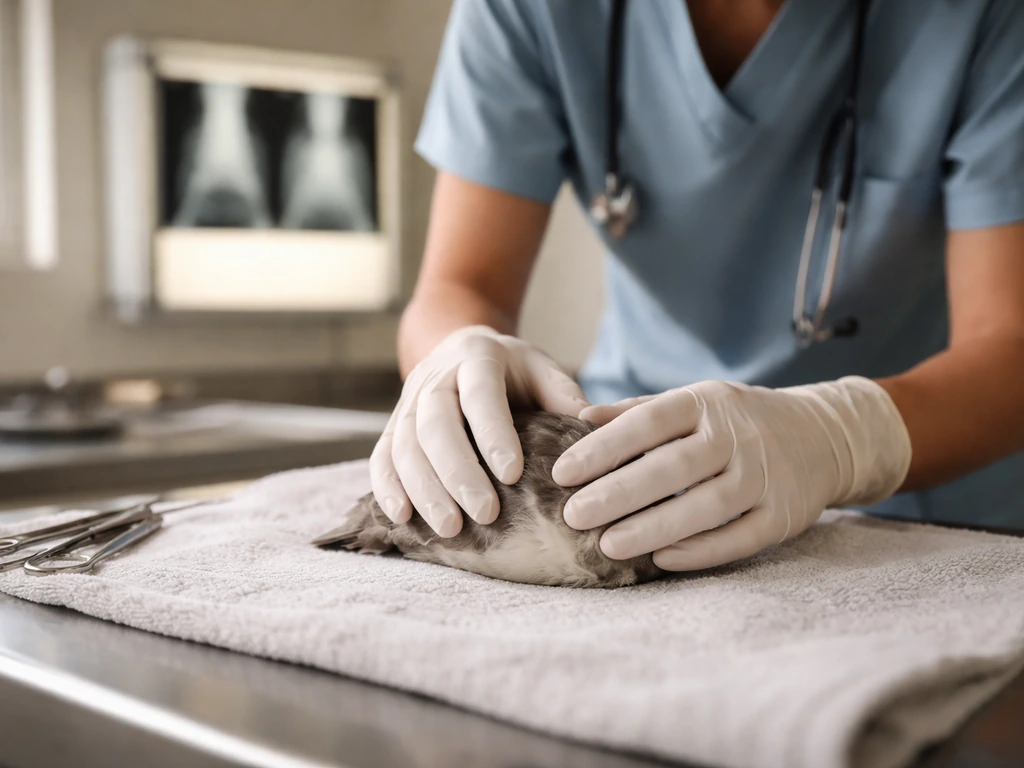
The vet will typically start with a visual assessment and gentle physical examination, looking for signs of subcutaneous emphysema, crepitus, and respiratory effort. blank" rel="noopener noreferrer">Subcutaneous emphysema is often associated with pneumothorax, so those findings can point to air outside the lung in the chest cavity. Radiographs (X-rays) are the standard tool for confirming pneumothorax and assessing the extent of internal damage. In some cases, the vet may need to stabilize the bird with oxygen first before imaging is safe. Ultrasound and endoscopy are occasionally used for more detailed assessment.
Treatment options
Initial treatment almost always involves supplemental oxygen to relieve the immediate breathing crisis. Beyond that, treatment depends on severity. A small rupture with minimal air accumulation may be managed conservatively with cage rest, anti-inflammatory medication, pain management, and sometimes antibiotics to prevent infection. More serious cases where significant air has accumulated in the pleural space may require aspiration (drawing out the free air with a needle) to decompress the chest and let the lungs expand again. If there is an underlying injury driving ongoing air leakage, surgical repair may be necessary, though this is less common and carries its own risks in small birds.
Prognosis: what affects survival chances
| Factor | Better Prognosis | Worse Prognosis |
|---|---|---|
| Time to treatment | Under 2 to 4 hours | Delayed by 12+ hours |
| Bird size | Larger birds (more physiological reserve) | Very small birds (less tolerance for blood/oxygen loss) |
| Cause of rupture | Blunt trauma, no infection | Bite wound with bacterial contamination |
| Breathing at presentation | Mild-to-moderate distress | Severe distress, cyanosis, or unresponsive |
| Concurrent injuries | Air sac injury in isolation | Broken bones, internal bleeding, organ damage |
| Age and baseline health | Young, otherwise healthy bird | Old, underweight, or immunocompromised bird |
The honest truth is that prognosis varies widely. Some birds with significant ruptures recover fully with prompt, skilled care. Others deteriorate despite everything. Speed of treatment is the single factor you have the most control over. Getting the bird to a vet quickly is always the right call.
Prevention and safety tips to reduce rupture risk
Many air sac ruptures are preventable. The most common causes are also the most avoidable with some basic changes to how you keep and handle birds.
- Window collisions: Apply window decals, UV-reflective tape, or external screens to windows in flight paths. This is one of the leading causes of rupture in both wild and free-flight pet birds.
- Safe handling: Always support a bird's body from below rather than squeezing the chest. Avoid rapid, startled grabs. Teach children the correct way to hold a bird before letting them handle one unsupervised.
- Cat and dog access: Never leave a bird unsupervised in a space where cats or dogs have access. Even a playful paw swipe can cause fatal internal injuries.
- Cage design: Make sure cage bars are appropriately spaced for your bird's size. Birds can wedge themselves between bars and injure their body wall trying to escape.
- Flight space: Free-flight birds need a clear, obstacle-free room. Remove ceiling fans, mirrors, and glass surfaces from flight areas.
- Stress management: Chronic respiratory stress from poor air quality (smoke, aerosol sprays, non-stick cookware fumes) weakens respiratory tissue over time and increases vulnerability to injury.
- Regular vet checkups: An avian vet can catch early signs of respiratory disease before they make air sacs fragile and prone to rupture.
It is also worth busting two common myths here. First, a small air sac tear does not automatically mean the bird will die. Many minor ruptures heal on their own if the bird is kept calm and warm and gets veterinary support. Second, you cannot patch or seal a rupture at home with tape, glue, or anything else. The sacs are internal, and attempting anything like that causes more harm. Home care is about stabilization only, not repair.
Understanding what can actually cause bird deaths is part of being a responsible bird owner or a good advocate for injured wildlife. People sometimes focus on dramatic or unusual threats while underestimating mundane ones. For instance, many people ask whether a fart can kill a bird (a reasonable question given how sensitive avian respiratory systems are), but physical trauma from collisions and handling remains far more consistently lethal. Similarly, concerns about what makes a bird explode often come from people trying to understand the limits of avian physiology, which is a useful instinct even if the framing sounds dramatic.
For wild bird encounters, knowing that a rat can kill a bird through direct attack helps reinforce why predator protection matters for both captive and nesting wild birds. And understanding how environmental stressors affect bird health more broadly, including the sometimes strange-sounding topic of bird fart tornadoes and what they reveal about flock behavior and air pressure dynamics, gives you a fuller picture of how fragile and context-dependent avian survival really is.
If you have a garden where birds nest, it is also worth knowing that a bird nest can affect a plant's health in ways that might lead you to disturb the nest, which can stress or injure birds during a vulnerable period. Minimizing unnecessary disruption around nesting sites is part of keeping birds safe from preventable trauma.
The bottom line
An air sac rupture is a serious, potentially fatal condition that requires prompt veterinary attention. The good news is that birds are surprisingly resilient when they get fast, appropriate care. Your job right now is not to diagnose or treat, it is to keep the bird calm, keep it warm, and get it to a vet as quickly as possible. That is the one action that genuinely improves survival odds.
FAQ
If the bird seems fine right after a collision, can an air sac rupture still be dangerous later?
A rupture can be life-threatening if it leads to air leaking into the spaces around the lungs (pneumothorax), but the amount of breathing trouble is what matters most, not how bad the outside injury looks. A bird that seems “mostly okay” after a fall or window strike can worsen within hours, so treat any breathing difficulty as an emergency.
Is there a way to tell at home how severe an air sac rupture is?
You cannot safely confirm or rule out an air sac rupture at home. Even small tears can cause internal problems, and some cases only become obvious as air accumulates. The safest decision rule is, if there was significant trauma and the bird shows any breathing signs, get veterinary care the same day.
Should I offer food or water to a bird suspected of having an air sac rupture?
Do not give food or water and avoid forcing a bird to swallow. With breathing compromised, swallowing can increase the risk of aspiration (liquid or food going into the airway), which can worsen breathing and delay effective treatment.
How should I handle the bird while waiting for transport or a call back from the vet?
Calm and warmth matter, but limit handling. Excess movement increases stress and can aggravate internal leakage. Keep the bird in a quiet, dim, ventilated carrier and avoid trying to “check” the chest repeatedly or hold it upright for long periods.
When is it too late to wait, and when should I treat it as an emergency immediately?
If the bird is breathing abnormally, is unresponsive, is open-mouth breathing, or has bluish skin or tongue, assume emergency respiratory distress. A vet visit should not be delayed for “one more hour,” because pneumothorax can progress as trapped air expands.
What makes cat or dog bites different from other trauma when it comes to air sac ruptures?
Bite injuries should be treated as an emergency even if they look minor, because punctures can seed infection deep into tissues, including near the air sac network. Also, swelling under the skin can be delayed, so watch for a day or two of worsening breathing or listlessness.
What medications can I give at home for a suspected air sac rupture?
Do not use human cough syrups, inhalers, painkillers, or antibiotics unless an avian vet specifically prescribes them. Many medications are unsafe for small birds, and some can mask symptoms while the breathing problem progresses.
Is a cage okay for transport, or should I use a different container?
Keep the bird in a small, ventilated box, but avoid partial coverings that block airflow. Cages can increase self-injury risk if the bird panics. Use soft lining on the bottom, keep the box upright and stable, and drive smoothly to reduce additional trauma.
Do vets always need X-rays right away, or do they stabilize first?
Yes. Imaging is commonly needed to confirm pneumothorax and assess severity, but if the bird is very unstable, the clinic may start oxygen first and then image afterward. The key is rapid stabilization and escalation, not “getting the perfect picture” before treating.
If the bird survives the first day, does it still need follow-up care?
After treatment, follow-up is important because air can reaccumulate and respiratory effort can change as inflammation settles. Your vet may advise a shorter or longer rest period, and they will determine whether reassessment is needed based on the original rupture and how the bird responds to oxygen.
Next Article
Bird Causes Plane Crash? Risk, Mechanisms, Myths, Prevention
Whether bird strikes can cause plane crashes, how they happen, real risk data, debunked myths, and prevention steps