
No, a human fart cannot realistically kill a bird. The short answer is that flatulence is mostly nitrogen, carbon dioxide, hydrogen, and sometimes methane, with only tiny trace amounts of sulfur-containing gases. The concentrations of anything genuinely toxic in normal human flatulence are far too low, and dispersed far too quickly in open air, to reach levels that would harm a bird. If your bird has become unwell near a person, the fart itself almost certainly is not the culprit.
Can a Fart Kill a Bird? What’s Safe and What to Do Now

Maya Chen
19 Apr 2026
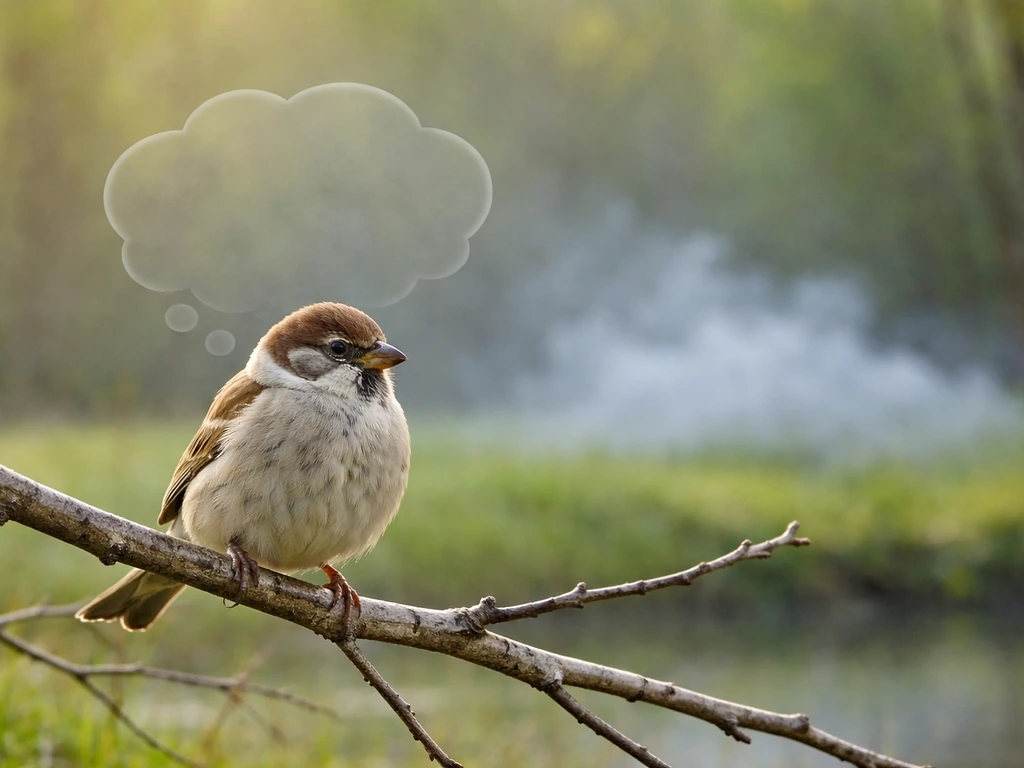
This is also why rumors about a “bird fart tornado” harming birds are basically misinformation, and the real risk is usually another exposure in the environment. Something else in the environment deserves your attention. If you are looking at other harm scenarios too, you may also want to ask would a rat kill a bird, since animal threats can be a more realistic explanation than anything like flatulence.
What flatulence actually contains
Human flatulence is produced primarily by bacterial fermentation in the colon. Its bulk composition is nitrogen (N₂), carbon dioxide (CO₂), hydrogen (H₂), oxygen (O₂), and sometimes methane (CH₄). The sulfurous smell that makes a fart noticeable comes from volatile sulfur compounds, most notably hydrogen sulfide (H₂S), but these are present in tiny, trace quantities relative to the overall gas volume.
Hydrogen sulfide is legitimately toxic at higher concentrations. At around 50 ppm it can irritate the upper respiratory tract, and at still higher levels it can cause pulmonary hemorrhage, bronchitis, pulmonary edema, and death in mammals. That sounds alarming, but the operative word is concentration. The odor threshold for H₂S is somewhere between 0.0005 and 0.13 ppm, meaning you can smell it at vanishingly small amounts. A normal fart disperses instantly into room air and pushes concentrations nowhere near the 50 ppm range needed for harm, let alone the much higher levels required for acute lethality. The same logic applies to mercaptans, the other sulfur-containing odorants sometimes present, which require severe, sustained high-level exposure to cause serious harm.
How a bird could actually be harmed by inhaled gases
Birds have an exceptionally efficient respiratory system. Their lungs work in a unidirectional flow pattern with air sacs that keep fresh air moving through constantly, which means they absorb airborne substances more thoroughly than mammals do. This is useful for them in flight but also makes them more sensitive to airborne toxins than a cat or dog would be. However, a bee sting can be dangerous for birds because it can trigger injury, swelling, and in some cases an allergic reaction.
What genuinely matters is concentration and duration of exposure. Ammonia, for example, causes lung signs in birds primarily at exposures of 75 to 100 ppm or more, sustained over time. Hydrogen sulfide becomes acutely dangerous at similar thresholds. At realistic indoor air levels from any normal human activity, including flatulence, these thresholds are not reached. The harm only happens when there is a confined space, a sustained source of gas, and restricted ventilation, none of which apply to passing gas near a bird.
Aerosolized chemicals are a different story. Studies have shown that aerosolized glycol-based theatrical fog, for instance, caused irritation and death in birds at close range. This tells you that the delivery mechanism, a fine mist of particles reaching deep into the respiratory system, is a key factor. A fart is a gas, not an aerosol, and it does not behave like a sustained chemical mist.
Smells, irritants, and aerosols near birds: the real risk zone
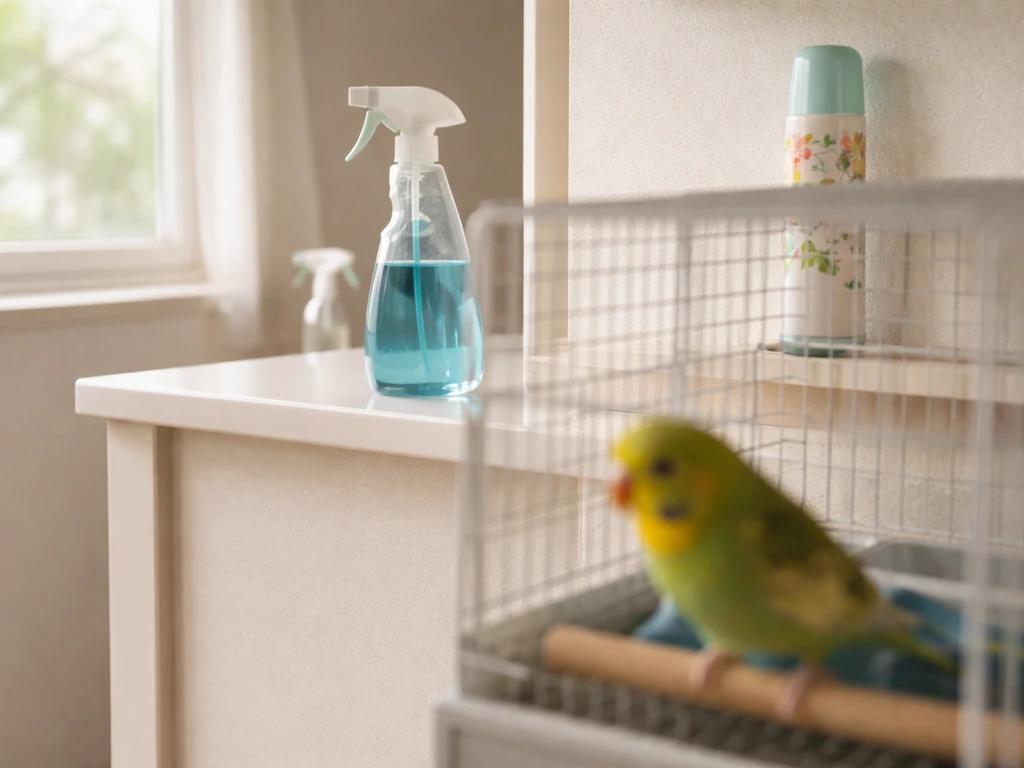
The reason this question matters is that people notice a bird becoming unwell around the same time they or someone nearby passed gas, and they wonder if they caused it. What is actually worth investigating is whether something else was released or used at the same time.
The household environment around a bird is full of legitimate chemical hazards that can make a bird sick very quickly. These include cleaning sprays, aerosol air fresheners, scented candles, perfumes, hairsprays, cigarette or vape smoke, cooking fumes (especially from overheated nonstick cookware), gas from new carpets or furniture, paints, and glues. Best Friends Animal Society advises bird owners to avoid nonstick/PTFE (Teflon) products around birds, because PTFE fumes from overheating (above about 400°F) can be fatal to birds overheated nonstick cookware. Any of these can trigger respiratory distress in a bird at much lower exposure than would be needed to affect a human.
Importantly, harmful chemicals can linger in the air long after the smell fades. If you used a cleaning product in the bathroom earlier and then brought your bird into a poorly ventilated space, the bird could react to residual fumes you can no longer detect. This is a common pattern in pet bird toxicity cases.
When the situation could actually be dangerous
There are edge cases worth taking seriously. If someone with a gastrointestinal disorder or an unusual diet produces exceptionally sulfurous gas in a very small, sealed, unventilated space right next to a tiny bird over a prolonged period, it is theoretically possible for H₂S concentrations to become mildly irritating. It is extremely unlikely to be lethal, but a bird already stressed, immunocompromised, or suffering from a pre-existing respiratory infection could be more sensitive to any airborne irritant.
A bird's existing health status matters a great deal. Just as wildfire smoke poses greater risk to pets with pre-existing heart or lung disease, a bird with an active respiratory infection, air sac disease, or immune suppression is going to respond more strongly to any irritant, including mild ones. Stress itself can worsen a bird's ability to handle environmental challenges, which is worth keeping in mind if your bird has already been unwell.
The scenario that deserves the most attention is when a coincidental toxic exposure happened at the same moment. Mixing bleach and ammonia-based cleaners produces chloramine gas, which can cause acute respiratory distress or pulmonary edema in birds within 12 to 24 hours of exposure. If a cleaning product was used recently in the same room, that is a far more plausible explanation for a bird becoming ill than flatulence.
What to do right now if your bird seems sick
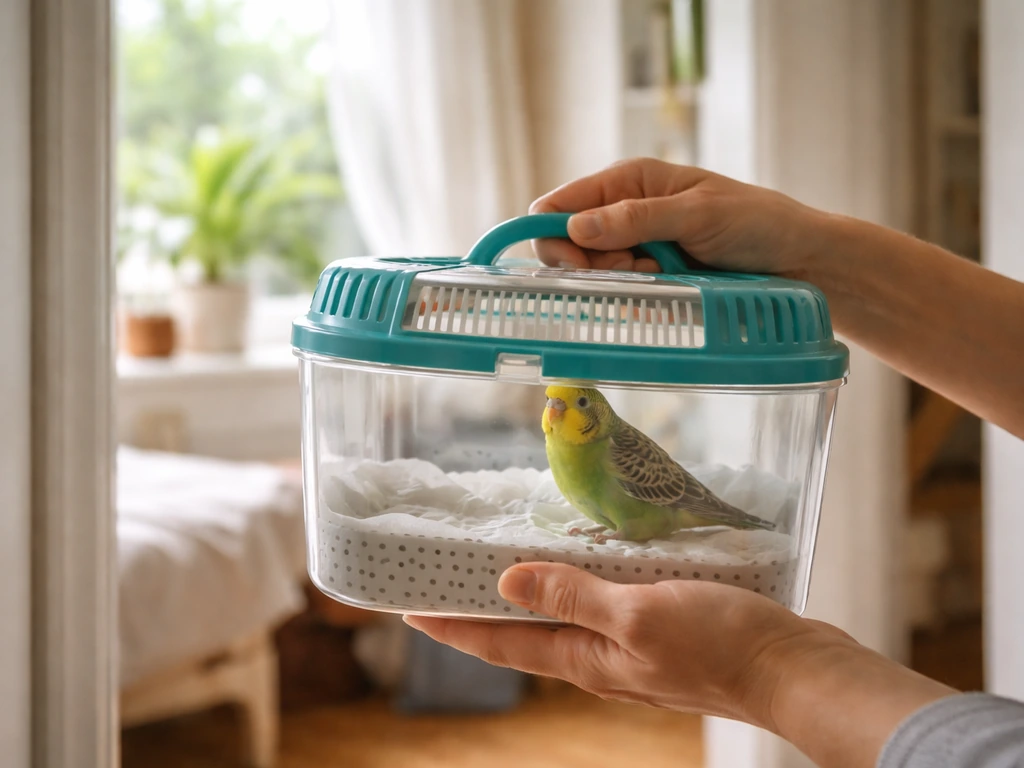
If your bird is showing signs of illness, move immediately. If you suspect a poisoning or toxin exposure, call the blank" rel="noopener noreferrer">ASPCA Animal Poison Control Center for 24/7 poison triage by phone. Do not wait to see if it improves on its own. Birds instinctively hide illness until they can no longer mask it, so visible symptoms often mean the situation is already serious.
- Move the bird to a different room with fresh air immediately. Open a window if outdoor air quality is good. Get it away from whatever environment it was in.
- Check the room for recent chemical use: cleaning sprays, air fresheners, candles, cooking fumes, smoke, or any aerosol product used in the last several hours.
- Keep the bird warm. Sick birds lose body heat quickly. A temperature of around 85 to 90°F (29 to 32°C) is appropriate for a distressed bird while you arrange veterinary care.
- Do not offer food or water by force. Let the bird rest in a quiet, warm, well-ventilated space.
- Call an avian vet immediately. If you cannot reach one, call the ASPCA Animal Poison Control Center or Pet Poison Helpline, both of which have 24/7 triage guidance for toxic exposures.
- Describe exactly what you observed: when symptoms started, what was in the room, what products were used recently, and whether the bird was near any new objects, surfaces, or materials.
Symptoms that require emergency-level urgency include open-mouth breathing, tail bobbing (which signals the bird is working hard to breathe), loss of balance, seizures, sudden collapse, or complete unresponsiveness. Any of these means get to a vet or emergency animal hospital now, not in a few hours.
Keeping birds safe: ventilation, hygiene, and irritant avoidance
The practical takeaway from all of this is that birds need genuinely clean air, not just air that smells acceptable to you. Your nose adapts to odors quickly and stops registering chemical levels that a bird's respiratory system is still absorbing.
- Keep bird rooms well ventilated with fresh outdoor air whenever possible, especially after any cleaning.
- Never use aerosol sprays, air fresheners, or scented products in or near a bird's room.
- Avoid cooking with nonstick cookware near birds. Overheated polytetrafluoroethylene (PTFE, commonly known as Teflon) releases fumes that can kill birds within minutes.
- Do not smoke or vape near birds, and do not allow birds in rooms where smoking has recently occurred.
- Clean cages with bird-safe, unscented products and rinse thoroughly. Allow the space to air out completely before returning the bird.
- Check air ducts and HVAC filters regularly. Dirty ductwork can circulate accumulated household chemical residue.
- If you use strong cleaning products elsewhere in the home, close the door to the bird's room and run ventilation before letting the bird back into adjacent spaces.
Basic hygiene around handling is also relevant. Wash your hands before handling a bird, particularly if you have been in contact with cleaning products, pesticides, or any chemical substances. Residues on skin can transfer to a bird's feathers and be ingested during preening.
Real causes of bird illness and death to rule out
If a bird has died or become seriously ill and you are trying to figure out why, flatulence should be at the very bottom of your list. Flatulence is unlikely to kill a plant, and you should look for other plant hazards or contamination instead. For a broader answer, see what makes a bird explode and why it is almost always linked to specific toxic exposures rather than something like flatulence. Here are the causes that account for the overwhelming majority of sudden or unexpected bird deaths, both for pet birds and wild birds.
| Cause | Who It Affects | How Quickly It Can Act |
|---|---|---|
| Nonstick cookware fumes (PTFE) | Pet birds indoors | Minutes |
| Aerosol sprays and cleaning fumes | Pet birds indoors | Minutes to hours |
| Carbon monoxide or gas leaks | Pet birds and wild birds near structures | Minutes |
| Window collisions | Wild and outdoor-access birds | Immediate |
| Predator attack | Wild birds, outdoor pet birds | Immediate |
| Electrocution (power lines, wires) | Wild birds | Immediate |
| Toxic food ingestion (avocado, xylitol, chocolate, etc.) | Pet birds | Hours |
| Infectious disease (respiratory viruses, psittacosis) | Pet and wild birds | Days to weeks |
| Stress-induced illness | Pet birds, captured wild birds | Variable |
| Environmental chemical spill or fertilizer exposure | Wild birds near agriculture | Hours |
Wild birds found dead near human activity are far more likely to have died from window strikes, power line electrocution, predator attacks, or environmental chemical exposure than from any gas a person produced. what makes a bird explode bursting. If you have found a dead wild bird and are concerned about what caused it, a local wildlife rehabilitator or your state wildlife agency can help assess whether there is a broader environmental hazard worth investigating.
For pet birds, the list of in-home chemical hazards is long and well-documented. Fumes from self-cleaning ovens, burning candles, incense, paint, new furniture off-gassing, and even certain plug-in air fresheners have all been implicated in bird illness. These are the places to focus your attention if your bird became unwell after being near a person, because any of these exposures could have coincided with that moment without you realizing it.
Some bird deaths are also linked to internal causes rather than external ones. Air sac rupture, infections, and stress-related collapse can all present suddenly without any external toxic trigger. If you are concerned about a bird's health pattern beyond a single incident, a veterinarian who specializes in avian medicine is the right person to consult. The goal is always to rule out the plausible and documented causes before worrying about the implausible ones.
FAQ
If a bird seems sick right after someone farts, what should I check first?
Treat it as coincidence and prioritize exposures that happen around the same time. Look for cleaning sprays, aerosol air fresheners, scented candles, perfumes, smoke (including vaping), cooking fumes, and any recent use of strong cleaners in the room (especially mixed products). Also check whether the bird’s cage is near an area with lingering fumes, like a closed bathroom.
Could hydrogen sulfide from farting build up enough to harm a bird in a small room?
It is extremely unlikely under normal circumstances because a fart disperses quickly into room air. The situation that would be required is a sealed, poorly ventilated space, a sustained, unusually heavy gas source, and the bird staying extremely close for a prolonged period. If you suspect that kind of scenario, the safer action is to leave the area and seek veterinary advice if symptoms appear.
What symptoms in birds suggest an inhaled irritant or toxic gas rather than something else?
Watch for respiratory distress signs such as open-mouth breathing, tail bobbing, wheezing, silent or labored breathing, weakness, and rapid deterioration. Because birds hide illness until late stages, visible breathing effort often means the exposure is already affecting lung function.
How soon after a harmful gas exposure could a bird show illness?
Some chemical inhalations can cause rapid onset, while others may worsen over hours. If you used or mixed household chemicals, do not wait for a delayed timeline to “prove” the cause. Seek emergency care promptly if breathing or coordination changes occur.
Could I accidentally transfer toxins to my bird through my hands or clothing after cleaning?
Yes. Chemical residue can transfer to feathers and be ingested during preening. Wash your hands and change or rinse anything that may have contacted fumes or cleaners, particularly after using strong products, pesticides, or aerosol chemicals.
Does opening a window fix the risk for a bird after a chemical smell fades?
It may help, but smell disappearance is not a reliable safety indicator. Some harmful compounds linger even after the odor is gone, and birds inhale rapidly through their efficient respiratory system. Ventilate, move the bird to fresh air, and avoid reintroducing the bird to the room until the source is fully resolved.
Are birds more sensitive to fumes than cats or dogs?
Often, yes. Birds can show respiratory problems at exposures that may not strongly affect mammals. If a cat or dog seems fine, that does not guarantee the air is safe for a bird, especially with aerosols, smoke, or cleaning fumes.
Can a bird die from something that wasn’t obviously present, like off-gassing?
Yes. New furniture, carpeting, paints, glues, and some building materials can off-gas and trigger illness without a strong immediate smell. If the bird got sick after a remodel or new items were introduced, treat off-gassing and ventilation changes as the likely factors.
Should I call a vet immediately if my bird got unwell near people passing gas?
If the bird is showing any breathing trouble, imbalance, seizures, sudden collapse, or being completely unresponsive, get emergency help right away. If symptoms are mild but still present, contact an avian veterinarian promptly and bring details about timing and any products used in the environment.
What should I do if I find a dead wild bird near human activity and I suspect it was “caused by” someone’s gas?
Do not assume that. Window strikes, power line electrocution, predator attacks, and environmental chemical exposure are far more common. For a better assessment, contact a local wildlife rehabilitator or your state wildlife agency.
Next Articles
Can an Air Sac Rupture Kill a Bird? Urgent Signs and Care
Yes it can. Learn air sac rupture signs, when death is possible, and what first aid and emergency care to seek.
Bird Causes Plane Crash? Risk, Mechanisms, Myths, Prevention
Whether bird strikes can cause plane crashes, how they happen, real risk data, debunked myths, and prevention steps

Can a Plane Crash Because of a Bird? Facts and Safety
Understand if a bird strike can crash a plane, what it damages, how often it happens, and what airports do to prevent it