Jail or just a fine? Here's the short answer
In most real-world situations, killing a wild bird leads to a fine, not handcuffs. Whether something is ethically or religiously considered sinful can be separate from the legal rules, but it often comes up alongside questions about killing a bird killing a wild bird. If you were wondering can you kill the bird in grounded, the same MBTA rules apply, so you still need to check whether the species is protected and whether you can legally handle it. But jail is genuinely on the table under federal law, so it's not a consequence you can completely ignore. The Migratory Bird Treaty Act (MBTA) makes killing most wild birds in the U.S. a federal misdemeanor, punishable by up to six months in prison and fines up to $15,000. If prosecutors can show you acted knowingly, it can escalate to a felony carrying up to two years in prison. That said, first-time accidental incidents rarely result in prosecution at all. Understanding where you actually stand depends on the species involved, whether it was intentional, and where you live.
What actually makes killing a bird illegal
The legal picture divides pretty cleanly into two categories: wild birds and captive birds. For wild birds, federal law is the starting point.
Wild birds and the Migratory Bird Treaty Act
The MBTA (16 U.S.C. § 703) covers the vast majority of wild birds you'd encounter in North America, including songbirds, raptors, waterfowl, shorebirds, and many others. The law prohibits taking, capturing, killing, or possessing any migratory bird, and it expressly extends to any part of the bird, including its nest and eggs. So disturbing an active nest or collecting a feather from a protected species technically falls under the same law as killing the bird itself. Unless you hold a specific federal permit, there is no general exception that lets you kill a migratory bird, even on your own property.
Specially protected species

Some birds carry additional layers of protection. Bald eagles and golden eagles are covered by the Bald and Golden Eagle Protection Act on top of the MBTA, with separate and steeper penalties. Species listed under the Endangered Species Act get another layer entirely. If the bird you harmed falls into one of these categories, your legal exposure jumps significantly, and federal prosecutors are more likely to take notice.
Captive and domesticated birds
Captive birds, like a pet parrot, a backyard chicken, or a legally kept exotic bird, are treated as personal property under the law. Killing someone else's captive bird could expose you to civil liability or charges related to property destruction, but the MBTA doesn't apply. Killing your own captive bird isn't covered by federal wildlife law either, though some states have animal cruelty statutes that could apply depending on how it was done.
How intent and circumstances change your risk
Intent matters enormously here. The U.S. Fish and Wildlife Service (USFWS) finalized guidance in January 2021 clarifying that the MBTA is primarily enforced against intentional killing and injuring of birds. Purely accidental incidents, where you had no intent to harm a bird, are far less likely to result in criminal charges. But "accidental" has limits, and the circumstances around how it happened matter a great deal.
Window strikes and vehicle collisions
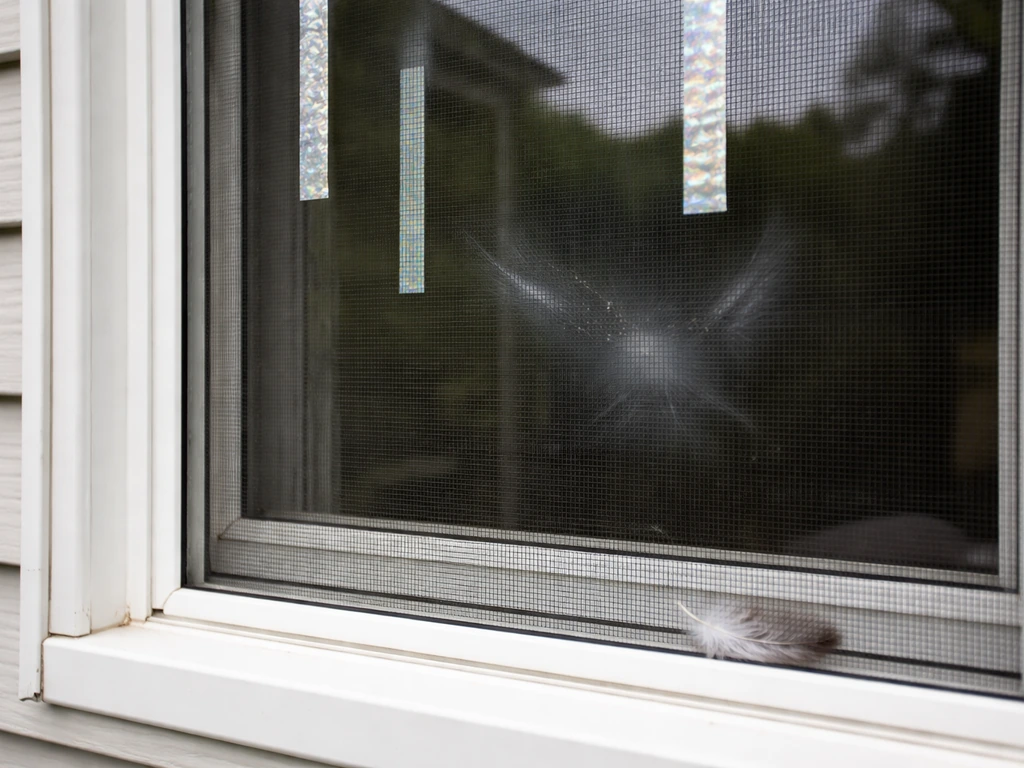
A bird flying into your window or being struck by your car while driving is considered an unintentional, incidental event. No one is going to prosecute you for a window strike. These incidents happen to millions of households every year, and they're a recognized conservation concern, but they don't create legal liability for homeowners or drivers. That said, if you then pick up the bird and keep it (or its feathers), you could technically be in possession of a protected species, which is still illegal under the MBTA even if the bird died by accident. If you are thinking, “can you kill the bird in raft,” it is still illegal to knowingly harm or possess protected birds under the MBTA pick up the bird.
Pest control gone wrong
This is where people get into trouble. Using poisons, traps, or other methods intended to target pest animals and accidentally killing a protected bird can result in liability, especially if it happens repeatedly or the method was reckless. Commercial operations like wind farms, power line companies, and oil facilities have faced MBTA enforcement actions precisely because of this. For a homeowner, a one-time accidental kill from a general pest-control product is unlikely to result in charges, but deliberately setting out to kill birds you find annoying (even common ones like starlings, which are not protected) requires checking whether they actually are protected before acting.
"Self-defense" and protecting property
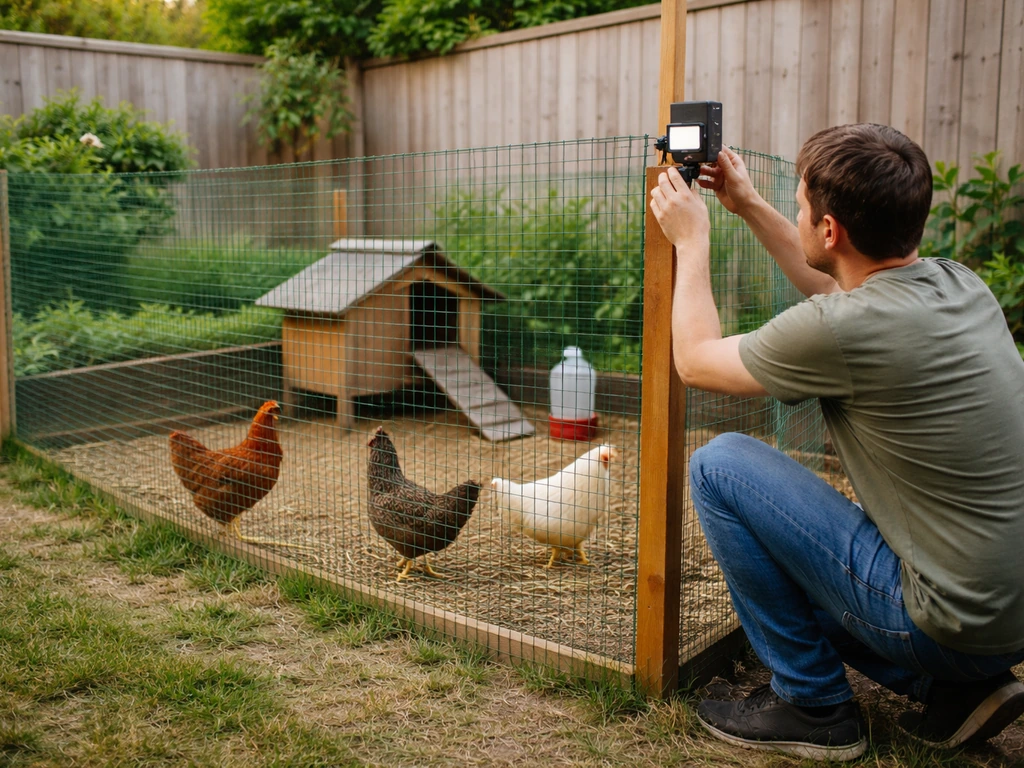
Trying to protect your garden, chickens, or other animals from a bird is not a recognized legal defense under the MBTA. Federal prosecutors in Rhode Island charged a man who shot at hawks he felt were threatening squirrels he was feeding. That case illustrates the risk clearly: believing you have a good reason to kill a bird does not insulate you from a federal wildlife charge. The correct approach is to contact USFWS and apply for a depredation permit if a protected bird is genuinely causing damage.
Laws vary by location, and that changes everything
Federal law sets the floor, but your state, tribal jurisdiction, or local municipality can add more protections on top of it. Some states protect species not covered by the MBTA. A few states have laws that go further on nest disturbance or captive bird welfare. Canada and Mexico have their own treaty-based protections for migratory birds that parallel the U.S. framework. If you're outside the U.S., the specific laws vary widely by country, and some nations treat bird killing, even of common species, as a criminal offense.
To find the exact rules that apply to your situation, the best starting points are your state's fish and wildlife agency website and the USFWS regional office for your area. The USFWS Office of Law Enforcement handles federal wildlife crime investigations and can point you toward the right authority if you're unsure. The USFWS Office of Law Enforcement provides public contact information for reporting possible wildlife crimes or violations. Most state wildlife agencies have a public inquiry line, and a quick call explaining your situation (without incriminating yourself unnecessarily) can clarify what law applies.
What to do right now if you harmed a bird

If you've already harmed or killed a wild bird, how you respond in the next few hours can matter. Here's a practical sequence to follow.
- Document what happened. Write down the date, time, location, and exactly how the bird was harmed. Take photos if the bird is still there. Note the species if you can identify it. This documentation helps establish that the event was accidental and that you're acting in good faith.
- Don't touch or move the bird more than necessary. If you must move it for safety, use gloves or a plastic bag. Handling a dead protected bird without a permit is technically prohibited under the MBTA, so minimize contact.
- Contact a licensed wildlife rehabilitator if the bird is injured but alive. Rehabilitators are permitted to receive and treat injured wild birds. Find one through your state wildlife agency or the National Wildlife Rehabilitators Association directory.
- Report to the appropriate authority if the bird is dead and you're unsure of your legal exposure. The USFWS Office of Law Enforcement and most state wildlife agencies have processes for reporting incidents. Voluntary reporting, especially when the event was clearly accidental, typically reflects better on you than being discovered later.
- Don't post about it on social media before consulting someone. If there's any ambiguity about how the bird died, talking to a local wildlife attorney before publicly describing the incident is a reasonable precaution.
- If you're contacted by a wildlife officer, be cooperative but know your rights. You can be honest about what happened without volunteering information beyond what's asked. If you're worried about criminal exposure, consulting a lawyer first is a legitimate option.
How federal and state penalties compare
| Scenario | Typical Charge Level | Maximum Fine | Maximum Jail Time |
|---|
| Accidental kill of common migratory bird (e.g., window strike) | Unlikely to be charged | N/A in practice | N/A in practice |
| Intentional kill of common migratory bird (MBTA misdemeanor) | Federal misdemeanor | $15,000 | 6 months |
| Knowing/willful kill of protected bird (MBTA felony) | Federal felony | $2,000 (base, may be higher) | 2 years |
| Kill of bald or golden eagle (Eagle Protection Act) | Federal felony (repeat) | $10,000+ | 2 years+ |
| Kill of endangered species (ESA) | Federal felony | $50,000+ | 1 year+ |
| Killing captive/pet bird (state animal cruelty) | State misdemeanor or felony | Varies by state | Varies by state |
These are general ranges. Actual penalties in any specific case depend on criminal history, the judge, the circumstances, and whether prosecutors choose to pursue maximum penalties. Real prosecutions for individuals are most common when the kill was intentional, involved a high-profile or endangered species, or was part of a pattern of behavior.
Preventing harm to birds going forward
The best way to avoid legal trouble, and to actually help birds, is to reduce the chances of harming one in the first place. Most situations that bring people into contact with bird-harm scenarios are preventable with some straightforward adjustments.
Window collisions
Window strikes kill an estimated hundreds of millions of birds in the U.S. each year. Applying bird-deterrent window film, external screens, or closely spaced vertical tape strips (spaced 4 inches or less) on the outside of glass dramatically reduces strikes. Moving bird feeders to within 3 feet of the window (so birds don't build up speed before impact) or more than 30 feet away (so they don't aim for the window) also helps.
Pest control and rodenticides
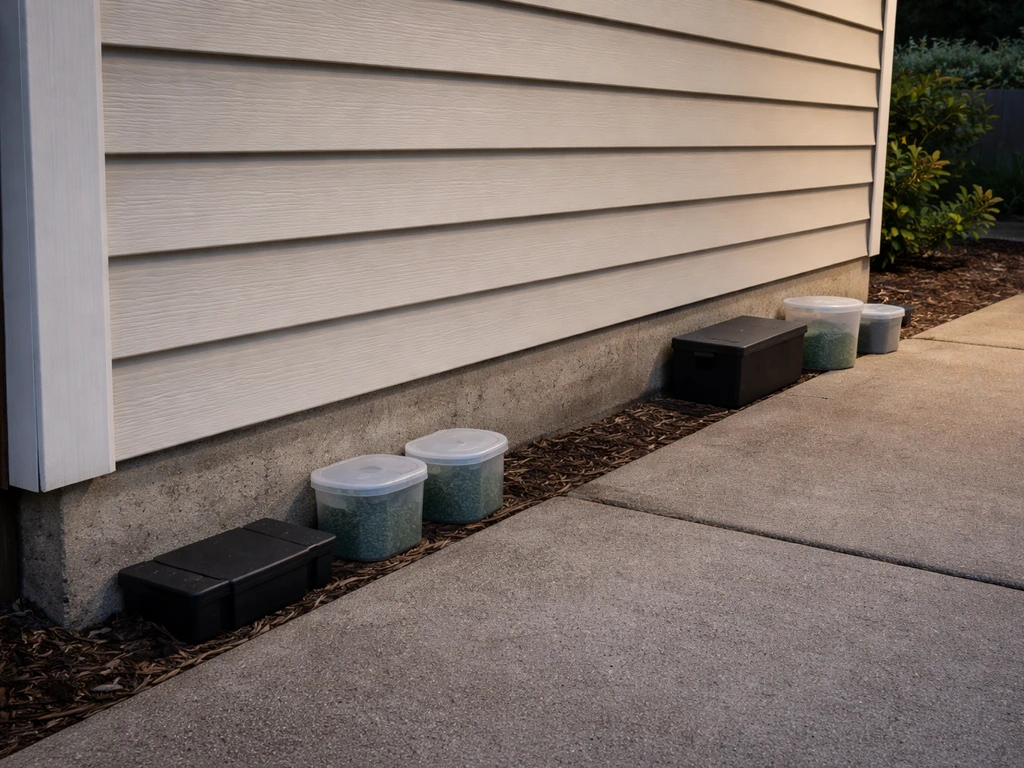
Second-generation anticoagulant rodenticides (the most common rat poisons) accumulate in rodents and kill raptors and other birds that eat them. Choosing first-generation rodenticides or snap traps reduces that risk significantly. If you're using any pesticide or bait station near areas with birds, check the label for wildlife warnings and follow the directions carefully.
Cats and predator management
Outdoor cats kill billions of birds annually and are one of the leading causes of bird mortality in North America. Keeping cats indoors or in an enclosed outdoor run (a "catio") is the most effective prevention. If you're dealing with feral cats on your property, contacting your local animal control agency is a better route than taking independent action.
Power lines and structures
If you own a structure or are responsible for a property where birds are repeatedly being electrocuted or colliding with lines, there are mitigation options. USFWS and power companies have guidance on retrofitting power poles and adding line markers. For individual homeowners, the concern is usually more about nesting on structures, which can be addressed by contacting a licensed wildlife control operator who can legally deter nesting before eggs are laid.
When birds become a genuine nuisance
If a protected bird is causing real damage to your property or livelihood, the legal path forward is a depredation permit through USFWS. USDA APHIS notes that USFWS issues migratory bird depredation permits for lethal take of migratory birds when conditions warrant depredation permit through USFWS. This isn't a quick fix, but it's the only way to legally address the problem for most protected species. Some non-protected invasive species like European starlings, house sparrows, and pigeons can be controlled without a permit in most U.S. states, but it's worth confirming your local rules before acting.
The bottom line on legal risk
If you accidentally harmed a common wild bird and you're a private individual with no history of wildlife violations, your realistic risk of going to jail is very low. In similar situations, you might also wonder can you get a DUI on a bird, and the short answer is that it depends on what exactly happened and the applicable laws in your area. But "low risk" is not the same as "no risk," especially if a protected or rare species is involved, if the act was intentional, or if you're in a jurisdiction with active enforcement. Document what happened, report it if appropriate, avoid handling the bird unnecessarily, and take steps to prevent it from happening again. Those actions put you in the best possible position legally and ethically.
If you're reading this because you're wondering about the broader consequences of bird mortality beyond the legal angle, including questions about disease risk, what happens ecologically, or what it means from an ethical standpoint, those are all related areas worth exploring alongside the legal picture.