
If you've killed a bird, whether by accident or on purpose, the consequences can range from a simple cleanup to serious legal trouble and real health risks. What actually happens next depends on the species, how it died, and what you do in the next few minutes. This guide walks through all of it so you know exactly where you stand and what to do.
What Happens If You Kill a Bird: Health, Legal, and Safety

Maya Chen
19 Apr 2026
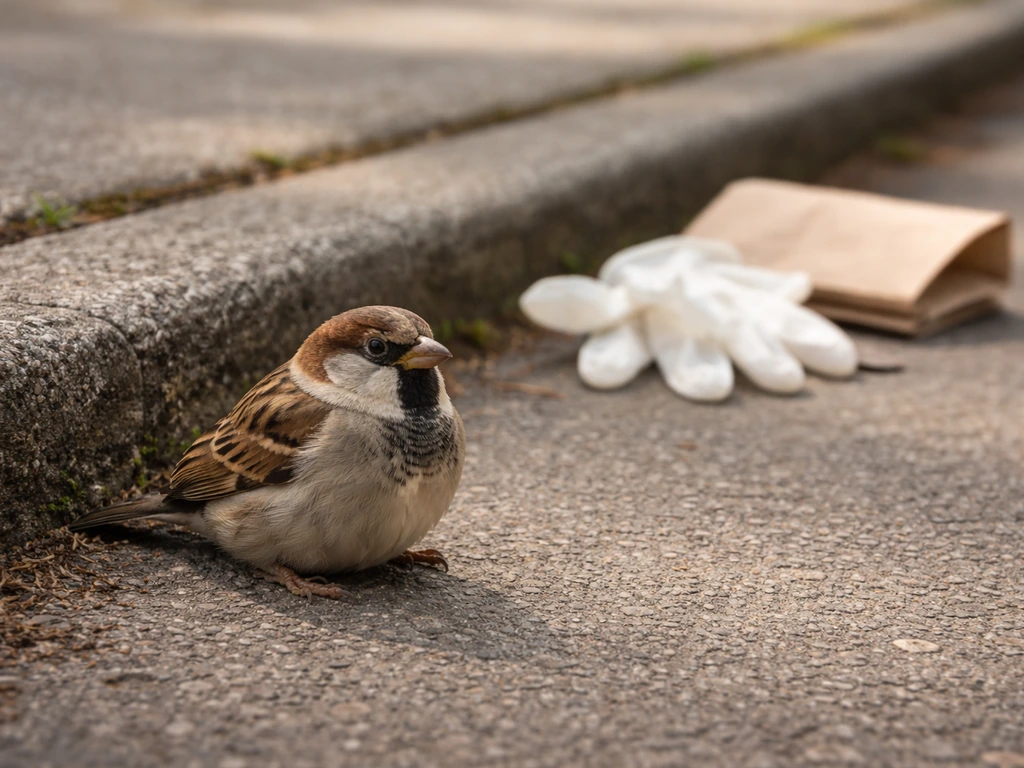
The legal and ethical reality of killing a bird
Most people don't realize how broad federal bird protection laws actually are. If you are wondering, is killing a bird a sin, keep in mind the legal and ethical reality covered under bird protection laws and enforcement. The Migratory Bird Treaty Act (MBTA), codified at 16 U.S. Code § 703, makes it unlawful without a permit to pursue, hunt, take, capture, kill, possess, or transport any migratory bird, including its parts, nests, and eggs. And the list of covered species is enormous. It's not just geese and ducks. It includes common backyard birds like robins, sparrows, and swallows.
Penalties under the MBTA are real. U.S. Fish and Wildlife Service policy notes that blank" rel="noopener noreferrer">MBTA misdemeanor violations can involve up to six months in jail and fines, and it distinguishes felony-level situations involving certain sales or barter. Most violations are federal misdemeanors, punishable by up to six months in prison and fines up to $15,000. In one documented federal case, a man in Colusa County, California pleaded guilty to two misdemeanor MBTA violations for unlawful baiting and taking of a migratory game bird, and was ordered to pay a $7,500 fine. That's not a slap on the wrist. Certain intentional commercial violations can be charged as felonies with up to a year of imprisonment.
Bald and golden eagles get additional protection under the Bald and Golden Eagle Protection Act (BGEPA). Under that law, 'take' includes shooting, killing, poisoning, wounding, molesting, or disturbing eagles. Even possessing a single feather without a permit is a federal crime. The U.S. Fish and Wildlife Service actively enforces this.
One important point: courts and prosecutors have interpreted 'take' broadly under the MBTA. blank" rel="noopener noreferrer">A DOJ Environmental Crimes Bulletin from October 2021 notes that criminal liability does not necessarily require specific intent to kill in all enforcement contexts. That means an accidental killing, especially one tied to negligent activity like unsecured netting or improper pesticide use, can still carry legal exposure. If you're asking whether you could go to jail for killing a bird, the honest answer is yes, under the right circumstances.
Ethically, most people feel some distress after accidentally killing a bird, which is a normal and reasonable response. The practical takeaway is: don't ignore it. Report it, handle it safely, and take steps to prevent it from happening again. That's what both the law and basic ethics point toward.
Immediate safety risks to you and your pets
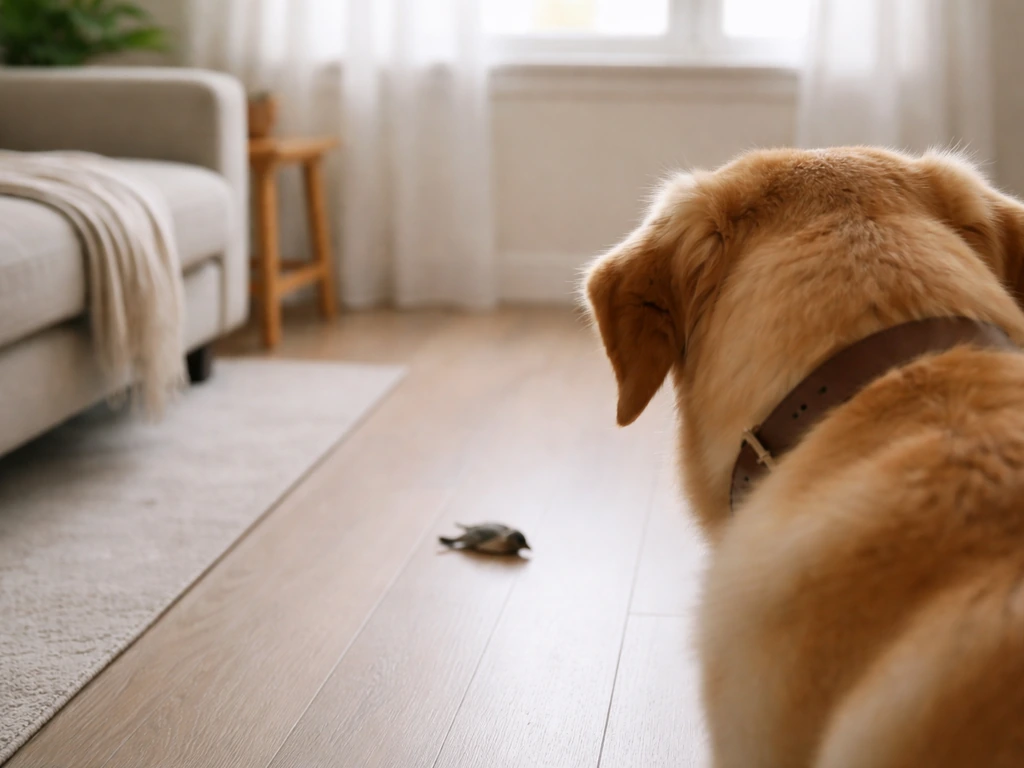
Your first concern after a bird dies near you should be your own safety and that of any pets in the area. Dead birds can carry bacteria, parasites, and viruses. Don't pick one up barehanded, and don't let a dog or cat nose around or mouth it.
If a pet has already grabbed or eaten part of a dead bird, monitor them closely. Salmonella is a common concern with wild birds. Cats that catch and kill birds are also exposed to parasites and, in some geographic areas, avian influenza. Call your vet if your pet shows signs of vomiting, lethargy, or diarrhea within 24 to 48 hours of contact.
For you personally, the main immediate risk is contact transmission from handling the carcass without protection. If a bird died from poisoning (covered more below), skin contact or accidental ingestion of contaminated material is a secondary exposure risk. Always treat a dead bird as a potential hazard until you know more about how it died.
How to handle a bird carcass safely
Handling a dead bird incorrectly is where most of the real health risk lies. Proper technique is straightforward, but it matters.
- Put on disposable gloves before touching the bird or anything near it.
- Place the bird in a sealed plastic bag, double-bagging if you suspect poisoning or disease.
- Avoid shaking or handling the carcass in ways that could aerosolize dried material like droppings or dust.
- Wash your hands thoroughly with soap and water after removing gloves, even if you think you had no direct contact.
- Do not compost or bury dead birds in areas where pets or wildlife could dig them up.
- If you suspect the death involved pesticides, rodenticide, or lead, contact your local wildlife agency before disposing of the bird.
Disease transmission routes from dead birds include bacteria like Salmonella and Campylobacter (fecal-oral, contact route), parasites like mites or ticks that may leave the cooling body and seek a new host, and viruses like avian influenza that can spread via respiratory droplets or contaminated surfaces. Aerosolization of dried droppings is a particular concern with histoplasmosis and Cryptococcus, both fungal infections associated with bird droppings rather than the bird itself. Handle carcasses outdoors when possible to reduce enclosed-space exposure.
What happens in the wild after a bird dies
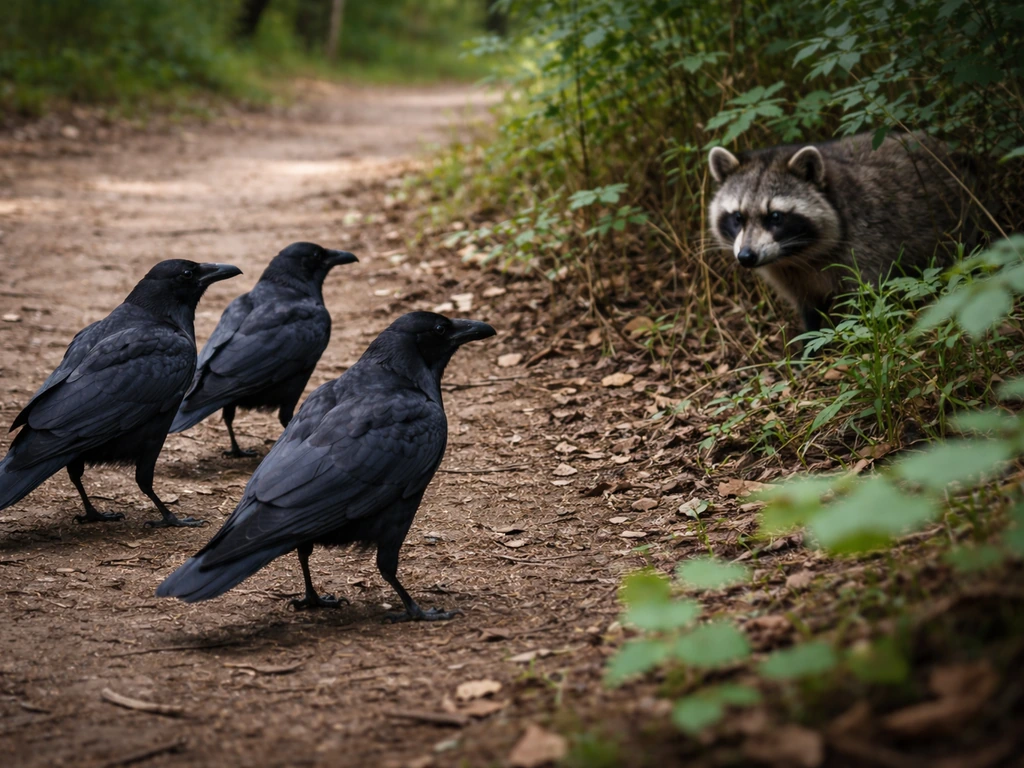
In most outdoor settings, a dead bird doesn't stay visible for long. Scavengers, including crows, vultures, raccoons, foxes, and even other birds, will find and remove a carcass quickly. In temperate climates, a small bird left outdoors can disappear within 24 to 48 hours in an area with active wildlife. That's the natural system working as intended.
The ecological concern comes when the death is part of a larger pattern. A single bird killed by a cat or a window strike is an isolated event. But if you're finding multiple dead birds in the same area over days, that's a signal something bigger is happening: a local disease outbreak, a contaminated food or water source, or a poisoning event. Predator and scavenger behavior can actually help spread disease in those scenarios, since the animals eating the sick or poisoned birds become secondary victims.
In a typical single-bird death, the remaining local bird population is unlikely to be significantly affected. Birds are territorial and new individuals will often fill gaps in a local population over weeks to months. The short-term ecological impact of one death is usually minor, unless that bird was a nesting adult with dependent young nearby.
Poisoning, contamination, and why that changes everything
If a bird was killed by or died after exposure to a toxic substance, all the standard handling advice gets stricter. Pesticides, rodenticides (especially anticoagulant rodent poisons like brodifacoum and bromadiolone), and lead are the most common culprits in wild bird poisoning cases.
Raptors like hawks, owls, and eagles are especially vulnerable to secondary poisoning. When they eat a rodent or songbird that was poisoned, they ingest the toxin too. That's why finding a dead raptor near an area where rodenticides were used is a serious red flag. Lead poisoning from spent ammunition or fishing weights is similarly well-documented in eagles and condors.
For you, the risk is secondary exposure. If you handle a bird that died from a concentrated pesticide, skin contact or accidental mouth contact (touching your face with contaminated gloves, for example) can cause symptoms. Organophosphate pesticides in particular can cause nausea, dizziness, and neurological symptoms in humans at sufficient exposure. If you find a bird in convulsions or twitching before death, that's a sign of possible acute poisoning, and you should avoid direct contact entirely.
A contaminated carcass is also a hazard for pets and local wildlife. Dogs that eat a rodenticide-poisoned bird can develop bleeding disorders. Scavengers that consume the carcass face the same secondary poisoning risk. This is why reporting a suspected poisoning death, rather than simply disposing of the bird, is important.
Do the right thing: reporting, prevention, and humane alternatives

If you've accidentally killed a bird, the best response is to report it if the species or circumstances warrant it, handle the remains safely, and take concrete steps to prevent a repeat incident. Here's how to do each of those things.
Reporting a dead or injured bird
- Contact your state's wildlife agency or a licensed wildlife rehabilitator if you find a live injured bird.
- Report suspected poisoning events (multiple dead birds, known pesticide use nearby) to the U.S. Fish and Wildlife Service or your state wildlife agency.
- For banded birds, report the band number to the USGS Bird Banding Laboratory at reportband.gov, which helps with population research.
- If you suspect an eagle or other protected species is involved, contact FWS directly. Possessing a protected bird, even accidentally, can raise legal issues that a quick report can help clarify.
Preventing future deaths
Window collisions are one of the leading causes of accidental bird death, estimated to kill hundreds of millions of birds per year in the United States. Applying window film, bird-safe glass treatments, or external screens dramatically reduces collision risk. Keeping cats indoors, or using a cat enclosure (a 'catio'), prevents an enormous number of bird deaths since domestic cats are responsible for billions of bird deaths annually in the U.S. If you use rodenticides, switching to snap traps or enclosed bait stations that prevent secondary poisoning is a practical change with real impact.
If birds are nesting somewhere you'd rather they didn't, the time to act is before nesting begins. Once active nests with eggs or chicks are present, disturbing them may be illegal under the MBTA. Humane deterrents include reflective tape, predator decoys, physical exclusion netting (installed properly so birds can't become entangled), and habitat modification to reduce attractiveness.
When to get professional help immediately
Some situations call for expert involvement, not DIY handling. Here are the clearest triggers:
| Situation | Who to contact | Why it matters |
|---|---|---|
| You find multiple dead birds in the same area | State wildlife agency or USFWS | Possible disease outbreak or poisoning event requiring investigation |
| A bird of prey (hawk, owl, eagle) is dead or injured | USFWS or licensed raptor rehabilitator | Federal protection laws apply; improper handling can have legal consequences |
| You or a pet had direct contact with a sick or convulsing bird | Your doctor or vet promptly | Possible toxic exposure or zoonotic disease risk |
| A wild bird bit or scratched you and drew blood | Medical provider | Low but real infection risk; document the contact |
| You find a live bird that can't fly or is visibly injured | Local wildlife rehabilitator | Injured wild birds need specialized care; keeping one without a permit is illegal |
| You suspect a rodenticide or pesticide killed the bird | State wildlife agency; don't dispose of the carcass yet | Carcass may be needed for toxicology testing; secondary poisoning risk to wildlife |
Large die-offs, meaning five or more birds dead in a small area in a short time, should always be reported rather than cleaned up on your own. These events are tracked by wildlife agencies for exactly the reason they sound alarming: they can signal an emerging disease, a new contamination source, or an enforcement issue worth investigating.
The bottom line is simple. If you've killed or found a dead bird, the steps are: protect yourself first, don't let pets near it, handle it with gloves if you must move it, and report anything that looks unusual. If you're also worried about criminal exposure in another scenario, such as whether you can get a dui on a bird, that's a separate but related legal-risk question to consider can you get a dui on a bird.
If you are thinking about "can you kill the bird in raft" in a game context, you can compare that decision with how the real-world MBTA treats intentional harm to birds. In Grounded, the same idea applies if you are wondering whether you can kill certain birds and what happens afterward kill certain birds in Grounded.
The legal risks are real for certain species and circumstances, but the bigger concern for most people in most situations is doing the right thing safely and preventing it from happening again.
FAQ
What should I do in the first 5 to 10 minutes after I find a dead bird?
If you find a dead bird, the safest default is to avoid touching it with bare hands, keep pets away, and place it in a sealed bag or container while wearing disposable gloves. If you cannot identify the situation quickly, treat it as unknown cause and contact your local wildlife agency or non-emergency line for guidance.
If I think the bird died from a collision or cat attack, is the cleanup risk still real?
Yes. If a window strike, a cat, or other injury is involved, you can still be exposed to pathogens from handling the carcass. The “cause” changes reporting urgency, but it does not make the cleanup risk-free, so gloves and limiting contact still apply.
Can I rinse or wash a dead bird down the drain to make cleanup easier?
Do not wash the bird in a sink or bathtub and do not use household disinfectants while you are still handling the carcass. Instead, use gloves, contain the body, and bag it for disposal, then clean surfaces you contacted with appropriate household disinfectant and warm soapy water for any areas that may have been touched. Also discard gloves properly.
My dog mouthed a dead bird. When should I seek veterinary help, and what signs matter?
If your pet has bitten or eaten part of a bird, monitor for symptoms and call the vet, especially if vomiting, diarrhea, lethargy, or neurologic signs appear within 24 to 48 hours. If you suspect poisoning or the bird died in convulsions, call the vet immediately and tell them “possible wild bird toxin exposure,” because timing affects treatment.
What hygiene steps should I take so I do not accidentally bring germs or toxin residue into my home?
Avoid wearing the same clothes you used for cleanup inside your home, and keep that laundry separate. Wash hands thoroughly after glove removal and before touching phones, keys, door handles, or your face. This reduces secondary exposure to droplets, dust from droppings, or residue from contaminated surfaces.
How many dead birds counts as “too many” to handle myself?
If you find multiple dead birds in the same area over a short period, treat it as a possible die-off event and do not DIY cleanup. Even if you cannot confirm a disease, wildlife agencies use these reports to check for contamination sources, track outbreaks, and decide on safe handling instructions.
After I bag the bird, is there a preferred disposal method or place?
Yes, and the key is the disposal method and timing. For unknown causes, sealed bag disposal in a trash setting is typically better than leaving it accessible to other animals, and you should not stack carcasses or move them around unnecessarily because that increases contact and contamination risk.
What if the bird was acting strangely, like twitching or convulsing, before it died?
If the bird was visibly affected by toxins, such as tremors, seizures, or twitching before death, avoid direct contact entirely and call the appropriate wildlife authority for advice. For lead exposure concerns, you should not attempt to salvage feathers or parts, because handling can still contaminate surfaces and increase human exposure risk.
Does finding a dead bird near a nest change what I should do about deterrents?
If birds are nesting with eggs or chicks, disturbing them can create legal risk and also increases survival risk for the nestlings if you inadvertently abandon or expose them. If you are trying to prevent future bird deaths, start with deterrents that do not harm birds, like window treatments or cat-proofing, before attempting any nest-related actions.
If I am not sure what I did legally, should I keep investigating myself or report and move on?
If you intentionally damaged bird-related items, like nests or eggs, or you had means to capture, hunt, or disturb birds without the correct permits, enforcement risk increases. If you are unsure, focus on safe reporting and prevention, avoid further handling, and do not try to “fix” evidence on your own.
Why does suspected poisoning require more than normal cleanup steps?
If you suspect poisoning from pesticides, rodenticides, or lead, reporting is more important than disposal because secondary poisoning can occur when pets or predators eat the carcass. Tell the agency what product was used, where it was used, and whether you found any other animal deaths nearby.