
Yes, you can kill the bird in Raft. The bird causing all the trouble is a Seagull, and it is absolutely killable using melee weapons or a bow. That said, killing it is only one option, and depending on where you are in the game, it might not even be the most efficient move. Here's exactly how the Seagull works, how to kill it if you want to, and how to protect your crops if you'd rather not fight it at all.
Can You Kill the Bird in Raft? What to Do Instead

Maya Chen
15 Apr 2026

What "Raft" means here and whether killing birds is really possible
Raft is a survival crafting game where you build and expand a floating platform while dealing with hazards, one of which is a crop-attacking Seagull. This article is about that game mechanic specifically. If you landed here wondering about real-world birds, there's a section later that covers that too, because this site is primarily focused on real bird safety and health risks, and the legal and ethical picture around harming birds is very different from what happens in a video game.
Inside the game, the Seagull is a killable NPC. It has hit points, it drops loot, and the wiki explicitly documents how many hits it takes to kill with each weapon. So the short answer is yes, it can be killed, and there are several ways to do it.
How Seagulls behave in Raft and why they're a problem
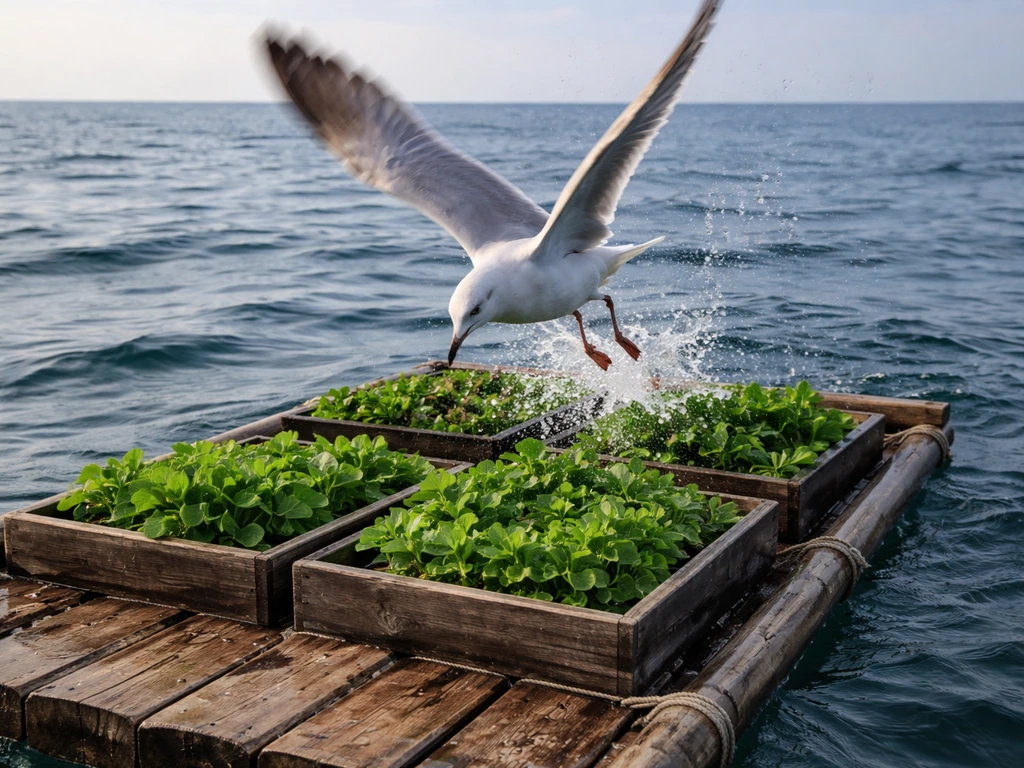
Seagulls don't just hang around your raft looking pretty. They dive-bomb your crops on a repeating cycle, roughly every 4 minutes. When a Seagull starts its attack run, you have a 15-second window before it successfully damages a crop. That's not a lot of time if you're across the raft doing something else.
There's a useful mechanic to know: if you get within 2.25 meters of a Seagull while it's attacking, it gets scared off immediately. So sometimes just walking toward it is enough to stop the damage in that moment. The problem is it'll come back again in a few minutes, so proximity alone is not a long-term fix.
Seagulls will also target a Scarecrow if one is in range. Only one Seagull attacks the Scarecrow at a time, but others may switch to attacking crops, so a basic Scarecrow is a partial buffer, not a complete solution. The Scarecrow also gets damaged and destroyed over repeated attacks, so it needs maintenance.
How to actually kill the Seagull: weapons, timing, and what works best
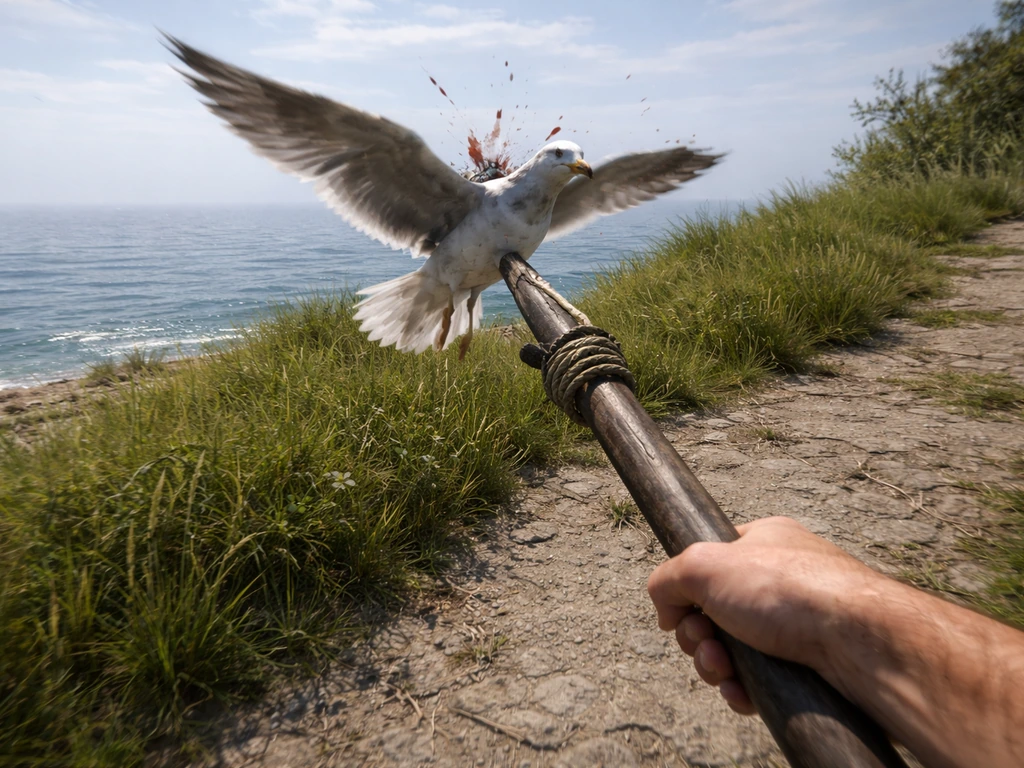
The most reliable way to kill a Seagull is to wait for it to commit to attacking a crop plot or your Scarecrow. Once it lands and starts its attack animation, it stays still long enough for you to move in and strike. The game gives you an audio cue when the Seagull begins its attack, which is your signal to act.
Here's a breakdown of how many hits it takes to kill a Seagull depending on your weapon and the game difficulty:
| Weapon | Hits to Kill (Normal) | Hits to Kill (Hard) |
|---|---|---|
| Machete + Metal Arrow | 1 | 1 |
| Metal Spear + Stone Arrow | 1 | 2 |
| Wooden Spear + Stone Arrow | 2 | 3 |
A Metal Spear or Basic Bow is the sweet spot for most players who aren't yet running a Machete. The achievement guides specifically recommend running up and stabbing the Seagull with a Metal Spear, or shooting it with a Basic Bow while it's distracted by your Scarecrow. If you miss or only graze it, don't panic. Just wait for the Seagull to land again on the next attack cycle and try again.
When you kill a Seagull, it drops loot you can collect. You can get Feathers from a slain bird, which are useful for crafting. If you don't pick up the loot quickly, the dead Seagull and its drops will despawn after 5 minutes.
Don't want to kill it? Here are the practical workarounds
Killing the Seagull every time it appears is honestly more work than most players want to deal with long-term. There are two much cleaner passive solutions that let you focus on building and exploring without constant bird interruptions.
The first option is to build an Advanced Scarecrow. Unlike the basic version, the Advanced Scarecrow blank" rel="noopener noreferrer">cannot be destroyed by attacking Seagulls, so it keeps working indefinitely without maintenance. Placing one on your raft stops Seagulls from targeting your crops altogether, which effectively removes the problem entirely. A recent thread on r/RaftTheGame notes that having access to the blank" rel="noopener noreferrer">Advanced Scarecrow can help keep seagulls away permanently.
The second option is to build a fully enclosed room around your crop plots. If every crop plot is inside a structure with walls, a ceiling, and at least one floor, Seagulls physically can't reach them to attack. It takes more materials upfront, but it's a permanent passive solution that also protects crops from other hazards.
If you're in the early game and don't have the materials for either option yet, just use the 2.25-meter scare radius as a manual deterrent. Walk toward the Seagull as soon as you hear it attacking, and it'll fly off. It's tedious but it works while you gather resources.
- Early game: walk within 2.25 meters of the Seagull to scare it off manually each time it attacks.
- Mid game: place a basic Scarecrow to draw Seagull attacks away from crops, then kill the Seagull with a Metal Spear or Basic Bow while it's distracted.
- Long-term fix: craft an Advanced Scarecrow (indestructible) or enclose all crop plots in a walled room with a ceiling.
If your question is actually about real birds
If you arrived here because of concerns about real seagulls or other birds near your property, the approach is completely different. Harming birds is not only ineffective as a long-term deterrent, it's also federally illegal in the United States for most species. The Migratory Bird Treaty Act prohibits killing, capturing, or possessing migratory birds and their parts without a permit. Violating the Bald and Golden Eagle Protection Act, for example, can result in a fine of up to $100,000 and up to one year of imprisonment for a first offense.
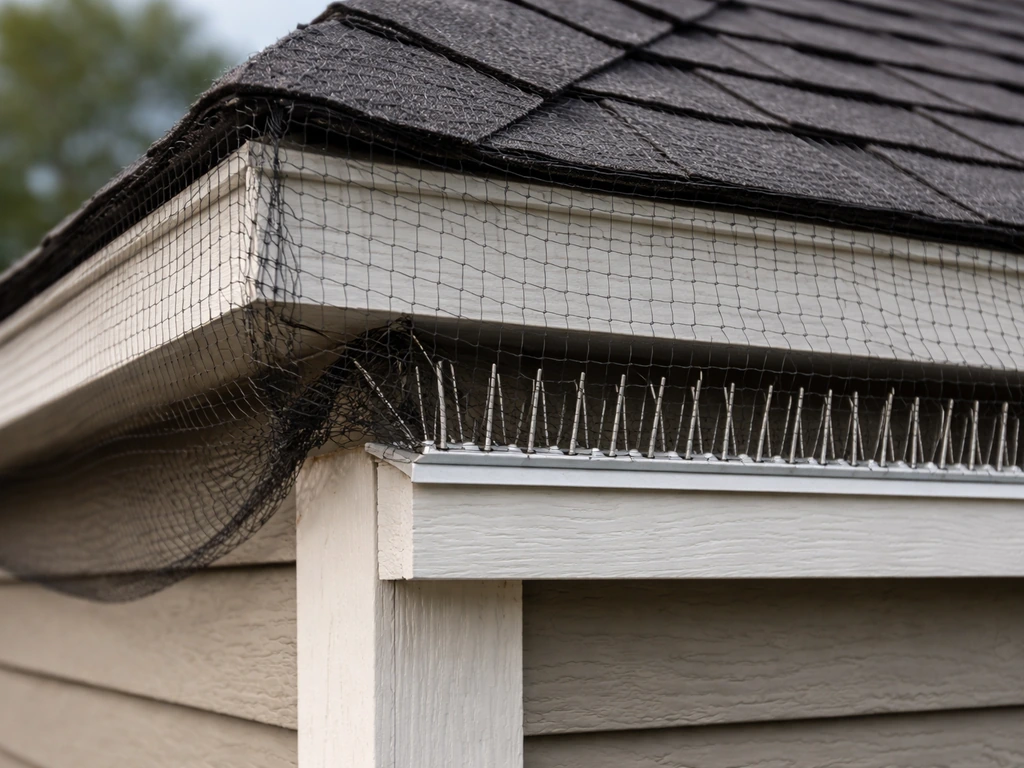
For real bird safety issues around homes and buildings, the evidence-based solutions are nonlethal. One of the most overlooked hazards for wild birds is window collisions. Birds can't see glass and often perceive reflections as open habitat, causing them to fly directly into windows. The fix is to apply external screen treatments or window decals that break up the reflection, which significantly reduces strike rates. If you find an injured bird as a result of a collision, the right move is to place it in a ventilated box and contact a local wildlife rehabilitator, not to handle or medicate it yourself.
Another common issue people don't consider: feeding wild birds or gulls near your property concentrates them and increases disease transmission risk, both among birds and potentially to people. Avoiding supplemental feeding is one of the simplest ways to reduce bird congregation problems without any harm to the animals.
Myths vs. reality about bird death and harm
In the game Raft, killing the Seagull feels straightforward because it respawns on a timer and you get useful crafting materials like Feathers from doing it. That loop makes sense for a game. Real-world situations don't work that way, and there are some persistent myths worth clearing up.
- Myth: Killing a nuisance bird solves the problem. Reality: Other birds of the same species will move into the same territory. Nonlethal deterrents address the root issue far more effectively.
- Myth: You can scare birds away permanently by chasing or harming them. Reality: Harassment has no lasting effect. Birds return once the perceived threat is gone.
- Myth: Window strikes are rare and not a serious concern. Reality: They are one of the leading causes of bird mortality, and simple physical treatments to glass surfaces dramatically reduce them.
- Myth: Feeding birds is always harmless. Reality: Concentrated feeding sites increase disease transmission risk and can alter natural behavior in ways that create more problems.
- Myth: If you accidentally harm or kill a protected bird, there are no real consequences. Reality: killing a protected bird can lead to serious legal consequences, including fines and jail time under federal law.
It's also worth knowing that whether killing a bird is considered sinful or morally wrong is a question that comes up in many cultures and traditions, and the answers vary widely depending on context and intent. That's a separate conversation from legality, but both matter when thinking about real-world bird interactions.
If you're curious about the broader picture, what actually happens if you kill a bird covers the real-world legal, ecological, and ethical consequences in detail. And for a similar gaming context to what we covered here, killing the bird in Grounded works on a completely different set of mechanics, so if you play both games it's worth a look.
One oddly common question that pops up alongside bird-related searches: whether you can get a DUI on a bird, which sounds absurd but actually has a legal answer worth knowing.
Your next steps depending on your situation
Use the checklist below based on what you're actually dealing with:
- Playing Raft and want to kill the Seagull: Wait for the audio cue, let it land on a Scarecrow or crop, then stab it with a Metal Spear or shoot it with a Basic Bow. Pick up the Feathers before the 5-minute despawn timer runs out.
- Playing Raft and want to protect crops without fighting: Build an Advanced Scarecrow (indestructible, permanent deterrent) or enclose all crop plots in a fully walled and roofed room.
- Playing Raft on Hard difficulty: Use a Machete or Metal Spear for one-hit kills. Wooden weapons take 2-3 hits and give the bird time to fly off between strikes.
- Dealing with real birds near your home: Apply external window treatments or screens to prevent collision injuries. Avoid feeding wildlife near your property. If you find an injured bird, place it in a ventilated box and call a licensed wildlife rehabilitator immediately.
- Worried about legal exposure from real bird incidents: Know that most wild birds are protected under federal law. Unintentional harm is treated differently from intentional killing, but both can have legal implications depending on the species and circumstances.
- Seagull keeps coming back in game no matter what you do: That's normal. The respawn cycle is roughly every 4 minutes. The only way to permanently stop the threat is the Advanced Scarecrow or an enclosed crop room. Individual kills just reset the timer.
FAQ
If I kill the seagull in Raft, will it stop coming back forever?
No, you cannot permanently remove the Raft seagull by killing it. It respawns on a timer, so even if you farm loot you will eventually have to deal with it again. If your goal is stop crop damage, prioritize scarecrow upgrades or enclosing the crop area instead of relying on repeated kills.
What should I do if my attacks miss the seagull in Raft?
If you miss, don’t keep swinging or shooting while it is in the air. Wait for the next time it commits to an attack landing, then use your weapon during its stationary attack animation. This reduces wasted durability and prevents you from chasing it across the raft.
Does the basic scarecrow completely stop seagulls, or do I still need to maintain it?
Yes, a basic scarecrow reduces seagull targeting, but it is not “set and forget.” Since the scarecrow can take damage and be destroyed after repeated attacks, you need to monitor its condition and rebuild it when it fails.
Is walking within 2.25 meters a reliable long-term fix for crop attacks?
If you rely on the 2.25 meter scare radius, treat it as a short-term interruption. You can scare it off during an attack moment, but it returns in a later cycle, so you still need a long-term plan (advanced scarecrow or enclosed room) once you have the materials.
Do I have to pick up the seagull loot right away in Raft, or can I come back later?
Feathers are usually tied to killing the seagull and then collecting its drops quickly. If you leave the loot behind, the dead seagull despawns and you lose the opportunity to gather those crafting items.
What’s the best moment to strike the seagull for a fast kill?
For the most consistent damage windows, attack after it lands and starts its attack animation. Trying to hit it while it is moving or beginning its dive is less reliable, because you lose the tight timing window when the crop is about to be damaged.
How can I get seagull loot without losing too many crops?
If you want to farm crafting materials while minimizing crop losses, combine scarecrow distraction with ranged or spear timing. That way you can kill it during its commitment phase near your defenses, rather than letting it target your crops repeatedly.
If I’m dealing with seagulls near my home, should I try to remove them the way you would in Raft?
In the real world, the same “solution” does not apply. Most harm to wild birds is regulated, and feeding near buildings can worsen congregation and disease risk, so safer options focus on exclusion, deterrents, and contacting wildlife professionals if an injured bird is found.
Next Article
Bird Causes Plane Crash? Risk, Mechanisms, Myths, Prevention
Whether bird strikes can cause plane crashes, how they happen, real risk data, debunked myths, and prevention steps