A bird inside your house is almost always a temporary problem with a simple solution. In most cases, the bird is not injured, not a disease threat, and not hard to get back outside. What makes it worse is usually panic, either yours or the bird's. A bird inside your house is almost always a temporary problem with a simple solution. In most cases, the bird is not injured, not a disease threat, and not hard to get back outside. What makes it worse is usually panic, either yours or the bird's. The steps below are ordered the way you should actually do them, starting right now. can a bird break the sound barrier
What Happens If a Bird Enters Your House: What to Do Now

Maya Chen
23 Mar 2026
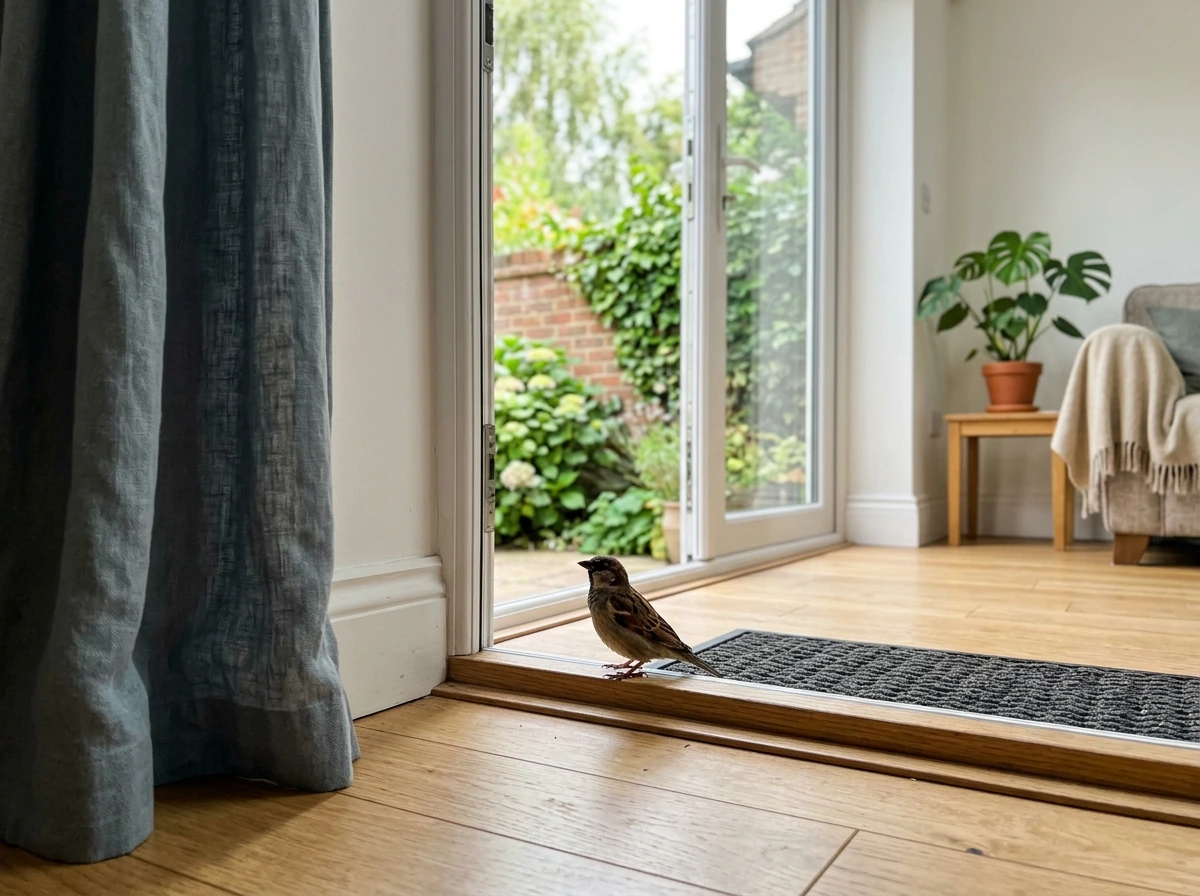
Immediate steps to take right away
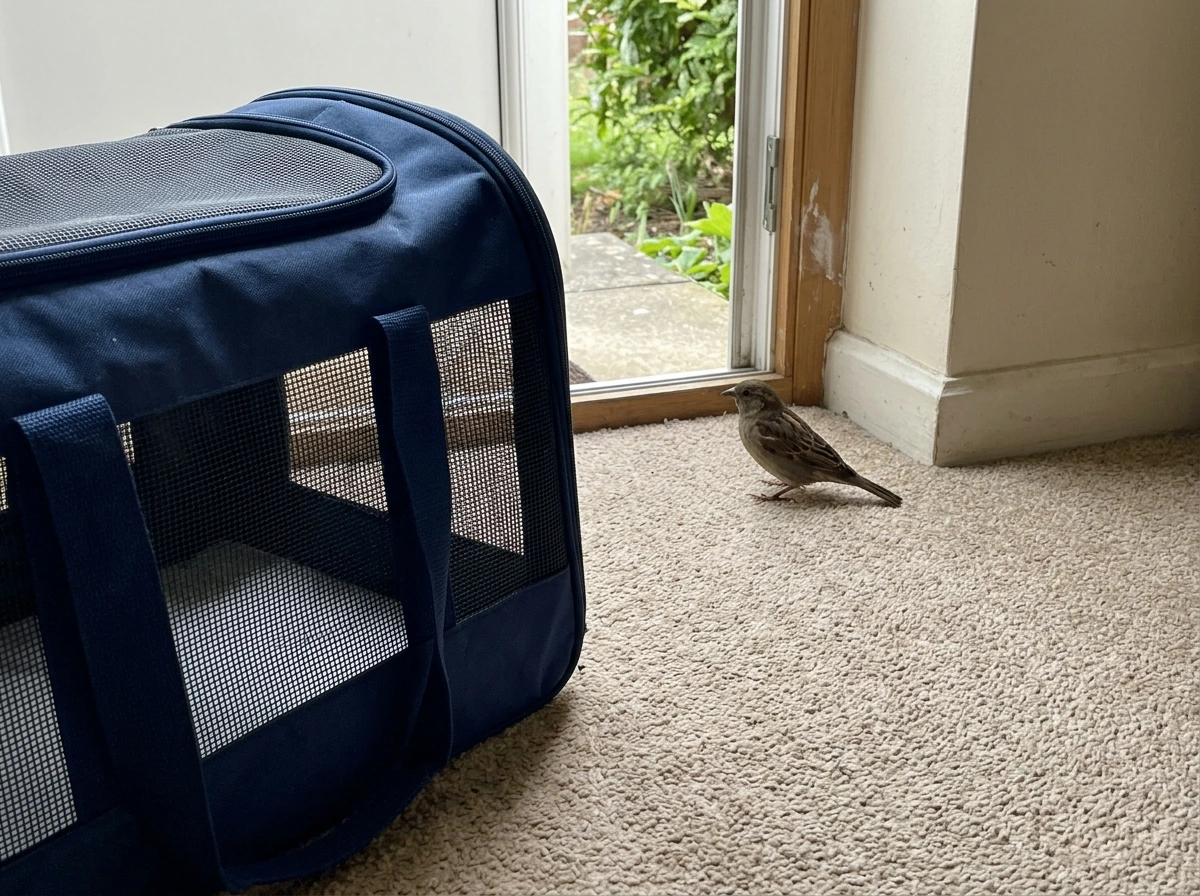
The first two minutes matter most. A scared bird bouncing off walls and windows is going to injure itself if you don't get things under control quickly. Here is the order of operations:
- Get pets and kids out of the room immediately. A cat or an excited child will send the bird into a frantic, wall-hitting panic. Close the door behind them.
- Close every interior door in the affected room so the bird stays in one contained space.
- Identify the best exit point, ideally a window or exterior door that opens wide. Open it fully.
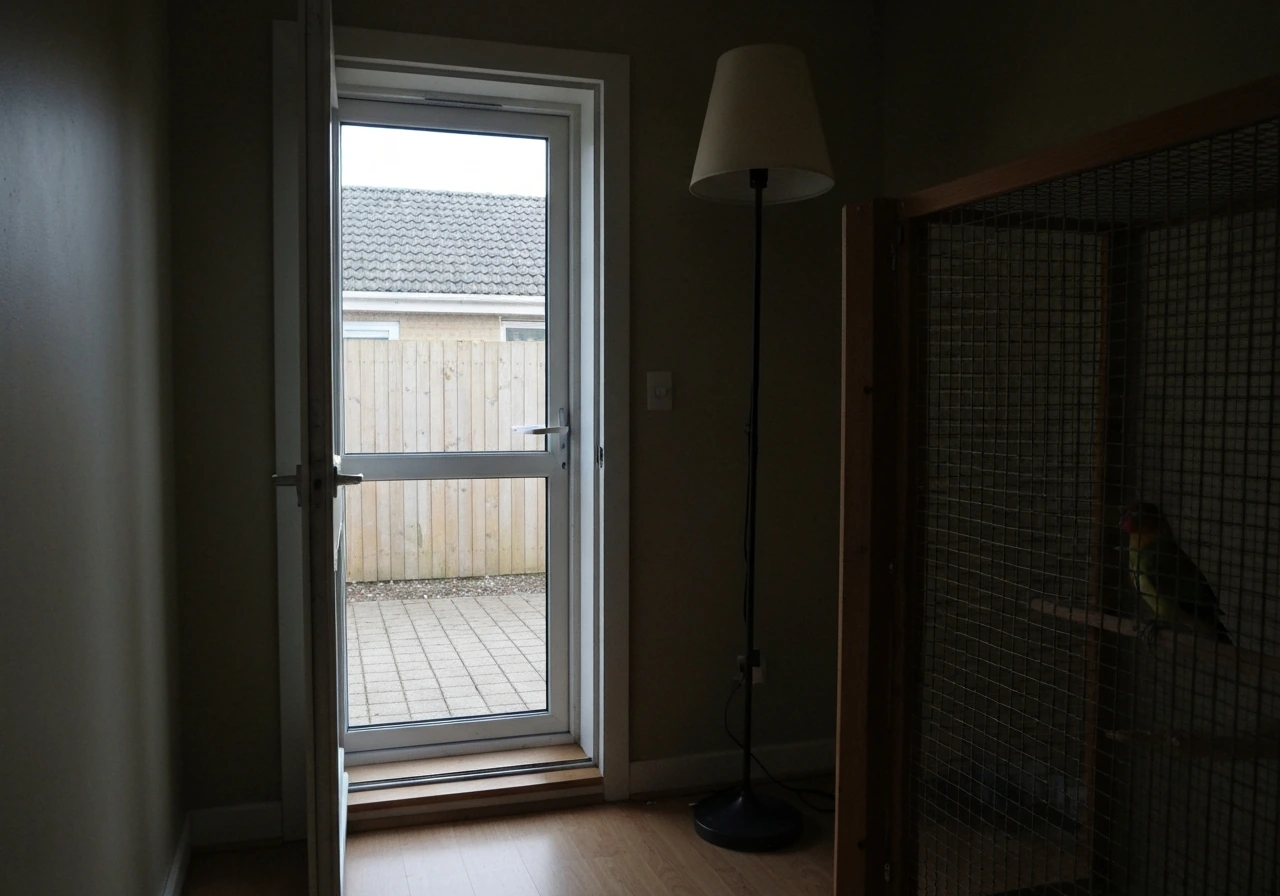
- Turn off the interior lights in that room. Birds instinctively fly toward natural light, so a dark room with one bright, open exit is your most powerful tool.
- Leave the room and give the bird 20 to 30 minutes of quiet. Most healthy birds will find the exit on their own once the room is calm.
Do not chase the bird, wave your arms, or throw things. Every attempt to physically herd it just burns energy and increases injury risk for both of you. Patience and good lighting management do the real work here.
Assessing the bird's condition: injured or just startled?
Once the room is calm, take a look at the bird from a distance before you do anything else. Most birds that fly in through an open door or window are completely fine. They are stressed and disoriented, but not hurt. The ones that flew into glass first are a different situation, and you need to be able to tell the difference.
Signs the bird is probably just startled
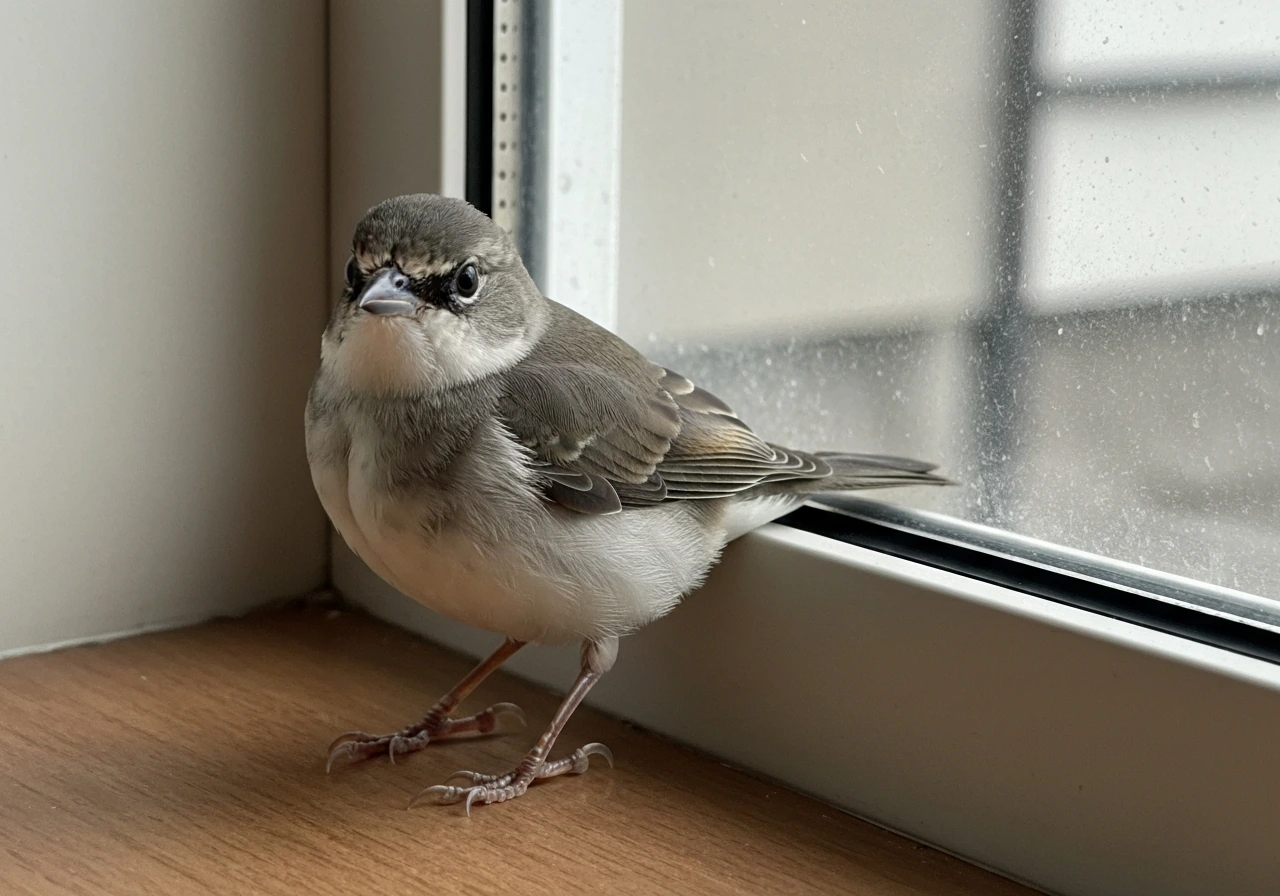
- Sitting upright and alert, head moving, eyes open
- Attempts to fly or hop away when you approach
- Feathers are smooth, not puffed up
- No visible wounds or blood
- Standing normally on both feet
Signs the bird may be injured or in serious stress
- One or both wings drooping or held at an odd angle
- Visible blood or open wounds
- Head tilting to one side
- Puffed-up feathers combined with not moving
- Shivering or extreme lethargy
- Sitting on the floor and not responding to your approach
- Labored or open-mouth breathing
- Unable to stand or use its legs
If the bird shows any of those injury signs, or if it still cannot fly after about one hour, it needs professional help. Skip ahead to the section on when to call wildlife control or a vet. If you need to move a potentially injured bird to contain it, do not grab it bare-handed. Place a lightweight towel gently over it, scoop it into a cardboard box with air holes, and keep it in a quiet, dark, warm place while you make calls. Handle as little as possible since birds are easily pushed into shock by handling alone.
Can the bird harm you? Bites, scratches, and droppings
Yes, a wild bird can bite or scratch, and some species (think larger birds like crows, jays, or pigeons) can deliver a surprisingly sharp peck. That said, the realistic injury risk from a small songbird is very low. The main things to be aware of are:
- Bites and scratches: Most small birds cannot break skin, but larger ones can. If you are bitten and the skin is broken, wash thoroughly with soap and water and treat it like any minor animal scratch.
- Flapping and wing strikes: A panicked bird flapping in an enclosed space can knock small objects over or startle you into injuring yourself. Clear the space before you try to guide it out.
- Droppings: This is the main hygiene concern. Birds will defecate when stressed, sometimes repeatedly. Fresh droppings on a counter or floor are easy to clean safely. The risk scales up with quantity and age of the droppings, not a single scared bird's visit.
The U.S. Fish and Wildlife Service guidance is clear: avoid touching wildlife directly. If you do make contact, wash your hands immediately with soap and water. That simple step covers the vast majority of any realistic transmission risk.
Health risks and disease transmission: what's real, what's myth
People worry a lot about disease when a wild bird gets inside, and some of that concern is warranted, but much of it is disproportionate to the actual risk from a single bird briefly in your home. Here is a realistic breakdown.
| Disease/Risk | Actual Risk Level (brief exposure) | Primary Route | Practical Prevention |
|---|---|---|---|
| Histoplasmosis | Very low from a single bird; risk rises with large accumulations of dried droppings | Inhaling disturbed fungal spores from dried droppings | Do not sweep or blow-dry droppings; dampen before cleanup |
| Psittacosis (Chlamydiosis) | Low from casual exposure; mainly a risk with prolonged contact with infected birds | Inhaling dried secretions or droppings from infected birds | Wet surfaces before cleaning; wash hands thoroughly |
| Avian Influenza | Very low from a wild passerine; higher concern with waterfowl/poultry | Direct contact with infected birds or their secretions | Avoid bare-handed contact; wash hands after any exposure |
| Newcastle Disease | Rare in humans; mainly a concern for poultry handlers | Contact with secretions or droppings of infected birds | Avoid touching the bird; wash hands if contact occurs |
| Salmonella | Possible from droppings, particularly from feeder birds | Fecal-oral route (touching droppings then touching face/food) | Handwashing; clean droppings with gloves |
For a single bird that was inside your home for an hour or two, the realistic disease concern is minimal if you wash your hands after any contact and clean up droppings properly. The situations where disease risk goes up are large accumulations of droppings (think pigeons roosting in an attic for months), direct contact with visibly sick birds, or exposure without any hand hygiene afterward.
How to clean up droppings safely
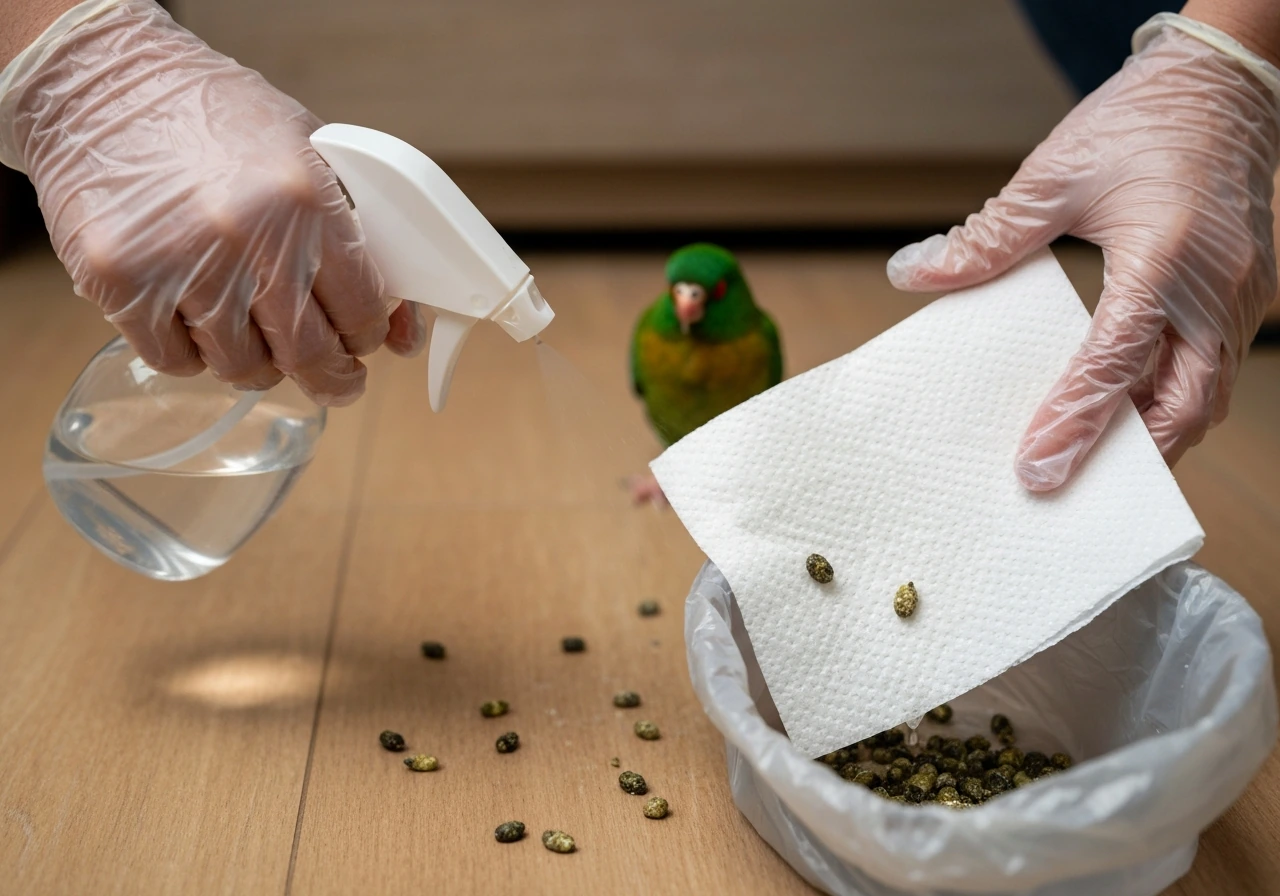
Do not dry-sweep or vacuum fresh or dried droppings without wetting them first. Disturbing dried droppings can aerosolize fungal spores. Instead, lightly dampen the droppings with water and a disinfectant spray, let it sit for a minute, then wipe up with paper towels and dispose in a sealed bag. Wash your hands thoroughly with soap and water afterward. For a small amount from a briefly visiting bird, this is all you need. If you are dealing with a large historic accumulation, that is a job for professional hazardous waste removal.
Window-collision confusion: why it happens and what to check
If you found the bird dazed on the floor near a window or glass door, it almost certainly flew into the glass first. Birds do not perceive glass the way we do. They see the reflection of trees, sky, or plants in the glass and treat it as open space. This is one of the most common causes of birds ending up inside or stunned on the ground outside, even though you may wonder, can a bird break a car window.
At night, the problem flips: interior lights attract birds flying past, drawing them toward what looks like a light source in an otherwise dark environment. This is especially common during spring and fall migration. If a bird got in through a door or window at night and seemed to fly deliberately toward it, unshielded interior lighting is the likely culprit.
To reduce repeat incidents, check your home for these conditions:
- Windows or glass doors that reflect trees, sky, or garden plantings on the outside surface
- Large glass panels placed opposite each other that create a see-through effect
- Interior lights left on at night near windows, especially during migration season (spring and fall)
- Open doors or windows without screens that birds can enter unobstructed
The U.S. Fish and Wildlife Service recommends turning off unnecessary lights at night and using bird-safe window treatments that break up the reflective surface so birds can see the glass as a barrier. Decals placed at 2-inch intervals (not just a single hawk silhouette) or external screens are the most effective long-term fixes. For more on why birds target specific windows, the topic of why birds fly into windows goes into more detail on this, why does a bird fly into a window.
If the bird won't leave: humane ways to help it out
If you have waited 30 minutes and the bird is still inside, it is time to take a more active approach. The goal is still to use the bird's own instincts against the problem, not to catch it by hand.
- Confine the bird to the smallest possible room near the best exit point. Close every other door.
- Open one window or exterior door as wide as it will go. This is the only exit.
- Turn off every interior light in that room. Draw curtains on any windows that are not the exit.
- If there are mirrors in the room, cover them. Birds sometimes get confused by reflections and keep flying at them.
- Leave the room entirely. Close the door behind you but leave the exit open. Check back in 20 minutes.
- If the bird still has not left, re-enter calmly and use a broom held low and flat (not swung) to gently guide it toward the open exit. Move slowly.
- If the bird has landed on a surface, you can try to drape a lightweight towel over it, pick it up gently, carry it outside, and release it.
Some birds, particularly disoriented ones that may have hit glass, will sit in one spot for an extended time. That is not always a sign of injury. A stunned bird often just needs 30 to 60 minutes to recover its senses before it can fly properly again. As long as it is upright and alert, give it the time it needs.
When to call wildlife control or a vet: red flags that cannot wait
Most of the time you will not need professional help. But there are specific situations where calling a wildlife rehabilitator or avian vet is the right move, and waiting only makes things worse.
Call immediately if you see any of these
- Visible bleeding that is not stopping
- A clearly broken or drooping wing
- The bird is on its back or cannot right itself
- Open-mouth breathing or labored respiration
- A head tilt that is persistent (suggests neurological injury from a collision)
- The bird has been inside or on the ground for more than one to two hours and still cannot fly
- Obvious wounds, puncture marks, or missing large patches of feathers (possible cat attack, which often causes internal injury not visible externally)
- Extreme lethargy with no response to your approach
To find help, search for a licensed wildlife rehabilitator in your area or contact your local animal control office. The Audubon Society's local chapters are also a reliable starting point. If the bird is actively bleeding or in clear distress and you cannot find a wildlife rehabilitator quickly, a general vet can provide emergency stabilization even if they do not specialize in birds.
While you wait for help to arrive, place the bird in a cardboard box lined with a paper towel. Poke several small air holes in the lid. Keep it in a dark, quiet place at room temperature. Do not offer food or water, and do not keep checking on it. The dark and quiet are doing something useful: reducing stress so the bird has a better chance of survival until a professional can assess it.
When to call about a health concern for yourself
If you handled a sick-looking bird without gloves and in the days following you develop a fever, cough, or difficulty breathing, tell your doctor about the bird exposure. It is almost certainly unrelated, but OSHA guidelines specifically recommend that people who have been exposed to birds or bird secretions and then become ill should mention the exposure to their healthcare provider. This is a precaution, not a cause for alarm.
Quick scenario guide: which situation are you in?
| Your Situation | Most Likely Cause | What to Do |
|---|---|---|
| Healthy bird flying around, clearly alert | Flew in through an open door or window | Confine to one room, turn off lights, open one exit, leave it alone |
| Bird sitting dazed near a window | Window collision (stunned, not necessarily injured) | Give it 30 to 60 minutes in a quiet space; watch for injury signs |
| Bird with drooping wing or bleeding | Injury from collision, predator, or impact | Contain gently in a box, call wildlife rehabilitator immediately |
| Bird won't leave after 1 to 2 hours | Disoriented, possibly injured, or confused by glass/reflections | Try active guiding toward exit; if still stuck, call wildlife control |
| Worried about disease after cleanup | Exposure to droppings | Dampen before cleaning, use gloves, wash hands with soap and water |
The bottom line: stay calm, manage the lighting and exits, keep pets and kids away, and let the bird do most of the work. The majority of birds that wander inside leave the same way they came in once the path is clear and quiet. Your job is mostly to get out of the way and set up the conditions for that to happen.
FAQ
If a bird is still inside after 30 minutes, does that automatically mean it is injured?
If the bird is still flying normally and you are not seeing injury signs, you can usually give it more time than you think. Many birds recover after disorientation and will exit once one clear door or window is left open and the room lighting pattern is corrected, aiming for 30 to 60 minutes before escalating steps.
What room is safest to place a bird in while I wait for help?
Do not put the bird in a bathroom with a towel under running water or a steamy environment, even if it looks like the bird needs help. Instead, use a cardboard box with air holes, keep it dark and quiet, and avoid strong odors or chemicals from cleaners, since stress and inhaled fumes can worsen a stunned bird’s condition.
Should I offer bird food or water if the bird seems weak or thirsty?
Food and water are generally not recommended because many birds, especially disoriented ones, can aspirate if they cannot swallow properly right away. The article’s handling guidance (minimal contact, dark and quiet, no feeding) is safer until a wildlife professional can assess hydration and species-specific care needs.
What should I do differently if more than one bird gets into my house?
If you have multiple birds, treat it as a higher-risk situation for chasing and collisions. Clear pets and kids from the area, close off other rooms, and focus on one exit path at a time, typically turning off most interior lights and leaving one door or window open so each bird can follow its own instinct.
What if the bird lands on me or touches my face or hands?
If the bird landed on a person, you should avoid wiping it off aggressively, then secure the bird using the same towel and box method only if needed. For people safety, wash hands with soap and water afterward, and if the bird was directly involved in contact with mucus or blood, consider calling a medical professional for tailored advice.
How can I stop birds from entering through the same window again and again?
If it is a repeating problem at the same window, decals or external screens should be used consistently and placed so they break up the reflection frequently, not just as a single large silhouette. Also check gaps around doors and ensure the window is fully closed, since small openings can let birds in even when the room “looks” sealed.
What if I cannot fully open a door or window to the outdoors?
If you cannot open an exterior door safely due to weather or household hazards, focus on creating an equivalent light and exit pattern rather than trying to physically control the bird. For example, close interior doors to limit flight space, turn off interior lights away from the exit, and use a single open route to the outdoors when possible.
Is it ever okay to catch the bird to speed things up?
Yes, repeated attempts at physically herding the bird are one of the most common reasons birds end up more injured than they would have been otherwise. Use calm, lighting changes, and patience to let it find the exit, and only use containment boxes when the bird is injured-looking or can’t fly after about an hour.
Do I need to disinfect everything if the bird left droppings in a room?
If the bird is acting normal, you generally do not need to disinfect the entire room. For small, brief visits, clean droppings only after dampening, and wash hands. If you notice extensive droppings, nesting debris, or strong odors (common in attics), switch to professional hazardous waste removal instead of DIY cleaning.
When should I call a wildlife rehabilitator immediately instead of waiting?
If you see blood, hear distress calls, or the bird is unable to perch or fly, assume injury and prioritize contacting a licensed wildlife rehabilitator or an avian-capable vet. Waiting for it to “calm down” can reduce survival chances, and the safest interim step is a dark, quiet, ventilated box without food or water.
Next Article
Can a Bird Break the Sound Barrier? The Physics Answer
Find out if any bird can go supersonic and cause a sonic boom, plus common myths and what to do if injured.