
In the real world of bird safety, some people walk away from exposure to bird droppings, sick birds, or contaminated environments without getting seriously ill, while others end up in the hospital. The difference almost always comes down to three things: how much they were exposed to, how quickly they got help, and how vulnerable their body already was. There is no mystery force at work. It is dose, timing, and individual health status, every single time.
Why Some People Survive Bird Box: Real Risk Factors and Safety Steps

Maya Chen
24 Apr 2026
What 'Bird Box' actually means in this context
Bird Box is a popular horror film and novel built around the idea that certain people are killed or driven to self-destruction by an unseen creature, while a small group somehow survives. In this same context, the question often becomes why the creatures in Bird Box appear to kill certain people after exposure why bird box creatures kill. That premise has become a cultural shorthand people use online when they are trying to make sense of uneven outcomes: why do some people seem fine after a situation that hurt or killed someone else? If you meant the film's question, the same pattern of dose, timing, and vulnerability explains why outcomes can look so different person to person why the creatures in Bird Box kill. That same idea explains why in real-life bird exposure some people are affected while others do not uneven outcomes. If you meant the tragic “Bird Box” internet shorthand, the key point is that bird-related hazards do not drive people to suicide in themselves; severe illness can be treated when risks are identified early why outcomes differ. On a site focused on real bird safety and health risks, that question maps onto something very practical. In real life, the question behind the Bird Box story is often about what virus or pathogen exposure from birds can cause illness, such as psittacosis and histoplasmosis what is the virus in bird box. Why does one person clean out a pigeon-roosting attic and get sick while their neighbor does the same job and feels nothing? Why does one bird owner contract psittacosis while another in the same household stays healthy? Those are the real questions this article answers.
The fictional monster in Bird Box kills by forcing people to see something their mind cannot process. If you are asking can the monsters in bird box be killed, the film-like answer does not translate to real bird hazards, because illness risk depends on exposure dose, timing, and individual vulnerability. If you meant the movie-style question of how does the bird box monster kill, the real-world answer is still about biology, dose, timing, and vulnerability rather than anything supernatural. Real bird-related hazards work through biology, not the supernatural. But the underlying curiosity, namely why outcomes differ so dramatically between individuals, is completely valid and worth a clear, direct answer.
Why outcomes differ: exposure, timing, and personal risk factors
The single biggest factor separating people who get seriously ill from those who do not is exposure dose. Breathing in a handful of Histoplasma spores from a small patch of old droppings is very different from spending two hours shoveling dry, dusty bird manure out of a crawlspace. The CDC specifically warns against shoveling or sweeping dry, dusty contaminated material precisely because that activity launches enormous numbers of spores into the air at once. Someone who disturbs a small amount briefly, in a ventilated space, while wearing protection, is in a completely different risk category than someone doing prolonged, unprotected work in a confined area.
Timing matters too. Histoplasmosis symptoms typically appear 3 to 17 days after exposure. Psittacosis, caused by Chlamydia psittaci from infected birds, usually shows up 5 to 15 days after contact. Someone who recognizes early symptoms and gets medical attention quickly has a much better chance of a straightforward recovery. Someone who dismisses early fever and cough as a cold and waits weeks before seeking care can end up with disseminated disease or severe pneumonia requiring intensive care support.
Individual vulnerability is the third pillar. People who are immunosuppressed (including those on immunosuppressive medications), adults over 55, people with asthma or other underlying lung conditions, and infants face meaningfully higher risk of severe or disseminated disease from the same exposure that would barely affect a healthy adult in their 30s. This is not speculation. The CDC specifically identifies immunosuppressed individuals and older adults as being at increased risk of disseminated and potentially fatal histoplasmosis. If you fall into one of those groups, you need a higher level of precaution than the average healthy adult.
How behavior changes the outcome
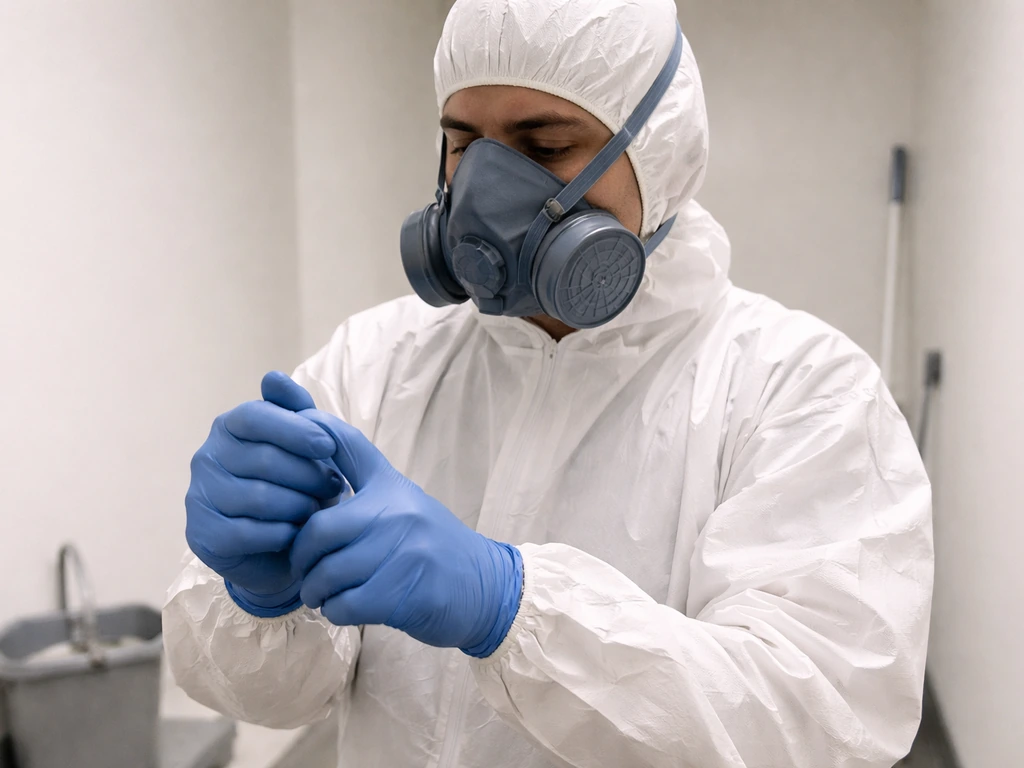
Behavior is a controllable version of exposure. Two people doing the same task can have dramatically different outcomes based on whether one wore a properly fitted respirator, wetted down the material before disturbing it, worked in a ventilated space, and washed their hands thoroughly afterward. The person who skipped all of those steps absorbed a much higher effective dose than the person who followed basic precautions, even if the job looked identical from the outside.
Real bird-related hazards that can be fatal (and the common misconceptions)
People sometimes conflate different types of bird-related risk, which muddies the picture. Here are the hazards that actually cause serious harm, and where the common confusion comes from.
Respiratory hazards from droppings
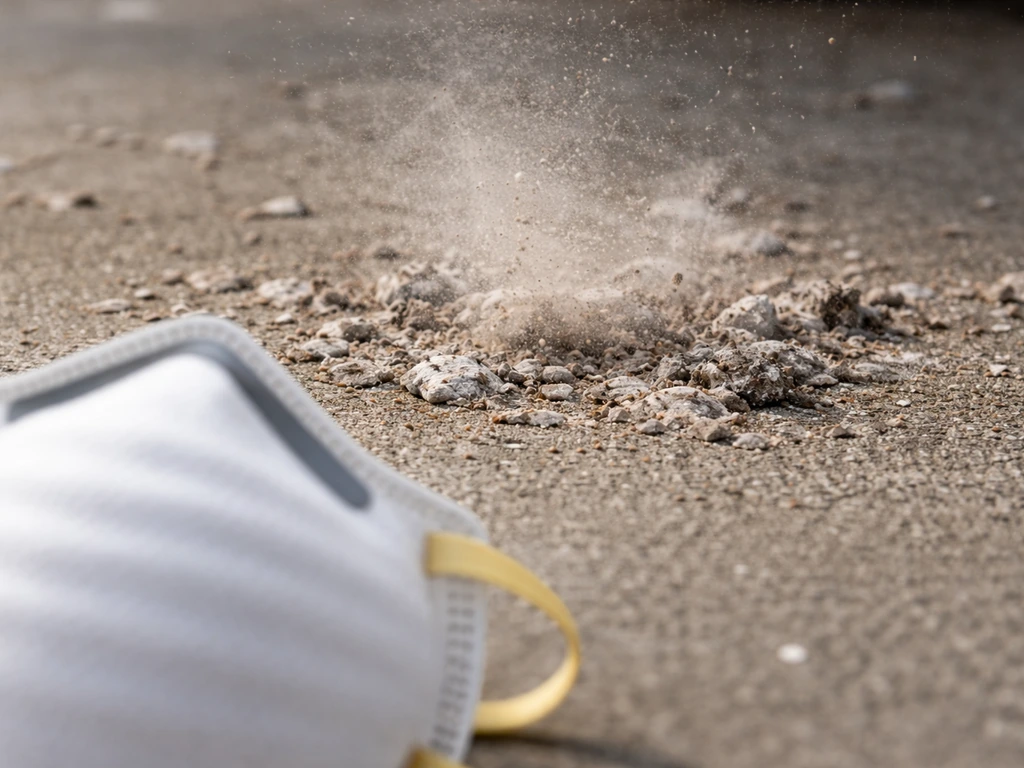
Histoplasmosis is probably the most underappreciated bird-related health risk in North America. It is a lung infection caused by inhaling spores of Histoplasma capsulatum, a fungus that thrives in soil heavily contaminated with bird or bat droppings. Cleaning chicken coops, working beneath starling or pigeon roosts, and disturbing soil in contaminated areas are all recognized exposure scenarios. Most healthy adults develop mild or even symptom-free infection. But in immunocompromised individuals or older adults, it can disseminate through the body and become fatal if untreated.
Infectious disease from direct bird contact
Psittacosis (also called avian chlamydiosis or parrot fever) is a bacterial infection transmitted from infected birds to humans, most often through contact with respiratory secretions, feathers, or dried droppings from parrots, cockatiels, doves, and other species. Severe pneumonia is part of the clinical picture and can require intensive care. Human-to-human transmission is rare, which is why one household member can get sick while another stays healthy. It depends almost entirely on who had the most direct contact with the bird and in what way.
Other hazards people overlook
- Campylobacter and Salmonella from contact with bird feces, particularly around poultry, can cause serious gastrointestinal illness; the CDC recommends thorough handwashing after touching birds, their food, or their waste.
- Window and impact injuries: birds striking windows can injure the birds, but this is a bird welfare issue rather than a direct human fatality risk.
- Electrocution on power lines is a documented cause of bird death, not human death in normal circumstances.
- Allergic reactions and bird fancier's lung (hypersensitivity pneumonitis) from prolonged exposure to bird dander can cause progressive lung damage in susceptible individuals.
The misconception that birds are broadly dangerous in a dramatic, immediate way is mostly wrong. The real risks are specific, biology-driven, and heavily shaped by the factors already discussed: dose, timing, and the individual's baseline health.
Prevention that actually lowers risk
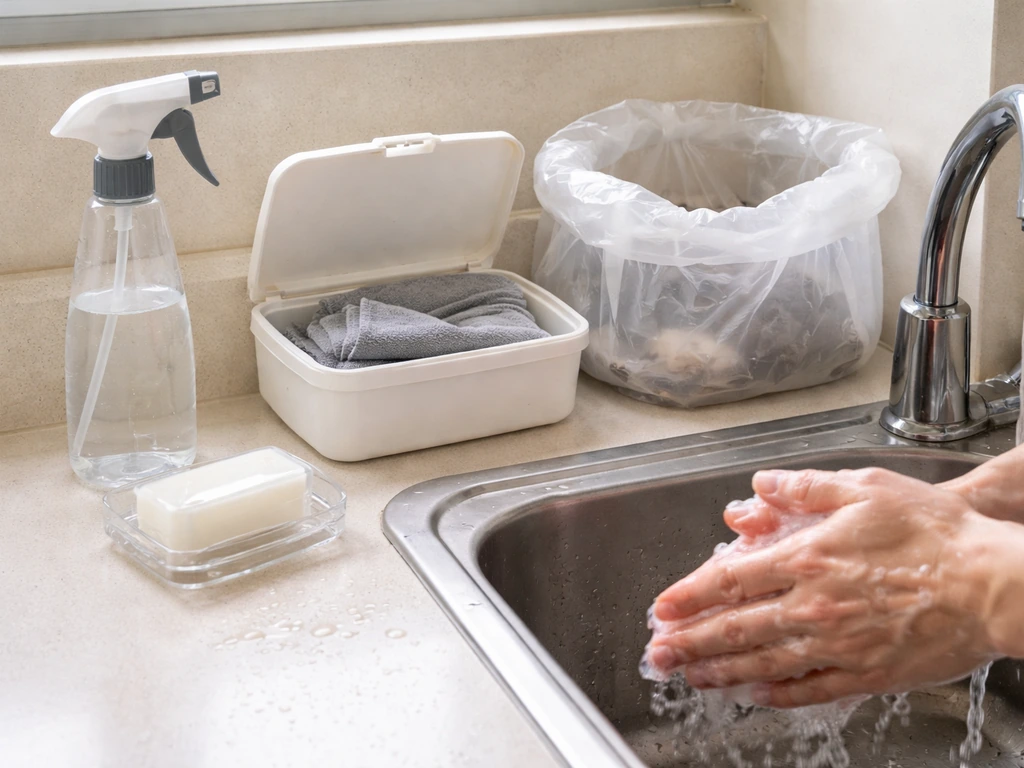
The good news is that most serious bird-related health outcomes are preventable with practical steps that do not require expensive equipment or professional training for routine situations.
Hygiene basics
Wash hands thoroughly after any contact with birds, bird droppings, bird food, or bird bedding. The CDC recommends washing hands with soap and water after contact with birds and bird-related contamination to help reduce infection risk wash hands thoroughly. This is the single most effective low-cost action you can take. Do not eat, drink, or touch your face before washing. If you work around birds regularly, change clothes before sitting down in living areas of your home.
Respiratory protection and PPE
For any task that disturbs dry droppings or contaminated dust, a properly fitted N95 respirator is the minimum. OSHA's respiratory protection standard (29 CFR 1910.134) requires fit testing for tight-fitting respirators used in workplaces, including a fit test using an accepted protocol. In a home setting, at minimum use a disposable N95 that seals against your face, not a loose surgical mask. Gloves and goggles are also worth wearing when cleaning any significant accumulation of bird waste.
Environmental controls
The CDC's clearest prevention principle for histoplasmosis is to avoid letting droppings accumulate in the first place. Regular cleaning in a controlled, low-dust way prevents the large buildup that creates the highest risk. When droppings must be disturbed, wet the material down first with water or a disinfectant solution to reduce airborne dust. Never dry sweep or shovel dry bird manure in an enclosed space. Work in cross-ventilated areas whenever possible. For large accumulations, the CDC and NIOSH recommend using professional hazardous waste companies equipped with truck-mounted or trailer-mounted vacuum systems.
Knowing when to call a professional
If you are dealing with a large accumulation of droppings (think an attic full of pigeon or starling waste, not a single bird's cage), call a company that specializes in hazardous biological waste. This is not overcaution. The CDC explicitly recommends professional cleanup for large-scale accumulations. The cost of professional removal is small compared to the cost of treating disseminated histoplasmosis.
What to do after possible exposure: monitor vs. get urgent help
If you had an exposure event (disturbed droppings without protection, handled a sick bird, were bitten or scratched), your response should be proportional to your risk profile and the severity of the exposure.
| Situation | What to do |
|---|---|
| Brief, low-dust exposure, healthy adult, no symptoms | Monitor for 3 to 17 days; seek care if fever, cough, or chest pain develops |
| Prolonged or heavy exposure, any person | Contact a doctor promptly and describe the exposure; do not wait for symptoms to worsen |
| Any exposure, immunosuppressed or age 55+ | Contact a doctor right away even if you feel fine; do not wait |
| Fever, cough, malaise after bird contact (any person) | See a doctor; mention the bird exposure specifically so they can test appropriately |
| Severe shortness of breath or chest pain after exposure | Seek emergency care immediately; psittacosis and disseminated histoplasmosis can both cause rapid deterioration |
| Influenza-like symptoms after exposure to parrots or exotic birds | Seek medical attention and tell the doctor you were exposed to birds; psittacosis requires specific antibiotic treatment |
One practical note: always tell your doctor specifically that you were exposed to birds or bird droppings, and describe roughly how much and how long. Histoplasmosis and psittacosis are not on most clinicians' immediate radar unless you flag it. That context changes what tests they order and how quickly they act.
Myth-busting and a practical safety checklist
Common myths, quickly cleared up
- Myth: If birds were dangerous, everyone around them would get sick. Reality: Most healthy adults handle low-level exposures without symptoms. Risk scales sharply with dose, duration, and immune status.
- Myth: You would know immediately if you were infected. Reality: Histoplasmosis symptoms start 3 to 17 days after exposure; psittacosis takes 5 to 15 days. You can feel fine for nearly two weeks and then deteriorate quickly.
- Myth: Only exotic birds carry disease risk. Reality: Pigeons, starlings, and common backyard birds are common sources of Histoplasma-contaminated droppings and can also carry Campylobacter and Salmonella.
- Myth: A surgical mask is sufficient protection when cleaning droppings. Reality: A loose surgical mask does not filter fungal spores effectively. A fitted N95 is the appropriate minimum.
- Myth: Healthy people have nothing to worry about. Reality: Healthy people face lower risk, but heavy or prolonged exposure can cause acute pulmonary histoplasmosis even in otherwise fit adults.
Step-by-step safety checklist
- Assess the scale of the task before you start. Small amounts of droppings in a ventilated outdoor area carry much lower risk than an enclosed, heavily contaminated space.
- Put on PPE before you disturb anything: a properly fitted N95 respirator, gloves, and eye protection at minimum.
- Wet down dry droppings with water or a diluted disinfectant solution before cleaning to reduce airborne dust.
- Do not dry sweep or shovel. Use damp methods, disposable wipes, or a HEPA vacuum.
- Bag waste securely and dispose of it according to local guidelines for biological waste.
- Remove and bag disposable PPE before leaving the work area. Wash reusable items thoroughly.
- Wash hands and exposed skin with soap and water immediately after finishing.
- If the accumulation is large (more than a small patch), call a professional hazardous waste company.
- Know your risk profile. If you are immunosuppressed, over 55, or have a lung condition, apply stricter precautions and consult a doctor before undertaking any significant cleaning task involving bird waste.
- Monitor your health for up to 17 days after any significant exposure. If fever, cough, chest pain, or malaise develops, see a doctor and mention the exposure explicitly.
The bottom line is that uneven outcomes around bird-related hazards are not random and they are not mysterious. They follow predictable patterns tied to how much someone was exposed to, how vulnerable their immune system was, and whether they took protective steps or got medical help quickly. Understanding those patterns means you can actually do something about your risk instead of just hoping you are one of the lucky ones.
FAQ
If one person gets sick after cleaning droppings, does that mean everyone else in the group is doomed too?
Not necessarily. Risk depends on who inhaled the most contaminated dust, who had direct bird or respiratory secretions contact, and who has higher vulnerability (immunosuppression, age, lung disease). Even in the same space, two people can have very different effective doses based on how long they worked, whether the area was ventilated, and whether they used a properly fitted respirator.
How quickly should I seek care after bird exposure to avoid severe disease?
If you develop symptoms like fever, cough, shortness of breath, or worsening chest symptoms, contact a clinician right away and mention bird droppings or sick bird exposure. Waiting is what increases the odds of complications, because both histoplasmosis and psittacosis can progress after the initial mild phase.
What symptoms suggest histoplasmosis versus psittacosis?
Both can start like a respiratory illness, so timing and context matter. Histoplasmosis is often linked to large amounts of contaminated soil or droppings and may progress to persistent or worsening lung disease; psittacosis is tied to contact with birds and dried secretions and can cause more prominent pneumonia. The key practical step is telling your doctor the exposure scenario so they can choose appropriate tests.
I used a mask, but it was loose. Does that still count as protection?
A loose mask can drastically reduce protection because contaminated dust can bypass the seal around your face. For droppings and dusty cleanup, the article’s minimum is a properly sealed N95, not a surgical mask, because fit determines how much you actually inhale.
Is wetting down droppings always safe, or can it increase risk?
Wet methods generally reduce airborne dust during cleanup, but you should still avoid stirring material aggressively. Use gloves, avoid splashing, keep the work controlled and ventilated, and prevent contaminated runoff from spreading into other areas where it can dry out and become dusty again.
Can pets bring these infections into the home?
Yes, indirectly. Animals can track contaminated feathers, droppings, bedding, or dust into living spaces, which can raise exposure for household members. If you handle birds or clean cages or roost areas, keep pets out of the cleanup zone and clean surfaces and hands before pets access treated areas.
What should I do with clothing and shoes after cleaning an attic or coop?
Change clothes promptly and avoid sitting on furniture in the same outfit used for cleanup. Ideally bag or launder work clothes separately, and clean footwear (or keep it contained) to avoid bringing dust from contaminated areas into the rest of the home.
How do I decide whether I should hire a professional for a cleanup?
Use a scale based on accumulation size and dust generation. For large-scale droppings (such as an attic full of pigeon or starling waste), the article recommends professional hazardous biological cleanup, since the task can create a high dust cloud even with basic precautions, and professional equipment reduces inhalation exposure.
If my exposure was small and I feel fine, do I still need medical follow-up?
Often no, but monitor for delayed symptoms. Because symptoms can appear days after exposure, pay attention for fever, cough, or breathing trouble during the typical windows for these infections, and seek care if symptoms develop or if you are in a higher-risk group.
Can I get infected from touching droppings instead of inhaling them?
For the major risks discussed, inhalation of contaminated dust is the dominant pathway for histoplasmosis, while psittacosis commonly involves contact with respiratory secretions, feathers, or dried droppings. Either way, hand hygiene matters, so wash hands thoroughly before touching your face, eating, or going back indoors.
What if I already started cleaning and realized my setup was unsafe midway through?
Stop disturbing the contaminated material as soon as you can. If you need to continue, switch to risk-reducing steps: minimize movement that creates dust, use a properly fitted respirator, wet the material down before further disturbance, and ventilate the area. If you belong to a higher-risk group or you had significant dust exposure, consider contacting a clinician for advice.
Next Articles
In Bird Box, Why Are Some Not Affected? Causes and Fixes
Why some birds in bird boxes survive: exposure, age, health, ventilation, hygiene, parasites, and disturbance, plus fixe
Why Do People Kill Themselves in Bird Box: Myths and Help
Explains why the Bird Box suicide rumors spread, what differs in real risk, and immediate help steps for crisis situatio

Bird Causes Plane Crash? Risk, Mechanisms, Myths, Prevention
Whether bird strikes can cause plane crashes, how they happen, real risk data, debunked myths, and prevention steps