
The most common birds that attack other birds in North American backyards are Sharp-shinned Hawks, Cooper's Hawks, and Blue Jays, with those two hawk species alone responsible for the majority of feeder-area predation incidents. Depending on your location and what you're seeing, the culprit could also be a Loggerhead Shrike, a Common Raven, a Great Horned Owl, or even a larger corvid like an American Crow. Figuring out which one you're dealing with takes about five minutes of observation once you know what clues to look for.
What Bird Attacks Other Birds? Culprits and Safety Tips

Maya Chen
7 May 2026
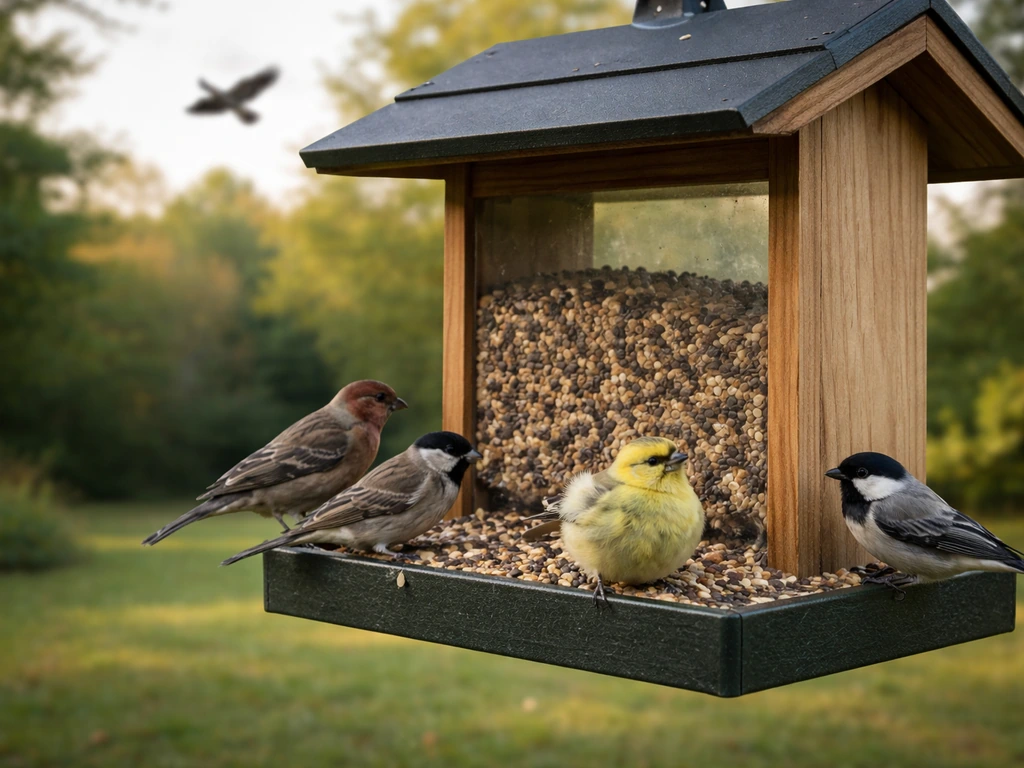
Attack, predation, or territorial aggression: what you're actually watching
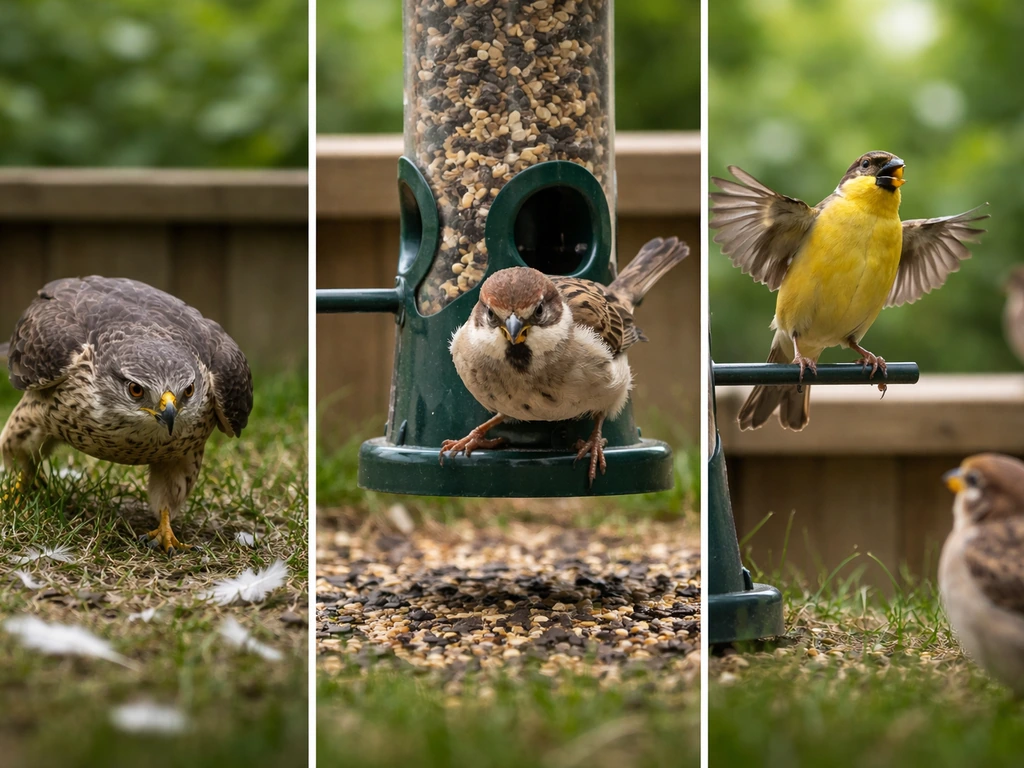
These three behaviors look similar at a glance but mean very different things, and mixing them up leads to wrong assumptions about what's happening and what to do about it.
Predation is the most serious. A predator bird is hunting to kill and eat. You'll see a sudden, fast, targeted strike, often ending with a capture. If a bird just vanished from your feeder and you find a pile of feathers nearby, that's predation. It's efficient and usually over in seconds.
Territorial aggression is about resources, not food. A dominant Blue Jay chasing a smaller bird away from a feeder isn't trying to kill it. It wants the food or the space. The chased bird usually flies off unharmed. This looks dramatic but is rarely fatal. It's the most common type of 'attack' people see at feeders.
Mobbing is actually a defensive behavior, not an offensive one. When you see a group of small birds diving at a hawk or owl while screaming alarm calls, that's mobbing. The small birds are the aggressors here, trying to drive the predator away. They use stereotyped wing and tail movements and loud, persistent calls, and they keep repositioning around the predator. It looks chaotic, but it's coordinated. Mobbing happens year-round but peaks during nesting season when the stakes are highest.
A quick way to tell them apart: predation ends quickly and leaves physical evidence (feathers, a carcass, or a missing bird). Territorial aggression is repetitive and loud but leaves no casualties. Mobbing involves many small birds acting together against one larger bird.
The most common culprits and exactly what they do
Sharp-shinned and Cooper's Hawks
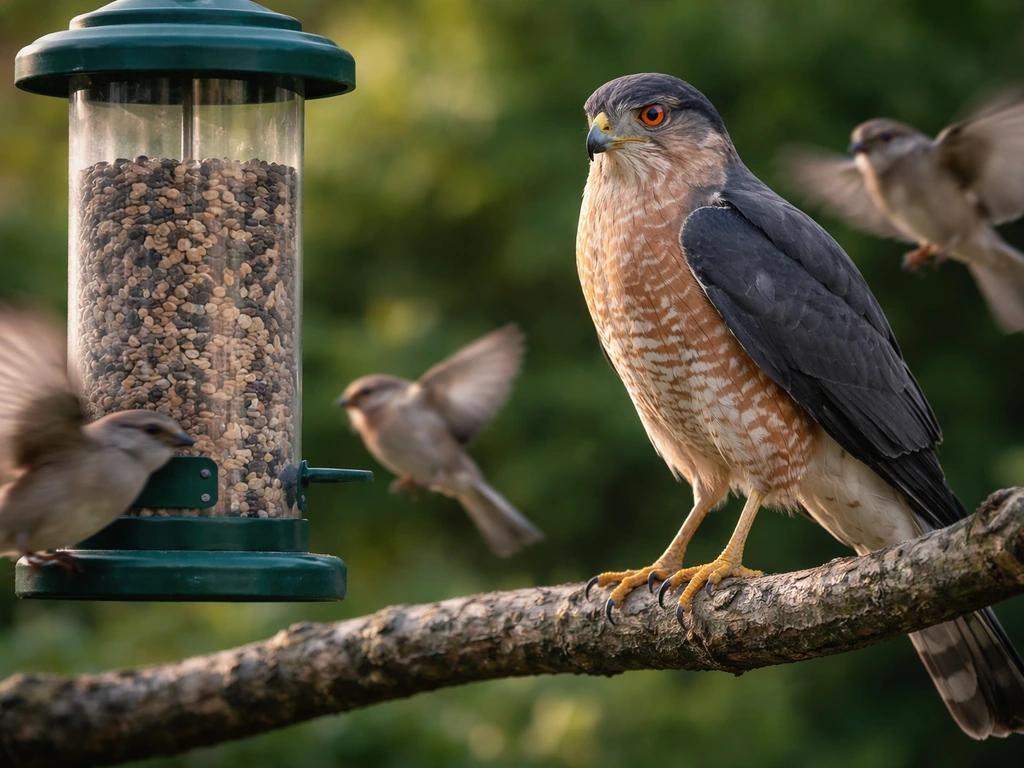
These two accipiters are responsible for the overwhelming majority of bird-on-bird predation at feeders. Project FeederWatch data from 2015 to 2022 recorded Cooper's Hawks eating birds at feeders over 1,100 times and Sharp-shinneds over 670 times. Together with domestic cats, they account for about 80% of all feeder predation incidents where the predator was identified. Sharp-shinneds target small birds, typically sparrow-sized, including house sparrows, towhees, American robins, and brown creepers. Cooper's Hawks take slightly larger prey. Both are built for speed through dense vegetation: short wings, long tails, and an attack style that looks like a bolt of lightning through your yard.
Blue Jays and other corvids
Blue Jays are territorial and genuinely aggressive at feeders, capable of killing smaller birds, though they more often displace them. Crows and Ravens are a different level of threat. Common Ravens actively raid seabird colonies, stealing eggs and nestlings, and there are documented cases of Ravens consuming the eggs and young of their own species. If you're losing nesting birds or finding damaged nests with missing eggs, a Raven or Crow is a realistic suspect, especially in rural or semi-rural areas.
Loggerhead Shrike
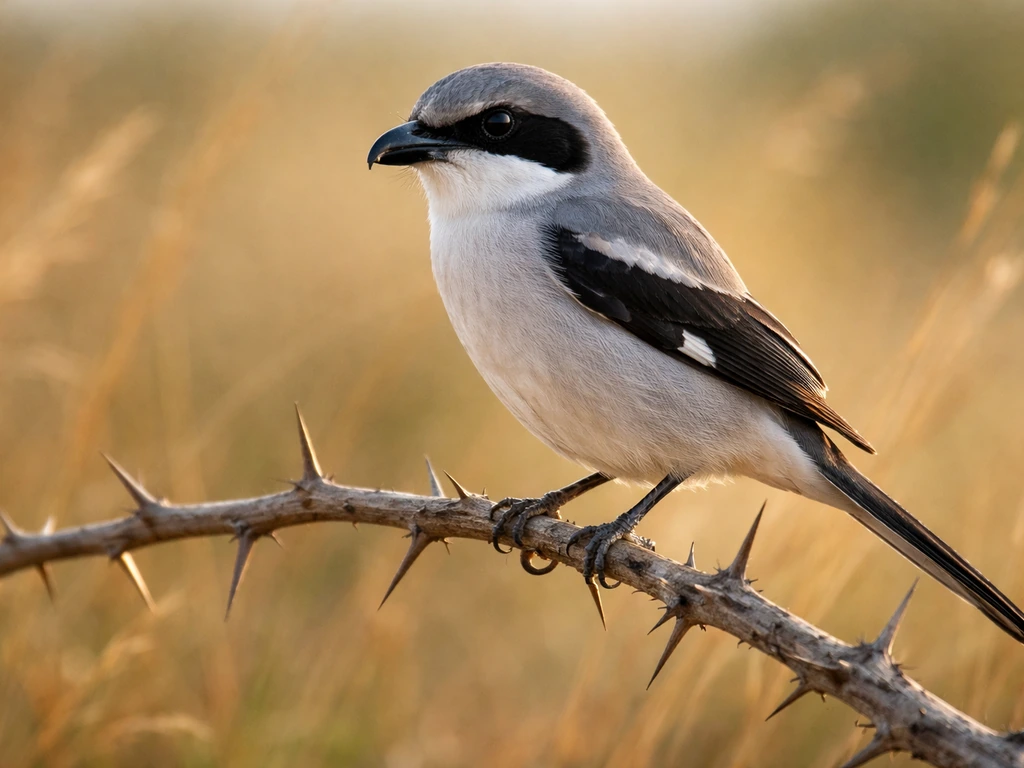
This one surprises most people. The Loggerhead Shrike looks like a songbird but hunts like a raptor, taking small birds and impaling them on thorns or barbed wire to hold the prey while it feeds. If you find a small bird skewered on a thorn bush or fence barb, a Loggerhead Shrike is almost certainly responsible. They're found across much of North America and are easy to misidentify because they're small and gray with a black mask.
Owls and other raptors
Great Horned Owls, Barred Owls, and Eastern Screech-Owls all take birds, usually at night or at dawn and dusk. If birds are disappearing from roosting areas overnight, an owl is a strong candidate. Merlins, Peregrine Falcons, and American Kestrels also prey on birds, with Peregrines famous for taking pigeons and larger birds in urban settings. If you're specifically asking what bird attacks pigeons at feeders, look closely at where the strike happens and whether it matches a fast raptor like a peregrine Peregrines famous for taking pigeons.
How to figure out who did it in your specific situation
You don't need to be an expert birder. You just need to pay attention to a few details.
| What you observed | Most likely culprit | Key confirming clue |
|---|---|---|
| Bird vanished from feeder, feathers scattered nearby | Sharp-shinned or Cooper's Hawk | Feather pile in a tight area; may see hawk perching nearby afterward |
| Small bird skewered on thorn or barbed wire | Loggerhead Shrike | Prey impaled, not just dropped; shrike perches on high exposed spots |
| Nest emptied overnight, eggs or nestlings gone | Crow, Raven, or raccoon | Nest undamaged but completely emptied; look for shell fragments nearby |
| Flock of small birds mobbing one bird | Owl, hawk, or crow being defended against | Mobbing birds dive repeatedly; the target is large and stays put |
| Ground-feeding birds chased or killed | Domestic cat or accipiter hawk | Cat leaves no feathers; hawk leaves a defined feather scatter |
| Pigeons or doves targeted specifically | Peregrine Falcon or Cooper's Hawk | Fast aerial pursuit; often in urban or open areas |
| Dominant bird at feeder chasing others away | Blue Jay, Red-winged Blackbird, or House Sparrow | No injuries; chased birds return soon after; feeding competition only |
Time of day matters a lot. Accipiter hawks hunt mostly during daylight hours, with peaks in early morning and late afternoon. Owls are active at night. Shrikes are daytime hunters that prefer open country with scattered trees. Season matters too: nest predation by crows and ravens is most common in spring and early summer, while hawk pressure at feeders tends to peak in late fall and winter when birds concentrate around food sources.
Immediate steps after an attack
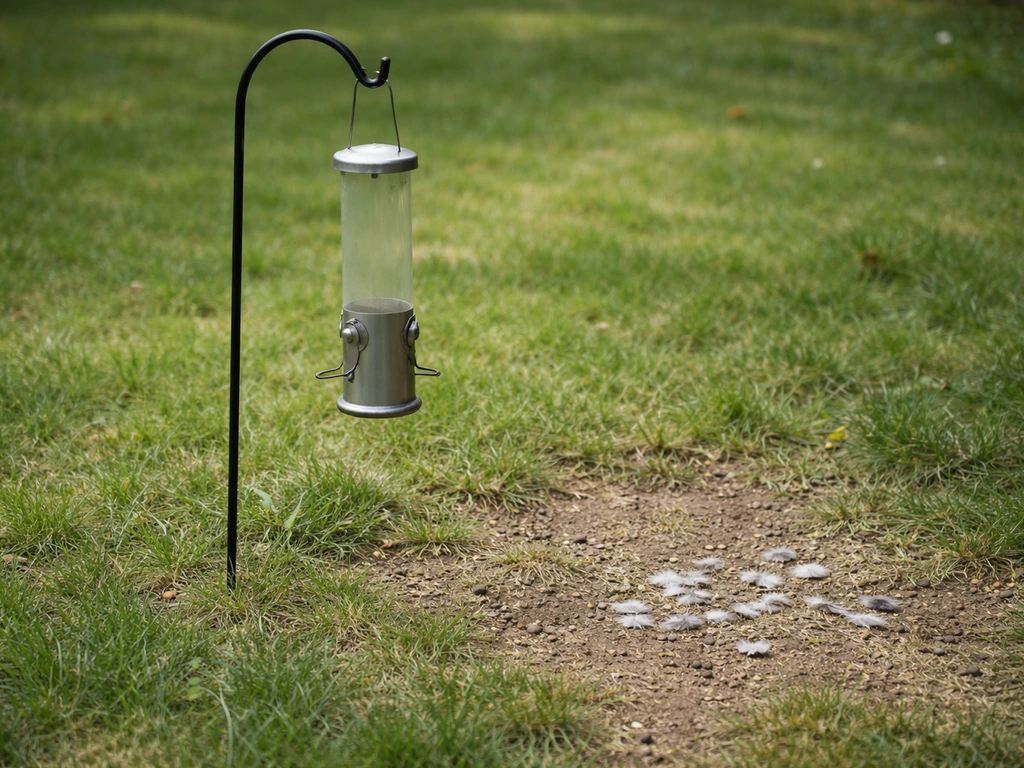
If you just witnessed a predation event or found an injured bird, here's what to do right now. Some of the most common birds that cause predation in backyards include hawks, owls, ravens, and shrikes predation event.
- Remove or cover feeders temporarily. Taking feeders down for two to three days is one of the most effective immediate interventions. Once feeder birds disperse, the predator loses its hunting advantage and usually moves on. Cornell Lab, All About Birds, and Penn State Extension all recommend this approach.
- Secure any injured survivors. If a bird is grounded and not flying, it needs help. Contact your nearest licensed wildlife rehabilitator. Do not try to care for a wild bird yourself unless you are trained, as it's both difficult and may be illegal depending on your jurisdiction.
- Do not handle dead birds with bare hands. Use gloves or invert a plastic bag over your hand. This is especially important during times when avian influenza is circulating. The CDC advises avoiding bare-skin contact with sick or dead birds and not disturbing feathers or waste in ways that stir up dust.
- Observe the area before resetting feeders. Watch for a perched hawk in trees at the edges of your yard for at least 20 to 30 minutes at different times of day before concluding the predator has moved on.
Safe, practical ways to deter the attacker
Before doing anything, it's worth knowing that hawks, owls, ravens, and shrikes are all federally protected under the Migratory Bird Treaty Act. You cannot harm, trap, or relocate them legally without a permit. Everything you do needs to be about making your yard less attractive to them, not targeting the birds themselves.
For hawk pressure at feeders
- Take feeders down for two to three days. This is the single most effective short-term fix. Birds scatter, and the hawk has no concentrated prey to hunt.
- Place feeders closer to dense shrubs or brush piles so small birds have escape cover within one to two feet. Hawks rely on open flight paths for their attack runs.
- Avoid ground-level feeding during active predation pressure. Ground-feeding birds and fledglings are at the greatest risk. Switch to hanging feeders temporarily.
- Space feeders out rather than clustering them. A single dense concentration of birds is a more attractive hunting site than scattered small groups.
For nest predation by corvids
- Install nest boxes with appropriate entrance hole sizes to physically exclude larger birds. A 1.5-inch diameter hole excludes most corvids and starlings while admitting chickadees and wrens.
- Use hardware cloth or metal baffles on nest box poles to prevent climbing predators from reaching boxes.
- Avoid placing nest boxes in open areas where crow flight lines are unobstructed. Boxes near dense vegetation give nesting birds a natural buffer.
For shrike or owl activity
- Remove or reduce exposed perching spots like tall dead snags, fence posts, or utility lines near feeding areas. Shrikes and some owls need high open perches to hunt effectively.
- Bring birds inside at night if you have outdoor aviaries or enclosures. Owls are opportunistic and will take captive birds if barriers are inadequate.
What to do with injured or dead birds: health and safety first
One common misconception worth clearing up: a bird found dead or dying in your yard was not necessarily sick. Predation can look identical to disease from a distance, particularly when the bird is grounded and disoriented from a near-miss attack. If you think a bird attacked a human eye, treat it as a medical emergency and avoid handling the bird yourself bird attack human eye. Don't assume illness when there's physical evidence of predation nearby.
That said, always handle dead or injured birds as if there is a health risk involved. Avoid direct contact or close exposure to sick or dead wild birds that could be infected with avian influenza, consistent with CDC prevention guidance avoid direct contact/close exposure to sick or dead wild birds. Avian influenza, West Nile virus, and Salmonella are real concerns at feeder areas. The precautions are simple and take about 30 seconds.
- Wear disposable gloves or use an inverted plastic bag as a barrier. Never touch a dead bird with bare hands.
- Double-bag the carcass in sealed plastic bags before disposal.
- Wash your hands thoroughly with soap and water afterward even if you wore gloves.
- If you find multiple dead birds, or if you suspect a disease outbreak rather than predation, contact your local wildlife agency or the National Wildlife Health Center before disposing of birds. Cornell's Center for Wildlife Health recommends reporting suspected HPAI cases to state wildlife health programs.
- For injured birds, call a licensed wildlife rehabilitator. The National Wildlife Rehabilitators Association website has a locator. Do not try to feed or house a wild bird without guidance.
Clean any feeders or birdbaths in the area after a predation event or if you've had sick birds nearby. A solution of one part non-chlorinated bleach to nine parts water, applied with a scrub brush and rinsed thoroughly, is the standard recommendation from both Audubon and Cornell Lab. Let feeders dry completely before refilling.
Long-term prevention: what to adjust by season
Predation pressure on backyard birds isn't constant. It follows predictable seasonal patterns, and if you adjust your setup accordingly, you can significantly reduce incidents without giving up feeding altogether.
Fall and winter (November through April)
This is peak hawk predation season at feeders. Bird populations are higher, food is scarcer, and hawks have learned that feeders are reliable hunting grounds. Keep feeders near cover, monitor for hawk activity weekly, and be ready to take feeders down for a few days if a hawk establishes a hunting routine in your yard. Change birdbath water every day or two to prevent bacterial buildup and reduce disease risk when birds are concentrated in a small area.
Spring and early summer (April through July)
Nesting season is when corvid nest predation and mobbing behavior both spike. If you're putting up nest boxes, make sure they're baffled and positioned away from crow and raven flight corridors. Mobbing activity in your yard during this period is a sign that a predator is nearby, not that your yard birds are unusually aggressive. Pay attention to what they're mobbing: it's often a perched owl or hawk you haven't spotted yet. Territorial aggression at feeders also peaks in spring as birds establish breeding territories.
Late summer (July through September)
Fledglings are on the ground and in low vegetation during this period, making them highly vulnerable to both hawks and cats. Reduce or eliminate ground feeding during fledgling season. Keep cats indoors. If you see a bird sitting on the ground that looks young but uninjured, it is almost certainly a fledgling being watched by its parents. Leave it alone unless there's an immediate predation threat.
The overall goal isn't to eliminate predators from your yard. They're a natural and legally protected part of the ecosystem. The goal is to avoid making your yard an easy hunting ground by concentrating prey birds in exposed locations with no escape cover. Small adjustments to feeder placement, feeder timing, and habitat structure make a real difference over a season.
If you're curious about bird aggression directed at larger birds or at people rather than at smaller species, those are distinct dynamics worth understanding separately. If you are seeing a bird attack a person, the motivations and safety steps are different from feeder predation bird aggression directed at larger birds or at people.
Bird aggression directed at people is a different situation and often comes down to defense near a nest, a perceived threat, or abnormal circumstances that change the bird's behavior bird aggression directed at larger birds or at people. The motivations behind, say, a small bird attacking an eagle during mobbing, or a bird attacking a person near a nest, follow different rules than what's described here.
If you’re specifically dealing with what bird attacks humans, the likely cause is usually territorial behavior or a nest-protection response a bird attacking a person near a nest. The type of bird attack can vary a lot, so it helps to identify the species involved before assuming the behavior is the same as typical feeder predation a small bird attacking an eagle. Some people wonder what bird attacks eagles, but backyard reports are more often about nest defense or territorial behavior rather than an eagle being targeted attacking an eagle.
FAQ
How can I tell if a hawk killed a bird on my feeder versus it died from disease?
Look for a rapid, sudden disappearance plus physical evidence (feathers, a carcass, or a disturbed spot under cover). Disease more often leaves gradual decline without a clear “capture moment,” and you usually do not find concentrated feather piles directly under the attack route.
If I see a small bird flying at a larger predator, does that mean the small bird is attacking it?
Usually, it is mobbing, meaning multiple small birds are coordinating to harass and drive off a predator. The small birds tend to stay in a moving group and keep distance rather than committing to a capture attempt.
What should I do with feeders immediately after I witness a predation event?
Take feeders down for a short cooling-off period (a few days) if you can do so safely for your area and replace with natural food sources later. Meanwhile, keep pets indoors and avoid lingering near the scene, since you may be dealing with disease risk from exposed carcasses.
Can I relocate a nest box or feeder to stop corvids from targeting it?
Yes, repositioning can help, but do it strategically. Move nest boxes or feeder stations away from likely approach lines (open corridors birds use for swooping) and use baffling for any structure that corvids can perch on.
Is it safe to pick up a dead bird under my feeder to figure out what happened?
Not without precautions. Treat every dead or injured bird as a potential health hazard. Wear gloves, avoid touching your face, double-bag waste, and consider contacting local wildlife resources if you need confirmation.
Do I need to stop feeding birds entirely during hawk season?
Not necessarily. You can usually reduce risk by changing placement (avoid open, exposed locations), improving escape cover nearby, and monitoring feeder activity weekly. Temporarily pausing feeders works best when you see consistent hunting behavior in the same spot.
What bird is most likely if I repeatedly find prey impaled on thorns or fence wire?
A Loggerhead Shrike is the best match for that specific pattern. This is a distinctive feeding method, and you can treat it as a strong clue even if the shrike itself is hard to spot.
Why do I sometimes see “attacks” where no bird actually dies?
That often reflects territorial aggression at feeders. The dominant bird may chase repeatedly, block access, or force others to retreat, but if you are not finding casualties or feather evidence, predation is less likely.
Can owls be responsible for daytime disappearances?
They usually hunt at night and low light, but you may notice the results in the morning. If missing birds correlate with roost area activity at dawn or dusk, an owl becomes more plausible than a daytime hawk.
How do I reduce risk from cats during fledgling season?
Keep cats indoors, especially during periods when fledglings are on the ground or in low vegetation. If you use outdoor enclosures or cat-proof runs, ensure they prevent hunting and do not allow access near areas where young birds tend to hide.
Should I wash feeders and birdbaths after every predation event, or only if I see sick birds?
After a predation event is a good rule, because carcasses and droppings can contaminate surfaces. Clean feeders or birdbaths and let everything dry fully before refilling, and continue daily or near-daily water changes when birds are concentrated.
What if the mobbing seems to be happening but I cannot see the predator?
Mobbing often means the predator is perched or partially hidden nearby. Watch the direction the birds repeatedly reposition toward, check nearby treelines or utility poles, and consider timing, since the predator may move in short bursts while the flock tracks it.
Are there legal limits on scaring or removing the predator bird?
Yes. Many raptors and other listed birds are protected, so you should avoid harming, trapping, or relocating them. Use non-harmful yard changes instead, such as adjusting feeder access, adding baffles, and altering habitat exposure.