When a bird swoops you, the most important thing to do is stay calm, cover your head and face with your arms, and move away quickly without running. Don't yell, don't wave your arms at the bird, and don't turn around to watch it. Just get out of the area steadily and calmly. That's the core of it. Everything else below builds on those basics depending on your situation.
What to Do When a Bird Swoops You: Step by Step

Maya Chen
11 May 2026
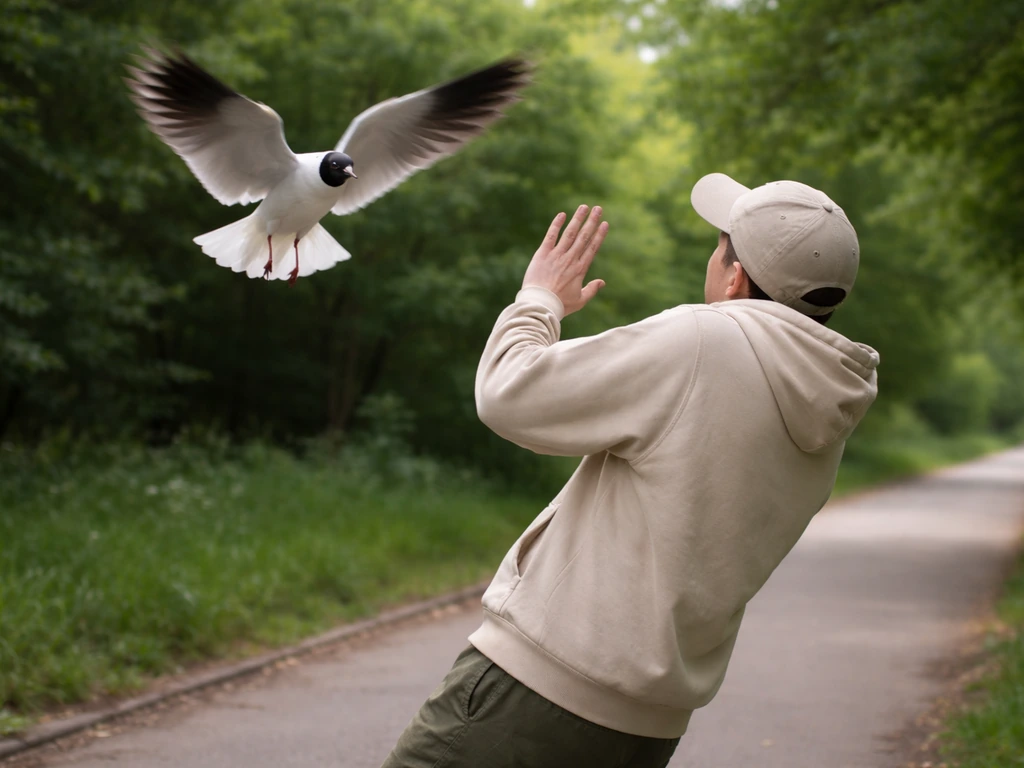
Immediate safety steps if a bird swoops you
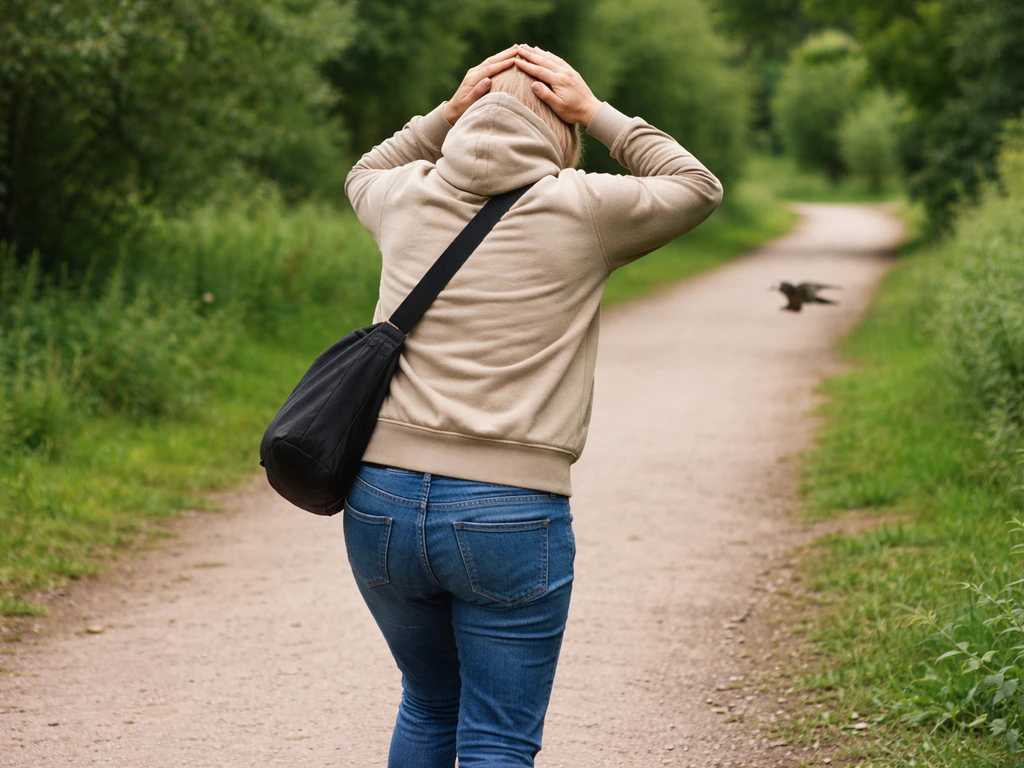
The instinct to run, swat, or yell is understandable, but it makes things worse. Birds that swoop are almost always defending a nest, and those behaviors signal threat to them. Here's exactly what to do in the moment:
- Stay calm and don't freeze in place. Keep moving.
- Cover your head and face immediately with your arms or bag. The goal is to protect your eyes and face from contact.
- Walk quickly but do not run. Running can trigger more aggressive pursuit in some species.
- Do not turn around to look at or watch the bird. Turning your face toward it exposes your eyes if it comes back around.
- Do not wave your arms, shout, or try to swat the bird away. This prolongs and escalates the encounter.
- Move in a straight line out of the area rather than zigzagging or doubling back through the bird's territory.
- If you're on a bicycle, dismount and walk. Helmets help, but walking gives you better control and reduces the speed cues that can trigger repeated swoops.
- Once you're clear of the area (usually 50 to 100 meters from the nest), the bird will typically stop.
If you know a particular route has a swooping hotspot (many local councils and wildlife agencies publish maps of known nesting territories, especially for magpies and other protective species), plan around it during nesting season or take extra precautions before you enter that zone.
Assessing injury risk vs normal behavior
Most swoops don't result in injury. The vast majority are warning passes where the bird comes close but doesn't make contact. That's normal protective behavior, and it happens a lot more than people realize. Understanding what's actually happening helps you respond correctly instead of panicking.
Birds become aggressive when they're guarding a nest. That's the single biggest trigger. If you walked into a swooping situation, there's almost certainly a nest somewhere nearby. If you are wondering how to tell if a bird hates you, focus on whether it is defending a nest or acting out of protective territorial behavior. The bird isn't attacking you randomly. It's defending eggs or chicks and trying to drive you away. Once you leave its perceived territory, it stops.
Some species use other tactics entirely. Killdeer, for example, use a "broken wing" display where they drag a wing along the ground to look injured, trying to lure you away from the nest rather than swooping at you. If you see a bird doing this, it's doing the same thing defensively: just walk away from it calmly.
Situations that carry a higher real injury risk include: repeated physical contact swoop (not just a close pass), strikes to the face or eye area, a scratch that breaks the skin, or a fall caused by flinching. If any of these happen, move to the next section.
What to do if you're attacked or develop symptoms
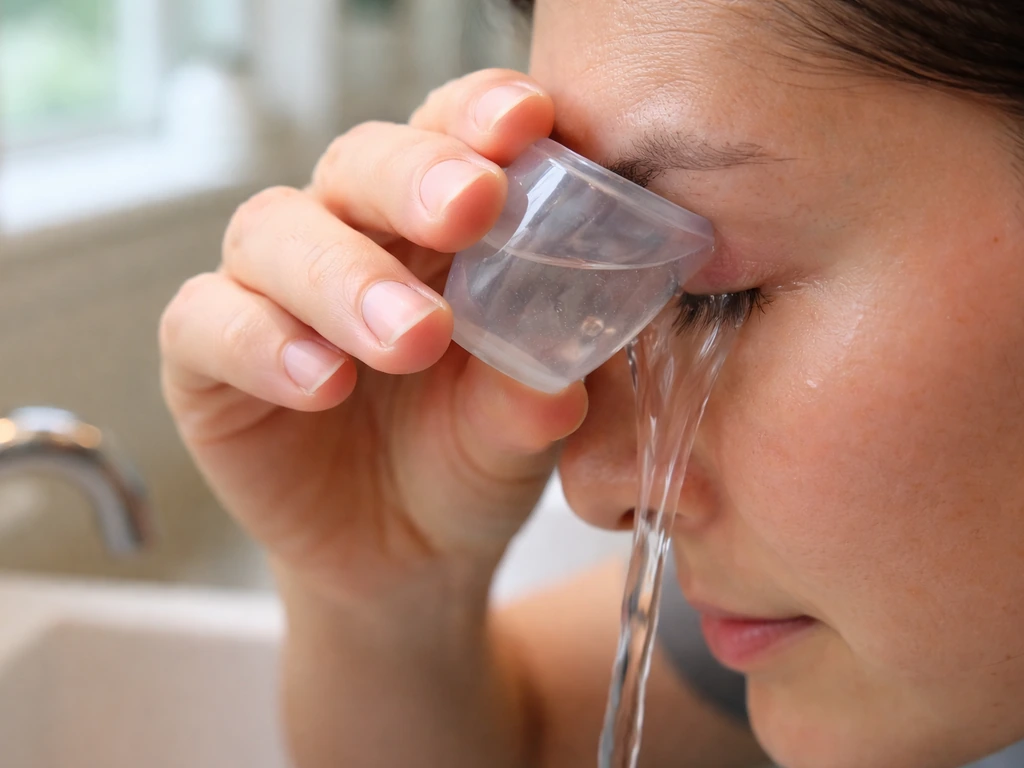
If the bird made contact with your eye
Eye contact is the most serious outcome of a swoop. If you feel something hit your eye or you have pain or blurry vision afterward, rinse the eye continuously with clean water or saline for at least 15 minutes, including flushing under the eyelids. Do not rub the eye. Seek medical attention promptly. Warning signs that need immediate care include red eye, eye pain, blurry vision, inability to open the eyelid, or any visible change to the eyeball.
If you have a scratch or skin wound
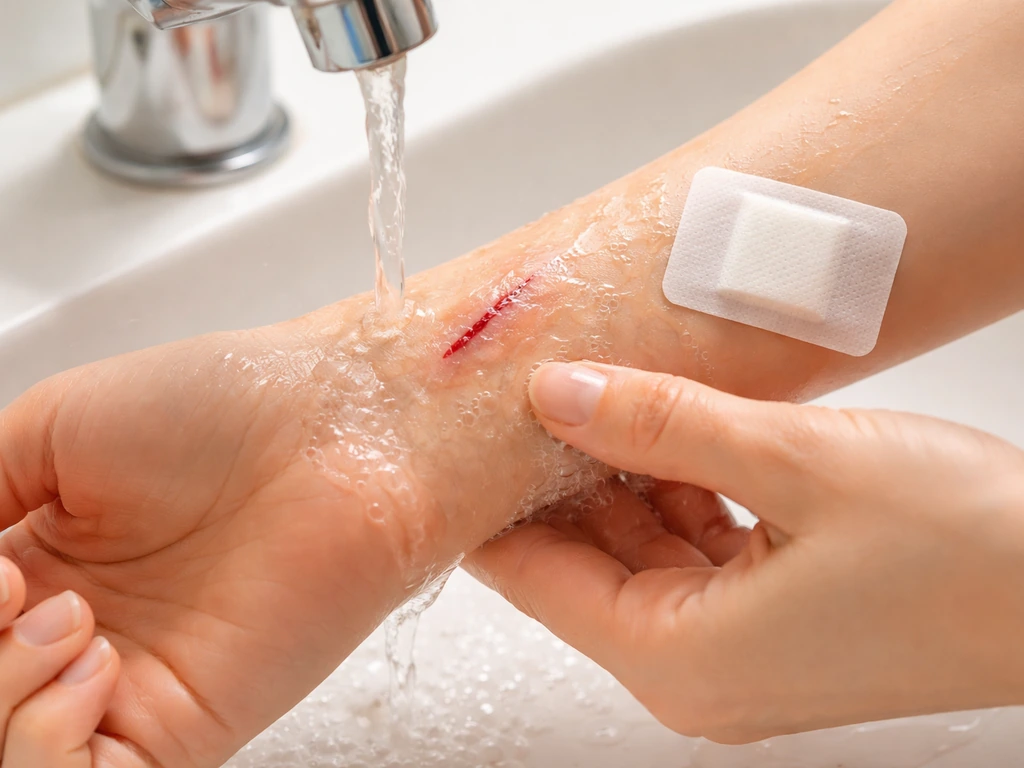
Clean the wound thoroughly with soap and running water as soon as possible. Wash the area well, apply basic first aid, and keep an eye on it over the following days. Watch for signs of infection: increasing redness, swelling, pain, any drainage from the wound, or fever. If those signs appear, see a healthcare provider. Depending on your vaccination history, a tetanus booster may be relevant. Adults generally need a Td or Tdap booster every 10 years, and certain wound types prompt a review of whether one is due sooner. A clinician can help you assess that.
If you came into contact with droppings
Wash your hands thoroughly with soap and running water. This is straightforward hygiene and it's effective. If droppings contacted your face or eyes, rinse well with water. Bird droppings are a source of germs, and the key is not transferring anything to your mouth, nose, or eyes before washing up. CDC guidance is consistent on this: hand hygiene after contact with birds, droppings, or contaminated surfaces is the main protective step.
When to contact a professional
Medical help
Go to an urgent care clinic or emergency room if you have any eye symptoms after a swoop (pain, redness, blurred vision), a wound that shows signs of infection within a few days, or if you're unsure about your tetanus vaccination status after a skin-breaking scratch. Don't wait on eye issues especially. Corneal scratches need prompt attention even when they seem minor.
Local wildlife or park authorities
If a specific bird is swooping repeatedly in a high-traffic public area and causing injuries (not just close passes), contact your local parks department, municipal wildlife officer, or relevant wildlife agency. They can assess the situation and take appropriate action. In the U.S., birds are protected under federal law, so removal or nest interference typically requires permits or formal authorization. Aggressive behavior on its own doesn't give anyone legal clearance to harm the bird. The right move is to report it and let trained staff handle it.
Prevention going forward: reduce swooping and protect yourself

The most effective prevention is avoiding nesting areas during breeding season. Once you know where a problem nest is, give it a wide berth for a few weeks. Most birds only actively swoop for a short window while eggs or chicks are vulnerable. After that, the behavior stops on its own.
For routes you have to use regularly, here's what actually helps:
- Wear a hat or bike helmet to protect your head and reduce the impact of any contact.
- Attach cable ties or similar visual deterrents to a bike helmet if you're cycling through known swooping areas. This changes your visual profile and can reduce swoops.
- Carry an open umbrella if you're walking. It creates a physical barrier over your head.
- Check local wildlife authority websites or apps that track swooping hotspots by location and season. In some regions these are updated in real time.
- Walk calmly and deliberately. Erratic or fast movement tends to increase a bird's defensive response.
- Don't approach nests to look at eggs or chicks, even out of curiosity. That's exactly the kind of intrusion that triggers prolonged aggression.
- If you're with children, keep them close and moving calmly rather than running or screaming.
For persistent issues in public spaces, wildlife deterrents do exist (some wildlife agencies use low-power long-wavelength lasers for deterring birds from specific areas), but these require active management and legal compliance. Individual use of deterrents should be checked against local wildlife laws before you try anything. When in doubt, contact your local wildlife authority first.
Common myths about bird danger and disease transmission
A lot of what people worry about after a bird swoops them is based on misconceptions. Here are the ones that come up most often, with a clearer picture of what the evidence actually says.
| Myth | What's actually true |
|---|---|
| Being swooped means you could catch bird flu. | Bird flu transmission to humans is rare and requires close, unprotected contact with infected birds or their secretions (feces, saliva, mucus). A defensive swoop from a healthy wild bird in a non-outbreak area does not put you at meaningful risk for bird flu. The virus enters through the eyes, nose, or mouth, which is why washing your hands before touching your face matters after any bird contact. |
| If a bird swoops you, it's diseased or rabid. | Birds don't carry rabies. Swooping is normal protective behavior in many species during nesting season. A bird diving at you is defending eggs or chicks, not exhibiting signs of illness. |
| You need antibiotics or special treatment after any bird contact. | Routine close passes without skin contact don't require medical treatment. Clean any wounds, wash your hands, monitor for infection symptoms, and see a doctor if those appear. Most swooping encounters involve no contact at all. |
| Touching or being near bird droppings is very dangerous. | Bird droppings can carry germs, and basic hygiene after contact is genuinely important. But a brief outdoor encounter near droppings is not the same as prolonged exposure in an enclosed space. Wash your hands, avoid touching your face before doing so, and the risk from casual outdoor exposure is low. |
| You should shoo or scare the bird away to stop it swooping. | Trying to chase, yell at, or strike at a swooping bird almost always makes the situation worse. It prolongs the encounter and increases the bird's defensive response. The fastest way out is calm, quick movement away from its territory. |
The bigger picture here is that swooping birds are behaving exactly as they're supposed to. They're not randomly aggressive, diseased, or dangerous by default. Understanding that changes how you respond, and responding correctly is what keeps the encounter brief and injury-free.
If you're curious about related topics like whether birds will attack you unprovoked, what to do if a mother bird comes after you, or how to tell whether a bird is genuinely aggressive versus just defensive, those are worth exploring separately since the context and response can differ slightly depending on the species and situation.
In general, birds usually won’t attack unprovoked, but defensive swoops can feel aggressive when you get too close whether birds will attack you unprovoked.
FAQ
What if I fall or get knocked over during the swoop?
If you get knocked off balance, don’t try to “chase” your footing while the bird is still near. First, protect your face and move away to a safer spot, then assess injuries once you are out of the perceived territory. If you hit your head or you feel dizzy, vomiting, severe headache, or neck pain, treat it as a potential head injury and get urgent medical care.
Can I keep walking if I’m in the middle of a swooping hotspot, or do I need to stop and wait?
If you need to move through the area, keep your body facing forward and take a steady retreat path, avoid sudden bursts of speed, and don’t stop to film or check the bird closely. If the bird keeps returning, increase your distance and choose a different route rather than trying to “walk it off” at the same spot.
What should I avoid doing if the bird seems persistent, like swatting or throwing things?
Don’t swat at the bird or throw objects. Even if you think it’s an individual problem bird, swatting can escalate defensive behavior and increases the chance of a facial strike. If the situation keeps happening, the safest option is to leave the area and report repeated aggressive behavior to local authorities so they can intervene with proper methods and permits.
What if the bird causes a scratch, but I’m not sure whether I’m due for a tetanus shot?
If a scratch breaks the skin, wash thoroughly with running water and soap, then apply basic first aid (such as an appropriate dressing). Because tetanus timing depends on both your vaccination history and wound type, consider calling an urgent care clinic if you are unsure when your last Td or Tdap was, or if the wound is dirty.
How should I handle the situation if droppings or debris get in my eye, especially if I wear contacts?
After eye exposure, rinse continuously for at least 15 minutes and avoid rubbing. If you wear contact lenses, remove them after you begin rinsing, and if you wear glasses, keep them on so you can monitor pain, redness, and vision changes. Any blurry vision, trouble keeping the eyelid open, or redness that persists should be checked promptly by a clinician.
Do I need to get checked if the bird only swoops close but doesn’t touch me?
If the bird makes repeated close passes but never hits you, focus on completing your exit calmly. You do not need medical care just because it was close, unless you later develop symptoms such as eye pain, facial swelling, scratches, or a fall. Keep monitoring for a day or two if you suspect a minor skin break or contamination.
What’s the safest way to handle a swoop if I’m with kids or a dog?
If you have children or pets with you, keep them close and under control. Don’t let a dog run toward the bird, since that often triggers stronger defense. Use a calm, steady retreat, and if you can, move to an area with fewer people and more distance from the suspected nest.
How can I plan ahead for a route I have to use regularly during breeding season?
If you are already walking back through a known area you must use, build in extra distance and use a different entrance or time when possible. The article’s “wide berth for a few weeks” idea matters most during the narrow nesting window, so the best decision aid is to plan around the local breeding season rather than relying on luck each day.
Who should I contact if the same bird keeps injuring people in a park or walkway?
If you believe a specific bird is causing repeated injuries in a public place, report it to the appropriate local authority (parks, municipal wildlife officer, or wildlife agency). Aggressive behavior alone usually does not justify harming the bird yourself, especially since many species are legally protected, so trained staff should assess nests and apply any permitted deterrence.
Next Articles
Will a Mother Bird Attack You? What to Do Safely
Learn if a mother bird will attack, what nest-defense looks like, and safe steps to avoid injury and droppings risk.
What to Do If a Bird Attacks You: First Aid and Next Steps
First aid steps after a bird attack, when to get urgent care, and how to prevent another attack.
Will a Bird Attack You? Signs, Risks, and What to Do
Learn when birds truly attack, warning signs, what to do to stay safe, and how to handle bites or scratches.