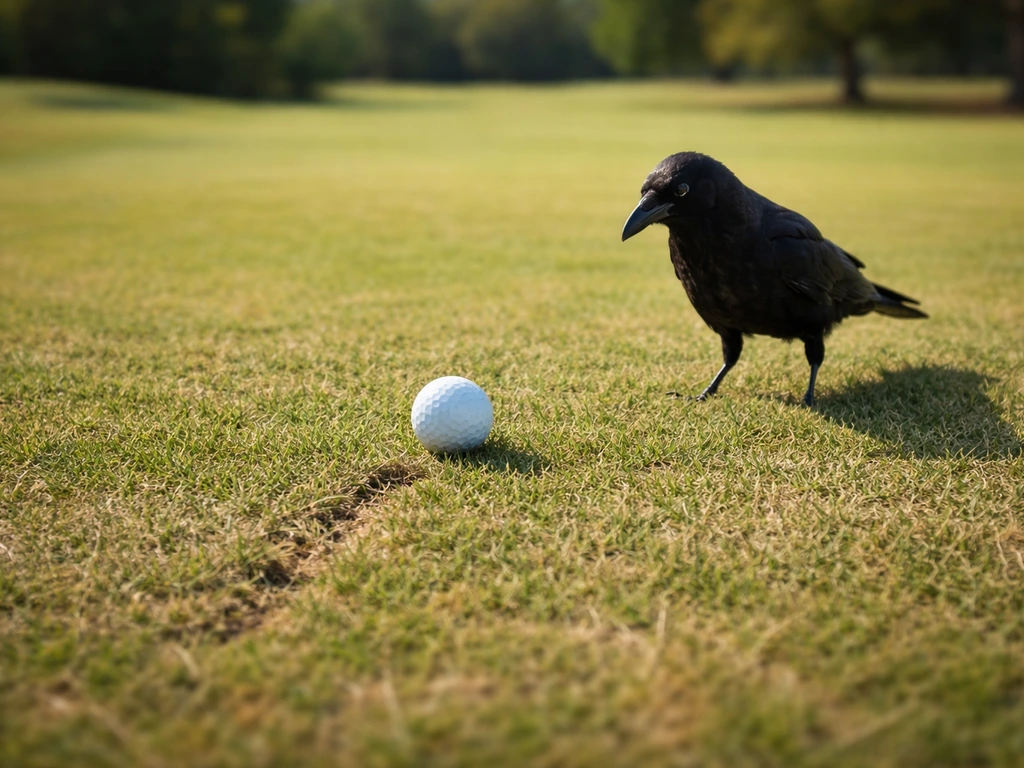
If Jess hits a bird, the bird could be anywhere from briefly stunned and fully recoverable to seriously injured with no obvious signs on the outside. If you are wondering what happens if a bird moves your golf ball, treat it similarly as an unexpected impact or handling situation where injuries or delayed problems can be easy to miss. Did Brady Knoll hit a bird? If so, treat it as potentially injured even if it seems okay at first. The most dangerous thing you can do right now is assume the bird is fine because it looks fine. Internal bleeding, concussion, and fractures can all be invisible to a quick look, and a bird that hops away or even flies off briefly can still die hours later from its injuries. The good news is that the steps you take in the next few minutes give the bird the best possible chance, and the risk to Jess is very manageable if you handle things calmly.
What Happens If Jess Hits the Bird: What to Do Next

What you're likely looking at right now
Bird strikes from people, pets, or objects like windows tend to produce a handful of distinct outcomes. Knowing which one you're dealing with shapes everything that comes next.
Stunned but breathing
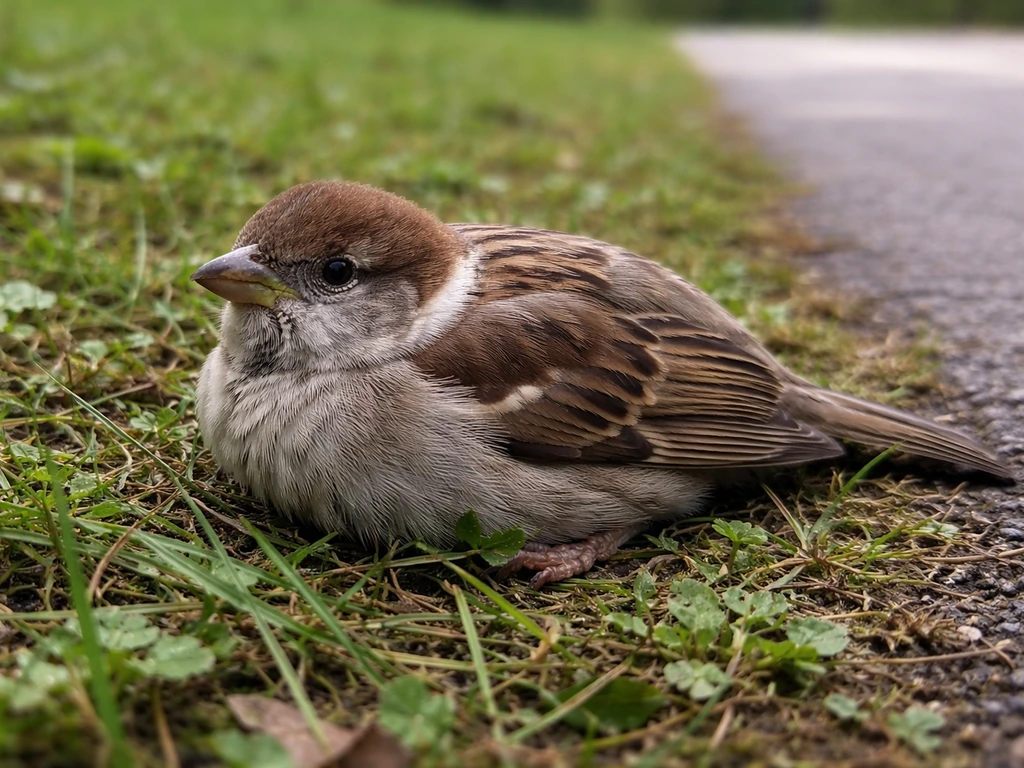
This is the most common scenario. The bird is on the ground, possibly on its side, eyes open or partially open, and not flying away. It may be panting or blinking slowly. This is shock, and it looks scary but it doesn't mean the bird is dying right this second. That said, stunned birds are hiding serious injuries all the time. Do not interpret "still breathing" as "going to be okay without help."
Visible bleeding or obvious injury
Blood around the beak, eye, or feathers is a red flag for internal trauma. A drooping wing, leg held at a strange angle, or beak that looks cracked or broken indicates a fracture. These birds need a wildlife rehabilitator or emergency vet today, not tomorrow.
No visible damage at all
This one trips people up the most. The bird looks completely normal. Research on window strike injuries shows birds can sustain internal bleeding and concussion with zero external signs, and some that appear unharmed immediately after a strike die hours later. If Jess hit the bird hard enough to knock it down or make it act disoriented, treat it as injured even if you can't see why.
Dead on impact
If the bird is completely unresponsive, with no breathing movement and no eye response to gentle approach, it may have died instantly from the strike. In this case the priority shifts to safe disposal and keeping Jess away from the carcass. Contact your local animal control or municipal waste service for guidance on disposal if needed.
Check these things first
Before touching the bird, do a fast visual scan from a short distance. You're looking for four things:
- Breathing: Is the chest moving? Is the beak opening and closing? Even shallow or fast breathing is a positive sign.
- Responsiveness: Does the bird track you with its eyes or react when you move closer? Complete non-response to nearby movement is a bad sign.
- Visible bleeding: Check the beak, nostrils, eyes, and feathers around the head and wings. Blood around the beak especially suggests internal injury.
- Wing and leg position: Wings should fold naturally against the body. Legs should be tucked or standing normally. Any dangling, drooping, or unnatural angle points to a fracture.
This check takes under a minute and tells you whether you're dealing with a stunned bird that needs monitoring, an injured bird that needs immediate care, or a bird that didn't survive.
How to respond safely right now
Secure the area first
Keep Jess (and any other pets, kids, or curious bystanders) away from the bird immediately. A stunned bird on the ground is extremely vulnerable to a second strike from a pet or person stepping on it. If a cat or dog is nearby, get them inside. Predators, even friendly ones, can kill a grounded bird in seconds.
Handle the bird safely if you need to move it
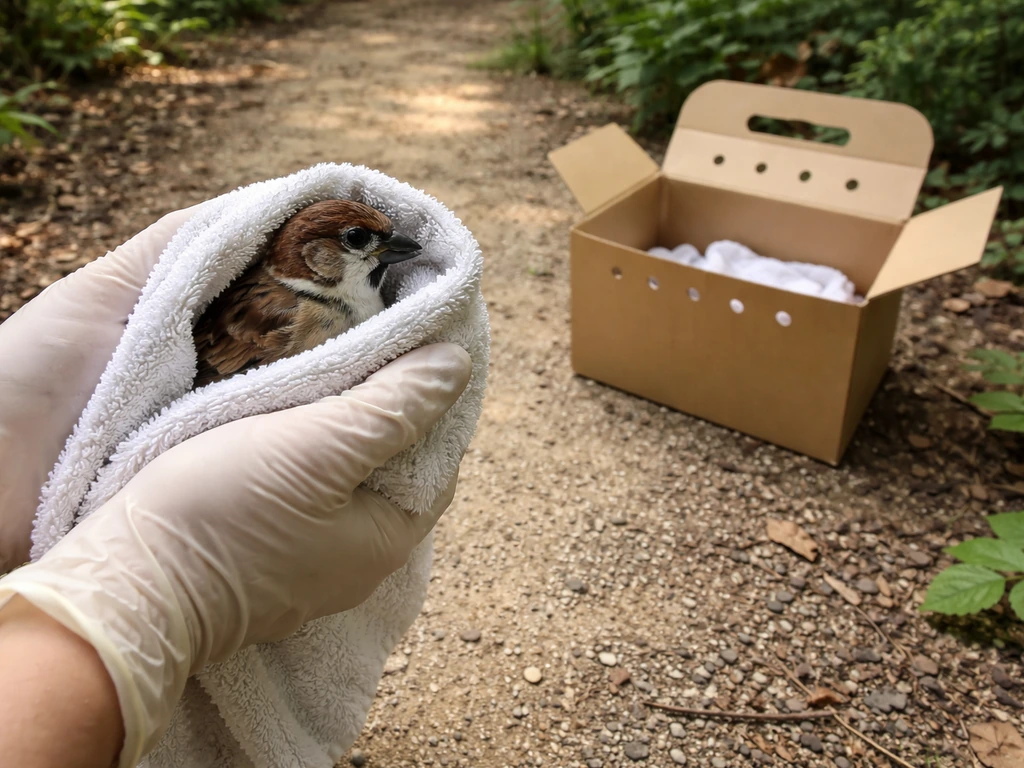
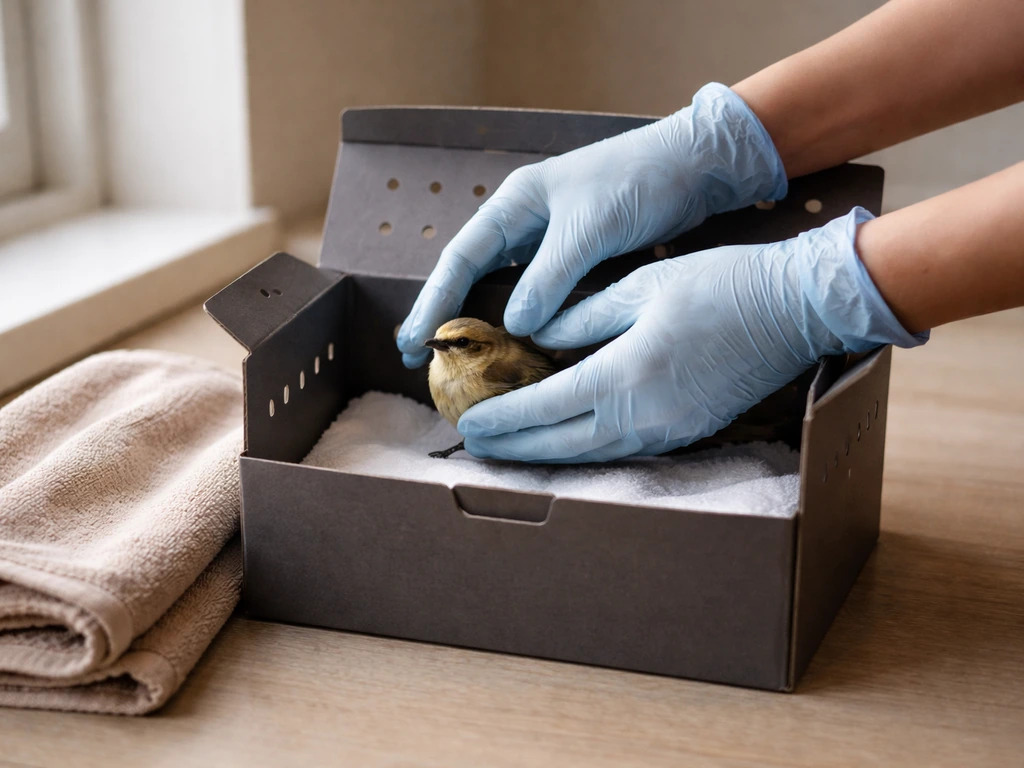
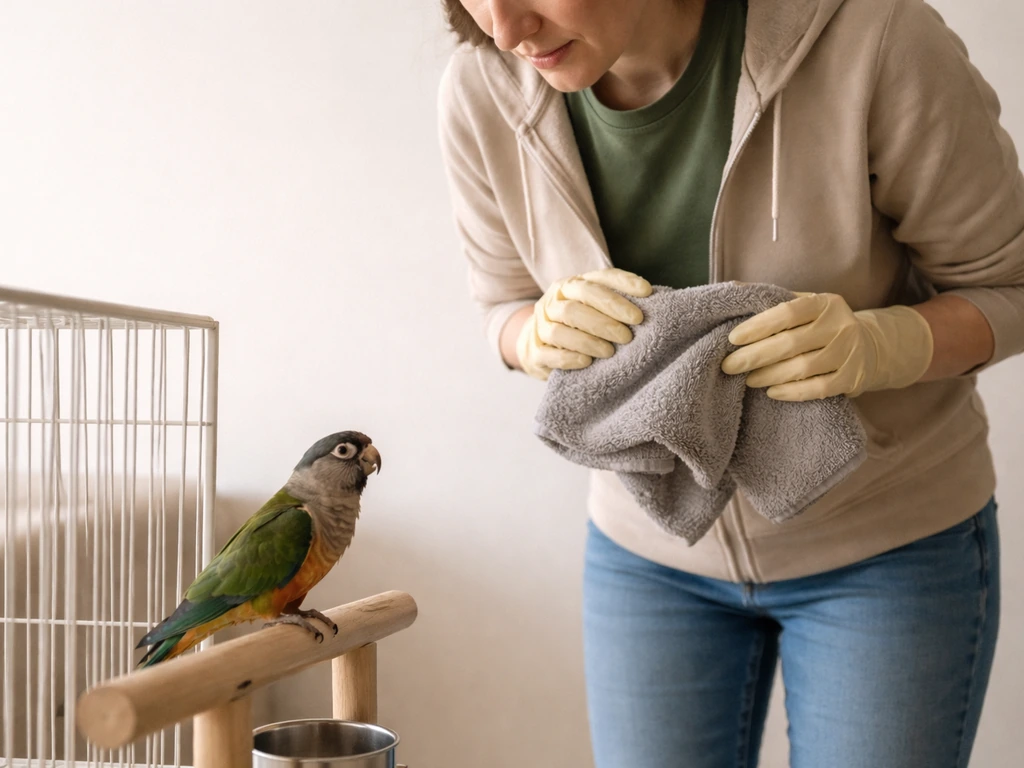
If the bird is in a dangerous spot (middle of a path, near a road, exposed to predators), you'll need to move it. Grab a pair of gloves if you have them, or use a small towel or cloth. Gently scoop the bird from underneath, supporting its body, and place it in a cardboard box with a few air holes poked in the lid. Line the box with a paper towel or cloth, not loose materials the bird can get tangled in. Keep the box in a quiet, dark, room-temperature space. Do not offer food or water. Do not handle the bird more than necessary.
Don't skip the box step
A lot of people want to hold the bird or keep it somewhere they can watch it. Resist that. Darkness and quiet reduce stress, which directly improves survival odds during the shock phase. A stressed bird in someone's hands can go into cardiac arrest. The box is genuinely the better option.
Should you leave it alone or call for help?
This is the judgment call most people struggle with. Here's a straightforward framework:
| Situation | What to do |
|---|---|
| Bird is stunned, breathing, no visible injuries, safe from predators | Place in a dark box for up to 2 hours. If it doesn't recover and fly off on its own, call a wildlife rehabilitator. |
| Bird has visible bleeding, broken wing or leg, beak damage | Call a wildlife rehabilitator or emergency vet immediately. Do not wait. |
| Bird shows no response, no breathing movement | It has likely died. Avoid handling without gloves. Contact animal control for disposal guidance. |
| Bird flew away but hit hard | Monitor if possible. Even birds that fly off after a hard strike can die hours later from internal injuries. |
| Bird is stunned and you cannot keep it safe from cats, dogs, or kids | Box it and call a rehabilitator right away. |
To find a licensed wildlife rehabilitator near you, search the National Wildlife Rehabilitators Association directory or call your local animal control office. Many areas also have raptor centers and songbird rescues with 24-hour lines. Don't let the two-hour window turn into a next-day situation.
What about Jess? Health risks, bites, and what to actually worry about
If Jess is a person who hit or caught the bird, the main concerns are bites, scratches, and contamination from droppings or blood. If you're trying to understand a specific incident involving Mr. Wright, the key is to focus on what likely happened and what the bird needed immediately after the strike why did mr wright kill the bird. Wild birds can bite and scratch hard when frightened, even when injured. A bite or deep scratch from a wild bird should be washed with soap and water immediately and monitored for signs of infection over the following days.
The disease risk from a brief, accidental bird contact is low for a healthy adult, but it's not zero. Bird droppings can carry Salmonella and Campylobacter. Histoplasmosis (a fungal infection) comes from accumulated droppings in soil, not a single contact. Avian flu transmission from wild songbirds to humans through casual contact is rare and requires sustained close exposure to be a serious concern. So: wash your hands well, clean any scratches or bites, and you're doing the right thing.
If Jess is a pet (a cat or dog) that caught or hit the bird, check Jess for scratches around the face and eyes, since birds defend themselves. Wash any wounds. The bigger concern in the pet scenario is Jess re-accessing the bird, so supervision and a bit of distance are the main tools here.
You don't need to rush Jess to a doctor over a brief bird contact with normal hygiene steps taken. If a bite wound looks red, swollen, or warm after 24 to 48 hours, that's worth a call to your doctor.
Clearing up the myths
- "If it looks fine, it is fine." Not true. Internal injuries from blunt strikes are common and invisible from the outside. Birds can appear normal for hours before dying.
- "Touching a bird means its mother will reject it." This is a widespread myth that doesn't apply to most wild birds. Handling briefly to help won't doom it.
- "Birds always die if they hit something hard." Also not true. Many birds fully recover from strikes, especially if they receive care quickly. Recovery is genuinely possible.
- "I'll definitely get sick if I touch a wild bird." The risk from a brief, gloved or hand-washed contact is minimal. Basic hygiene handles it.
What the recovery process actually looks like
Birds injured by strikes most commonly experience concussion (brain trauma from impact), internal bleeding, fractures of the wing or leg bones, and soft-tissue bruising. A stunned bird in temporary shock can recover in 15 minutes to 2 hours with rest and quiet. A bird with a fracture may need weeks of rehabilitation, splinting, and supportive care from a wildlife rehabilitator before it can be released. Internal bleeding is the hardest injury to treat and the most common reason a bird that appeared okay dies within 24 hours.
If you get a wildlife rehabilitator involved quickly, the prognosis for many common songbirds is genuinely hopeful. Rehabilitators deal with these injuries regularly. Your job is to get the bird to them in stable condition, minimizing additional stress and trauma on the way.
How to prevent this from happening again
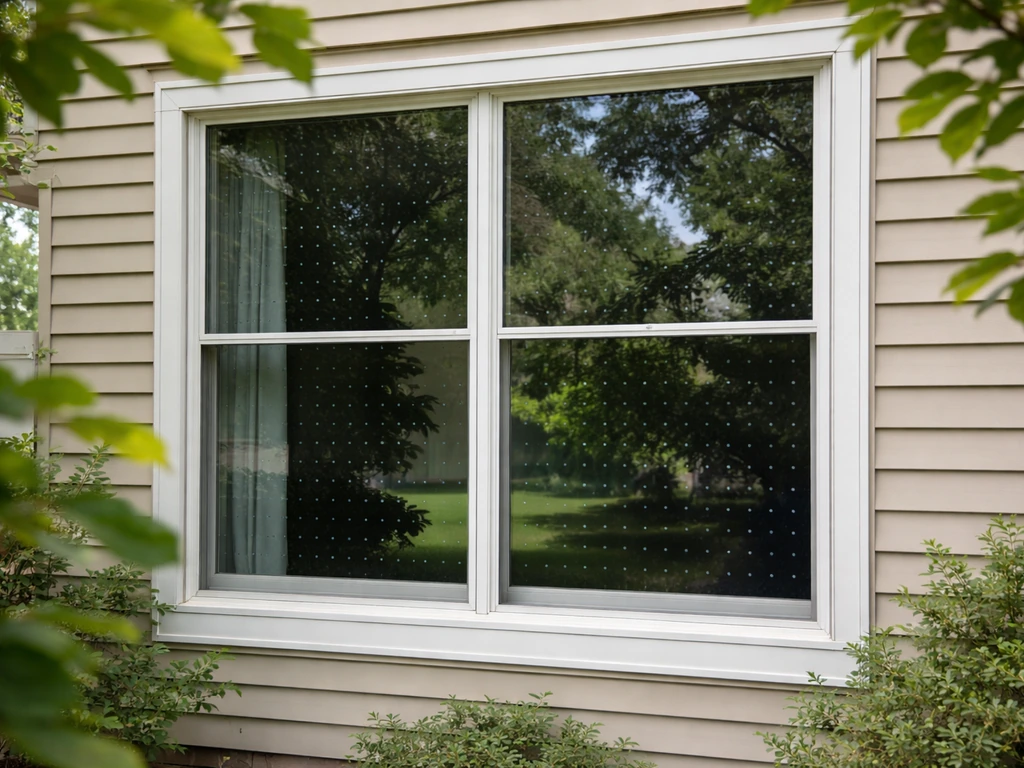
If a window or glass door was involved
Windows are responsible for a staggering number of bird strikes every year. Birds can't see glass as a barrier. Break up the reflection by applying window tape, UV-reflective decals, or exterior screens. The spacing matters: place markers no more than 2 inches apart horizontally or 4 inches vertically to actually interrupt the bird's flight path. A single sticker in the center of a window doesn't work.
If Jess is a cat or dog
Outdoor cats are one of the leading causes of wild bird deaths. If Jess is a cat who caught a bird, keeping Jess indoors (or supervised outdoors on a leash or in a catio) is the most effective long-term prevention. A breakaway collar with a bell reduces hunting success significantly. For dogs, consistent recall training and supervision around bird activity areas in your yard goes a long way.
Yard setup changes that help
- Place bird feeders either within 3 feet of a window (so birds can't build enough speed to injure themselves if they hit it) or more than 30 feet away.
- Keep ground feeders clear of dense shrub cover where cats can hide and ambush.
- Remove or net berry-producing plants close to large glass surfaces if you're seeing repeat collisions.
- During migration seasons (spring and fall), turn off unnecessary outdoor lights at night to reduce disorientation in migrating birds.
The broader pattern here is worth noting: whether the question involves Jess hitting a bird, a snowball thrown at one, or a golf ball situation on the course, the first move is always the same: stop, assess, and reduce harm before doing anything else. A calm, methodical response in the first five minutes is almost always the thing that makes the difference.
FAQ
What happens if the bird flies away after Jess hits it? Should I still call someone?
If Jess hit the bird and the bird flies off, still treat it as potentially injured. Keep Jess away, then watch from a safe distance for 30 to 60 minutes. If the bird lands again, acts weak, repeatedly flips over, or cannot fly in a straight line, contact a wildlife rehabilitator the same day.
I don’t have gloves, can I still move the bird safely? What should I avoid?
A towel is okay for a quick rescue, but avoid using a towel that sheds lint or loops. If you do not have gloves, wear something grippy and use the towel only as a barrier while you lift. Do not try to “test” the bird’s wing strength or force it to stand.
Can I feed or water the bird to help it recover after Jess hits it?
Do not give food, water, or “energy” treats. Even hydrated-looking birds can aspirate if stressed, and feeding can delay proper care. The safest plan is calm containment in a ventilated box, dim light, and contacting a wildlife rehabilitator promptly.
What should I do if the bird doesn’t move at all after the strike?
If the bird is unresponsive and shows no breathing movement, do not handle it more than necessary. Keep Jess and other pets away from the area, then contact your local animal control or municipal waste service for disposal guidance, especially where carcass reporting rules exist.
If Jess got splattered with blood or droppings, is washing still necessary even without a bite?
Yes, washing matters most if there was a bite, deep scratch, or contact with blood or droppings. Use soap and running water right away, then watch the area for redness, warmth, swelling, pus, fever, or worsening pain over the next 2 to 3 days.
If it was a cat or dog, what part of Jess should I check first for injuries?
With pets, focus on face and eye scratches, then check Jess’s mouth and paws if the bird was caught. Flea collars, grooming, or wiping may irritate wounds, so rinse injuries gently with clean water first and then follow with soap for accessible skin.
How do I decide whether the bird needs a wildlife rehabilitator right now versus just monitoring?
A licensed wildlife rehabilitator is the best next step when there is any sign of injury, disorientation, broken wing or leg positioning, drooping, bleeding, or the bird was hit hard enough to knock it down. If you cannot reach one quickly, call local animal control for temporary instructions.
How long can I keep the bird in my hands before contacting help?
Handle only to move the bird to the box, then stop. Limit time out of the dark and quiet, and keep the box at room temperature. If the bird panics and struggles, do not put it back and forth between hands and the box, it increases stress.
What if Jess keeps trying to go back for the bird after I separate them?
If Jess is a dog, do not try to “retrieve” the bird repeatedly, even if the dog seems gentle. Supervision and physical distance are the safer approach, because dogs often re-attack a grounded bird within seconds.
What signs mean the bird is likely seriously injured even if it looks okay at first?
Internal injuries can be missed, but you can use a few reliable red flags: blood around the beak/eye/feathers, a wing drooping or leg held at an abnormal angle, cracked beak, visible breathing effort, and persistent disorientation or wobbling. If any show up, treat it as injured even if the bird looks “mostly normal.”
What Happens If a Bird Moves Your Golf Ball
What a bird does with a golf ball, health risks, what to do now, and bird-safe prevention to avoid repeat incidents.