
Throwing a snowball at a bird can genuinely injure or kill it, even if that sounds surprising. A snowball isn't soft when it's packed tight, and a bird's bones, eyes, and internal organs are fragile enough that even a glancing hit can cause concussion, internal bleeding, broken bones, or eye damage. Whether the bird flies off, sits frozen on the ground, or is visibly hurt, what you do in the next few minutes actually matters.
What Happens If You Throw a Snowball at a Bird

Maya Chen
18 May 2026
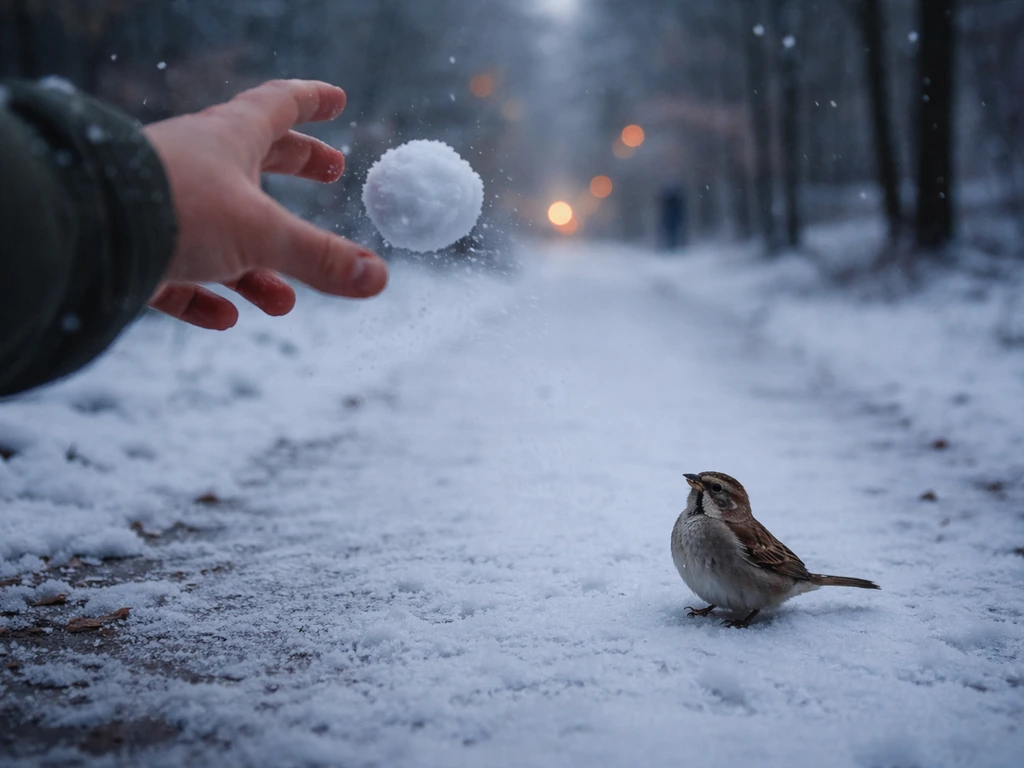
Can a snowball seriously injure a bird?
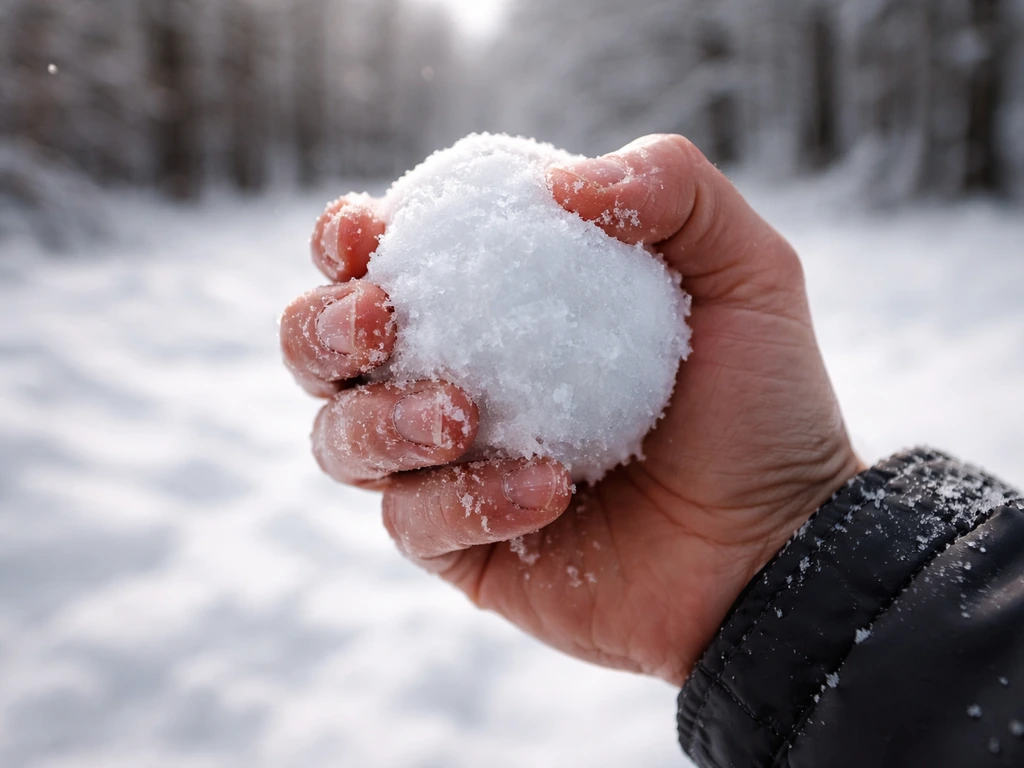
Yes, and more easily than most people expect. The myth that snowballs are harmless is mostly wrong. A dense, compacted snowball thrown with any real force hits with enough impact to cause blunt trauma to a small bird. The risks include concussion and head trauma, internal bleeding, broken wings or legs, eye injuries, and internal organ damage. Smaller birds like sparrows, finches, and pigeons are especially vulnerable because their entire body mass is just a few ounces.
Beyond the direct impact, a hit can cause the bird to crash-land badly, compounding the injury. Even a stunned bird that looks physically intact may have injuries that aren't visible from the outside. As with window strikes, internal trauma can be serious without any obvious external sign. If you've ever seen a bird hit a window and then sit perfectly still on the ground, that's the same phenomenon: the bird isn't fine, it's in shock.
Behaviorally, you might see the bird freeze in place (a stress response), fly erratically and crash somewhere else, or simply drop and not move. All three responses carry risk. A bird that freezes is sitting vulnerable on the ground. One that flies off disoriented may hit something else. And one that's not moving may be dying.
What to do immediately after a hit
The most important thing in the first minute is to back off and observe from a distance. Don't rush toward the bird, don't try to pick it up, and don't let others crowd around it. Give it space, at least 10 to 15 feet, and watch what happens.
- If the bird flies away immediately and appears to fly normally, it may be okay. Keep watching if you can.
- If the bird is sitting on the ground but upright and alert, wait and watch for up to an hour before deciding it needs help. A stunned bird sometimes recovers on its own.
- If the bird is on its side, not moving, bleeding, or clearly disoriented, it needs help now. Move to the next section.
While you're observing, keep the area calm. If there are dogs, cats, or curious kids nearby, keep them back. A grounded bird is easy prey, and stress alone can worsen a bird's condition. Don't chase it if it hops away. Don't try to contain it with your hands or a coat unless it's visibly injured and in immediate danger from a predator.
Signs the bird is injured and what to do next
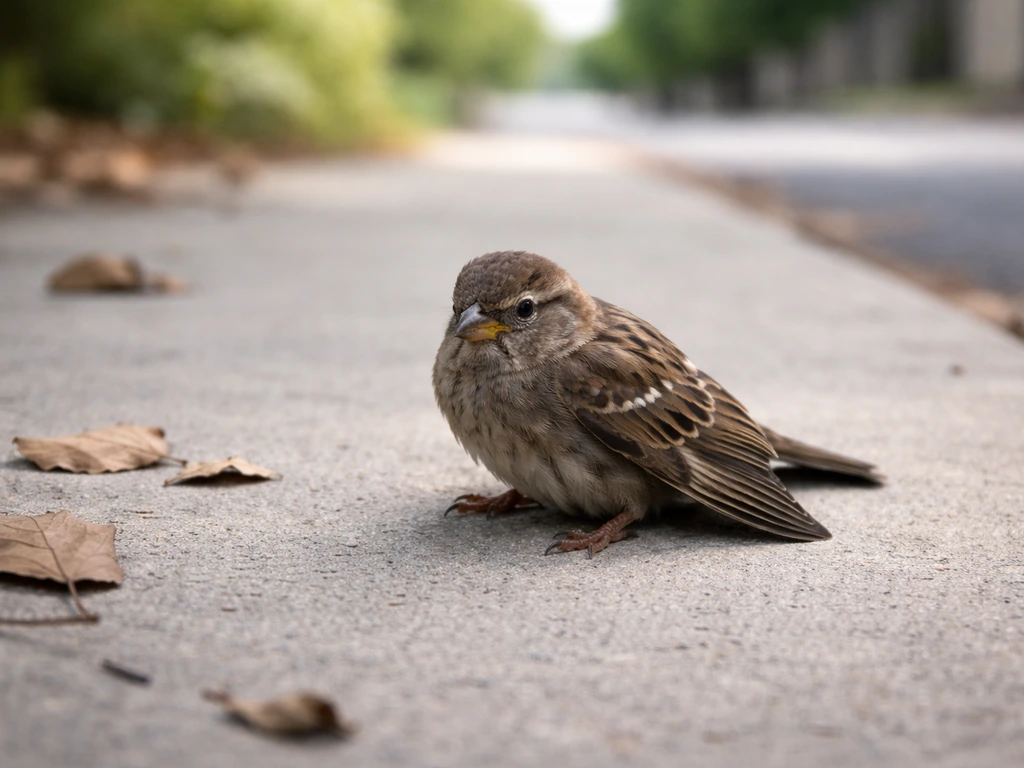
You're looking at a bird that likely needs professional help if you see any of the following:
- Visible bleeding or open wounds
- A wing hanging lower than the other, or an obvious deformity
- Head tilting, circling, or rolling (signs of neurological damage)
- The bird is lying on its side or back
- It's not moving at all, or only twitching
- Labored or open-mouth breathing
- It lets you walk right up to it without trying to move away
If any of these apply, contact a licensed wildlife rehabilitator immediately. For baby birds of prey, Toronto Wildlife Centre advises not giving food or water, and to follow guidance like waiting until you’ve contacted a rehabilitator. You can find your nearest one through the National Wildlife Rehabilitators Association or by calling your local animal control or humane society. Do not try to treat the bird yourself.
If the bird needs to be contained while you wait for help or transport it, use a cardboard box with small air holes. Line it with a soft cloth (not terry towel, which can catch talons). Place the box somewhere warm, dark, and quiet. Darkness reduces stress. Do not check on it every few minutes. Do not put it in a cage with wire sides. And critically, do not place a heat lamp directly on it.
In many states, it is illegal to keep a wild bird without the proper permits, even temporarily with good intentions. Getting a rehabilitator involved quickly is both the right thing for the bird and the legally correct move.
What not to do (common mistakes that make things worse)
This list might be the most important part of the article, because well-meaning people often do things that harm injured birds further.
- Do not give the bird food or water. An injured bird may aspirate liquids and choke. Even if it looks hungry, hold off until a rehabilitator tells you otherwise.
- Do not try to set a broken wing yourself. You will cause more pain and additional damage.
- Do not keep it somewhere warm and 'nurse it back to health' at home. Wild birds have very specific dietary, environmental, and medical needs that the average person can't meet.
- Do not handle it with bare hands if you can avoid it. Use gloves or a cloth barrier.
- Do not release it before it's fully recovered. A bird that can't fly is not ready to be outside.
- Do not chase it. If the bird is hopping away, that's a stress response, and chasing it will exhaust it further.
- Do not assume it's fine because it flew a short distance. A bird with internal injuries may fly briefly and then go downhill fast.
On the disease side, wild birds can carry salmonella and other pathogens. If there's blood involved, or if you handled the bird with bare hands, wash your hands thoroughly with soap and water right away. The risk to a healthy adult is generally low, but it's not zero, and children and immunocompromised people are more vulnerable.
Secondary hazards: contaminated snow, debris, and chemicals
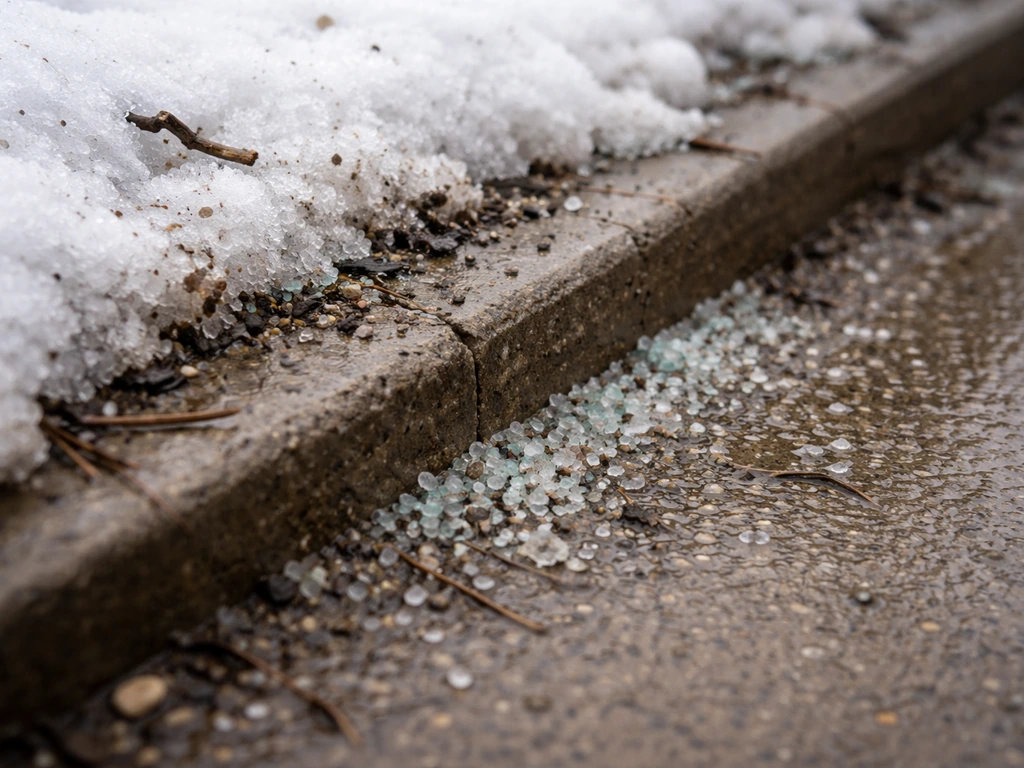
The snowball itself can carry risks beyond just the impact. If the snow was collected near a road, parking lot, or treated sidewalk, it may contain road salt, deicers, or antifreeze. These are genuinely dangerous to birds.
Road salt is a real hazard. Birds sometimes mistake salt granules for grit or seed and ingest it. Enough salt can poison a bird. If you threw a snowball containing packed road-salt snow and the bird was hit in or near the mouth, or if it later pecks at contaminated snow on the ground, there's a toxicity risk on top of the impact injury.
Antifreeze is more acutely dangerous. Products containing ethylene glycol have a slightly sweet taste that can attract animals, and even a small amount is toxic. If there's any chance the bird was exposed to antifreeze-contaminated snow (near a driveway, parking lot, or vehicle), don't wait and see. Contact a wildlife rehabilitator right away and mention the potential chemical exposure. Early intervention makes a real difference with ethylene glycol poisoning.
Snow can also hide physical debris: gravel, glass, ice chunks, or other hard material that can become embedded in a snowball without you realizing it. A snowball that picks up a piece of gravel becomes much more dangerous on impact than plain snow.
Prevention and safer ways to deal with birds
If you're reading this after an accident, that's one thing. If you want to know what happens if a snowball hits a bird, the injury can range from shock to serious internal trauma, so what you do right after matters. But if you're here because birds are hanging around an area and you're tempted to throw things to scare them off, there are much better options.
- Use visual deterrents: reflective tape, predator decoys (like owl silhouettes), or metallic streamers near areas where birds congregate.
- Clap your hands or make noise from a distance to move birds along without risking contact.
- Remove food sources. If birds are gathering, there's usually a reason: accessible seed, unsecured garbage, or water sources.
- Use physical barriers like bird netting or spikes in areas where roosting is a problem.
- If a specific bird species is causing problems, contact your local animal control or a wildlife specialist. Some situations have specific legal considerations, especially if migratory species are involved.
On the legal side: the Migratory Bird Treaty Act (16 U.S.C. §§ 703-712) broadly protects migratory birds in the U.S. The law defines 'take' widely, and deliberately throwing something at a protected bird with the intent to harm it can fall under that definition. This isn't meant to alarm anyone who accidentally hit a bird while playing, but it's worth knowing, especially if the action was intentional. Those same concerns apply if a bird moves your golf ball and it hits the bird, too playing. If you've harmed a bird, contacting a wildlife rehabilitator or your local wildlife agency is both the ethical move and a reasonable step toward making it right.
Questions about harm to birds from physical impact come up in a range of contexts, from accidental collisions to deliberate actions in stories and real life. If you're asking why did Mr. Wright kill the bird, the same idea applies: the bird can be badly hurt even from what seems like a small act. The underlying biology is the same regardless of the cause: birds are physically fragile, stress compounds injury, and fast, calm, professional help gives any injured bird the best chance.
Your quick-reference action guide
| What you see | What to do right now |
|---|---|
| Bird flew away and appears normal | Watch from a distance for a few minutes. If it's behaving normally, it's likely okay. |
| Bird is sitting on the ground, upright, alert | Back off, keep others/pets away, and watch for up to an hour. Do not approach or handle. |
| Bird is on its side, not moving, or twitching | Call a wildlife rehabilitator immediately. Gently place in a dark, ventilated box while you wait. |
| Bird is bleeding or has visible deformity | Call wildlife rehab now. Do not give food or water. Handle only with cloth/gloves if necessary. |
| Snow may have contained salt or antifreeze | Mention this when you call rehab. Chemical exposure changes the urgency and treatment needed. |
| You handled the bird with bare hands | Wash hands thoroughly with soap and water right away. |
FAQ
If the bird flies away after getting hit, should I still treat it as injured?
Yes. A bird can look normal after a hit but still have internal injuries, eye damage, or concussion. Watch from a distance for 10 to 15 minutes, and if it seems uncoordinated, breathes with effort, bleeds, or keeps landing then failing to take off, contact a wildlife rehabilitator.
How can I tell whether a bird’s injuries are serious if there is no visible blood or broken bones?
Injuries can be internal even when the bird looks intact, especially after head impact. Red flags include abnormal breathing, repeated opening of the beak, weakness or inability to perch, sudden lethargy, fixed stare, or a wing that droops more than the other (even if there is no bleeding).
Is it okay to move the bird to safety if it’s in the road or right next to danger?
Only if it is in immediate danger from traffic or predators and you can do it quickly and gently. Otherwise, back off and call for help. When you do move it, use a cardboard box method (with air holes and lined with soft cloth) rather than bare-hand handling.
What should I do if the bird is conscious but won’t move much, for example it keeps freezing?
Keep people and pets away and give it space. Freezing is a stress response and can leave the bird vulnerable. If it stays down, is unsteady, or does not improve within a short period, arrange wildlife help rather than trying to “test” it by poking or chasing.
Does throwing a smaller snowball or a lighter toss make it safe?
Not reliably. Even a compacted snowball can still deliver enough force to cause blunt trauma, especially to small birds. Severity depends on packing density, size, distance, and where it hits (head and face are worst).
What if I accidentally hit a bird while tossing snow for fun, not with the intent to harm it?
Accidental impact can still cause serious injury. The practical next step is the same: observe from a distance, check for warning signs, and get a wildlife rehabilitator involved promptly if there is any indication the bird is hurt.
Can I put the bird in a pet carrier or a crate while waiting for a rehabilitator?
Better to use a cardboard box with small air holes because it reduces stress and prevents talons from getting caught. Avoid wire-sided cages, and keep the environment warm and dark. If you must transport it, keep the bird covered partially and minimize movement.
How warm should the box be, and is a heat lamp ever appropriate?
Provide warmth indirectly in a quiet area, but do not place a heat lamp directly on the bird. Direct heat can overheat or cause burns. If you are unsure, use a gentle room-temperature warm spot near (not on) the box and focus on darkness and calm.
What if I handled the bird or the snow touched its mouth, and I’m worried about infection?
If there was contact, wash hands thoroughly with soap and water right away. If the bird was bleeding, or you touched blood or body fluids, take extra care and keep children away. The risk to healthy adults is generally low, but children and immunocompromised people should avoid contact and watch from a distance.
Could road salt or antifreeze exposure happen even if the bird was only lightly hit?
Yes. If the snowball was made from snow collected near roads, parking lots, treated sidewalks, or driveways, it can contain salt deicers or antifreeze. If there was any chance the bird pecked contaminated snow or was hit near the mouth, contact a rehabilitator and explicitly mention the potential chemical exposure.
What if the bird seems to recover quickly, can I just leave it alone?
If it regains normal posture and coordination and shows no concerning signs, you can usually leave it in peace. Still, do not approach again. If it remains grounded, acts disoriented, or has ongoing breathing effort, get professional help instead of assuming it is fully fine.
Is it legal to keep or “temporarily house” a wild bird I found injured?
In many places it is illegal without the right permits, even temporarily. The safer plan is to contact a licensed wildlife rehabilitator or local wildlife agency first, and follow their instructions for immediate containment only when necessary to prevent imminent harm.
What’s the best way to prevent birds from staying in an area without throwing things at them?
Use non-contact deterrents instead of projectiles. Examples include removing attractants (food scraps), using safe visual deterrents like reflective tape or motion-activated devices, and sealing access to nesting areas where appropriate. If a specific species is nesting or lingering, ask local wildlife control for humane options.