
If you're asking why Mr. Wright killed the bird, you're most likely thinking of Susan Glaspell's 1916 play Trifles, where the evidence points to John Wright killing his wife Minnie's canary because, as the characters speculate, he simply couldn't stand anything that sang. That act of silencing the bird is widely read as symbolic of how he silenced Minnie herself. But if you landed here because something similar is happening in your real life, such as a bird on your property causing problems and you're wondering what to do, this article covers that too.
Why Did Mr Wright Kill the Bird? Real Motives and What to Do

Maya Chen
27 May 2026
Which Mr. Wright are we talking about?
The phrase 'Mr. Wright killed the bird' almost universally refers to John Wright in Trifles. In the play, county investigators come to the Wright farmhouse after John Wright is found strangled to death. His wife Minnie is a suspect. The clue that unravels everything is a dead canary found in a pretty box, its neck wrung. The neighbor Mrs. Hale speculates aloud that John killed it because he couldn't tolerate anything joyful or musical in the house. The women realize that the bird was Minnie's only companion, and killing it was the last straw that drove her to act.
That's the literary source. If you're working on an essay or studying the play, the motive is symbolic as much as literal: control, isolation, and the silencing of joy. If you saw 'Mr. Wright killed the bird' in another context, such as a news story, a school assignment with a different character, or a real local incident, the same steps below for verifying sources and handling similar situations will still apply.
Real-world reasons people kill birds (and whether they hold up)
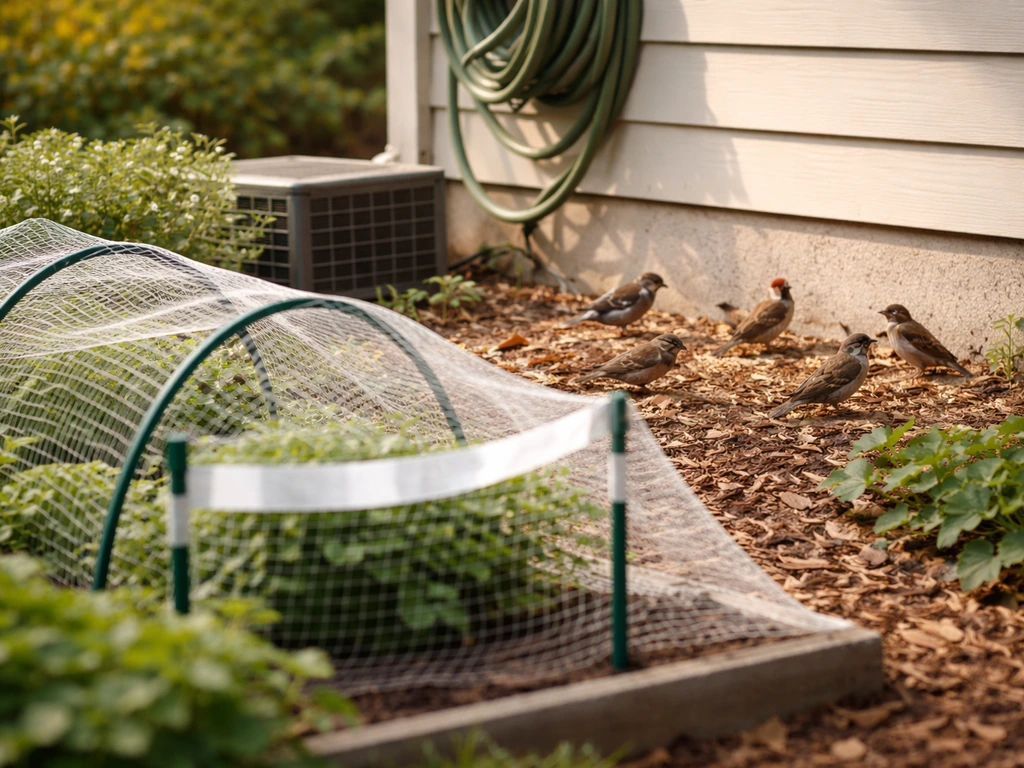
Outside of literature, the reasons people harm or kill birds tend to fall into a few categories. If you are wondering what happens if you throw the snowball at the bird, the real-world takeaway is that lethal harm is rarely justified and is often illegal rather than a “fix” for a bird conflict. Understanding these matters because some are legally protected actions, and some are federal crimes.
- Pest or nuisance control: Birds roosting in large numbers on a roof, barn, or outbuilding can cause real damage from droppings and noise. People sometimes resort to lethal methods out of frustration, even when non-lethal options would work better.
- Perceived safety threat: A nesting bird that dive-bombs people walking past (common with red-winged blackbirds or mockingbirds) is sometimes killed by homeowners who feel threatened. In reality, the behavior is temporary and seasonal.
- Property protection: Fruit growers and gardeners sometimes kill birds that eat crops, though permits are typically required even for this.
- Disease fear: Concern about avian influenza or other illnesses leads some people to preemptively kill birds they believe are sick, which is both unnecessary and usually illegal.
- Animal cruelty or control: In domestic situations, like the Trifles scenario, a bird might be killed as an act of dominance or to remove something a partner values. This is straightforwardly animal cruelty.
Almost none of these situations actually require killing a bird, and in most cases killing one is a federal offense. The Migratory Bird Treaty Act (MBTA), in place since 1918, protects the vast majority of wild bird species in the United States. Violations can result in misdemeanor or felony charges depending on the circumstances, and the U. CRS (Congressional Research Service) also explains that MBTA penalties can be felony or misdemeanor depending on the specific provision and clarifies related legal issues, including strict-liability aspects for “taking” migratory birds MBTA violations can result in misdemeanor or felony charges. S. Department of Justice has prosecuted individuals under the MBTA. If you're dealing with a bird conflict, lethal options are almost never your legal first move.
How to verify the facts in any specific case
If you're researching a real incident involving someone named Mr. Wright (or any person) killing a bird, start with primary sources. Court records, wildlife agency reports, and local news archives are more reliable than social media summaries. Here's a practical approach:
- Search for the person's name alongside the state wildlife agency or U.S. Fish and Wildlife Service (USFWS) to see if there was an official investigation or ruling.
- Check local court records or the DOJ press release database, where MBTA prosecutions are regularly documented.
- Look for official wildlife agency statements, which typically summarize what species was involved, the circumstances, and what penalties applied.
- Cross-reference with state-level wildlife offices, since some incidents are handled at the state rather than federal level depending on the species involved.
- For the literary version in Trifles, SparkNotes, JSTOR, and your school library's database are solid starting points for documented analysis.
Avoid relying on a single source, especially for real incidents. Wildlife cases often have nuance: the species involved, the landowner's permit status, and the specific circumstances all affect how a case is categorized legally.
If a bird is causing problems at your home right now
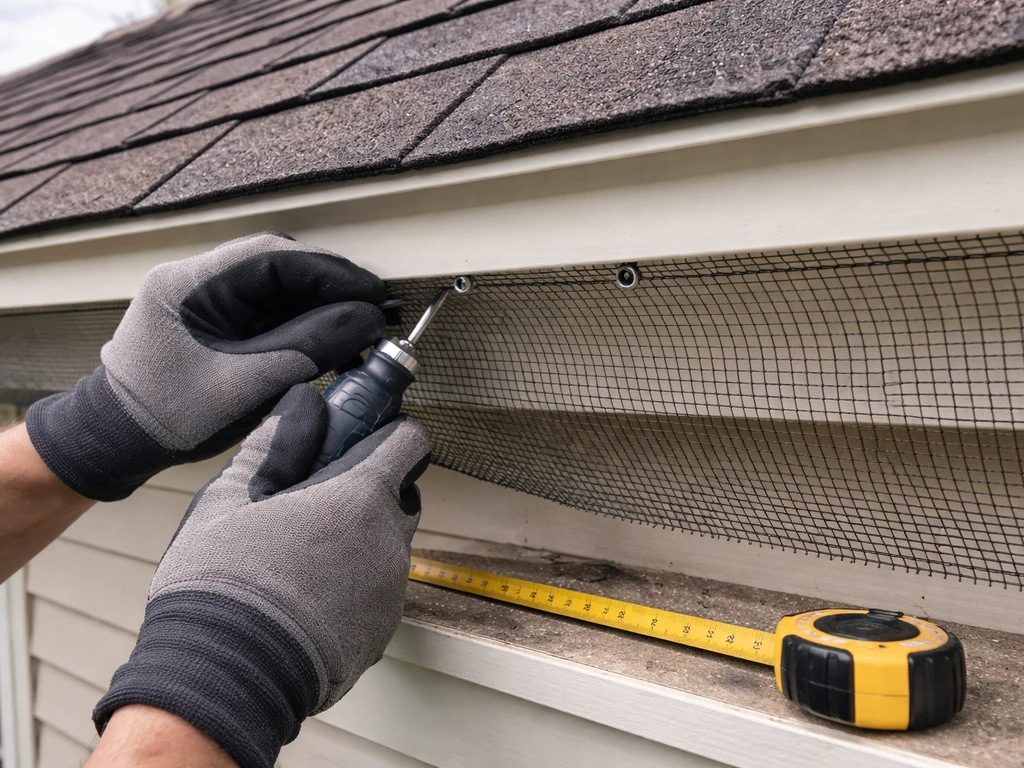
The most important thing to know is that exclusion and deterrence work, and they're legal. The USFWS and state wildlife agencies consistently point to non-lethal methods as both the most effective and the required first approach for most homeowners. Here's what that looks like in practice:
- For roosting birds in eaves, attics, or barns: Install exclusion netting over entry points. One-way doors (which let birds exit but not re-enter) are another effective tool and are recommended by USDA APHIS for keeping birds out of structures without harming them.
- For birds repeatedly striking windows: Apply deterrent patterns to the outside surface of windows, not the inside. Patterns need proper spacing so birds perceive the glass as blocked. Decals placed only on the inside are much less effective because birds respond to what they see from the outside.
- For nesting birds in inconvenient spots: Wait out the nesting season if at all possible. Most song and migratory birds nest for just a few weeks. After the nest is abandoned, seal the entry point to prevent return.
- For aggressive birds near walkways: Temporarily reroute foot traffic during the nesting period. The aggression stops as soon as the chicks fledge, which is usually a matter of weeks.
- Contact your state wildlife office if the situation is genuinely unmanageable. They can recommend licensed wildlife removal services that use humane methods.
Humane deterrence: what actually works
Deterrence is the first tool in the toolkit, and when done correctly it's highly effective. The key word is 'correctly.' Visual deterrents like reflective tape, predator decoys, and window films all work best when installed properly and refreshed regularly, since birds habituate to static objects over time.
| Method | Best For | Effectiveness Notes |
|---|---|---|
| Exclusion netting | Roosts, eaves, crop areas | High when properly installed; avoid loose small-mesh netting that can trap birds |
| One-way door/barrier | Attic or barn entry points | Very effective; birds leave but cannot return |
| Window films/patterns (outside) | Window strike prevention | High with correct spacing on exterior surface; low if only applied inside |
| Predator decoys (owls, hawks) | Open garden or yard roosting | Moderate; effectiveness drops quickly unless moved regularly |
| Reflective tape or flash tape | Fruit trees, garden rows | Moderate; works best in combination with other deterrents |
| Habitat modification | Long-term prevention | High; removing food sources, water, or shelter eliminates the root cause |
Habitat modification, which means removing what's attracting birds in the first place, is the most sustainable long-term solution. This could mean trimming dense shrubs near entryways, covering compost bins, or removing standing water that draws certain species. It takes a little more upfront effort but doesn't require ongoing maintenance the way physical deterrents do.
What to do if you find an injured or dead bird
Finding a sick, injured, or dead bird is more common than most people realize. Between 365 million and 1 billion birds die from building collisions in the U.S. each year, so window strikes alone produce a lot of situations where someone finds a bird on the ground. Here's how to handle it. If a bird nudges or moves your golf ball, it's still worth treating it like any other bird-related disturbance and using non-lethal, deterrent steps to keep them from lingering near play what happens if a bird moves your golf ball.
Injured birds
If a bird is stunned (say, from a window strike) but breathing, you can gently place it in a dark, ventilated box and keep it in a quiet spot for up to a few hours. Many birds recover and fly away on their own. If it doesn't recover, contact a licensed wildlife rehabilitator. The USFWS website has a tool for finding the right contact based on whether it's a baby bird, an injured adult, or a protected species.
Dead birds
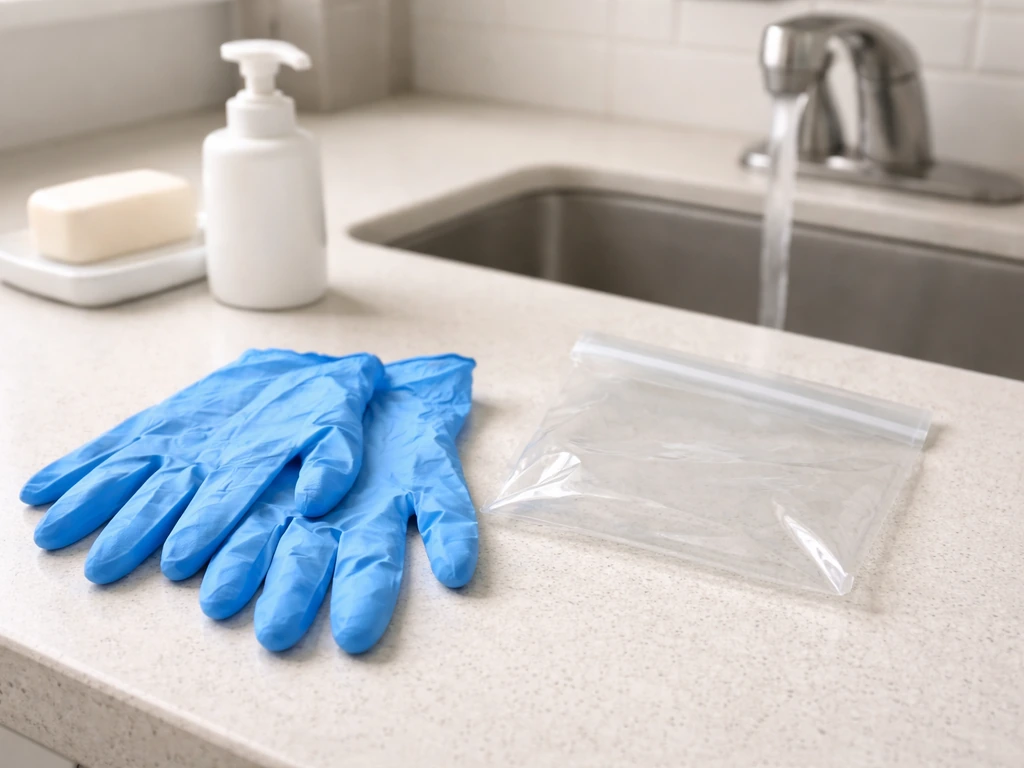
Don't handle a dead bird with bare hands. Use disposable gloves, place the bird in a sealed plastic bag, and wash your hands thoroughly with soap and water afterward. The CDC specifically advises against touching surfaces or materials that may be contaminated with saliva, mucus, or feces from birds, particularly given ongoing avian influenza concerns. Dispose of the gloves properly after use.
Reporting matters too. State wildlife agencies like Michigan's Department of Agriculture and Rural Development have formal workflows for reporting sick or dead birds, especially for species like waterfowl or raptors. Lab testing is typically reserved for specific species or die-off events (multiple dead birds in one location), but your state wildlife office can tell you whether your situation warrants a report.
If you had direct contact with a sick or dead bird
The CDC's bird flu guidance is clear: if you had close contact with a sick or dead bird without PPE, wash exposed skin with soap and water immediately. Wild birds can carry avian influenza without appearing visibly sick, so the precaution applies even when a bird looks healthy. If you develop respiratory symptoms or fever within 10 days of contact, contact your healthcare provider and mention the exposure.
Myths worth clearing up
A few misconceptions come up repeatedly in conversations about birds and why people harm them. Here's what the evidence actually shows.
- Myth: All birds near humans are dangerous. Fact: The vast majority of birds pose no health risk to healthy adults with normal hygiene habits. The CDC and USFWS guidance is about minimizing unnecessary exposure, not treating every bird as a biohazard.
- Myth: Killing a pest bird is legal if it's on your property. Fact: Most wild birds are federally protected under the MBTA. 'It was on my property' is not a legal defense. Permits are required for almost all lethal control, even for crop protection.
- Myth: If a bird is sick, killing it prevents disease spread. Fact: This is backwards. Mishandling a sick bird (including killing it without PPE) is one of the higher-risk ways to expose yourself to disease. Proper PPE and reporting to wildlife authorities is the right approach.
- Myth: Window decals on the inside of glass work just as well as those on the outside. Fact: USFWS building guidance is explicit that patterns on the outside of windows are significantly more effective because birds react to what they see from their approach angle.
- Myth: There's nothing you can do if a bird keeps coming back. Fact: Exclusion netting, one-way doors, and habitat modification have a strong track record when correctly implemented. Persistence is usually a sign that the underlying attractant hasn't been addressed yet.
The Trifles narrative is a useful reminder that the impulse to silence or eliminate something we find inconvenient often says more about the person acting than about any real threat posed by the bird. In real life, the evidence consistently shows that non-lethal, humane approaches are more effective, legally safer, and more sustainable than reaching for a drastic solution. Whether you're writing an essay on Glaspell's play or dealing with a real bird conflict today, the facts point in the same direction: understand the situation first, then act with the least harmful intervention that actually works. If your question is specifically what happens if “Jess hits the bird,” this same legal and safety guidance applies to real-world encounters, not just stories what happens if Jess hits the bird.
FAQ
If the phrase “Mr. Wright killed the bird” usually refers to Trifles, how do I handle it if I mean a real incident involving someone else named Wright?
In Trifles, the dead canary is presented as Minnie Wright’s companion, not a random nuisance. That means the most common interpretation is control and emotional silencing rather than any “threat” the bird posed. If you are applying the phrase to real life, try to distinguish whether the bird is protected and whether it is causing a specific, documented damage issue, since the legal and practical steps differ.
How can I tell whether “motive” claims about a bird killing are reliable or just speculation?
Use a timeline before you choose a motive. For real cases, collect dates, the bird species (if known), location type (yard, barn, construction site), and what was actually observed, then compare that to agency reporting categories and any court filings. Motives in headlines are often inferred, the classification (and legality) depends on facts like species status and method used.
What non-lethal steps are most effective when birds keep returning to my yard?
Consider humane options that reduce the reason birds stick around. For example, if the issue is seed and shelter, you get better results from removing feeders, covering trash and compost, and cleaning up spilled grain than from chasing birds or using harmful deterrents. Also confirm you have permission to install deterrents, since some properties or HOAs restrict modifications.
What should I do if I find a bird on the ground that seems alive but unable to fly?
If you find a bird that is alive but grounded, treat it as potentially protected wildlife first. Place it in a quiet, ventilated container away from pets and keep handling brief. The key decision is whether it is breathing and reactive, if it is not, or you suspect the species is protected or it is an active die-off, contact a licensed wildlife rehabilitator or your state wildlife office promptly.
Why do bird deterrents sometimes stop working after a few days, and what should I adjust?
If you plan to use deterrents like reflective tape, decoys, or window films, effectiveness depends on placement and rotation. Put them where the bird’s flight path intersects your space (near the line of sight to food or nesting areas), and replace or re-align them if the birds start ignoring them. Also avoid relying on a single static visual for months, because habituation is common.
Is it ever legal to trap or relocate a bird that’s causing problems?
Avoid DIY attempts to “fix” a protected species problem by relocating or trapping, especially without permits. Even when people believe the species is causing damage, capture and handling can be regulated. If the bird is a species covered under federal or state protections, the safest route is to ask your state wildlife agency which exclusion method you can use.
What is the correct cleanup process after finding a dead bird, and when should I stop and report it?
Bare-hand contact increases risk from bird droppings and respiratory secretions, and it can also spread contamination to areas where food is prepared. Use disposable gloves, bag waste or the bird material, and wash with soap and water. If you later find more than one dead bird in a short period, treat it as a potential die-off situation and contact the state reporting workflow rather than handling everything yourself.
What should I do if I witness someone harming a bird but I’m not sure what to report?
If someone in your home or neighborhood harms a bird, do not confront them or escalate, instead focus on documenting facts safely. Take note of the time, location, what you observed (without speculation), and whether the bird might be protected. For reporting, contact your state wildlife agency, and if there is immediate danger to people, call local emergency services.
How should I write about “motive” in Trifles versus applying it to real-world behavior?
If you saw the phrase in a school or essay context, separate symbolic themes from what the text implies about behavior. In Trifles, characters debate why the canary was killed, but a strong paper should include both the evidence in the play and the limitation that the motive is interpreted through character perspectives. For real life, you can still use the “least harmful, legal first” decision rule without claiming you know an offender’s psychology.
If a bird looks stunned after a window strike, how long should I wait before calling a rehabilitator?
Even if a bird injury seems minor, you should monitor for deterioration and avoid prolonged stress. If the bird is not improving within a few hours, or you cannot identify it, contact a rehabilitator. Identification matters because certain species may require specific handling and permits, and the right rehab contact can triage by species and age.