
Bird-eating spiders are not dangerous to humans in any life-threatening way. They will not hunt you, they are not aggressive toward people, and there has never been a confirmed human death from a tarantula bite. If one bites you, it will hurt, probably feel like a bee sting, and cause some local swelling and redness. That is almost always where the story ends. The bigger risks come from urticating hairs on their abdomen and, very rarely, an allergic reaction. Scary reputation, relatively low real-world risk.
Are Bird Eating Spiders Dangerous to Humans? Facts and Safety

Maya Chen
26 Apr 2026
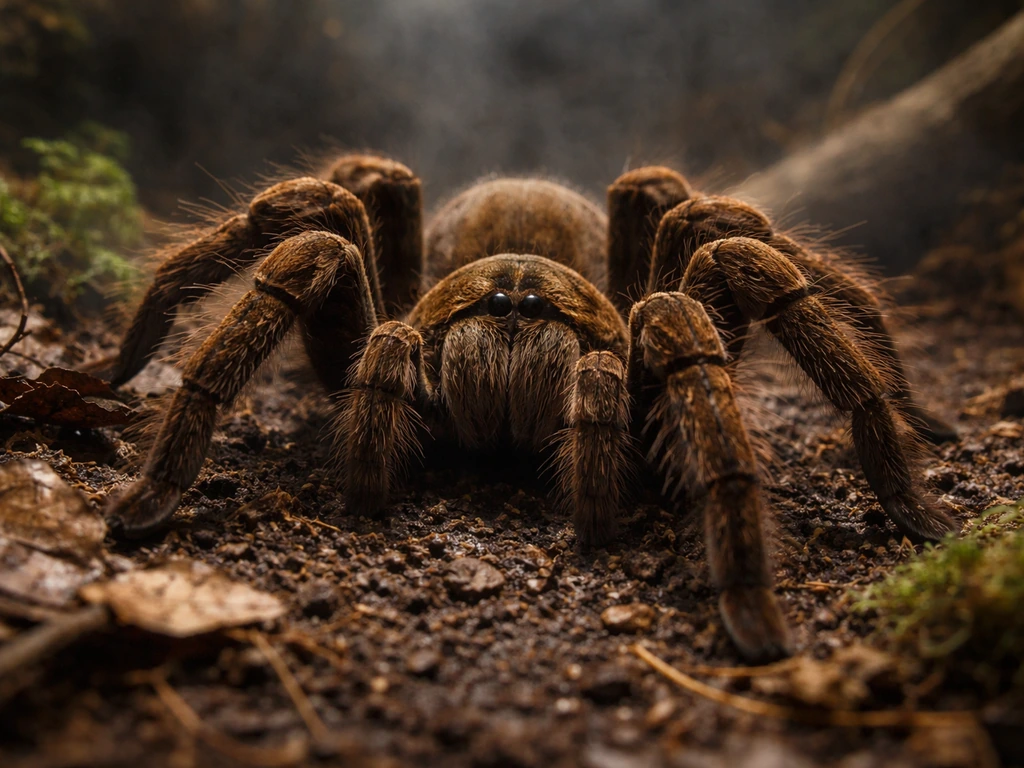
What 'bird-eating spiders' really are (and do they target humans)
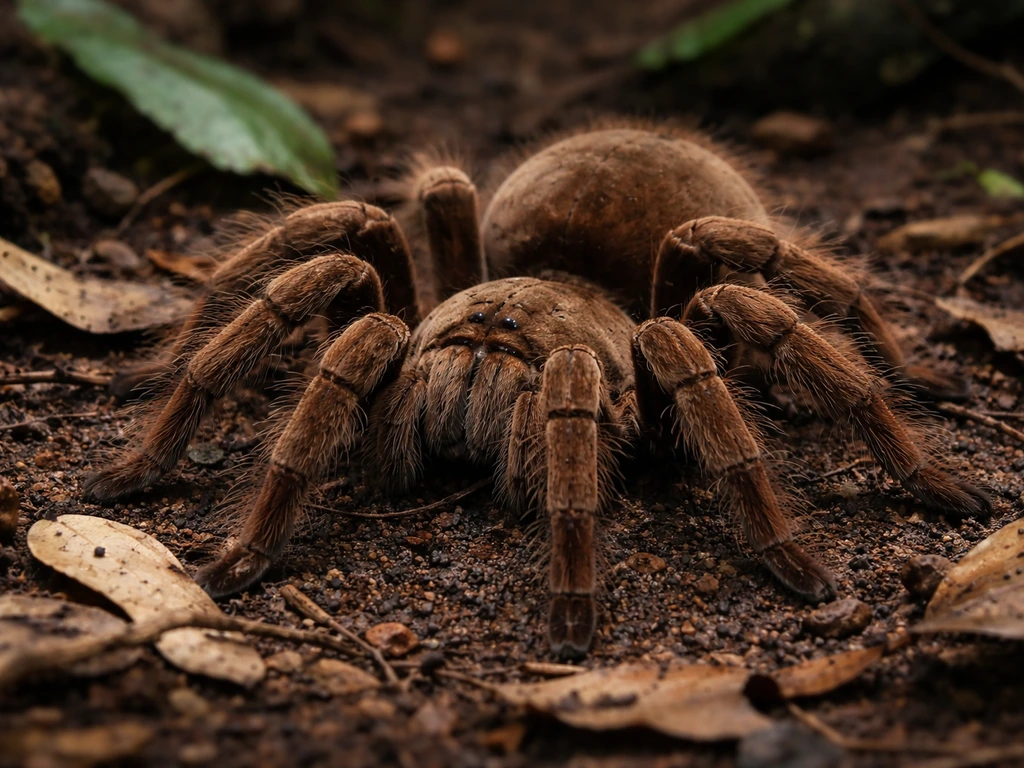
The term 'bird-eating spider' most commonly refers to Theraphosa blondi, the goliath birdeater, the largest tarantula species by mass and leg span. The name is a bit misleading. It actually comes from an 18th-century engraving by naturalist Maria Sibylla Merian that depicted one eating a hummingbird. In practice, goliath birdeaters mostly eat large insects, frogs, lizards, and the occasional small rodent. They are big enough to take a bird and occasionally do, but it is far from a regular meal.
More broadly, 'bird-eating spider' is sometimes used as a general label for any large tarantula species, including Old World species like the Poecilotheria genus found in Asia and Africa. None of these spiders view humans as prey. They are ambush hunters that rely on stealth and wait for something much smaller than you to come within striking range. A person approaching one is not a meal opportunity; it is a threat to defend against.
These spiders are also completely unrelated to bird safety or bird health risks in the way some people imagine. They do not transmit disease to birds or to people through their venom. The name is about diet and natural history, not any special danger to birds or humans as a category.
How likely is a bite and how do they actually behave
Bites from bird-eating tarantulas are genuinely rare. The American Association of Poison Control Centers logged only 44 tarantula-related reports across all of the United States in 2018, and just 17 of those actually required evaluation at a healthcare facility. These are not spiders aggressively seeking out people to bite.
When a goliath birdeater or similar large tarantula feels cornered, its first defense is usually not to bite. New World species like the goliath will flick urticating hairs from their abdomen, tiny barbed bristles that embed in skin and eyes and cause intense itching and irritation. They save biting as a last resort. Old World tarantulas (species from Africa, Asia, the Middle East) do not have urticating hairs and are generally considered quicker to bite defensively, which matters if you keep one as a pet.
Bites typically happen during handling, when a spider is startled in its enclosure, or when someone reaches into a space where one is hiding. In the wild in South America or Africa, the realistic chance of stumbling across one and getting bitten is very low if you are paying attention and not deliberately handling them.
Are bites actually dangerous? Symptoms and when to get medical help
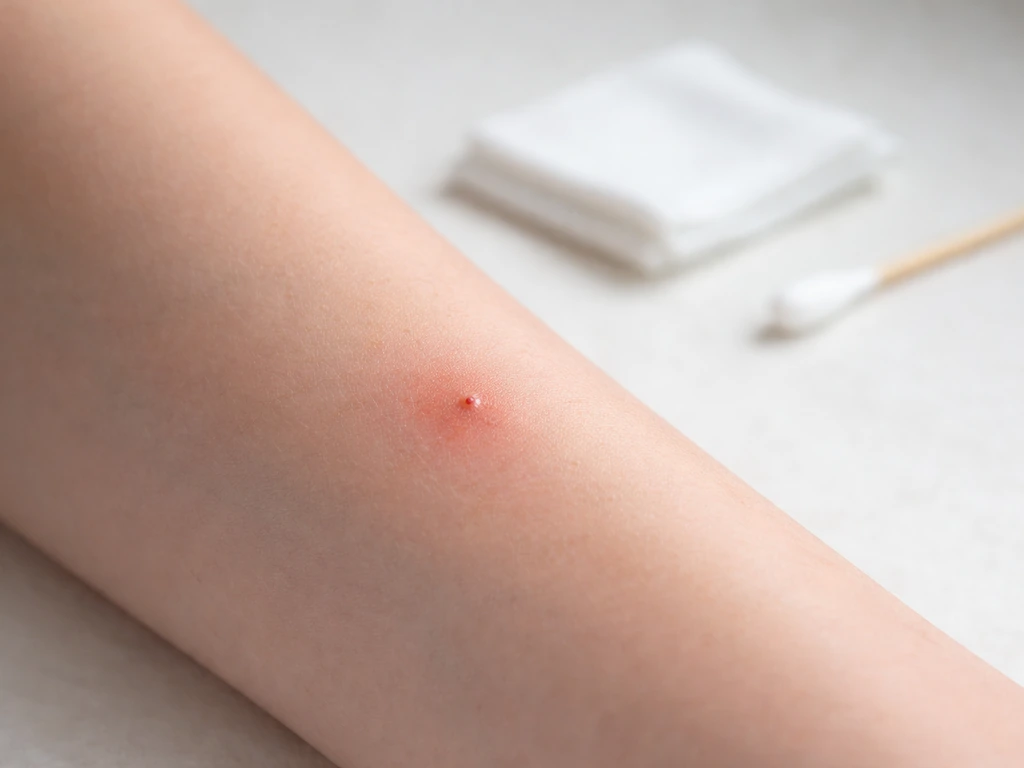
For most people, a bite from a New World tarantula like the goliath birdeater produces pain similar to a bee sting, some redness, and swelling around the bite site. These symptoms typically last several hours and resolve on their own. The CDC Yellow Book puts it plainly: tarantula venom typically does not cause serious illness.
Old World tarantulas are a different conversation. Research published in QJM documents cases where bites from species like Poecilotheria regalis and Pterinochilus murinus caused intense local pain and swelling plus episodic, agonizing, generalized muscle cramps. These are not the same mild sting experience. If you keep an Old World tarantula and get bitten, take it more seriously and monitor carefully.
Allergic reactions are the wild card for all tarantulas. Anaphylaxis to either a bite or urticating hair exposure has been reported, though it is rare. StatPearls confirms there are no recorded human deaths from tarantula venom toxicity, but an anaphylactic reaction is a medical emergency regardless of what caused it.
Watch for these symptoms and get medical help if they appear:
- Difficulty breathing, throat tightening, or swelling of the tongue or face (anaphylaxis, call emergency services immediately)
- Severe or worsening muscle cramps spreading beyond the bite site
- Symptoms that are intensifying rather than improving after a few hours
- Signs of infection at the bite site in the days after: increasing redness, warmth, pus, fever
- Any severe reaction in a child, elderly person, or someone with known allergies or immune conditions
What to do if you're bitten
If a bird-eating spider bites you, stay calm. The vast majority of bites are straightforward and manageable at home.
- Wash the bite area thoroughly with soap and water right away.
- Apply a cold pack wrapped in a cloth to reduce swelling and pain. Do not apply ice directly to skin.
- Take an over-the-counter pain reliever like ibuprofen or acetaminophen if needed for discomfort.
- If urticating hairs are involved (itching skin or eyes), rinse eyes with clean water and avoid rubbing. Antihistamines can help with skin itching.
- Monitor symptoms for the next few hours. For a New World species, mild pain and swelling should improve on their own.
- Call Poison Control (in the US: 1-800-222-1222) if you are unsure about severity or if symptoms are escalating.
- Go to urgent care or an emergency room if symptoms are severe, spreading, involve breathing difficulty, or do not improve.
There is no specific antivenom for tarantula bites in most countries, and for the vast majority of cases none is needed. Treatment is supportive: managing pain, treating allergic reactions if present, and watching for infection.
Staying safe if you find one at home
Finding a large tarantula indoors in a region where they are native (parts of South America, Africa, or Asia) is startling but manageable. The key rule: do not grab it with your bare hands. Even a relatively calm species will bite if it feels trapped or threatened.
- Keep your distance and stay calm. The spider is not going to chase you.
- Put on thick gloves if you have them, or use a tool. A large, sturdy container and a piece of cardboard can let you guide the spider in without direct contact.
- Slide the container over the spider slowly, then slip the cardboard underneath to seal it.
- Take it outside to a location away from the house and release it.
- If it has retreated into a wall, cabinet, or shoe, do not reach in blindly. Use a flashlight to check first.
For pet owners, the handling rules depend on the species. New World tarantulas like the goliath are generally slower-moving and more inclined to use urticating hairs as a first defense, so wearing gloves and avoiding handling stressed or freshly-molted spiders reduces your risk. Old World species are faster and bite more readily, so extra caution and minimal direct handling is the smart approach. Never handle any tarantula near your face.
To prevent wild tarantulas from entering your home, seal gaps around doors and foundation vents, remove piles of wood or debris near the house where they might shelter, and shake out shoes and clothing left on the floor in regions where large tarantulas live.
Myth-busting: can they kill people or 'swarm' birds and humans
Let's clear up the biggest misconceptions directly. Giant centipedes are a different kind of predator, and the “giant centipede vs bird” comparison comes up because people often assume they hunt birds or larger animals.
| The Claim | The Reality |
|---|---|
| Bird-eating spiders regularly kill and eat birds | The 'birdeater' name comes from an 18th-century illustration. These spiders occasionally catch birds but mostly eat insects, frogs, and small rodents. |
| A goliath birdeater can kill a human with its venom | No human death from tarantula venom toxicity has ever been recorded. Their venom is not medically significant for most healthy adults. |
| Bird-eating spiders will actively attack or chase humans | They are ambush hunters and defensive by nature. They do not pursue humans. Bites happen when people startle or grab them. |
| Urticating hairs are harmless | Urticating hairs can cause significant skin irritation and are especially dangerous near the eyes. Handle with care. |
| All tarantulas are equally mild | Old World tarantulas (Poecilotheria, Pterinochilus, etc.) have more potent venom and can cause muscle cramps in addition to local pain. They deserve more caution than New World species. |
| Bird-eating spiders can 'swarm' or attack in groups | Tarantulas are solitary animals. They do not form groups, swarm, or coordinate attacks on anything. |
The sensational image of a giant spider hunting birds and threatening people is largely a product of that old Merian illustration and decades of exaggerated storytelling. The actual animal is a slow-moving, reclusive predator that wants nothing to do with you. Questions like whether a goliath birdeater can kill a bird at all, or whether it poses any special risk to humans beyond a painful bite, are genuinely separate from the dramatic folklore around the name. In fact, they are not considered dangerous in the way many rumors suggest, so are goliath bird eaters dangerous whether it poses any special risk to humans.
The bottom line: treat bird-eating spiders with respect, avoid handling them without proper precautions, and know the symptoms that warrant medical attention. But fear of being hunted, killed, or attacked by one is not grounded in evidence. Questions like can a goliath bird eating spider kill humans should be answered with the bigger context of how rare bites and severe reactions actually are. No, there is no evidence that a bird-eating spider actually killed a person or famously “bird kill” someone bird kill gant. They are remarkable animals, and the risk they pose to an informed, careful person is genuinely low.
FAQ
What should I do right after a bird-eating tarantula bite?
Clean the bite promptly with soap and water, then apply a cold pack to limit swelling and use an oral antihistamine or pain relief only if you normally tolerate them. Avoid cutting the skin, applying electric shock, or using strong chemicals directly on the wound, since these can increase irritation or infection risk.
How do I handle urticating hairs if they get on my skin or eyes?
Urticating hairs are tiny and can cause itching even if you were not bitten. If hairs get on your skin, remove clothing, rinse the area with cool water, and consider gentle adhesive like tape removal for surface hairs. If they get into your eyes, flush with clean water or saline right away and seek urgent care.
When would a tarantula bite or hair exposure be considered an emergency?
If you have a known history of severe allergies (for example, prior anaphylaxis to stings) or you wheeze, have generalized hives, swelling of lips or tongue, dizziness, or trouble breathing, treat it as an emergency. Those symptoms warrant calling local emergency services immediately, even though most bites are mild.
Can tarantula bites cause infection?
Yes, but the risk is mainly indirect. Scratching irritation from the bite or embedding hairs can break the skin barrier, leading to cellulitis. Watch for spreading redness, warmth, pus, fever, or worsening pain after 24 to 48 hours, and get medical evaluation if those appear.
What’s the safest way to remove a tarantula from inside my home?
Do not rely on “moving it outside” as a safety plan if the spider is inside a bedroom or near a door you might need to open quickly. Use a container, slow movements, and tools like a lidded clear container or cup and stiff paper, or contact pest control if you cannot do it without getting close.
How can I tell if symptoms are from a bite versus urticating hairs?
A true bite is typically a localized, painful sting with swelling and redness. Urticating hair exposure often causes intense itching that can spread across areas where hairs landed, including under clothing. If itching is severe but there is no clear puncture, hairs are more likely than a bite.
Is there antivenom for bird-eating spider or tarantula bites?
In most regions, there is no practical antivenom, so treatment is supportive. That means monitoring symptoms, managing pain, and treating allergy responses. If you have a severe reaction history, it can be reasonable to carry your prescribed emergency allergy medication and follow your clinician’s plan.
What extra handling precautions matter most for pet tarantulas?
If you keep tarantulas, avoid handling right after molting, when the spider is more stressed and more likely to release hairs (New World species) or bite defensively (Old World species). Wear eye protection, use gloves appropriate for your species, and keep your face and hands away from the enclosure opening.
Are Old World versus New World tarantulas different in how risky they are to handle?
All tarantulas can flick hairs or bite when threatened, but Old World species generally bite more readily and New World species more often rely on urticating hairs first. If you do not know which type you have, treat it as higher-risk, minimize handling, and use the most conservative safety approach.
What information should I give a doctor after a tarantula incident?
Bring the spider or a photo for ID if it is safe to do so, and describe your symptoms and timing. For medical staff, mention whether you suspect urticating hairs exposure and whether you have any allergy history. Accurate identification helps clinicians decide how aggressive to be with monitoring.
Should I treat tarantula bites differently for kids or people with asthma/allergies?
If someone is a child, elderly, or has asthma or a history of severe allergies, be more cautious even if symptoms seem mild. The threshold for getting medical advice can be lower because breathing issues and allergic reactions can progress faster in higher-risk individuals.