
No, a Goliath birdeater spider cannot kill a human. There are zero recorded human deaths from a tarantula bite's venom in the medical literature. The Goliath birdeater (Theraphosa blondi) is the world's largest spider by mass, with a leg span up to about 30 cm and a body length around 13 cm, but its venom is not medically dangerous to a healthy adult. A bite is painful, similar to a bee sting, and can cause local swelling that clears up within a day or so. The real risk is actually its urticating hairs, which can seriously irritate your skin, eyes, and airways. Scary-looking, yes. Lethal, no.
Can a Goliath Bird-Eating Spider Kill Humans? Facts

Maya Chen
26 Apr 2026
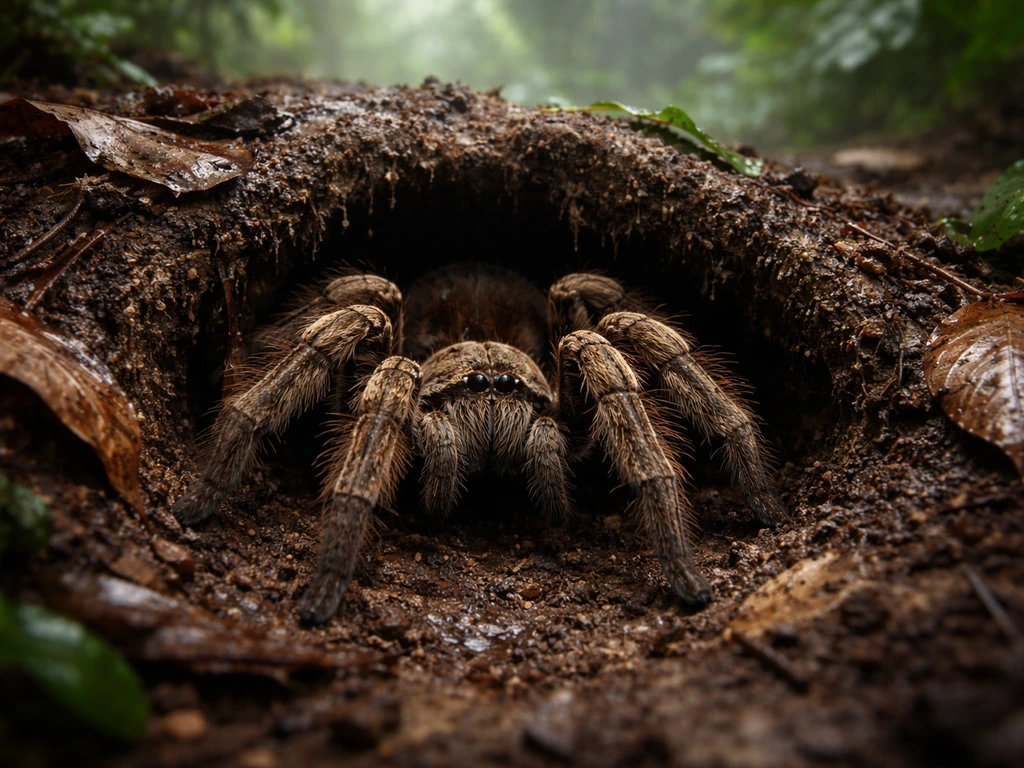
What a Goliath birdeater actually is and where the killer myth comes from
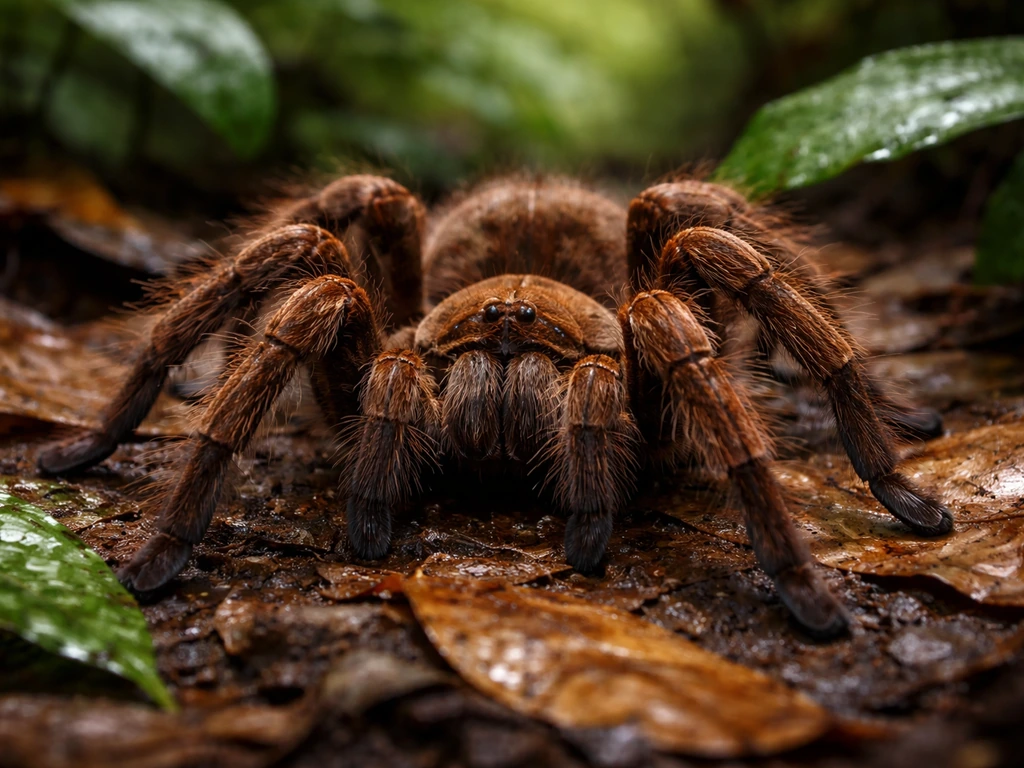
Theraphosa blondi is a theraphosid (tarantula family) native to the rainforests of northern South America, particularly Venezuela, Brazil, Guyana, and Suriname. The name 'birdeater' comes from an 18th-century engraving that showed one eating a hummingbird. In reality, birds are not a normal part of its diet. It mostly eats insects, worms, and the occasional small rodent or frog.
The myth that it can kill people comes almost entirely from its appearance. A 30 cm leg span and fang length of roughly 2 cm are genuinely unsettling if you encounter one unexpectedly. Add in the fact that it hisses (it rubs specialized hairs on its legs and pedipalps to produce a stridulating sound as a warning), and most people's instinct is to assume the worst. But size and venom toxicity have very little relationship in the spider world. The Goliath's venom is relatively mild compared with, say, a widow spider that is a fraction of the size.
Can it actually kill a human? What the evidence says
The clearest answer the medical literature gives is this: as of the most current toxicology references, there have been no reported human deaths caused by tarantula venom toxicity, including from Theraphosa blondi. StatPearls, a peer-reviewed clinical reference, states this explicitly. Medical reviews of bites by spiders of the Theraphosidae family consistently find that severe systemic effects are uncommon, and the documented cases show mostly local reactions.
For comparison, widow spiders (which are much smaller) carry neurotoxic venom that causes genuine systemic illness. Tarantula venom doesn't work that way. It causes local tissue effects at the bite site and does not produce widespread nerve paralysis in humans. A bite from a Goliath birdeater is painful and alarming, but it sits in a completely different risk category from spiders that are actually medically dangerous. Even when spiders eat other animals, the key question for humans is how dangerous the bite or hairs are, not what the spider usually eats dangerous to humans.
One important caveat: domestic animals, especially dogs, can have more severe outcomes from theraphosid bites than humans do. If your pet is bitten or exposed, get veterinary care promptly. The question of whether the Goliath birdeater can kill birds (and other small animals it encounters) is worth understanding separately, since the species dynamic is genuinely different from human risk. To answer whether a Goliath birdeater can actually kill birds, see the detailed explanation of its behavior and prey habits. Whether a Goliath birdeater can kill birds is a different question, because its behavior and prey choices are distinct from human-risk concerns.
How likely is a bite, and what happens if it does bite you
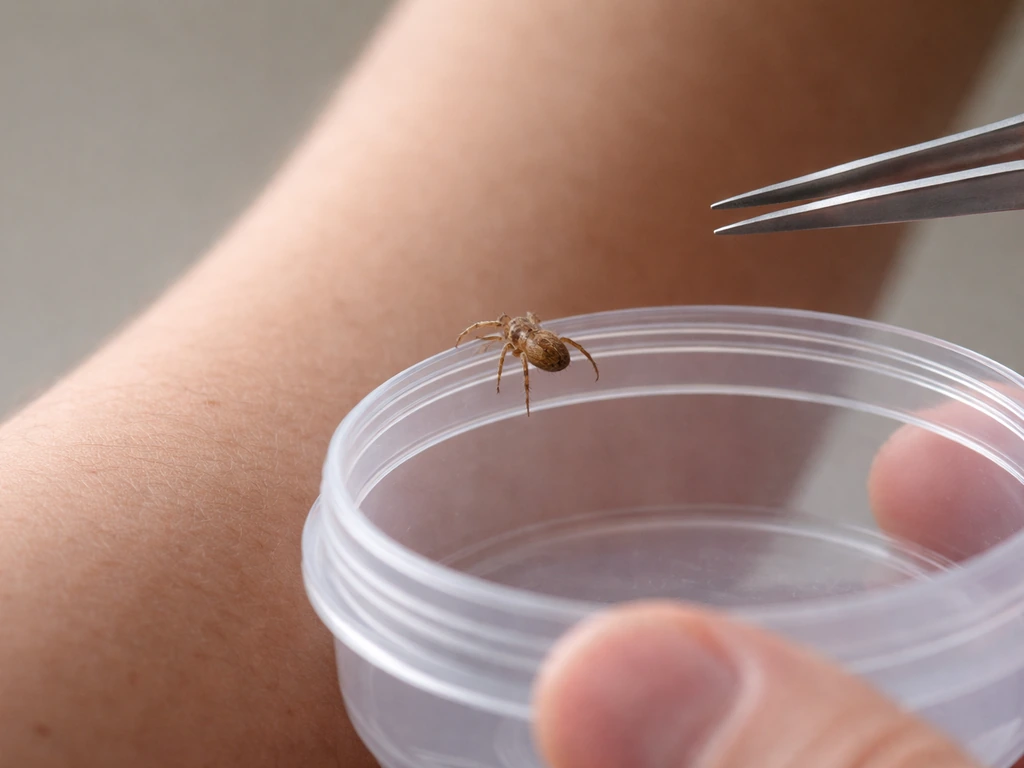
Bites are genuinely rare. Spiders don't hunt or attack humans. The vast majority of bites happen when a spider is accidentally trapped against skin, grabbed, or handled roughly. For a Goliath birdeater specifically, the much more common threat before a bite is the spider flicking urticating hairs from its abdomen. It does this when stressed, and those hairs can reach your skin, eyes, and respiratory tract without the spider ever making contact with its fangs.
If a bite does occur, here is what to realistically expect based on documented case reports and clinical reviews:
- Immediate pain at the bite site, often described as similar to a bee sting
- Bleeding at the puncture site, since the fangs are physically large enough to cause a real wound
- Swelling around the bite area, typically resolving within about 24 hours
- Possible itching that can last for days to weeks
- In rare cases, delayed muscle cramping or other systemic symptoms have been reported (documented in a case involving a Chilean rose tarantula), though this is not the usual outcome
- No dermonecrosis (tissue death) is typical of tarantula bites, unlike bites from recluse spiders
The urticating hair exposure is often more clinically significant than the bite itself. Contact with these type IV hairs (the kind Theraphosa blondi carries, considered especially irritating) causes itchy, inflamed skin rashes, and if hairs reach the eyes, they can cause a condition called ophthalmia nodosa, which is persistent eye inflammation that may need medical treatment. Inhaling hairs can cause respiratory irritation.
What the venom actually does and doesn't do
Goliath birdeater venom is delivered through its chelicerae and fangs via venom ducts. It contains compounds that cause local tissue effects: pain, mild swelling, and possible localized irritation. What it does not contain, in any quantity relevant to humans, is the kind of neurotoxin that causes systemic neuroparalysis or the necrotic enzymes that destroy tissue the way recluse spider venom can.
There is no specific lab test to confirm tarantula envenomation. Diagnosis is clinical, based on what happened, when, and what symptoms developed. Treatment is supportive: managing pain and swelling, watching for secondary infection, and monitoring for the uncommon case where systemic symptoms develop. Antibiotics are not routinely recommended for tarantula bites unless there are clear signs of infection.
The main practical takeaway: the venom will hurt, but it won't kill you, and it won't cause the kind of spreading tissue damage that makes some spider bites a genuine emergency.
When to get urgent medical help and what to do first
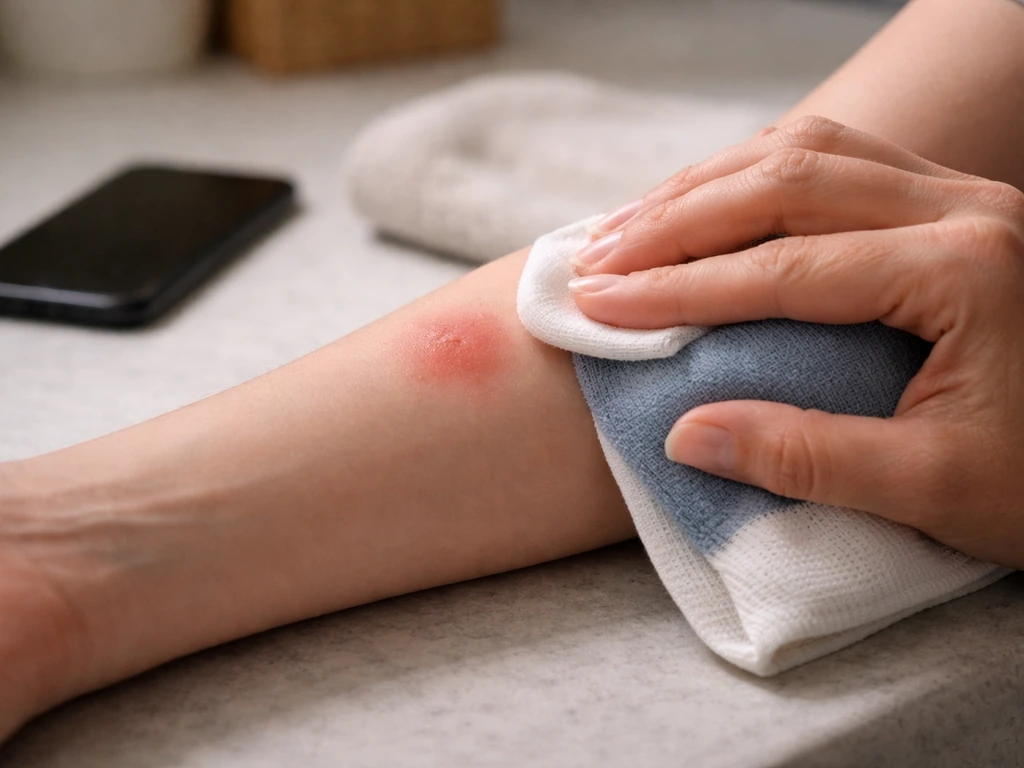
Even though a Goliath birdeater bite is not life-threatening for a healthy adult, you should still take it seriously. If you are worried about whether a Goliath birdeater can kill birds, that myth is based more on appearance than biology a Goliath birdeater bite is not life-threatening. Some people have allergic reactions to spider venom, and an allergic response (hives spreading beyond the bite, difficulty breathing, throat tightening) is a real emergency regardless of the species. Also, if symptoms are severe, worsening after 24 hours, or you have any doubt about what bit you, get checked out.
Call 911 immediately if you notice any of these:
- Difficulty breathing or swallowing
- Widespread hives or swelling beyond the bite site
- Rapid heartbeat or dizziness
- Severe muscle cramping or spasms spreading from the bite area
- Signs of anaphylaxis (throat tightening, confusion, fainting)
For a bite that does not trigger those warning signs, here is straightforward first aid:
- Wash the bite site thoroughly with mild soap and water. Do this immediately.
- Apply a cold compress or ice wrapped in cloth to reduce pain and swelling. Do not put ice directly on skin.
- If the bite is itchy, an over-the-counter antihistamine can help.
- Call Poison Help at 1-800-222-1222. Poison specialists will walk you through next steps based on your specific symptoms and timing. You don't have to go to an ER to get expert guidance.
- Take a photo of the spider if it is safe to do so. Note the time of the bite and where it happened. This information helps medical professionals assess your situation accurately.
- Monitor symptoms over the next 24 to 48 hours. Local swelling should decrease, not increase, over time.
If urticating hairs got on your skin, wash with warm water and antibacterial soap right away, and avoid touching your face or eyes until you have cleaned your hands thoroughly. If hairs got into your eyes, flush with clean water and seek medical attention, since eye involvement may need specialist care.
How to avoid being bitten at home and outdoors
In the wild, Goliath birdeaters live in humid rainforest burrows in South America, so unless you are working or traveling in those regions, an outdoor encounter is extremely unlikely. For people who keep one as a pet, or who work in exotic pet trade settings, the risk is real and manageable.
- Do not handle a Goliath birdeater unless you genuinely need to. Handling stresses the spider and dramatically increases bite and hair-flicking risk. A hungry or recently disturbed spider is especially likely to be defensive.
- If handling is necessary, wear close-fitting, thick gloves and keep the spider close to a surface rather than high up, so a fall doesn't injure the spider or put you at arm's length with a stressed animal.
- Always wear eye protection when working near the enclosure. Urticating hairs can travel through the air.
- Keep the enclosure securely locked. A loose Goliath birdeater in a home is a hazard for pets and for people who don't know it is there.
- If you find one unexpectedly in an outdoor setting in its native range, step back. It will not chase you. Give it a clear path to retreat.
- Shake out shoes, gloves, and clothing before putting them on if you are in a region where they are native.
Found one? Here's what to do next
If you have found a Goliath birdeater in your home (most likely a escaped pet or an imported one), resist the urge to grab it bare-handed or sweep it with a broom. Surprising or cornering it is exactly what causes defensive biting and hair-flicking.
The safest approach for removal is containment, not direct handling. Place a large container (a bucket or a deep plastic bin) over the spider, then carefully slide a firm piece of cardboard under it so the spider is trapped inside. Keep the container level and transfer it to a secure, ventilated box. Wear eye protection and gloves during this entire process in case hairs are flicked.
If you are not comfortable doing this, do not improvise. Contact a local exotic pet store, a wildlife removal service, or a herpetology or invertebrate group in your area. These animals are often escaped or rehomed pets, and someone with experience can handle the situation without putting you or the spider at unnecessary risk.
If the spider bit someone during the encounter, follow the first-aid steps above and call 1-800-222-1222 right away. Try to keep the spider contained so it can be identified, but don't delay getting help to try to capture it.
Goliath birdeater vs. other dangerous spiders: a quick comparison
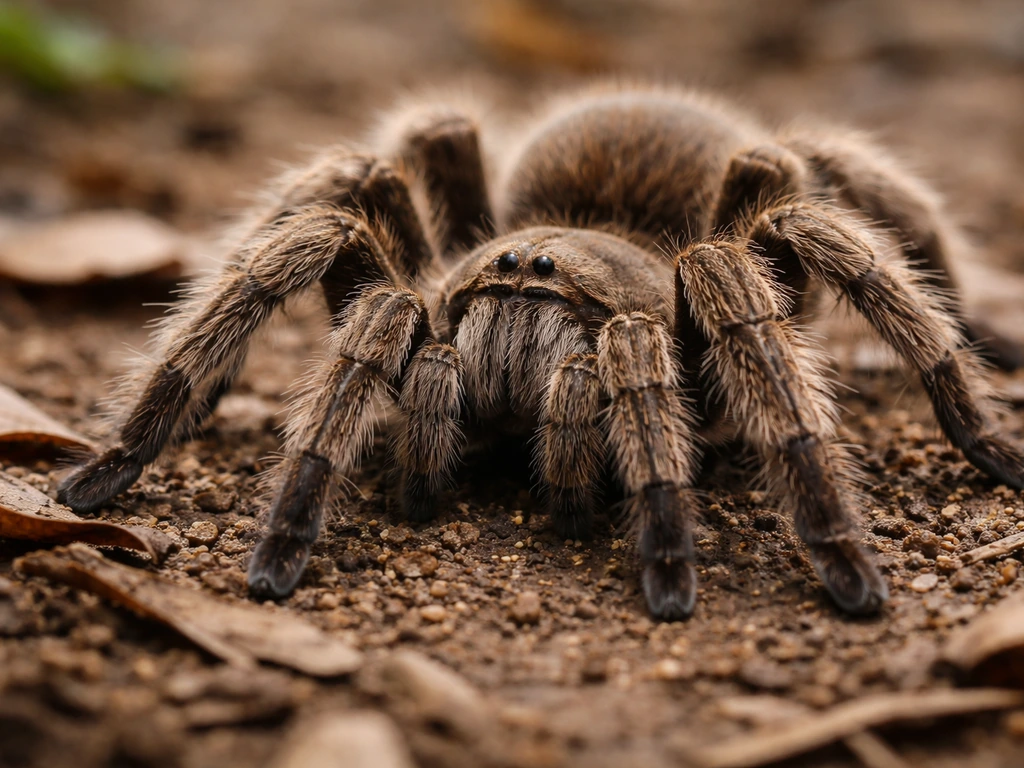
| Spider | Venom type | Risk to humans | Deaths recorded |
|---|---|---|---|
| Goliath birdeater (Theraphosa blondi) | Local tissue effects, mild | Low: pain and swelling, rare systemic symptoms | None from venom toxicity |
| Black widow (Latrodectus species) | Neurotoxic (latrotoxin) | Moderate: systemic illness, muscle cramping | Rare but documented in vulnerable individuals |
| Brown recluse (Loxosceles reclusa) | Necrotic (sphingomyelinase D) | Moderate: tissue necrosis at bite site, rarely systemic | Very rare, mostly children or vulnerable individuals |
| Sydney funnel-web (Atrax robustus) | Neurotoxic (atracotoxin) | High: systemic illness, historically fatal before antivenom | Deaths recorded before antivenom development |
The table makes it clear that the Goliath birdeater's danger is more about its urticating hairs and the size of its mechanical bite wound than its actual venom chemistry. Britannica also describes Theraphosa blondi as the largest arachnid by mass, with about a 12 cm body length and around a 28 cm leg span size of its urticating hairs and the size of its mechanical bite wound. Spiders that are genuinely lethal to humans tend to be much smaller and carry neurologically or necrotically active venom, not just locally painful compounds. If you are comparing other animal hazards too, see giant centipede vs bird for how different predators stack up against a human safety baseline.
The bottom line is a reassuring one: a Goliath birdeater will not kill you. It can hurt you, it can cause a serious allergic reaction in rare cases, and its hairs can cause real irritation to skin and especially eyes. Treat an encounter with calm and sensible precautions, follow first-aid steps if you are bitten, call Poison Help, and get emergency care only if you develop systemic or allergic symptoms. For most people, a bite resolves in about a day.
FAQ
Can a Goliath bird-eating spider bite be fatal if the person is healthy but small (a child)?
Fatality from the venom is not documented for healthy people, but children can still have higher risk for severe irritation because they have less body mass. The more immediate concerns are urticating hairs getting into eyes, or an allergic-type reaction (difficulty breathing, widespread hives), which should be treated as an emergency regardless of age.
What symptoms mean the problem is urticating hairs rather than venom?
Urticating hair problems usually show up as intense itch and a rash or burning where hairs landed, possible eye inflammation (red, painful eyes, tearing), or respiratory irritation if hairs were inhaled. Venom-related symptoms are more focused on the bite spot, with localized pain and mild swelling rather than whole-body neuro symptoms.
Do I need a tetanus shot after a Goliath birdeater bite?
It is reasonable to check tetanus status, especially if the skin was broken or the bite caused an open wound. Tarantula bites are not known for specific dangerous pathogens, but tetanus prevention is based on whether your last booster is up to date, not on the spider species.
Is there any way to identify or confirm that a tarantula bite happened?
There is no lab test that reliably confirms tarantula envenomation, diagnosis is clinical. If possible, note the timing, symptoms, and whether you saw hair flicking or retained hairs on clothing. If the spider can be safely contained for identification, that helps, but it should not delay care.
Should I take antihistamines or use steroid cream if I get a reaction?
For mild skin irritation, an OTC oral antihistamine may help itch, and soothing topical options can reduce discomfort, but do not delay medical evaluation if symptoms involve eyes or breathing. If you have eye exposure, follow-up care is often needed, and severe symptoms require urgent evaluation.
If the spider flicks hairs but it never bit me, do I still need medical care?
You may, depending on exposure. Skin-only irritation often improves with washing and symptom care, but eye exposure (even if you think you “got lucky”) can require medical treatment for persistent inflammation. Inhaling hairs can also cause respiratory irritation, so worsening cough, wheeze, or shortness of breath should be assessed promptly.
Are people with asthma or allergies at higher risk from urticating hairs?
Yes. People with asthma, hay fever, or prior severe allergic reactions may experience more intense respiratory irritation from inhaled hairs. If breathing symptoms occur, treat it as an emergency even if the bite itself seemed minor.
What should I do if I get hairs in my eyes but I’m hesitant to seek care?
Flush with clean water immediately and seek medical attention, because eye inflammation from tarantula hairs can become persistent. If symptoms like pain, light sensitivity, redness that is not improving, or blurry vision develop, urgent eye evaluation is important.
Should antibiotics be taken after a tarantula bite to prevent infection?
Routine antibiotics are not recommended unless there are signs of infection. Watch for increasing redness spreading beyond the bite area, worsening swelling, pus, fever, or red streaking, and get evaluated if those appear or symptoms are getting worse after the first day.
How long should symptoms last, and when does it become concerning?
For many people, pain and localized swelling resolve within about a day, and irritation from hairs improves over days. Seek medical care if symptoms worsen after 24 hours, if you develop systemic signs like widespread hives, vomiting, weakness, or breathing issues, or if you are unsure what caused the reaction.
Can a Goliath birdeater kill birds or other small animals?
This is a separate question from human risk. The species may prey on small animals in some circumstances, but the presence of “birdeater” in the name does not mean it routinely targets birds, and small-animal outcomes depend on the animal size and exposure details rather than a venom that is medically dangerous to humans.
Next Articles
Are Bird Eating Spiders Dangerous to Humans? Facts and Safety
Learn if bird-eating spiders pose real danger to humans, typical bite risks, symptoms, and what to do safely.
Did a Bird Kill Gant? How to Identify Likely Causes
Learn if a bird incident harmed Gant by checking poisoning, disease, and injuries, then gather evidence and prevent repe
Can a Goliath Birdeater Kill a Bird? Real Risks and Facts
Can a goliath birdeater kill or eat a bird? Realistic risks, prey limits, and bird-safe steps for homes and enclosures.