
Eagles aren't really "afraid" of specific birds the way the question implies. What they do is constantly assess risk, competition, and threat level, and they adjust their behavior accordingly. In practice, no single bird species reliably frightens an eagle into fleeing. But certain birds do harass them, compete with them for food, and in the case of eaglets, even kill them. The real answer is more nuanced and more useful than a simple "eagles fear crows" type of claim.
What Bird Are Eagles Afraid Of? Real Threats Explained

Maya Chen
7 May 2026
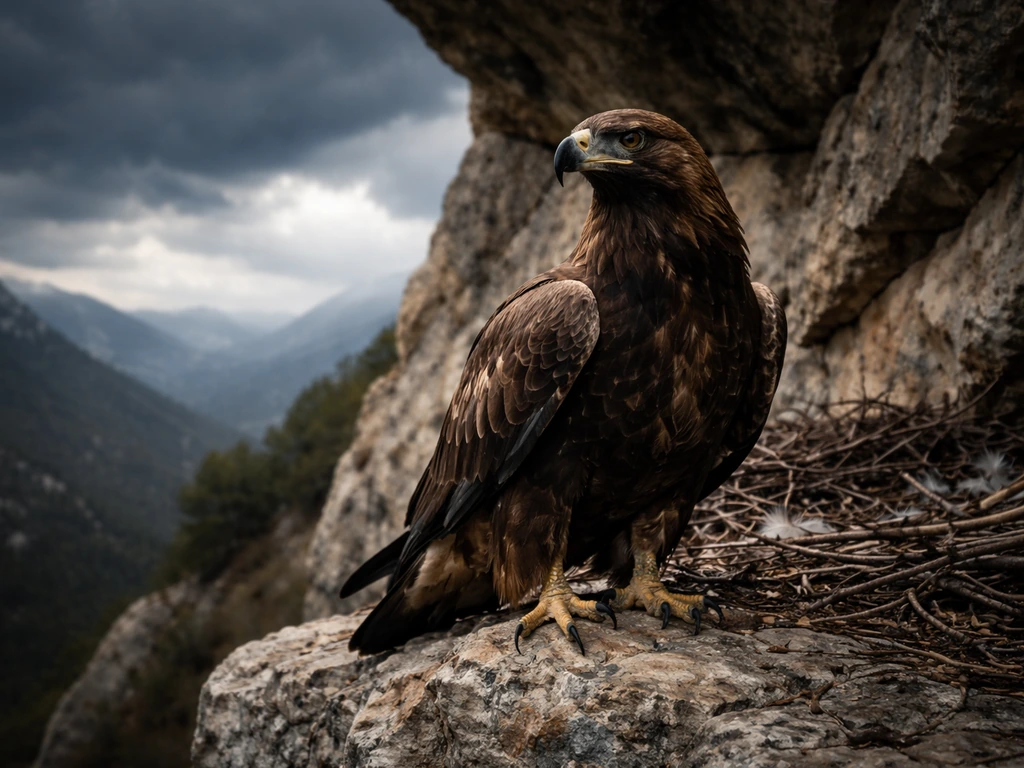
Myth vs. reality: Are eagles actually afraid of specific birds?
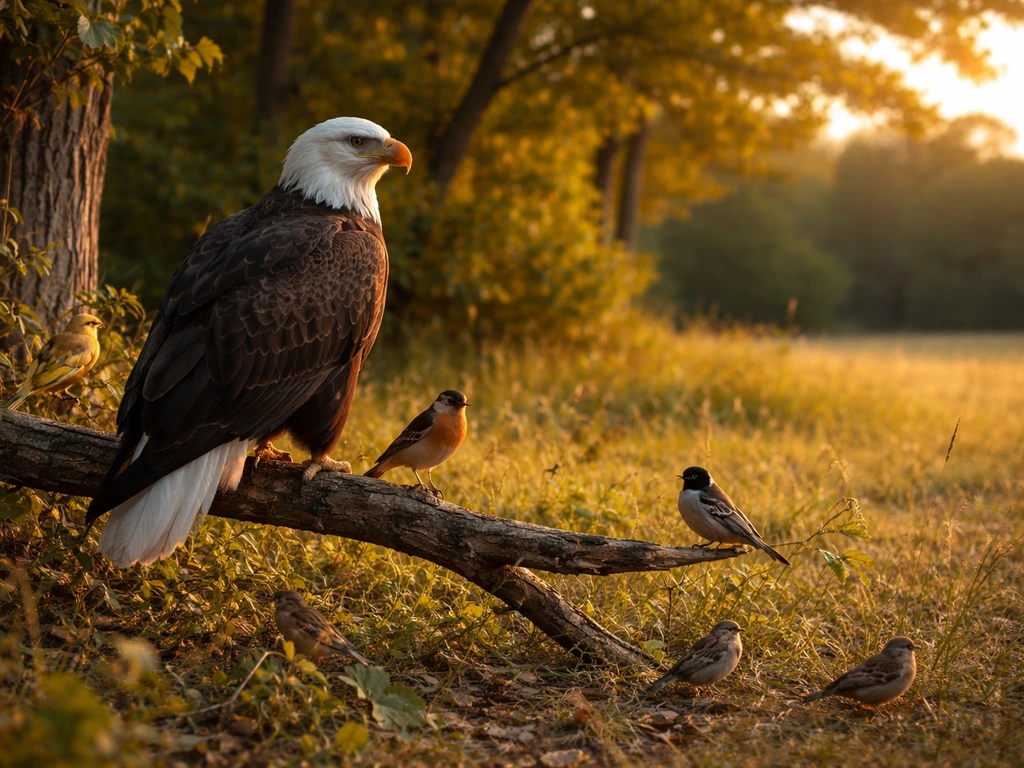
The short version: no wildlife agency, ornithology reference, or peer-reviewed study describes eagles as being afraid of a particular bird species. The U.S. Fish and Wildlife Service frames eagle disturbance around human activities near nesting and foraging areas, not around bird-to-bird fear dynamics. HawkWatch International and Birds of the World both describe interspecific interactions between eagles and other species as behavioral responses to territory, competition, or perceived threat, not fear in the emotional sense.
The "eagles are afraid of X" framing tends to come from observing mobbing behavior. When a crow dive-bombs a bald eagle, it looks dramatic, and the eagle often leaves. But the eagle isn't fleeing in panic. It's doing a cost-benefit calculation: is this territory worth the energy and injury risk it would take to fight off a persistent mob? Often, it just isn't. That's pragmatism, not fear.
Real threats to eagles: adults versus eaglets
Life stage matters enormously here. The All About Birds life history account for the Golden Eagle provides general nesting and life history background that helps contextualize why life stage changes affect risk blank" rel="noopener noreferrer">Life stage matters enormously here. A healthy adult bald or golden eagle has very few natural predators. An eaglet in the nest is a completely different story, and the threats at that stage come from a surprising range of sources.
Threats to adult eagles
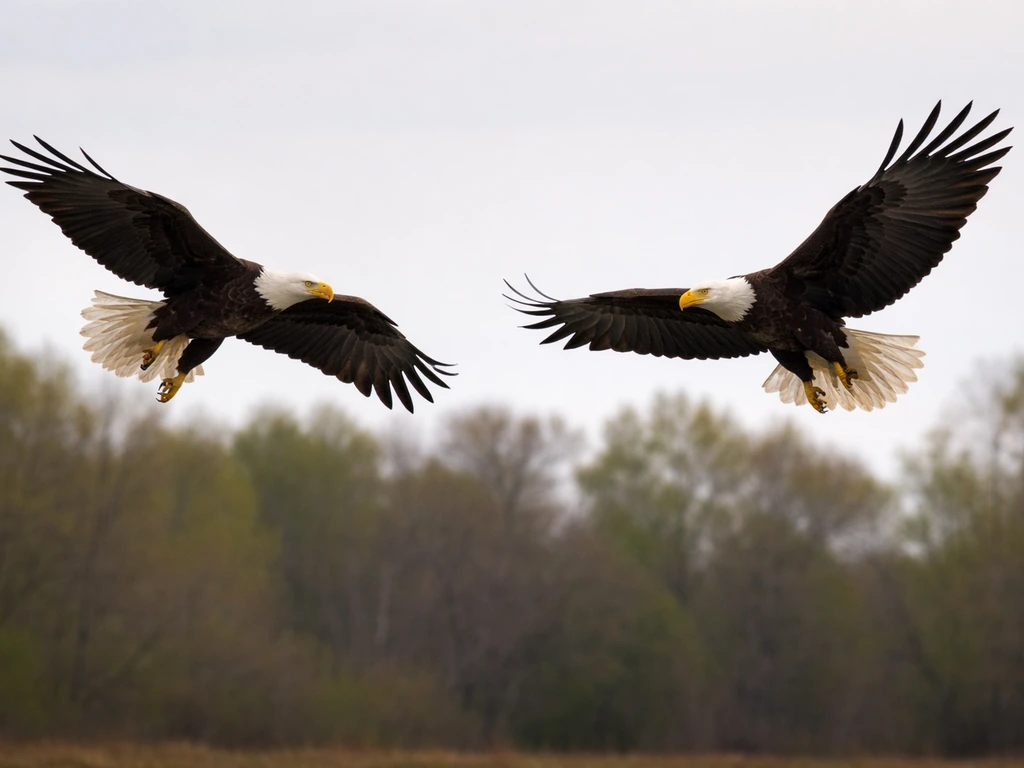
For a full-grown eagle, the realistic threats from other birds are limited to injury during territorial disputes or sustained harassment. Another eagle of the same or a competing species is arguably the biggest avian threat to an adult, especially during nesting season when territory is contested. Larger owls, particularly Great Horned Owls, have been documented in direct conflicts with golden eagles over nest sites. But these are contests over resources, not predation of the adult eagle itself.
Threats to eaglets and juveniles
Eaglets are genuinely vulnerable, and the threats are broader than most people realize. Great Horned Owls and Common Ravens are specifically documented at Denali as predators that golden eagles actively defend occupied nests against. Ravens are persistent nest raiders and will take eggs or young if adults are absent or distracted. Beyond birds, a peer-reviewed study found that ectoparasites (mites, lice, and similar pests) significantly lower golden eagle nestling survival, which is a reminder that the biggest threats to young eagles aren't always dramatic bird-on-bird attacks.
Birds that harass and mob eagles (and how eagles respond)
Mobbing is the most commonly observed interaction between smaller birds and eagles, and it's well-documented in the scientific literature. American Crows mob Bald Eagles more aggressively and more often than they mob Ospreys, according to research published in the Wilson Journal of Ornithology. Crows treat eagles as high-priority targets precisely because eagles pose a real predation threat to crow nests and fledglings. Red-winged Blackbirds, Blue Jays, and various other passerines will also join in when an eagle flies over their nesting territory.
Eagles generally respond to mobbing in one of a few ways: they ignore it and continue hunting, they perform evasive flight maneuvers, or they simply move on. Research on cooperative mobbing of Bald Eagles shows that when multiple birds mob together, the eagle is more likely to leave the area. But this is avoidance of persistent harassment, not submission to a feared enemy. The eagle will often return once the mob disperses.
It's also worth noting that eagles can be the mobbersthemselves. Golden eagles aggressively defend occupied nests and will drive away intruders including ravens, owls, and other raptors. The interaction goes both ways depending on who owns the territory in question.
Competition at food sources: who steals from whom
Kleptoparasitism, which is the stealing of food from another animal, is a real and documented part of eagle ecology. Bald Eagles are known to steal fish from Ospreys. But eagles also get stolen from. At winter carrion sites in northern Arizona, research found that Bald Eagles, Common Ravens, and coyotes all fed from the same ungulate carcasses, with ravens often arriving first and eagles displacing them, but also ravens harassing eagles away from choice pieces.
This kind of scavenging competition isn't about fear in either direction. It's about opportunity, timing, and numbers. A lone eagle can dominate a carcass. An eagle surrounded by thirty ravens may find it more efficient to wait or move on. Golden Eagles have even been documented attacking and consuming wolf pups, which illustrates that the danger calculus for eagles is highly context-dependent and not fixed around any particular species.
What this means for bird feeders, pets, and your backyard
If you have a bird feeder, a small pet, or backyard chickens, an eagle in the area is worth paying attention to, but it doesn't require panic. Bald Eagles primarily target fish and waterfowl. Golden Eagles are more likely to take small to medium-sized mammals. Small pets left unattended outdoors are at some risk, particularly in areas where eagle populations are dense or food is scarce.
Bird feeders themselves won't attract eagles directly, but they can attract the songbirds and small mammals that eagles do hunt. If you have a feeder and notice an eagle repeatedly patrolling your yard, temporarily taking the feeder down for a week or two will reduce the prey concentration that's drawing the eagle in.
- Supervise small pets (under 20 lbs) when outdoors if eagles are active in your area.
- Cover chicken runs with hardware cloth or netting, not just fencing on the sides.
- Don't assume an eagle will be deterred by your presence alone; they habituate to people over time.
- Avoid placing bird baths or feeders in open areas where eagles have a clear strike path from above.
- If you find dead birds near your property, remove them promptly to avoid attracting scavengers including eagles.
How to react safely if you see an eagle nearby
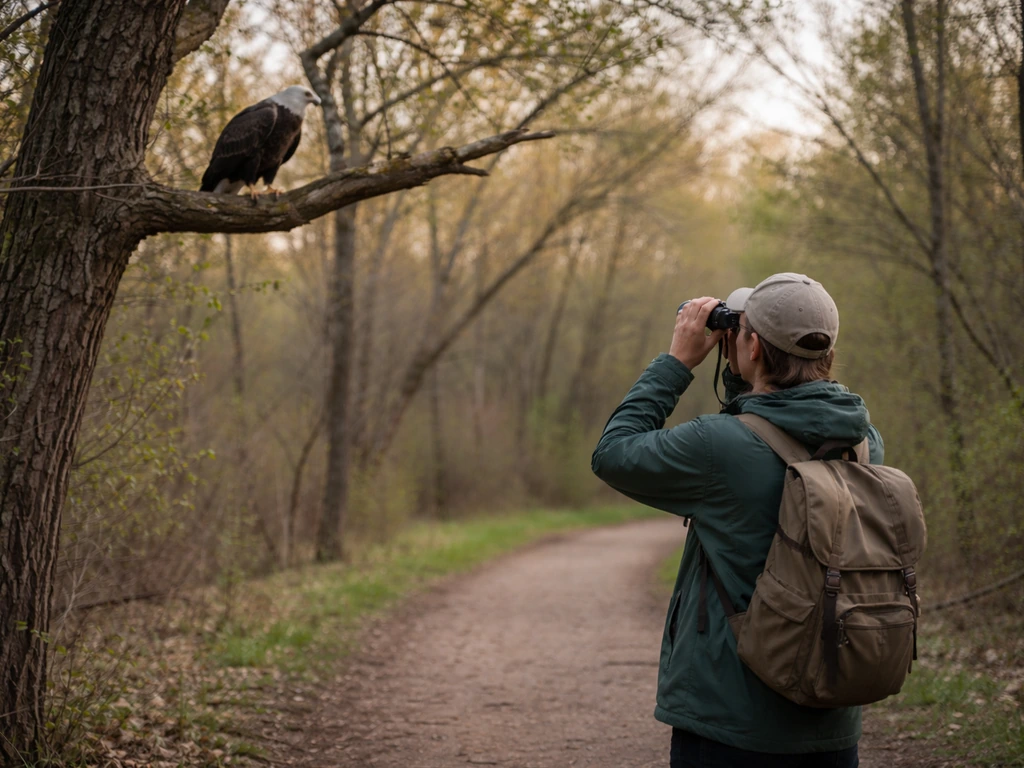
The most important thing is to keep your distance and avoid approaching the eagle, especially during nesting season. The USFWS National Bald Eagle Management Guidelines recommend specific buffer distances around active nests during breeding season. For most people, staying at least 330 feet (100 meters) from a nest is a reasonable baseline. Getting closer risks causing the adults to abandon the nest temporarily, which can be fatal for eggs or young chicks.
- Observe from a distance. Binoculars or a spotting scope let you watch without disturbing the bird.
- Do not attempt to chase, haze, or relocate an eagle yourself. Under the Bald and Golden Eagle Protection Act, disturbing an eagle in ways that injure it or interfere with its breeding is a federal offense.
- If the eagle is in your yard and you're concerned about pets or poultry, bring animals inside temporarily and wait for the eagle to move on.
- Don't try to feed an eagle to attract it closer. Habituating wild raptors to humans creates long-term problems for the bird.
- If children or pets are outside, supervise them directly rather than relying on deterrents.
When to call a wildlife professional (and myths to stop believing)
Call a licensed wildlife rehabilitator or your state wildlife agency if you find an eagle that is visibly injured, grounded and unable to fly, or clearly sick. The Wisconsin DNR, Florida FWC, and American Eagle Foundation all give the same advice: don't attempt to handle the bird yourself. Eagles have powerful talons and beaks, and even an injured eagle can cause serious injury. Both bald and golden eagles are federally protected, and handling them without a permit is illegal regardless of your intentions.
If you see a dead eagle, report it to your state wildlife agency or the USFWS. Dead eagles are subject to collection and study under federal law, and the carcass cannot legally be kept or sold.
Now for the misconceptions worth dropping. First, eagles are not reliably scared off by crows, owls, or any other bird permanently. Mobbing may cause a temporary departure, but the eagle will return if the area offers good hunting. Second, the idea that you can protect your property by introducing or attracting a particular "eagle-repelling" bird species is not supported by any wildlife science. Third, eagles are not indiscriminate predators that will attack humans or large animals. Documented attacks on people are extremely rare and almost always tied to nest defense at very close range.
| Species | Type of Interaction with Eagles | Real Threat Level to Adult Eagle | Real Threat Level to Eaglets/Nests |
|---|---|---|---|
| American Crow | Mobbing, harassment, territorial defense | Low (annoyance, temporary displacement) | Low to moderate (egg/chick predation possible) |
| Common Raven | Nest raiding, scavenging competition | Low | Moderate (documented nest predation) |
| Great Horned Owl | Nest site competition, direct nest defense conflicts | Low to moderate (injury risk in contest) | High (documented predation of eaglets) |
| Other Eagles (same/competing species) | Territorial displacement, direct combat | Moderate (injury risk, territory loss) | Moderate to high (intraguild predation) |
| Red-winged Blackbird / Blue Jay | Seasonal mobbing near nests | Very low | Very low |
| Osprey | Food competition, occasional displacement | Very low | Very low |
If you're interested in the broader picture of how birds prey on or compete with each other, these eagle interactions fit into a much wider pattern of raptor behavior. In the same way that eagles deal with mobbing and competition, you can also look at which other birds pose direct risks to snakes which bird kills snake.
The question of what bird can actually kill an eagle, which birds are preyed upon by other raptors, and how territorial competition plays out across species are all part of the same ecosystem dynamic. In that broader raptor context, you might also be wondering which bird can kill a lion. In that same raptor-in-ecosystem context, you might also be wondering what bird can kill pigeons what bird kills pigeons.
If you're wondering, "what bird kills seagulls," that's the same kind of ecosystem question about predators, prey, and competition. For a closely related example of raptor hunting behavior, some birds even drop prey to kill it outright what bird can actually kill an eagle. If you are specifically wondering what bird can kill an eagle, the key is that adult eagles have few natural bird predators, while nestlings and juveniles can be taken by larger birds like owls.
Understanding eagle behavior in this fuller context makes it much easier to respond sensibly when you encounter one.
FAQ
If crows mob an eagle, will that always drive the eagle away for good?
No. Eagles are not reliably scared off by any single bird species, including crows or owls. At most, mobbing often triggers a short-term cost-benefit retreat, and eagles can return after the birds disperse or hunting conditions look favorable.
What bird-to-bird threat matters most to adult eagles?
For an adult eagle, the most direct bird-to-bird risk is usually injury during sustained harassment or territorial disputes, not constant predation pressure from one “enemy species.” The bigger avian danger for the adult is often another raptor (including another eagle) competing over the same nesting or hunting area.
Why does the “threat from other birds” seem more intense during nesting season?
Nest defense changes the picture. Near active nests, adults may aggressively harass or repel intruders, and that can lead to conflicts with larger birds like owls or ravens. Disturbance, even without contact, can also cause temporary nest abandonment.
What should I do if I see an eagle repeatedly hunting near my feeder?
If an eagle is patrolling a yard repeatedly, it is usually responding to reliable food availability, like fish in nearby waters, waterfowl activity, or small-mammal and bird concentrations around feeders. Removing or temporarily reducing the feeder can lower the prey stream that brings the eagle in.
Can I protect my backyard by attracting a specific bird that scares eagles?
Do not assume a “scary-looking” bird will protect you. There is no supported method to introduce a particular bird species as an “eagle repellent,” because eagle presence depends on habitat and prey, and mobbing patterns do not function like reliable deterrents.
If an eagle flies off during mobbing, does that mean it will not return?
Yes, but in a different way than people expect. If an eagle is mobbed and leaves, that does not mean the area is safe for chicks or eggs, or that the eagle will never come back. It is more accurate to treat it as temporary avoidance of harassment.
How much risk is there for small pets or backyard chickens?
Leave pets indoors at peak risk times, especially mornings and evenings when eagles are actively hunting, and never leave small pets unattended outdoors. If you keep outdoor enclosures, ensure they are fully enclosed with secure roofs and escape-proof latches, because eagles can exploit open yard access.
What should I do if an eagle seems injured or sick but won’t fly away?
If you need to act, focus on safety and legal compliance. Keep your distance from the nest area, do not approach or try to scare the bird away, and contact a licensed wildlife rehabilitator or your state wildlife agency if the eagle is grounded, visibly injured, or behaving sickly.
What should I do if I find a dead eagle?
Do not handle a dead eagle or try to keep it. Eagles are federally protected, and carcasses can be collected for study, so reporting to the appropriate state agency or the appropriate federal channel is the correct move.
Next Articles
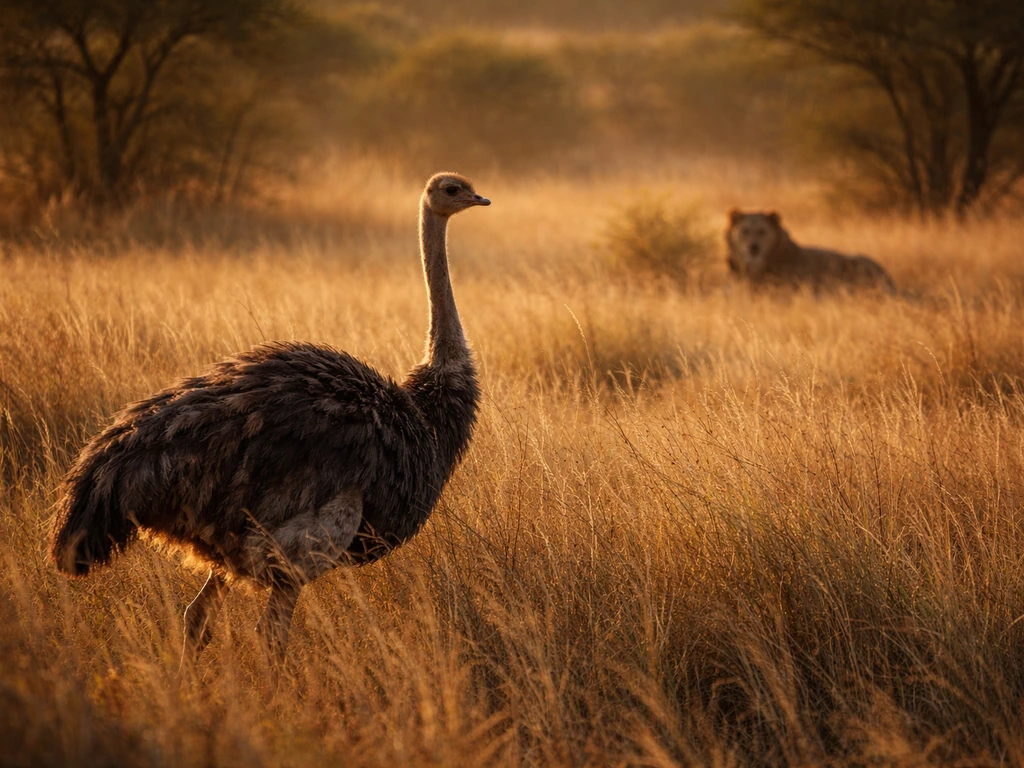
Which Bird Can Kill a Lion? Myth vs Real Science
No bird can truly kill a lion. Learn the myth origin, real bird harms like disease and parasites, and safety tips.
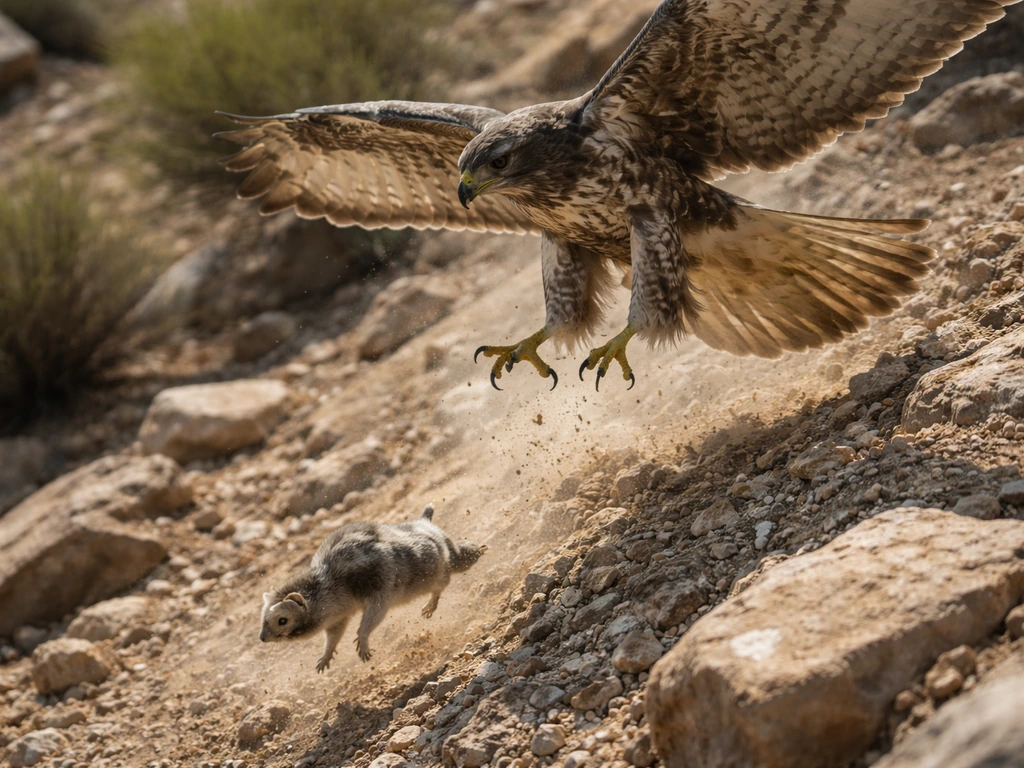
What Bird Drops Its Prey to Kill It: Identification and Safety
Learn which birds drop prey to kill and how to identify species from remains, plus safe steps around carcasses.
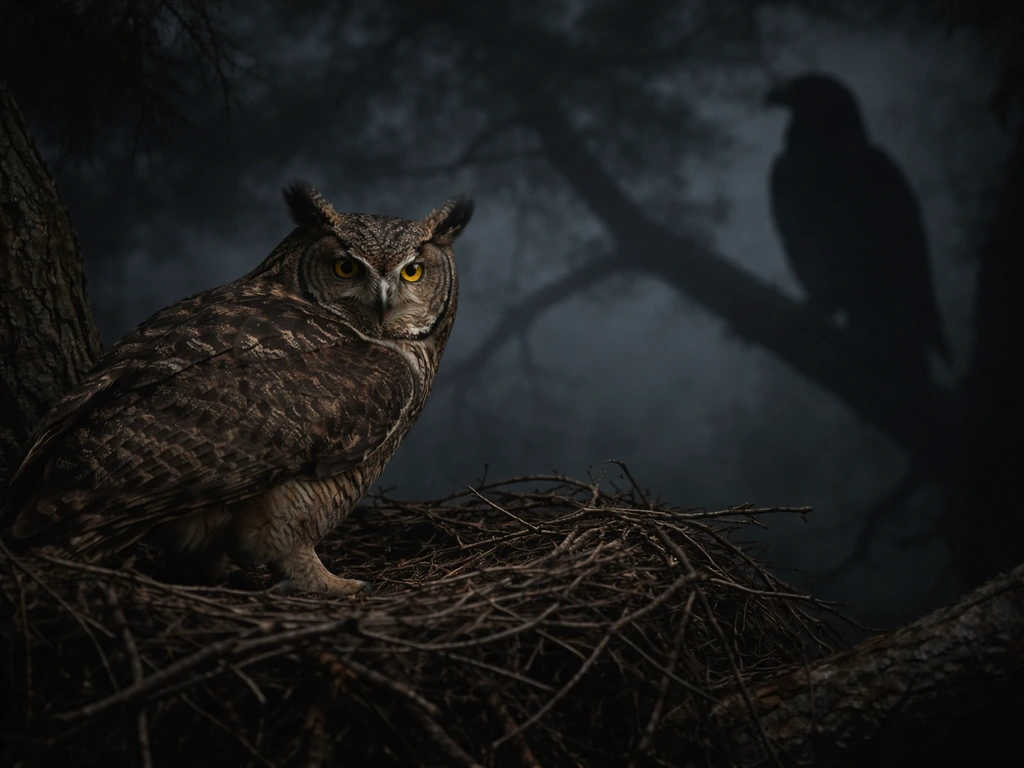
What Bird Can Kill an Eagle or Bald Eagle? Real Predators
Find which birds can kill eagles or bald eagles, when attacks happen, and how to assess real risk vs myths.