
No bird routinely kills a healthy adult lion. The closest thing to a real answer is the ostrich: it can deliver a forward kick powerful enough to kill a lion under the right circumstances, and that's a documented biological fact, not pure myth. Many people also mean what animal destroys bird nests, which is often a predator like a raccoon, snake, or fox depending on where you live. But in practice, lions are apex predators that typically avoid confrontations they don't control, so a lion actually dying from a bird is an extreme edge case, not something that happens regularly in the wild. The claim sounds wild because it mostly is, but there's just enough truth underneath it to keep spreading.
Which Bird Can Kill a Lion? Myth vs Real Science

Maya Chen
7 May 2026
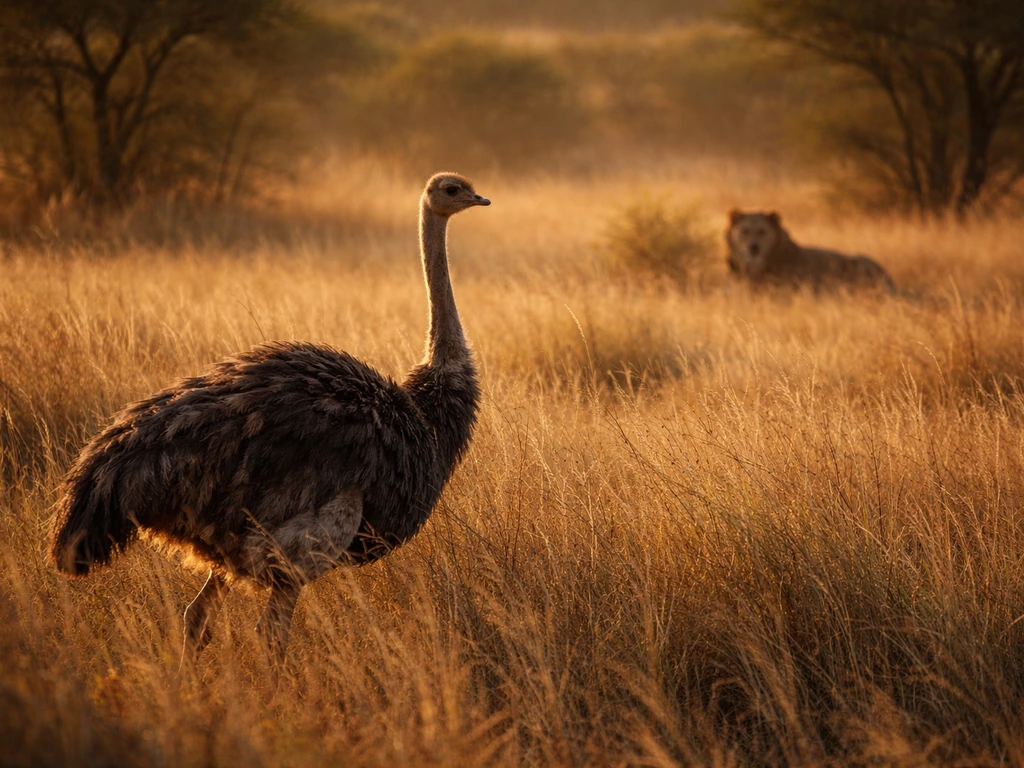
Why the 'bird that can kill a lion' idea spreads
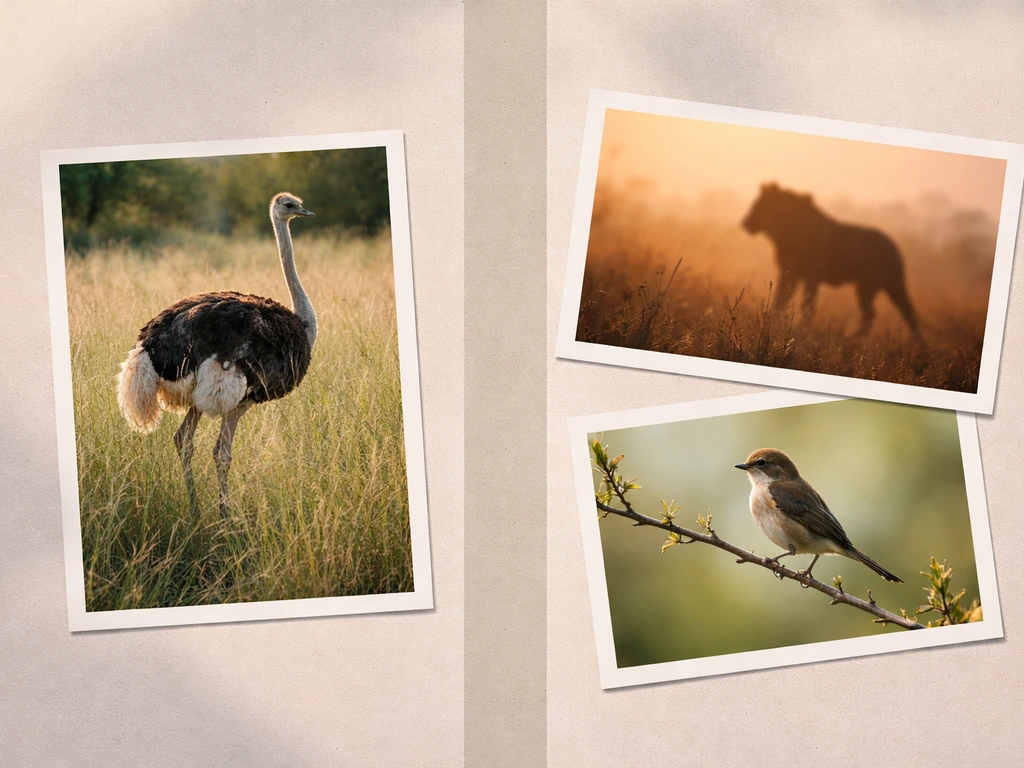
Claims like this travel because they mix a kernel of real science with dramatic framing. The ostrich kick story is the most common version. Britannica's One Good Fact feature specifically addresses it, noting that an ostrich can indeed kick hard enough to kill a lion, which sounds outrageous but isn't fabricated. Once a claim like that gets attached to a meme, a wildlife documentary clip, or a social media post, the nuance disappears and the headline becomes 'this bird kills lions' full stop.
Viral wildlife content also has a habit of collapsing probability into possibility. Yes, a bird could kill a lion under specific conditions. No, that doesn't mean it happens often or that the bird is a lion predator in any meaningful ecological sense. The gap between 'capable of' and 'does' is where most of the myth lives.
Reality check: what birds can and can't do to large mammals
Birds evolved for flight, which shapes everything about their body plan, including how much force they can deliver. Most birds simply don't have the mass or ground-contact mechanics to injure a 400-pound lion. Even large raptors like golden eagles, which hunt prey up to the size of deer using speed and sharp talons, are working with prey many times smaller than an adult lion. So, what bird are eagles afraid of, in the real world? It depends on what “afraid” means, but eagles can avoid or be deterred by larger, more dominant raptors. The physics don't scale.
Ratites (ostriches, emus, cassowaries) are the exception because they gave up flight and redirected that evolutionary energy into legs. An adult ostrich can reach 9 feet tall and weigh over 300 pounds. Its kick generates enough force to kill a lion or a human. The kick goes forward, not backward like a horse, so it's a direct striking weapon. That said, lions are not passive targets, and a healthy pride lion will typically avoid a full-grown ostrich's strike zone.
The specific birds people commonly mean (and what they actually do)
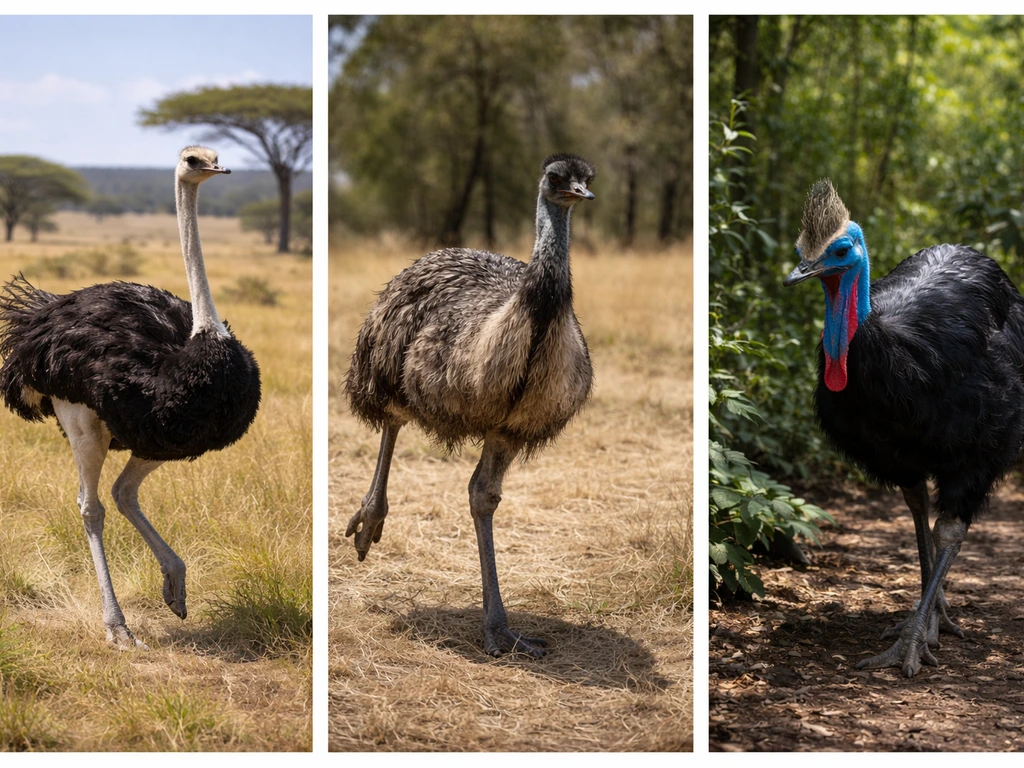
A few species come up repeatedly in these conversations. Here's what the evidence actually says about each one.
| Bird | What people claim | What actually happens |
|---|---|---|
| Ostrich | Can kill a lion with its kick | Confirmed capable of a lethal kick, but rarely kills healthy adult lions in practice; primary defense is running at up to 45 mph |
| Cassowary | World's most dangerous bird, kills anything | Kicks and dagger-like inner claw can cause fatal wounds in humans and dogs; no documented lion kills |
| Martial eagle | Kills lion cubs | Documented opportunistic predation of lion cubs in Kenya; cannot harm an adult lion |
| Golden eagle | Attacks large mammals | Hunts rabbits, marmots, and has been observed attacking deer; prey size is far below lion range |
| Harpy eagle | Apex aerial predator | Specializes in sloths and monkeys in forest canopy; no overlap with lions ecologically or physically |
The martial eagle case is genuinely interesting. Research published through Wageningen University and reported by National Geographic documents martial eagles in Kenya's Mara region opportunistically killing and eating lion cubs. That's real predation of a lion, just not an adult one. It's a good example of how a true but narrow fact gets generalized into something much broader. If you are wondering what bird kills pigeons, the answer depends on the predator species and the specific setting, not a single myth that fits every case.
The cassowary deserves an honest mention here too. It's the bird most likely to seriously injure or kill a human. It doesn't kill lions, but it's not a bird to approach carelessly. The same caution applies to ostriches kept in captivity, which have injured and occasionally killed handlers. If you're on a farm or wildlife park with ratites, treat them with real respect.
Real-world lethal mechanisms: disease, parasites, toxins, and attacks
If you're thinking about birds and death in a practical sense, the genuinely serious risks aren't dramatic kicks or talon strikes. They're microscopic, and they affect humans far more than lions.
Histoplasmosis from bird droppings
Histoplasma is a fungus that grows in soil enriched by bird and bat droppings. When that soil or dried dropping material gets disturbed, it releases spores you can breathe in. The CDC is clear that histoplasmosis is a real respiratory illness, and that large accumulations of bird droppings are a genuine exposure hazard. Most healthy people fight it off without knowing they were infected, but immunocompromised people can develop severe, life-threatening disease. This is one of those cases where the bird itself isn't dangerous, but what it leaves behind is.
Psittacosis from pet birds and poultry
Psittacosis is a bacterial respiratory illness transmitted through contact with infected birds, their secretions, or their droppings. The WHO has tracked human outbreaks tied to handling pet birds, poultry, and working in veterinary settings. Deaths are rare (under 1 in 100 cases) when it's caught and treated with appropriate antibiotics, but it's a real illness that can make you seriously sick if you're handling birds regularly and not taking basic hygiene seriously.
Direct physical attacks
For humans, the real physical risk comes from ratites in captivity (ostriches, emus, cassowaries) and occasionally from large raptors in wildlife contexts. These are rare events, but they're documented. A cassowary's inner toe has a dagger-shaped claw that can cause deep lacerations. An ostrich can knock a person down and continue striking. These aren't theoretical dangers if you're working around them.
When birds pose serious risk to humans or pets (and how to reduce it)
For most people, the actual bird risks in daily life aren't about attacks. They're about pathogens. Here's where the real risk sits and what you can do about it.
- Cleaning up large accumulations of bird droppings (in attics, under roosting sites, in barns) without respiratory protection is a genuine histoplasmosis risk. The CDC recommends an N95 respirator or better for this work.
- Handling sick or dead birds with bare hands raises the risk of psittacosis and other zoonotic infections. Use gloves and wash hands thoroughly afterward.
- Pet bird owners who are immunocompromised should discuss bird ownership risks with their doctor, particularly around psittacosis exposure.
- Cats and small dogs near large raptors (especially in rural or semi-rural areas) face real predation risk from species like great horned owls and red-tailed hawks. Supervision outdoors during dawn and dusk hours significantly reduces this.
- If you keep or work around ostriches, emus, or cassowaries, treat them as you would any large livestock animal with kicking and striking capability. Never approach from the front without a clear exit path.
Birds that kill snakes, seagulls, or pigeons (topics covered elsewhere on this site) operate through prey-size-appropriate predation. In the same way, the question of what bird kills seagulls usually comes down to the predator's size and hunting behavior rather than a mythic one-off event. The pattern holds consistently: birds are genuinely dangerous to prey within their natural size range, and the hazards they pose to large mammals or humans almost always run through indirect routes like disease rather than direct physical violence.
What to do today: safety steps and where to verify credible sources
If you came here because you saw a viral claim about a bird killing a lion, the best immediate step is to check it against a primary source before sharing it. The AMNH's ostrich page, Britannica's fact-check features, and National Geographic's species reporting are all solid starting points for wildlife claims. For health-related bird risks, the CDC's histoplasmosis and psittacosis pages are clear, evidence-based, and free.
- Search the specific bird name plus a credible institution (CDC, AMNH, National Geographic, a university research page) to find primary sources before treating a viral claim as fact.
- If you're planning to clean bird droppings from an enclosed space, check the CDC's histoplasmosis prevention page for PPE guidance before you start.
- If you own or frequently handle pet birds and develop unexplained respiratory symptoms, mention your bird contact to your doctor and ask about psittacosis.
- If you work with or visit ratite farms (ostriches, emus, cassowaries), ask staff about safe approach protocols before getting near the animals.
- For ongoing bird safety questions, the Cornell Lab of Ornithology and local wildlife extension programs are excellent free resources for both wild and captive bird hazards.
The bottom line is this: no bird is a reliable lion killer, but the ostrich comes closest based on documented kick force, and the claim isn't pure invention. What's genuinely worth your attention instead is how birds can harm humans through disease and, in rare cases, direct physical attack. If you're wondering what bird can kill an eagle, the same idea applies: most viral claims overstate what large birds can realistically do. Those risks are real, manageable with basic precautions, and far more likely to affect you than anything involving a lion.
FAQ
If an ostrich can kill a lion, why do lions not get killed by ostriches more often in the wild?
Because most lion interactions are avoidable. Healthy lions typically steer away from fights they cannot control, and an ostrich needs a close, direct striking opportunity. In real ecosystems, that kind of forced, head-on contact is rare, so “possible” does not translate into “common.”
Does a “lion-killing bird” claim usually mean a full-grown lion or could it be about lion cubs?
Most accurate studies distinguish age and context. The martial eagle case involves opportunistic killing of lion cubs in specific regions, it is not evidence that eagles kill adult lions. Viral posts often erase that difference and convert a narrow event into a blanket claim.
Could any raptor realistically kill an adult lion?
In most cases, no. Even very large raptors rely on speed and talons to target prey sized within their typical hunting range. For an adult lion, the mechanics and scale rarely work in a way that would produce a quick fatal attack.
Are cassowaries or ostriches dangerous to people in everyday situations, not just farms or zoos?
Cassowary danger is highest where people share habitat with the bird, especially if animals are habituated to humans. For ostriches, the risk is greatest during close handling or barrier-free encounters, and captive settings add higher exposure from feeding, cleaning, or caretaking.
What should you do if you encounter a cassowary or ostrich in a wildlife or farm setting?
Give a clear buffer distance and do not corner the animal. Move slowly, keep a barrier between you and the bird if possible, and avoid sudden approaches, especially near food sources or nesting areas. If the bird shows aggressive posture or advances, back away rather than trying to “manage” it at close range.
If the real danger from birds is diseases, what situations increase your risk the most?
Risk rises when droppings accumulate and material gets disturbed, like cleaning lofts, demolishing roosting areas, or sweeping dried debris. Immunocompromised people should be extra cautious because histoplasmosis can become severe.
Can you get psittacosis from birds just by being in the same room, or is it only from direct handling?
Transmission is mainly through contact with infected birds, their secretions, or their droppings, so close exposure matters. Standing nearby without disturbing droppings is usually lower risk, but ongoing handling, cleaning, and poor hygiene increase the chance.
How can I verify viral “bird kills lion” claims quickly without getting lost in secondary summaries?
Look for species-specific primary reporting that states what happened, where, and to whom (age of animal, setting, and documented mechanism). For health questions, check reputable medical sources for the pathogen, not the viral storyline, and focus on whether the guidance is based on outbreaks or clinical cases.
Next Articles
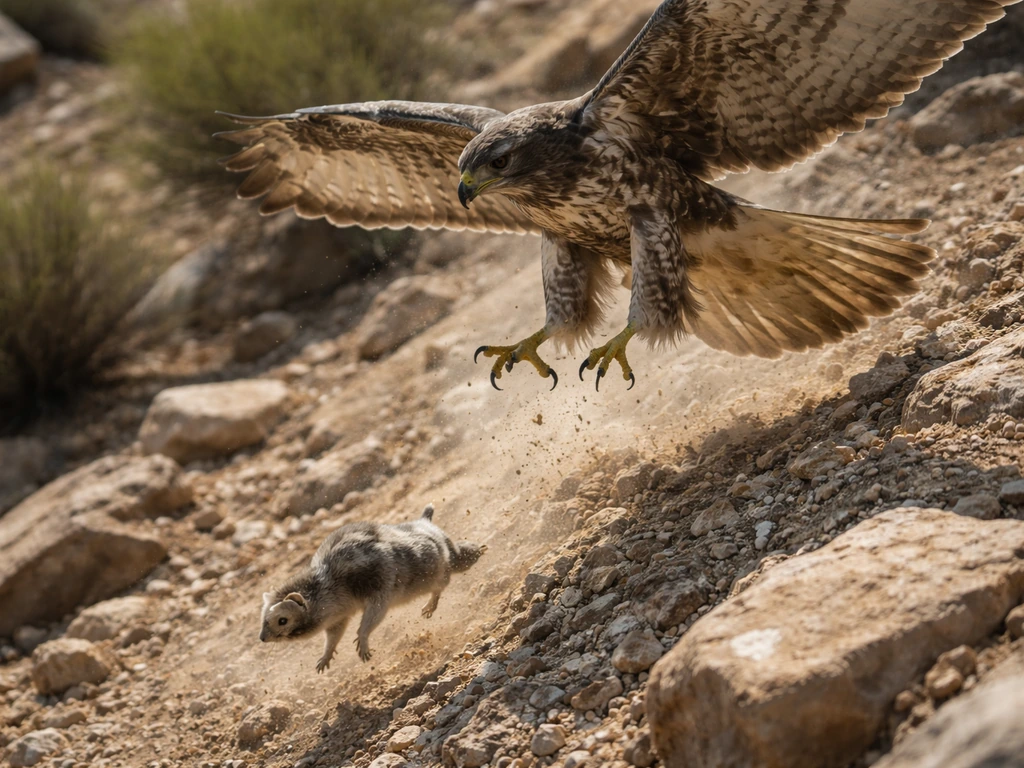
What Bird Drops Its Prey to Kill It: Identification and Safety
Learn which birds drop prey to kill and how to identify species from remains, plus safe steps around carcasses.
What Bird Can Kill an Eagle or Bald Eagle? Real Predators
Find which birds can kill eagles or bald eagles, when attacks happen, and how to assess real risk vs myths.

Can a Bird Take Down a Plane? Bird Strike Reality
Bird strikes can damage engines and controls; they rarely bring planes down. Learn risks, myths, and what to do next.