
Yes, a 300 fps airsoft gun can injure or kill a bird, especially at close range. It won't always be lethal, but it's far from harmless. Small birds are the most vulnerable, and even larger species can suffer internal injuries, broken bones, or fatal trauma depending on how close you are, what BB you're using, and where the shot lands. Because a 400 fps BB gun delivers more energy than a 300 fps setup, the risk of serious injury or death to a bird can be even higher.
Can a 300 FPS Airsoft Gun Kill a Bird? Safety Facts

Maya Chen
24 Apr 2026
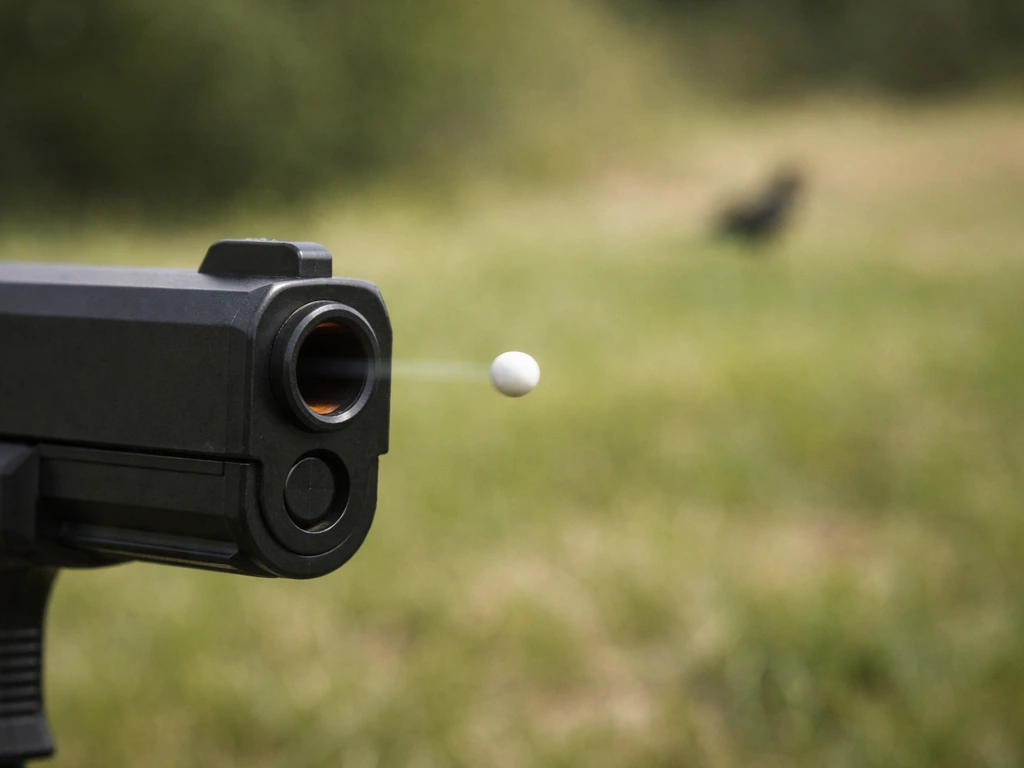
What "300 fps" actually means for a bird (and why FPS isn't enough)
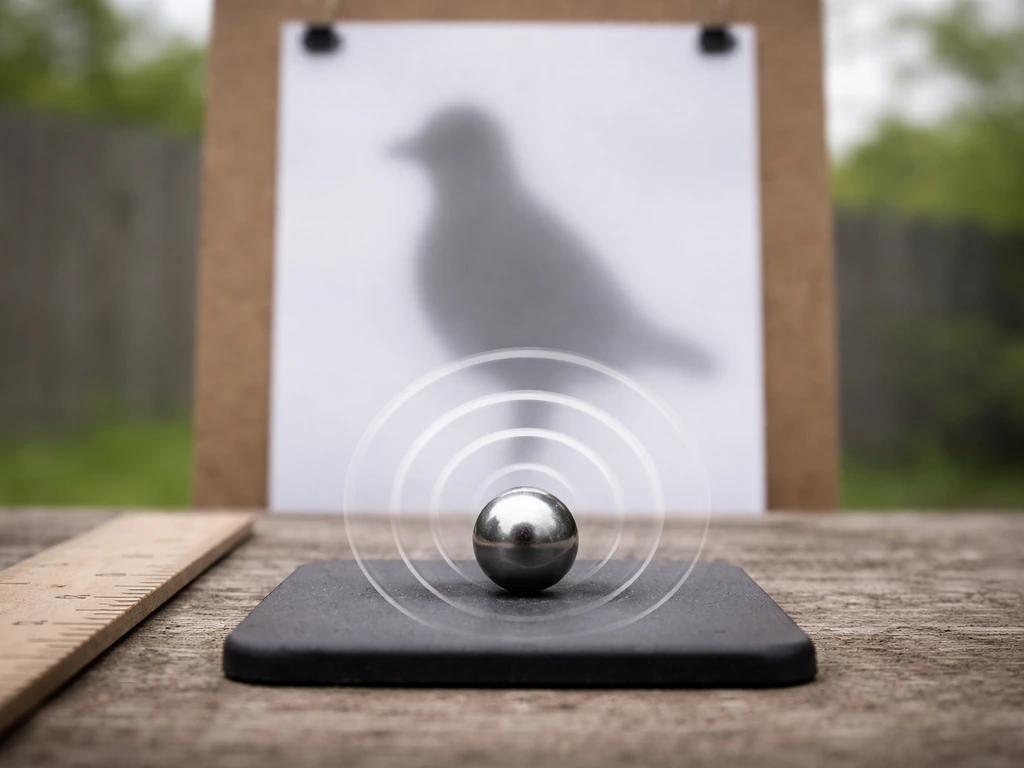
FPS (feet per second) tells you how fast the BB leaves the barrel, but it doesn't tell you how much force hits the target. The quantity that actually matters for injury is kinetic energy, measured in joules. The formula is simple: energy equals half the mass multiplied by velocity squared. That means a heavier BB at the same 300 fps carries significantly more energy than a lighter one.
At 300 fps, a standard 0.20g BB delivers roughly 0.84 joules at the muzzle. Step up to a 0.25g BB and that rises to about 0.96 joules. Use a 0.28g BB and you're looking at around 1.17 joules. That range might sound small, but the difference matters when you're talking about a bird that might weigh only a few ounces.
This is sometimes called "joule creep" in the airsoft community: if you swap to heavier BBs without adjusting the gun, the actual energy output can climb even if the stated FPS stays similar or drops slightly. This matches guidance from Evike's airsoft BB weight selection, which explains that swapping BB weights without adjusting the gun can raise the actual energy output due to joule creep blank" rel="noopener noreferrer">joule creep in the airsoft community. So when someone says their airsoft gun shoots "300 fps," that number alone tells you almost nothing about real-world impact force. You need to know the BB weight too.
Real injury vs lethal risk: what factors determine outcomes
Whether a BB at this velocity injures or kills a bird comes down to a handful of converging factors. A direct hit to the head, eye, or chest of a small bird like a sparrow or finch can be fatal even at 0.84 joules. A glancing blow to the wing of a larger bird like a crow or pigeon might cause bruising or a fracture but not immediate death. The outcomes sit on a wide spectrum.
Bird anatomy makes them especially vulnerable in ways people don't expect. Their bones are hollow and relatively fragile. Their internal organs sit close to the surface with minimal protective tissue buffer. A BB doesn't need to penetrate skin to cause serious internal damage. Blunt trauma through feathers can fracture ribs, rupture air sacs, or cause internal bleeding, any of which can be fatal even hours after the shot.
Reports from wildlife rehabilitation centers confirm that pellet gun shots frequently bring in injured raptors and songbirds, and X-rays are now routinely used during intake because the entry wound alone doesn't reveal the real damage. Even when a bird flies away after being hit, it can die later from internal injuries or shock.
- Bird size and species: smaller birds are at much higher lethal risk from the same energy level
- BB weight and material: heavier or harder BBs transfer more energy on impact
- Shot placement: head, eye, chest, and spine hits carry far higher fatality risk
- Feather density and angle: a direct perpendicular shot transfers more energy than a glancing angle
- Distance from the gun: energy drops significantly as the BB travels farther
Distance, ammunition, and shot placement: how they change the hazard
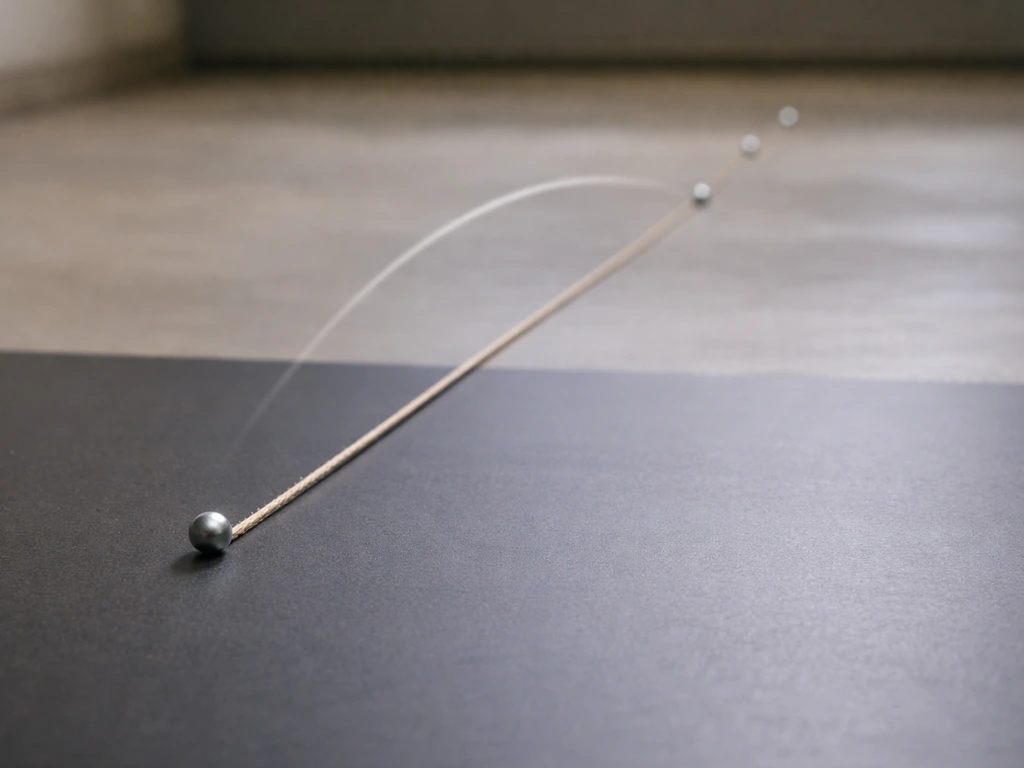
The muzzle energy figures above (0.84 to 1.17 joules at 300 fps) are at point-blank range. As the BB travels through the air, it loses velocity quickly due to drag. By 30 to 50 feet out, the energy has dropped noticeably. By 100 feet, it's a fraction of the muzzle value. So a bird sitting 10 feet away faces a substantially different hazard than one perched 80 feet away.
Ammunition type also shifts the risk. Standard round plastic BBs are the norm for airsoft, but biodegradable BBs, heavier competition BBs, and especially any metal BBs (which shouldn't be used in airsoft guns but sometimes are) all change the energy and penetration profile. Harder materials concentrate force differently than softer plastics, which tend to deform or shatter on impact.
Shot placement is probably the most decisive variable. A hit to the eye, skull, or directly over the heart or lungs of any bird smaller than a pigeon at close range has a real chance of being fatal. A wing hit at distance is more likely to cause a fracture that grounds the bird without killing it outright, but a grounded wild bird faces its own survival crisis. Don't assume a bird that flies away after being hit is unharmed. It may be in the early stages of shock or internal bleeding.
What to do if you fired at (or injured) a bird: immediate steps and when to call experts
If you've shot at a bird and it's still on the ground, the most important thing you can do is contact a licensed wildlife rehabilitator immediately. Tufts Wildlife Clinic advises contacting the Tufts Wildlife Clinic and following appropriate safety and transport steps when you find an injured or sick bird. The U.S. Fish and Wildlife Service is clear that you should always call a professional rather than attempting to treat the animal yourself. A quick search for "wildlife rehabilitator near me" or a call to your local animal control will get you a contact.
While you're waiting or arranging transport, there are a few things that help and a few that can make things worse. Don't offer food or water to an injured bird, especially one that may have trauma. It can aspirate fluids or choke. Don't try to splint or bandage anything yourself unless you're trained. Keep the bird contained in a dark, quiet space like a cardboard box with ventilation holes to reduce stress. Birds in shock benefit from warmth, around 85°F is suggested in rehabilitator guidelines, so placing the box somewhere warm (not in direct sunlight) helps reduce metabolic stress while you arrange transport.
Signs that indicate a bird needs urgent professional care include visible bleeding, a drooping or deformed wing, inability to stand, head tilt, labored breathing, puncture wounds, and eyes that appear swollen or closed. If you see any of these, don't wait. Get it to a wildlife vet or rehab center as quickly as you can.
Be careful handling larger birds like hawks, owls, or crows. Their talons and beaks can cause serious injury. Use thick gloves or wrap the bird loosely in a towel to contain the wings before placing it in a box. For raptors especially, Audubon recommends involving animal services if you're not comfortable with safe handling.
Myths and misunderstandings about shooting birds with airsoft
The most common myth is that airsoft guns are toys that can't cause real harm to wildlife. This is wrong. The Consumer Product Safety Commission has stated explicitly that BB guns can kill, and airsoft guns at 300 fps fall in an energy range that is fully capable of causing serious injury or death to small animals, including birds.
Another misconception is the "it flew away so it's fine" assumption. Birds have a strong flight response even when badly injured. A bird can fly 50 yards on adrenaline with a fractured bone or internal bleed and then collapse somewhere out of sight. Flying away does not mean unharmed.
Some people also believe that feathers provide meaningful protection. They don't, not reliably. Feathers reduce aerodynamic drag but offer very little energy absorption against a direct projectile hit. The BB still transfers its kinetic energy into the body beneath.
It's also worth noting the difference between an airsoft gun and a firearm or high-powered pellet gun in this context. A 300 fps airsoft setup is not as lethal as a . A high-powered pellet gun can also be lethal to birds depending on the distance and shot placement. 22 rifle or a high-powered pellet gun (those topics cover a significantly higher risk range). But comparing airsoft to a lethal firearm and concluding it's safe is a false equivalence. The relevant comparison isn't airsoft vs. rifle, it's airsoft energy vs. bird biology. And at close range, the math isn't in the bird's favor.
Legal and ethical considerations, plus safer bird-deterrent alternatives
In the United States, shooting at birds with any weapon, including airsoft, can result in federal charges. The Migratory Bird Treaty Act (16 U.S.C. § 703) makes it unlawful to pursue, hunt, shoot, wound, kill, or capture migratory birds without a federal permit. That list covers the vast majority of wild birds you're likely to encounter: songbirds, raptors, waterfowl, and more. A real enforcement case out of Rhode Island resulted in federal charges under the MBTA for a man who repeatedly shot at hawks with a pellet gun. "It's just airsoft" is not a legal defense.
State laws add another layer. Many states have their own wildlife protection statutes on top of federal law. Depending on where you are and what species you hit, you could face both federal and state charges. If you've harmed a bird and you're unsure of your legal exposure, contacting your state's fish and wildlife agency is a reasonable starting point. If you witnessed someone else shooting at birds, your state wildlife agency or local law enforcement can take a report.
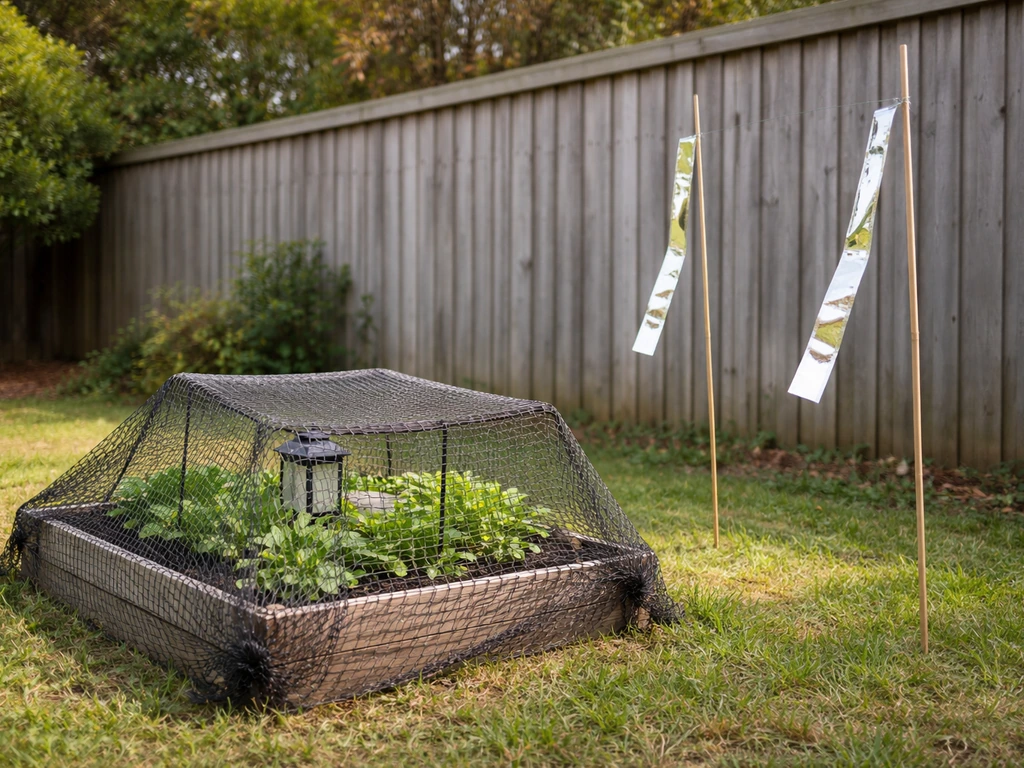
If your actual goal is keeping birds away from a specific area (a garden, a deck, a window, a balcony), there are effective deterrents that don't involve projectiles. These are safer for the birds, legal, and often more effective in the long run since birds learn to avoid areas with consistent deterrents rather than simply relocating temporarily after a scare.
- Reflective tape or hanging CDs near roosting areas to create disorienting light patterns
- Bird-deterrent spikes on ledges and railings (physical exclusion)
- Motion-activated sprinklers for gardens and yards
- Predator decoys like owl or hawk silhouettes, moved regularly so birds don't habituate
- Window collision deterrent film or external screens to prevent window strikes
- Netting over fruit trees or vegetable beds
- Ultrasonic deterrent devices for enclosed spaces (effectiveness varies by species)
None of these alternatives carry legal risk, none of them harm birds, and several of them work better than shooting at birds anyway. Birds that are chased or frightened away tend to return. Physical exclusion and environmental deterrents address the root cause of why they're there in the first place.
The bottom line is straightforward. A 300 fps airsoft gun is not a harmless toy around wildlife. If you are wondering can a airsoft gun kill a bird, the key takeaway is that a 300 fps setup can still seriously injure or kill small birds. It sits in an energy range that can kill small birds and seriously injure larger ones, especially at close range. If you've already fired at a bird, call a wildlife rehabilitator now. If you're trying to keep birds away from an area, use legal deterrents that don't put you or the birds at risk.
FAQ
Does the bird being “far away” make a 300 fps airsoft shot safe?
Not automatically. Energy drops with distance, but a small bird can still be vulnerable at tens of feet, especially with heavier BBs or if the bird is hit in the head or chest. If there’s any chance of a hit, treat it as a possible injury and avoid further shots.
How does BB weight matter if someone’s gun says “300 fps”?
FPS alone can be misleading. A heavier BB can carry more kinetic energy at impact, and some setups show “joule creep” when you use heavier ammo without retuning. If you want a real-world risk estimate, you need both muzzle FPS and BB weight (and ideally measured muzzle energy).
Are round BBs worse than flat-faced or different ammo types for birds?
Shape and material can change how force transfers, but the key danger remains blunt trauma and internal injury. Even if a BB deforms on impact, the energy is still delivered to the body beneath feathers. Any nonstandard or higher-hardness projectile can increase harm.
What if the bird flew off immediately after a hit?
Flying off does not prove it’s unharmed. Birds can fly on adrenaline despite internal bleeding or a fractured bone, then collapse later. If you suspect a strike, contact a wildlife rehabilitator and keep an eye out for the bird to reduce suffering.
If the bird looks okay at first glance, should I still call a wildlife professional?
Yes, especially for small birds or any hit near the head, eye, wing joints, or chest. Internal injuries can progress after the impact and may not be obvious externally. A rehab center can advise based on symptoms and where the shot likely landed.
What’s the safest immediate response if I find a bird that may have been hit?
Limit handling, place it in a dark, quiet container with ventilation, and contact a licensed wildlife rehabilitator or wildlife vet right away. Do not give food or water, because aspiration and choking can make injuries worse.
Is it okay to try to feed or give water to an injured bird?
Avoid it. With trauma, birds can aspirate liquids and choke even if they seem alert. Focus on containment, warmth if advised by the rehab contact, and fast professional help.
Should I bandage a wound or splint a wing myself?
Only if you are trained. Improper splinting, tight wraps, or handling the spine or wing joints can worsen fractures and stress. Rehab professionals can assess whether treatment is needed and how to do it safely.
What signs mean “urgent, go now” for a bird hit by an airgun?
Get urgent professional care if you see bleeding, a drooping or deformed wing, inability to stand, head tilt, labored breathing, puncture wounds, or an eye that looks swollen or closed. These often indicate fractures, internal bleeding, or neurological injury.
How should I contain and transport larger birds like crows or hawks?
They can injure you and themselves. Use thick gloves, or gently wrap the bird in a towel to reduce wing movement, then place it in a ventilated box. For raptors, consider contacting animal services if you do not feel confident handling safely.
Is it legal to shoot birds with an airsoft gun because it is “just airsoft”?
Usually no. In the U.S., the Migratory Bird Treaty Act prohibits shooting, wounding, killing, or capturing migratory birds without a federal permit, and airsoft is not a legal exception. State laws may also apply, so contacting your state fish and wildlife agency for guidance is a good next step.
What deterrents work better than shooting birds away?
Physical exclusion and environmental deterrents tend to be more effective than scare tactics. Examples include netting for gardens, screens for balconies, covering food sources, and removing attractants like standing water. Birds may return when deterrents are inconsistent, but they learn to avoid reliable exclusion.
What should I do if I witnessed someone else shooting at birds?
Report it to local animal control or your state wildlife agency or law enforcement. Provide details like location, time, and the type of weapon if known. A report can be important even if no bird is found immediately, because repeat incidents can lead to enforcement.