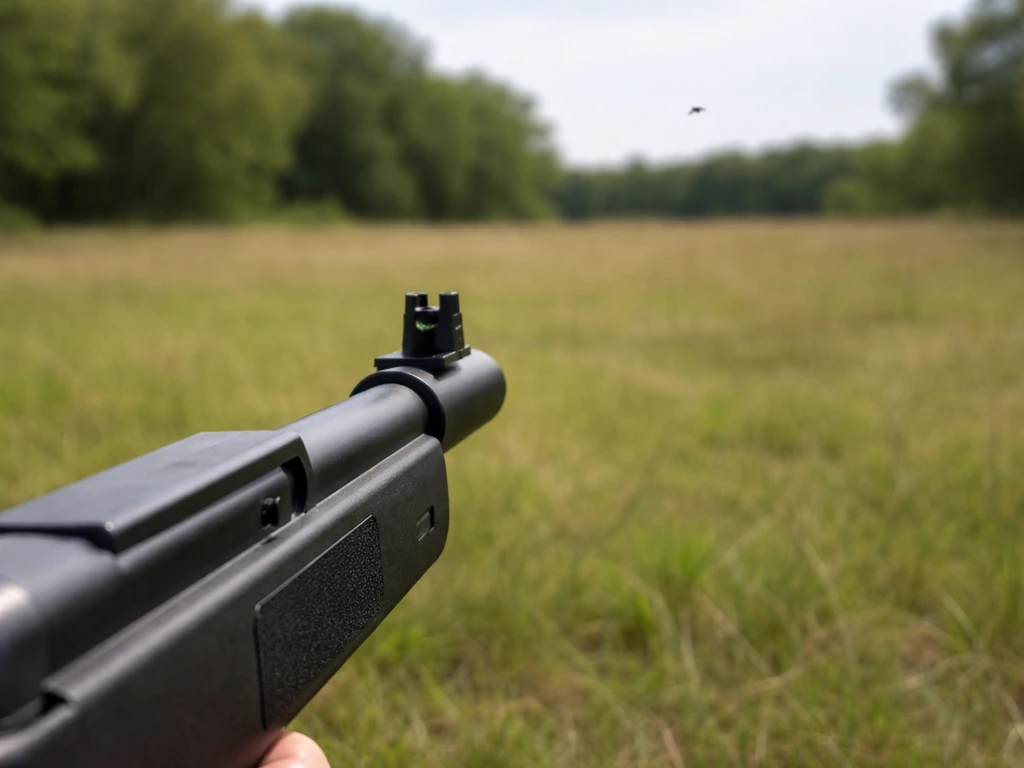
Yes, a pellet gun can absolutely kill a bird
The short answer is yes. A pellet gun can and does kill birds, and the outcome depends heavily on the circumstances. This is not a fringe scenario or an exaggeration. A standard air rifle firing a lead pellet at even moderate velocity carries enough energy to cause fatal internal injuries in most bird species, especially smaller ones. The old idea that "it's just a pellet gun" understates what these weapons actually do to living tissue. With the right conditions, a single pellet can be just as lethal as a small-caliber firearm at close range.
That said, not every hit is automatically fatal. Some birds survive pellet strikes, particularly large-bodied species hit at long range with a low-powered gun. But survival is never guaranteed, and a non-fatal hit almost always causes serious injury, pain, and suffering. The practical takeaway: treat any pellet gun as a potentially lethal tool around birds.
How a pellet actually injures or kills a bird
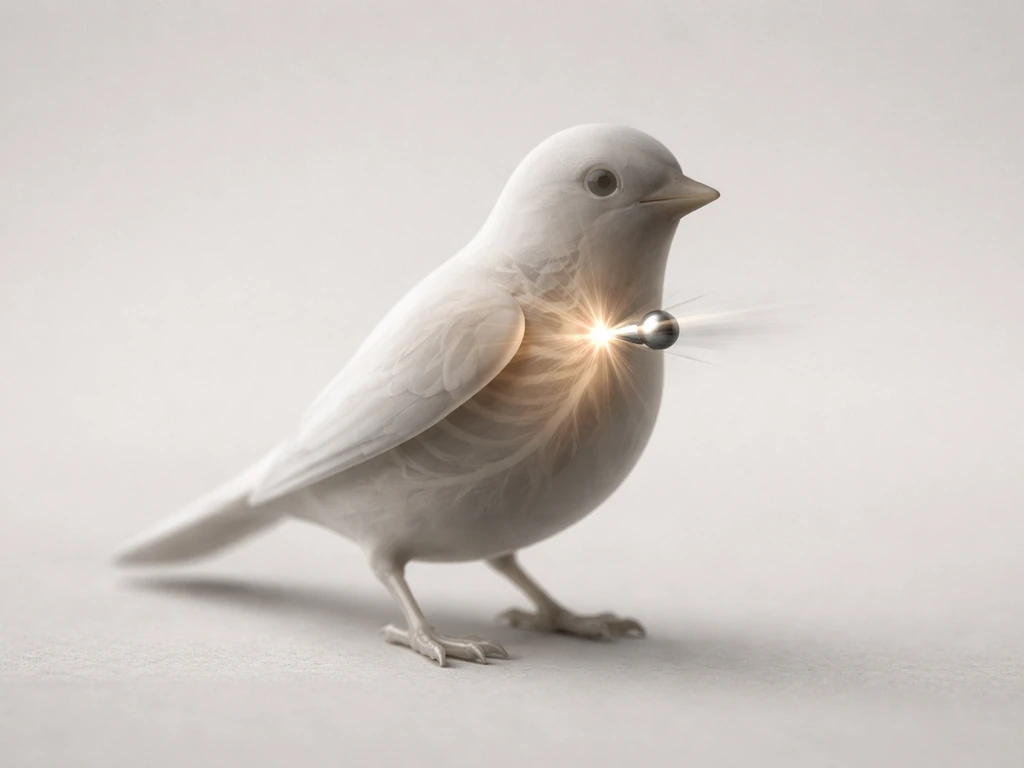
Birds have lightweight, hollow-boned skeletons and compact vital organs packed closely together. That anatomy makes them especially vulnerable compared to mammals of similar body weight. When a pellet strikes a bird, several injury mechanisms can come into play, sometimes all at once.
- Penetration and organ damage: A pellet moving at sufficient velocity can puncture the skin and body wall, damaging lungs, liver, heart, or the digestive tract. Because these organs sit close together in a bird's small thoracic cavity, even a pellet that enters at an angle can nick multiple structures.
- Blunt force trauma: Even when a pellet does not fully penetrate, the kinetic energy transferred on impact causes bruising, internal bleeding, and ruptured capillaries. At close range, this alone can be fatal.
- Skeletal fractures: Pellets frequently shatter wing bones, leg bones, or ribs. A fractured keel bone (the large breastbone) often signals life-threatening internal injury.
- Neurological shock: A strike to the head, spine, or neck can cause immediate neurological collapse. Birds hit this way often die quickly or are left paralyzed.
- Secondary hemorrhage: Internal bleeding that starts at the impact site can spread. A bird may appear to be "okay" immediately after being hit and then die hours later from blood loss or shock.
This is why the "it doesn't look badly hurt" assumption is so dangerous. Birds are also hard-wired to hide signs of injury as a survival response, so outward behavior is not a reliable indicator of what is happening internally.
The factors that decide whether it's lethal
Outcome depends on a combination of variables. No single factor tells the whole story, but together they determine how much energy reaches the bird and where it goes.
Velocity and muzzle energy
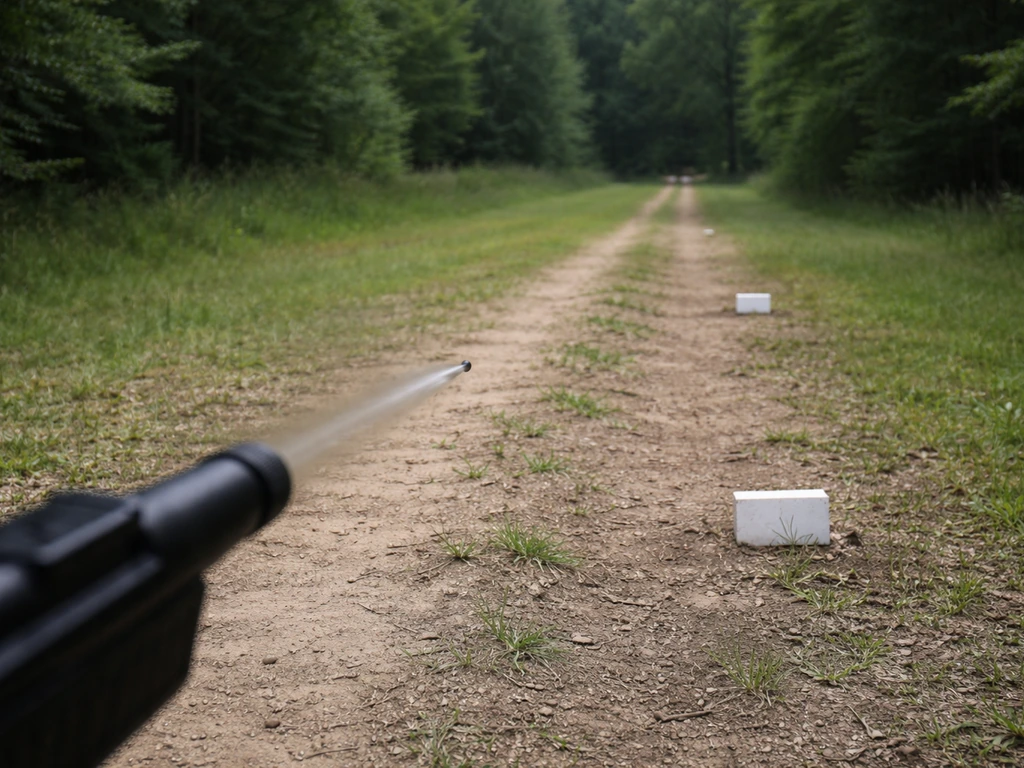
Most spring-piston and CO2 pellet guns operate in the 400 to 1,000 fps (feet per second) range. At the lower end, around 400 fps with a lightweight pellet, the gun delivers roughly 2 to 4 foot-pounds of energy. At 900 fps with a standard lead pellet, that figure can exceed 20 foot-pounds. For reference, many published wildlife studies classify air rifles above 4 to 6 foot-pounds as capable of killing small birds and rodents outright. Higher-powered "magnum" pellet rifles firing above 800 fps are unambiguously lethal to any common backyard bird.
Distance to target
Pellets lose velocity and energy as they travel. A shot at 10 feet carries far more energy than the same shot at 50 yards. Close-range shots are much more likely to cause fatal injuries regardless of gun power. Long-range shots from low-powered guns may still injure without killing, which in many ways is a worse outcome for the animal.
Pellet type and weight
Heavier lead pellets retain energy better over distance and cause more tissue damage on impact. Hollow-point pellets are designed to expand on contact and create larger wound channels. Domed or wadcutter pellets behave differently again. The material also matters: lead pellets are denser and more damaging than alloy or steel alternatives at the same velocity. This is a key difference compared to lower-powered BB guns or airsoft guns, which typically fire lighter, smaller projectiles.
Bird species and body size
A house sparrow weighing 25 to 30 grams is vastly more vulnerable than a Canada goose weighing 9 kilograms. Small songbirds (finches, sparrows, warblers), medium-sized birds (doves, starlings, pigeons), and any juvenile or fledgling bird are at extremely high risk of fatal injury from even modest pellet gun energy. Larger waterfowl or raptors are more resilient but are by no means immune, especially to direct hits on the head, neck, or wing joints.
Impact location
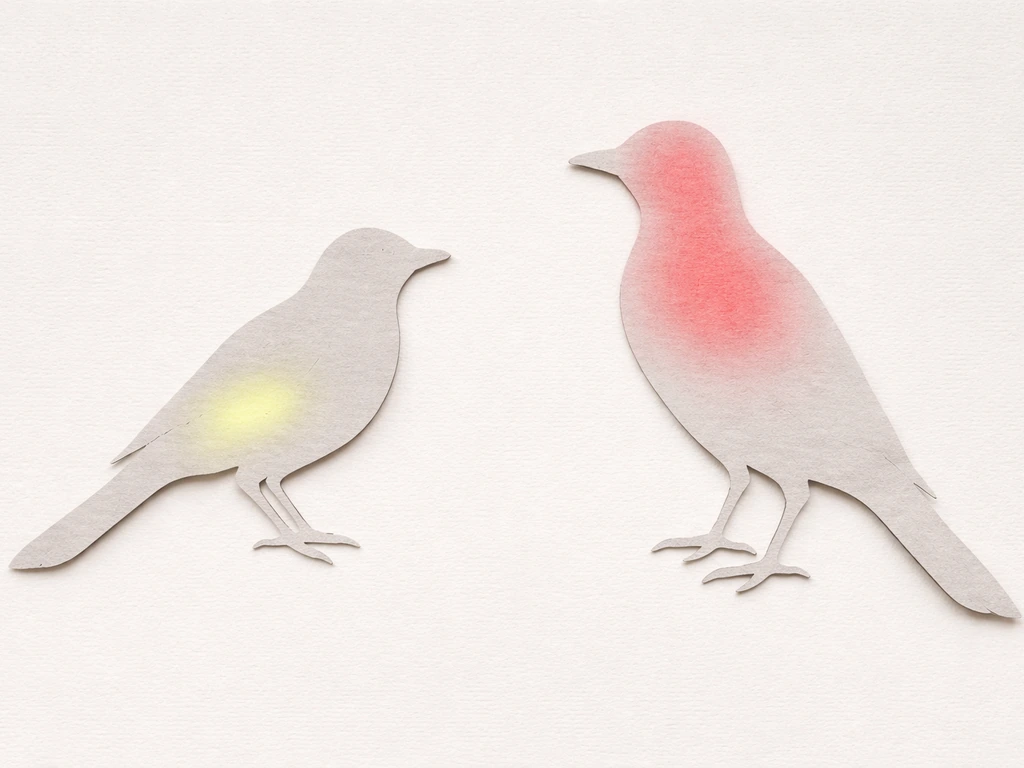
A hit to the head, neck, or chest area is almost always more dangerous than a hit to a wing or leg. That said, a wing fracture from a pellet is a serious, often permanently disabling injury that frequently results in euthanasia even with veterinary care. There is no "safe" place to hit a bird with a pellet.
| Factor | Lower lethality risk | Higher lethality risk |
|---|
| Velocity | Under 400 fps | Over 700 fps |
| Distance | 50+ yards | Under 15 feet |
| Pellet type | Light alloy BB or round BB | Heavy lead, hollow-point |
| Bird size | Large waterfowl (adult) | Small songbirds, juveniles |
| Impact location | Outer wing feathers (glancing) | Head, neck, chest, spine |
What to do right now if a bird has been hit
If a bird has been struck by a pellet (or you suspect it has), time matters. Here is what to do, in order.
- Secure yourself first. Make sure no gun is still in use and the area is safe before approaching the bird.
- Do not handle the bird with bare hands. Use a clean cloth, small towel, or gloves. Some birds (particularly wild raptors or waterfowl) can scratch or bite even when severely injured, and wild birds can carry bacteria. Wrap the bird gently but firmly in the cloth to prevent struggling, which worsens injuries.
- Place it in a dark, ventilated box. A cardboard box with small air holes, lined with a clean towel, reduces stress dramatically. Darkness calms birds. Do not give the bird food or water at this stage.
- Keep it warm and quiet. Room temperature (around 70 to 80°F) is appropriate. Do not use heating pads directly on the bird.
- Do not try to treat wounds yourself. Probing for a pellet or cleaning a wound can cause more harm. Your job is safe containment and rapid transport.
- Call a licensed wildlife rehabilitator immediately. In the U.S., you can find one through the National Wildlife Rehabilitators Association (NWRA) or the Wildlife Rehabilitation Information Directory. Most state wildlife agencies also maintain hotlines. If the bird is a pet or companion bird, call an avian veterinarian.
- If the bird is visibly dying (convulsing, not breathing, totally unresponsive), there may be nothing that can be done. Keep it warm and quiet, and contact a rehabilitator or vet as soon as possible for guidance.
Do not attempt to release the bird outside after a pellet strike, even if it seems to recover briefly. Internal injuries can cause collapse hours later. Get a professional involved. The National Wildlife Rehabilitators Association provides a directory you can use to help locate nearby wildlife rehabilitators when injured wildlife needs care get a professional involved.
The legal reality: shooting birds is not a gray area
In the United States, the Migratory Bird Treaty Act (MBTA) makes it unlawful to pursue, hunt, take, capture, or kill any migratory bird without prior authorization. The law covers an enormous range of species, including most of the songbirds, shorebirds, waterfowl, and raptors you are likely to encounter in your yard. "Take" under the MBTA includes killing or even injuring a protected bird, regardless of intent or the weapon used.
Violations can result in federal fines and, in some cases, criminal charges. Permits to take migratory birds are issued through a specialized federal process under 50 CFR Part 21, administered by the U.S. Fish and Wildlife Service. These permits are not issued to the general public for backyard pest control. The narrow exceptions that exist (for example, certain depredation permits for agriculture) require formal application and approval before any action is taken.
State laws add another layer on top of federal protection. Many states have their own statutes protecting non-migratory resident birds as well. The practical summary: shooting at birds in almost any context, even with a pellet gun, almost certainly violates federal and/or state law unless you hold specific prior authorization.
Humane and legal alternatives for bird deterrence
If birds are causing a genuine problem (damaging crops, nesting in unwanted locations, or creating safety hazards), there are effective, legal alternatives that do not require harming the animals.
- Physical exclusion: Netting, hardware cloth, and bird spikes prevent access to specific structures, gardens, or crops without harming birds. This is the most reliably effective long-term solution.
- Visual deterrents: Reflective tape, predator decoys (owls, hawks), and scare balloons disrupt bird comfort in an area. Rotate them regularly so birds do not habituate.
- Acoustic deterrents: Ultrasonic devices and distress call broadcast systems can reduce bird presence in an area. Effectiveness varies by species.
- Habitat modification: Removing food sources (fallen fruit, open trash, birdfeeders in problem zones), cutting back dense vegetation near buildings, and using bird-proof trash containers reduces the attractiveness of a site.
- Taste aversives: Non-toxic repellent sprays applied to surfaces or plants (such as methyl anthranilate-based products) deter many species without harm.
- Contacting a professional wildlife control operator: For persistent or complex problems, a licensed wildlife control professional can assess the situation and apply permitted management strategies that are both legal and effective.
How to prevent accidental harm going forward
Most pellet gun injuries to birds happen accidentally during target shooting or while attempting to scare birds away. A few practical precautions dramatically reduce the risk.
- Always identify your target and what is beyond it. Birds move fast and may cross your line of fire in an instant. Never shoot in the direction of trees, feeders, power lines, or water sources where birds congregate.
- Use proper backstops. A solid backstop (a purpose-built pellet trap or thick wooden target box) catches pellets and prevents unintended travel into areas where birds or other animals may be present.
- Avoid shooting near bird activity zones. Dawn and dusk are peak bird activity times. If you are target shooting in a yard or open area, avoid these windows or check thoroughly before shooting.
- Educate anyone sharing the shooting space. Children especially may not understand the lethality of pellet guns on small animals. Clear, direct conversation about this matters.
- Consider where your yard setup places feeders, baths, and nesting boxes relative to any shooting area. Keeping these well separated and out of any possible fire line is a simple, permanent fix.
It is worth noting that the lethality question comes up with other projectile types too. Questions around BB guns, airsoft guns, and specific velocity thresholds like 300 fps or 400 fps all follow a similar framework: projectile energy, distance, bird size, and impact location determine the outcome. That same risk applies to a BB gun, since pellet and BB energy, distance, and impact location also determine whether a bird is killed BB guns. Pellet guns as a category tend to be more powerful and more consistently lethal than standard BB guns or airsoft guns, but the underlying biology and the legal protections are the same across all of them.
The bottom line is straightforward. Pellet guns are capable of killing birds at a wide range of distances and power levels, especially small species. The law treats shooting protected birds as a serious offense regardless of the tool used. And if a bird is hit, the best thing you can do is contain it safely and get it to a wildlife rehabilitator or vet as fast as possible. Michigan DNR guidance also notes that when pellet guns are carried in a vehicle they must be unloaded and stored in a closed case designed for transport so they are not readily accessible pellet guns must be unloaded and stored in a closed case designed for transport so they are not readily accessible..