
Yes, a BB gun can kill a bird. It does not always happen, and outcomes depend heavily on distance, velocity, bird size, and where the BB strikes, but bird deaths from BB guns are well-documented and the risk is real enough that the U.S. Fish & Wildlife Service has publicly warned about it. If you are trying to figure out whether a BB gun is lethal to birds, the short answer is: it depends on conditions, but do not assume it is safe.
Will a BB Gun Kill a Bird? Injury, Risk, and Next Steps

Maya Chen
3 Apr 2026
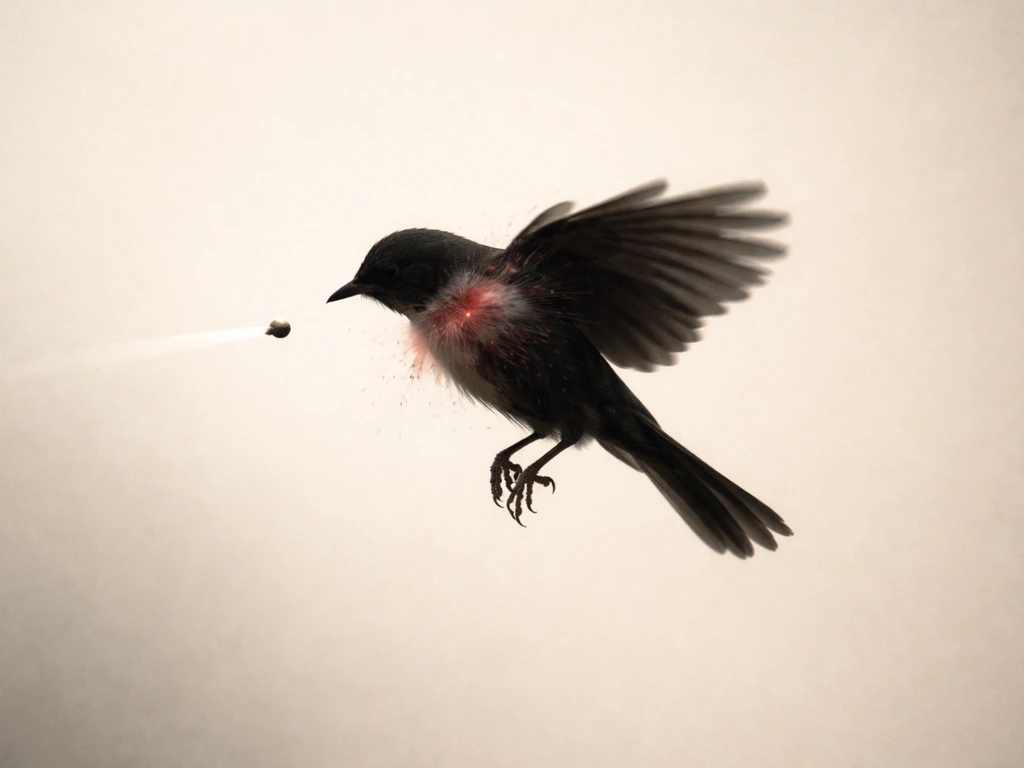
Why a BB Gun Can Be Lethal to a Bird
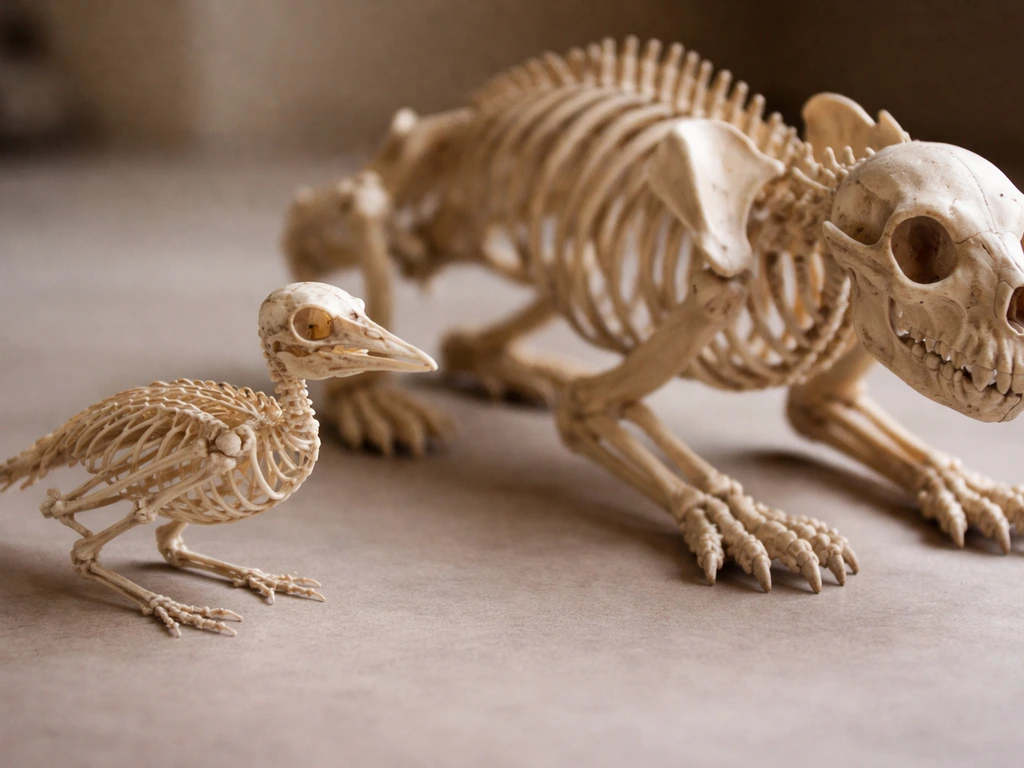
Birds are small, fragile, and structurally very different from mammals. Their bones are hollow and thin, their organs are compressed into a small body cavity, and their air sacs (thin membranes used for breathing) are spread throughout the torso. A BB that would barely leave a bruise on a larger animal can fracture a bird's keel bone, puncture a lung, rupture an air sac causing respiratory distress, or strike a vital organ directly.
Velocity and distance matter enormously. Research on pellet gun trauma shows that even air guns with muzzle energy below 7.5 joules can generate enough energy to cause penetrating wounds at distances of 20 to 30 meters. Most standard BB guns produce muzzle velocities between 250 and 500 fps, which translates to enough kinetic energy to penetrate the thin skin, muscle, and bone of a small to medium-sized bird at close range. A 400 fps BB gun sits comfortably in the range where lethality to birds is a genuine possibility, not just a fringe concern.
The bird's size is a major factor. A house sparrow or finch has almost no margin for error; a single BB strike to the torso is likely fatal or severely injurious. Larger birds like gulls, hawks, or herons have more body mass, but that does not make them safe targets. The impact site matters just as much as size. A glancing hit to the wing may cause a fracture; a hit to the chest cavity can lodge near the heart or lungs.
When It Probably Won't Kill Outright (But Still Does Damage)
There are conditions under which a BB is less likely to be immediately lethal: long range shots (beyond 30 to 40 meters) where the BB has shed most of its energy, glancing strikes to feathered outer areas, or shots at larger birds where a non-vital area is hit. In these cases, the bird may fly off appearing unharmed. But appearing unharmed is not the same as being unharmed.
A BB can lodge in muscle tissue, cause internal bleeding, or create an entry wound that becomes infected over days. Birds are also adept at hiding injury because showing weakness makes them targets for predators. A bird that flew away after being shot may still die hours or days later from blood loss, infection, or the shock of the trauma.
Real Injury Outcomes: What Actually Happens to a Hit Bird
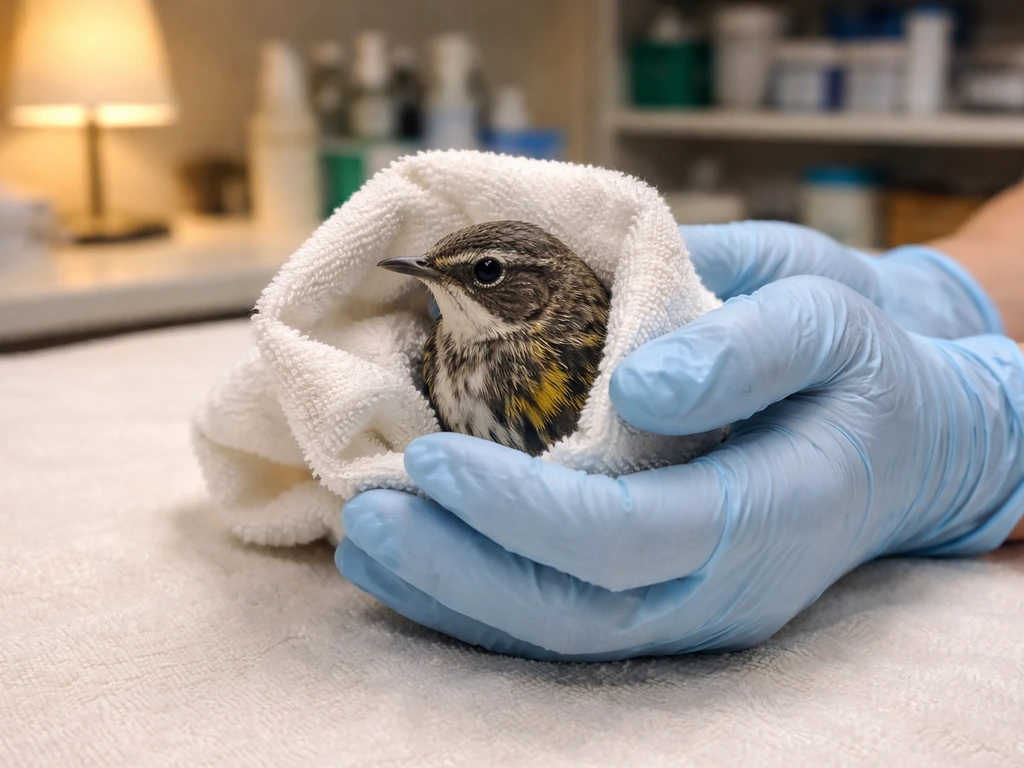
Documented cases from wildlife rehabilitators tell a consistent story. International Bird Rescue treated a bird with a BB-gun pellet lodged dangerously close to its heart, requiring surgical removal and intensive stabilization. A western gull shot with a BB gun required pellet-removal surgery before it could be released back to the wild. A red-shouldered hawk temporarily lost vision after being shot, requiring surgery and extended rehabilitation before making a full recovery. A young red-tailed hawk was shot multiple times and survived, but surgeons were unable to fully remove a pellet located near the brain.
These are the survivors. Wildlife rehabilitators only see birds that were found. Many shot birds are never recovered and die of injuries in cover.
The range of injuries breaks down like this:
- Fractures: hollow avian bones crack or shatter easily under BB impact, most commonly in the wings, keel, or legs
- Internal bleeding: small body cavities mean there is little room for blood to accumulate before it causes pressure on organs
- Air sac rupture: punctured air sacs cause subcutaneous emphysema (air trapped under the skin) and serious breathing difficulty
- Head and brain injury: a BB near or over the brain can cause vision loss, neurological signs, and death, consistent with documented sclopetaria injuries in pellet gun trauma cases
- Infection: any penetrating wound in a bird is an infection risk, and birds deteriorate quickly without veterinary care
- Delayed death: birds often die hours or days after the strike from blood loss, organ failure, or secondary infection
Avian trauma evaluations also flag signs of head injury that can be easy to miss: blood visible in the nares, ears, or choanal slit, and changes in pupillary response. These require hands-on veterinary assessment, not a wait-and-see approach.
The Legal Reality of Shooting Birds with a BB Gun
In the United States, most wild birds are protected under the Migratory Bird Treaty Act (MBTA). This is a federal law, and shooting a protected bird with any firearm or air-powered weapon, including a BB gun or pellet gun, can result in federal charges. A Rhode Island man was charged with violating the MBTA after repeatedly using a pump-action pellet air gun to shoot at hawks. The charges were federal, not just a local ordinance. States add their own layer of restrictions on top of this: Massachusetts, for example, prohibits the use of air and pellet guns for taking migratory game birds entirely.
If you are in the UK, the law is equally clear. Under the Wildlife and Countryside Act 1981, it is a criminal offence to intentionally kill, injure, or take any wild bird. The Animal Legal & Historical Center summarizes the Wildlife and Countryside Act 1981 as requiring proof of intention for offences and as providing legal protection for wild birds [proof of intention for offences under the Wildlife and Countryside Act 1981](https://www.
animallaw. info/statute/uk-wildlife-wildlife-and-countryside-act-1981). UK law also specifies that shooting any bird or mammal with an air rifle is illegal unless the species appears on a general licence and the shooting is for a permitted purpose such as preventing serious crop damage. Casual use of a BB gun to scare off or shoot at birds in your garden does not meet that threshold.
Beyond wildlife law, shooting a BB gun in a residential area creates liability for property damage and personal injury to neighbors. BBs ricochet unpredictably and carry enough energy to cause serious eye injuries to bystanders.
BB Guns vs. Pellet Guns vs. Airsoft: How Do They Compare?
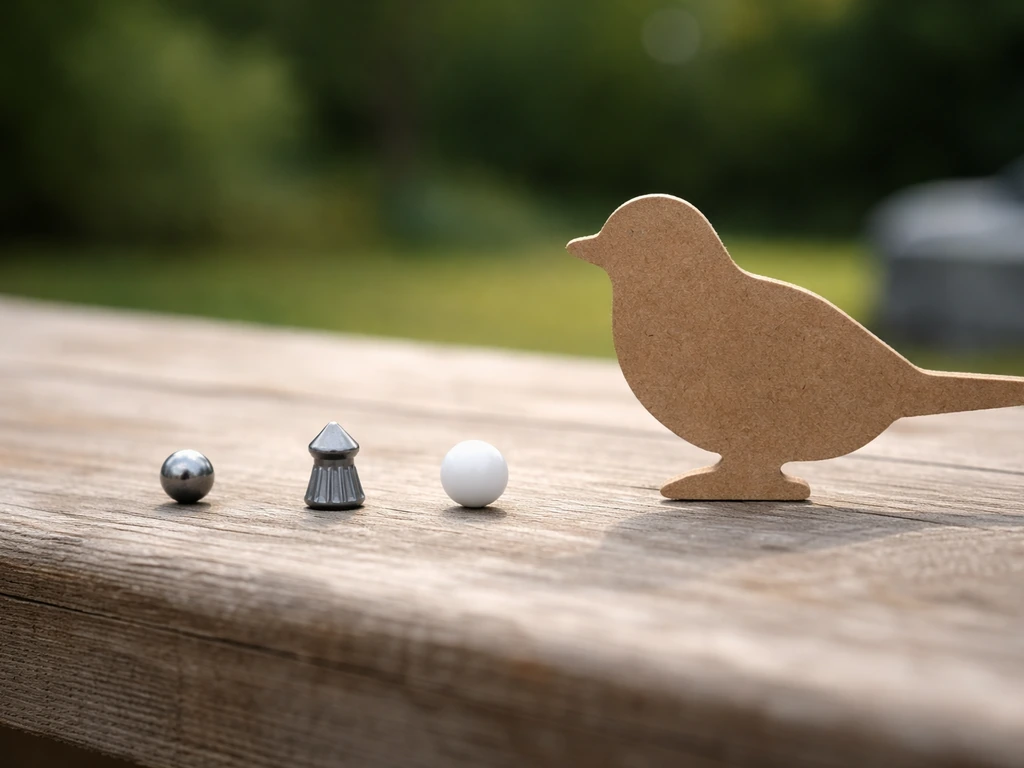
People often ask about related weapons when trying to understand the risk. Here is a straightforward comparison of the three most common types:
| Type | Typical Velocity | Projectile | Lethality to Birds | Legal Status for Birds |
|---|---|---|---|---|
| BB gun | 250–500 fps | 4.5mm steel or copper BB | Moderate to high at close range | Illegal for protected species in US/UK |
| Pellet gun | 400–1200 fps | 4.5mm or 5.5mm lead pellet | High, especially higher-power models | Illegal for protected species; documented federal charges |
| Airsoft gun | 200–400 fps | 6mm plastic BB | Low to moderate; small birds at close range at risk | Still illegal to shoot protected birds regardless of weapon |
If you are weighing different options, it is worth knowing that pellet guns are generally more powerful than standard BB guns and carry a higher lethality risk, while airsoft guns use lighter plastic projectiles but are not harmless to small birds at close range. The legal exposure is the same regardless of which type you use on a protected species.
For a closer look at where the risk threshold shifts with velocity, the question of what a 300 fps airsoft gun can do to a bird gives useful context on how even lower-powered guns still carry real risk for smaller birds.
What to Do Instead: Effective, Legal Bird Deterrents
If the reason you are asking is that birds are causing a problem, such as roosting on your roof, getting into your garden, or congregating somewhere unwanted, there are genuinely effective and legal ways to deal with this.
Physical exclusion is the most reliable long-term solution. Spikes, wire coils, and spring systems prevent birds from perching on ledges and structures. Electrified wire is used on commercial buildings for exactly this purpose. Netting can block access to roof spaces and building gaps, but it has to be installed and maintained correctly: the U.S. Fish & Wildlife Service has specifically warned that loosely installed or poorly maintained bird netting can entangle and kill wild birds, which creates the same legal problem you were trying to avoid. The RSPB similarly advises that flimsy or improperly fitted netting causes harm, and recommends alternatives like nesting boxes and properly designed ledges where appropriate.
Visual deterrents get mixed results. Reflective materials like mylar flags and reflective tape have been tested for gull deterrence, and research cited by the National Academies Press found reflecting tape to be ineffective in at least one context. Birds tend to habituate to visual deterrents quickly if no real threat is associated with them. They work best as part of a combined approach rather than as a standalone fix.
The Illinois Department of Public Health recommends a layered exclusion approach: netting, monofilament line, wire springs, coils, and spikes for persistent perching problems. These are the same tools used by professional pest control operators and they work without putting you on the wrong side of wildlife law.
If a Bird Has Already Been Shot: What to Do Right Now
If you are dealing with a bird that has been shot, either by you or by someone else, the most important thing is to act quickly. The sooner a bird receives professional care, the better its chances. Getting proper treatment quickly improves recovery outcomes significantly.
- Do not attempt to treat the bird yourself beyond basic containment. Do not give it food or water, as this can cause additional harm and aspiration in a stressed bird.
- Handle as little as possible. Contain the bird gently in a cardboard box with ventilation holes. Line it with a soft cloth or paper towels. Keep the box closed to keep the bird dark, warm, and quiet.
- Keep the environment calm. During any transport, keep the car radio off and minimize talking. Human noise, touch, and eye contact cause additional stress to wild birds.
- Provide gentle warmth if the bird appears chilled or wet, but do not overheat it. Placing the box near a moderate heat source can help.
- Contact a licensed wildlife rehabilitator immediately. The USFWS maintains lists of rehabilitators by state. Your state wildlife agency, local humane society, or animal control office can also direct you to the nearest permitted rehabilitator.
- If the bird was shot intentionally and is a protected species, contact your state wildlife agency or USFWS law enforcement. The incident should be reported, and the bird should be transported to a rehabilitation center following their guidance.
When you call for help, describe what you observed: where the bird is, whether it can fly, any visible injuries like bleeding or a drooping wing, and how long ago the injury occurred. Rehabilitators can give you immediate guidance over the phone while you arrange transport.
The Raptor Trust advises keeping an injured bird warm, dark, and quiet while waiting for help, and to reach a licensed wildlife rehabilitator or animal control officer as your first call. The Avian Wildlife Center follows the same approach: call for advice first, contain safely, and get the bird to a professional as fast as possible.
One last practical note: if you find a bird you suspect has been shot, look for the signs the USFWS flags for incident handling, including whether the injury pattern suggests a projectile wound. If so, that is a reportable wildlife incident, not just a found injured bird. Federal and state law enforcement take these cases seriously, as the documented prosecutions under the MBTA make clear.
FAQ
If a bird flies away after being hit by a BB, is it safe to assume it was not harmed?
Assume it can, because birds can die after a single non-direct hit (lung or air sac puncture, internal bleeding, or later shock and infection). Even when a bird flies away, injuries may worsen over hours to days.
What should I do immediately if I think I shot a bird with a BB gun and it may be injured?
Keep the muzzle pointed in a safe direction and do not fire, then contact a licensed wildlife rehabilitator or animal control for guidance. If the bird appears injured, avoid trying to “check” it by handling, since hidden head or chest trauma can rapidly worsen without veterinary care.
Can a BB gun harm birds even if I am not aiming directly at them?
Yes. A BB can ricochet off hard surfaces (metal, stone, brick, some fence boards) and hit a bird or a person at a distance you did not intend. Ricochet risk often increases when shooting at angles near flat surfaces or through gaps in fencing.
Do glancing hits or hits to non-vital-looking areas always avoid lethal injury?
Yes, especially for small birds, where internal injury can occur without obvious external bleeding. A feathered wing glancing blow can still cause fractures or internal organ damage even if the bird looks “okay” at first.
How reliable is muzzle velocity and distance as a way to judge whether a BB is dangerous to a bird?
Lethality risk increases with velocity, but distance is not a guarantee. Practice-related variables like wind, BB tumbling, and inconsistent muzzle energy mean a shot that is “low risk” on paper can still penetrate at close range or with a particularly energetic BB.
If I find a bird that may have been shot (not necessarily by me), how should I assess urgency for getting help?
If you find a bird that you suspect was shot, treat it like a projectile injury case, meaning get professional advice quickly and document what you saw (time, location, whether there are visible puncture wounds or bleeding). Delaying care can reduce survival even when the bird initially seems mobile.
Is it legal to shoot a BB gun just to scare birds away from a yard?
Yes. In many places, even “just for scaring” can cross legal lines if you intentionally injure or kill a wild bird, or if the deterrent involves shooting. Also, repeatedly shooting from a property can create evidence that the acts were intentional and unlawful.
Does it matter what species the bird is for legal risk, and how should I handle uncertainty?
Season and species matter, because protections depend on whether the bird is protected under migratory and local rules. A bird that is not protected in one context can still be protected under broader wildlife protections, so you should not rely on “common sense” identification for legality.
What is the safest way to temporarily hold an injured bird until a rehabilitator can take it?
For wildlife response, call a licensed wildlife rehabilitator first when possible, then transport the bird only if it is safe and you can do so without causing more stress. If you must contain it, use a secure, ventilated container, keep it dark and warm, and avoid giving food or water.
If there may be BBs around, what safety steps should I take for people and pets before moving anything?
If you want to protect pets and people, do not pick up loose BBs or investigate impact sites with bare hands, and keep everyone away from where shots may have landed. For safety and evidence, mark the area and call local authorities or a wildlife professional if the incident involves suspected injury to wildlife.
Are airsoft or pellet guns a safer alternative if my goal is only deterrence?
Yes. Pellet guns are typically more powerful than standard BB guns, and airsoft guns can still injure small birds at close range. Switching between these devices does not reliably reduce wildlife lethality, and legal exposure can still apply to protected species.
Can bird netting be dangerous, and how do I avoid accidentally injuring or killing birds with it?
Yes. Loosely installed or poorly maintained netting can entangle and kill birds, creating the same kind of harm and potential legal exposure you were trying to avoid. Use correctly designed materials, install properly, and monitor regularly for tangles or gaps.
Why do reflective deterrents sometimes stop working, and what should I do if birds keep returning?
Often. Birds can habituate to reflective or visual deterrents, so they may stop working in days or weeks unless you change placement or combine methods with exclusion. Pair deterrents with physical barriers when perching is the root cause.