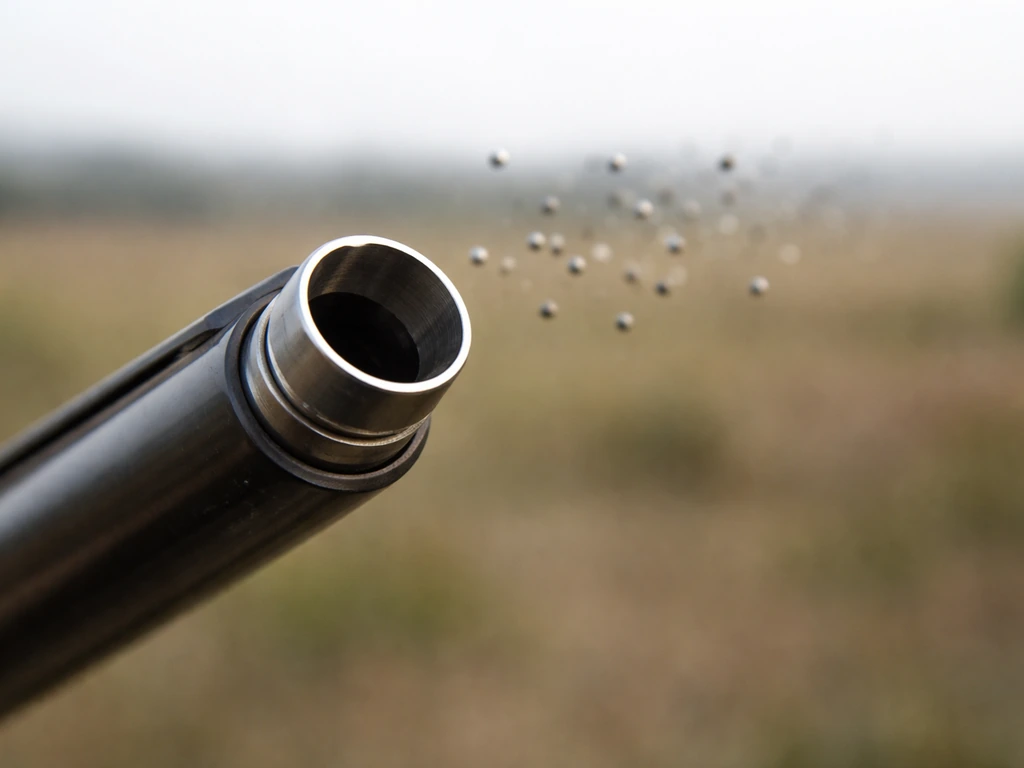
Birdshot will not reliably kill a deer. At close range it can wound one badly, but that usually means a suffering animal that runs off and dies slowly rather than a clean, ethical kill. The pellets simply don't carry enough individual energy to reach the vital organs of a deer-sized animal at any realistic distance, and the pattern spreads too wide to concentrate enough force in one spot. Using birdshot on deer is not just a bad idea from a hunting standpoint, it's illegal in most U.S. states and carries real consequences.
Will Birdshot Kill a Deer? Real Risk, Laws, and What to Do

Maya Chen
22 May 2026
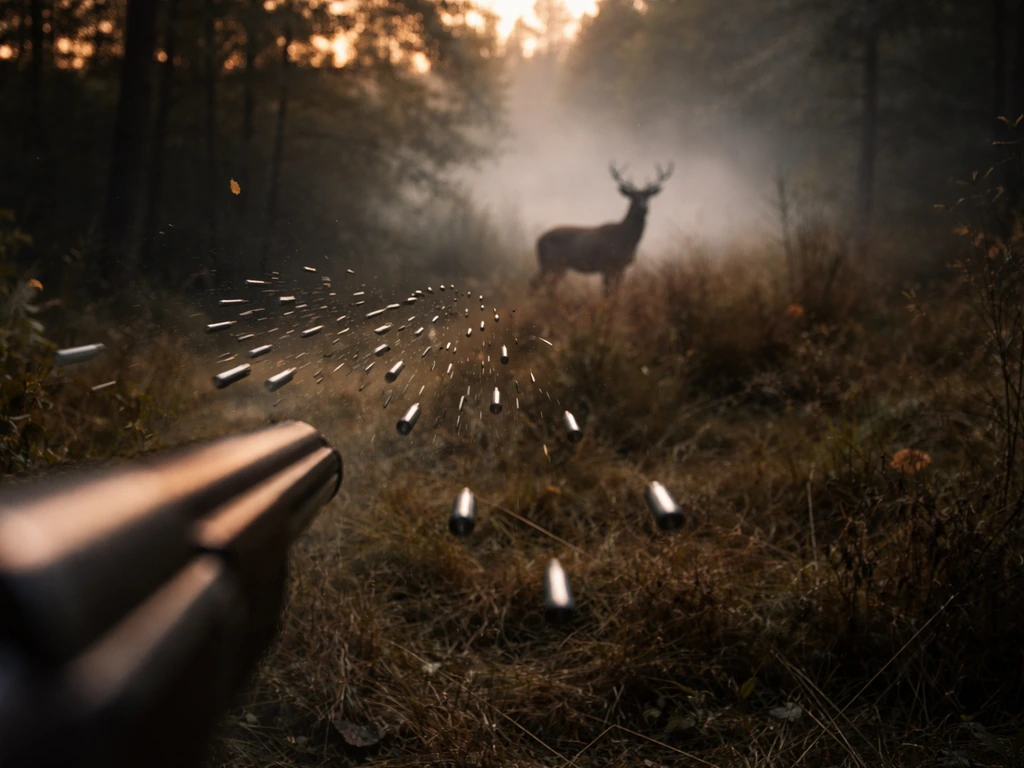
Does birdshot reliably kill deer?
No. The short physics problem here is pellet mass and velocity. Even the largest birdshot sizes like #2 or BB shot produce individual pellets that weigh only a few grams. At distances beyond about 20 yards, those pellets have lost so much energy that they struggle to penetrate more than an inch or two of tissue on a large animal. A deer's vitals (heart, lungs, major vessels) sit 4 to 6 inches or more below the surface through hide, muscle, and ribs.
New Mexico Department of Game and Fish documented a real case that shows exactly what happens: a doe mule deer was found dead with shotgun pellets from a birdshot load sitting just underneath the skin. The pellets didn't reach the vital zone. The deer likely survived the initial hit and died later from infection, blood loss, or stress. That's the typical outcome, not a quick kill.
Idaho Fish and Game put it plainly in their warnings against using birdshot to haze deer: 'more often than not' the shot breaks through the skin and lodges between the hide and tissue, creating a potentially lethal wound without causing immediate incapacitation. The deer doesn't drop. It runs, likely for a long distance, carrying a wound it can't recover from on its own.
How deer physiology and shot pattern affect outcomes
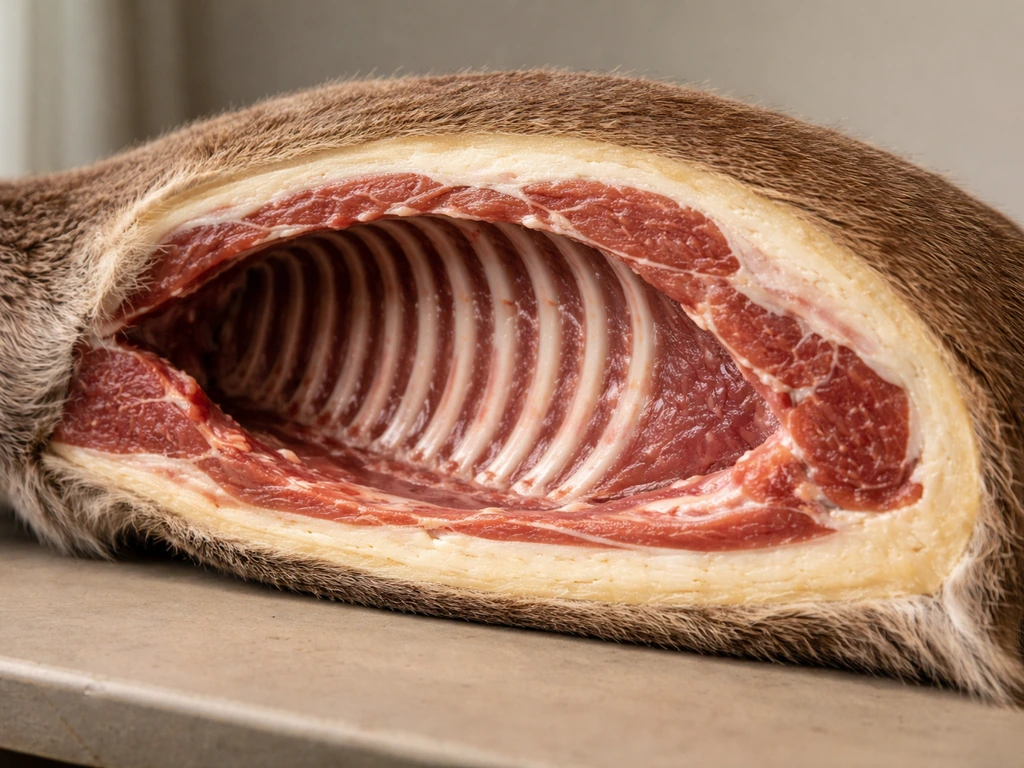
Deer have thick hides, a dense layer of fat in fall and winter, heavy muscle tissue over the chest cavity, and ribs built to protect vital organs from predators. Getting a lethal hit requires a projectile that can punch through all of that and disrupt the heart or lungs enough to cause rapid blood loss or cardiac failure.
Birdshot works for birds because birds are small, have thin feathered skin, and light bone structure. Multiple pellets hitting simultaneously create enough cumulative trauma to kill a 3-pound bird. A 150-pound deer is a completely different equation. The same pellets that drop a pheasant at 35 yards barely penetrate a deer's shoulder muscle at 15 yards.
Shot pattern also works against you. As the shot charge leaves the barrel it spreads rapidly. By 20 yards a typical load is spread across a pattern 12 to 20 inches wide. That means the pellets hitting any one spot on the deer's body are very few, each delivering only a fraction of the energy needed for penetration. Even a direct center-mass hit at very close range (under 10 yards) might push a handful of pellets into the muscle, but getting through ribs and into the lungs or heart is unlikely with small shot.
Risk of suffering and legal/ethical concerns
The most likely outcome of shooting a deer with birdshot is a wounded animal that escapes and dies over hours or days. That's a welfare problem and an ethical one. A deer carrying pellets in its muscle tissue will experience pain, stress, and possible infection. If the shot struck bone it may be unable to walk properly, making it vulnerable to predators and starvation.
On the legal side, using birdshot to hunt deer is prohibited in virtually every state. [Washington Department of Fish and Wildlife's regulations explicitly require slugs or buckshot for shotgun deer hunting. ](https://www. wdfw.
wa. gov/sites/default/files/publications/02536/wdfw02536. pdf) Wisconsin's administrative code (NR 10. 09) specifically prohibits hunting deer with shot loads other than a single slug or approved projectile.
Massachusetts and Virginia both restrict weapon and ammunition types for deer seasons in similar ways. Virginia DWR’s deer hunting regulations similarly provide state-specific guidance on what weapons and ammunition are legal for taking deer Virginia DWR’s deer hunting regulations provide state-specific guidance on legal weapons and how deer may be taken.
Shooting a deer with birdshot outside of a legal hunting season, or with illegal ammunition, can result in poaching charges, fines, and loss of hunting privileges.
Even if the intent isn't to hunt (for example, using birdshot to haze a deer away from a garden or property), Idaho Fish and Game has specifically warned against this practice for exactly the reasons described above. You're more likely to wound the animal than drive it off.
What to do if you already shot a deer with birdshot
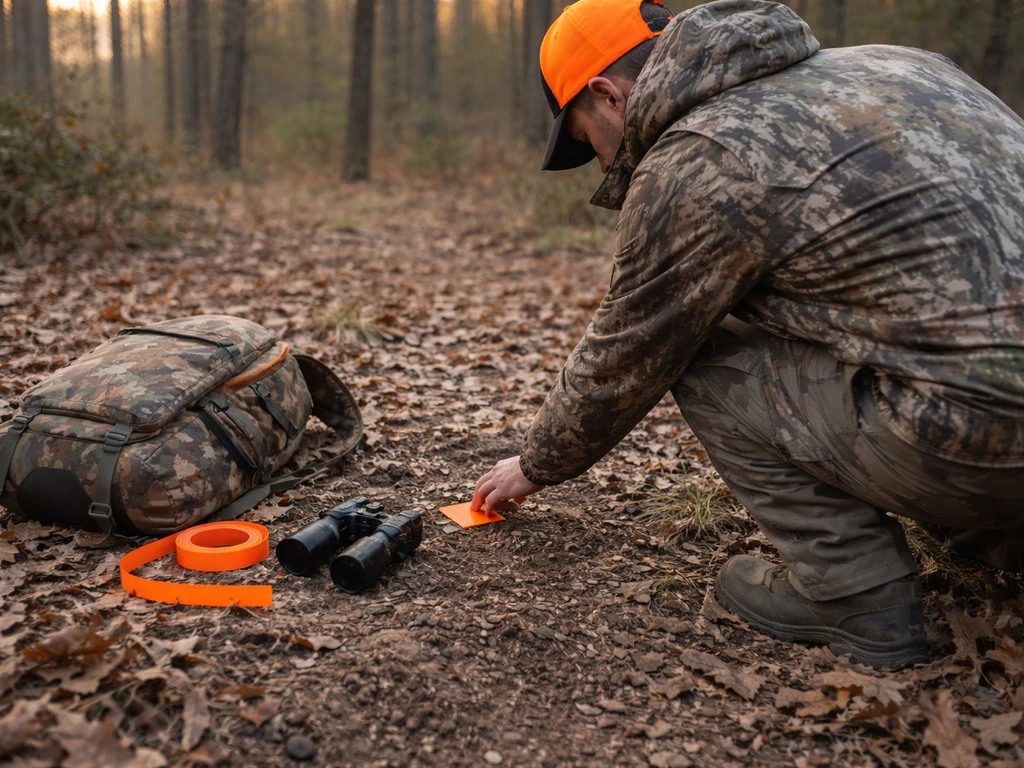
If you've already fired birdshot at a deer and it ran off, don't chase it immediately. North Carolina Wildlife Resources Commission guidance on recovering game animals specifically cautions against starting recovery too soon because pressure from pursuit can push a wounded deer much farther and reduce your chances of finding it. Wait at least 30 minutes before you begin tracking, longer if you believe the hit was not clean.
When you do begin tracking, start from exactly where the deer was standing when you shot. Massachusetts Division of Fisheries and Wildlife recommends marking the shot location and the deer's last known position before moving. Look for blood sign, hair, or disturbed vegetation. North Carolina Wildlife notes that even a mortally wounded deer blank" rel="noopener noreferrer">may travel 5 to 10 yards or more before it starts leaving a visible blood trail, so don't assume a clean miss just because you see no blood in the first few steps. After a birdshot hit, that distance can be several yards, so keep tracking long enough to confirm what happened how far a wounded deer may travel.
If you find the deer alive and injured, do not attempt to handle it yourself. A wounded deer is dangerous and stressed. Contact your state wildlife agency immediately. In many states you are legally required to report a wounded deer, and a game warden can assist with humane dispatch and advise you on any legal obligations. If the deer is dead, contact your state wildlife agency to find out whether you can legally keep the animal or whether it must be surrendered.
If the deer ran onto private property or into a developed area, contact local animal control in addition to your state wildlife agency. Be honest about what happened. Wildlife officers deal with accidental woundings regularly and are generally more interested in resolving the situation humanely than in penalizing someone who comes forward voluntarily.
Safer alternatives: legal ammo and hunting setups
If you're deer hunting with a shotgun, the two legal and effective choices are rifled slugs and buckshot. A 12-gauge slug delivers a single projectile weighing around 1 ounce at 1,500 to 1,600 feet per second, enough energy to cleanly take a deer at 75 to 100 yards. Buckshot (00 or 000 buck specifically) fires large pellets roughly the size of a 9mm bullet, and at close range (under 40 yards) can be effective on deer-sized animals. Both are designed for exactly this purpose.
| Ammunition Type | Pellet/Projectile Size | Effective Range on Deer | Legal for Deer Hunting |
|---|---|---|---|
| Birdshot (#2, #4, #6) | Very small (1.3mm to 3.8mm) | Not effective at any practical range | No (in almost all states) |
| Buckshot (00 or 000) | Large (8.4mm to 9.1mm) | Up to 40 yards | Yes, where shotguns are permitted |
| Rifled Slug (12 or 20 gauge) | Single 1-oz+ projectile | Up to 100 yards | Yes, in most shotgun deer zones |
| Sabot Slug (used in rifled barrel) | Single smaller-diameter projectile | Up to 150+ yards | Yes, in most shotgun deer zones |
Before you hunt, confirm the specific regulations in your state and zone. Some states allow rifles for deer, some restrict you to certain shotgun configurations, and some designate specific seasons for different weapon types. Your state wildlife agency website will have current season dates, legal weapon lists, and zone-specific rules. It takes 10 minutes to look up and can save you a fine or, more importantly, prevent an animal from suffering.
Common myths vs. reality about birdshot and large game
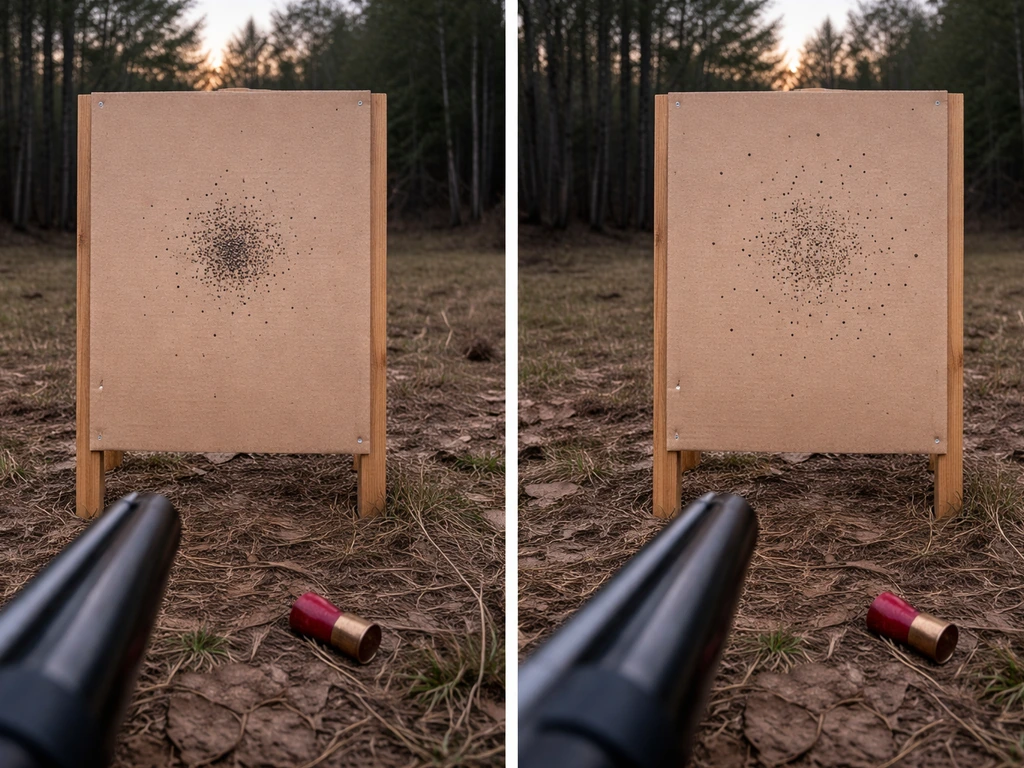
A lot of the confusion around birdshot and deer comes from a handful of persistent myths. Here's how those stack up against what actually happens.
| The Myth | The Reality |
|---|---|
| 'Enough pellets hitting at once will drop anything' | Total pellet count doesn't matter if no single pellet has enough energy to reach vital organs. Birdshot disperses that energy too broadly on large animals. |
| 'A close-range shot is just as deadly as a slug' | At under 10 yards the pattern is tighter, but the pellets still lack mass to punch through a deer's chest wall reliably. You get a cluster of shallow wounds, not a killing hit. |
| 'Deer are hit by birdshot all the time and survive fine' | Survival isn't the same as no harm. As the New Mexico case shows, pellets lodge in tissue, cause infection, and can lead to prolonged death. Surviving a hit doesn't mean the animal is okay. |
| 'One pellet in the right spot is all you need' | A single birdshot pellet striking a deer's head at very close range could theoretically be lethal, but this is not a controllable or predictable outcome. Relying on it is not ethical or legal hunting practice. |
| 'Birdshot is fine for hazing deer off your property' | Idaho Fish and Game explicitly warns against this. Hazing attempts with birdshot frequently result in wounding, not deterrence. |
The pattern here is clear: birdshot is purpose-built for small, light-bodied birds. Using it outside that context produces unpredictable and often harmful outcomes for larger animals. If you're curious about how birdshot performs in other contexts, related topics like whether birdshot is lethal in general or how it performs on animals like turkeys follow the same underlying physics: smaller animals are more vulnerable, larger ones require more projectile energy than birdshot provides.
The bottom line is this: if you're considering using birdshot on a deer today, don't. If you're wondering will bird shot kill a turkey, the same problem applies: small pellets often fail to reach vital organs reliably deer today, don't. . For home defense, you generally want ammunition designed to reliably stop an intruder rather than a load like birdshot.
If you already did, follow the tracking and reporting steps above, be honest with your wildlife agency, and focus on minimizing the animal's suffering. And if you're planning a deer hunt, get the right ammunition before you go out. It's a simple fix that makes all the difference for the animal, for you legally, and for the outcome of your hunt.
FAQ
If I use birdshot very close, will a deer still drop quickly?
It can, but it is not dependable. A few pellets at close range may lodge under the skin or break ribs without reaching the heart or lungs, so you cannot rely on “deer will drop” as a safety or welfare standard.
What should I do if I think I hit a deer with birdshot but I do not see blood immediately?
For welfare and evidence, do not wait for “proof of a clean miss” if you suspect impact. Start with the last known position, mark it if possible, and track long enough to find blood, hair, broken vegetation, or pellet-lodging wounds.
How long should I wait before I start looking for a deer I shot with birdshot?
No. A wounded deer may travel several yards and can be harder to see once it bedded down. If you wait too little, you can push it farther, which reduces sign and makes recovery less humane.
Is using birdshot “to haze” deer instead of hunting safer or more legal?
Even if you meant to scare it, the injury risk is the same physics problem. If pellets break through hide and lodge outside the vitals, you can still create a potentially lethal infection or blood-loss wound, and you may still face legal exposure for using the ammunition.
If the deer is alive but injured, can I finish it myself?
If you find the animal alive, do not try to immobilize or handle it. Many states require you to report a wounded deer, and wildlife professionals can dispatch humanely and also advise on what you are allowed to do next.
What information will wildlife officers want if I report a possible birdshot injury?
Take steps to contact the right agency even if you think the shot was an accident. Be honest about ammunition, distance, and where the deer ran, and keep details consistent, because officers often rely on your timeline to locate the animal.
If the first shot with birdshot did not drop the deer, should I shoot again to ensure a kill?
Do not try to “upgrade” by shooting again with birdshot. If the first shot wounded the deer, repeated hits with the same load increase suffering without improving the odds of a rapid, ethical kill.
What if the deer runs onto private property or into a neighborhood after a birdshot hit?
If the deer entered private land, notify your state wildlife agency and also local animal control or landowner services as needed. Being transparent matters, because your goal is recovery, humane resolution, and compliance with local access rules.
Why does pellet “multi-hit” matter less on deer than it does on birds?
Birdshot pattern spread is the main reason. Multiple pellets usually will not concentrate enough energy into one rib gap or into the vitals to cause rapid blood loss, especially beyond short distances.
Can birdshot injure a deer even if the pellets do not clearly penetrate?
Yes, it can still cause serious injury even when it does not fully penetrate. Pellets can lodge between hide and muscle, cause bruising and fractures, and create an infection risk that can become fatal later.
What are safer, legal alternatives to birdshot for deer hunting?
If you have access to a proper shotgun, slugs or appropriate buckshot are the effective legal options in most deer seasons. The key is matching the ammunition to your season requirements and typical shot distances for your area.
What exactly should I confirm in my state regulations before deer season begins?
Because rules vary by state and sometimes by zone, you should confirm not only the ammo type but also the season dates, weapon restrictions, and any special regulations for your specific unit. A quick check before you hunt can prevent both legal trouble and unnecessary animal harm.
Next Article
How Far Does 22 Bird Shot Travel? Range and Safety Guide
Real-world guide to 22 bird shot pellet travel distance and safety hazard radius, with testing steps and risk limits.