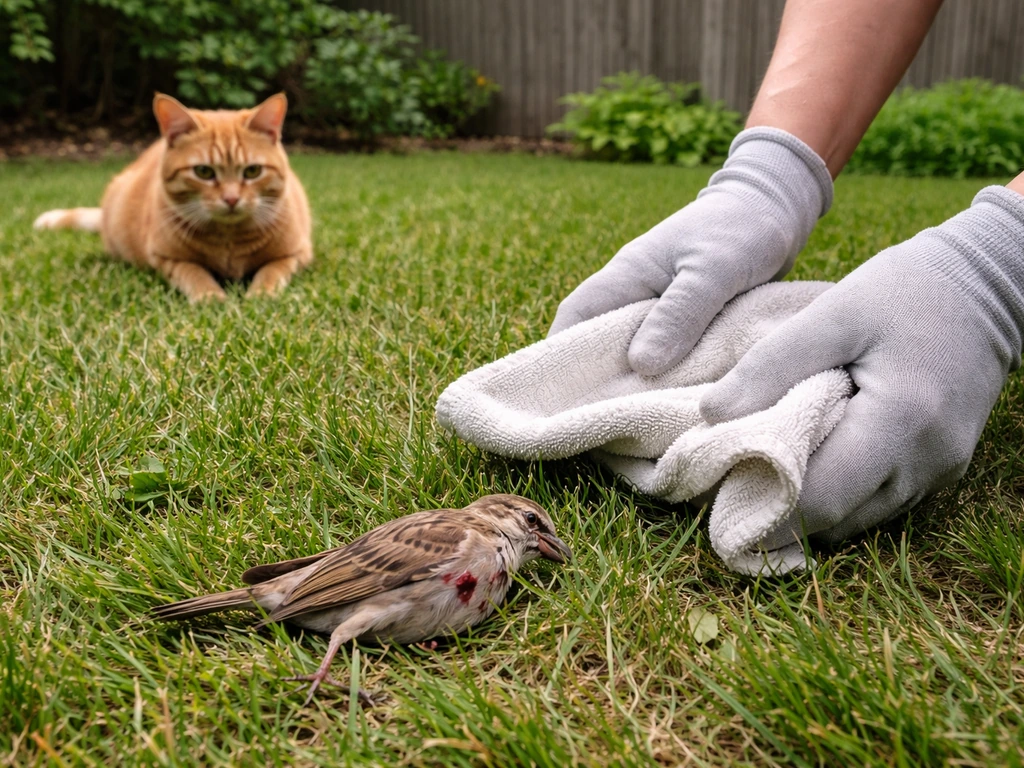
Scaring a bird by itself almost never kills it outright. There's no solid evidence that fear alone causes instant cardiac arrest or death in healthy wild birds. But here's the honest part: being startled can set off a chain of events that does lead to serious injury or death, especially in small songbirds, birds near windows, or birds already weakened by stress or illness. So the answer is nuanced. Fright alone is rarely the direct killer, but what happens after the scare often is.
Can You Scare a Bird to Death? What Actually Happens

Maya Chen
20 May 2026
Myth check: can fear alone kill a bird
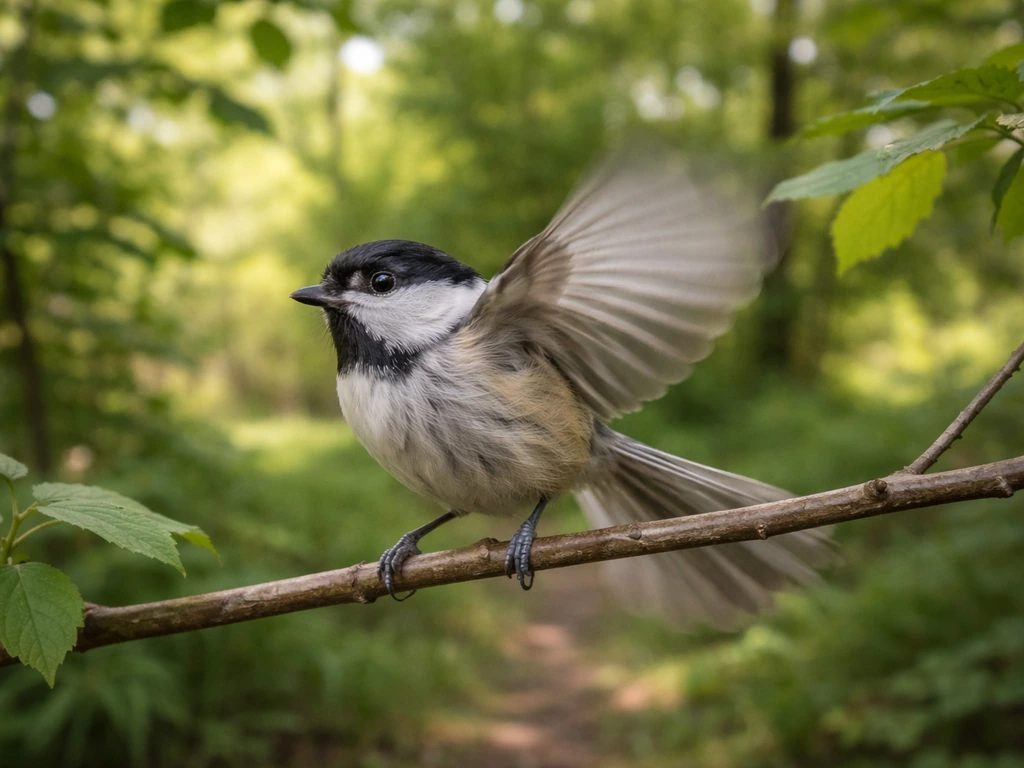
The idea that you can literally frighten a bird to death with a single loud noise or sudden movement is mostly myth. Birds have a robust stress response, and while their hearts race and adrenaline spikes when threatened, healthy birds recover quickly from a startle. This is by design. A sparrow that fainted every time a hawk flew overhead wouldn't last long.
That said, extreme or prolonged stress is a different story. Research and clinical observations from wildlife vets note that birds can exhaust themselves through sustained panic, for example by repeatedly flying into a window in a territorial response, but this kind of exhaustion doesn't usually cause fatal injury on its own. Where birds actually die is in the physical consequences of panic: collision with a hard surface, a fall, tangling in something, or flying into traffic.
One genuine exception worth knowing about is capture myopathy, a condition in which intense physical exertion combined with extreme fear causes muscle breakdown that can be fatal. This is mostly documented in birds that are chased, restrained, or trapped for extended periods, not in birds that are briefly startled and then fly away freely. It's a real thing, but it's not what happens when you clap your hands to shoo a pigeon off your porch.
When "scaring" can lead to real injury or death
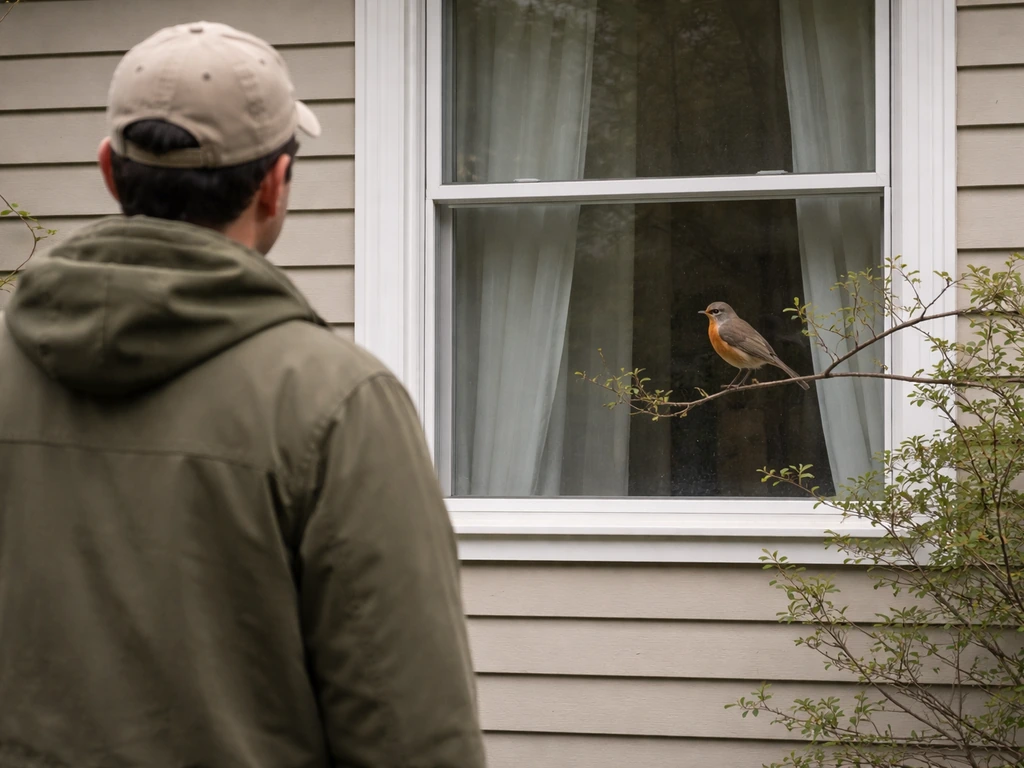
The real danger starts when a frightened bird's escape route leads it into something harmful. Window strikes are the clearest example. Research cited by the Bird Alliance of Oregon puts the fatality rate for window collisions at 54 to 76 percent, and wildlife clinics confirm that even strikes that look minor can cause severe internal injuries that aren't visible from the outside. A bird that you startle into an immediate, panicked flight near glass is genuinely at risk.
Other real hazards that begin with a scare include flying into fences or vehicles, striking tree branches at speed, or getting separated from a nest or flock in a way that leaves young birds exposed. Small birds, including finches, sparrows, and warblers, are the most vulnerable because their lightweight skeletal systems offer less protection to internal organs during impact. Raptors and larger birds tend to handle collision forces better, though they're not immune.
Nesting birds present another specific concern. Repeated disturbance near an active nest can cause parents to abandon eggs or chicks, which is effectively fatal for the young. This is less about the biology of fear and more about behavioral disruption, but the outcome can be the same. If you're dealing with a bird that's nesting in an inconvenient spot, the timing of your actions matters a lot.
The situations where a scare is most likely to lead to real harm, summarized:
- Bird panics near windows, glass doors, or reflective surfaces
- Bird is already injured, sick, or exhausted
- Bird is repeatedly harassed over a long period (exhaustion and abandon-nest risk)
- Chicks or fledglings are in the area and can't fly well yet
- Bird is physically restrained or chased rather than simply startled
How to deter or move birds safely (do today)
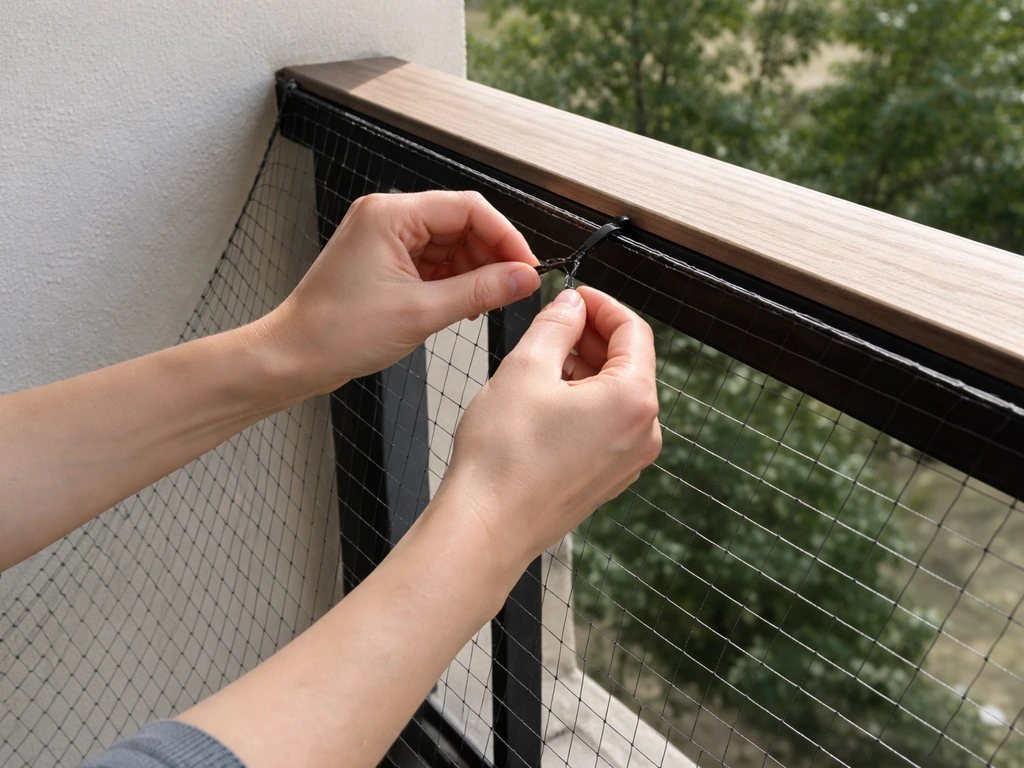
If you need birds to leave a specific area, the most effective and safest approach is to make the space less attractive to them, not to frighten them repeatedly. Physical exclusion is the gold standard. USDA APHIS and the U.S. Fish and Wildlife Service both point to netting, anti-perching spikes, and structural barriers as the most reliable long-term tools. USFWS specifically names exclusion netting as the most effective method for deterring herons and egrets from roost trees, and that logic applies broadly.
For immediate, practical steps you can take today without special equipment:
- Remove food sources: take down feeders, secure garbage, and clean up spilled seed or fruit. Most bird congregation problems are food-driven.
- Block access to roosting spots with hardware cloth, bird coil wire, or spikes on ledges and beams. Michigan DNR recommends hardware cloth or metal flashing to seal openings after confirming no birds are inside.
- Use visual deterrents like reflective tape, mylar streamers, or predator silhouettes near the problem area. These work short-term but birds habituate to them, so move them every few days.
- Try auditory deterrents such as recorded predator calls or distress calls if you need quick relief in an open area, outdoors. The USFWS is clear that birds eventually learn to ignore sounds left playing in the same location, so vary the timing and pattern.
- Modify the habitat: trim vegetation that provides cover, reduce standing water, or block entry points to buildings before birds establish nesting.
One thing worth saying plainly: no single hazing or deterrent method is a permanent fix on its own. Research evaluating gull deterrence and radar-activated hazing systems both found that birds habituate when the same stimulus repeats without consequence. The most durable results come from combining physical exclusion with habitat modification, not from relying on scare tactics alone.
What not to do: harmful harassment methods and unsafe tricks
Some commonly suggested methods either don't work or create real harm. Avoid these:
- Chasing or physically pursuing a bird: this risks triggering capture myopathy, causing collision injuries, and stressing the bird far beyond what a simple shooing would.
- Trapping and relocating without proper permits: in the U.S., relocating most wild birds is regulated under the Migratory Bird Treaty Act. Doing it without authorization is a federal offense for protected species.
- Throwing objects at birds or using anything that physically strikes them: obviously harmful, and likely illegal under wildlife protection laws.
- Sticky or glue-based deterrents on perching surfaces: these trap birds and cause wing and feather damage, and are generally condemned by wildlife agencies.
- Leaving predator decoys completely static for weeks: birds figure out the decoy isn't real within days if it never moves. It becomes furniture.
- Disturbing active nests during breeding season: repeated disturbance can cause nest abandonment, which is both harmful and, for many species, legally problematic.
If a bird is stunned or injured: first aid basics and when to call rehab
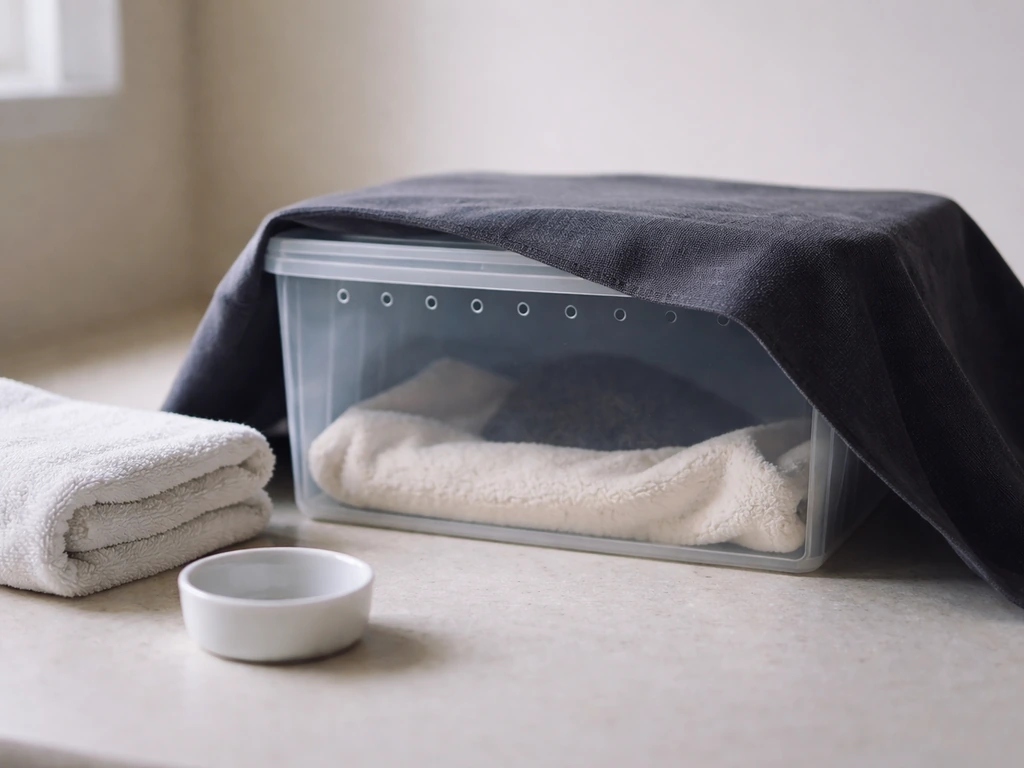
If a bird has been startled into a window strike or fall and is now on the ground, stunned or injured, here's what to do. The guidance from Tufts Wildlife Clinic, Audubon, and the Golden Gate Bird Alliance is consistent, so follow this sequence:
- Approach slowly and quietly. Don't handle the bird more than necessary.
- Gently place the bird in a cardboard box or shoebox lined with a soft cloth or paper towels. Do not use a wire cage, which can damage feathers and cause additional injury.
- Put the box in a warm, dark, quiet place indoors. Darkness reduces stress significantly.
- Do not offer food or water. Well-meaning feeding can cause aspiration in a disoriented bird and doesn't help recovery.
- Wait about an hour. Many stunned birds recover on their own from window strikes if the internal injury is not severe.
- If the bird shows obvious injury signs (drooping wing, visible wounds, bleeding, labored breathing, inability to stand), or hasn't recovered after an hour, contact a licensed wildlife rehabilitator immediately.
Finding a rehabilitator is usually straightforward. In the U.S., you can search through the National Wildlife Rehabilitators Association or your state's wildlife agency website. Keep the bird contained and calm during transport and get it there as quickly as possible. Tufts and HSVMA both emphasize that time matters and that attempting to care for injured wild birds yourself at home without a permit is both illegal and unlikely to give the bird its best chance.
Signs that tell you a bird needs professional help, not just a quiet hour:
- Visible wounds or bleeding
- Drooping or dragging wing
- Inability to perch or stand
- Labored or open-mouth breathing
- Seizure-like trembling
- Unresponsive to gentle stimulus after 60 minutes
Prevention for common settings (windows, yards, rooftops, feeders)
Prevention matters more than response. The Wildlife Center of Virginia frames this clearly: because window injuries can be severe and internally invisible, bird-safe window treatment before a strike is far more valuable than reacting after one. Here's what to do by setting:
| Setting | Main Risk | Best Prevention |
|---|---|---|
| Windows and glass doors | Collision after scare or reflection confusion | Apply window film, decals spaced no more than 2 inches apart, or external screens. Exterior solutions work better than interior ones. |
| Yard and garden | Birds nesting in inconvenient spots or congregating at feeders | Move feeders at least 30 feet from windows, modify habitat (trim dense cover), use physical barriers around planting beds if needed. |
| Rooftops and ledges | Roosting pigeons, gulls, or starlings creating mess or noise | Install anti-perching spikes, bird wire, or coil wire on horizontal surfaces. Seal any gaps larger than 1 inch that could become nesting sites. |
| Porches and overhangs | Swallows or robins nesting in eaves | Install mesh or netting before nesting season begins. Once an active nest is present, wait until young fledge before blocking the site. |
| Feeders | Attracting too many birds or the wrong species | Use species-specific feeders with appropriate ports, place baffles on poles to deter squirrels (which attract pest birds), and clean feeders regularly to prevent disease spread. |
Lighting is worth a separate mention. Lights left on at night during migration season disorient birds, contributing to window strike risk and exhaustion. Turning off or reducing non-essential exterior lighting, especially from April through May and September through November, reduces the number of birds disoriented near your building in the first place.
Species and legal considerations for bird deterrence and relocation
Before you decide how to deal with a bird problem, the legal picture matters. In the U.S., the Migratory Bird Treaty Act (16 U.S.C. 703-712) protects the vast majority of wild bird species from being taken, killed, transported, or even significantly disturbed without a federal permit. This covers birds most people think of as common nuisances: swallows, robins, sparrows, starlings (non-native, so unprotected), and most songbirds. Pigeons and house sparrows are typically not protected under MBTA, which gives you more flexibility with those species.
In the UK, all wild birds, their eggs, and active nests are protected under the Wildlife and Countryside Act 1981. Intentionally disturbing a bird at or near an active nest, especially for Schedule 1 species (including many raptors and rare species), can be a criminal offense. The EU Birds Directive similarly prohibits deliberate significant disturbance of wild birds, particularly during breeding and rearing seasons.
Practically speaking, this means a few things for the average reader:
- Shooing a bird off your porch by clapping or waving is legal and fine.
- Installing physical deterrents like spikes or netting on your own property is generally legal and doesn't require permits.
- Trapping and relocating a protected migratory bird without USFWS authorization is a federal offense in the U.S.
- If you find a bird actively nesting in an inconvenient location, you're usually better off waiting until the nest is complete (young fledged and gone) before blocking that spot for next season.
- For significant bird problems on commercial or agricultural properties, licensed wildlife damage management professionals can obtain the necessary permits to do things private individuals cannot.
Species size also matters for practical deterrence. Small songbirds are highly responsive to visual and auditory deterrents, at least initially, but habituate quickly. Larger birds like crows, ravens, and gulls are significantly smarter and habituate to static deterrents faster. Raptors are generally protected under additional provisions beyond the basic MBTA and require specialist handling if they're causing a problem near a property. If you're dealing with a hawk or owl situation, contacting your state wildlife agency for guidance is the right first step before doing anything.
If you're also thinking about the role pets play in bird harm, the dynamics around cats scaring or killing birds and what owners should do are a related set of questions worth understanding alongside deterrence strategy. A related question is whether a cat can scare a bird to death, and the safest approach is still to prevent repeated chases and escapes cats scaring or killing birds. That same idea applies when people ask, "Should I punish my dog for killing a bird?" cats scaring or killing birds. The context of whether a bird is being threatened by a predator versus a human presence changes both the bird's behavior and the right response. If you are dealing with a cat instead, the same general idea applies for assessing cause and risk, not just blame, which is covered in why did my cat kill a bird Should I punish my dog for killing a bird.
FAQ
If I yell or bang on something, can I accidentally harm a bird even if it flies away right after?
Not in the way people mean. A brief clap or shout usually makes a bird fly off and recover, but if it is forced into repeated panicked flights (for example, being chased through a doorway) the risk shifts to collisions, exhaustion, and nest abandonment.
After a window strike, what signs mean the bird needs help even if it seems alert?
You should assume risk if the bird is near glass and it looks startled, drowsy, or uncoordinated after the event. Even when it flies a short distance, internal trauma can show up later, so treat any post-strike wobbling, wing droop, or disorientation as a reason to call a wildlife rehabilitator.
What’s the most common mistake people make when trying to get birds away from a home?
Repeated chasing is one of the biggest mistakes. If you need a bird to leave, switch from “scare and repeat” to making the area unattractive and blocking access (shade cloth, netting, barriers, removing perching spots) so the bird does not keep attempting escapes that lead to injury.
Can repeatedly scaring a nesting bird cause death even if no one touches the nest?
Yes, repeated disturbance near active nesting can be more harmful than people expect. If you see parents consistently leaving the nest for long stretches, find exposed eggs or chicks, or notice heightened panic whenever you come outside, stop the disturbance and contact a licensed wildlife professional for guidance.
Do deterrents like decoys, reflective tape, or noise devices work long-term?
Static deterrents alone often fail because birds habituate. If you use visual or noise devices, change their placement, timing, and pattern, and pair them with exclusion and habitat changes (remove food sources, cover reflective surfaces, block roosting spots) for results that last beyond a few days.
What should I do if a bird won’t leave and is trapped near my door or walkway?
If the bird is in immediate danger, for example stuck in a garage door gap or in a high-traffic area, you can help by blocking the path and creating a safe escape route indoors or to a sheltered outdoor area. Avoid chasing it around and do not handle the bird unless you are transporting it to a permitted rehabilitator.
Are there legal limits on handling or removing birds if I’m trying to stop repeated problems?
If a bird is protected, the safe route is to avoid “DIY removal” and focus on deterrence and exclusion. In the U.S., many species are protected under federal law, so consult your state wildlife agency before using lethal or capture methods, and use exclusion strategies when possible.
Why do window strikes happen more during certain seasons, and what can I change at night?
Lights can matter as much as sounds. If you have exterior floodlights or windows that reflect light, reduce non-essential lighting during peak migration periods, and address interior lights near windows because that contrast increases disorientation and strike risk.
How does my cat’s behavior change the risk compared with me just shooing a bird away?
A “single scare” is less likely to be fatal than a chase sequence, but pets can turn one scare into many attempts. Keep cats indoors and supervise outdoor time, use secure screens or enclosed areas for bird access, and prevent repeated lunges or cornering because each burst of fear can end with impact or exhaustion.
Does the risk of death after being startled depend on the type of bird?
Yes, species and situation change outcomes. Small songbirds are more vulnerable to impact injuries, while larger birds and raptors may be less likely to die from a stumble but can still suffer serious trauma or nest abandonment if stressed repeatedly.
Next Article
What to Do About Your Cat Killing Birds: Steps Today
Steps for handling a bird your cat killed, staying safe, reducing future hunts, and when to call a vet or rehab.