
If your cat just brought in a bird, the first thing to do is separate the cat from the bird, then assess whether the bird is alive. If it is alive, contain it in a dark, quiet box and contact a local wildlife rehabilitator right away. Do not feed it, do not give it water, and do not try to treat it yourself. If the bird is clearly dead, use gloves to dispose of it safely and wash your hands thoroughly. From there, your job is to make a plan so it doesn't keep happening.
What to Do About Your Cat Killing Birds: Steps Today

Maya Chen
15 May 2026
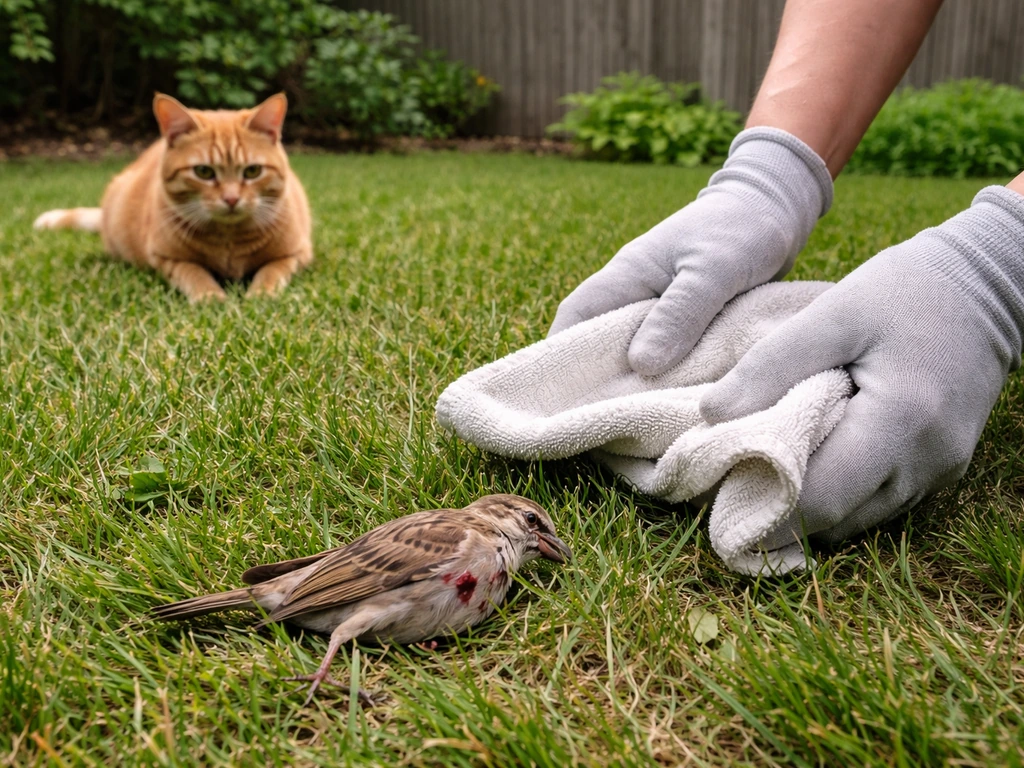
What to do right now
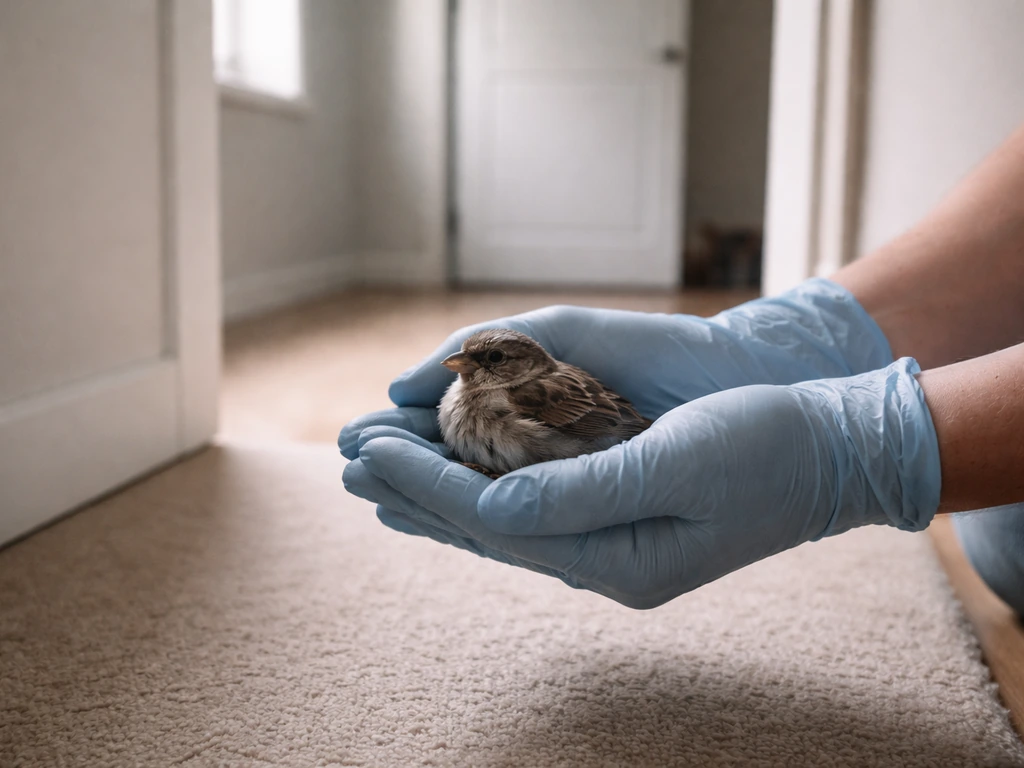
The window between a cat attack and a bird's death is narrow. Some people wonder, can a cat scare a bird to death, but even when a bird seems fine after an encounter, it can still worsen quickly due to injury and infection risk. Even birds that look fine after a cat grab are usually in serious trouble because cat saliva carries bacteria that cause fatal infections in birds within 24 to 48 hours. So speed matters.
- Remove your cat from the area and put it in another room.
- Put on gloves before handling the bird.
- If the bird is alive but stunned or injured, pick it up by wrapping it gently in a towel or cloth, keeping the wings against its body so it cannot flap and injure itself further.
- Place the bird in a cardboard box lined with paper towel or a soft cloth. Make it large enough that the bird isn't crammed in, then drape a towel over it to block out light and reduce stress.
- If the bird feels cold, place one end of the box on a heating pad set to low, with the other end off the pad so the bird can move away from the heat if needed.
- Do not give the bird food or water. Feeding an incorrect diet can cause additional injury or death, and a bird in shock cannot safely swallow.
- Call a local wildlife rehabilitator or wildlife rescue organization immediately. The USFWS wildlife rehabilitation finder and local Audubon chapters are good starting points.
- If the bird is dead, use gloves to bag and dispose of it, then disinfect the area with a diluted bleach solution and wash your hands with soap and water for at least 20 seconds.
Signs that a bird is genuinely injured and needs professional help include a drooping wing, visible wounds, blood, labored breathing, discharge from the eyes or nose, inability to stand, or diarrhea. A bird sitting still and looking dazed may just be in shock after the grab, but it still needs a rehabber because of the bacterial risk from cat saliva. Do not wait to see if it 'recovers on its own.'
Why cats kill birds in the first place
Cats are obligate carnivores with deeply wired hunting instincts, and those instincts do not switch off because you feed them a full bowl of kibble twice a day. Hunger and hunting are controlled by separate systems in a cat's brain. A well-fed, indoor cat will still pounce, stalk, and kill given the opportunity. Why did my cat kill a bird? It is usually because hunting instinct and outdoor access let your cat catch and kill prey even when they are well-fed.
Some cats are higher-risk hunters than others. Factors that increase the likelihood of a cat killing birds include outdoor access (especially unsupervised), time spent outside at dawn and dusk when birds are most active, living near gardens or feeders that concentrate bird activity, being young and physically agile, having previously caught birds (learned reinforcement), and not wearing any collar deterrents. Cats allowed outside at night are also significantly more likely to be active hunters.
It is also worth understanding that cats sometimes bring prey home as a 'gift,' not because they are hungry but because the hunting sequence is its own reward. Some cats never learn to make the kill cleanly and leave injured birds behind. That partial predation is often what cat owners find distressing, and it is also the scenario most likely to land a bird in your hands still alive but fatally compromised.
How bad is it? Assessing what happened
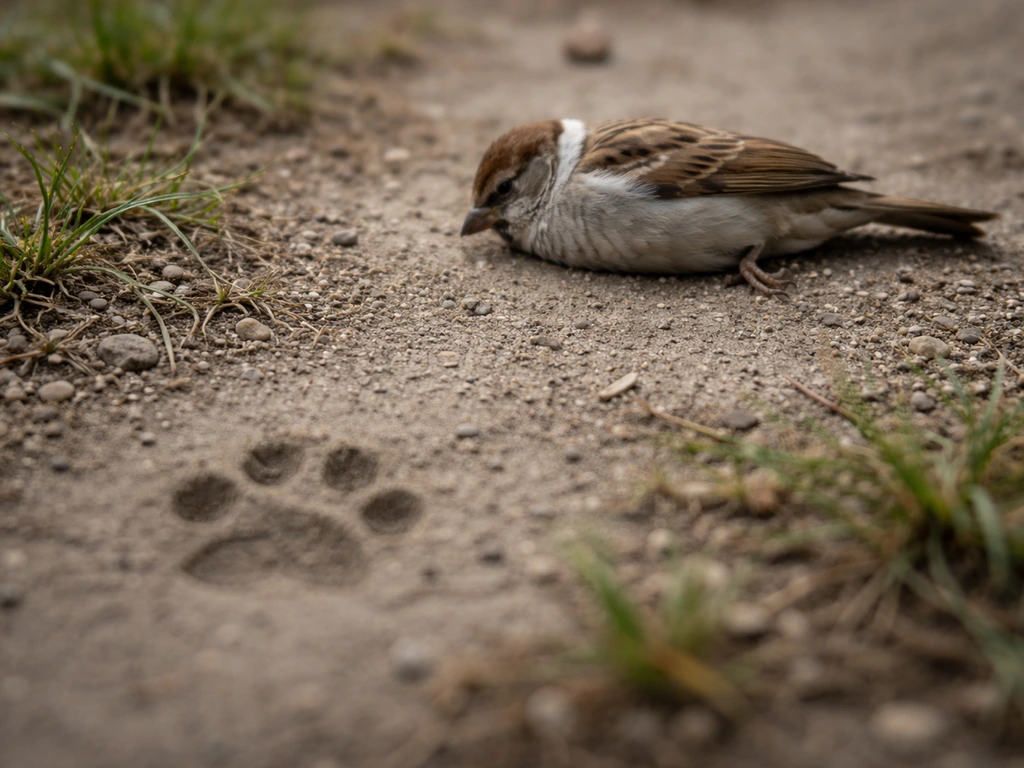
Any bird that has been in a cat's mouth should be treated as critically injured, even if there are no visible wounds. Cat saliva contains Pasteurella multocida and other bacteria that are almost always lethal to birds without prompt antibiotic treatment, which only a licensed wildlife rehabilitator or avian vet can provide.
A bird sitting completely still on the ground is not always dead or even injured. It may be in shock. Gently watch for chest movement before concluding it is gone. If you see breathing, follow the containment steps above and get it to a rehabber the same day.
A bird with puncture wounds, a broken or drooping wing, blood, trouble breathing, or neurological signs like head tilting or circling needs emergency rehab care, not a wait-and-see approach. The Tufts Wildlife Clinic lists these as clear indicators that a bird needs professional intervention: breathing problems, discharge from eyes or nose, diarrhea, lameness, drooping wing, or inability to stand. If you are seeing any of those, the bird will not recover without help.
How to stop it long-term
No single fix eliminates the risk entirely, but a combination of changes to your cat's access, equipment, and daily routine can dramatically reduce how many birds it kills or injures.
Keeping cats indoors
The most effective single change is limiting or eliminating unsupervised outdoor access. Research published in Nature Communications confirms that outdoor access is the primary driver of wildlife mortality by owned cats. The American Bird Conservancy's Cats Indoors program advocates for indoor-only living, and the evidence strongly supports it. Owned cats still cause substantial wildlife mortality even with some time outdoors, so partial outdoor access is still meaningful risk.
Supervised outdoor options
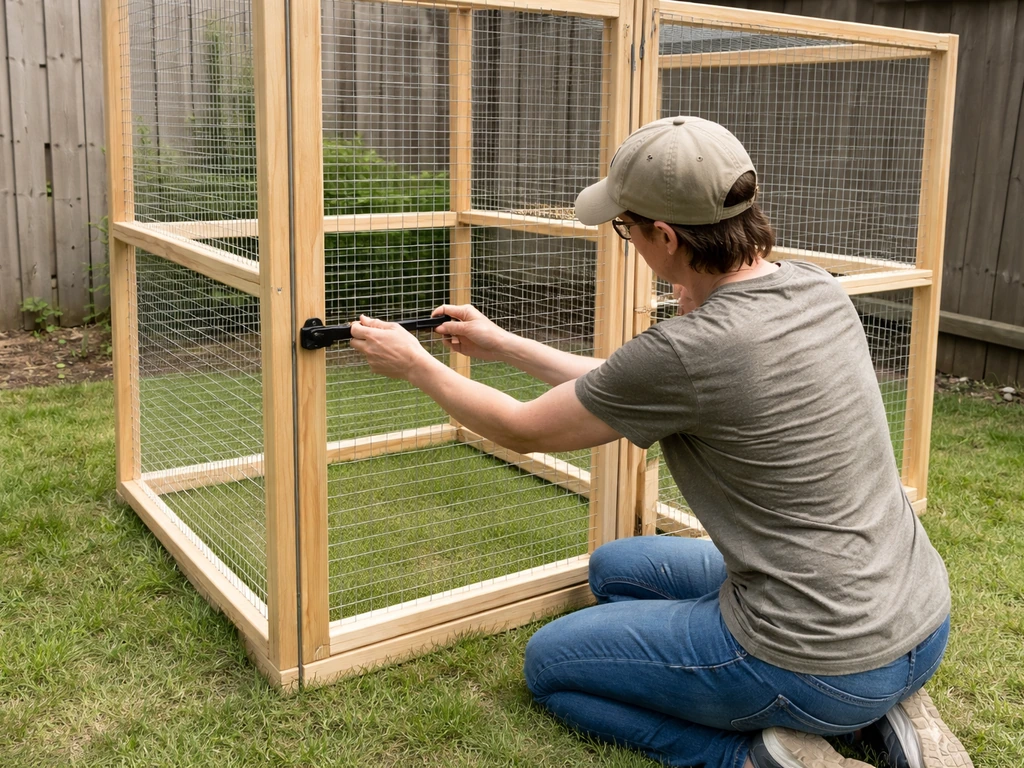
If your cat has always had outdoor time, going cold-turkey indoors can be stressful for both of you. Safe alternatives include harness and leash walks, an enclosed 'catio' (an outdoor cat enclosure attached to the house or free-standing), and supervised yard time where you are physically present. These give cats outdoor stimulation without giving them independent access to wildlife.
Collar deterrents
Two collar-based deterrents have actual evidence behind them. Bells on collars have been shown in controlled studies to reduce predation of wildlife by domestic cats. The Birdsbesafe collar cover, a brightly colored ruff-style addition, reduced the number of birds brought home by 37% in a European study. The CatBib, a small neoprene bib attached to the collar, has also been shown to reduce bird catches by interfering with the final pounce motion. None of these are 100% effective, but stacking them (bell plus CatBib, for example) improves the odds. Make sure any collar used is a quick-release breakaway design.
Enrichment and play
Indoor enrichment does not eliminate hunting instinct, but daily interactive play sessions with wand toys, puzzle feeders, and window perches that give birds-eye views can reduce the restless energy that drives outdoor hunting. Fifteen to twenty minutes of active play twice a day makes a real difference in many cats.
Making your yard and bird setup safer
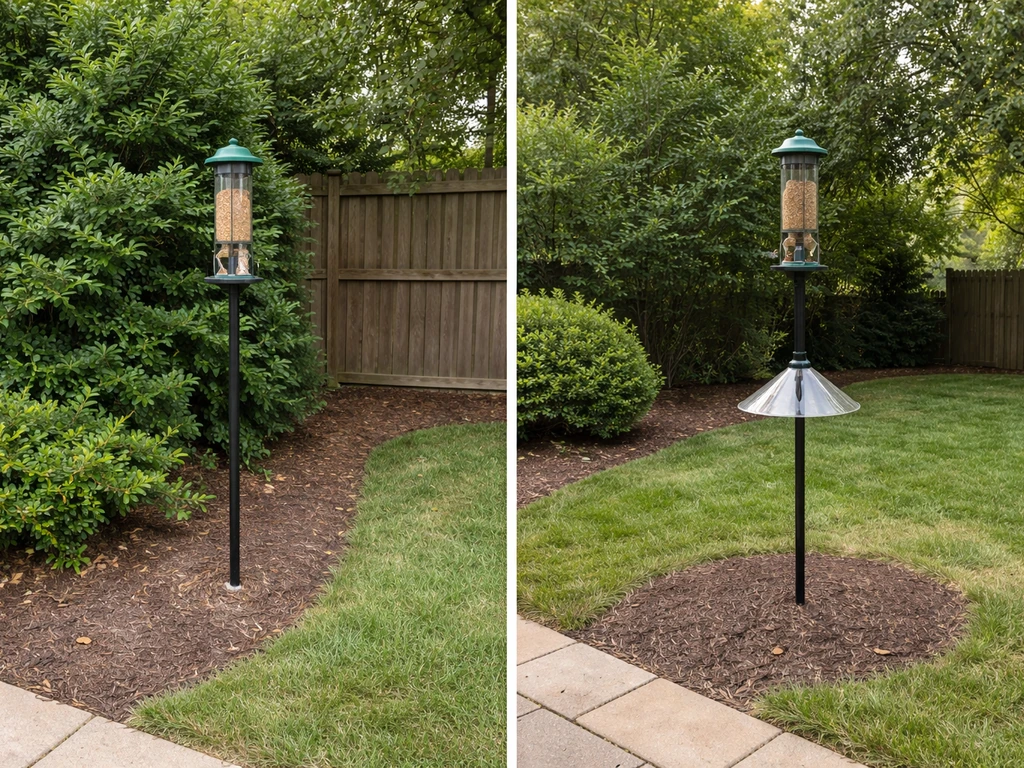
Your home's layout can either concentrate bird activity near your cat's hunting range or spread it out and reduce risk. A few targeted changes make a meaningful difference.
- Move bird feeders away from dense shrubs, fences, and other cover that cats can use to ambush approaching birds. Open ground around a feeder gives birds time to spot a stalking cat.
- Place feeders at least 10 feet from any structure a cat could jump from. A pole-mounted feeder with a squirrel baffle also deters cats trying to climb up.
- Avoid ground-level feeding stations or birdbaths near ground cover if you have outdoor cats in the area.
- Install physical barriers like wire mesh or hardware cloth around the base of bushes where ground-nesting or low-foraging birds concentrate.
- During spring nesting season, increase supervision of any outdoor cat time, since fledglings on the ground are especially vulnerable.
- If you have an enclosed porch or yard, check the perimeter regularly for gaps that a cat could squeeze through.
Window safety (for your birds, not just wild ones)
If you keep pet birds, position their cages away from windows where outdoor cats could be visible, since the stress of seeing a predator pacing outside can itself cause harm. For wild bird window collisions (a separate but related issue), the key is placing deterrent treatments on the outside of the glass, spaced no more than two inches apart in both directions. Decals or tape on the inside of glass generally do not deter birds during daylight. The USFWS also notes that homes with bird feeders are at double the average risk for bird-window collisions, so feeder placement near windows needs extra attention.
Disease and parasite risk: what you actually need to worry about
When your cat kills a bird, there are three parties to think about for health risk: the bird (already covered above), your cat, and you.
Risk to your cat
Cats can become infected with Toxoplasma gondii by eating infected birds or rodents. A cat that hunts and eats prey is at higher risk of acquiring toxoplasmosis and then shedding oocysts in its feces, which is the pathway that poses risk to people. Cats can also pick up intestinal parasites and other pathogens from wild bird prey. If your cat is a regular hunter and eats what it catches, discuss deworming frequency and testing with your vet.
Risk to you
The main human health risks connected to cat predation on birds come from handling the cat or the dead bird, not from watching the event. Cat bites and scratches can transmit Bartonella (cat scratch disease), Capnocytophaga, and other bacteria. Cat scratch disease is most common from kittens and strays, but any cat can transmit it. Capnocytophaga from cat saliva can enter through open wounds, cuts, or mucous membranes. The CDC recommends washing any scratch or bite wound immediately with soap and water.
Avian influenza (bird flu) is worth a brief mention. The risk to most pet cat owners handling a dead backyard songbird is very low, but if you find a dead waterfowl, shorebird, or bird of prey (species more likely to carry H5N1), the Pennsylvania Department of Health and the USFWS both recommend not touching it with bare hands and reporting it to local wildlife authorities rather than handling it yourself. Campylobacter is another bacterial pathogen that can spread through contact with bird or cat feces, so gloves and handwashing after any cleanup are not optional.
The practical rules are simple: wear gloves when handling dead birds or cleaning up after the scene, wash your hands with soap and water afterward every time, keep any open wounds covered, and avoid touching your face during cleanup. These steps cover the realistic risk landscape without needing to panic.
Myths vs. facts: what actually works
| Claim | Reality |
|---|---|
| A well-fed cat won't hunt birds. | False. Hunger and hunting are separate drives. Cats hunt regardless of how much they are fed. |
| A single window decal will protect birds from glass collisions. | False. Birds will fly around a single sparse decal. Coverage of at least 2x2-inch spacing across the whole glass is needed, applied to the outside surface. |
| Keeping a cat indoors makes it miserable. | Mostly myth. Indoor cats live longer on average and adapt well with adequate enrichment, play, and safe outdoor options like catios. |
| Punishing a cat after it kills a bird will stop the behavior. | False. Cats do not connect delayed punishment to a past action. It causes stress and damages your relationship without reducing hunting. |
| Bells and collar covers fully prevent bird kills. | Partially true. Bells and the Birdsbesafe collar cover both reduce kills in studies, but neither eliminates predation. They are useful layers in a broader plan. |
| A bird that survived a cat grab is fine if it flies away. | False. Even if the bird escapes, cat saliva bacteria typically cause fatal infection within 24 to 48 hours without treatment. Any bird grabbed by a cat needs a rehabber. |
| You should give an injured bird water to help it. | False. Food or water given incorrectly can injure or kill a bird in shock. Warmth and containment are the right immediate steps. |
| Avian flu is a serious risk for most backyard cat owners. | Mostly false for typical songbird contact. Risk is higher with waterfowl or raptors. Gloves and handwashing cover most realistic exposure. |
When to call a vet or wildlife rehab
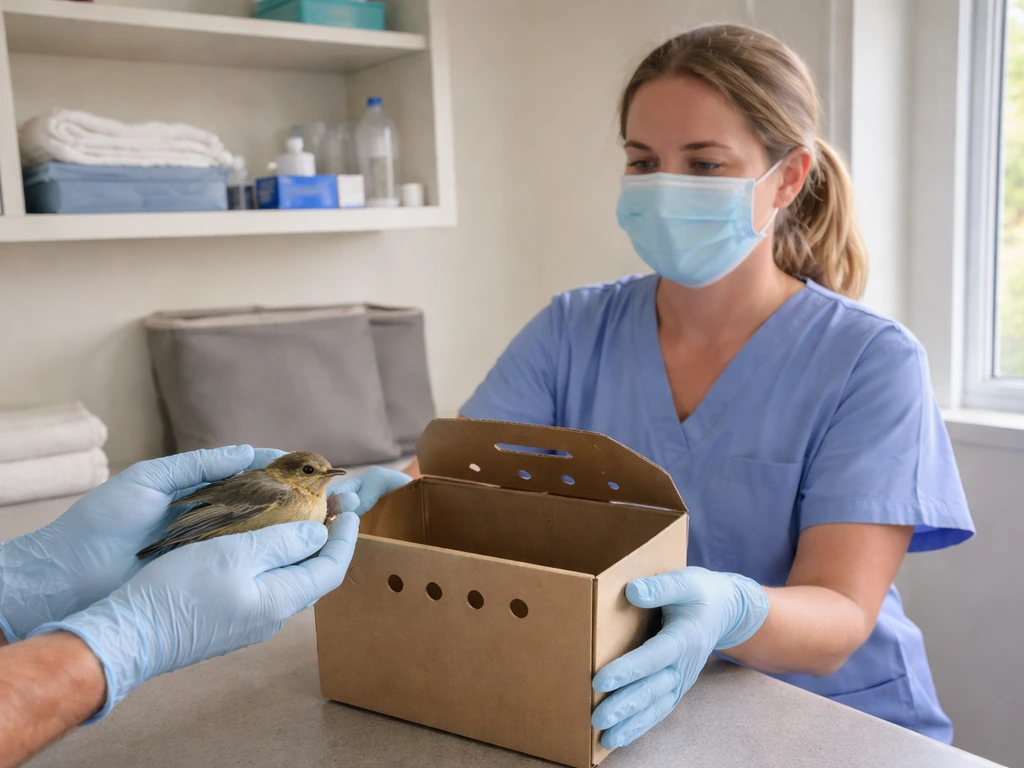
Call a licensed wildlife rehabilitator any time a bird has been in a cat's mouth, even if it looks unhurt. Cat saliva is the issue, not just visible injuries, and time is critical. You can find local rehabilitators through state wildlife agencies, the National Wildlife Rehabilitators Association, or by calling your local Humane Society.
Call your own vet if your cat was injured during the encounter (birds can scratch and peck), if your cat regularly eats prey and you want to update its parasite prevention, or if you are concerned your cat may have contracted something from an obviously sick bird. If your cat bit or scratched you during the chaos of separating them from the bird, clean the wound with soap and water right away and contact your own doctor if the scratch is deep, you have any immune condition, or it shows signs of infection within a few days.
For dead birds that appear to be waterfowl or raptors, or if you find multiple dead birds in one area, contact your state wildlife agency rather than handling them yourself. These are scenarios where avian influenza testing may be warranted.
Your next steps based on your situation
Different households have different starting points. If you are feeling tempted to punish your dog, it is usually more helpful to focus on management and training to prevent future bird deaths rather than blame should i punish my dog for killing a bird. Here is a practical breakdown by common scenario.
Indoor cat that occasionally escapes
Audit the escape routes: door dashing, broken screens, unlatched windows. Fix those first. Then add a collar with a bell as a backup layer for the times you cannot prevent it entirely. Consider a catio as a controlled alternative that gives the cat 'outside' without the hunting access.
Fully outdoor cat
A gradual transition to supervised-only outdoor time is the most realistic path if going fully indoor isn't feasible immediately. Start by cutting out the highest-risk windows: early morning (dawn), late afternoon, and dusk. Add a bell and a CatBib or Birdsbesafe collar cover. Keep the cat inside during spring nesting season if at all possible. Increase indoor enrichment in parallel so the cat is not pacing the door all day.
Porch or yard with bird feeders
Relocate feeders to open areas away from cat ambush cover. Use pole-mounted feeders with baffles. Supervise any outdoor cat time during feeder hours. If you have a screened porch where the cat hangs out, make sure birds cannot fly into the screen and become trapped. Keep the cat inside when feeders are most active, typically early morning.
There is no perfect solution here, and being honest about that is more useful than pretending one fix will end it. What the research and wildlife care community are clear about is this: limit outdoor access, use collar deterrents as a backup, move bird activity away from cat ambush zones, and have a clear plan for injured birds when incidents do happen. That combination, applied consistently, is what actually moves the needle.
FAQ
If I see my cat catch a bird but it drops it right away, what should I do immediately?
Treat it as critically injured anyway. Keep the bird contained in a dark, quiet box and contact a wildlife rehabilitator the same day, even if it seems alert, because injury and infection risks can worsen within 24 to 48 hours after cat saliva exposure.
How do I tell whether a bird is in shock versus actually dead?
Check for breathing by watching the chest closely for several seconds, not just by looking for movement on the ground. If there is any breathing, contain and contact a rehabilitator immediately. If there is no breathing and the bird is clearly rigid, proceed with safe disposal using gloves.
Is it okay to give the bird water or food while I wait for a rehabilitator?
No. Do not feed or give water, because struggling, aspiration, and stress can worsen an injury. The safest interim step is containment in a quiet dark box and fast handoff to professional care.
Can I wrap a live injured bird in a towel to keep it still?
Only if the bird is already contained and you can minimize handling. Prefer a dark, quiet box over towels, because tight wrapping can increase breathing issues. If you must move it, use gentle support, avoid covering the nostrils or throat, and contact the rehabber for exact guidance.
What if the bird is small and hard to grab, and I can’t catch it quickly?
Don’t chase it around your home. Close doors to create a small safe area, then place a box nearby and guide it in. The goal is to avoid prolonged handling and to keep the bird calm until you can transfer it to a rehabilitator.
Should I try to treat infections or puncture wounds on my own if the bird looks okay?
No. Cat saliva bacteria are the main problem, and they typically require prescription antibiotics and close assessment by an avian vet or wildlife rehabilitator. DIY treatment can delay necessary care.
Do I need to worry about my cat after killing a bird if it does not eat it?
Yes, because cats can still get bites, scratches, or saliva exposure on fur and paws during separation. If your cat has any puncture wounds or you notice sudden lethargy or fever, contact your vet. If your cat does eat prey, ask about parasite testing and an appropriate deworming schedule.
Is it safe to let my cat groom its own fur after a bird incident?
It is usually okay, but watch for contamination. If the cat has visible blood or saliva residue, you may want to gently clean affected areas with pet-safe wipes or a veterinarian-recommended method, then monitor for mouth sores or vomiting.
What’s the safest way to clean up if the bird is already dead and on the floor?
Wear gloves, avoid sweeping or dry wiping that can aerosolize particles, then clean with soap and water. If you use disinfectant, choose a pet-safe product and follow label contact times, and keep children and other pets away until surfaces are dry.
What should I do if my cat scratched or bit me while I was trying to separate them?
Wash immediately with soap and running water, even if it seems minor. Seek medical advice promptly if the wound is deep, on the hand or face, you have immune issues, or you see worsening redness, swelling, pus, fever, or streaking after a couple of days.
My cat brings home birds but never leaves them dead, what’s the risk difference compared to a fully dead bird?
The risk is similar or worse. A bird that is still alive but compromised can be exposed to cat saliva, puncture wounds, and stress, which can progress quickly. Treat any bird from the cat’s mouth as an emergency and contact a rehabilitator.
What should I do if I find multiple dead birds in one area or one bird looks very ill?
Do not handle bare-handed. Contact your state wildlife agency for guidance, especially for waterfowl, shorebirds, raptors, or clusters of deaths, since additional testing and biosecurity steps may be recommended.
Will collar deterrents work even if my cat is extremely agile or determined?
They can still help, but assume they are not perfect. Use quick-release breakaway collars, and consider stacking methods (for example, bell plus a collar cover) rather than relying on one device, since learned behavior and different hunting styles can reduce effectiveness.
How long should I keep changes in place before judging whether they worked?
Track incidents for at least a few weeks, ideally before and after you change outdoor access or feeder placement. Hunting success can vary by season, time of day, and bird abundance, so short-term results can be misleading.
Next Articles
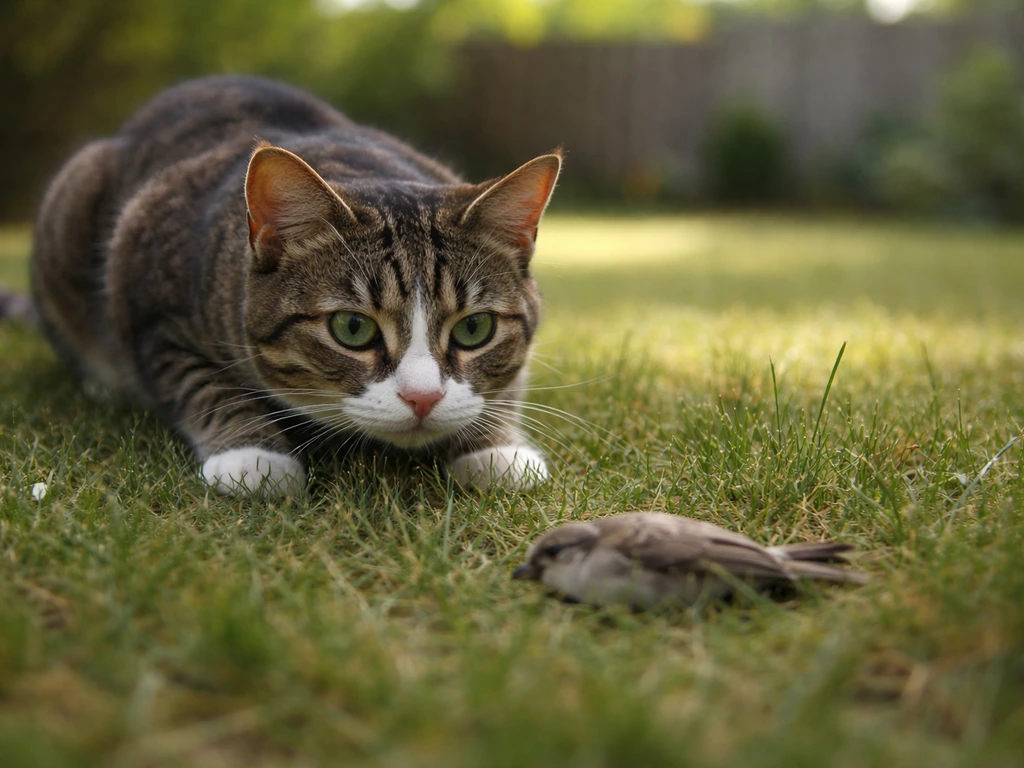
Why Did My Cat Kill a Bird? Causes and What to Do Now
Reasons a cat kills birds and what to do now, plus safety steps and prevention to stop future attacks.
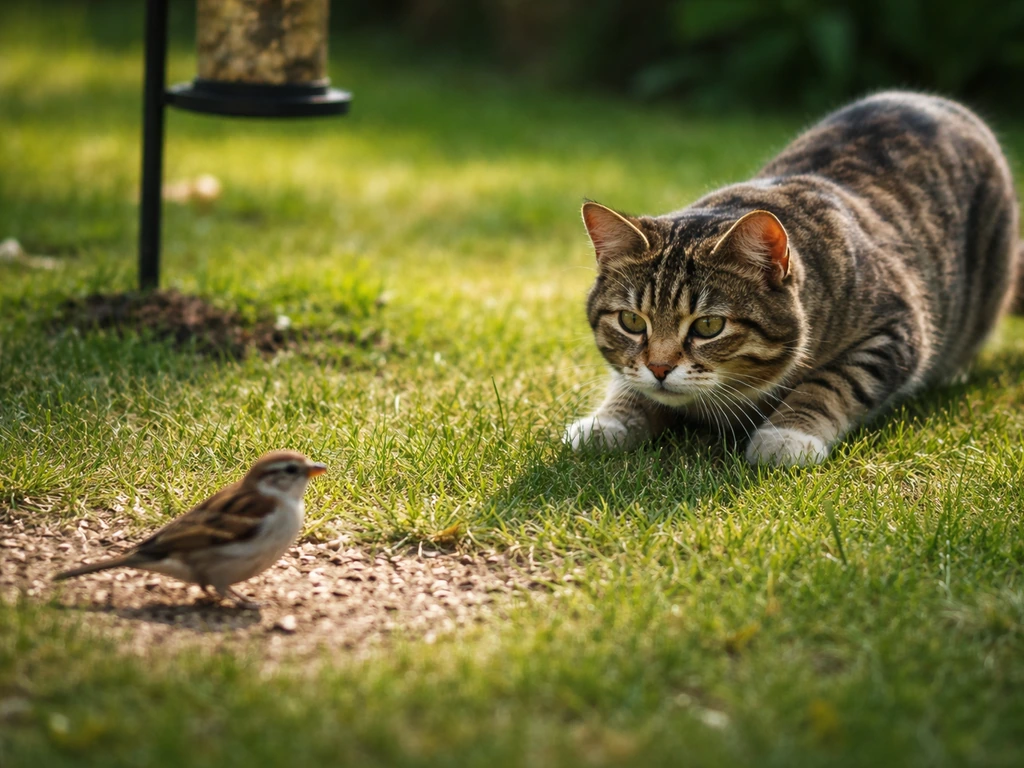
Can a Cat Scare a Bird to Death? Facts, Risks, and What to Do
Find out if cat panic can kill birds, what injuries or stress really do, and what to do right now to help.

Bird Causes Plane Crash? Risk, Mechanisms, Myths, Prevention
Whether bird strikes can cause plane crashes, how they happen, real risk data, debunked myths, and prevention steps