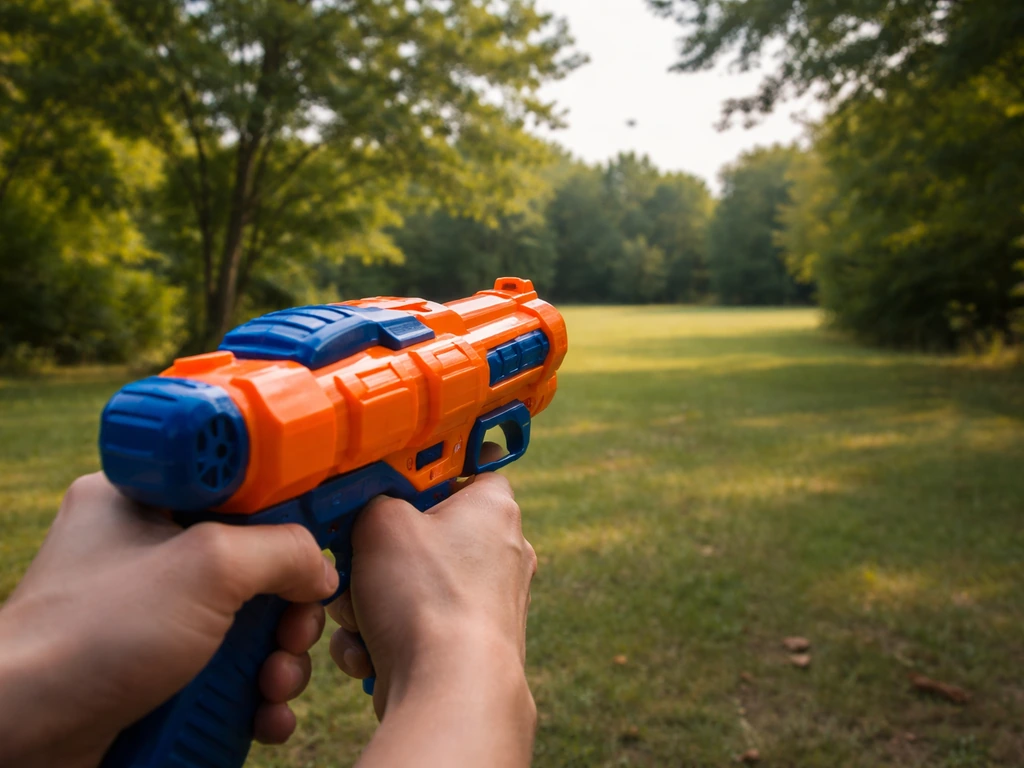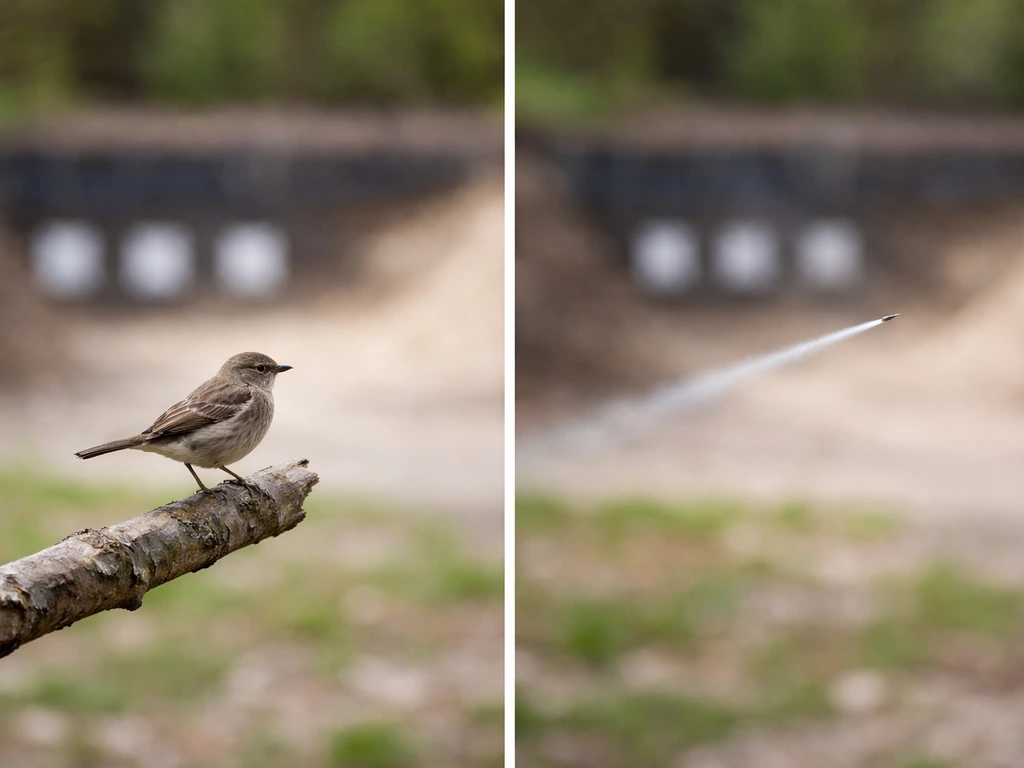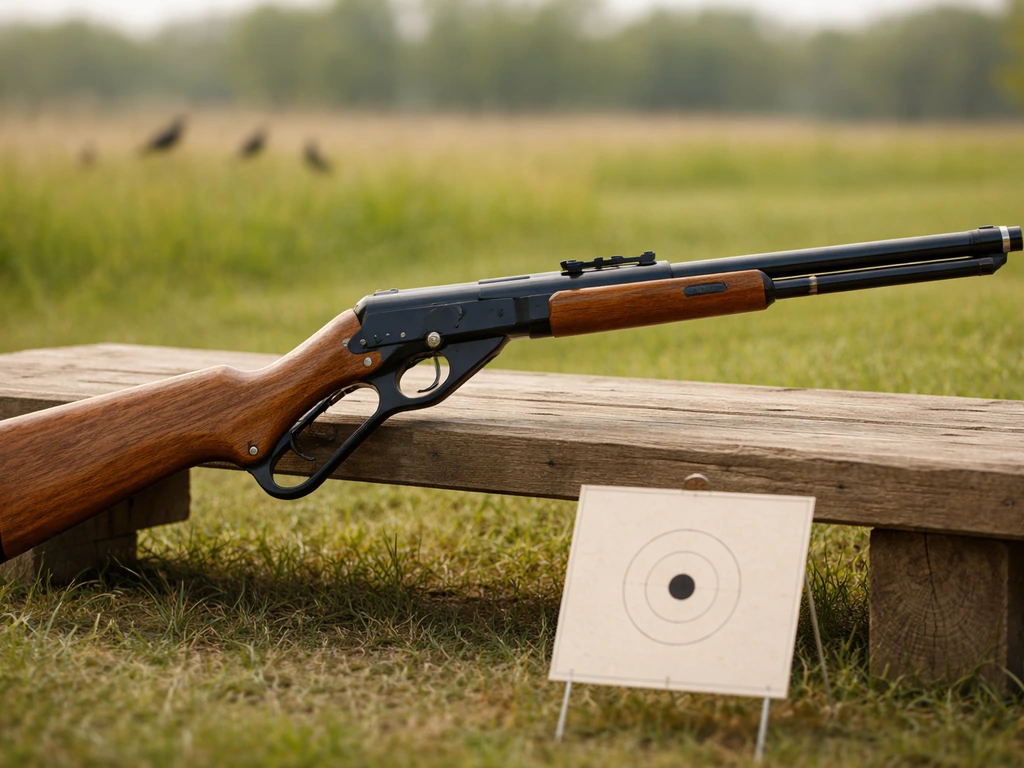
Yes, 200 FPS is enough to seriously injure or kill a bird, especially small songbirds and backyard species. It is not a guaranteed kill at every distance or scenario, but it is absolutely capable of lethal or crippling trauma depending on the projectile's weight, shape, the distance to the bird, and where it makes contact. Anyone using a device that fires at or around 200 FPS near birds needs to take that risk seriously. A slingshot is just another projectile device, so the same principles about speed, projectile weight, and impact location apply to whether it can severely injure a bird slingshots.
Can 200 FPS Kill a Bird? Real-World Risk and What to Do

Maya Chen
6 May 2026
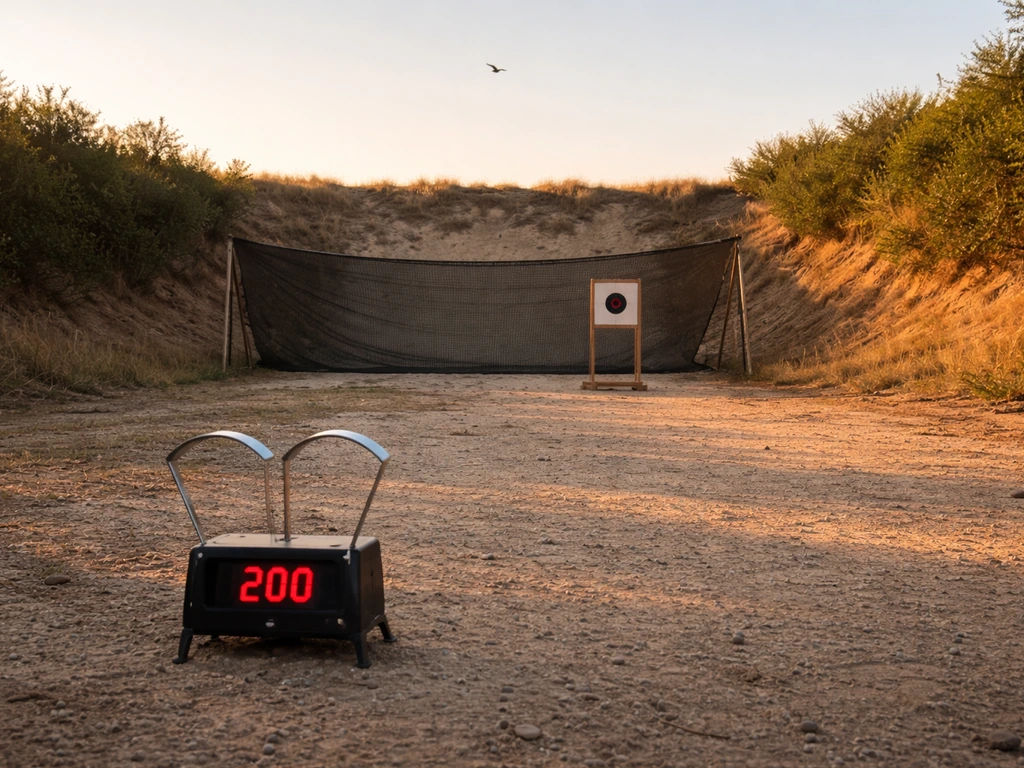
What "200 FPS" actually means in terms of impact
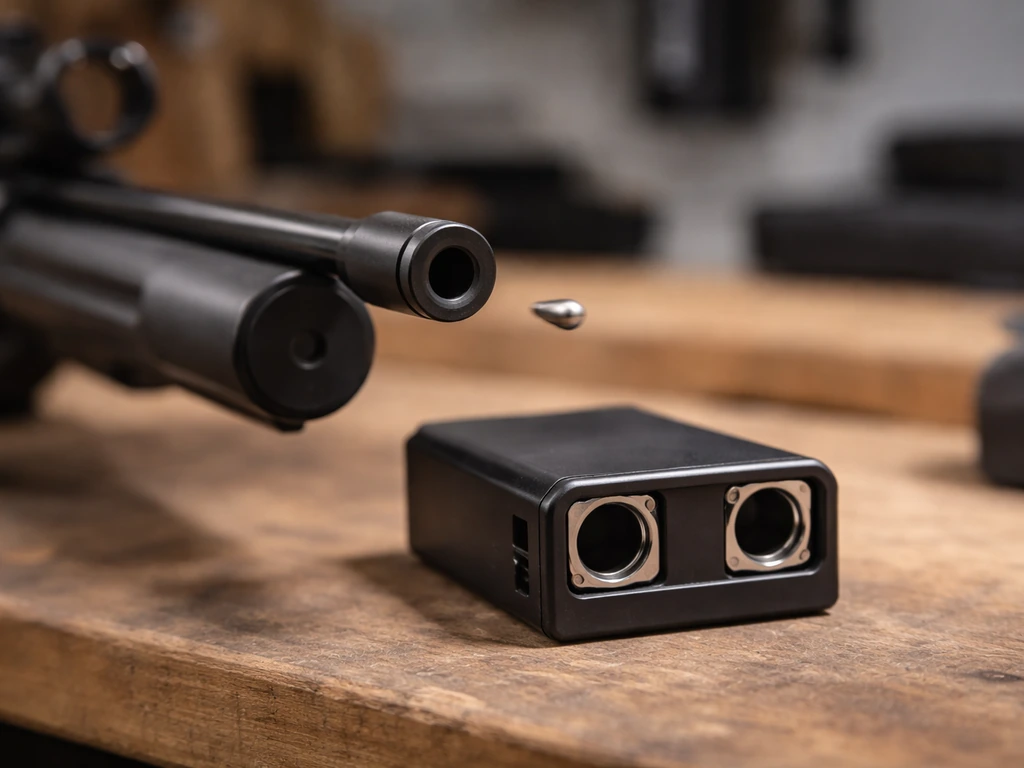
FPS stands for feet per second, and it just tells you how fast a projectile is traveling when it leaves the barrel or muzzle. It tells you almost nothing on its own about how much damage that projectile can do. What actually causes injury is kinetic energy, which depends on both speed and the mass of the projectile. The formula is simple: KE = 1/2 x mass x velocity squared. A heavy BB or pellet at 200 FPS carries considerably more energy than a light one at the same speed.
To put it in perspective: a 10.6-grain pellet at 1,000 FPS delivers around 23.5 foot-pounds of energy. Scale that down to 200 FPS and a lighter projectile, and you might be looking at somewhere in the range of 0.5 to 2 foot-pounds depending on the BB or pellet weight. That might sound small, but it is more than enough to penetrate a small bird's chest or fracture a wing bone. Medical research on airgun impacts shows that penetration of soft tissue (like a bird's body cavity) can begin at velocities as low as 120 to 230 FPS, and eye injuries can occur at even lower speeds.
One more thing worth knowing: airsoft and airgun marketing almost always lists muzzle velocity without specifying projectile mass. When heavier BBs or pellets are swapped in, the FPS drops but the actual energy delivered on impact can stay the same or even increase. This is sometimes called "joule creep" in airsoft circles, and it is one reason FPS-only ratings are misleading when you are trying to assess real-world harm.
Can high-velocity impact kill a bird? Likely scenarios and outcomes
The honest answer is: it depends, but the odds are not in the bird's favor at 200 FPS. If you are asking whether you can kill old bird with a high-velocity air or pellet setup like “Lethal Company,” the safest answer is that it can cause serious injury or death and should never be attempted kill a bird. Here is how lethality actually breaks down across common scenarios.
Direct torso hit
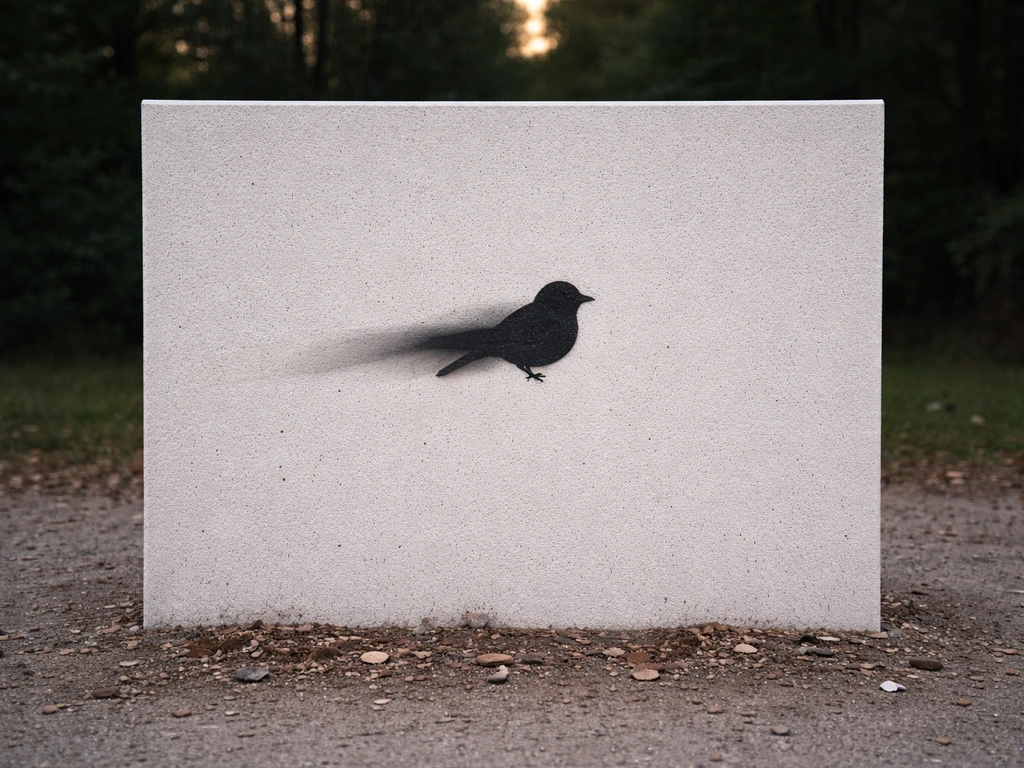
A direct hit to a small bird's chest or abdomen at close range from a device firing at 200 FPS is very likely to be fatal or cause severe internal injuries. If you are trying to understand what FPS can kill a bird, the key is that speed alone is not enough to predict lethality. Birds have fragile air sac systems surrounding their organs, and blunt or penetrating trauma to the torso can rupture these sacs, cause internal bleeding, or damage organs without any visible external wound. Necropsy studies of raptors submitted to wildlife centers have found substantial rates of severe internal injury from projectile trauma, and internal damage is routinely worse than what you can see on the outside.
Wing or leg hit
A hit to a limb is less immediately lethal but still very serious. Fractures can occur in bird bones at projectile velocities above about 350 FPS, so a direct hit at 200 FPS may not break bone but can still cause bruising, tissue damage, or enough shock to incapacitate the bird. A bird with a wing injury it cannot use will typically die of exposure, predation, or starvation within days if not treated.
Glancing hit or miss at distance
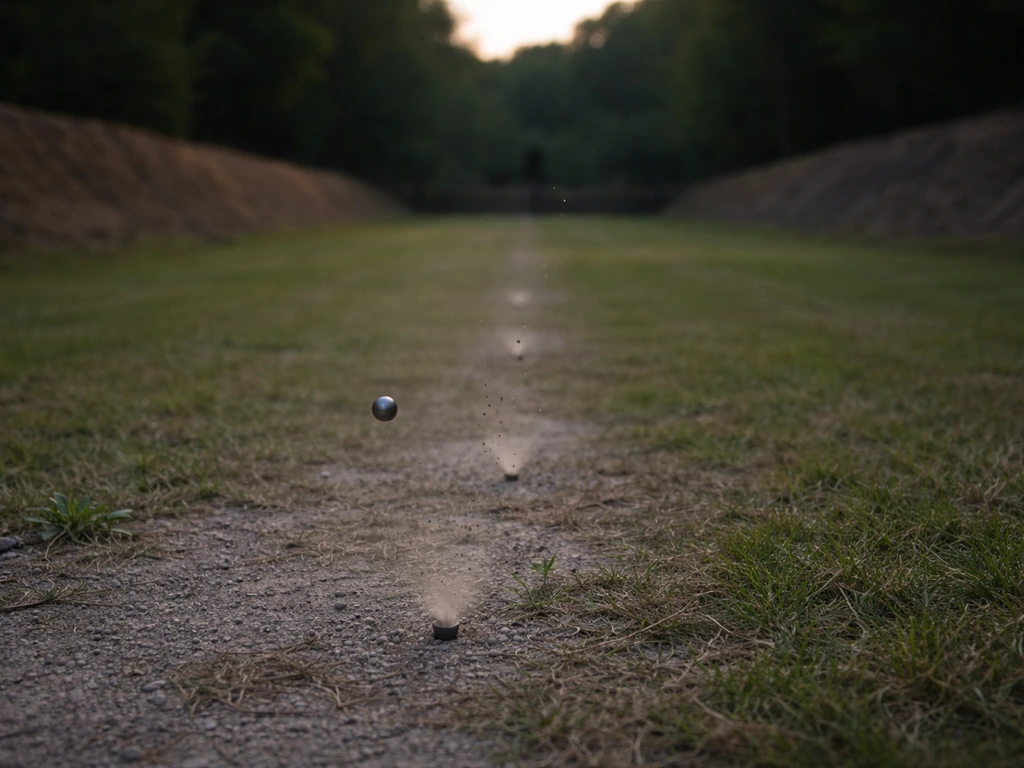
At greater distances, a projectile loses velocity and energy rapidly, making a lethal outcome less likely but not impossible. A grazing hit can still stun a bird, cause hemorrhage under the skin, or damage feathers and flight capability enough to make the bird vulnerable. The Merck Veterinary Manual specifically warns that internal injuries may not be apparent for hours to days after trauma, so a bird that looks fine after a hit should still be treated with serious concern.
Species and size matter a lot
A small sparrow or finch at 200 FPS is in far more danger than a large crow or hawk at the same speed. Smaller birds weigh very little (some under 10 grams), so even a low-energy impact is proportionally enormous relative to their body mass. Larger birds like pigeons, crows, and raptors have more mass and structural resilience, but they are absolutely not immune to serious injury at 200 FPS.
The legal and ethical reality you need to know
In the United States, deliberately shooting at most wild birds is a federal crime under the Migratory Bird Treaty Act (MBTA). This law covers the vast majority of native wild bird species, and it is a strict-liability statute in many contexts, meaning intent is not always required for prosecution. MBTA violations can carry penalties of up to six months in prison and fines up to $15,000. Shooting a house sparrow in your backyard and shooting a red-tailed hawk are both legally significant actions, though protected status varies by species.
Beyond federal law, most U.S. states have their own wildlife protection statutes that may cover species not included under the MBTA, and many municipalities restrict the discharge of air guns or similar devices in residential areas. Even if you are on private property, local ordinances can still apply. The bottom line: intentionally firing at birds carries real legal risk, and accidentally hitting a protected species while shooting recreationally does not necessarily exempt you.
On the ethical side, there is no humane justification for using a 200 FPS device to test injury thresholds on birds, whether wild or captive. Whether you are asking generally or about a specific bird, you should not shoot skye's bird with a 200 FPS airgun. If you are keeping pet birds and concerned about accidental exposure to airgun discharge in your home or yard, the ethical path is eliminating that exposure entirely, not calibrating the risk.
How to assess the risk in your exact situation right now
Rather than guessing, run through this checklist to figure out whether your specific setup poses a real hazard to birds in the area.
- What is the projectile weight? Find the actual BB or pellet mass in grains. A standard airsoft BB is 0.20g (about 3 grains); heavier BBs and metal pellets can be 5 to 10+ grains. Heavier means more energy at any given FPS.
- What is the actual firing distance? The further the bird is from the muzzle, the more velocity (and energy) has been lost. Velocity loss over distance varies by projectile shape, but 200 FPS at 10 feet is meaningfully more dangerous than 200 FPS at 50 feet.
- Do you have a solid backstop? A backstop rated to stop the projectile prevents accidental strikes on birds beyond the intended target. The NRA and USDA both emphasize that knowing what is behind your target is a fundamental safety requirement. Trees, fences, and brush do not reliably stop pellets.
- Are there birds regularly in the area? Feeders, water sources, nesting sites, and overhead wires all concentrate birds near shooting areas. If birds are present, accidental strikes are a realistic possibility, not a remote one.
- What species are present? Most wild birds you will encounter are federally protected. Assume any bird you might accidentally hit is protected unless you have confirmed otherwise.
- What is the muzzle energy in foot-pounds? Use an online muzzle energy calculator with the projectile mass and velocity. Even 0.5 to 1 foot-pound of energy is capable of causing serious injury to a small songbird.
- Is your device leaking energy? Airsoft guns modified with heavier BBs may still advertise a 200 FPS rating but deliver more energy at impact. If you have swapped ammo types, the rated FPS no longer reflects actual energy.
What to do if a bird is hit or found injured
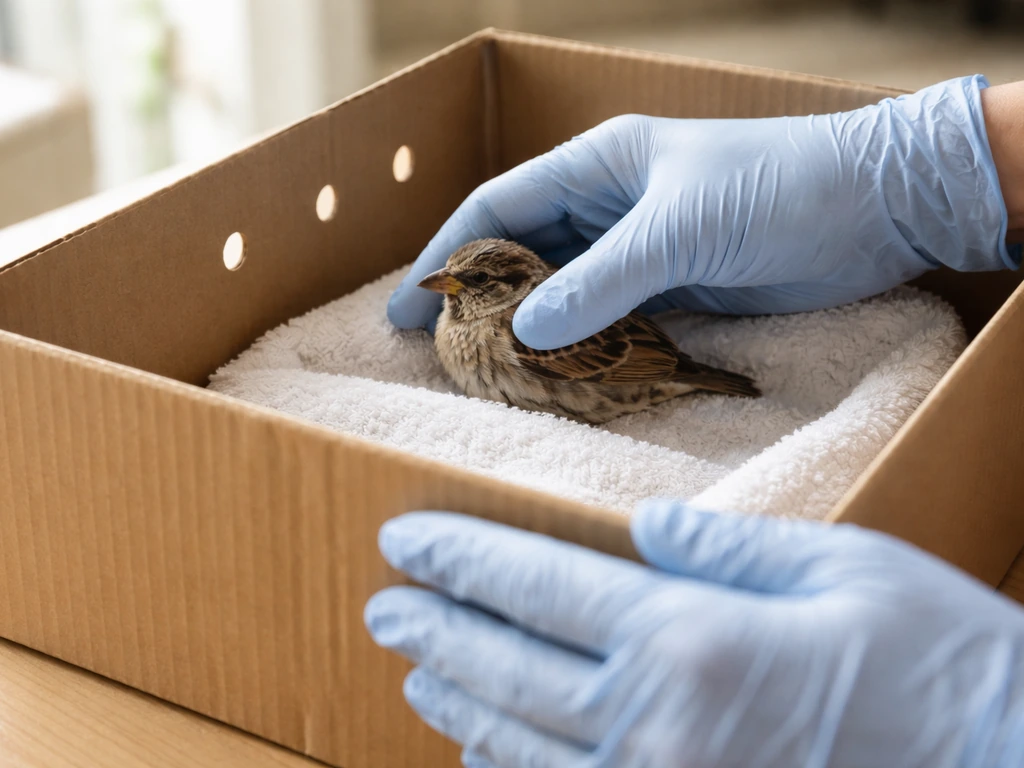
If you find a bird after a suspected projectile impact, move carefully. Stressed birds can injure themselves further by thrashing, and rough handling can cause additional internal damage. Here is what to do.
Immediate containment
Put on gloves if you have them, then gently scoop the bird into a small cardboard box or shoebox lined with a soft cloth or paper towel. Poke air holes in the lid. Keep the box warm (around 85 to 90 degrees Fahrenheit for small birds), dark, and quiet. Keep it away from pets, children, and loud noise. Do not force the bird to sit upright if it cannot manage it on its own.
Do not do these things
- Do not give food or water. A traumatized bird cannot swallow safely and may aspirate. Fluids are especially dangerous.
- Do not try to splint a wing or apply bandages yourself unless you have wildlife rehabilitation training.
- Do not place the bird in a bright, noisy space or handle it more than necessary.
- Do not assume it is fine because it is not bleeding visibly. Internal injuries are common and may not show for hours.
Red flags that mean seek help immediately
Contact a wildlife rehabilitator or avian vet right away if you see any of the following: open-mouth breathing or tail bobbing (signs of respiratory distress), active bleeding that does not stop, wing drooping on one side, inability to use one or both legs, obvious swelling or deformity, or if the bird is non-responsive or seizing. These are the warning signs the Merck Veterinary Manual specifically highlights as high-priority indicators after traumatic injury.
Finding a rehabilitator
Search "wildlife rehabilitator near me" or use the National Wildlife Rehabilitators Association (NWRA) or Wildlife Rehabber directory online. You can also call your local animal shelter, nature center, or Audubon chapter, as they typically maintain referral lists. Many states require a license to treat wildlife, so handing the bird off to a licensed professional is both the legal and safest path. Mass.gov also notes that wildlife rehabilitators must have a Federal Migratory Bird Rehabilitation permit to care for migratory birds. Even if a bird looks like it might recover on its own, Merck notes that internal damage can manifest 12 to 48 hours later, which is why professional monitoring matters.
Prevent the hazard instead of managing the aftermath
The most effective thing you can do is eliminate the conditions that put birds at risk in the first place. Here are practical steps you can take today.
- Install a proper backstop rated for your device's projectile energy, positioned so that any missed or ricocheting shot is stopped before it can travel into an area where birds congregate.
- Move feeding stations, bird baths, and nesting boxes well away from any shooting area. A 50-foot buffer is a reasonable minimum for lower-energy devices; more is better.
- Shoot at times or in directions that avoid peak bird activity. Dawn and dusk are when most backyard birds are most active near feeders.
- If you are using a device indoors to manage pest birds (like pigeons in a structure), switch to non-lethal deterrents: physical barriers like netting or spike strips, motion-activated sound devices, or visual deterrents are effective and legal for most species.
- For pet bird owners, store and use any airgun or high-velocity device in a completely separate space from your birds, and never discharge any projectile device inside a room where birds are kept.
- If pest bird control is the goal, contact your local wildlife agency or a licensed pest control professional who can advise on legal, humane options specific to the species involved.
Questions about what other devices can and cannot harm birds often come up alongside this one. Similar concerns apply to other backyard projectile devices, and the same core principles hold: FPS is only part of the picture, projectile energy and accuracy of placement are what determine actual harm, and prevention is always more reliable than trying to calibrate a "safe" level of force against a living animal.
The takeaway here is straightforward. A 200 FPS device is not a toy when birds are in the vicinity. It is powerful enough to cause serious injury or death to small birds, it may be illegal to use against protected species regardless of intent, and the humane and practical approach is to manage your setup so that birds are simply not at risk in the first place.
FAQ
If the device says 200 FPS, isn’t that enough to know it’s safe?
FPS-only is a marketing shortcut, you need to know the projectile mass and ballistic energy. If your device uses heavier pellets or BBs, muzzle velocity can drop while impact energy stays similar or increases, so “it fires slower with heavier ammo” is not a reliable safety conclusion.
A bird flew away after I heard a shot, could it still be injured?
Yes. Many birds look outwardly fine after a hit, but internal trauma can worsen hours to days later. If you suspect any impact, treat it as an emergency and contact an avian rehabber even if breathing and movement seem normal initially.
If the bird survives the initial hit, what’s the most common outcome?
A wing or torso injury that prevents normal flight often leads to death from exposure, predation, or inability to forage, even if the bird does not bleed or collapse immediately. Timely assessment matters because rehab can stabilize breathing and prevent complications.
Why are sparrows and finches more at risk than crows at the same FPS?
Smaller species are at higher risk because the same projectile energy is proportionally more damaging to a low body mass animal. Even when a larger bird seems “tougher,” it is still vulnerable to severe internal injury from a close-range direct hit.
At what distance does 200 FPS stop being dangerous to birds?
Distance helps, but it does not make it safe. Velocity and energy drop with range, yet grazing hits or unpredictable wind and aim can still cause lethal trauma, especially if the projectile strikes the head, chest, or abdomen.
Does poor accuracy make 200 FPS harmless for birds?
Accuracy and placement dominate outcomes at the same FPS. A device can be less deadly if it misses the torso, but you cannot assume “no direct hit” from an audible shot, especially outdoors where birds can move unpredictably.
If I accidentally shoot near birds, am I automatically in the clear legally?
Legally, “accidental” does not always remove risk. In many places you still have to comply with discharge rules and protected-species laws, and local ordinances can restrict shooting regardless of intent.
What should I do immediately after I find a bird that might have been hit?
If you find a bird, avoid examining it in ways that worsen injury. Use gentle handling, a warm dark container, and contact a wildlife rehabilitator right away rather than trying to feed, medicate, or force it to stand upright.
I have pet birds at home, what practical steps reduce accidental exposure?
If you are keeping pet birds indoors, the safest approach is preventing any projectile discharge in the home or yard at all. If outdoor birds share your area, use physical barriers and safe storage so the device cannot be fired toward windows, fences, or areas where birds perch.
Can I use birds as a test to learn what force is lethal?
Do not use the bird itself to “calibrate” what it can survive, and do not conduct harm-threshold experiments. If you want to assess safety, use manufacturer specs, inert targets, and distance controls, and still treat it as dangerous around birds because real-world hits vary.