
Yes, a bee or wasp sting can kill a bird. Bird nests can also affect nearby plants by shading them, competing for water and nutrients, or leaving droppings, but they usually do not kill plants outright kill a plant. It's not common, but it's real and documented. Rat predation is uncommon compared with risks like bee stings and does not usually kill birds in the way venom reactions can bee or wasp sting.
Can a Bee Sting Kill a Bird? Risks and First Aid

Maya Chen
11 May 2026
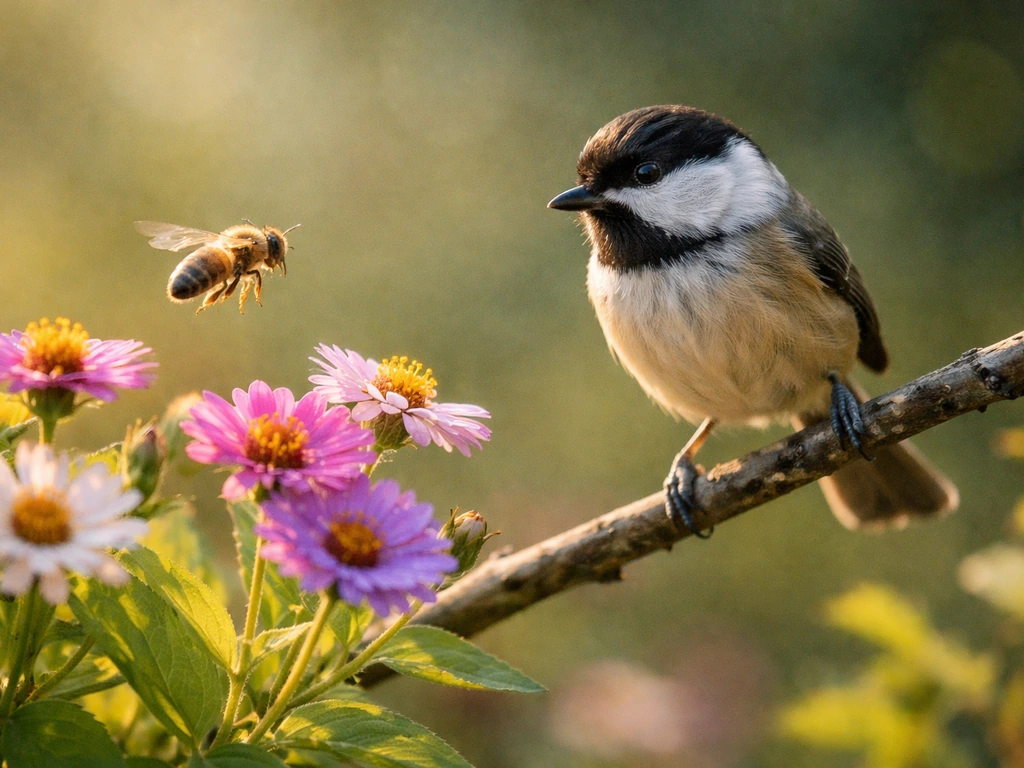
A common myth is asking, can a fart kill a bird, but bee and wasp stings are the kind of real, documented danger that can lead to fatal outcomes. A single sting in the wrong location or a mass attack from multiple insects can cause fatal swelling, anaphylactic shock, or respiratory failure, sometimes within hours. If a bird near you has just been stung and is showing any sign of distress, take it seriously now.
How a bee sting actually harms a bird
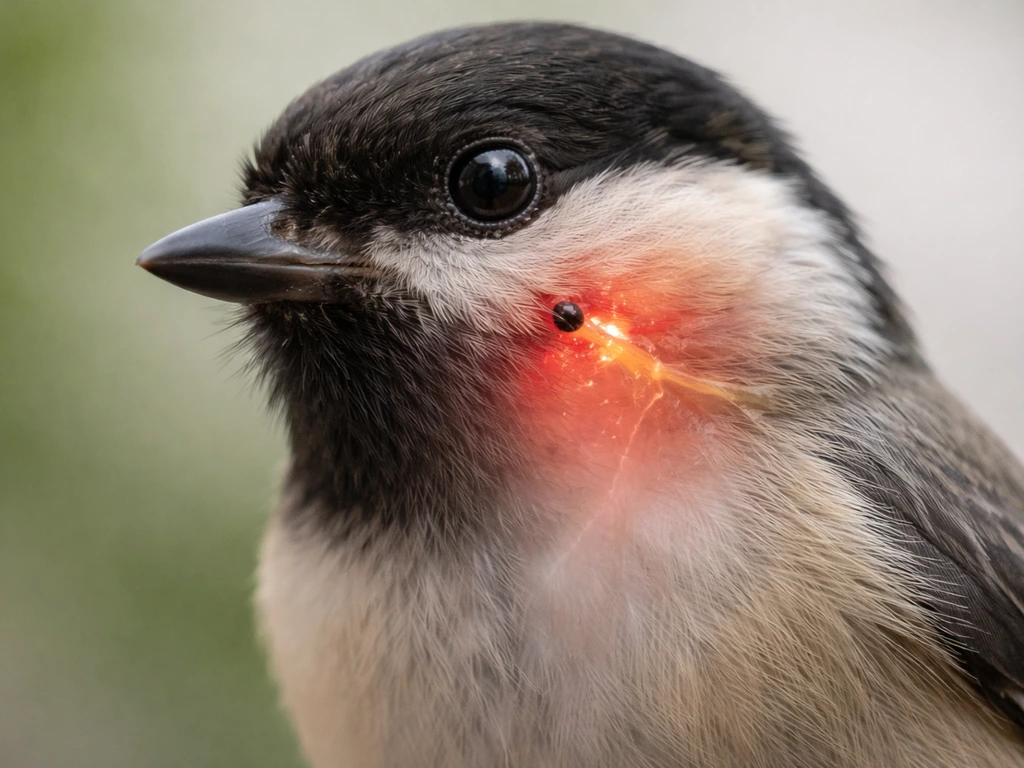
Bee and wasp venom is a cocktail of proteins and enzymes, including phospholipase A2, melittin, and histamine-releasing compounds. When injected into a bird, these components trigger a local inflammatory response almost immediately. Swelling starts within minutes, pain causes distress, and depending on how the bird's immune system responds, things can escalate fast.
The most dangerous scenario is anaphylaxis, an acute allergic reaction where the bird's immune system overreacts to the venom. Blood pressure drops, airways narrow, and organs can begin to fail. This is the mechanism behind most documented sting fatalities in birds and is the same process that makes bee stings life-threatening in allergic humans.
Severe local swelling is also a serious problem on its own, especially when it affects the face, throat, or airway. A documented case of a Chilean flamingo stung repeatedly by eastern yellow jacket wasps showed extreme facial angioedema, swelling of the eyelids and ocular tissues, and signs of respiratory compromise. The bird died 19 hours after being found despite intensive veterinary treatment. That case makes clear that even with professional care, massive envenomation can be unsurvivable.
Beyond the acute venom effects, secondary problems can develop over days. Stings that aren't properly cleaned can become infected. Retained stingers (from honeybees specifically, which leave a barbed stinger behind) continue pumping venom into the tissue for up to a minute if left in place, significantly worsening the injury.
Risk factors that decide whether a sting becomes fatal
Not every sting is equally dangerous. Several factors determine whether a bird is likely to recover on its own or needs immediate veterinary help.
Number of stings
This is probably the biggest factor. A single sting on the body is usually survivable in a healthy adult bird. A swarm attack, or even a small cluster of stings on the head or throat, is a completely different situation. The flamingo fatality involved numerous stingers embedded around the eyes and head. In mammals, the toxic dose of bee venom is roughly estimated at around 10 stings per kilogram of body weight, and small birds can have very limited tolerance. A few stings in a critical area can be as dangerous as a larger mass attack.
Sting location
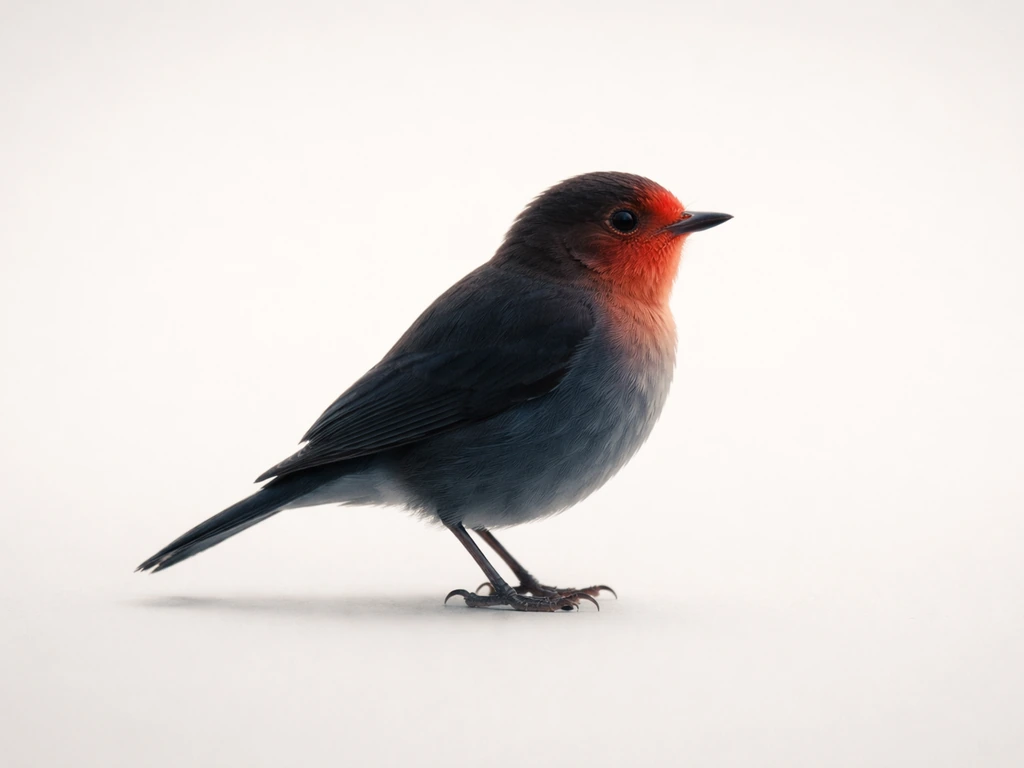
Stings on the face, inside the mouth, near the eyes, or on the neck are far more dangerous than stings on the body or wings. Swelling in those areas can compromise the airway, impair vision, and prevent the bird from eating or drinking. A sting to the body may cause pain and local swelling but is less likely to trigger a systemic crisis.
Species and body size
Smaller birds have less body mass to absorb venom, so the relative dose per kilogram is much higher from the same number of stings. A sparrow, canary, or budgerigar faces a far greater venom burden from even two or three stings than a large parrot or raptor would. Pet birds that are small are at meaningfully higher risk.
Age and overall health
Very young birds, elderly birds, and birds already dealing with respiratory illness, liver disease, or immune issues are more vulnerable to venom effects and less able to cope with the physiological stress of an allergic reaction. If your bird has a known health condition, treat any sting as a higher-priority event than you otherwise might.
Prior sensitization or allergy
Just like in humans, a bird that has been stung before may have developed a heightened immune response. A second sting can trigger anaphylaxis much faster and more severely than the first. There's currently no practical allergy test for birds the way there is for humans, so prior sting history matters when you're judging how urgently to act.
What to do right now if a bird has been stung

If you're dealing with this situation right now, here's what to do step by step. Stay calm. Panic makes handling harder and stresses the bird further, which is a real health risk on its own.
- Move the bird away from the area immediately. Get it away from any remaining bees or wasps to prevent additional stings.
- Check for embedded stingers. If the insect was a honeybee, it may have left a barbed stinger in the skin. Do not use tweezers or pinch the venom sac, as this injects more venom. Scrape the stinger out sideways using a credit card edge, a fingernail, or a flat, stiff object.
- Do not pull, squeeze, or crush any attached stinger or venom sac.
- Cool the sting site gently. A clean cloth dampened with cool (not cold or ice) water can help reduce local swelling if you can safely access the area without further stressing the bird.
- Keep the bird warm, quiet, and minimally handled. Place it in a clean, ventilated box or carrier in a calm, dimly lit space. Stress alone can worsen an already compromised bird's condition. This is genuinely life-saving, not just comfort advice.
- Watch closely for the next 15 to 30 minutes. Symptom progression in this window tells you whether you're dealing with a minor local reaction or something systemic.
- Do not offer food or water immediately, especially if there's any facial swelling or breathing irregularity. A bird that can't swallow safely can aspirate.
Also, do not apply human antihistamine creams, essential oils, baking soda pastes, or any topical treatment unless specifically directed by an avian vet. Some human products are toxic to birds, and applying anything to feathered skin without guidance creates more problems than it solves.
Red flags that mean this is an emergency
Some symptoms tell you clearly that the bird needs a vet right now, not in a few hours. If you see any of the following, contact an avian vet or wildlife rehabilitator immediately and start transport.
- Difficulty breathing: open-mouth breathing, wheezing, tail bobbing with each breath, or rapid shallow breaths
- Visible swelling around the face, eyes, or throat, especially if it's spreading
- Collapse, inability to stand, or extreme weakness
- Loss of coordination or tremors
- Pale, bluish, or discolored mucous membranes (if visible inside the mouth)
- Sudden rapid worsening of any symptom within the first 30 minutes
- More than two or three stings anywhere on the body, or any sting on the face or throat regardless of count
- No improvement or worsening after 30 to 60 minutes of calm monitoring
When you call the vet or rehabilitator, tell them the bird's species and approximate size, how many stings you think occurred, where on the body, how long ago, and which symptoms you're seeing. That information lets them triage correctly and prepare before you arrive.
For transport, keep the bird in a ventilated container with a non-slip surface like a folded towel at the bottom. Maintain a comfortable temperature, avoid loud music or sudden movements, and go directly without stops. Stress is a compounding danger, especially for birds already experiencing physiological shock.
Veterinary treatment for severe envenomation typically involves corticosteroids, antihistamines, IV fluids, oxygen support, and close monitoring. The faster a bird showing systemic signs reaches that care, the better the outcome. The documented flamingo fatality happened despite intensive treatment because the envenomation was massive and the reaction too severe, but in less extreme cases, prompt treatment makes a real difference.
Reducing the risk of stings around your birds
Prevention is straightforward once you know what draws bees and wasps into the same spaces birds use.
At bird feeders
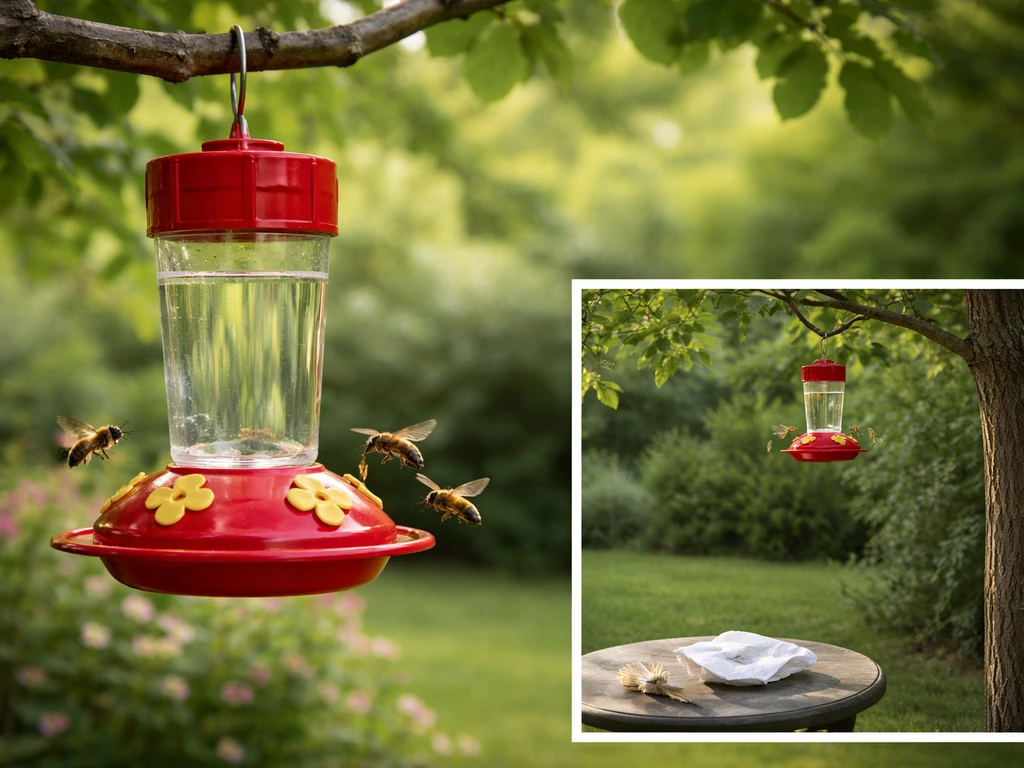
Hummingbird feeders are a particular hotspot. Bees and yellow jackets are strongly attracted to sugar water, and a feeder swarming with insects is a real sting risk for any bird that tries to feed. Choose feeders with bee guards (small mesh or port covers that block insects but allow hummingbird bills through). Keep feeders clean so syrup doesn't drip and ferment on the outside, and move feeders into partial shade since bees prefer sunny foraging spots. If wasps are already swarming a feeder, temporarily take it down for 48 hours and clean it thoroughly before rehinging.
Around nest boxes and aviaries
Check nest boxes regularly for wasp nests, especially in early spring before the colony grows large. A nest established inside an enclosed aviary or near a nest box is a serious hazard. Coat the inside of nest box roofs with cooking spray or a thin layer of petroleum jelly each season to deter wasp construction. Inspect the outside of your aviary structure for gaps or cavities where wasps might establish a colony.
Yard and landscaping choices
Ground-nesting yellow jackets are one of the highest risks for birds foraging on lawns. Watch your yard in late summer and fall when yellow jacket colonies are large and aggressive. If you find a ground nest, have it professionally removed rather than attempting it yourself, especially near areas where birds spend time. Avoid leaving sweet food waste, open drink containers, or uncovered compost near bird areas, as these attract wasps more than bees.
Planting a bee-friendly garden does not significantly increase sting risk if bees have their own foraging resources. Bees on flowers are rarely aggressive. The problem is when bees or wasps are competing with birds for food (like at feeders) or feel their nest is threatened. Keeping those two situations in mind guides most prevention decisions effectively.
Bee stings sit alongside several other stressors that can quickly become fatal for birds, including stress itself and respiratory compromise from other causes. If you meant something else like a bird fart tornado, that phrase is usually used as a humorous myth and not as a real, documented animal behavior. In rare cases, internal injuries like an air sac rupture can also contribute to a bird's respiratory failure can an air sac rupture kill a bird. The key in all these situations is the same: recognize the warning signs early, minimize additional stress during the crisis, and get expert help fast when the signs are serious.
FAQ
If a bird has never had an allergic reaction, can a bee sting still kill it?
Yes, even without a known allergy. Birds can develop a severe immune reaction after a first sting, so treat breathing changes, collapse, extreme lethargy, or rapidly worsening swelling as urgent even if the bird has never been stung before.
Is a single sting always safer than many stings, or does sting location matter more?
Mass stings matter, but location can be just as critical. Multiple stings clustered around the head, eyes, mouth, or neck can compromise airways or stop feeding sooner than a larger number on the legs or wings.
Should I remove the stinger myself if I find one on the bird?
Do not try to remove a honeybee stinger by grabbing it with tweezers if you are not trained. If you can see a stinger, gentle removal is ideal, but delays and extra handling increase stress. Focus on urgent vet contact and transport, especially if the bird is showing any systemic signs.
What breathing or behavior signs mean “right now” for a stung bird?
If the bird is wheezing, opening and closing its beak, breathing with effort, gurgling, or suddenly refusing food and water, assume a time-sensitive airway problem and contact an avian vet or wildlife rehabilitator immediately. If you are waiting more than a short window, transport now rather than later.
If the bird seems okay initially, can symptoms still become fatal later?
A bird can be lethally affected even if it looks only mildly swollen at first, because swelling and allergic response can accelerate over minutes to hours. Reassess continuously, and still seek care if symptoms progress, spread to the face or throat, or breathing worsens.
Why are small birds more vulnerable to bee or wasp stings?
Smaller species are at higher risk from the same sting count because the venom dose per kilogram is greater. Extra caution is warranted for sparrows, canaries, finches, budgerigars, and other small pets, even with just a couple of stings.
What if the bird is still surrounded by bees or wasps, will it get stung again?
Yes. If wasps are swarming nearby, the bird may get stung again during capture or feeding. Move the situation to a safer area only if you can do it calmly and quickly, and avoid prolonged handling that increases the chance of a second sting.
Are human antihistamine creams, essential oils, or baking soda paste safe for birds?
Do not use typical human topical products on birds unless an avian vet specifically instructs it. Some items can irritate skin, be toxic when applied to broken skin, or cause extra stress during treatment. Safer immediate actions are keeping the bird warm, limiting handling, and arranging transport.
When is veterinary help needed urgently versus monitoring at home?
Start transport right away if symptoms are systemic, like generalized hives-like swelling, facial angioedema, weakness, collapse, pale or bluish coloration, or any breathing difficulty. If the bird is just lightly swollen and fully alert, you still should call for guidance, but immediate transport is most important when systemic signs appear.
How can I prevent stings around nest boxes or my aviary beyond watching for wasps?
If a nest box or aviary has been targeted by wasps, prevention should include structural checks plus deterrents. The article’s seasonal roof coating can help, and you should also inspect for gaps, especially around fasteners and corners where wasps build protected cavities.
Next Article
What Makes a Bird Explode and What to Do Safely
Exploding bird myths explained: poisoning, collisions, or post-death bloating plus safe cleanup and prevention steps.