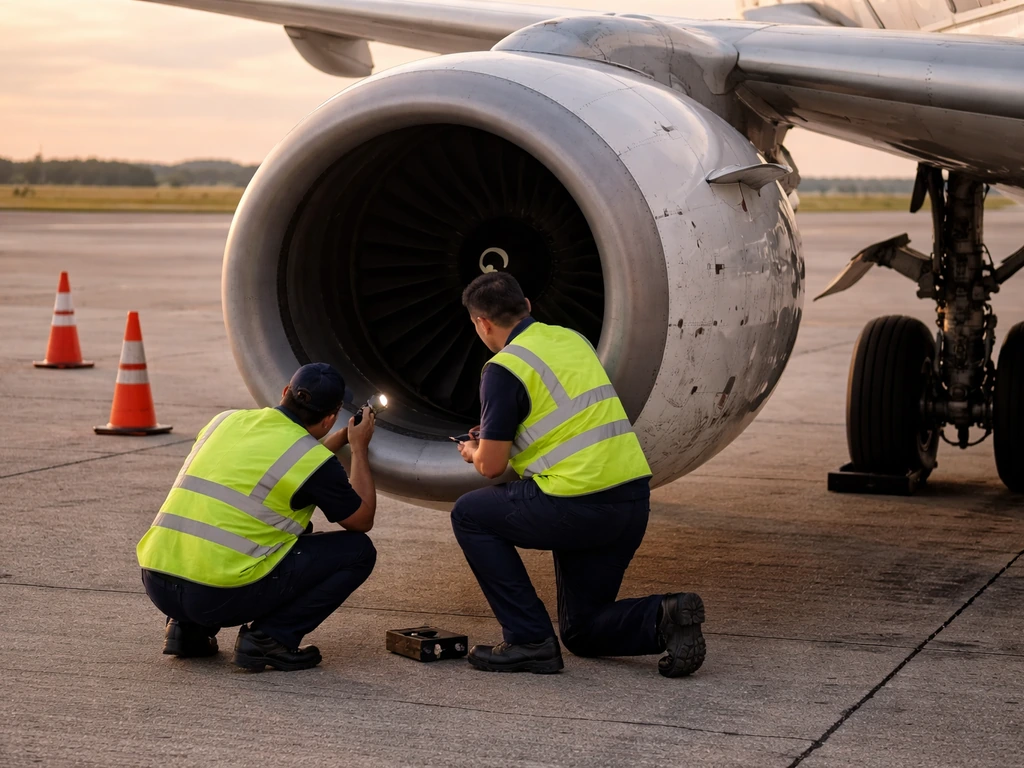
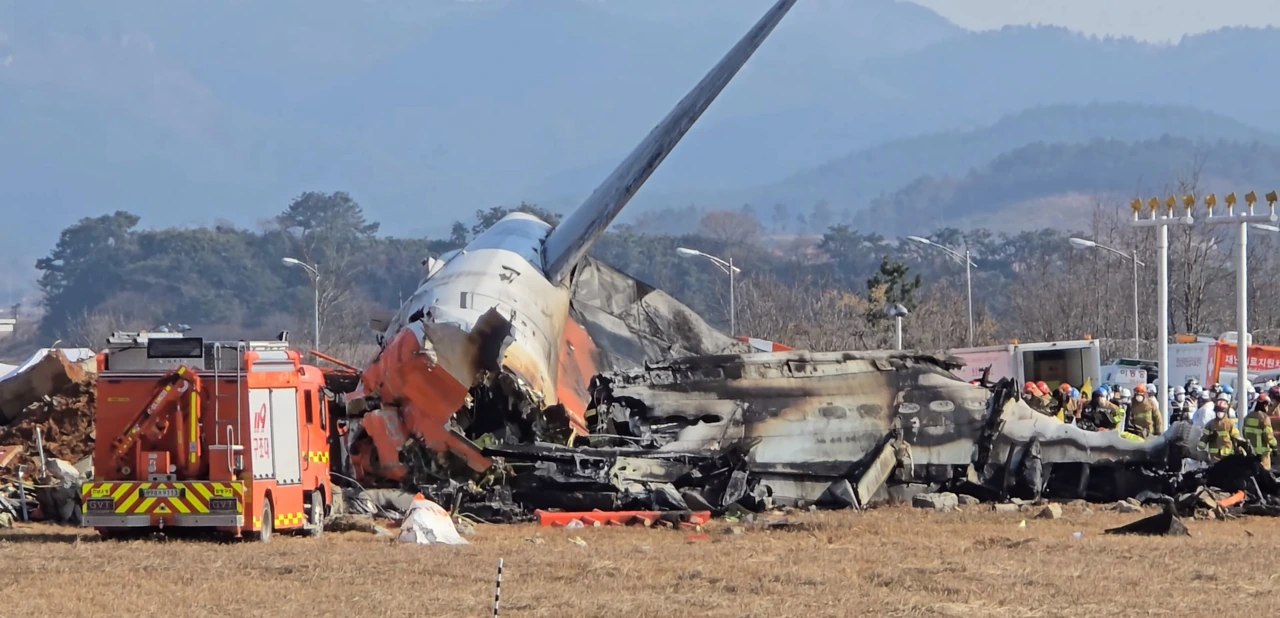
Yes, the Jeju Air crash did involve a confirmed bird strike. blank" rel="noopener noreferrer">South Korea's Ministry of Land, Infrastructure and Transport officially recognized that a bird strike occurred before the crash, and investigators found feathers, bloodstains, and bird DNA in both engines of the Boeing 737-800 during teardown analysis. That said, the exact role the bird strike played in the overall chain of events is still part of an ongoing investigation, with pilot error also cited as a factor and victim families contesting some findings.
Jeju Air Crash Bird Strike: What Likely Happened and Next Steps

Maya Chen
12 May 2026
What people usually mean when they search 'Jeju Air crash bird'
The Jeju Air crash refers to a fatal accident involving a Jeju Air Boeing 737-800. When people search 'Jeju Air crash bird' or 'Jeju Air crash bird strike,' they are almost always asking whether a collision with a bird caused or contributed to the crash. This is a reasonable question because early reporting and the official preliminary report both cited bird strike involvement, which quickly spread through international news coverage.
It is worth knowing what 'bird strike' actually means in an aviation context, because media sometimes use it loosely. In aviation, a confirmed bird strike means physical evidence: engine teardown traces, feathers, blood, or DNA recovered from aircraft components. In the Jeju Air case, investigators specifically found bird DNA in both engines, which places it firmly in the 'confirmed ingestion' category rather than a mere visual sighting or unverified rumor.
In its preliminary report coverage, South Korea's ARAIB reported feathers and blood residues and stated that bird DNA was found in both engines of the Jeju Air Boeing 737-800 reported bird DNA in both engines. South Korea's ARAIB (the accident investigation board) included this in its preliminary report, and the transport ministry issued its own official confirmation.
One complicating factor that came out later: reporting noted that the bird-strike prevention zone around Muan Airport was claimed by lawmakers to cover only about 5 km, allegedly less than the legally required distance. That management detail matters because it shifts the conversation from 'did a bird strike happen' to 'was the risk properly controlled beforehand.' Both questions are valid, and both are still being worked through.
How a bird strike actually brings down a plane
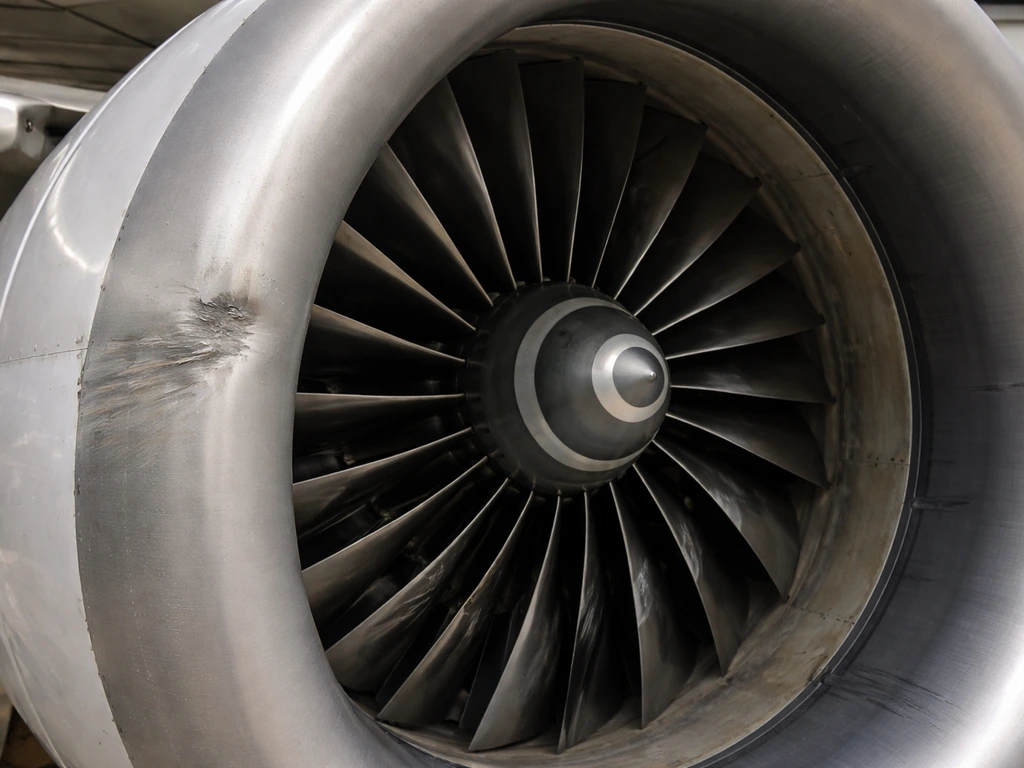
Most bird strikes are minor. A small bird hitting a fuselage at low speed might leave a dent and nothing else. What makes certain strikes dangerous is a combination of bird size, aircraft speed, and exactly where the bird hits. When a large bird (or a flock of them) gets ingested into a jet engine, the impact on the compressor blades can cause what engineers call a compressor stall or surge, which disrupts the airflow the engine needs to produce thrust. If both engines ingest birds simultaneously, the situation becomes dramatically more serious.
The Jeju Air case involved bird strike evidence in both engines, which is precisely the scenario where outcome risk increases sharply. A single-engine bird strike gives the crew options: continue flight on the remaining engine, declare an emergency, and land. Dual-engine impacts compress that decision window considerably.
Beyond engines, bird strikes can also hit windshields, flight control surfaces, and pitot tubes (the sensors that measure airspeed). EASA has documented cases where a windshield bird strike caused complete electrical failure. This is why aircraft certification standards, under frameworks like EASA's CS-25 and equivalent FAA rules, require that planes demonstrate continued safe flight and landing capability after specified bird impact scenarios. The standards are designed to limit catastrophic outcomes, not eliminate the possibility of damage.
Phase of flight matters a lot. The vast majority of reported strikes happen during approach, landing, and initial takeoff climb, all of which are low-altitude phases where birds naturally operate. blank" rel="noopener noreferrer">ICAO's wildlife strike analyses consistently show that approach and landing account for a large share of all documented incidents globally. This is not a coincidence: it is where the aircraft is closest to the ground, slowest in some respects, and most exposed to the bird populations that live and feed near airports.
Which birds and conditions create real airport hazards
Not all bird species pose the same risk to aircraft. The biggest hazards tend to come from large-bodied birds (geese, vultures, eagles, large gulls, herons) and from flocking species that create multi-bird ingestion events. In the Jeju Air investigation, follow-up species analysis focused on duck species, which are consistent with the wetland and coastal environment around Muan Airport.
Seasonal timing also matters. Bird-strike risk rises during migration windows, particularly March through April and August through November, when large numbers of birds are moving through airspace at varying altitudes. Weather fronts, wind direction, and cloud conditions influence how many birds are airborne at a given time, which is why high-risk periods are meteorological as much as geographical.
Airports near water bodies, agricultural land, landfills, or wetlands face elevated risk because those environments attract exactly the species most hazardous to aircraft. Muan Airport's coastal location is consistent with elevated waterfowl activity, which is relevant context for interpreting how a bird strike like the one in the Jeju Air case could occur.
What to do today if you're worried about birds and flights
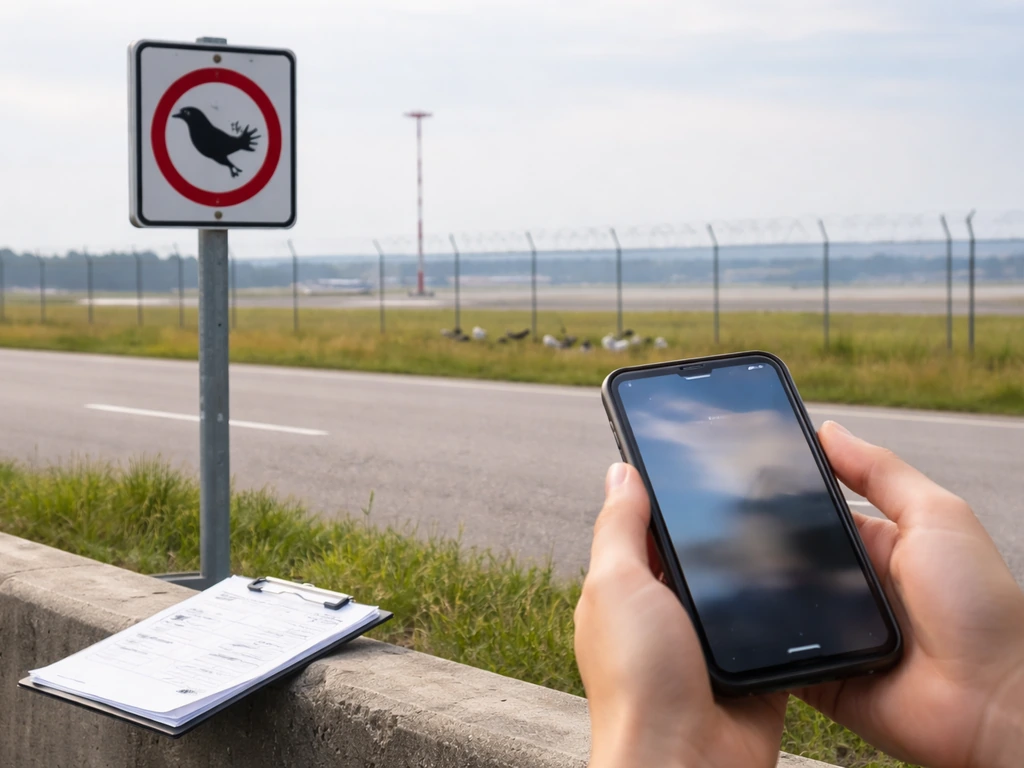
If you are searching this topic because you have a flight coming up and you are worried, here is the practical reality: bird strikes happen thousands of times a year globally, and the overwhelming majority result in no injury to passengers and minor or no damage to the aircraft.
If you are wondering about southwest airlines bird strike today, keep in mind this pattern is usually similar to other bird-strike events: most strikes do not lead to serious injury or major damage. The Jeju Air crash is a serious and tragic case, but it is not representative of the typical bird strike outcome. This broader context is especially important when looking at the South Korea plane crash bird strike question in cases like the Jeju Air incident.
Modern aircraft are certified to handle defined bird impact scenarios, and crews train for engine-loss procedures. Modern aircraft are certified to handle defined bird impact scenarios, and crews train for engine-loss procedures airplane bird strike today.
If you want to understand what actually happened with a specific incident like the Jeju Air crash, here is where to look:
- Check the official investigation body. For the Jeju Air crash, that is South Korea's Aircraft and Railway Accident Investigation Board (ARAIB). They publish preliminary and final reports.
- Look for transport ministry statements. South Korea's Ministry of Land, Infrastructure and Transport issued official confirmation of the bird strike based on physical evidence, which is more reliable than early media speculation.
- Read past the headline. Reports citing 'bird strike confirmed' and 'cause still under investigation' can both be true at the same time. A confirmed bird strike does not automatically mean it was the sole cause.
- Use the FAA Wildlife Strike Database if you are looking at a US-based incident. It logs strikes with species, phase of flight, and damage codes, giving you documented records rather than rumor.
- For ongoing incidents like this one, set a news alert for the airline name plus 'investigation report' to catch official updates as they are published.
The Jeju Air crash shares search context with other notable incidents, including events involving South Korean aviation and other international carriers where bird strikes have been cited as factors. Each case has its own evidence chain, and the verification approach is the same in all of them: look for official investigation findings, physical evidence descriptions, and transport authority statements rather than relying on initial news reports alone.
Bird safety myths worth clearing up
Because this site is about bird safety and health risks broadly, it is worth addressing some common misconceptions that come up around bird-related aviation incidents and birds near airports in general.
Myth: Every bird strike causes a crash
This is false. The FAA receives thousands of strike reports each year in the United States alone, and the vast majority involve no significant damage or flight interruption. Small birds hitting non-critical surfaces are logged, inspected, and cleared without incident. The cases that make headlines are genuinely exceptional.
Myth: Airports kill birds recklessly to manage strikes
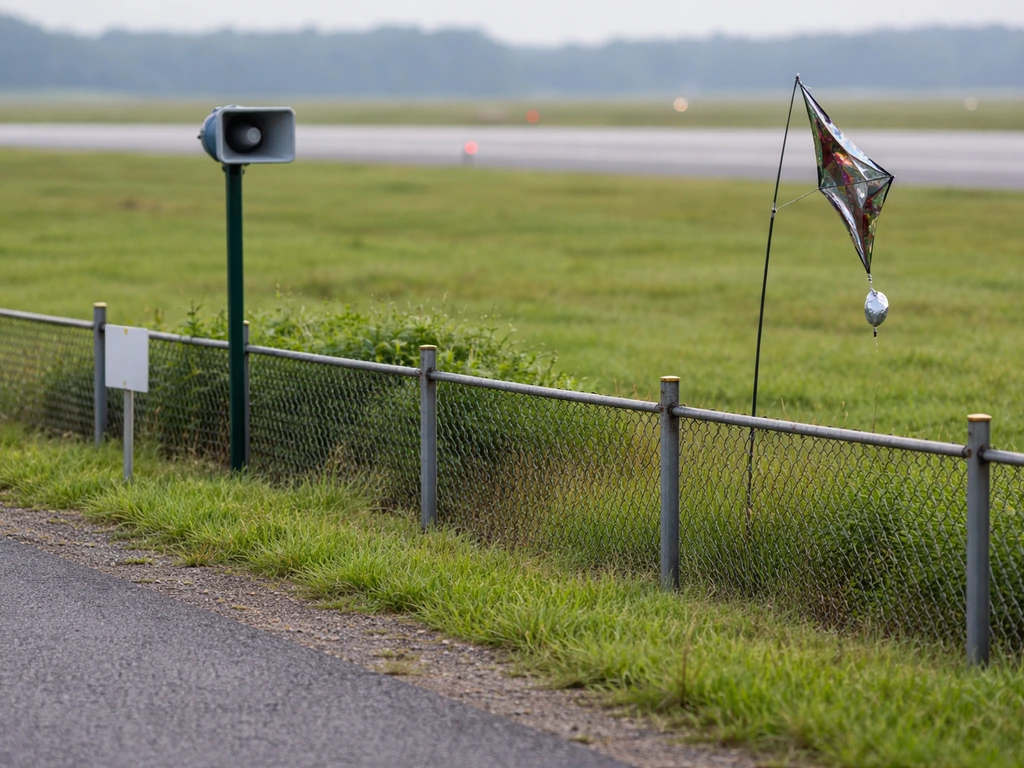
Airport wildlife management is primarily about habitat modification and deterrence, not mass culling. The goal is to make the airport environment less attractive to hazardous species through grass height management, water drainage, prey reduction, and physical deterrents. Lethal methods exist as a last resort but are regulated and used selectively.
Myth: Birds near airports are a disease risk to passengers
The bird-related health risk to passengers in an aircraft is effectively zero. The concern with birds and airports is mechanical, not biological. Passengers are not exposed to bird populations in any meaningful way during a flight. Disease transmission from birds typically requires direct contact with infected animals or their droppings, which is not part of the commercial air travel experience.
Myth: A 'bird strike reported' means the investigation is finished
This is where the Jeju Air case is instructive. Investigators confirmed physical bird strike evidence in both engines, and that is the factual baseline. But the full investigation continued to examine why the landing gear may not have deployed, what role crew decisions played, and whether airport risk management met legal standards. A confirmed bird strike is a data point in an investigation, not always the final conclusion.
Myth: Window collisions and bird strikes are the same thing
In everyday bird safety discussions, window collisions refer to birds hitting residential or commercial building glass, which kills enormous numbers of birds annually. Aviation bird strikes are a completely separate category involving moving aircraft at high speed. The physics, the species involved, the outcomes for birds, and the management approaches are all different. Mixing these up leads to misleading conclusions about both topics.
How airports prevent bird strikes and what you can do nearby
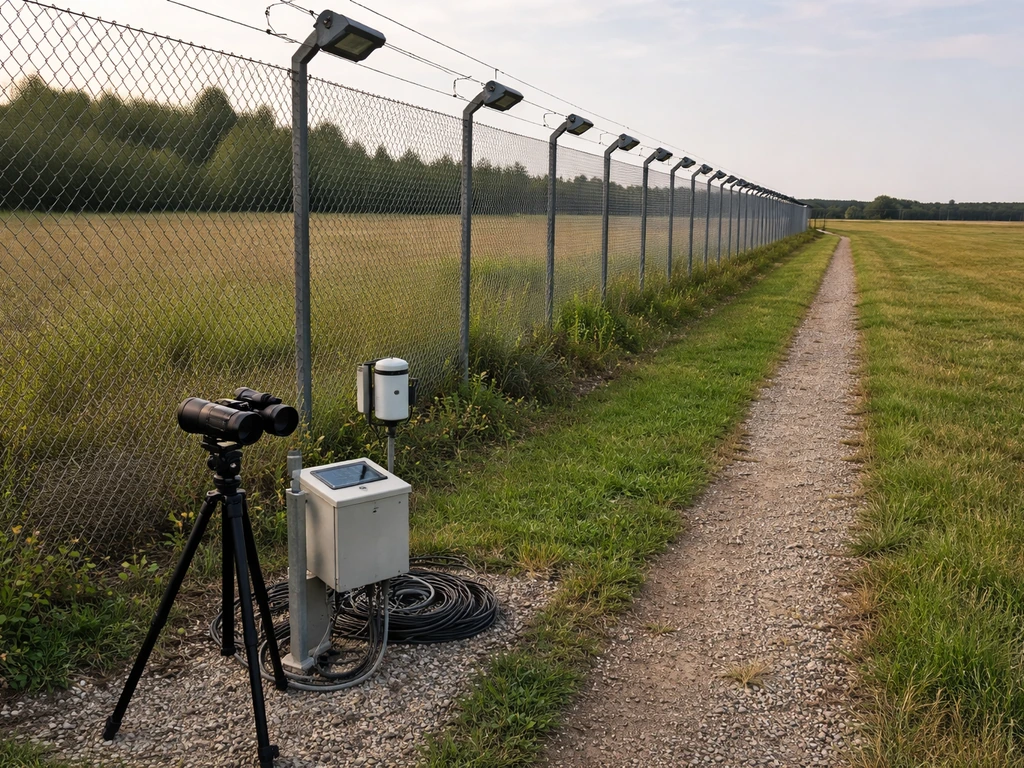
Airports with proper wildlife management programs use a structured approach called a Wildlife Hazard Management Plan. This is not informal or ad hoc. It involves regular monitoring of wildlife activity on and around the airport, habitat modification to reduce attractants, active deterrence during high-risk periods, and systematic reporting of every strike that is observed or suspected.
The Muan Airport situation highlighted what happens when these controls are inadequate. Lawmakers reported that the bird-strike prevention zone was smaller than legally required, which points to a gap in the management system rather than bad luck. Proper compliance with distance requirements, active monitoring during migration seasons, and rapid response to bird activity near runways are all part of what a well-run program looks like.
Specific tools airports use include:
- Grass height management to reduce ground-feeding bird activity near runways
- Drainage and water feature removal to discourage waterfowl
- Pyrotechnic deterrents and trained dogs to disperse flocking species
- Radar systems that detect bird movement in approach and departure corridors
- Perching excluders and bird spikes on structures where birds would otherwise roost
- Real-time NOTAM (Notice to Air Missions) alerts when significant bird activity is observed near an airport
Reporting is the backbone of the whole system. In the US, the blank" rel="noopener noreferrer">FAA Wildlife Strike Database collects reports from pilots, airports, and airlines. These reports include species identification (sometimes from feather or DNA analysis), phase of flight, damage level, and location. Over time, this data identifies patterns and high-risk species at specific airports, which drives more targeted management decisions.
If you live or operate near an airport and want to help reduce bird strike risk, the most effective things are practical and not dramatic. Avoid creating habitat that attracts large birds close to airport property: ponds, exposed grain or compost, large fruit trees, and roosting structures all pull in the species that are most hazardous. If you observe unusual concentrations of large birds near an airport perimeter, reporting it to the airport's wildlife management contact or through the FAA's reporting system is a genuinely useful action, not just box-ticking.
For anyone following the Jeju Air investigation or similar cases, the practical takeaway is that bird strikes are a documented, manageable aviation hazard, not an unavoidable mystery. A well-known example of this kind of event is the albatross bird crash landing scenario, where a large seabird can pose a serious risk during the approach and landing phases. The evidence trail in the Jeju Air case, from feathers and DNA in both engines to official ministry confirmation, shows how investigators actually verify these events. The ongoing questions about cause allocation and airport management compliance are the hard part, and they will be answered through the formal investigation process, not through media headlines alone.
FAQ
How can investigators tell the strike was “confirmed” and not just suspected?
In practice, “confirmed” usually means physical traces tied to the aircraft components, such as feathers, blood residues, and DNA from engine internals or other damaged parts. A key clue is whether the traces match the engine or structure that would have been exposed at the relevant phase of flight, not just whether birds were seen near the airport.
If bird strike evidence was found in both engines, does that automatically mean it caused the crash?
No. Evidence can establish that ingestion occurred, but cause allocation still depends on sequencing and systems behavior, such as whether the engines experienced a compressor stall, whether thrust levels were recoverable, and how flight path and landing systems responded afterward. Investigators typically treat ingestion as one element in a timeline rather than a single-cause explanation.
Could the crew realistically fly safely after a dual-engine bird ingestion?
Sometimes yes, sometimes no. The outcome depends on factors like bird size, ingestion location inside the compressor, immediate engine response (stable thrust versus surge), and whether critical systems like hydraulics and flight controls remain available. That is why training and aircraft certification focus on continued safe flight and landing capability under defined impact scenarios.
What does a bird strike do to an engine, and why do some strikes escalate quickly?
A harmful strike can disrupt airflow at the compressor inlet and blades, leading to compressor surge or stall, which can reduce or destabilize thrust. Escalation is more likely when a large bird or multiple birds are ingested nearly simultaneously, or when the engines are operating in a vulnerable regime during approach and go-around transitions.
How do investigators determine when the bird strike happened during the flight?
They reconcile multiple data sources, such as engine spool data, maintenance/teardown findings, flight data recorder parameters (where available), and eyewitness or radar-based wildlife observations when used. The timing matters because an ingestion earlier in the flight leads to different system effects and crew options than an ingestion just before landing.
What is the “wildlife hazard management plan” and what should it include?
A proper Wildlife Hazard Management Plan is a structured program with regular wildlife monitoring, habitat and attractant management (grass height, drainage, food sources), deterrence during peak risk periods, and a reporting loop that ensures every observed or suspected strike is logged. It also includes operational controls for migration seasons, not just general year-round policies.
If lawmakers claim the prevention zone was too small, does that prove negligence?
It suggests a potential compliance gap, but it does not automatically prove negligence or sole responsibility. Investigators and courts typically look at whether the management zone requirements were met, whether monitoring and deterrence were effective in practice, and whether there were realistic warning signs before the incident that should have triggered intensified controls.
What should a passenger do if their flight is during peak bird migration risk?
Nothing special, because passengers generally cannot influence engine or runway-side wildlife risk. If you want action, focus on normal safety practices and listen for airline advisories, since airlines and airports will coordinate operational procedures if wildlife activity is reported. The most effective measures happen behind the scenes, such as deterrence and runway procedures.
Are bird strikes usually more dangerous at takeoff, landing, or cruising?
They are reported more frequently during approach and landing because that is when aircraft are lower and birds are commonly active near airfields. Cruising strikes still occur, but they are less common and typically have different risk profiles. The key is phase and where birds are likely to be at that time and altitude.
Do birds near airports pose any health risk to passengers?
In general, the passenger health risk is considered effectively negligible in normal commercial operations. The practical risk from birds and airports is mechanical, not biological. Disease transmission usually requires direct contact or exposure scenarios that do not occur during typical air travel.
What can I do if I live near an airport and see lots of hazardous birds?
Report concentrations of large birds or unusual flocking near runways or approach paths to the airport’s wildlife management contact or the official strike reporting channel used in your country. Include time, exact location, bird type if known, and whether the birds appear calm, feeding, or roosting, because those details help the airport target habitat and deterrence actions.
Next Article
Southwest Airlines Bird Strike Today: What to Check Now
Check today’s Southwest bird strike reports fast: flight status, what inspection messages mean, safety and health facts,