
There is no real "bird box monster." The term comes from the 2018 Netflix film Bird Box, where an unseen supernatural creature drives people to suicide just by being seen. In other contexts, people have asked why some individuals end their lives, but the drivers are complex and should be treated as a serious mental health concern rather than linked to a nest-box “monster. People sometimes wonder why some birds survive or avoid the worst outcomes in nest-box situations, and the answer depends on the specific cause at work why some birds not die. ” why people kill themselves. But if you've arrived here wondering what's actually killing birds at your nest box, the answer is a lot more concrete: predators, overheating, abandonment from disturbance, parasites, starvation, entrapment, and toxic or unsanitary conditions. People often ask what the virus is in Bird Box, but the film’s monster is fictional and real bird deaths have specific causes like parasites or toxic conditions what is the virus in bird box. So while the “bird box monster” is fictional, real nest-box bird deaths can involve predators, disease, or other causes that you can address once you know which one is happening. These are the real killers, and most of them are preventable once you know what to look for.
How Does the Bird Box Monster Kill Birds? Real Causes

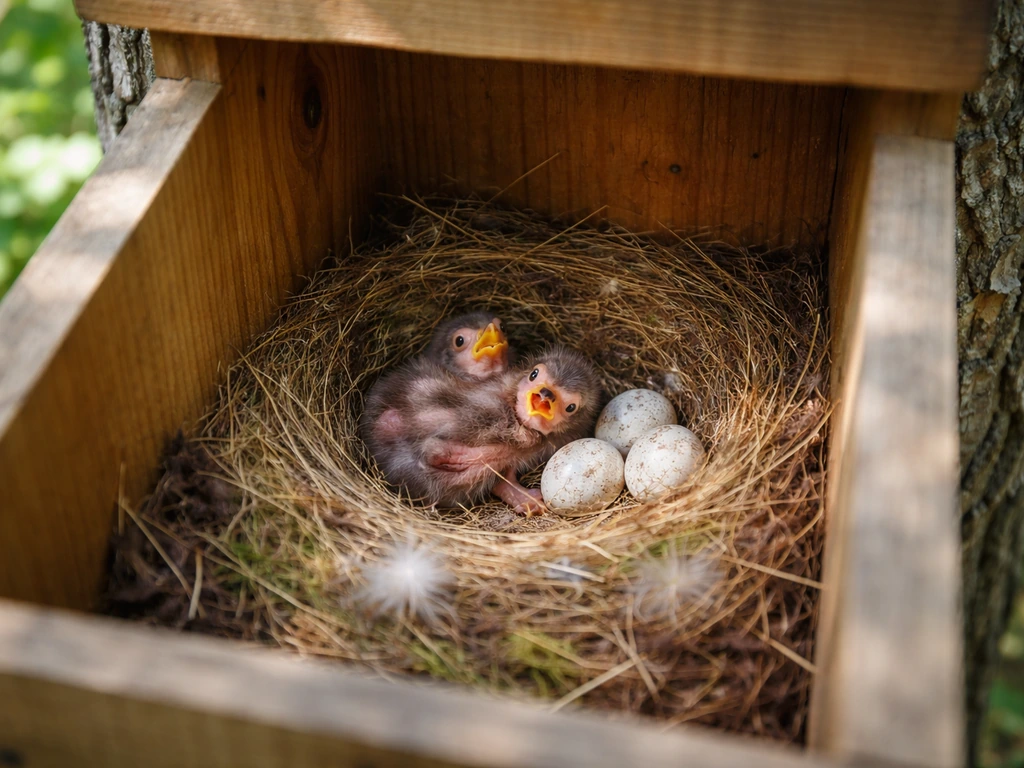
What the "bird box monster" actually means (myth vs. real causes)
The fictional monster in Bird Box is deliberately never shown. It works on fear and the unknown, which makes it effective storytelling but terrible ornithology. In the real world, nest box mortality doesn't have one single villain. NestWatch, which coordinates nest monitoring programs across North America, identifies several distinct cause categories: predation, abandonment, adverse weather, starvation, nest parasitism, and egg failure. Each of these has its own signature, its own timing in the nesting cycle, and its own fix. Calling any one of them "the monster" misses the point. The actual challenge is figuring out which mechanism is at work in your specific box right now.
It's also worth saying clearly: nest boxes don't guarantee success. Even well-designed, well-maintained boxes will see failed nests. That's not a failure on your part. Nest failure is a normal part of bird biology. The goal isn't zero mortality; it's reducing the preventable causes while leaving natural processes alone. In Bird Box, the “monster” is fictional, so there isn't a real way to kill it can the monsters in bird box be killed.
The most common ways nest boxes lead to bird deaths
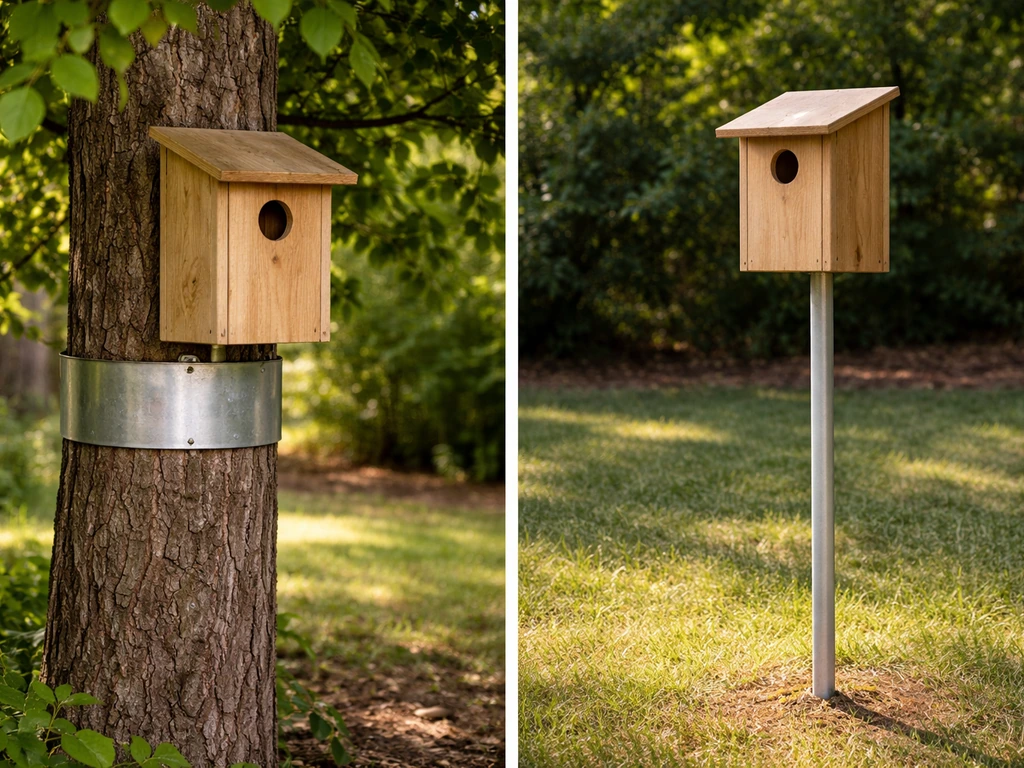
Most nest box deaths fall into a handful of categories. Here's how each one works mechanically, so you can recognize the signs.
Predation
This is the number-one cause of nest failure across most monitored nest box programs. Raccoons, squirrels, snakes, cats, and even house sparrows and European starlings will raid boxes for eggs and nestlings. Larger predators may reach into the entrance hole; snakes can enter entirely. You'll typically find the box empty, with disturbed or missing nest material, sometimes with eggshell fragments or blood traces. The entrance hole may show claw or bite marks. If you're wondering why the "bird box monster" seems unable to get in, the real answer is usually about predation and how predators breach entrance openings, not an actual monster why can't the bird box monster go inside.
Overheating and heat stress
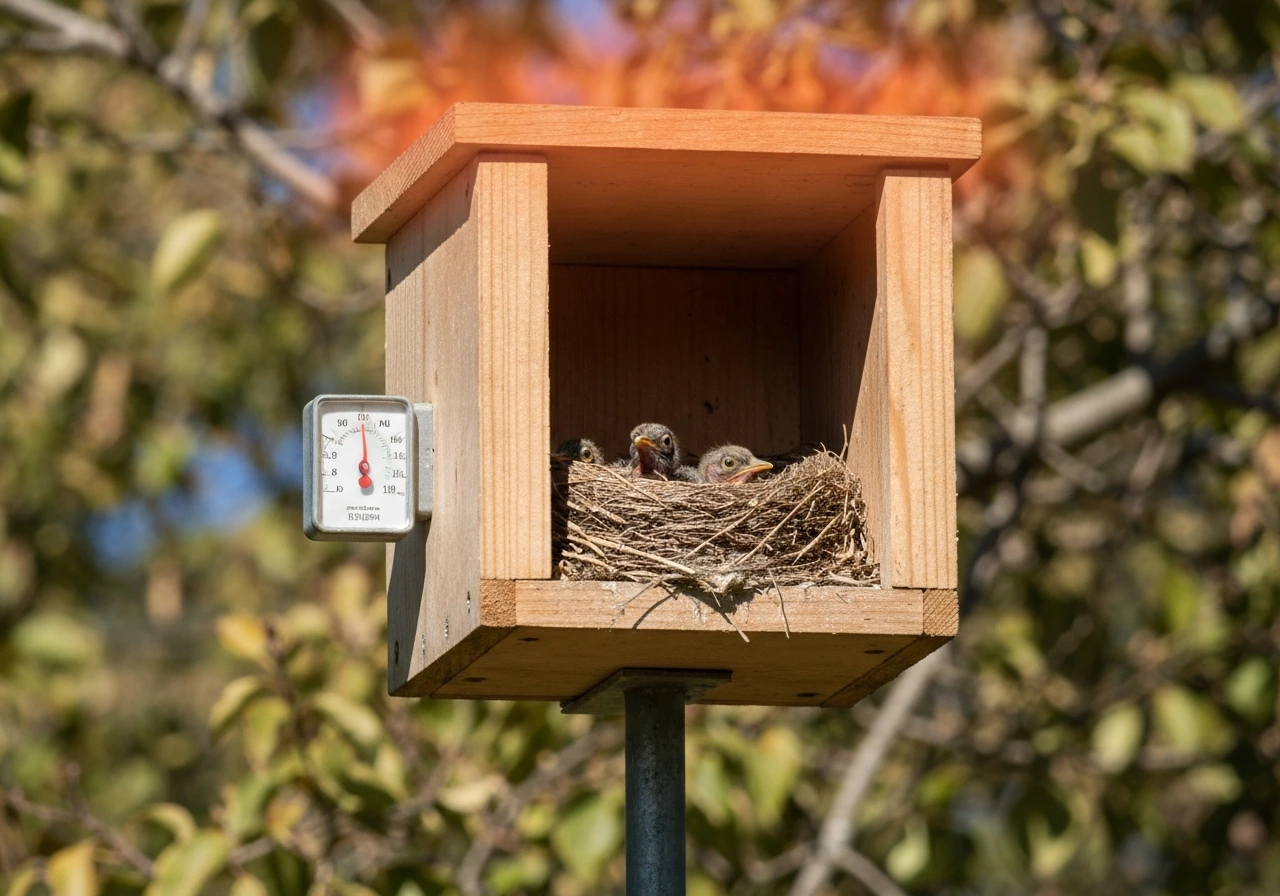
Nest boxes mounted on metal poles in full sun, or built from thin materials like plastic or decorative wood, can become dangerously hot. NestWatch recommends considering a heat shield when multiple days above 100°F are forecast. Temperature extremes can harm embryos and kill nestlings directly. Peer-reviewed research confirms that box color and material affect internal temperatures enough to influence fledgling outcomes. Dark-colored boxes or those with poor ventilation are the biggest risk.
Starvation
If the adult birds can't find enough food, nestlings starve. This is more common during unusually cold, wet weather (when insects aren't flying) or in areas where food sources have been depleted by pesticide use nearby. You might find one or more dead nestlings in an otherwise intact nest, often the smallest or youngest of the brood.
Entrapment and entanglement
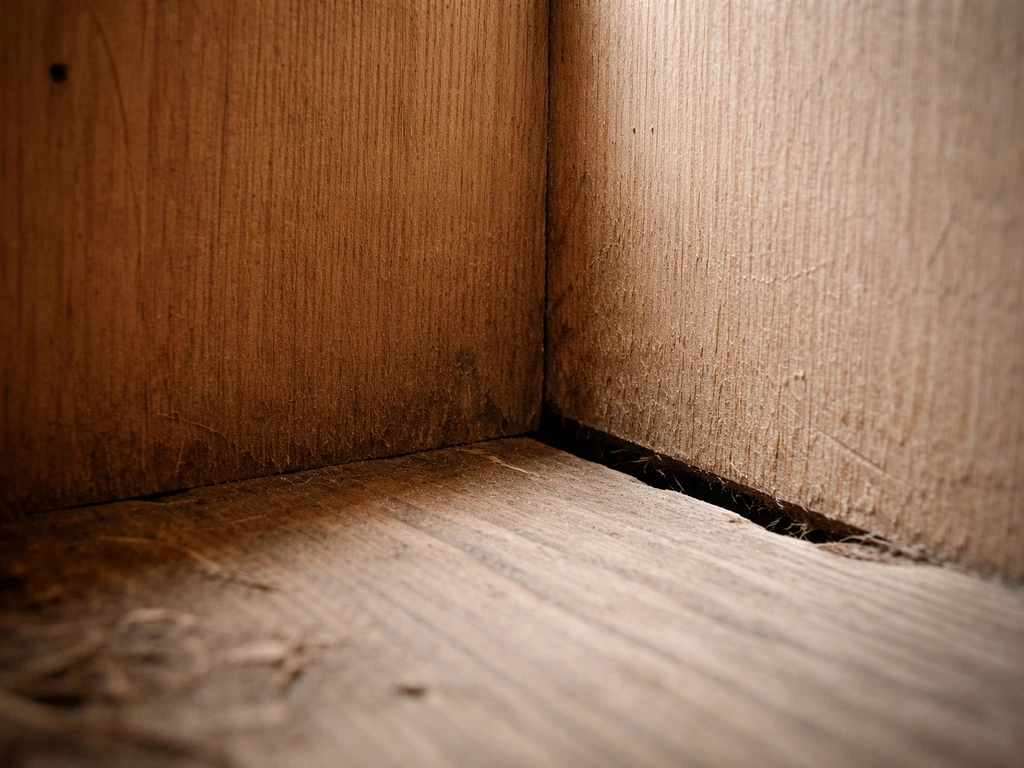
NestWatch's troubleshooting guide specifically flags situations where nestlings or adults cannot climb out of the box. This can happen if the interior walls are too smooth (a rough interior wall or ladder grooves below the entrance are important features), if the entrance hole is the wrong size, or if nesting material becomes tangled around a bird's foot or leg. Finding a live but trapped bird is a genuine emergency.
Chemical poisoning
NestWatch explicitly lists chemical poisoning as an identifiable cause when you find dead young or unhatched eggs. Pesticide use in nearby gardens or fields reduces insect prey and can directly poison birds through contaminated food. Treated or painted wood in the box itself can also off-gas toxins into a confined nesting space.
Egg failure and infertility
Sometimes eggs simply don't hatch. This can be due to infertility, poor incubation from an inexperienced or stressed parent, runt eggs that were never viable, or early abandonment. NestWatch's troubleshooting table lists all of these scenarios with diagnostic clues for each.
Predators and harassment: how birds get killed at nest boxes
Predation is more complex than just "something ate the eggs." There are two phases where it hits hardest: the egg stage and the nestling stage. USDA Forest Service nest-success data shows that egg-stage failures are often linked to abandonment and predation together, while nestling-stage failures skew more toward predation and other causes as chicks become more detectable.
Competitor birds are a separate but serious threat. House sparrows and European starlings don't just compete for the box; they will kill native species' eggs, nestlings, and even incubating adults inside the box. House sparrows are particularly aggressive. If you're monitoring bluebird or swallow boxes, this is one of the most common failure modes you'll encounter. Research on nest box design confirms that entrance hole size is one of the most effective ways to exclude larger competitors and certain predators.
Predator guards and baffles on the mounting pole are the single most effective hardware intervention. NestWatch explicitly recommends installing them as a corrective action after a predation event. A conical or tubular baffle mounted at least 4 to 5 feet up the pole stops most ground-based and climbing predators.
Disturbance and abandonment: how "helping" can harm
This one is counterintuitive: your presence at the box can directly cause a nest to fail. Repeated or prolonged visits stress the parent birds, increase the time eggs or nestlings are left exposed to temperature extremes, and can attract predators by drawing attention to the box location.
NestWatch has a specific code of conduct for this. Before opening a box, tap on it first so the parent can slip out before you look in. Tap again once the box is open. Keep visits short. Monitoring frequency around every 7 to 9 days is the standard among organized monitoring programs, and that frequency is deliberately limited for exactly this reason.
Well-meaning interventions like moving a box mid-season, cleaning an active nest, or handling nestlings frequently can trigger abandonment. NestWatch is clear: clean boxes only when there is absolutely no sign of active breeding. If you're unsure, wait another day. The nest-return mythology (that touching a nest causes permanent rejection) is a myth, but repeated disturbance is a real risk.
Health hazards in nest boxes: disease, parasites, and sanitation
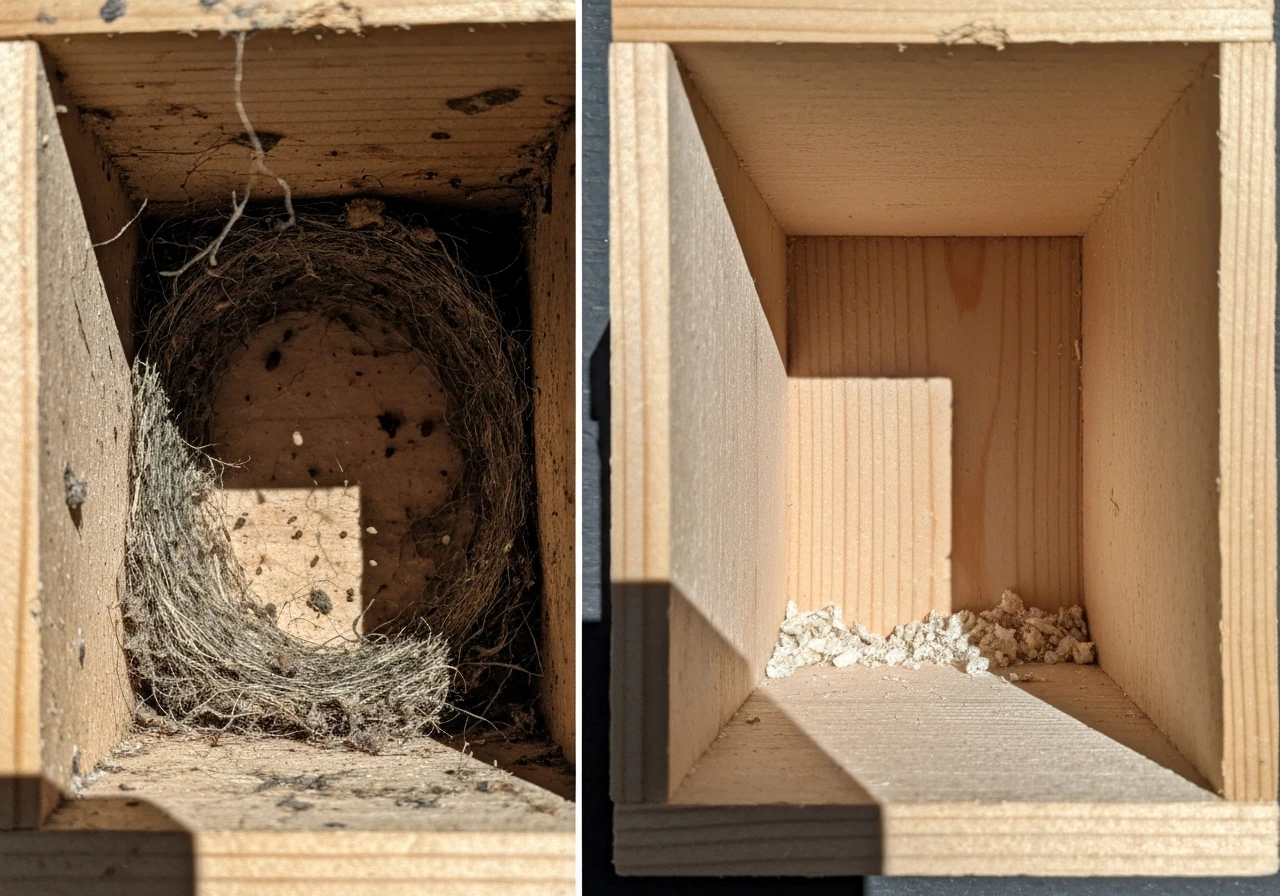
Old nesting material is a reservoir for mites, lice, blowfly larvae, and mold. NestWatch is usefully nuanced here: most arthropods found in nest boxes are harmless, and mites in particular are not automatically a crisis. Only in rare cases do mite or blowfly infestations reach the level where they can actually harm nestlings. Seeing some insects in the box during monitoring doesn't mean you need to intervene immediately.
That said, leaving old nesting material in place season after season does increase parasite loads over time. Cleaning out the box at the end of the breeding season, after young have fledged, removes the material where parasites overwinter and reproduce. WCT Trust guidance describes the process: remove old nesting material, scrape droppings and debris from the interior walls and floor, and let the box dry out before the next season.
Hygiene matters most when a box has hosted a failed or diseased nest. In that case, cleaning between broods (not during) is the right call. NestWatch is specific: clean only when there is no active breeding, and wait if you're uncertain.
Environmental risks: heat, cold, ventilation, entrapment, and toxins
Box design is where a lot of preventable deaths start. NestWatch's material guidance is straightforward: use untreated, unpainted wood. Thin plastics, metal, and decorative materials heat up or cool down too fast to buffer the temperature swings that eggs and nestlings can't survive. Peer-reviewed research on artificial nest boxes confirms that box color and material affect internal temperature enough to influence hatching and fledgling success.
Ventilation holes near the top of the box allow heat to escape on hot days. Drainage holes in the floor prevent water accumulation that can chill eggs or drown nestlings. These aren't optional features; they're minimum requirements for a functional nest box. If your box lacks them, a drill solves the problem in under a minute.
On the toxin side: pressure-treated lumber, exterior paints, and wood stains can off-gas chemicals inside the enclosed space of a nest box. Keep box interiors bare wood only. The exterior can be painted a light color to reflect heat, but the interior should never be coated.
Cold is also a risk, especially for early-season nesters. Boxes with appropriate wall thickness (at least 3/4 inch wood) provide insulation that thin materials can't. If you're in a climate with late cold snaps, thicker wood and a north-facing or shaded entrance reduce cold-exposure risk without sacrificing summer ventilation too badly.
How to diagnose what's happening today
If you've found something wrong at your nest box right now, here's how to read the evidence. NestWatch's troubleshooting guide uses a "what you find / what it likely means / what you can do" format, which is a useful mental framework.
| What you find | Most likely cause | Immediate action |
|---|---|---|
| Box empty, nest disturbed, eggshell fragments | Predation | Check for entry marks, install or upgrade predator baffle |
| Dead nestlings in intact nest, no trauma signs | Starvation, cold snap, or disease | Note weather history, check nearby pesticide use, observe adult activity |
| Unhatched eggs after normal incubation period | Infertility, abandonment, or chemical exposure | Check for adult return; if abandoned, remove after season ends |
| Live bird trapped inside, cannot exit | Entrapment or wrong hole size | Open box carefully, allow bird to exit, modify interior or hole size |
| Nestlings covered in insects/larvae | Blowfly or mite infestation | Monitor severity; light infestation often resolves; heavy infestation may need nest replacement if no adults present |
| Adults stop visiting, nest intact | Disturbance-driven abandonment | Stop all visits; observe from a distance for 20-30 minutes to check for adult return |
| Box hot to the touch in afternoon | Overheating risk | Add ventilation holes, shade, or heat shield; consider relocating box |
Before opening the box, tap on it gently and wait. If an adult is inside, this gives them a chance to exit. Keep any inspection under 30 seconds. Watch from a distance of at least 20 to 30 feet for the next 20 to 30 minutes to confirm adults return. If adults don't come back within that window, something larger may be wrong.
One important rule: don't intervene unless you're certain something is wrong. The most common mistake is acting too fast. Most perceived problems at nest boxes resolve on their own, and your intervention creates new risks. If you find an injured or truly abandoned bird (confirmed after a full observation period), contact a licensed wildlife rehabilitator rather than attempting to care for it yourself.
Prevention checklist for safer bird boxes next season
Most of this work happens after the breeding season ends and before the next one begins. Here's what to do.
- Clean out the box after all young have fledged and adults have stopped visiting. Remove all old nesting material, scrape droppings from interior walls and floor, and let the box air out completely before closing it back up.
- Check box construction: interior walls should be bare, untreated wood; exterior can be lightly painted a light color; walls should be at least 3/4 inch thick.
- Verify ventilation and drainage: there should be small holes or gaps near the roof line for hot air to escape, and at least one drainage hole in each corner of the floor.
- Install or inspect predator baffles on the mounting pole. A conical or stovepipe baffle at 4 to 5 feet height stops most climbing predators. Check that it's still snug and hasn't been damaged or bypassed.
- Check entrance hole size for your target species. Too large lets in competitors and larger predators; too small excludes the birds you want.
- Assess box placement: avoid full afternoon sun in hot climates; ensure the entrance faces away from prevailing rain and wind; check that the mounting structure is still stable.
- Survey the surrounding area for pesticide use, especially insecticides. Talk to neighbors if needed. Insect availability is directly tied to nestling survival.
- If your box had a failed nest due to overheating, consider adding a heat shield or moving the box to a location with afternoon shade before next season.
- Plan your monitoring schedule: aim for visits every 7 to 9 days during the active season, keep each visit under 30 seconds, and always tap before opening.
- Record what you observed this season (failures, causes, timing). This helps you make smarter changes and contributes to citizen science data if you're enrolled in a program like NestWatch.
The real "bird box monster" isn't one thing. Bird-box fiction aside, if you're really trying to understand why the creatures in bird box kill, the answer in real life is that predators, heat stress, abandonment, parasites, and toxins can all be responsible. It's a checklist of manageable risks, most of which you can address with basic hardware, good timing, and restraint. The birds you're trying to help are resilient; they just need the box to stop working against them. In bird box mythology, people also wonder why some birds die while others appear unaffected why some birds appear unaffected.
FAQ
How can I tell whether I’m dealing with predation, starvation, overheating, or toxins from what I find?
Start by separating evidence types, not symptoms. If you see broken eggshells with the nest undisturbed, predation or abandonment is more likely. If you find dead nestlings with little sign of disturbance, look first at temperature, food shortage, and possible poisoning. If you see a live bird you cannot coax out, treat it as entrapment and prioritize escape routes and guard adjustments over cleaning or relocation.
What’s the best way to confirm a nest box is overheating before more birds die?
Do a quick “heat check” rather than guessing. Put a thermometer probe at nest height and track peak interior temperatures during heat waves (or at least on the warmest days). If the interior routinely spikes above safe nesting conditions, switch to untreated, unpainted wood, lighter exterior color, add ventilation openings, and consider a heat shield for future seasons.
If I suspect a bird is trapped, what should I do immediately versus what should wait until the nest is inactive?
One more touchpoint matters, timing. Avoid any action that increases time eggs or chicks are exposed to cold or sun, including repeated checks. Also, if you suspect entrapment, do not widen openings by drilling from the outside while birds are nesting, wait for an empty box, then adjust entrance size, add rough interior surfaces, and remove any tangling materials.
Is cleaning really necessary if my nest box looks mostly fine during the season?
Yes, some “looks clean” boxes still accumulate parasite reservoirs. The end-of-season cleaning step is important because old material contains mites, blowfly larvae, and mold that can persist. Focus on removing debris and letting the box dry thoroughly before the next breeding attempt, then minimize disturbance during the active period.
Can abandonment happen because a predator attacked, and how do I account for that when troubleshooting?
It can. When predators raid, birds may abandon eggs or nestlings afterward. If adults do not return after an observation window, predators are a strong candidate, but you should still inspect for secondary causes such as leftover contamination (for example, blood or decaying material) that can attract insects or increase disease risk next time.
How do I tell if the failure is from a competitor bird rather than a mammal predator?
Competitors can be misread as “a predator.” If you see puncture damage, missing or destroyed eggs, or evidence of more aggressive takeover behavior, suspect house sparrows or starlings. The practical fix is design: adjust entrance hole size for your target species and add baffles or guards to limit access from climbing or perching predators.
What should I do if I suspect poisoning, and how can I prevent a recurrence?
If you find dead birds or unhatched eggs, document without prolonged checking: take brief photos from a distance, then stop handling. If you suspect poisoning, avoid using the area until you identify whether pesticides or treated wood products are contributing. For disposal, wear gloves and avoid inhaling dust, then sanitize surfaces after the breeding season when no birds are active.
When do parasites in a box become a real emergency versus just normal nest life?
Not necessarily. A few mites or insects can be normal, and intervention can backfire by increasing abandonment risk. The decision point is severity and evidence of harm, for example heavy blowfly presence with struggling nestlings, blood loss, or widespread injury. When in doubt, rely on end-of-season cleaning rather than mid-season spraying or removal of nesting material.
What’s the most common design mistake that leads to both predation and competitor birds?
Sometimes the entrance hole size is the hidden culprit. If more than one species is using the area, competitors can exploit openings that are too large. Measure the entrance diameter, compare it to the requirements for your target species, and plan a one-time design change for the next empty season rather than altering the box mid-nest.
How do I monitor without accidentally causing abandonment or making predators more likely to find the box?
Think of it as two separate problems: locating and acting. Your presence often increases stress and can raise exposure time, but the bigger issue is frequency and duration. Keep visits short, limit checks to the program schedule, and use the “tap and wait” method to let adults exit before you look directly into the box.
How can I use the date or nesting stage to narrow down the cause of nest failure?
Yes, sometimes the “cause” is actually timing. Egg failures can come from early abandonment, infertility, or poor incubation, while nestling losses may skew toward predation, starvation, or overheating as chicks become more visible. Compare the date you first found trouble with the typical nesting stage to narrow what’s most likely.
If adults don’t return, when should I stop investigating and call a professional?
If you cannot confirm that adults return after an initial short observation period, do not keep opening the box. A licensed wildlife rehabilitator can advise on safe handling and whether there’s a disease risk. Also, if the box likely needs significant modifications like baffles, ladder barriers, or entrance resizing, wait until breeding ends to avoid creating a new entrapment hazard.