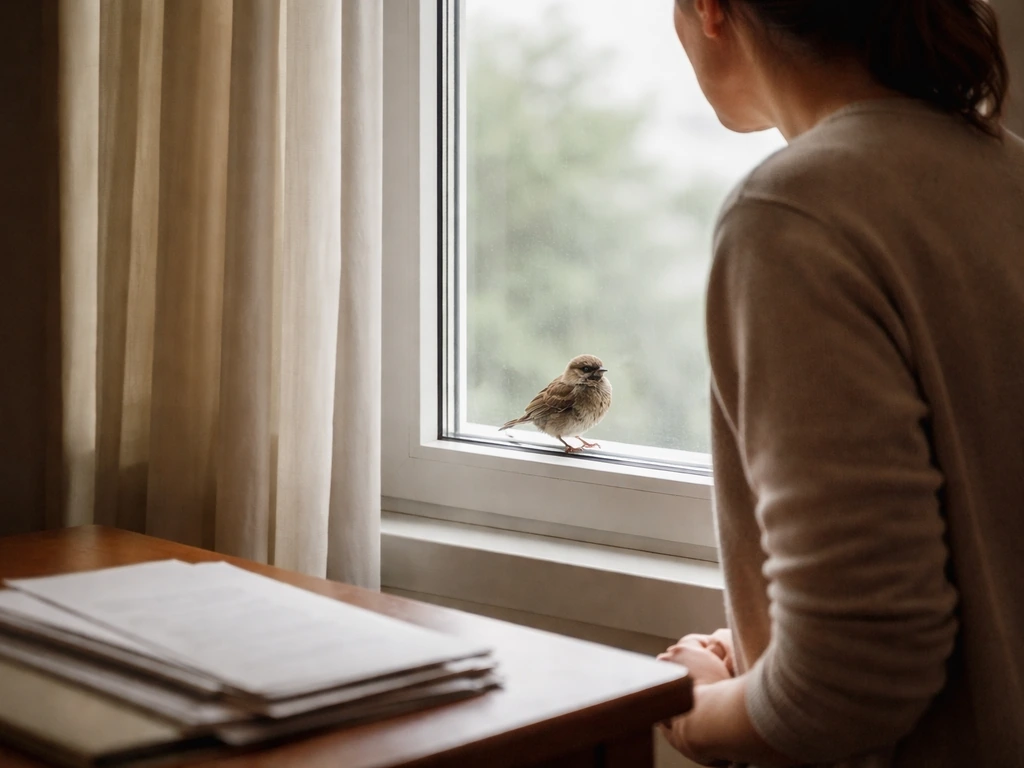
Whether killing a bird is a sin depends almost entirely on your faith tradition, your intent, and whether you had a reasonable alternative. Across most major religions, accidentally killing a bird carries little or no moral weight, while intentionally killing one without necessity is generally considered wrong. If the death was accidental, you can set the guilt aside. If it was intentional but necessary for safety, most traditions give you room. If it was needless, the path forward is sincere remorse and a commitment to prevent it again.
Is Killing a Bird a Sin? What to Do in Real Situations

Maya Chen
24 Apr 2026
Why "sin" depends on faith and intent
No single answer applies across all belief systems, but the major traditions share more common ground than you might expect. They generally agree that causing unnecessary suffering or death to any creature is ethically problematic, while allowing harm when there is genuine need.
| Faith Tradition | Core Principle | When Killing May Be Permitted | When It Is Considered Wrong |
|---|---|---|---|
| Islam | Allah will question you for killing a small bird 'for no just reason' (hadith cited by scholars) | Repelling genuine harm or danger | Intentionally killing without cause; sincere taubah (repentance) is the remedy for mistakes |
| Judaism | Tza'ar ba'alei chayim: prohibition on causing unnecessary pain to living creatures | Legitimate human need (safety, health); must still be done with compassion | Cruelty or purely unnecessary harm; rabbinic guidance applies to birds specifically |
| Hinduism | Ahimsa (non-violence); scripture calls for compassion toward animals, not treating them as lesser beings | Genuine necessity, interpreted through context | Casual killing without cause contradicts core dharmic ethics |
| Buddhism | Non-harm and compassion across all species | Some historical exceptions; context matters | Unnecessary harm to sentient creatures violates the non-harm ideal |
| Christianity | Varies by denomination; stewardship of creation is a common theme | Pest control, food, safety are generally accepted | Gratuitous cruelty is widely considered contrary to Christian ethics |
The practical takeaway: intent is the deciding factor in almost every framework. Killing carelessly or cruelly lands differently than an accident or an act of genuine self-protection. If you want a ruling specific to your tradition, scroll down to the last section for how to seek one.
Accidental vs. intentional: how the circumstances change everything
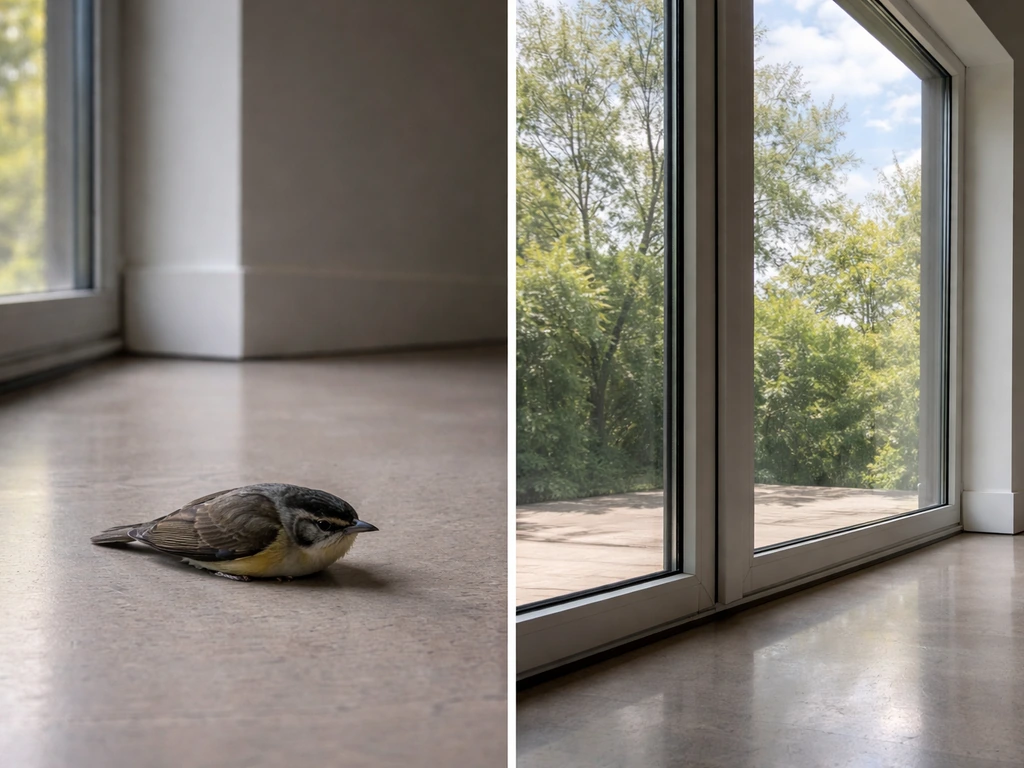
Accidents happen constantly with birds. Window strikes alone kill an enormous number of birds every year, and most people have no idea until they find the bird on the ground. If a bird flew into your car, your window, or your cat got to it before you could react, you bear very little moral responsibility by any standard framework. The ethically relevant question is whether you took reasonable steps to prevent harm once you became aware of the risk.
Intentional killing is a different conversation. If you deliberately harmed a bird out of annoyance, sport, or curiosity, most traditions would call that wrong. If you acted intentionally to protect yourself, your family, or your property from a real threat, the calculus shifts. The key questions most ethical and religious frameworks ask are: Was the threat real? Was the response proportionate? Did you have a reasonable alternative you chose not to take?
- Accidental window strike, car collision, or predator attack: minimal or no moral fault in virtually all traditions
- Intentional killing to remove a genuine hazard (e.g., a bird carrying confirmed disease risk, a bird causing dangerous property damage): generally permissible with caveats
- Intentional killing out of annoyance, sport, or negligence: considered wrong in most traditions and in many cases illegal under federal law
- Failing to take any steps to prevent foreseeable harm: ethically murkier territory, especially if you were aware of a recurring risk
When necessity makes it justifiable: safety, property, and real hazards
Most faith traditions and legal systems recognize necessity as a legitimate reason to harm an animal. Judaism explicitly states that tza'ar ba'alei chayim does not prevent using or removing an animal when there is genuine human benefit or safety at stake, provided it is done with compassion. Islamic scholars similarly allow killing animals that pose a real threat or harm. The principle of proportionality still applies: the response has to match the threat.
From a practical standpoint, real hazards involving birds include disease exposure, aggressive nesting behavior near children, or structural damage from large flocks. The CDC has issued guidance on avian influenza (H5N1) risk from contact with sick or dead wild birds, and Salmonella exposure from feeders and birdbaths is a documented public health concern. These are legitimate grounds to take protective action.
However, even when a bird poses a genuine problem, lethal action is usually the last resort, not the first. Under U.S. federal law, a depredation permit from the U.S. Fish and Wildlife Service authorizes capture or kill of migratory birds only after deterrents like hazing and habitat modification have already been tried and failed. That legal standard lines up closely with the ethical one: necessity means you genuinely had no workable alternative, not just that the alternative was inconvenient.
Humane alternatives for the most common situations
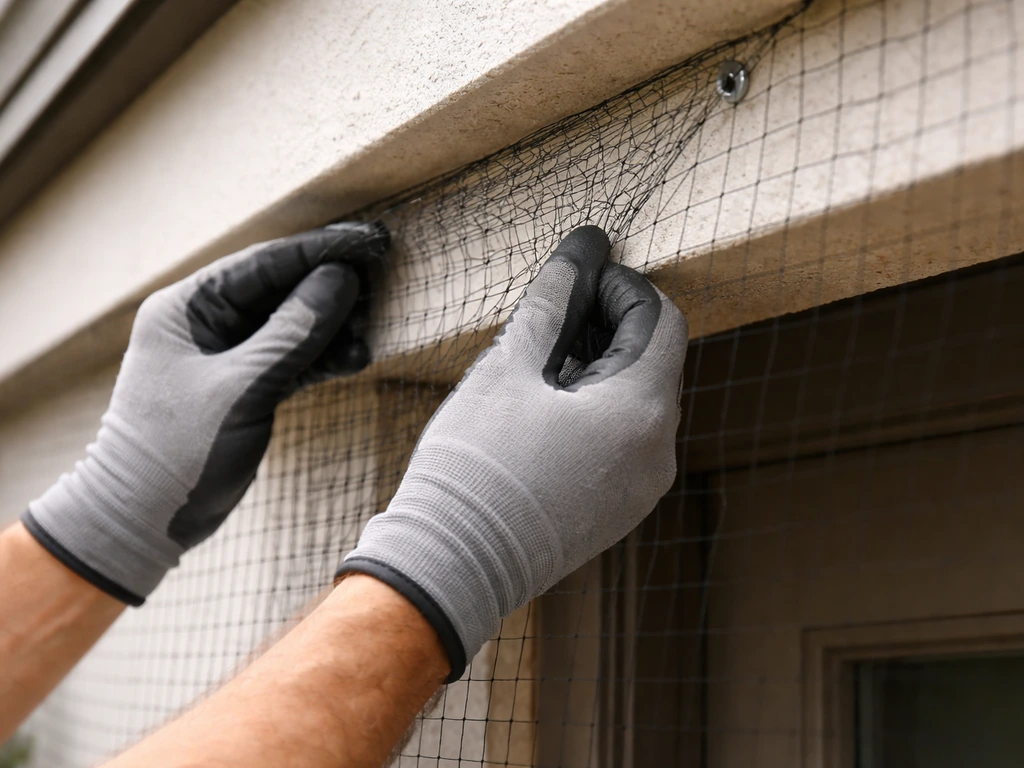
Most of the scenarios that lead people to ask whether killing a bird is justified have non-lethal solutions that work better anyway. Here are the practical options by situation.
Nuisance birds or nesting conflicts
- Remove attractants first: food sources, open water, shelter materials
- Use hazing techniques: visual deterrents, sound, physical barriers
- Install exclusion netting or spikes in areas where nesting causes structural damage
- Contact your state wildlife agency or a licensed nuisance wildlife operator before pursuing lethal options
Window strikes (the most common accidental cause)

- Place deterrent markers on the exterior surface of glass, not the interior (inside decals do not break up reflections birds see from outside)
- Space visual markers no more than 2 inches apart, both horizontally and vertically, to close the gaps birds try to fly through
- Use full-window exterior film, patterned dots, stripes, or bird-safe glass treatments
- At night, close curtains or blinds and turn off interior lights near windows to reduce the lit-glass effect that draws birds in
Disease and contamination concerns
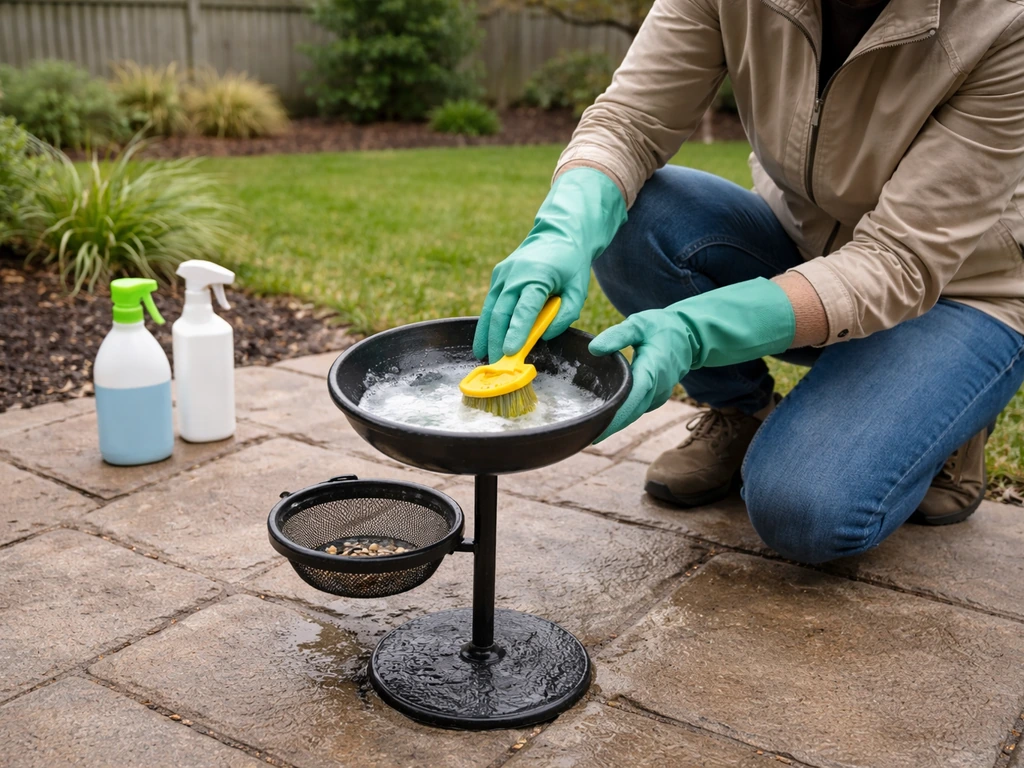
- If you find a sick or dead bird near your feeder, take down your feeder and birdbath for at least two weeks and clean them outdoors, not in your kitchen
- Wear gloves when handling feeders or cleaning up droppings; follow CDC guidance on PPE during any avian influenza exposure scenario
- Monitor yourself for symptoms (fever, respiratory issues) if you have had direct contact with a sick or dead bird during an active H5N1 advisory
If you find an injured or trapped bird: what to do right now
The first rule is: do not try to feed or give water to an injured or stunned bird. Audubon is explicit about this. Food and water given at the wrong time can worsen the outcome, especially for a bird in shock after a window strike.
- Keep the bird calm and contained: loosely wrap it in a towel and place it in a secure, well-ventilated box in a dark, quiet location
- Keep it warm but give it an escape from direct heat: a warm water bottle wrapped in a towel placed near (not under) the box works well
- Do not attempt to trap or capture a bird if you have not contacted a wildlife rehabilitator first
- Call your local wildlife rehabilitation center or your state fish and wildlife agency for species-specific guidance
- If the bird struck a window, give it 15 to 30 minutes undisturbed in the dark box; many stunned birds recover and can be released
- If it does not recover, shows clear signs of injury, or cannot stand or fly after rest, transport it to a licensed rehabilitator
If the bird looks healthy and is just sitting on the ground, give it space and watch from a distance. Audubon recommends placing a window-collision victim in a dark, quiet room and leaving it undisturbed for about an hour before deciding whether transfer to a wildlife rehabilitator is needed. The USFWS guidance is straightforward: if an adult bird is not showing unusual behavior and appears uninjured, leave it alone. Unnecessary handling causes additional stress and can cause harm.
Prevention: keeping birds safe around your home
Most bird deaths that happen near homes are preventable, which is why prevention is also the most ethically important action you can take. Window strikes, feeder-related disease, and habitat conflicts are all reducible with consistent effort.
Stopping window strikes before they happen
Apply exterior deterrents to any large window or glass door, especially those that reflect sky or trees. The 2-inch rule from the USFWS is the standard: place markers (dots, stripes, tape, film) in a grid where no gap is larger than 2 inches in any direction. Birds will not attempt to fly through openings that small. Retrofit solutions including dots, stripes, full-window film, and patterned paint all work when applied to the outside of the glass.
Reducing disease transmission at feeders
Clean your feeders and birdbaths regularly, always outside and never in the kitchen or food prep areas. During any local Salmonella or avian influenza advisory, take feeders down for two weeks. Keep backyard poultry separated from wild birds to limit H5N1 exposure pathways. The CDC's guidance is clear that contact with contaminated droppings and surfaces is a real exposure route, not just direct contact with sick birds.
Managing nesting and habitat conflicts humanely
Address bird presence at the habitat level before it becomes a conflict. Removing food sources and shelter opportunities early in the season reduces the likelihood of birds establishing nesting sites in problematic locations. Hazing with visual deterrents, reflective tape, or sound works well when started before birds become territorial. Once a nest is established and eggs are present, removal is restricted under federal law for most migratory species, so early intervention matters.
How to get a faith-specific ruling and find peace of mind
If you are carrying guilt over a bird's death and want a formal religious answer, the most direct path is to consult a religious authority in your tradition. Here is how to approach that depending on your faith.
- Islam: contact your local imam or a recognized online fatwa service (such as IslamQA or Islamweb). Islamic scholarship on this is well developed. If the harm was unintentional, scholars are clear that sincere taubah (repentance) and resolve not to repeat it are sufficient. Describe the circumstances honestly and ask for guidance specific to your situation.
- Judaism: ask your rabbi or consult a responsa database. The principles of tza'ar ba'alei chayim are well documented, and rabbis regularly give rulings on animal welfare questions. Conservative, Orthodox, and Reform communities may interpret details differently, so seek someone within your movement.
- Hinduism: speak with your temple priest or a dharmic scholar. The concept of ahimsa is central, but Hindu interpretation is context-dependent and varies by lineage. A knowledgeable guide can help you understand the specific weight of the act.
- Buddhism: consult a teacher or monk in your tradition. Buddhist ethics on non-harm are consistent, but whether intent removes blame is something your teacher can address in the context of your practice.
- Christianity: speak with your pastor, priest, or spiritual director. Most Christian traditions do not have a specific ruling on bird death, but they can help you work through the stewardship and compassion ethics involved.
Beyond religious guidance, the most useful practical next steps are the same regardless of tradition: take honest stock of whether the death was accidental or avoidable, commit to prevention going forward (exterior window deterrents, feeder hygiene, habitat management), and if an injured bird is involved right now, contact a licensed wildlife rehabilitator today rather than waiting. If the bird you are dealing with is part of an ongoing issue, the safest path is to use prevention and humane alternatives first before considering lethal action in Grounded can you kill the bird in grounded. The USFWS maintains a national directory, and most states have regional wildlife hotlines.
If you are wrestling with the legal side of this question, including whether you could face penalties for killing a protected species, that is a separate but related question worth understanding. You may also be wondering whether you can get a DUI on a bird after a crash or reckless act involving wildlife, and the answer depends on the situation and local laws can you get a DUI on a bird. You might also wonder, can you go to jail for killing a bird, but it depends heavily on what kind of bird it was and your intent penalties for killing a protected species. Federal protections under the Migratory Bird Treaty Act cover most wild bird species in the U.S., which means intent and circumstance matter legally as well as ethically.
FAQ
If I accidentally hit a bird while driving, what should I do right then (and what should I not do)?
Slow down and check the area for traffic safety, then avoid moving the bird with bare hands. If the bird seems alive but stunned, contact a licensed wildlife rehabilitator for next steps, since moving it at the wrong time can worsen shock or injuries. If it is clearly dead, treat it as a health and sanitation issue (use gloves or a bag to avoid contact with fluids), then focus on preventing repeat window or speed risks in that location.
Is it ever acceptable to kill a bird to protect my property, even if it is not an immediate threat?
Many ethical and legal frameworks require “genuine need” and a lack of workable alternatives. If the risk is ongoing but not immediate, you will usually be expected to try non-lethal deterrence first (exclusion, habitat modification, hazing). Keep notes on what you tried and when, because these details matter for both moral decision-making and any permit or hotline guidance.
What if my cat or dog kills a bird, am I still responsible morally or spiritually?
Most frameworks reduce responsibility when a predation event happens despite reasonable safeguards. The practical moral hinge is what precautions you take, for example keeping pets indoors during peak bird activity, using supervised outdoor time, and using bells or leashes where appropriate. If you did not take reasonable steps and the behavior is preventable, guilt can become more about failure to manage risk than about the immediate act.
Does feeding birds increase the chance I am doing something “wrong” if birds die later?
Feeding itself is not automatically unethical, but poor hygiene can create disease pressure and lead to deaths in your yard. The key risk-management step is routine sanitation of feeders and birdbaths, cleaning on a schedule, and removing them during local illness advisories so you are not unintentionally sustaining an exposure pathway.
If I find an adult bird on the ground, how can I tell whether I should intervene or leave it alone?
Use behavior as your guide, not just appearance. If it is alert, responsive, and not showing obvious injury, it may be fledging or resting and often does not need handling. If it is weak, unable to fly, head-twisting, bleeding, or you suspect entanglement or window trauma, contact a wildlife rehabilitator. A common mistake is trying to “help” by feeding or forcing contact during shock.
What counts as “reasonable steps” to prevent harm from window strikes?
Reasonable steps usually include installing exterior deterrents early and consistently, not just moving something once. Use an outside-only approach (dots, stripes, tape, film, or patterned paint) so the bird sees the barrier, follow a small-opening standard where applicable, and check for gaps caused by seasonal reflections or landscaping changes.
If I only have a small number of birds nesting near my home, is lethal action ever justified under necessity principles?
Necessity principles generally allow action only when harm is real, proportionate, and alternatives fail. For nesting, legal restrictions often make removal or destruction difficult once eggs are present for many migratory species. Even when you can act, most ethical approaches still emphasize first trying exclusion and habitat management, and waiting for appropriate timing windows where allowed.
How do I reduce guilt if I did something harmful while trying to do the right thing?
A useful way forward is to distinguish intent from outcome and document what you believed was necessary at the time. Practical repair steps help, for example switching to non-lethal deterrents, improving sanitation practices, and committing to earlier prevention. Many people find that framing the response as learning and prevention, rather than self-punishment, aligns with the article’s core decision logic.
What if I think the bird is part of a public health risk, but I am worried about “doing the wrong thing” by removing it?
Treat it as a safety-first situation. Use public-health protective practices (avoid direct contact with droppings or carcasses, ventilate the area, and follow local guidance), and contact the right professionals. The moral focus shifts to minimizing exposure and suffering, not to personal discomfort about the method of control.
Where should I get guidance if I want the most accurate answer for my specific bird and location (ethics plus legality)?
Call your state wildlife hotline or a licensed wildlife rehabilitator for scenario-specific advice, especially if you suspect the bird is protected or the issue is recurring. If lethal action might be considered, ask what non-lethal methods are expected first and whether any permit or reporting is required, then keep a record of conversations and what you tried.
Next Article
Can You Go to Jail for Killing a Bird? Legal Risks and What to Do
Learn when killing a wild bird can lead to jail, fines, or probation, plus steps to take after harm and safer alternativ