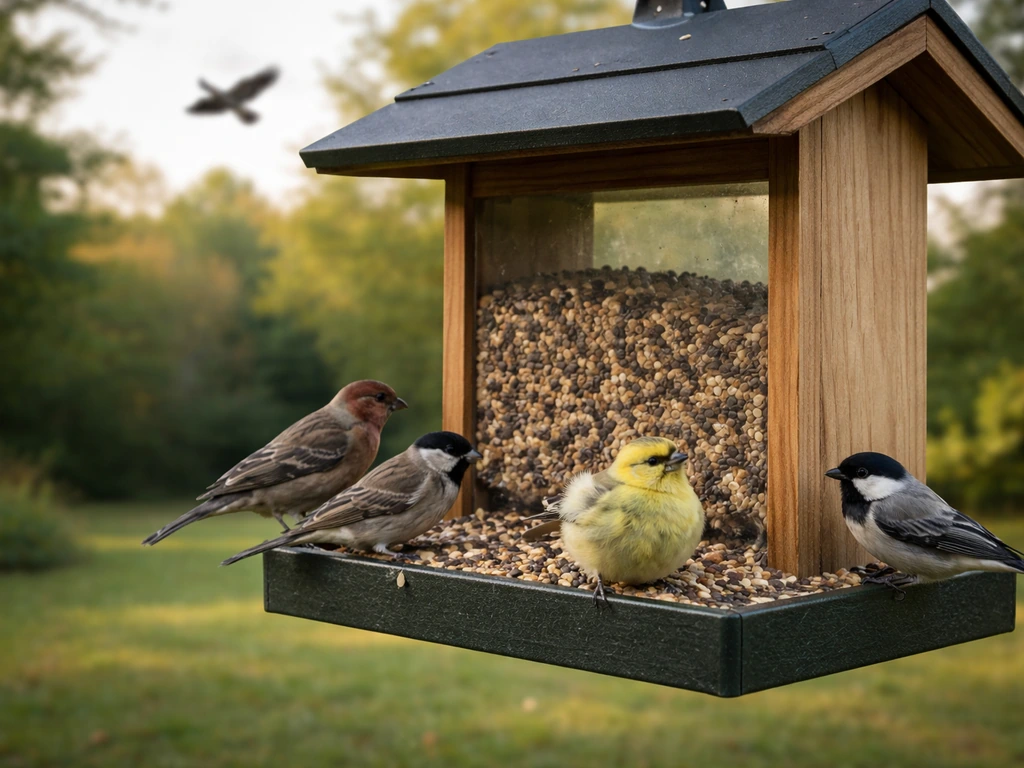
Several birds can injure a human eye, but the ones most commonly documented in medical literature are magpies, roosters, owls, herons, egrets, hawks, and cormorants. The injury almost always comes from one of two things: a direct peck aimed at or near the eye, or high-speed contact during a defensive dive or swooping attack. If a bird just hit your eye and you're not sure what to do, rinse it immediately with clean water or saline, don't rub it, and get it looked at by a doctor today, even if it feels minor.
Which Bird Attacks the Human Eye and What to Do Now

Maya Chen
12 May 2026
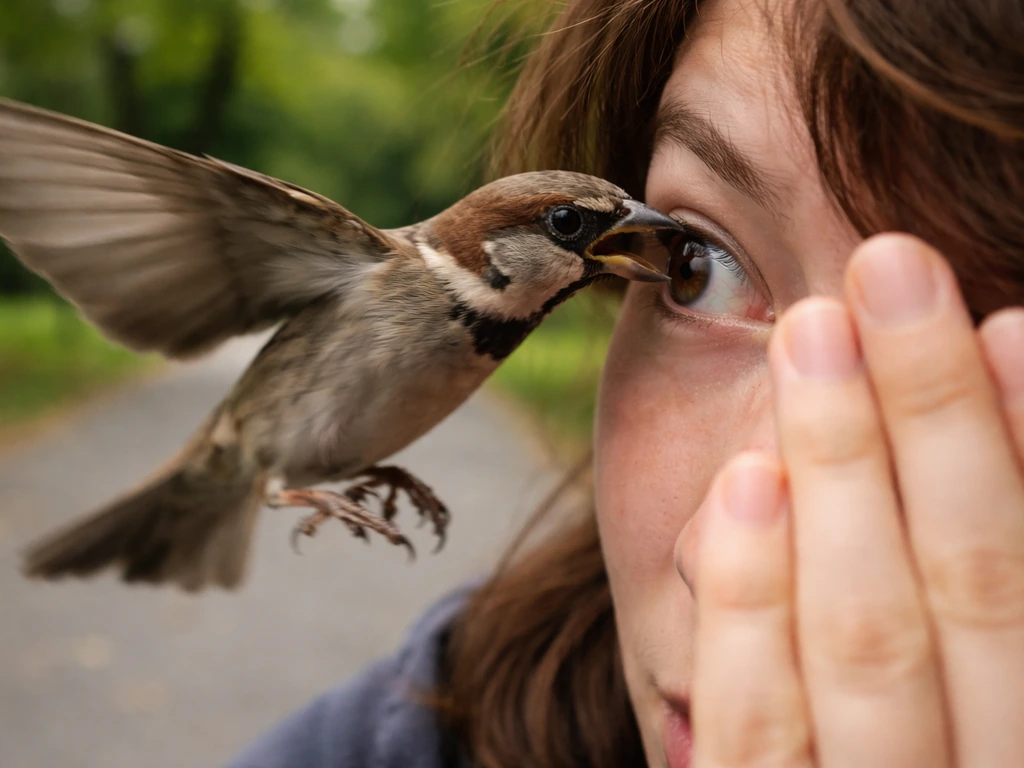
Which birds are most likely to injure an eye, and why
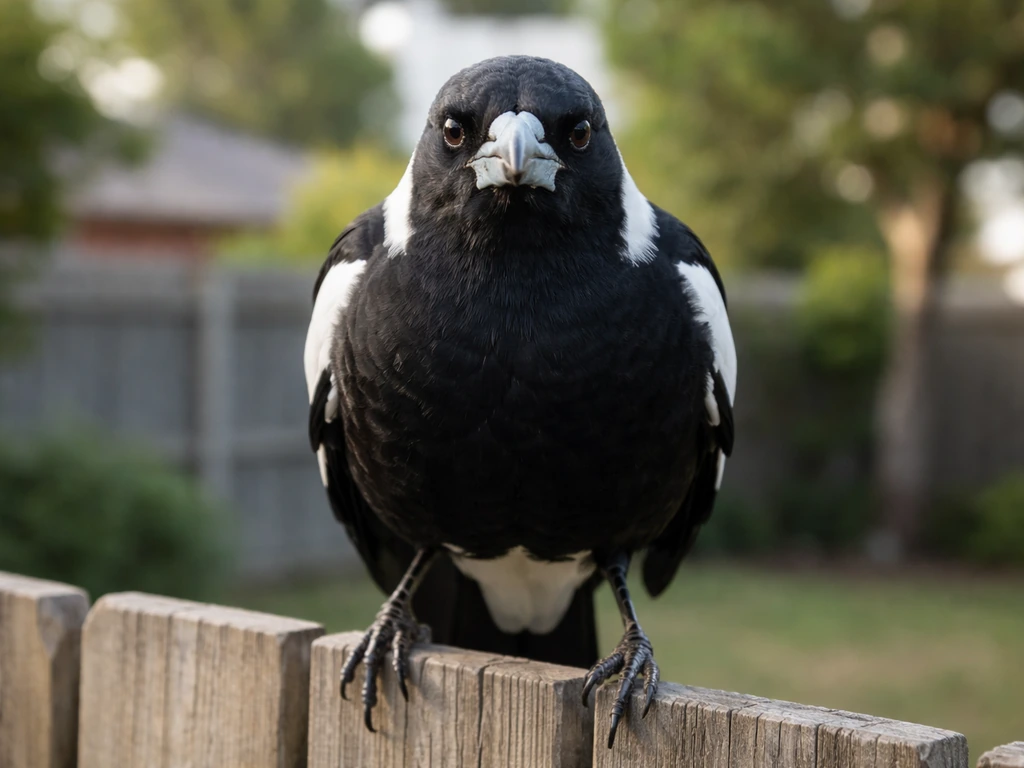
Magpies are probably the most well-studied culprit. An Australian injury surveillance report found that the eye was the most commonly affected body part in magpie-related injuries, accounting for more than 20% of cases. A clinical case series of six patients with magpie-related ocular injuries confirmed the injuries were serious enough to require full ophthalmic examination and microbiological testing to prevent permanent damage.
Roosters are frequently cited in medical literature as well, particularly in farm and rural settings where people work in close contact with them. Owls also appear in reported injury series, especially among handlers and falconers. Larger wading birds like great egrets and bitterns have caused documented penetrating eye injuries through direct pecking. One published case described a great egret peck that led to corneal perforation and a severe E. coli infection spreading through the whole eye. Another case involved a bittern peck causing a penetrating corneal wound.
Raptors like hawks create a different kind of injury. Rather than pecking, they can strike at high speed during an attack, and one reported case linked a hawk strike to retinal hemorrhages caused by blunt traumatic force rather than beak penetration. So it's not just the beak that matters. Wing impact, talon contact, and sheer velocity can all cause serious ocular damage.
One detail worth knowing: some research has speculated that birds may be attracted to the eye area itself during an attack, possibly because the contrast and movement of the eye draws their visual attention. If you are wondering why would a bird attack a human, it usually comes down to defense, territory, or perceived threat to its nest or flock. That's part of why eye injuries from pecking birds are disproportionately common even when the rest of the body isn't harmed.
How bird attacks cause eye injuries
There are three main mechanisms to understand. Direct pecking is the most dangerous because birds have sharp, pointed beaks capable of causing full-thickness corneal lacerations. Why bird attacks happen can depend on the animal and the situation, but the common thread is that eye-level movement and aggressive behavior draw sharp beaks or talons toward the face Direct pecking is the most dangerous. Medical literature specifically notes that bird pecking injuries are more likely to result in penetrating wounds than injuries from four-legged animals, precisely because of the beak's shape and force delivery.
Scratching from talons or claws is the second mechanism, most relevant with raptors, roosters, and parrots. A claw scratch across the eye can produce a corneal abrasion ranging from superficial to deep, and the contamination risk from a bird's foot is real given what they walk on.
The third mechanism is incidental contact during a dive or defensive attack, where a bird's wing, body, or beak clips the eye at speed without intentional targeting. This is common with swooping birds like magpies or crows protecting a nest. The blunt impact can still cause corneal injury, retinal damage, or internal bruising of the eye even without a sharp-object contact.
If you're also curious about broader patterns of bird aggression, there's a lot of overlap with why and when birds attack humans generally, which is worth understanding if you live near nesting birds or work with them regularly. If you're wondering what bird attacks eagles, that same aggression pattern can help explain why some birds go after eyes in close-range encounters.
What to do immediately after a bird hits your eye
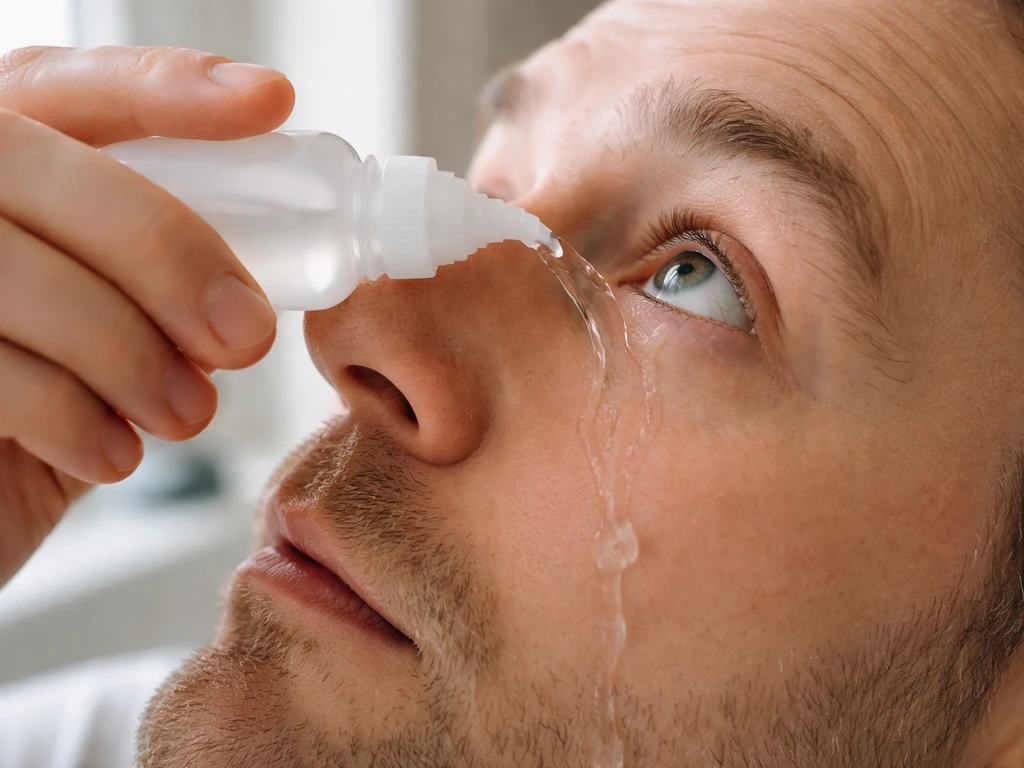
Act quickly, but calmly. Here's the order of steps:
- Rinse your eye right away with clean, lukewarm water or sterile saline. Use a steady, gentle stream. If you're near a sink, lean over it and let the water run across the open eye for at least 10 to 15 minutes. You can also use a clean cup or an eye wash station if one is available.
- Keep your hands away from your eye. Do not rub it, even if the urge is strong. Rubbing can drive debris deeper into the cornea or worsen a scratch.
- Blink gently a few times while rinsing to help flush out any material. Don't force the eye open with your fingers unless you need to separate the lids to rinse.
- After rinsing, check your vision in the affected eye. Cover the other eye briefly and see if your vision is clear, blurry, or absent. This matters when you call a doctor.
- Note what happened: was it a peck, a scratch, a glancing blow? Did you see feathers, debris, or blood? This helps the clinician triage you accurately.
- Call an eye doctor (optometrist or ophthalmologist) or urgent care clinic and describe what happened. Go in today, not tomorrow.
Even if the eye feels okay after rinsing, a bird-related eye injury warrants same-day professional evaluation. Corneal injuries from organic material (a beak, a claw, a feather) carry infection risk that can escalate within hours.
When you need the ER or urgent ophthalmology right now
Some symptoms mean you skip the wait and go directly to an emergency room or get to an ophthalmologist urgently. Don't delay if you have any of the following:
- Any change in vision, including blurring, dimming, or loss of vision in part or all of the visual field
- Severe eye pain that doesn't ease after rinsing
- Visible bleeding in or around the eye
- You can't open the eye at all due to pain or swelling
- You can see something embedded in the eye or on the cornea
- The eye looks deformed, sunken, or the pupil shape looks wrong
- Extreme sensitivity to light (photophobia), especially with tearing
- The injury involved a large bird with a sharp beak and direct pecking contact
These red flags point to potential open-globe injury, corneal perforation, or internal eye trauma, all of which are ophthalmologic emergencies. The documented cases of panophthalmitis (a severe infection that can destroy the entire eye) following bird peck injuries developed rapidly after what seemed like a localized wound. Speed matters.
Infection and complications you need to know about
A bird's beak and claws are not clean instruments. They carry bacteria from food, soil, feces, and whatever the bird has been in contact with. When a beak or talon breaches the surface of the eye, it can introduce pathogens directly into sensitive tissue.
Documented infections from bird eye injuries include E. coli (from the great egret case mentioned earlier) and Bacillus cereus (from a magpie-related keratitis case). These aren't just minor irritants. E. coli in the eye progressed to panophthalmitis, a devastating infection affecting the entire eyeball. Bacillus cereus is particularly aggressive in ocular infections and can cause rapid vision loss. A JAMA Internal Medicine report documents panophthalmitis due to Bacillus cereus in reported patients, supporting Bacillus cereus as an important cause of severe ocular infection after trauma blank" rel="noopener noreferrer">Bacillus cereus is particularly aggressive in ocular infections and can cause rapid vision loss..
The most common structural complication is corneal abrasion, a scratch across the clear front surface of the eye. Superficial abrasions usually heal within a day or two with proper care, but deeper scratches risk scarring, which can affect vision permanently. If the beak punctured through the full thickness of the cornea, that's a corneal laceration or perforation, a much more serious injury requiring surgical repair.
Blunt-force contact from a diving bird can also cause internal injuries without any visible surface wound: retinal hemorrhage, lens dislocation, or traumatic uveitis (inflammation inside the eye). These won't always be obvious immediately, which is another reason a same-day examination matters even when the eye looks intact.
What not to do after a bird eye injury
A few common instincts and home remedies can actually make things worse. Avoid these:
- Don't rub the eye. This is the most important rule. Rubbing can grind debris into the cornea and worsen a scratch or perforation.
- Don't try to remove anything embedded in the eye yourself. Embedded material needs to be removed by a clinician using magnification and proper instruments, not fingers or tweezers at home.
- Don't apply random over-the-counter eye drops or ointments without professional guidance. Some ointments can promote infection if the eye is already compromised, especially with organic contamination from a bird.
- Don't patch or bandage the eye with improvised materials. A patch can actually increase infection risk with organic-material injuries by creating a warm, moist environment. This applies specifically to bird-related injuries where contamination is likely.
- Don't wait several days to see if it gets better on its own. Infections from bird pecking injuries can escalate within 24 to 48 hours.
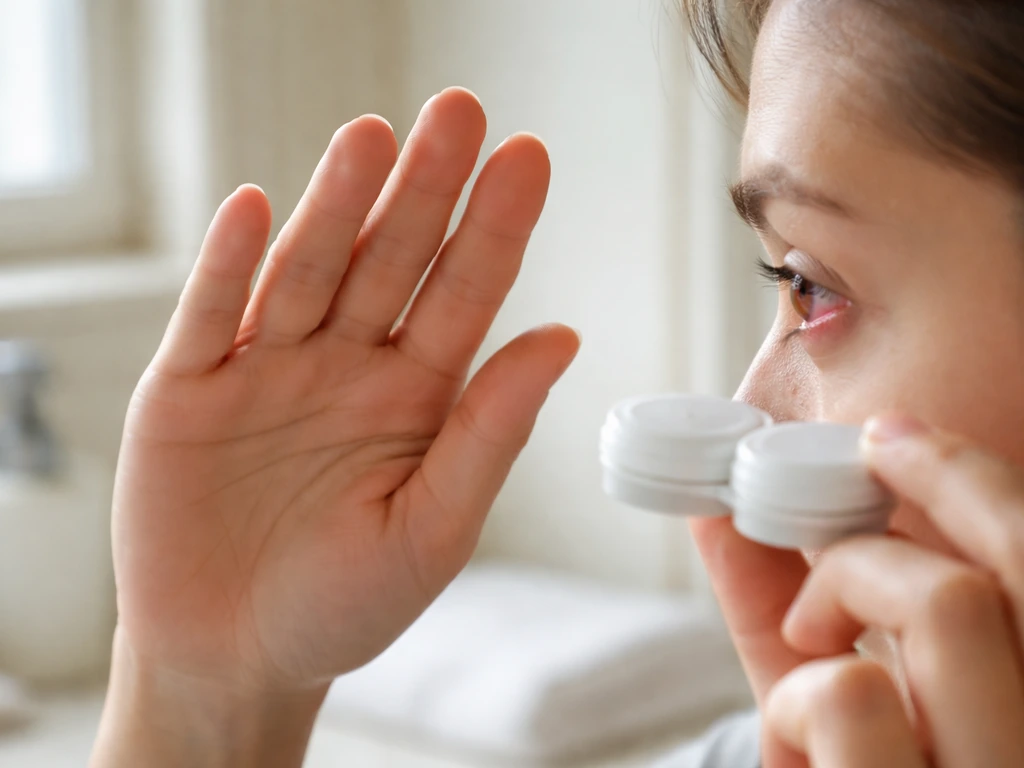
- Don't use contact lens cases or old contact lens solution as an eye wash. Use fresh, clean water or commercially sterile saline.
- Don't assume that because you can still see, the injury is minor. Some serious internal injuries don't immediately affect vision.
How to protect your eyes around birds
For bird owners and handlers, this is especially relevant since close face contact is common and most injuries happen during routine interactions like feeding, training, or handling stressed birds.
For bird owners and handlers
- Wear wrap-around safety glasses or protective eyewear that meets ANSI Z87.1 impact standards when handling birds known to bite, peck, or strike. This is the single most effective prevention step.
- Avoid bringing birds close to your face, even birds you trust. A startled or hormonal bird can redirect quickly toward the nearest high-contrast target, which is often the eye.
- Keep your face turned slightly away when a bird is on your shoulder or arm and behaving unpredictably.
- Use a barrier or perch stand when interacting with raptors or large parrots rather than freehand holding near face level.
- Never let an unfamiliar or agitated bird near a child's face unsupervised.
For people near wild birds and nesting areas
- During nesting season (typically spring and early summer), keep sunglasses on when walking through areas known for swooping birds like magpies, mockingbirds, or red-winged blackbirds.
- If you know a particular area has an aggressive nesting bird, take a different route or wear a hat with a brim in addition to sunglasses. The hat brim disrupts the bird's line of attack.
- Avoid making direct eye contact with a swooping bird, as this can escalate the defensive response.
- Don't approach nests or fledglings on the ground, even to help. Parent birds will attack to protect them and often target the highest point of the threat, which is your head and face.
- If a bird is repeatedly swooping at you in a public area, report it to local wildlife authorities rather than trying to manage it yourself.
The NIH's National Eye Institute estimates that the majority of serious eye injuries are preventable with appropriate blank" rel="noopener noreferrer">protective eyewear. That's a straightforward trade-off: a pair of safety glasses or sunglasses costs almost nothing compared to an ER visit and the risk of permanent vision loss. If you're regularly around birds that have shown aggressive behavior, protective eyewear isn't optional.
A quick reference: injury type vs. urgency
| Injury type | Likely cause | Urgency level |
|---|---|---|
| Corneal abrasion (surface scratch) | Wing contact, feather, glancing peck | Same-day eye doctor visit |
| Deep corneal scratch or laceration | Direct peck from sharp-beaked bird | Urgent ophthalmology, same day |
| Corneal perforation / open globe | Forceful direct peck (egret, heron, rooster) | Emergency room immediately |
| Blunt trauma, no visible wound | High-speed strike from hawk, swooping bird | Same-day evaluation, possible ER |
| Infection signs (redness, discharge, pain worsening) | Any bird contact with contaminated beak or claw | ER or urgent ophthalmology today |
| Vision change after any bird contact | Any mechanism | Emergency room immediately |
When in doubt, treat it as urgent. Eye injuries from birds are rare enough that most general practitioners may not have encountered one, so asking specifically for an ophthalmologist or going to an emergency room with eye care capability is the safest call when symptoms are significant.
FAQ
If I only got a small peck on the eyelid (not the eyeball), do I still need same-day care?
Yes, if the bird hit near the eye or you cannot clearly tell whether the beak or claw contacted the cornea or inner eyelid. Even eyelid-only trauma can come with corneal exposure or a scratch you might not notice, and bird contamination raises infection risk. Same-day evaluation is especially important if pain, tearing, light sensitivity, or blurry vision starts after the incident.
Can I put contact lenses back in after rinsing a bird-related eye injury?
No. Remove contacts immediately and do not reinsert until an eye clinician clears you. Contacts can trap contaminants on the cornea and delay healing, and they increase the risk of infection in the setting of abrasion or deeper injury.
Is sterile saline better than water for rinsing a bird-hit eye?
Either clean water or sterile saline is appropriate for the initial rinse. If you have access to sterile saline, use it, but do not delay rinsing to find it. The priority is rapid flushing and avoiding rubbing.
Should I cover the eye with a patch after a bird attack?
Do not patch the eye unless an ophthalmologist instructs you to. Patching can trap moisture and bacteria against an injured cornea and may worsen infection risk, especially if the injury is deeper than you suspect.
What if the bird injury happened hours ago, and it feels better now?
Still get same-day professional evaluation if possible, because corneal and internal injuries may not declare themselves immediately. Organic contamination from beaks and claws can lead to infection that progresses rapidly, and blunt trauma can cause internal damage without obvious surface wounds.
Are there specific red flags that strongly suggest a penetrating injury?
Yes. Significant or worsening pain, inability to keep the eye open, marked light sensitivity, a visible white spot or irregular pupil, blood in the front of the eye, or vision loss are concerning. Also treat any “trauma with bird beak or talon” as higher risk for open-globe injury even if bleeding is minimal.
What should I tell the ER or ophthalmologist about the incident?
Tell them which bird it was (if known), how it happened (peck, scratch, or swoop), roughly what time it occurred, whether you rinsed and when, and whether you wear contacts. If there is any chance the beak or claw penetrated the surface, say so, because the clinician may need to examine for full-thickness corneal injury and contamination.
Do eye drops or ointments help right after a bird peck?
Avoid “leftover” antibiotic drops, steroid drops, or numbing drops unless prescribed for this specific injury. In particular, steroids can worsen certain infections, and anesthetic drops should not be used for home management. Use only what the clinician recommends after an exam.
How can I prevent bird attacks on the eyes when I work with or keep birds?
Wear ANSI-rated protective eyewear that seals or wraps sufficiently, not just loose eyewear. If you do feeding or handling near the face, consider eye protection plus a face shield, and train a routine that reduces sudden head movement and eye-level confrontation during nesting or aggression periods.
Does washing my face or disinfecting the area around the eye reduce infection risk?
Cleaning the surrounding skin is reasonable, but it does not replace corneal rinsing or an eye exam. Infection risk mainly relates to what contacted the eye surface or penetrated the cornea, so focus on rinsing the eye promptly and getting evaluated rather than relying on external disinfection.
What complications should I watch for over the next 24 to 72 hours?
Watch for increasing pain, worsening redness, worsening light sensitivity, persistent tearing, new or increasing discharge, and any reduction in vision. These can indicate evolving corneal infection, deeper abrasion, or internal injury, even if the initial symptoms seemed mild.
Next Article
What Bird Attacks Other Birds? Culprits and Safety Tips
Find the bird likely behind attacks on other birds, tell predation vs aggression, and deter safely at your feeder.