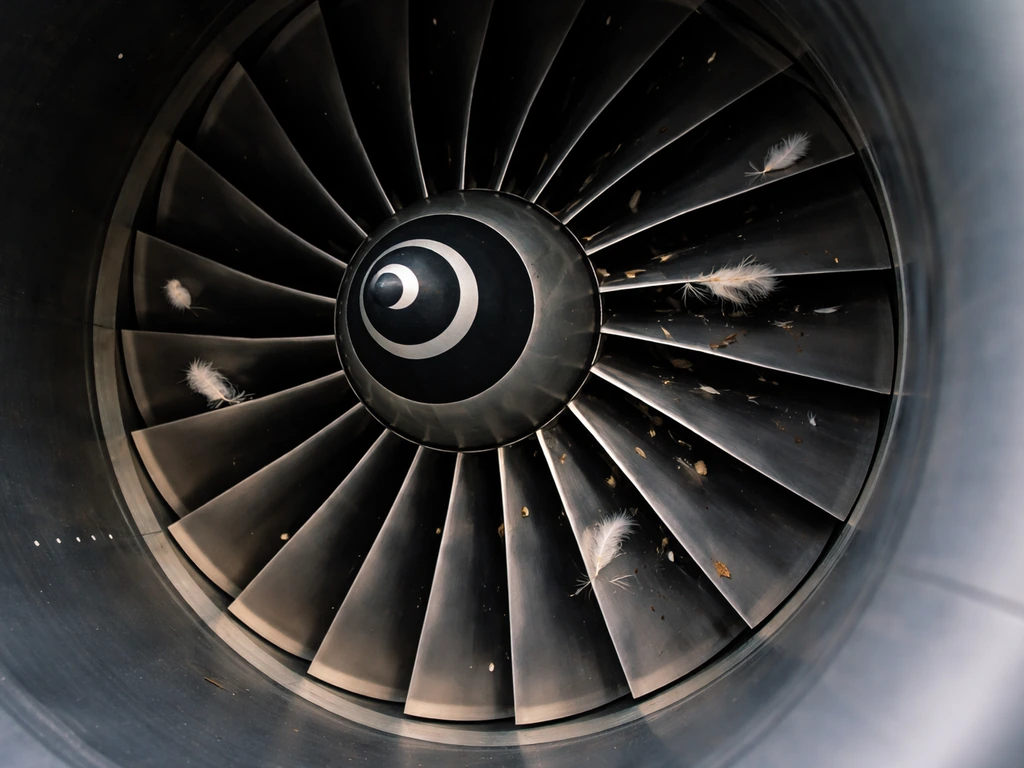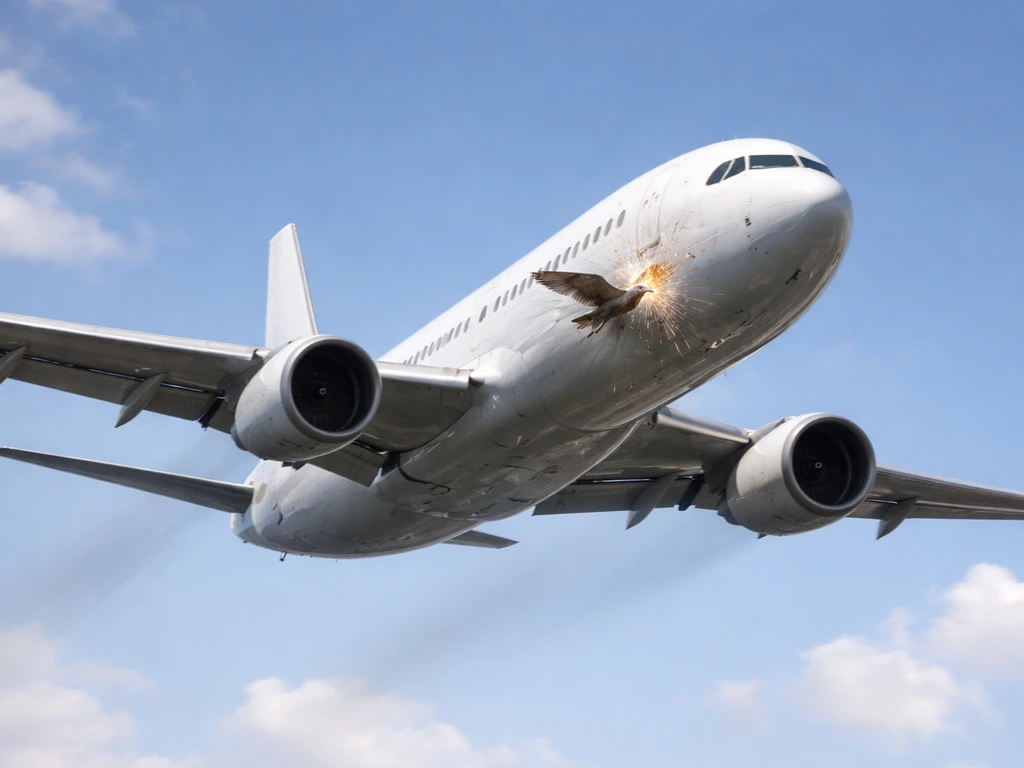
Yes, a jet engine can survive a bird strike, and most of the time it does. If you mean “can the aircraft keep flying,” that typically hinges on the same certified ability to continue safe flight and landing after a bird strike, even if thrust or engine behavior changes can a plane survive a bird strike. So even though airports and airlines use bird deterrence, the core question behind why jets do not have bird blockers comes down to how reliable engines are when a strike happens bird strike. In very unlikely catastrophic cases, crews may have to shut down an engine and rely on remaining engines or execute an emergency landing what happens if a bird hits a plane engine. The vast majority of bird strikes cause minor or no damage, and the engine keeps running normally. That said, "survive" covers a wide range of outcomes, from zero noticeable effect to significant damage that requires immediate shutdown but still allows the plane to land safely. True catastrophic failure is rare, but it has happened, and the whole system of certification rules, airport wildlife management, and pilot procedures exists because bird strikes are a real and serious hazard worth taking seriously.
Can a Jet Engine Survive a Bird Strike? Real Answer

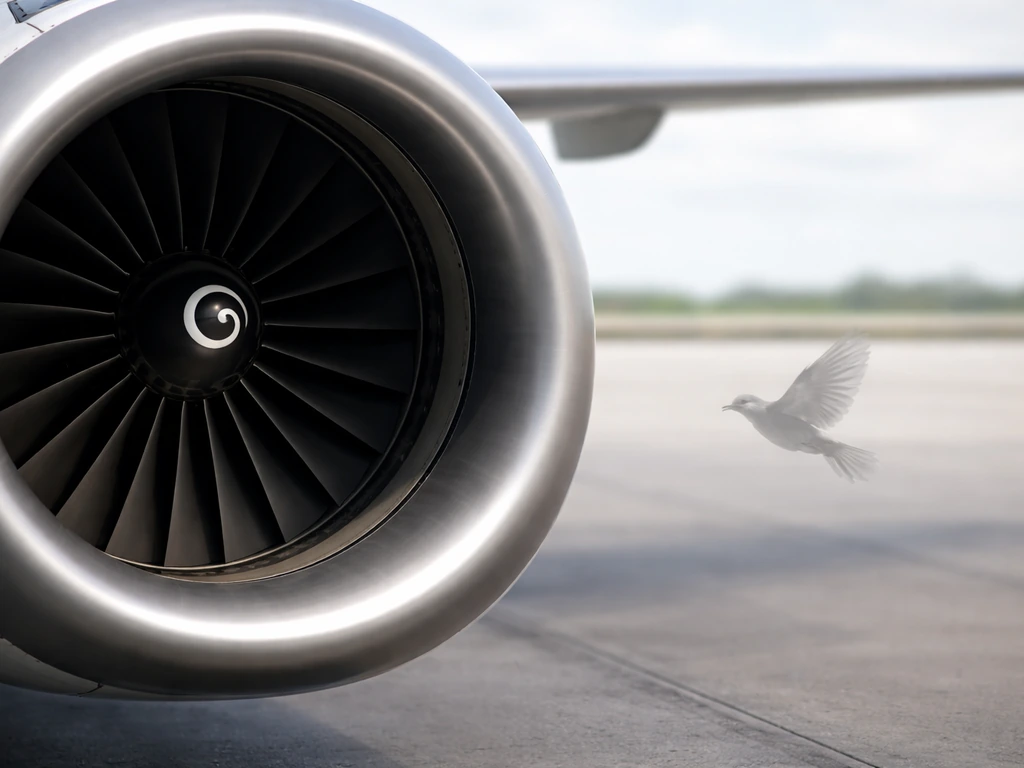
What 'survive' actually means in aviation terms

When aviation engineers talk about an engine surviving a bird strike, they don't just mean the engine stays in one piece. They mean the aircraft can continue safe flight and land without a catastrophic loss of control. The FAA's certification standard for transport-category aircraft (14 CFR §25.631) sets the design objective as ensuring "continued safe flight and landing" after impact with an 8-pound bird at sea-level approach speed. That is the design target, not a guarantee of zero damage.
In practice, "survival" breaks into a few scenarios. The engine absorbs the strike and keeps producing normal thrust. The engine suffers partial power loss but still produces enough thrust to fly. The engine is safely shut down by the crew while the aircraft continues on remaining engines. Each of these counts as a successful outcome in aviation safety terms. What aviation is trying to prevent is uncontained failure, where broken engine parts tear through the airframe, or simultaneous failure of multiple engines with no recovery path.
Why modern jet engines are built to handle bird ingestion
This is not an accident. Engine manufacturers are required by federal regulation to test their designs against bird ingestion before those engines ever fly commercially. Under 14 CFR §33.76, every turbine engine must pass a series of ingestion tests covering small birds (up to 16 birds of 85 grams each, scaled to inlet area), medium birds, large flocking birds, and large single-bird strikes. Tests are run at 100% takeoff power, and the engine must meet specific acceptance criteria afterward.
The goal of these tests is not to make engines invincible. It is to ensure that after a realistic ingestion scenario, the engine can either continue producing a usable level of thrust or be safely shut down without catastrophic failure. FAA guidance describes acceptable outcomes in terms of how much thrust loss is tolerable and whether thrust can be restored by moving the power lever. Engines that fail to demonstrate this during certification do not get approved for commercial use.
After decades of research prompted by earlier fatal accidents (the FAA launched a comprehensive turbine engine bird ingestion research program following major failures in previous eras), today's large commercial turbine engines have substantial bird-strike resistance across a wide range of threat sizes and scenarios. That resistance is real, but it has limits.
What actually determines how bad the damage gets
Several factors combine to determine whether a bird strike is a non-event or a serious emergency. Understanding these helps explain why most strikes are minor and why a small number become major incidents.
Bird size and species
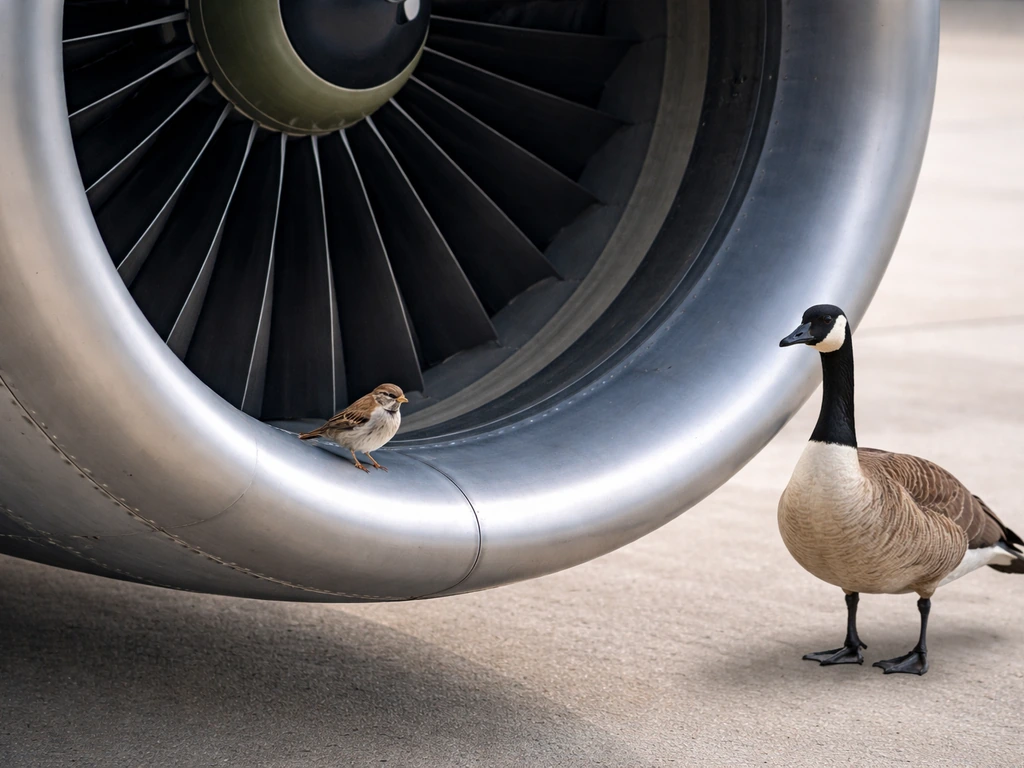
This is the most obvious factor. A small bird like a starling hitting a large high-bypass turbofan is unlikely to cause significant damage. A Canada goose (which can weigh 8 to 14 pounds) or a large raptor is a very different story. The infamous 2009 US Airways Flight 1549 ditching in the Hudson River was caused by the ingestion of large Canada geese into both engines, resulting in near-total loss of thrust in both. The NTSB's probable cause statement confirmed that ingestion of large birds into each engine caused the near-complete loss of thrust that led to the ditching.
Number of birds (single vs. flock)
A single bird may be manageable. A flock is far more dangerous, especially if multiple birds enter the engine simultaneously or in rapid succession. Flocking species like starlings, blackbirds, and Canada geese are specifically addressed in certification testing for this reason. The A320 Hudson River case is the clearest real-world example of why flock ingestion can overcome even a well-designed engine.
Speed, altitude, and power setting
Impact energy increases dramatically with speed because kinetic energy scales with velocity squared. A bird strike at takeoff or landing approach speed near the ground is more damaging than the same bird at cruise altitude. FAA data shows that most reported bird strikes occur below 500 feet above ground level, right in the climb-out and approach phases when engines are at high power settings and aircraft are moving fast. Higher power settings also mean the engine is more sensitive to anything disrupting the airflow through the compressor.
Where the bird enters the engine
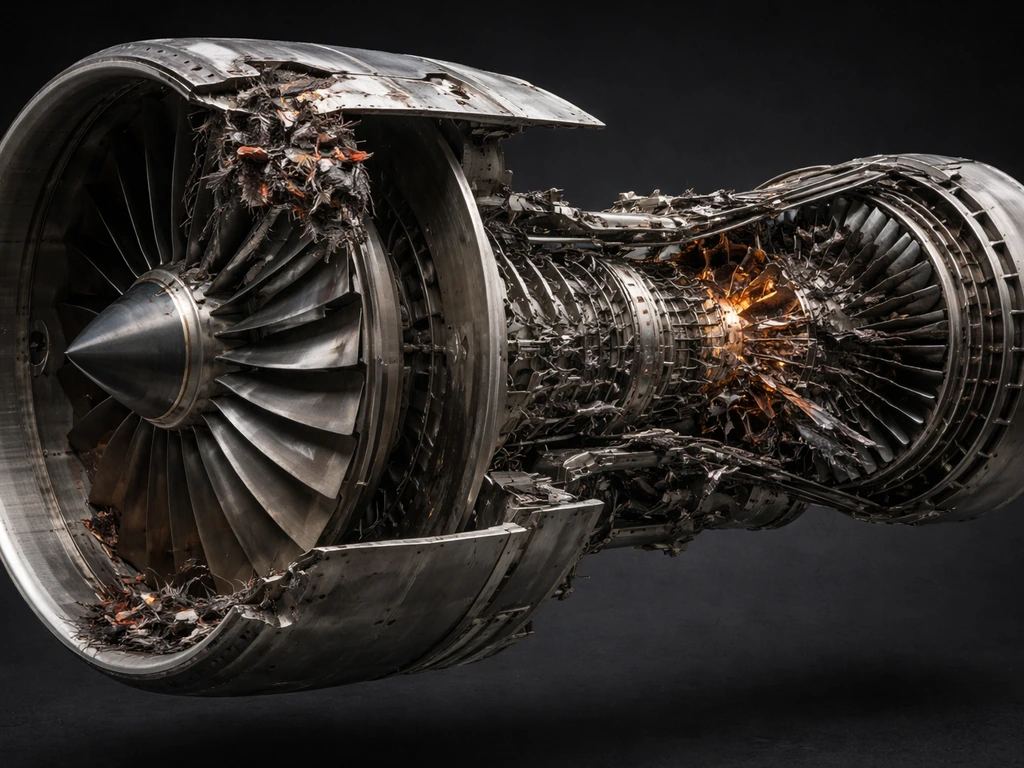
Not all parts of an engine are equally vulnerable. A bird that hits a fan blade and stays in the bypass duct causes very different damage than one that makes it into the engine core, where the compressor stages operate at extremely tight tolerances. Birds entering the core are more likely to cause compressor stall, flameout, or structural damage to internal stages. This is why FAA certification tests specifically aim birds at "critical target locations" inside the engine inlet.
What happens right after a strike: the pilot and aircraft response
The immediate experience in the cockpit can range from a dull thud with no instrument change to loud banging, vibration, flames from the inlet, and rapid engine parameter drops. Pilots train extensively for this. The crew's first job is to assess what the instruments show: thrust readings, vibration indicators, exhaust gas temperature, and whether the engine is responding to throttle inputs.
If the engine is still producing usable thrust without abnormal indications, the crew may continue the flight while monitoring closely and declaring the event to air traffic control. If there are signs of serious damage (sustained unrecoverable thrust loss, high vibration, abnormal temperatures), the crew follows the engine failure or engine fire checklist, which typically means shutting down the affected engine, running the appropriate Quick Reference Handbook procedures, and diverting to the nearest suitable airport.
After landing, regardless of whether the crew noticed obvious symptoms, any flight involving an actual or suspected bird strike is flagged for maintenance inspection. Aviation operations guidelines are clear that crews should record any observed thrust or torque fluctuations associated with the strike event, and that there should be unequivocal guidelines requiring the level of maintenance inspection after any bird-strike flight, especially one with possible engine ingestion.
How engineers and maintenance teams handle it afterward

Even a strike that seemed minor in the cockpit gets a thorough look on the ground. Maintenance inspection after a suspected engine ingestion event follows the manufacturer's Aircraft Maintenance Manual procedures and may include a visual inspection of fan blades for nicks, dents, and cracks, borescope inspection of internal compressor and turbine stages, review of engine vibration data from the flight data recorder, and an engine run-up to verify performance parameters.
The threshold for returning an engine to service versus pulling it for teardown and repair is based on what the inspection finds. Small blade nicks that fall within allowable damage limits can be blended out and the engine returned to service. More significant deformation, cracking, or any evidence of core damage typically requires the engine to be removed and sent to an overhaul facility. Airlines and MRO (maintenance, repair, and overhaul) shops treat these events seriously because undetected damage that passes through one flight can propagate into a much bigger problem on a later flight.
Any strike that results in significant damage or the loss or malfunction of an essential service also triggers formal reporting under ICAO Annex 14, feeding into the global database of bird strike events that researchers and safety agencies use to track trends, identify high-risk species and locations, and refine prevention strategies.
Myths vs. reality about bird strikes and engines
| Common Myth | What's Actually True |
|---|---|
| One small bird will destroy a jet engine | Most small-bird strikes cause little or no damage. Engines are tested against defined small-bird ingestion scenarios and must pass before certification. |
| Bird strikes always cause engine failure | The FAA estimates the vast majority of strikes cause no damage or only minor damage. Catastrophic failure is the rare exception, not the rule. |
| Modern jet engines are basically invincible to birds | They're resilient, but not invincible. Large birds, flocks, and strikes into the core can still cause serious damage or loss of thrust. |
| Engines must keep running after any strike to pass certification | Certification allows for safe shutdown as an acceptable outcome. The goal is no catastrophic failure, not guaranteed continued operation. |
| Bird strikes only happen at altitude | Most reported bird strikes occur below 500 feet AGL, during takeoff and landing phases. |
| A bird strike is always a passenger emergency | Most strikes are minor events the passengers never notice. Serious events are handled by trained crews using well-rehearsed procedures. |
How airports reduce bird strike risk
The most effective way to manage bird strike outcomes is to reduce the chances of a strike happening in the first place. Airports around the world follow ICAO Doc 9137 (Airport Services Manual, Part 3), the primary international framework for wildlife hazard management at aerodromes. FAA guidance mirrors this with its own wildlife hazard management requirements for certificated airports.
Wildlife hazard management programs typically combine habitat modification, active deterrence, and land-use controls. Habitat modification means making the airport environment less attractive to birds: short grass species that don't support large insect populations, removal of standing water, and elimination of food sources. Land-use controls address what goes on near the airport. FAA guidance specifically identifies incompatible land uses that attract hazardous wildlife, including putrescible waste disposal operations, wastewater treatment facilities, and artificial wetlands or marshes within defined distances of aircraft movement areas.
Active deterrence measures at airports include trained falconers who fly raptors to scare off other birds, pyrotechnic noise devices, distress call broadcasting, and in some cases lethal control of resident bird populations that pose chronic hazards. These programs are coordinated with wildlife agencies and are designed around the specific species present at each airport.
Safe handling if you find a bird carcass near an airport or airfield
If you come across a dead bird near an airport or runway area, the guidance from public health agencies is straightforward. The CDC advises avoiding direct contact with sick or dead birds and not handling carcasses with bare hands. If local authorities direct you to dispose of a carcass, use gloves, a plastic bag, and ideally a mask. Do not pressure-wash or disturb the carcass in a way that could aerosolize particles, since that increases inhalation exposure risk. Dead birds near airports are generally an aviation safety concern rather than a public health emergency, but taking basic precautions is sensible, especially during periods when avian influenza is circulating in wild bird populations.
What to do if you're directly involved in or witness a bird strike
If you're a passenger and you hear or feel what might be a bird strike, the practical answer is: trust the crew and pay attention to any instructions. The flight deck knows within seconds whether the engine is behaving normally or needs to be shut down. In most cases, nothing more will happen. If the crew does initiate emergency procedures, follow cabin crew instructions exactly.
If you work in airport operations or bird hazard management and you're involved in documenting a bird strike, focus on collecting accurate information: the location on the aircraft where remains were found, the species if identifiable (feather and tissue samples can be sent to the Smithsonian Feather Identification Lab in the US for species confirmation), the phase of flight, and whether there were any observable aircraft effects. That data feeds directly into the wildlife hazard programs that make future flights safer.
If you're a bird owner or enthusiast concerned about the aviation-bird interaction from the bird's perspective, the honest answer is that bird strikes are primarily an aviation safety issue rather than a meaningful conservation threat at the population level for most species. The serious harm, when it occurs, flows in the other direction: from birds to aircraft. Airport wildlife programs do involve some lethal control, but they are designed to target genuine hazard species in specific locations, not to eliminate wildlife broadly.
The bigger picture is that decades of engineering, regulation, and airport management have made bird strikes far less dangerous than they once were. Engines are specifically designed and tested to handle ingestion events, pilots train for engine failures, and airports work continuously to reduce the chances of a serious strike happening in the first place. That system works well most of the time, and understanding how it works is the best foundation for making informed decisions, whether you're a passenger, an airport safety professional, or just someone who wants to know what actually happens when a bird meets a jet engine. In extreme cases, that interaction can be severe enough to damage or even destroy key parts of the engine what actually happens when a bird meets a jet engine.
FAQ
Can a jet engine survive a bird strike and still be used for the next flight without inspection?
No. Even when pilots report only a minor bang or no obvious thrust change, the aircraft is typically cleared for maintenance inspection before return to service. Engine signs like vibration shifts, compressor disturbances, or small fan blade damage can require borescope checks, and whether it is reinstalled depends on specific limits in the engine manual.
What’s the difference between “the engine keeps running” and “the engine is safe after a bird strike”?
Survival in safety terms is not just continued rotation. The key is whether the engine remains stable and controllable, meaning thrust can be maintained or safely restored and the risk of uncontained failure is low. A bird strike can still be successful even if the crew has to shut the engine down, as long as the aircraft can continue safe flight and landing.
Does bird strike survival depend more on engine type or on where the bird hits?
Both matter, but location inside the inlet is often decisive. A bird that stays in the bypass duct may only dent fan components, while one that reaches the core can trigger compressor stall or flameout due to the tight tolerances of compressor stages. Certification tests target critical inlet angles and locations for this reason.
If one engine is hit by birds, can the other engine “cover” the problem automatically?
Not automatically, and the aircraft’s performance margins vary by model and weight. Pilots assess thrust available on the remaining engine(s) and whether airspeed, climb capability, and controllability meet go conditions. On some aircraft, sustained thrust loss can force immediate diversion rather than continuing to the planned destination.
Can a jet engine fail after a bird strike even if it seems fine in the air?
Yes. Some damage is not immediately obvious, especially internal compressor or turbine impacts that do not cause an immediate warning. That is why post-flight inspections often include vibration data review and borescope inspection, and why engines can be removed for teardown if there is evidence of core damage.
What happens if the crew suspects an engine ingestion but the instruments show no major anomalies?
Crews typically follow the applicable aircraft bird-strike guidance and engine failure or fire procedures when there are abnormal indications. When the cockpit data looks normal, they may continue with careful monitoring, then rely on maintenance to confirm internal integrity during inspection.
Do birds hitting the fan vs birds hitting the core have different outcomes for “survival”?
Yes. Fan strikes more often lead to external damage that can sometimes be repaired within allowable limits. Core strikes are more likely to affect compressor airflow, causing stall or unstable combustion, which can push the outcome toward immediate shutdown to prevent escalation.
Is a bird strike worse at takeoff and landing than at cruise?
Generally yes. Most reported strikes occur near approach and climb phases, where aircraft move faster relative to bird density near airports, and engines operate at high thrust settings. Higher power also increases sensitivity to airflow disruptions through the compressor.
Can a flock ingestion still be “survivable” even if it nearly wipes out thrust?
It can be. Aviation certification and emergency procedures are designed for outcomes where thrust is greatly reduced or one engine must be shut down. The aircraft can still be considered to have survived if the crew can maintain control and complete a safe landing using remaining thrust and required procedures.
Should passengers be concerned if they feel or hear a bird strike?
Passengers usually should focus on following crew instructions. The flight deck determines quickly whether the engine is behaving normally and whether emergency actions are required. In many cases, the event results in minor or no measurable performance impact, but sudden abnormal engine indications can trigger immediate procedures.
If someone finds bird remains near an airport, how does that help beyond reporting?
For documentation and prevention, location and identifying details matter. Species confirmation, the flight phase, and where the remains were found (and on which side of the aircraft) help wildlife management adjust deterrence and habitat controls at specific areas and times where that threat is recurring.